Volos Meteora, Greece
178
Cruises availables
At departure or passage at this port
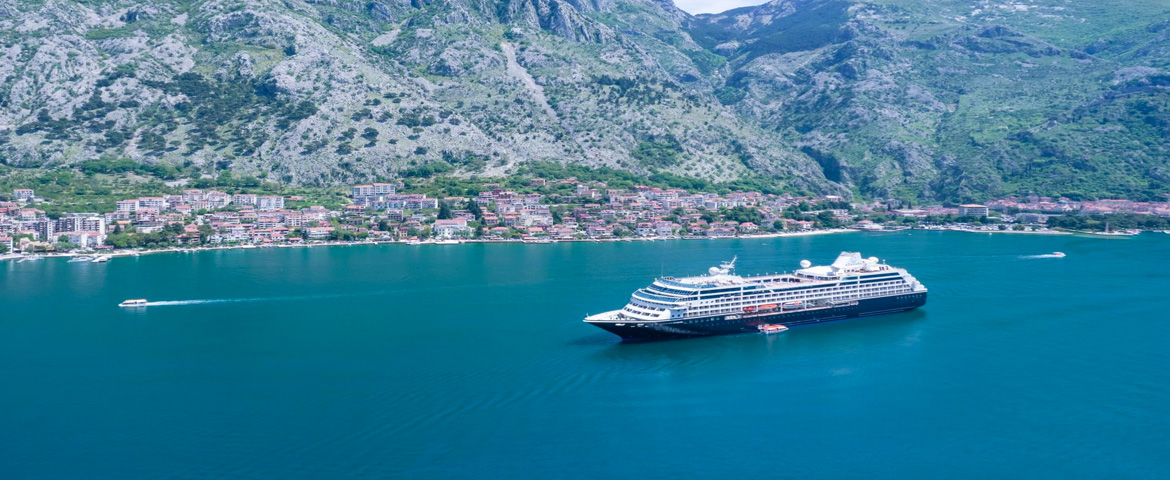
Azamara Club Cruises (18 Cruises)
Azamara Journey
8 Cruises
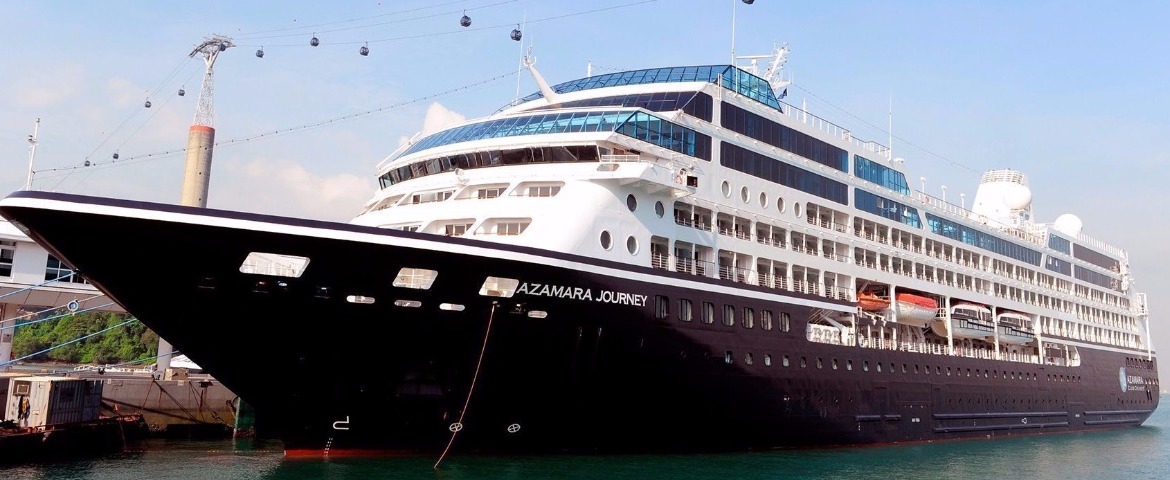

| 22 January | 23 nights | One-way from Lisbon to Piraeus-Athens |
450-628-6241
Call us
|
| 22 January | 49 nights | One-way from Lisbon to Barcelona |
450-628-6241
Call us
|
Azamara Onward
10 Cruises
Costa Cruises (39 Cruises)
Costa Pacifica
39 Cruises
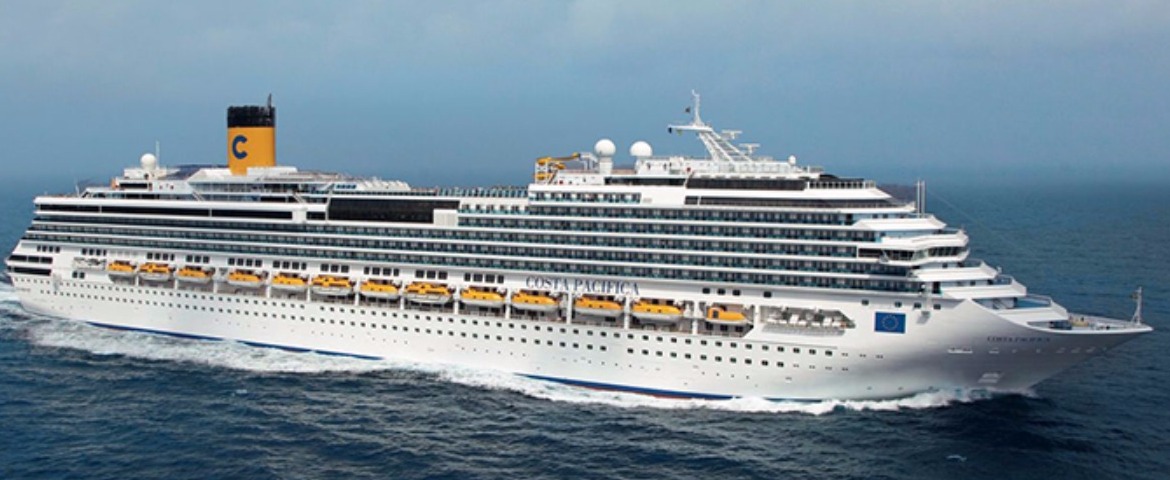

| 24 September | 7 nights | Round-trip from Piraeus-Athens, Greece |
450-628-6241
Call us
|
| 26 September | 7 nights | Round-trip from Istanbul, Turkey |
450-628-6241
Call us
|
Explora Journeys (13 Cruises)
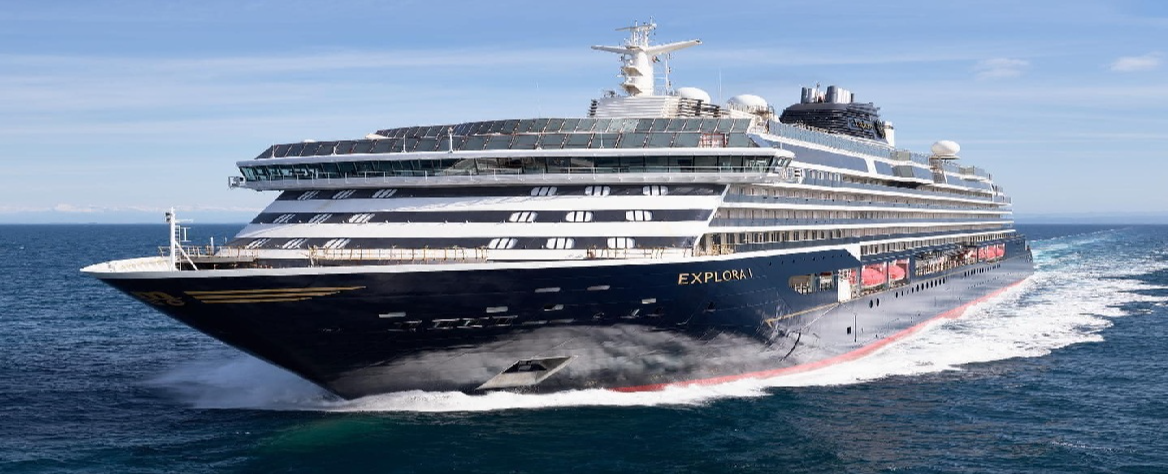

Explora II
9 Cruises
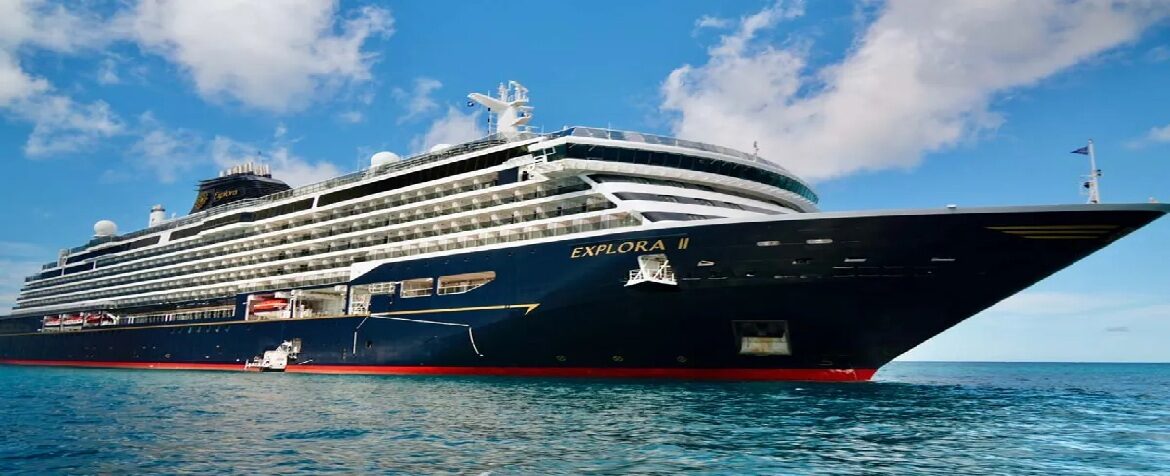
| 25 March | 20 nights | One-way from Piraeus-Athens to Venice |
450-628-6241
Call us
|
| 25 March | 10 nights | One-way from Piraeus-Athens to Venice |
450-628-6241
Call us
|
| 10 May | 7 nights | One-way from Piraeus-Athens to Istanbul |
450-628-6241
Call us
|
| 10 May | 14 nights | Round-trip from Piraeus-Athens, Greece |
450-628-6241
Call us
|
Oceania Cruises (14 Cruises)
Oceania Allura
5 Cruises

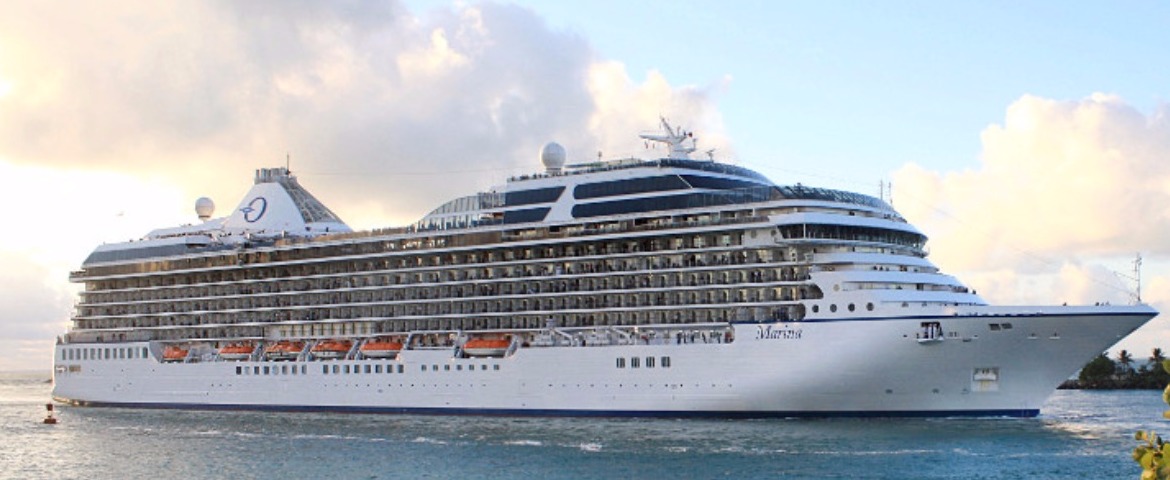
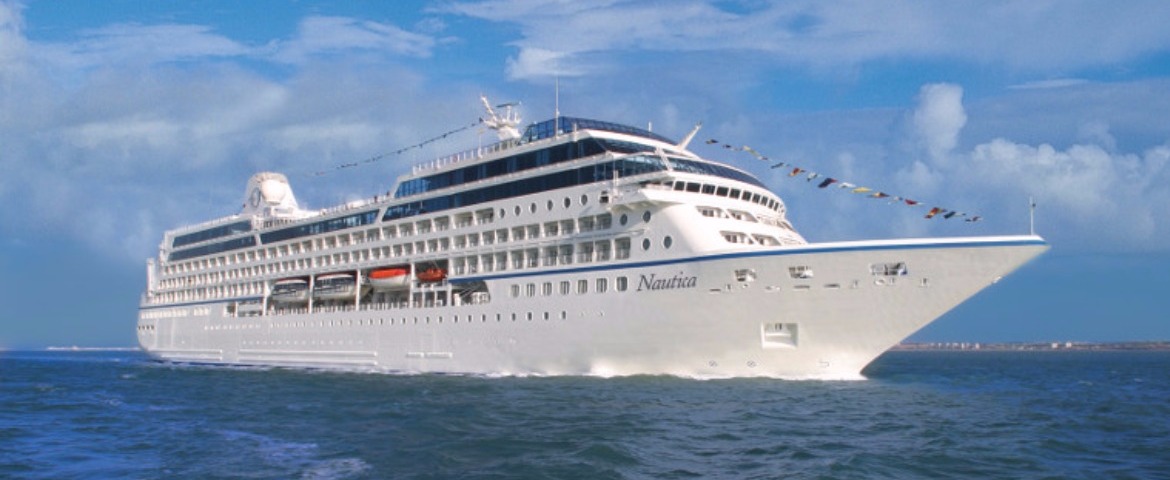
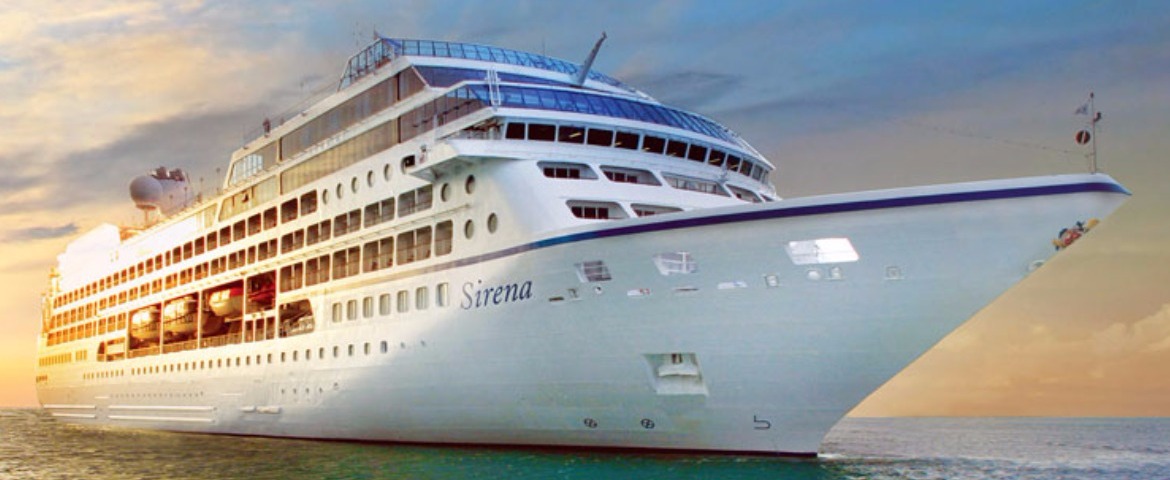
Seabourn Cruise Line (55 Cruises)
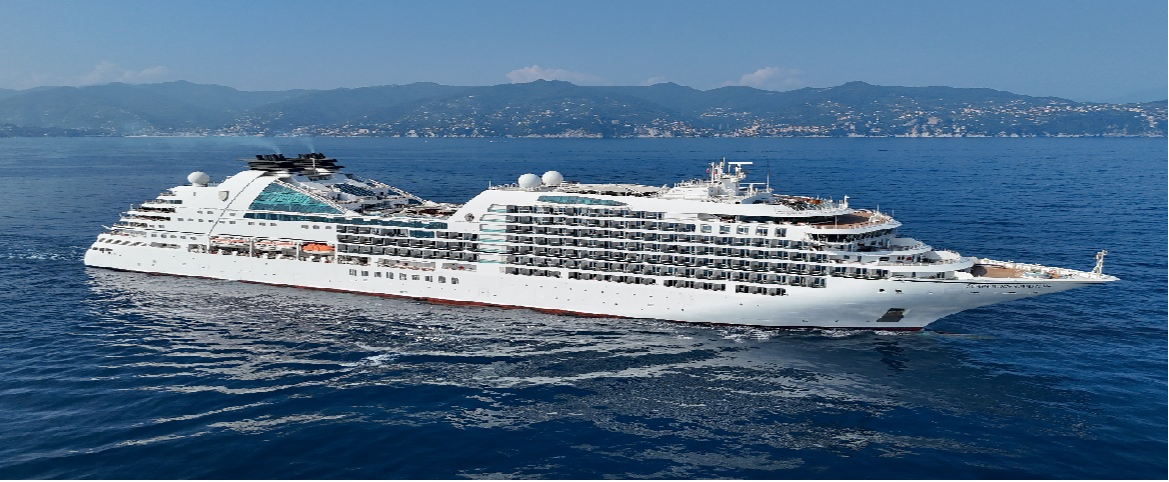
Seabourn Ovation
55 Cruises

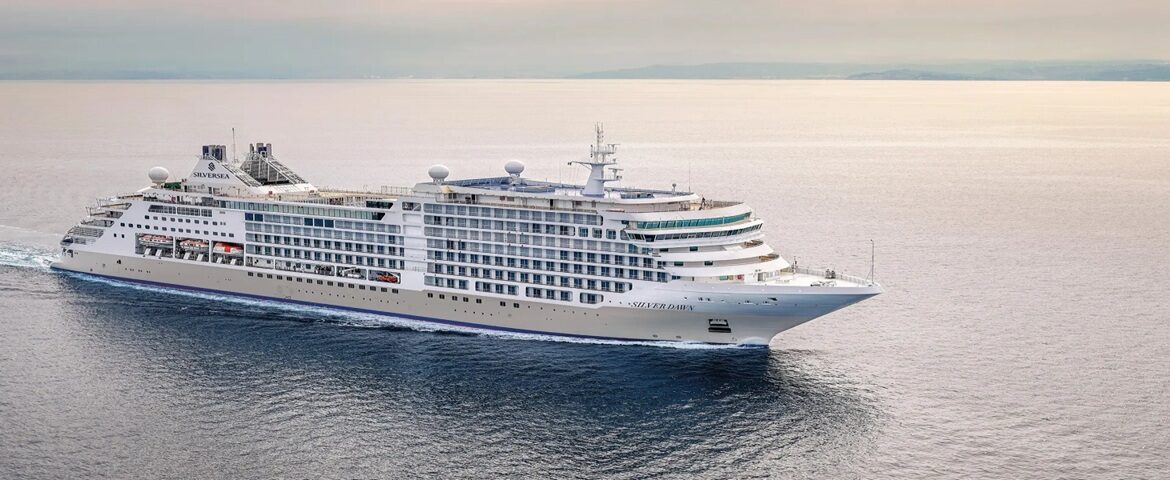
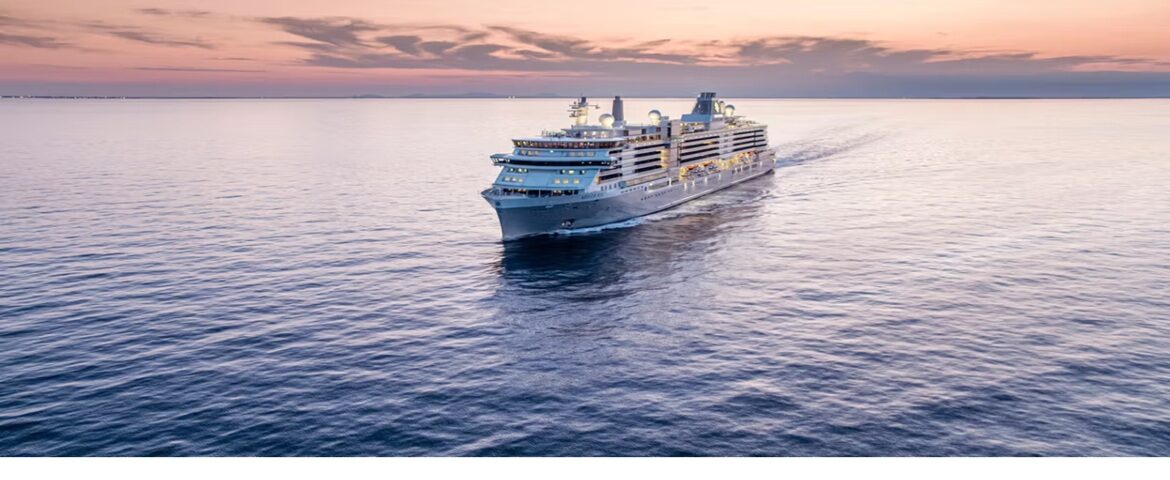
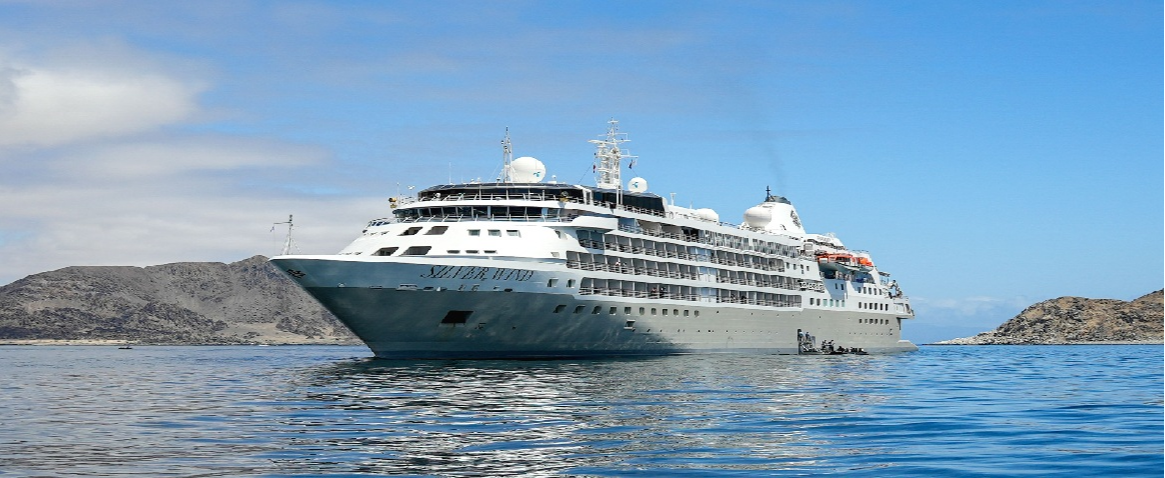
Silversea Cruises (16 Cruises)

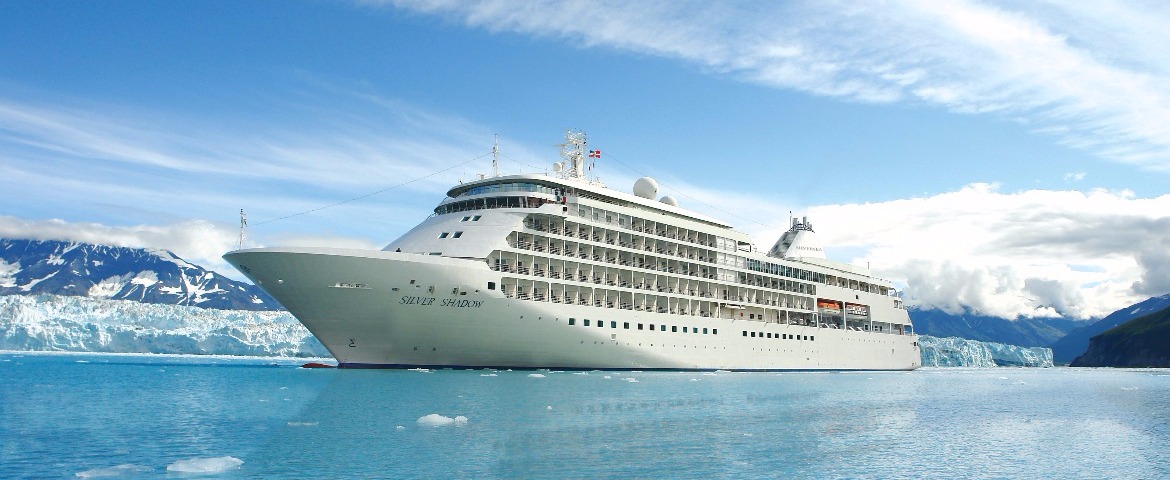
Silver Shadow
9 Cruises
| 16 May | 24 nights | One-way from Villefranche-sur-Mer to Piraeus-Athens |
450-628-6241
Call us
|
| 28 May | 12 nights | Round-trip from Piraeus-Athens, Greece |
450-628-6241
Call us
|
| 27 June | 18 nights | Round-trip from Piraeus-Athens, Greece |
450-628-6241
Call us
|
| 27 June | 10 nights | Round-trip from Piraeus-Athens, Greece |
450-628-6241
Call us
|
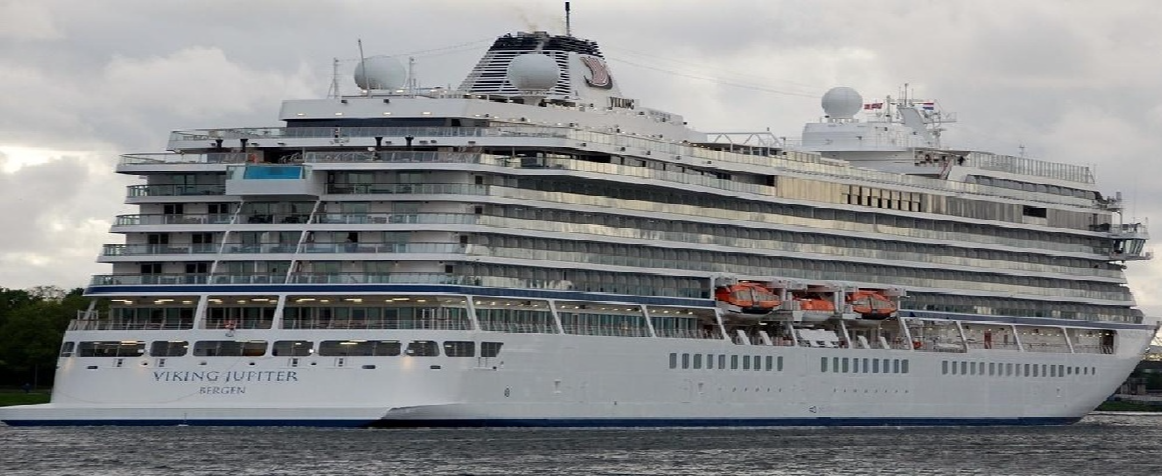
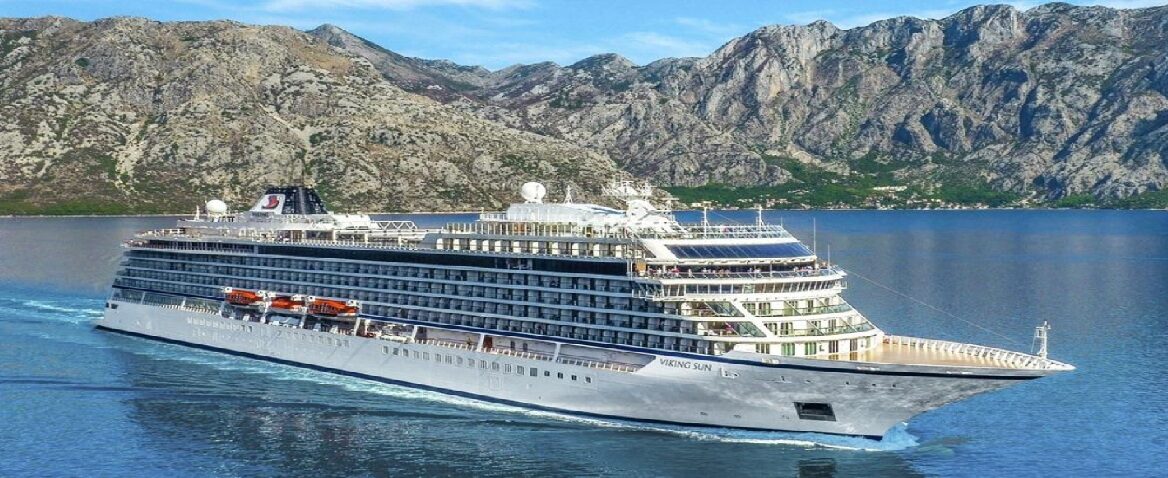
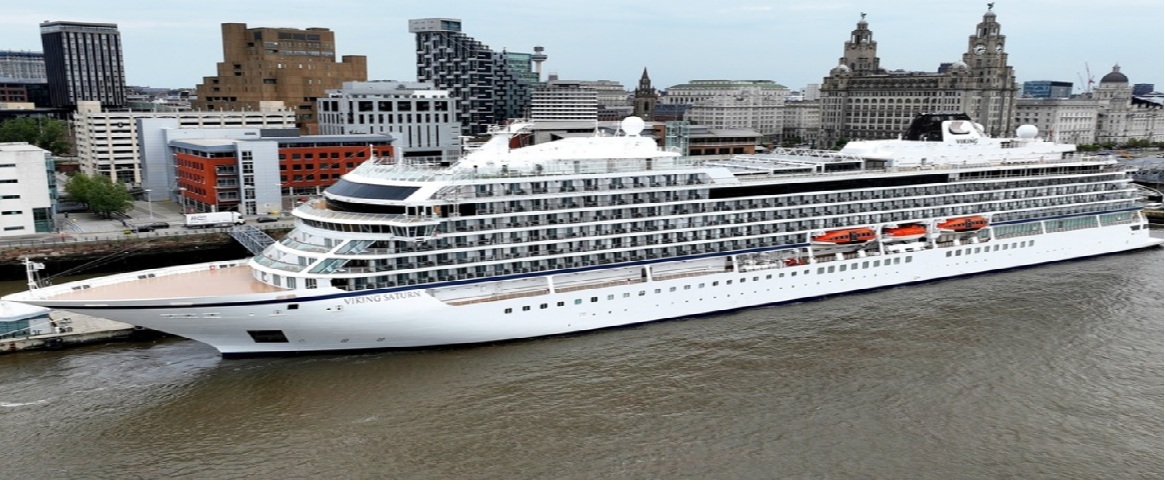
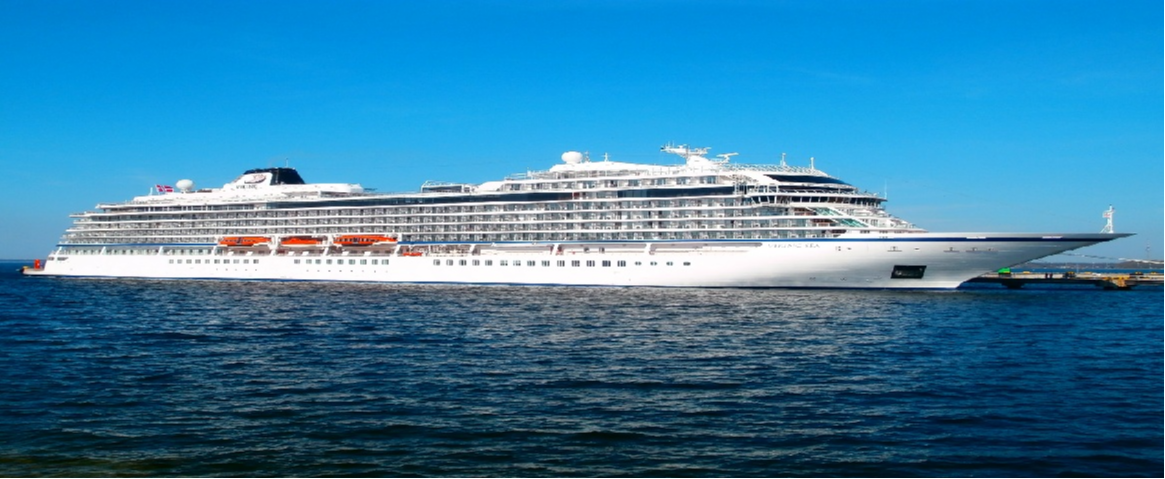
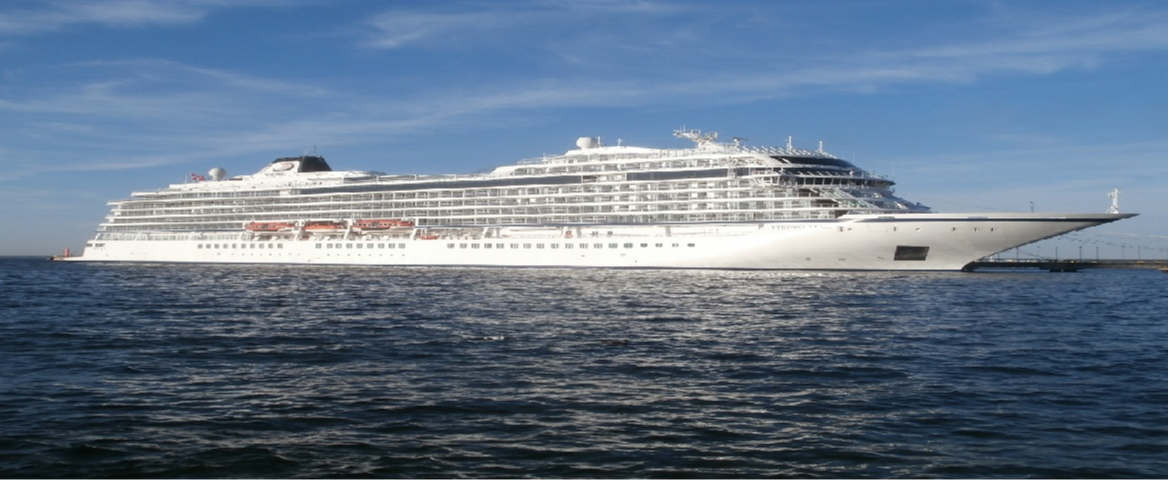
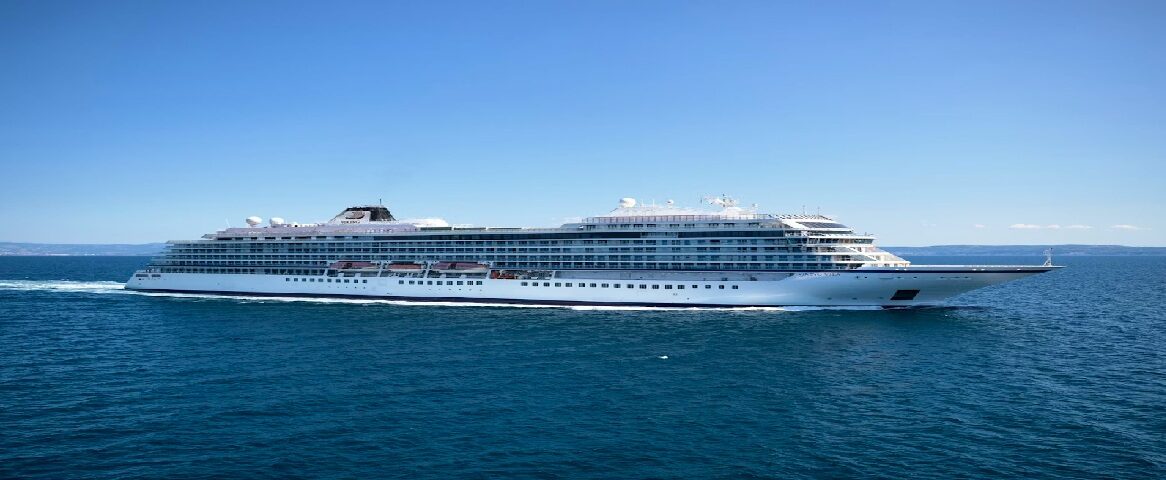
Viking Ocean Cruises (17 Cruises)

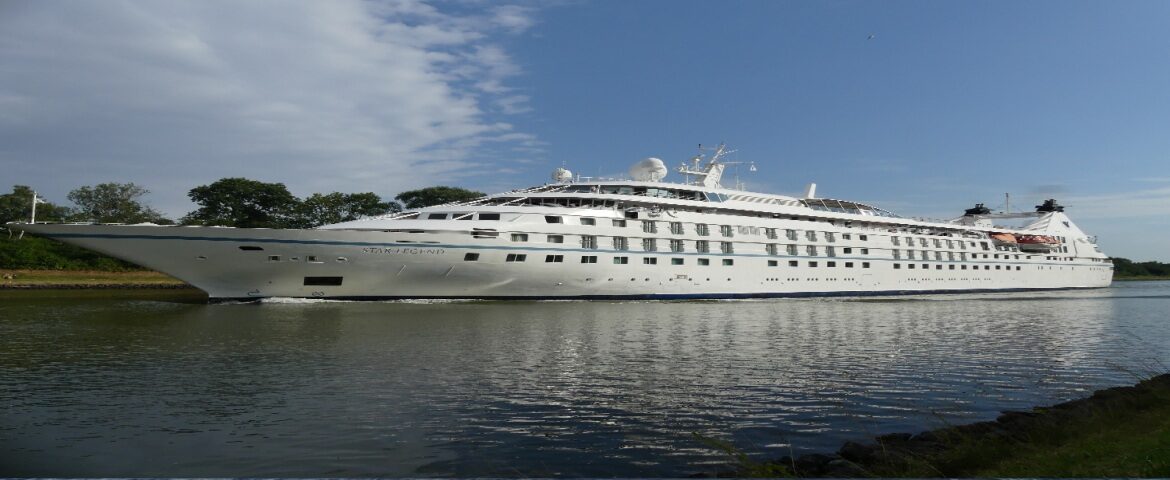
Windstar Cruises (6 Cruises)


Volos, Greece | Cruise Port Guide
Frequently Asked Questions
Immediately alongside the centre: five to ten minutes' walk takes you to the Argonafton promenade and its cafés. Few Greek calls are this straightforward.
Because this, the Greeks say, is where Jason and the Argonauts cast off in search of the Golden Fleece. The great seafront promenade is called Argonafton, the avenue of the Argonauts, and a replica of an ancient ship sometimes rocks in the basin.
The promenade and the Archaeological Museum on foot, then about thirty minutes of hairpin road to Makrinitsa, the balcony of Pelion. Meteora, two hours away, only fits into a very long call.
A specialised taverna where each carafe of tsipouro, the local spirit, comes with a different plate of meze: grilled octopus, sardines, lemony salads. The more rounds you order, the more the dishes multiply and refine. The city has dozens of them.
Yes, but it makes a long day: about two hours of driving each way. The monasteries crown sandstone pinnacles with vertical walls, in a World Heritage landscape. Those who attempt the excursion are rarely disappointed.
The village nicknamed the balcony of Pelion, about thirty minutes away by winding road. Its traditional houses climb the mountainside around a square shaded by century-old plane trees, with the whole gulf spread out below.
The remains of Sesklo and Dimini, two of the oldest Neolithic villages in Europe, discovered on the city's doorstep. The region's past therefore reaches far beyond the Argonauts.
The mountain overlooking the rooftops of Volos, home of the Centaurs in mythology, of whom Chiron, tutor of Achilles, was the wisest. Its villages, Makrinitsa and Portaria, offer cooler air and a marked contrast with the waterfront.
Spoon sweets, the preserved fruits served by the spoonful and a speciality of the mountain guesthouses, along with tsipouro bought in town.
The euro and Greek, with English well established in this university city. Cards work in the centre; keep cash for taxis to the Pelion villages.


