Cochin Kochi, India
57
Cruises availables
At departure or passage at this port
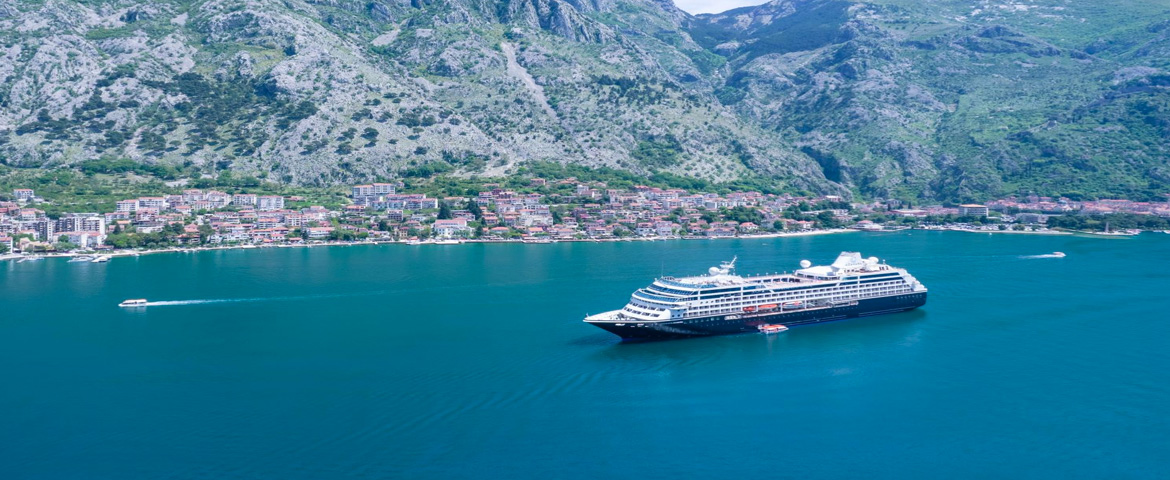
Azamara Club Cruises (13 Cruises)
Azamara Onward
13 Cruises

Crystal Cruises (6 Cruises)
Crystal Symphony
6 Cruises
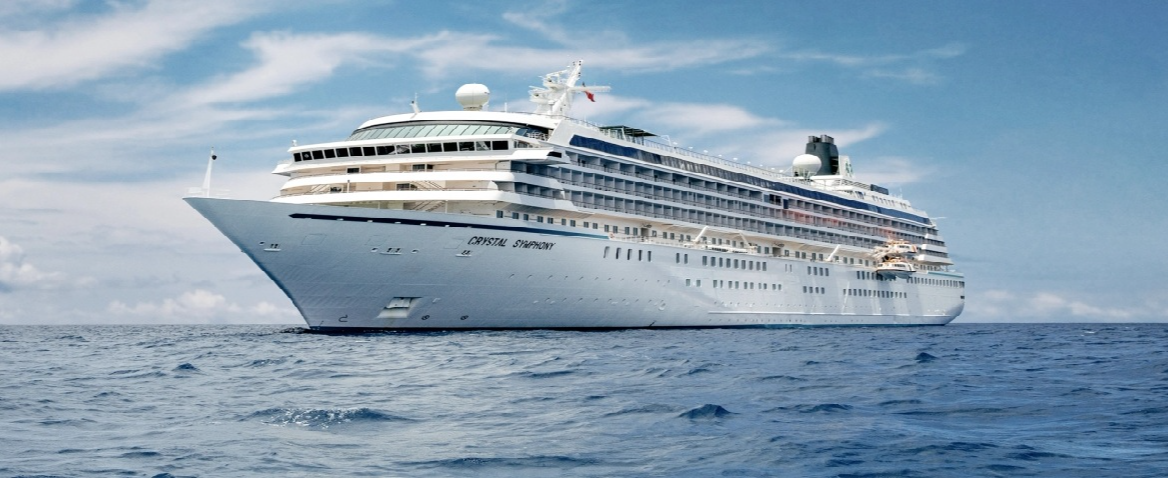

| 11 January | 137 days | One-way from Fort Lauderdale to Barcelona |
450-628-6241
Call us
|
| 11 January | 151 days | Round-trip 150 Night Roundtrip Fort Lauderdale Cruise |
450-628-6241
Call us
|
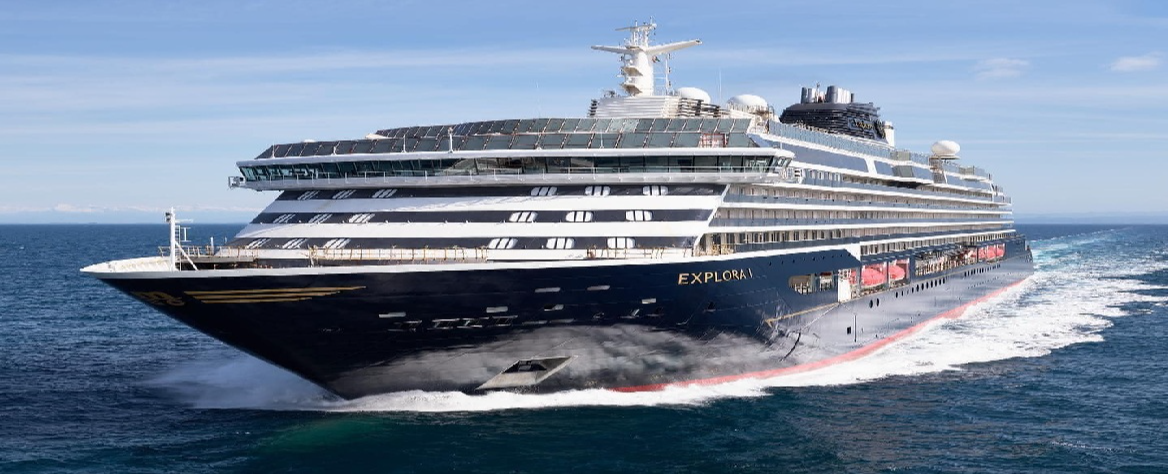
Explora Journeys (2 Cruises)

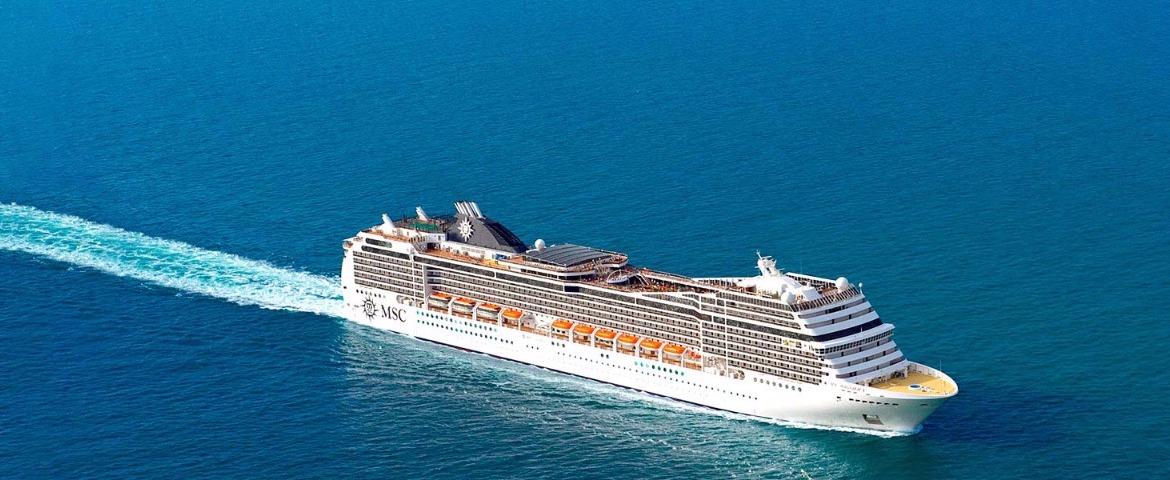
MSC Cruises (4 Cruises)

Oceania Cruises (21 Cruises)
Oceania Aurelia
5 Cruises
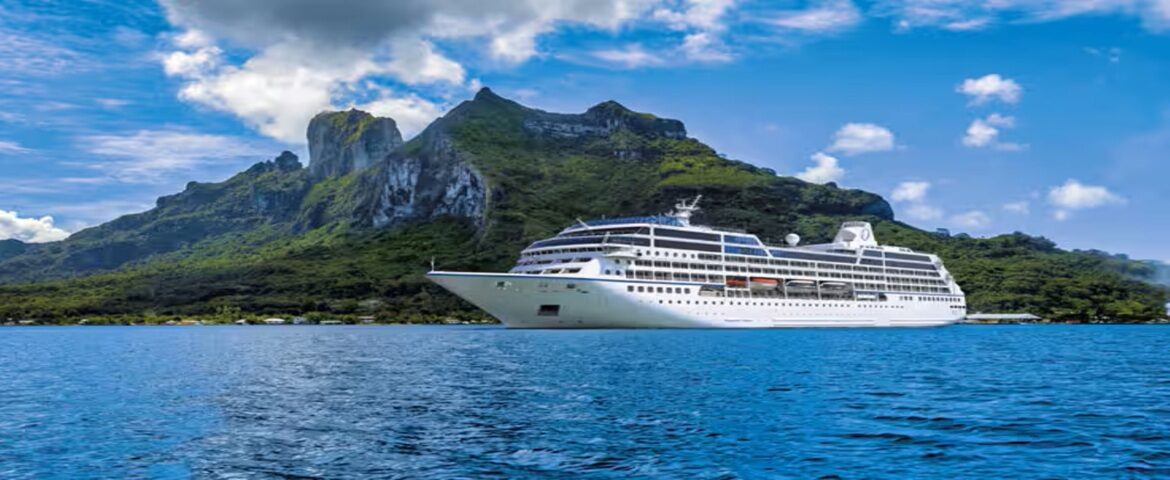

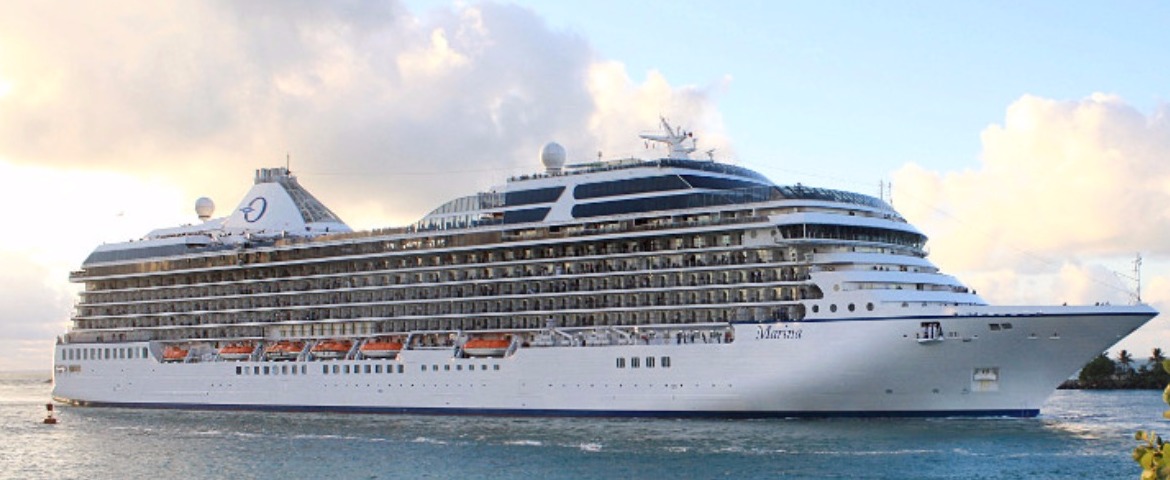
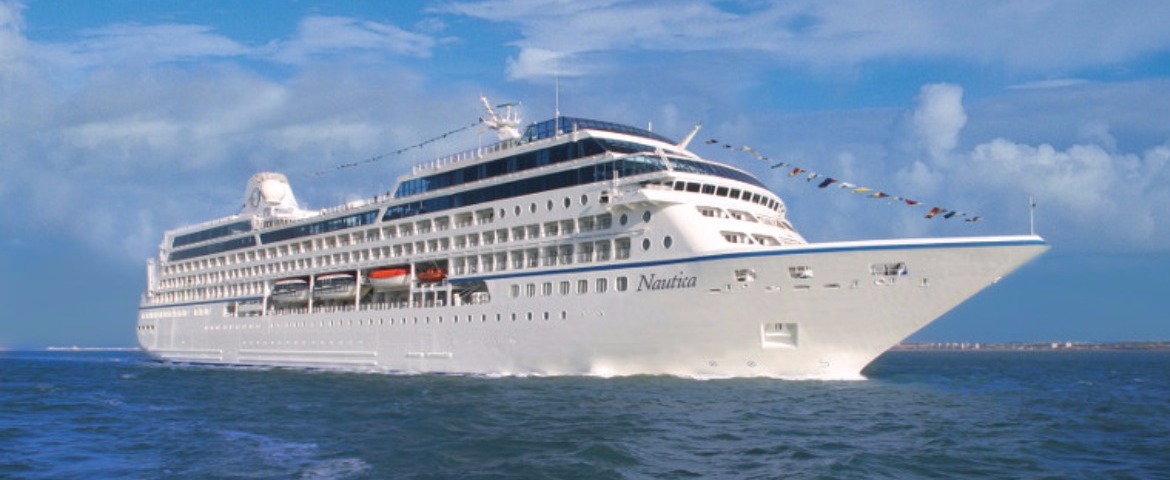
Oceania Nautica
5 Cruises
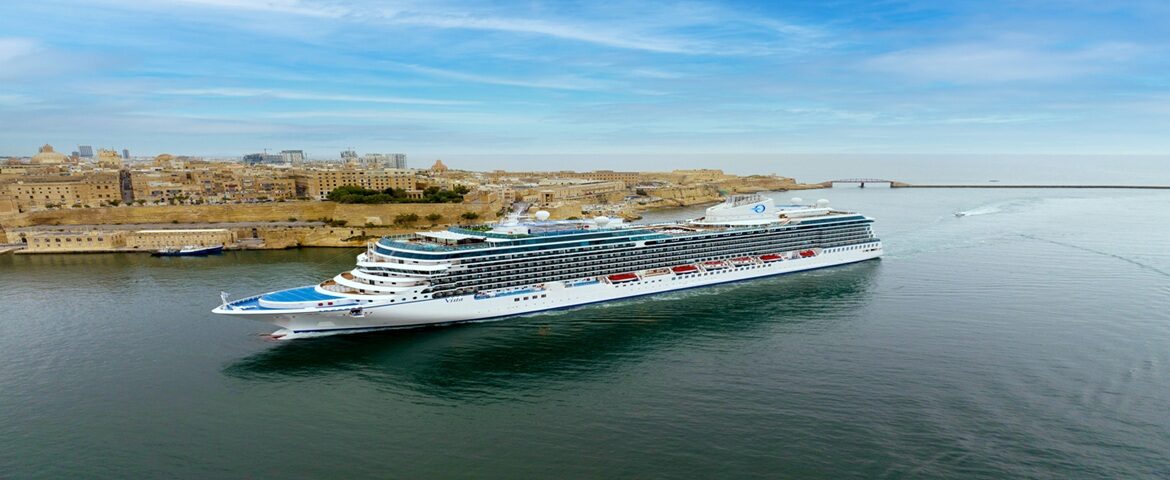
Oceania Vista
8 Cruises

Scenic Cruises (4 Cruises)


Silversea Cruises (4 Cruises)


Port of Kochi (Cochin), India | Cruise Port Guide
Frequently Asked Questions
On Willingdon Island, an artificial island in the middle of the harbour, either at the Samudrika terminal or at the nearby Ernakulam quay. The immediate surroundings are port land: head for the historic districts without delay.
By taxi or autorickshaw, allow twenty to thirty minutes. The public ferry, slower overall but full of life, costs a few rupees for a crossing of about fifteen minutes with a view of the fishing boats coming and going.
Wooden frames as tall as houses, tilted towards the water and held by stone counterweights, in use on this coast for centuries. It takes several people to work them, and the fishermen readily invite onlookers to pull on the ropes. In the evening, stalls will grill the freshly landed fish.
Streets shaded by enormous trees, colonial houses, artists' cafés and walls weathered by the monsoon. St Francis Church, one of the oldest European churches in India, held the grave of Vasco da Gama, who died here in 1524 before his remains were returned to Portugal.
The spice quarter, whose warehouses still smell of pepper and ginger. Its Dutch Palace, built by the Portuguese and later renovated by the Dutch, holds murals devoted to the Hindu epics.
A synagogue founded in 1568 at the end of the antique dealers' street in Jew Town, Mattancherry. It surprises visitors with its ceiling of chandeliers and its floor of hand-painted Chinese tiles, every one different. The quarter is walked on foot, between antique shops and ochre façades.
Yes, cruise lines often offer a trip on this network of canals and lagoons lined with coconut palms. An hour or two aboard a traditional boat gives a glimpse of village life along the water; longer calls allow a run south to the canals of Alappuzha.
Yes, in town, in a condensed form that introduces the green make-up and codified expressions of this Kerala theatre art. It is sometimes possible to watch the performers being made up beforehand, which is often as compelling as the performance.
Keralan cooking deserves a place in your day: fish curry in coconut milk, prawns sautéed with curry leaves, rice served on a banana leaf in traditional places. Cafés in the old quarter, often set in period houses, make a cool pause between neighbourhoods.
Because old Cochin was one of the great spice trading posts of the Indian Ocean. Portuguese, Dutch and British came in turn, each leaving marks that a few hours ashore are enough to encounter — church, palace, synagogue and warehouses stand within a few streets of each other.


