Surabaya Java Indonesia
118
Cruises availables
At departure or passage at this port
Azamara Club Cruises (8 Cruises)
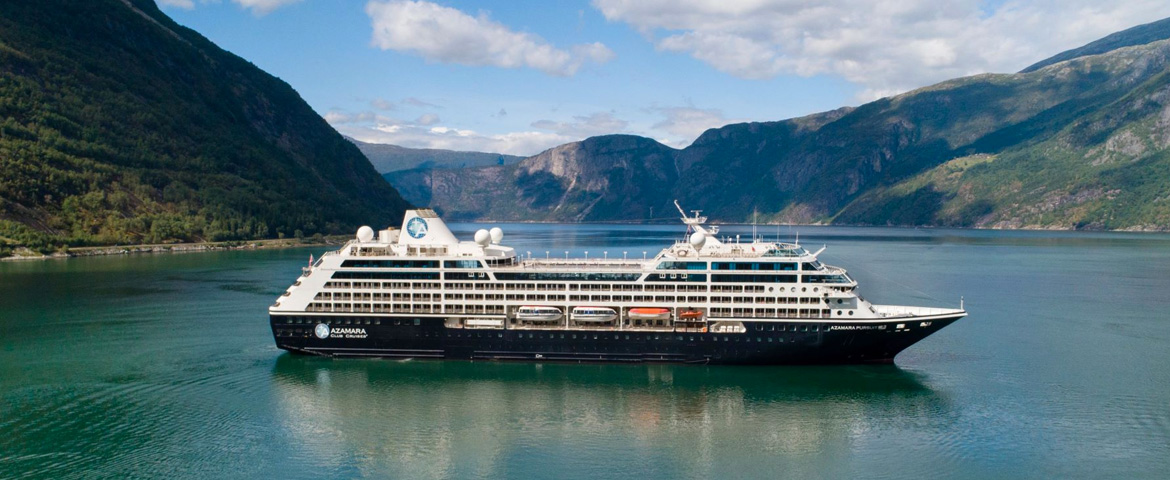
Azamara Pursuit
8 Cruises

Emerald Waterways (9 Cruises)
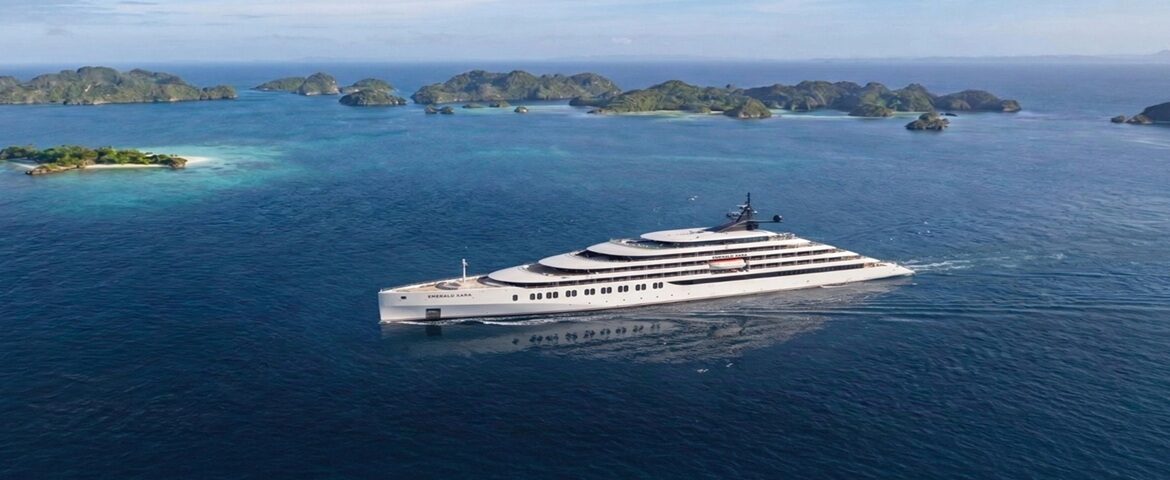
Emerald Xara
9 Cruises

Explora Journeys (4 Cruises)

Holland America Line (3 Cruises)
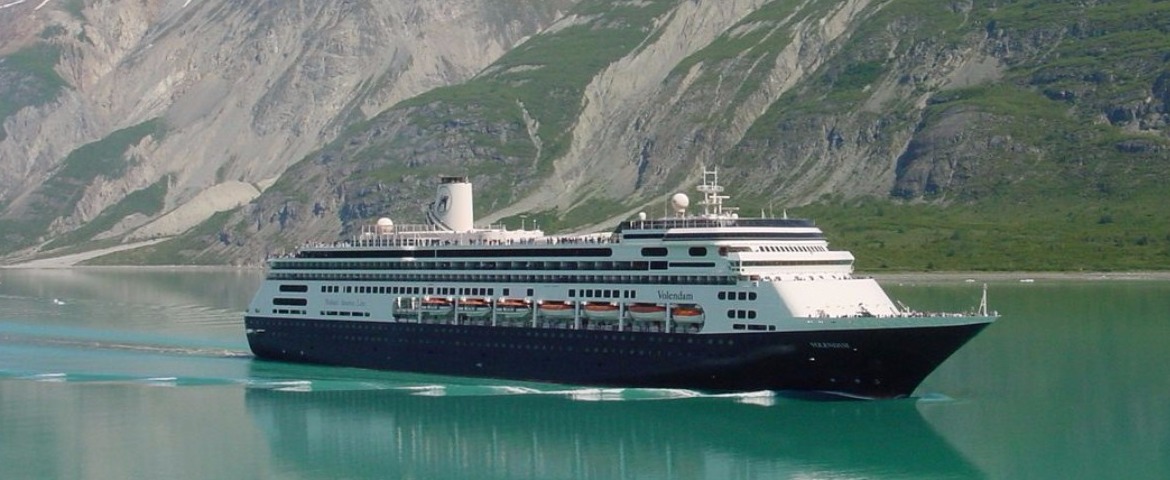

Norwegian Cruise Line (1 Cruises)
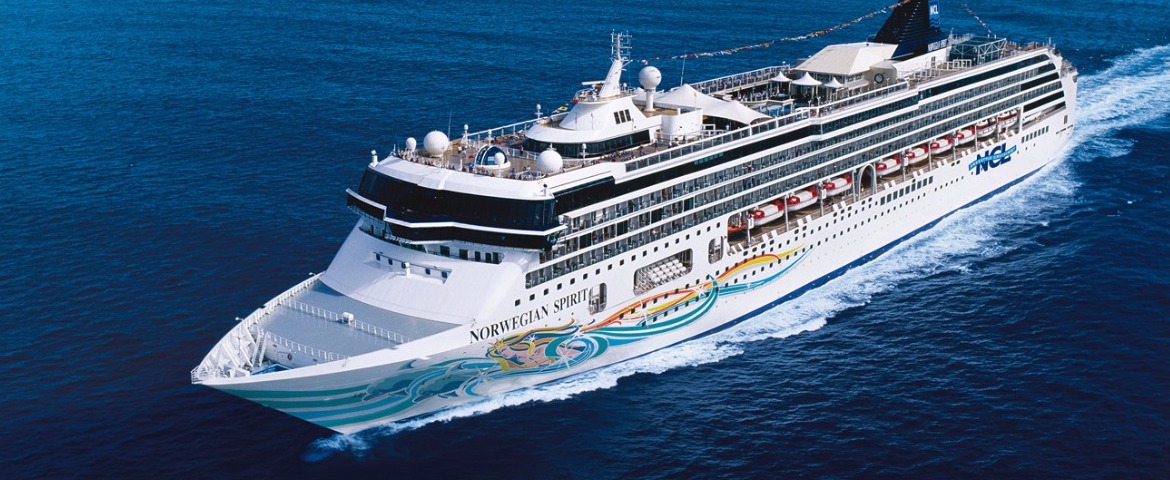

Oceania Cruises (30 Cruises)
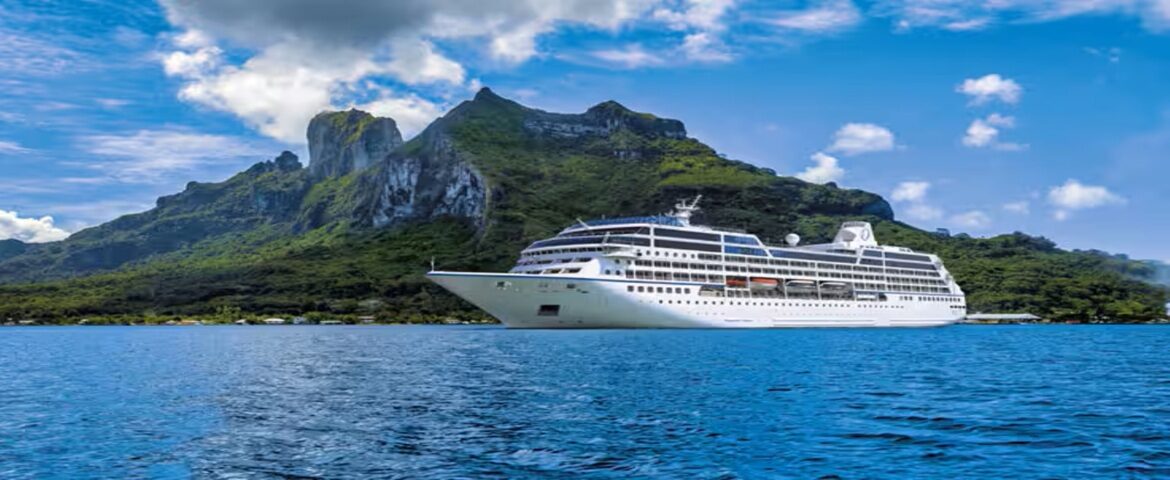

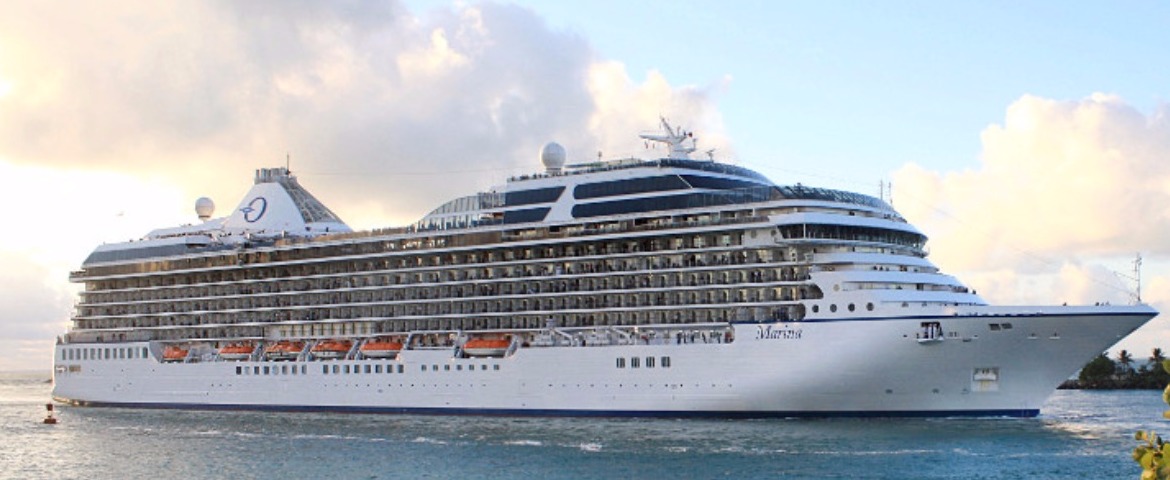
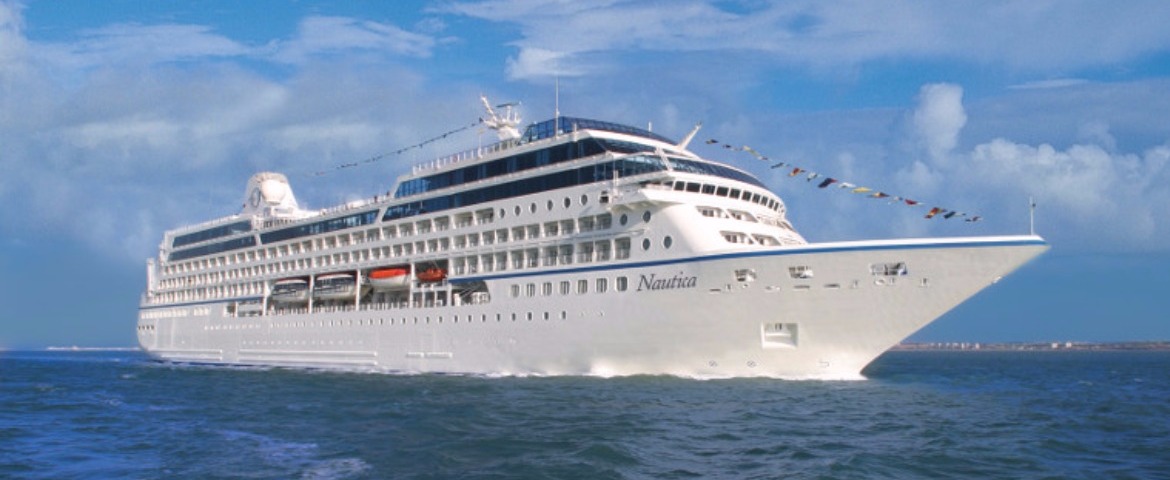
Oceania Riviera
9 Cruises
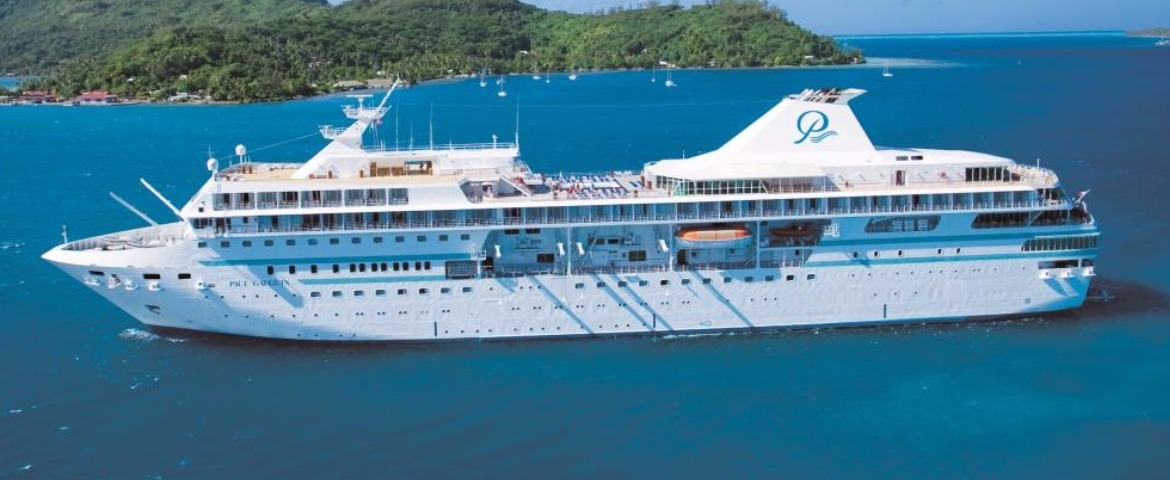
Paul Gauguin Cruises (1 Cruises)

Regent Seven Seas Cruises (35 Cruises)
Seven Seas Explorer
11 Cruises
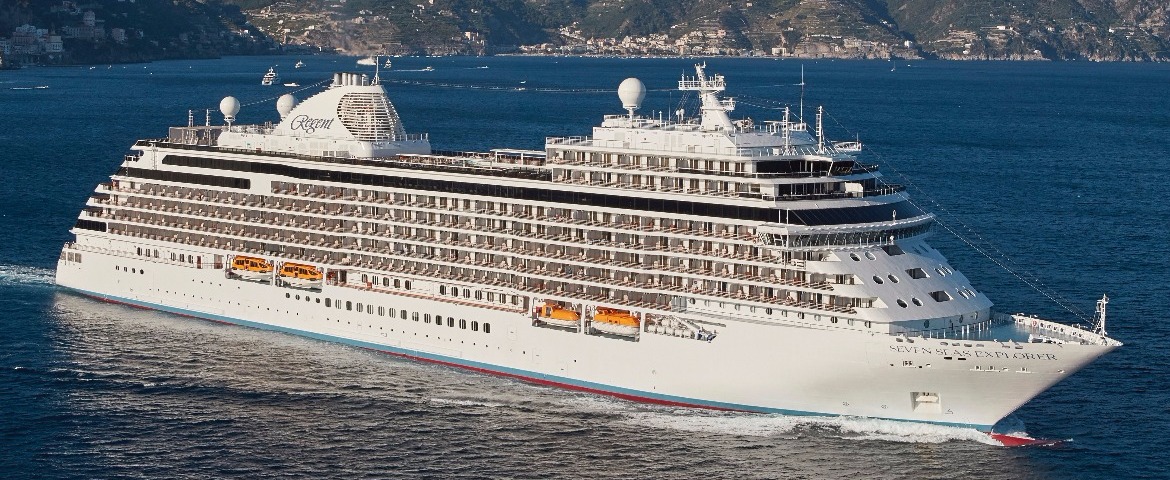

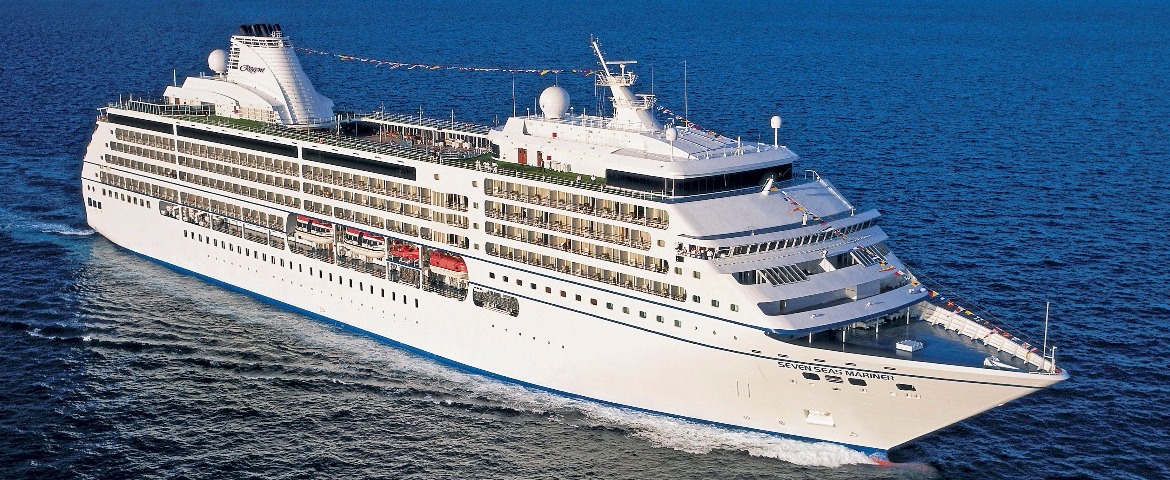
Seven Seas Mariner
9 Cruises
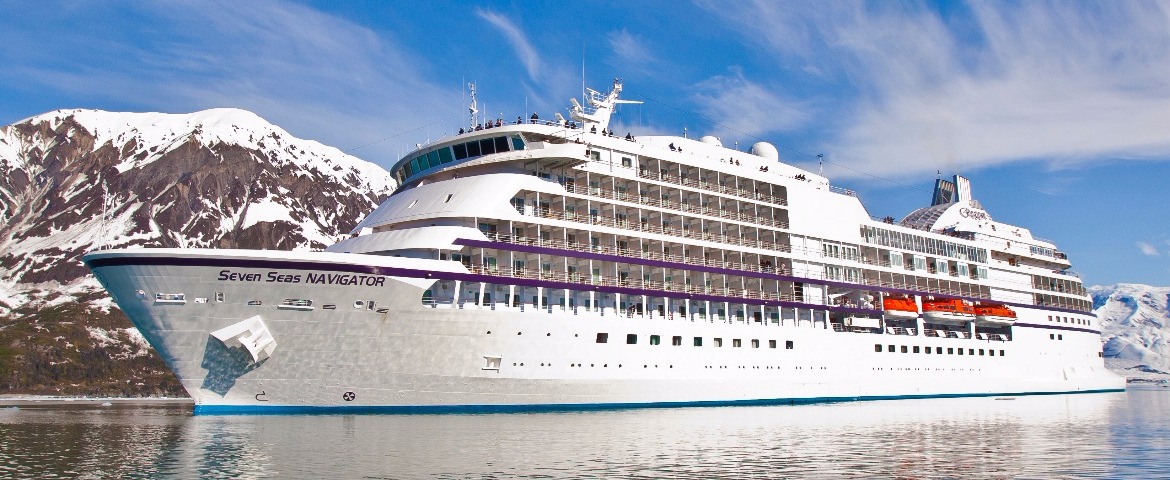
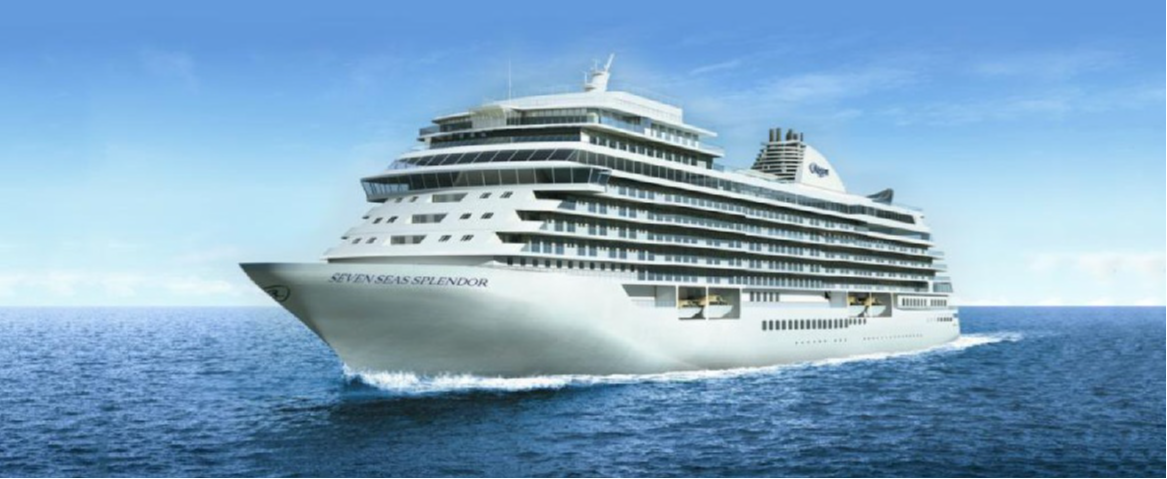
Seven Seas Splendor
11 Cruises
| 6 January | 139 nights | One-way from San Francisco to Vancouver |
450-628-6241
Call us
|
| 6 January | 132 nights | Round-trip from San Francisco, USA |
450-628-6241
Call us
|
Viking Ocean Cruises (27 Cruises)
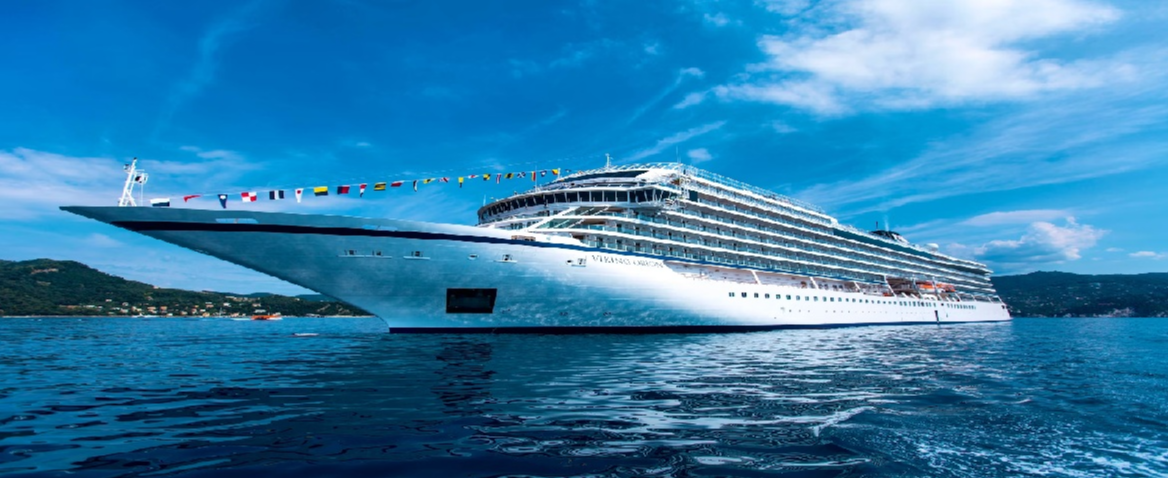
Viking Orion
12 Cruises

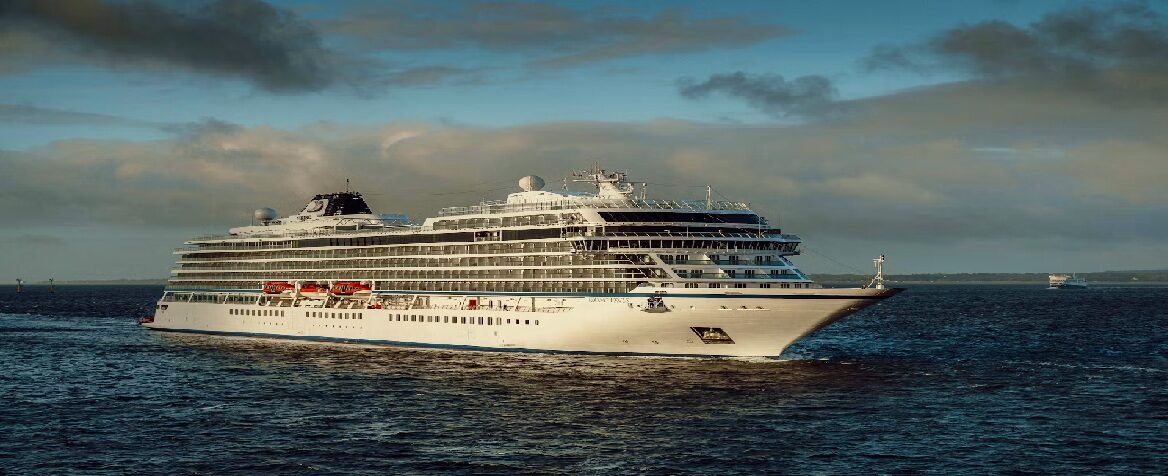
Viking Venus
15 Cruises

Surabaya, Indonesia | Cruise Port Guide
Frequently Asked Questions
At Tanjung Perak port, facing the Madura Strait, in an industrial zone with a passenger terminal. The place breathes work: tugs, freighters and wooden pinisi cross paths from morning to night. Shuttles and taxis reach the centre in about thirty minutes.
Because in November 1945 its residents rose against the return of colonial forces, and the battle that followed became the symbol of the emerging republic. No other Indonesian city claims that title, and it explains the particular pride of this metropolis.
A slender obelisk set in a central park, and an underground museum displaying documents and testimony from the days of November 1945. The surrounding park offers welcome shade before you head off again.
An elegant colonnaded colonial building in the old quarter, devoted to the history of kretek, the clove cigarette whose scent hangs over all of Indonesia. It follows the saga of a Chinese immigrant family that built an empire, and during production hours hundreds of women roll by hand with astonishing dexterity. Entry is free.
A genuine Soviet-built submarine of the Indonesian navy, set down in the middle of the city along the Kalimas river, which you walk through from bow to engine room. It is one of the most unexpected urban sights in Java.
Tight trading lanes around the Ampel mosque, founded in the fifteenth century by one of the saints who spread Islam through Java. Perfume, dates, cloth and religious singing make for a dense atmosphere, a world away from air-conditioned malls.
The Heroes Monument and the House of Sampoerna, with a stop at the Monkasel submarine if the schedule allows. That is a realistic programme. The Arab quarter needs more time and is best kept for a long call.
Rawon, a beef soup as black as night, and rujak cingur, a sharp salad born here. The warungs serve both without ceremony. The big malls offer a cool break when the humidity gets too much — nobody will judge you for it.
A colourful cycle rickshaw that threads between the cars. Agree the fare before you get in, with a smile: it is part of the game. Indonesian rupiah in small notes stay essential for that kind of ride and for the warungs.
Fewer than Bali or Jakarta, and you feel it. Locals greet a foreign passer-by with smiling curiosity. Surabaya is not visited like a museum: you cross it like a current, with humid heat all year, so bring water and light clothing.


