Porto Santo Stefano Italy
124
Cruises availables
At departure or passage at this port
Atlas Ocean Voyages (2 Cruises)

Azamara Club Cruises (13 Cruises)

Azamara Onward
7 Cruises
CroisiEurope (6 Cruises)
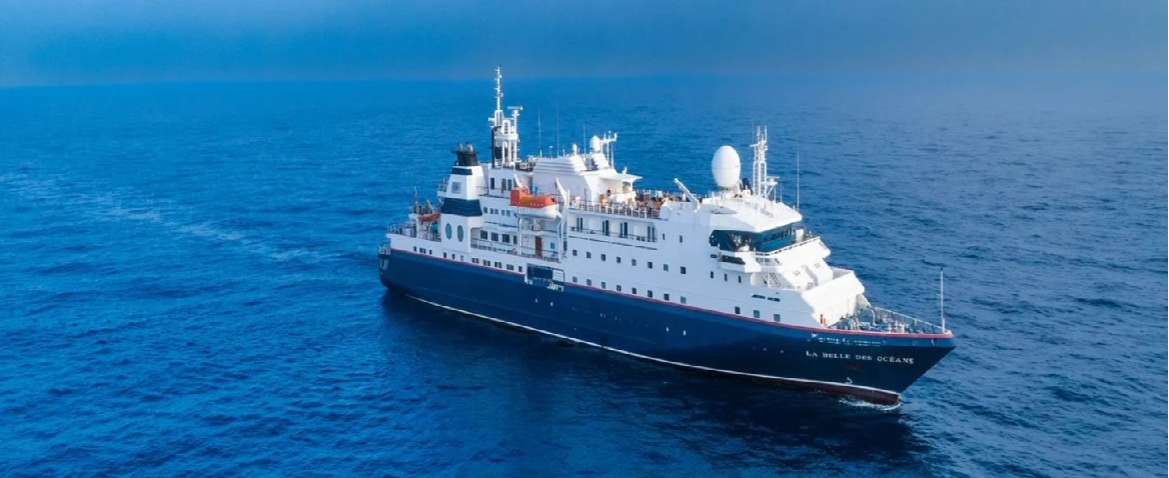


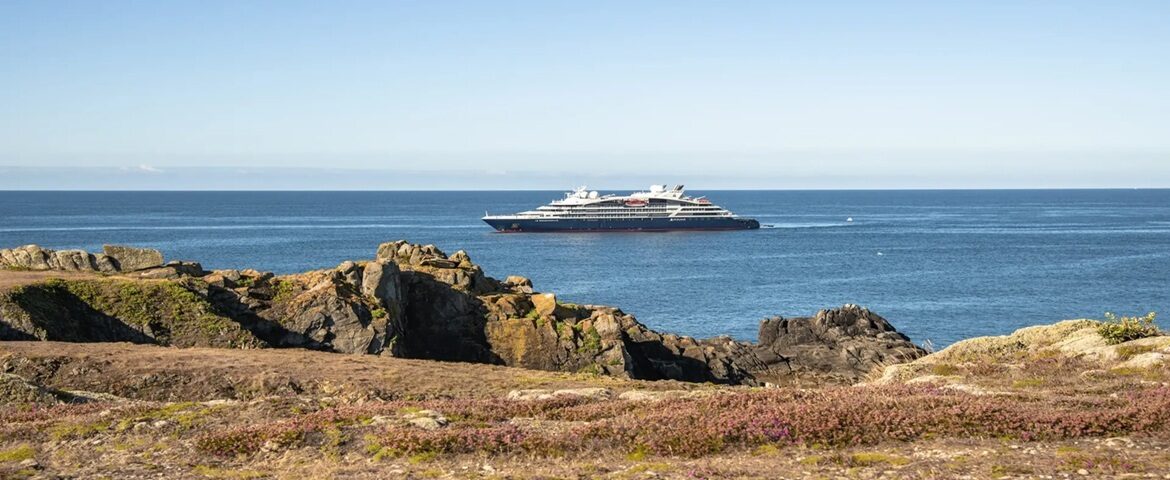
Ponant (3 Cruises)
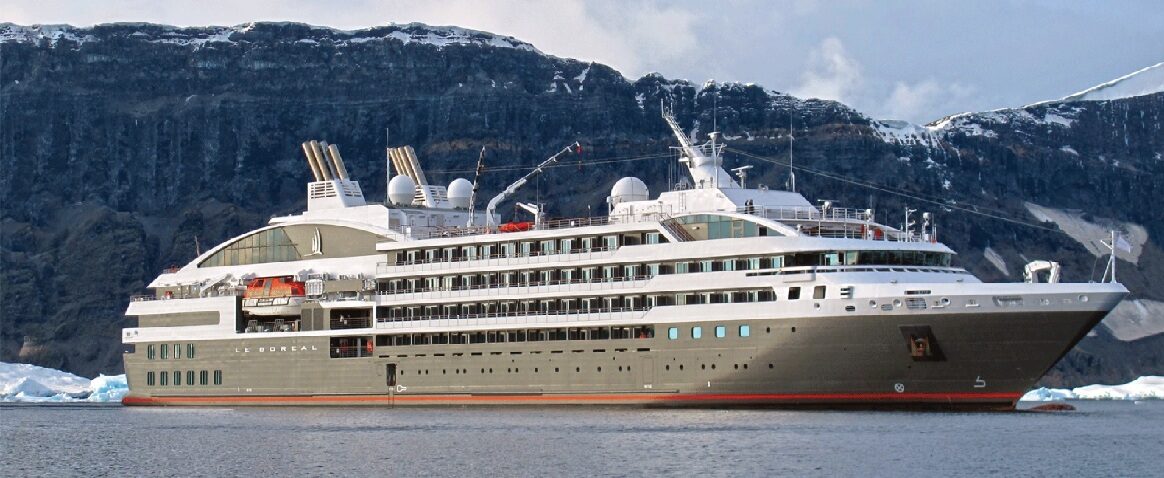

Scenic Cruises (10 Cruises)
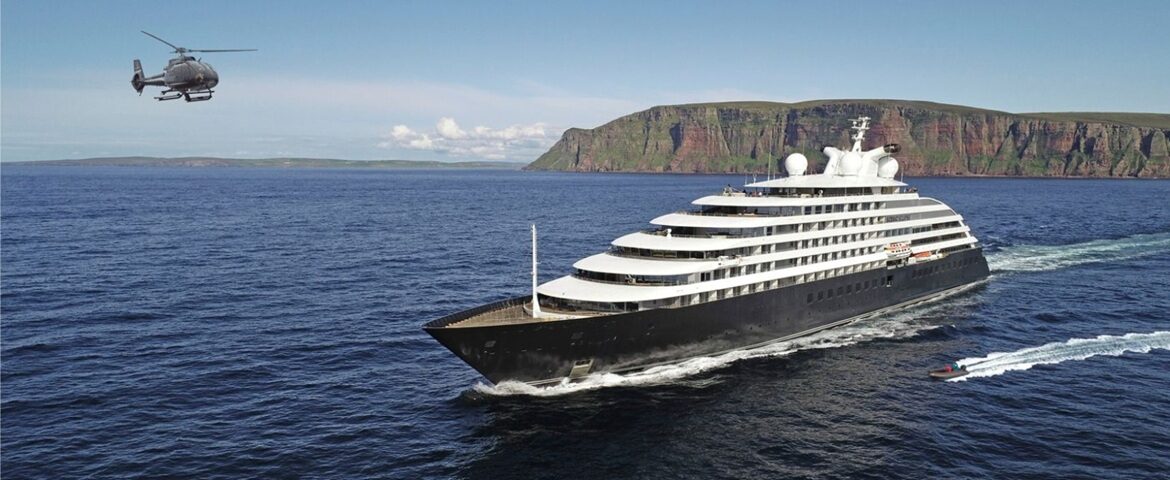
Scenic Eclipse
5 Cruises


Scenic Eclipse II
5 Cruises
Seabourn Cruise Line (46 Cruises)
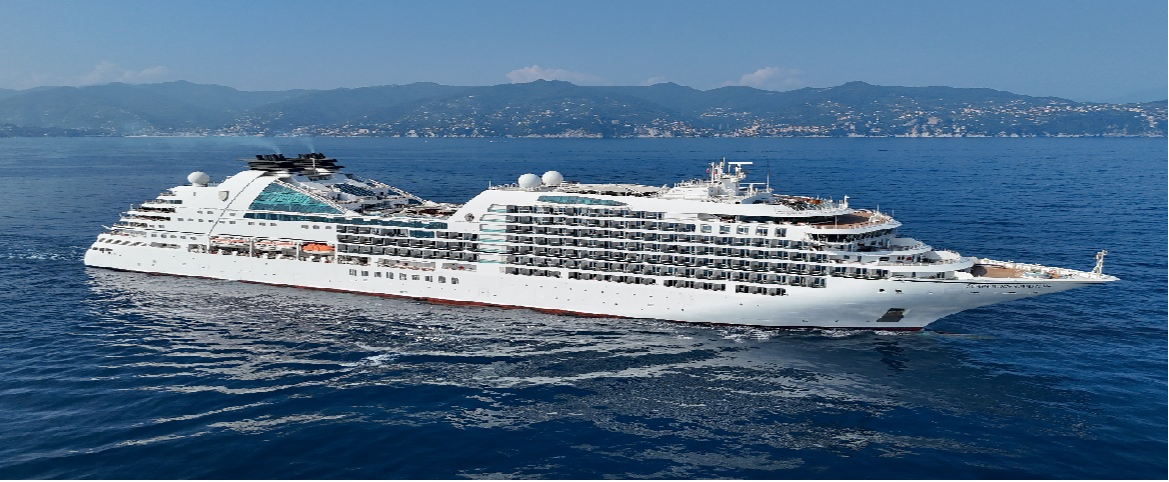
Seabourn Ovation
46 Cruises

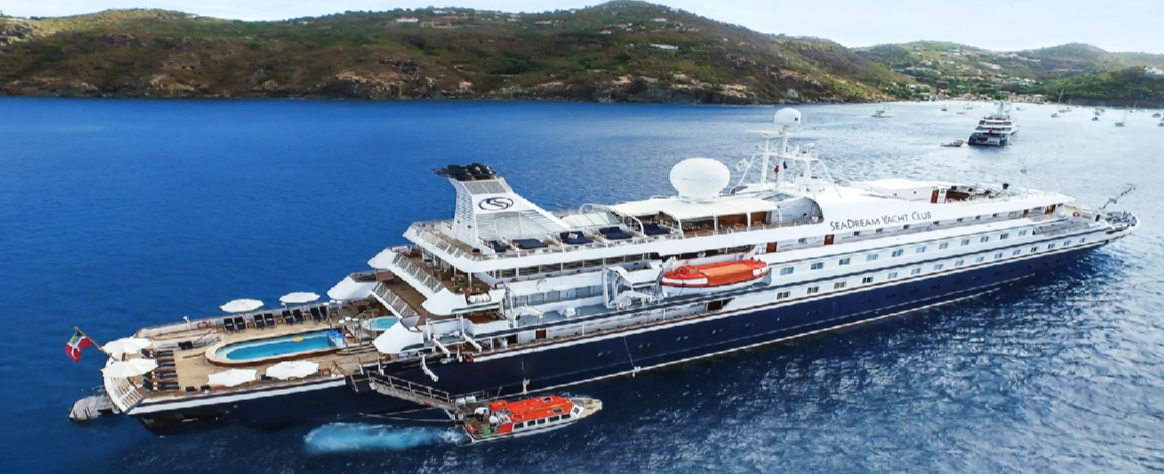
SeaDream Yacht Club (1 Cruises)

Silversea Cruises (38 Cruises)
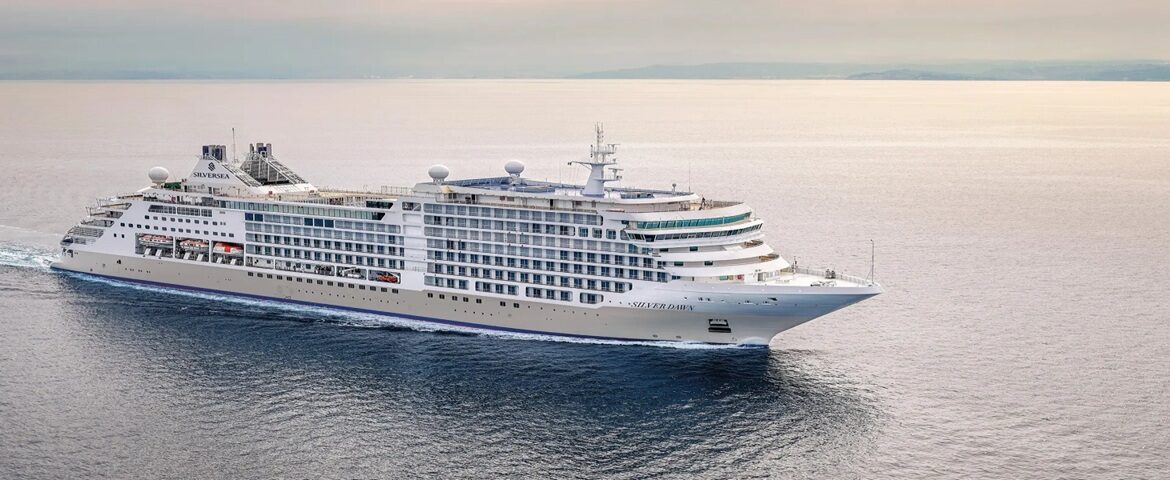

Silver Ray
16 Cruises
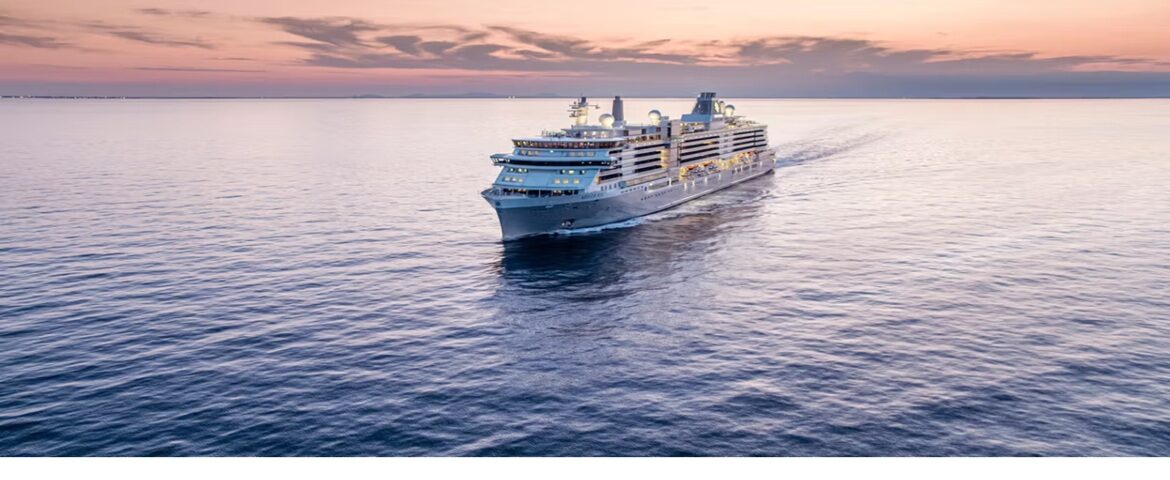
| 24 April | 10 nights | One-way from Civitavecchia-Rome to Venice |
450-628-6241
Call us
|
| 24 April | 19 nights | One-way from Civitavecchia-Rome to Piraeus-Athens |
450-628-6241
Call us
|
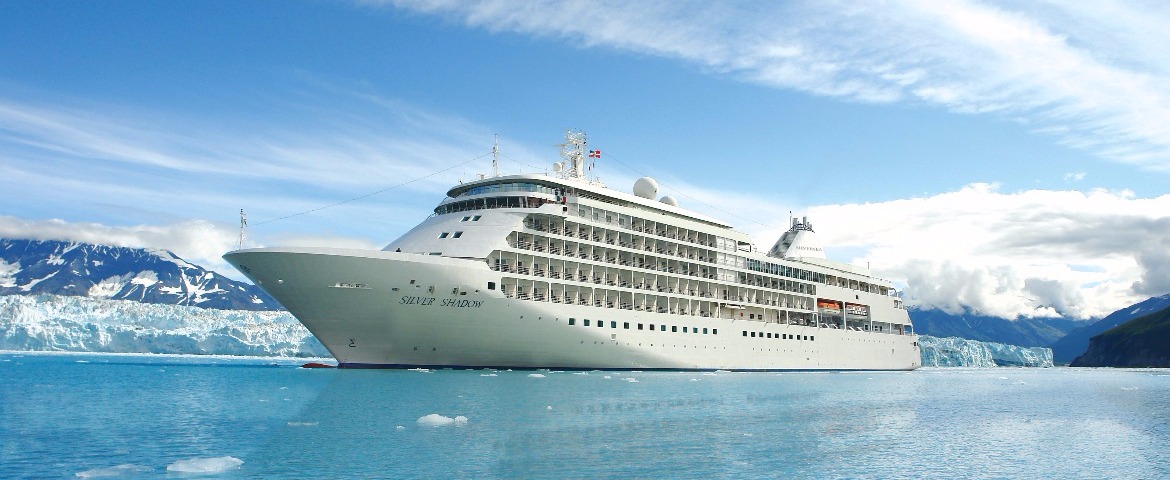
Silver Shadow
14 Cruises
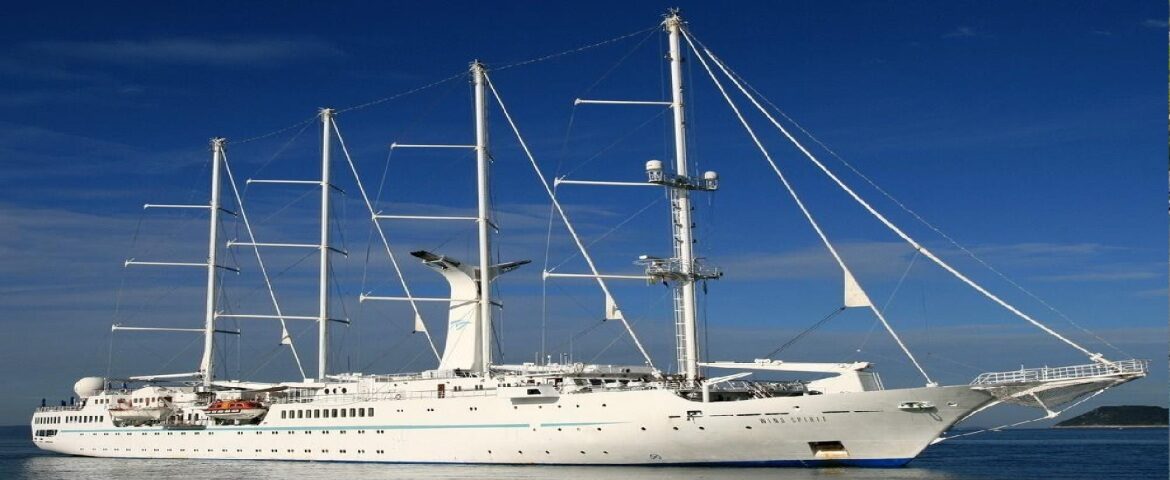
Windstar Cruises (2 Cruises)


Porto Santo Stefano Tuscany | Monte Argentario Cruise Guide
Frequently Asked Questions
No: ships anchor in the roadstead and tender passengers right into the middle of the waterfront, among the boats, the nets and the terraces. No transfer and no waiting — but like any tendered call, it depends on the sea.
Yes. The waterfront promenade follows the docks as far as the boatyards, and behind it the old town climbs like an amphitheatre: cobbled lanes, vaulted passages, stairways lined with geraniums. Bring some stamina for the climbs.
The waterfront and the upper lanes, then the climb to the Fortezza Spagnola — a quarter of an hour from the quay for the finest view of the call. That leaves time for a fish lunch or the Pozzarello beach, a short distance from the centre.
A 17th-century fortress recalling that this coast belonged to Spain for two centuries, in the time of the State of the Presidi. Its ramparts now house small exhibitions on the maestri d'ascia, the local shipwrights, and on underwater finds from the region.
Yes, ferries leave from the same quay and the island is an hour's sailing away. The trip is worth attempting if your call exceeds six hours: a fishing village around a cove, a fortified hilltop town and clear inlets. On a short call, the Argentario panoramic road is the better bet.
Pozzarello beach, a short distance from the centre, is the most accessible. The more energetic descend to coves such as Cala del Gesso, at the cost of a steep path you also have to climb back up.
A rowing race held every 15 August in front of the whole waterfront, pitting the town's districts against one another. It is a living tradition locals speak of with pride, and one of the few days the town puts on a show.
Whatever the fleet brought in that morning: spaghetti alle vongole, fried anchovies, palamita — the local bonito, star of a spring food festival — and caldaro, the traditional Argentario fish soup. A cool white from the promontory's vineyards goes with all of it.
The euro and Italian. Cards work in waterfront restaurants, but keep cash for the fish market, gelato and small shops. English is fine in season, rarer outside the summer months.
Not really, and that is the point. Despite the yachts in its waters each summer, the main town of Monte Argentario remains a sailors' place: fish is still auctioned on the quay in the morning, and fishermen mend their nets without paying visitors any attention. Anyone looking for luxury shopping and entertainment will be disappointed.


