Niigata City Japan Niigata
136
Cruises availables
At departure or passage at this port
Azamara Club Cruises (17 Cruises)
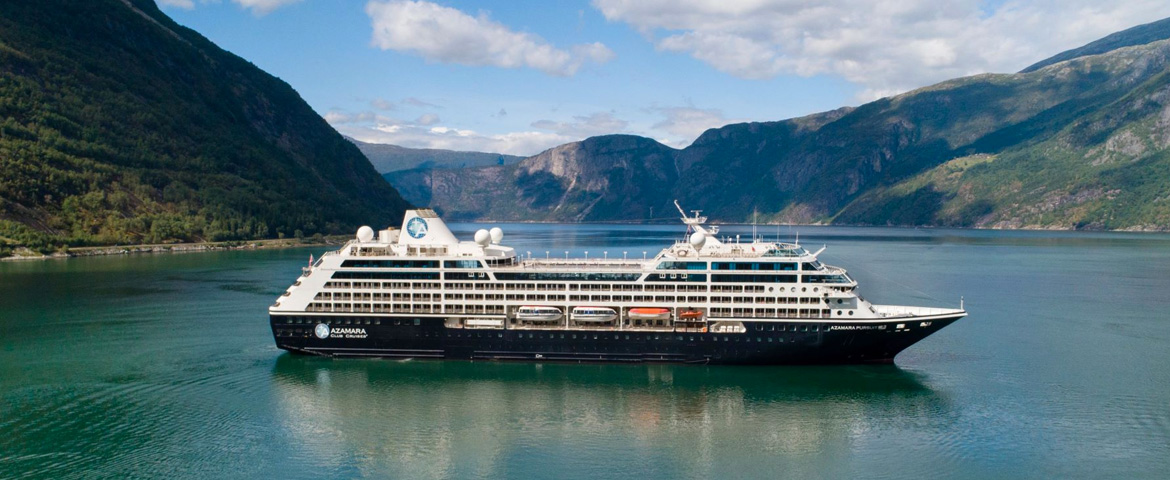
Azamara Pursuit
17 Cruises

| 5 February | 48 days | One-way from Sydney to Tokyo |
450-628-6241
Call us
|
| 5 February | 48 days | One-way from Sydney to Tokyo |
450-628-6241
Call us
|
| 11 March | 13 days | One-way from Kobe-Osaka to Tokyo |
450-628-6241
Call us
|
| 12 March | 13 days | One-way from Kobe-Osaka to Tokyo |
450-628-6241
Call us
|
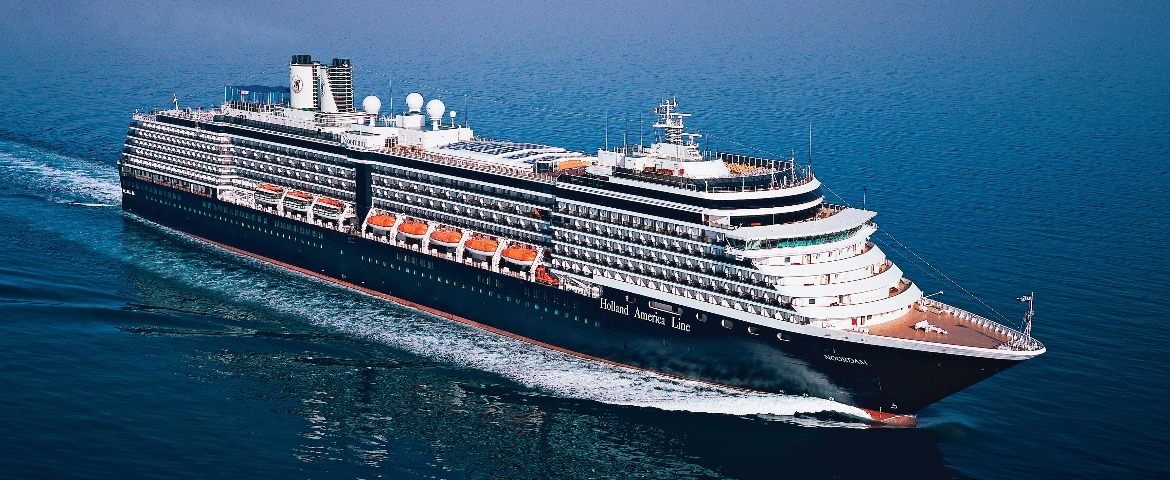
Holland America Line (3 Cruises)


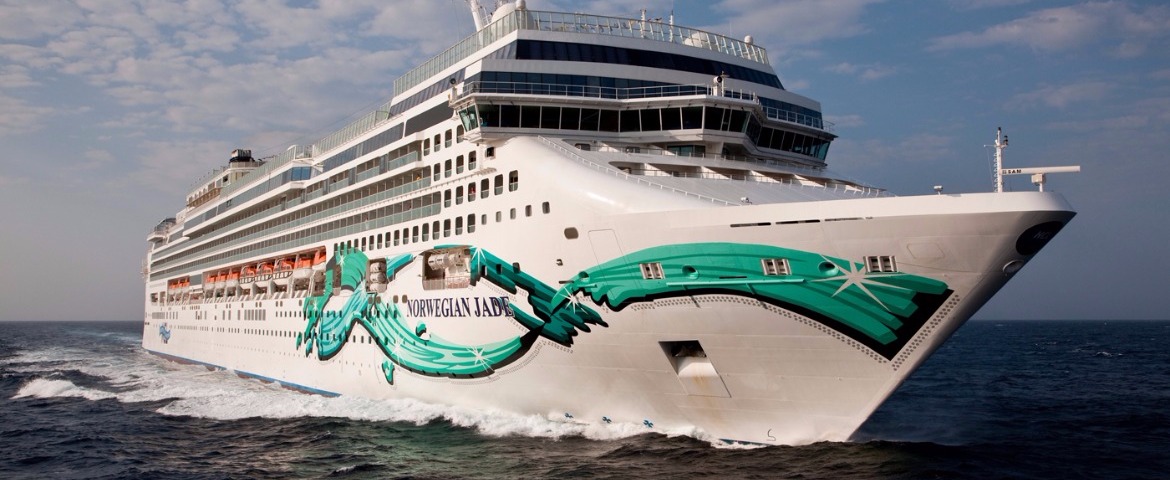
Norwegian Cruise Line (3 Cruises)

Oceania Cruises (5 Cruises)
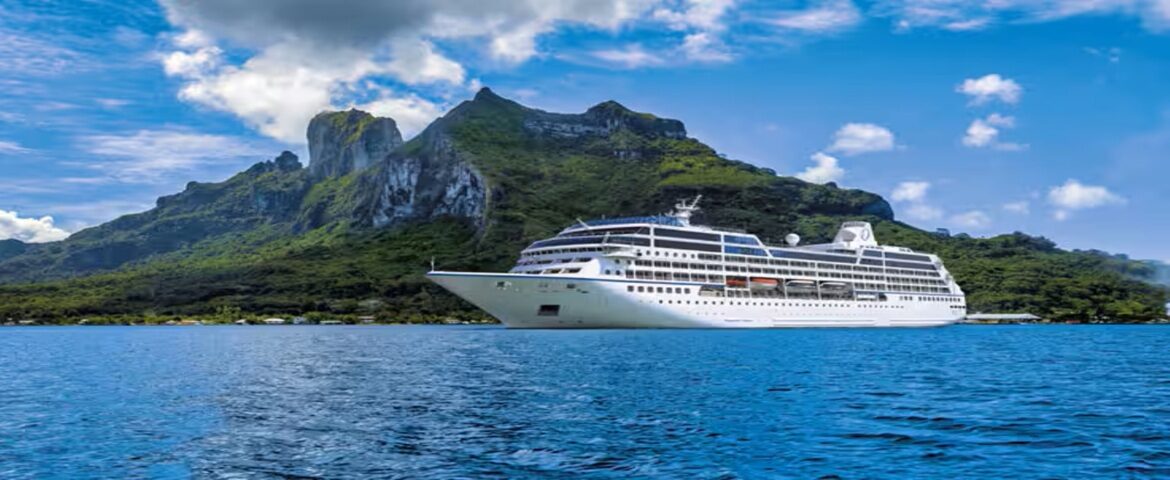

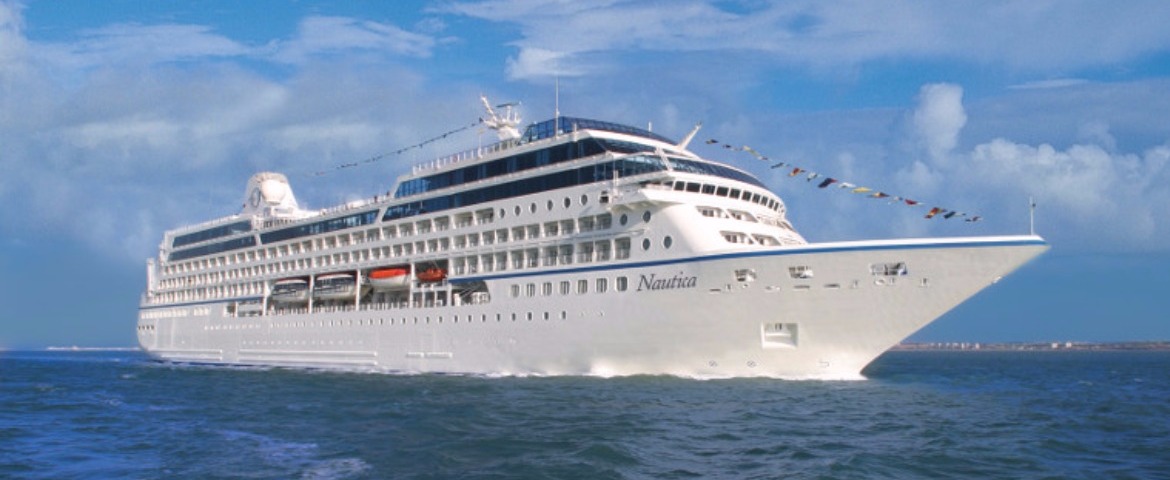
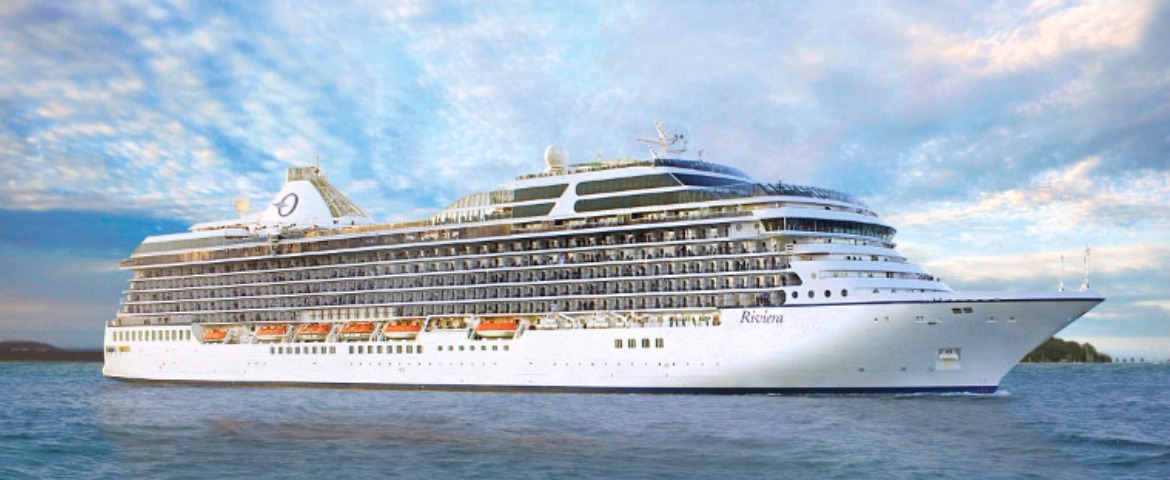
Princess Cruises (48 Cruises)
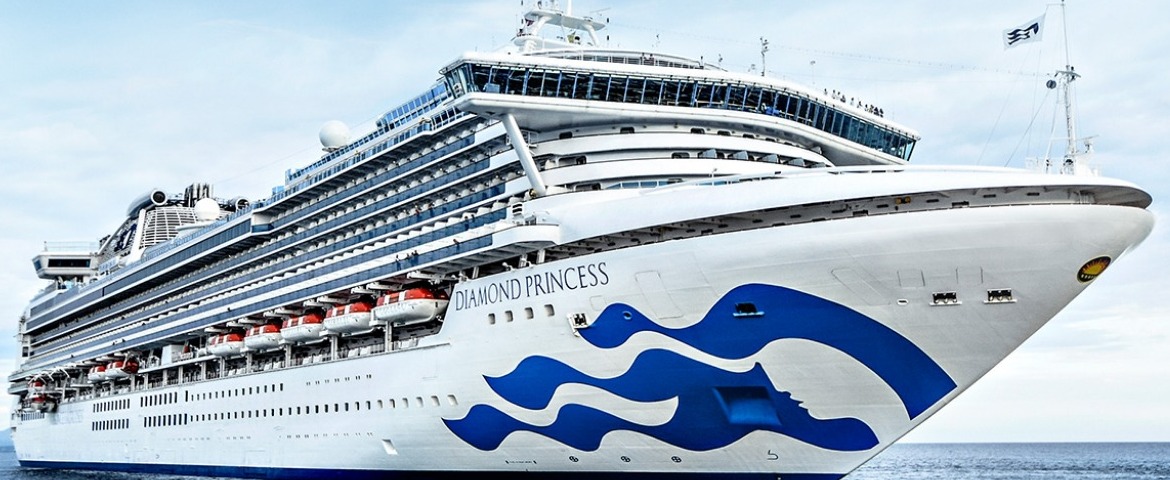
Diamond Princess
31 Cruises

| 8 May | 21 days | Round-trip from Yokohama, Japan |
450-628-6241
Call us
|
| 18 May | 11 days | Round-trip from Yokohama, Japan |
450-628-6241
Call us
|
| 2 July | 20 days | Round-trip from Yokohama, Japan |
450-628-6241
Call us
|
| 2 July | 10 days | Round-trip from Yokohama, Japan |
450-628-6241
Call us
|
| 5 September | 11 days | Round-trip from Yokohama, Japan |
450-628-6241
Call us
|
| 5 September | 20 days | Round-trip from Yokohama, Japan |
450-628-6241
Call us
|
| 21 June | 19 days | Round-trip from Tokyo, Japan |
450-628-6241
Call us
|
| 30 June | 10 days | Round-trip from Tokyo, Japan |
450-628-6241
Call us
|
| 30 June | 21 days | Round-trip from Tokyo, Japan |
450-628-6241
Call us
|
| 3 September | 10 days | Round-trip from Tokyo, Japan |
450-628-6241
Call us
|
| 3 September | 20 days | Round-trip from Tokyo, Japan |
450-628-6241
Call us
|
Sapphire Princess
17 Cruises
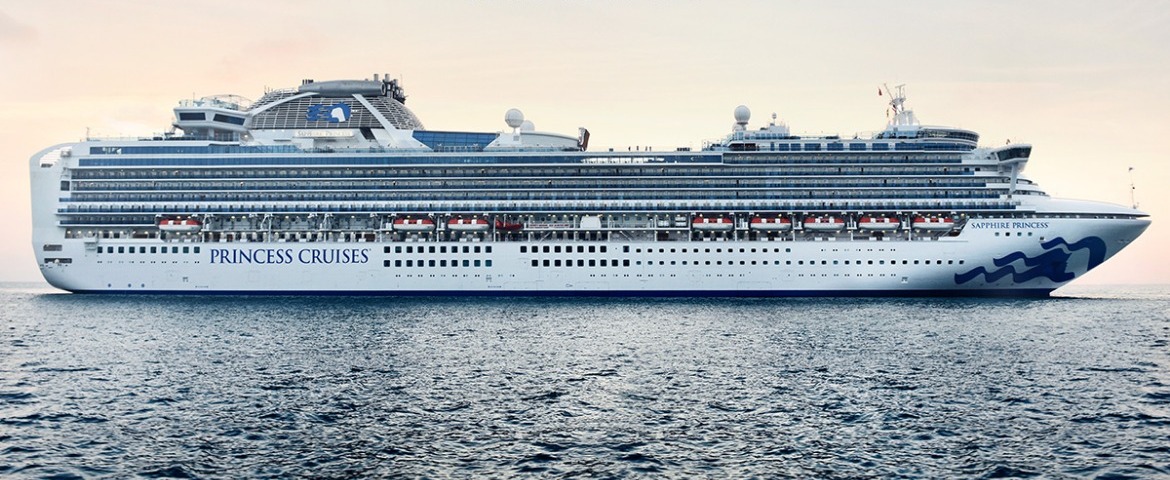
| 5 May | 13 days | Round-trip from Tokyo, Japan |
450-628-6241
Call us
|
| 5 May | 23 days | Round-trip from Tokyo, Japan |
450-628-6241
Call us
|
| 27 May | 19 days | Round-trip from Tokyo, Japan |
450-628-6241
Call us
|


Seabourn Cruise Line (43 Cruises)
Seabourn Encore
43 Cruises
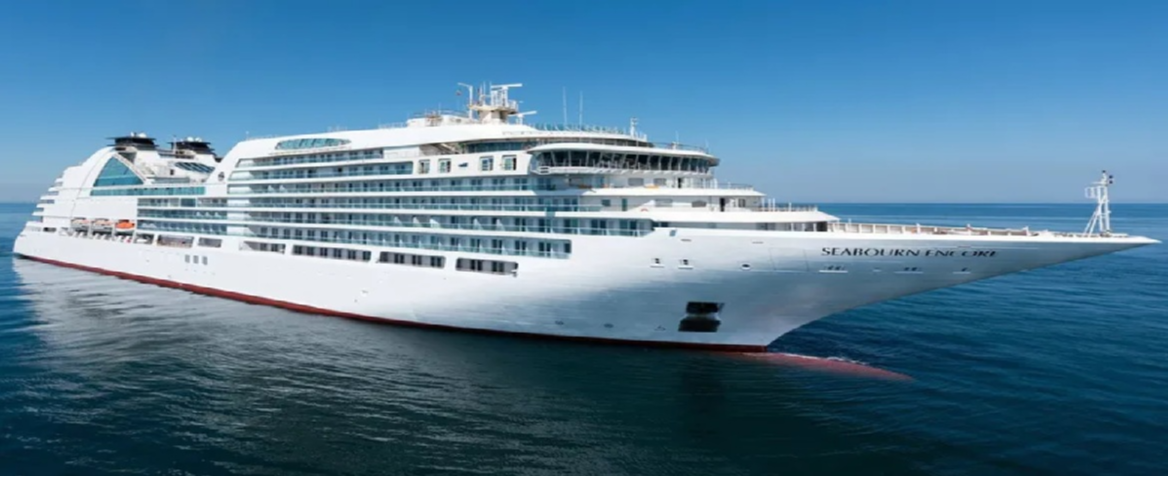

| 25 March | 29 days | Round-trip from Tokyo, Japan |
450-628-6241
Call us
|
| 25 March | 28 days | Round-trip Japan South Korea Seabourn Encore Tokyo |
450-628-6241
Call us
|



Port of Niigata, Japan | Cruise Port Guide
Frequently Asked Questions
Ships dock at the west port, four to five kilometres from the commercial heart of the city. Shuttles are usually offered, and a taxi covers the distance in about ten minutes on a metered, predictable fare.
Not realistically: four to five kilometres separate the west port from the centre. Take the shuttle or a taxi, and save your legs for the riverbanks, where walking becomes a pleasure.
Three stops fill the day: the Toki Messe tower deck for the overview, the Bandai Bridge and the Shinano riverbanks through to the Furumachi district, then the Ponshukan in the station for sake. Add the Pia Bandai market if you want a seafood lunch.
From the Toki Messe tower on the waterfront. Its 31st-floor observation deck is free and takes in the rooftops, the Shinano River and, on a clear day, Sado Island offshore.
The prefecture has close to ninety breweries, a national record. It owes that to the Koshihikari rice grown on the plain and to the meltwater from the mountains that border it.
Yes, very easily, at the Ponshukan inside the railway station. You buy a few tokens, slide a small glass under the dispensers and compare regional labels, from the driest to the fruitiest.
At the Pia Bandai market, where tuna, crab and shellfish from the Sea of Japan sit alongside sacks of Koshihikari rice. A few counters serve sushi of a freshness that is hard to beat. The local specialty to try is hegi soba, noodles bound with seaweed.
Its six granite arches, opened in 1929, withstood the great earthquake of 1964 when so many other structures collapsed. It has become the city's emblem, and the landscaped banks on either side make for a pleasant walk among joggers, cyclists and anglers.
Yes, without being spectacular. The Toki Messe deck entertains children, the Shinano riverbanks are easy walking, and Hakusan Park and its Shinto shrine offer ponds, stone lanterns and carp to feed.
No, and that is exactly the appeal. This city of 800,000 lives well away from the main tourist circuits. You see an everyday Japan, prosperous and unstaged, where the visitor is a guest rather than a customer.


