Aqaba Petra, Jordan
Jordan
92
Cruises availables
At departure or passage at this port
Crystal Cruises (6 Cruises)
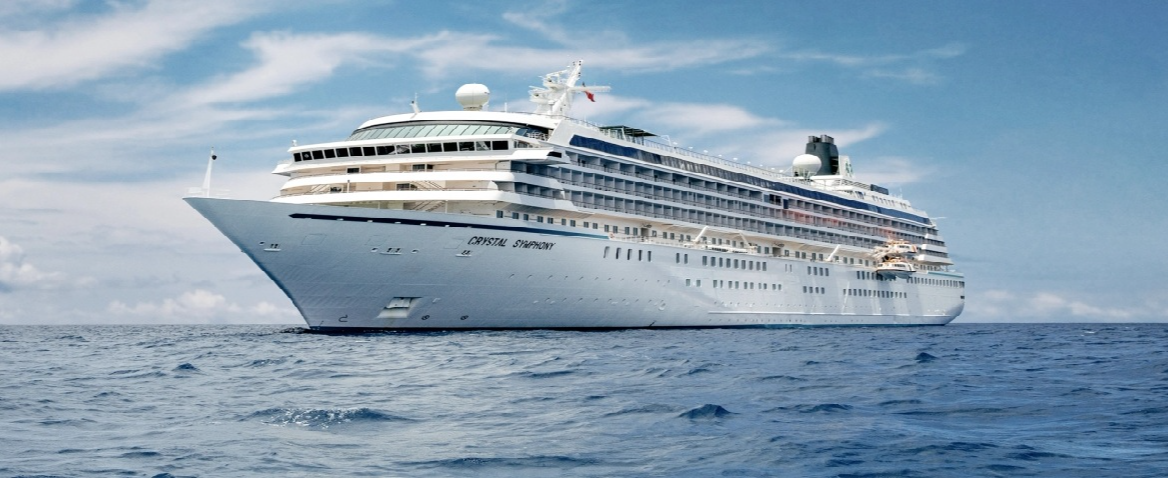
Crystal Symphony
6 Cruises

| 11 January | 151 days | Round-trip 150 Night Roundtrip Fort Lauderdale Cruise |
450-628-6241
Call us
|
| 11 January | 137 days | One-way from Fort Lauderdale to Barcelona |
450-628-6241
Call us
|
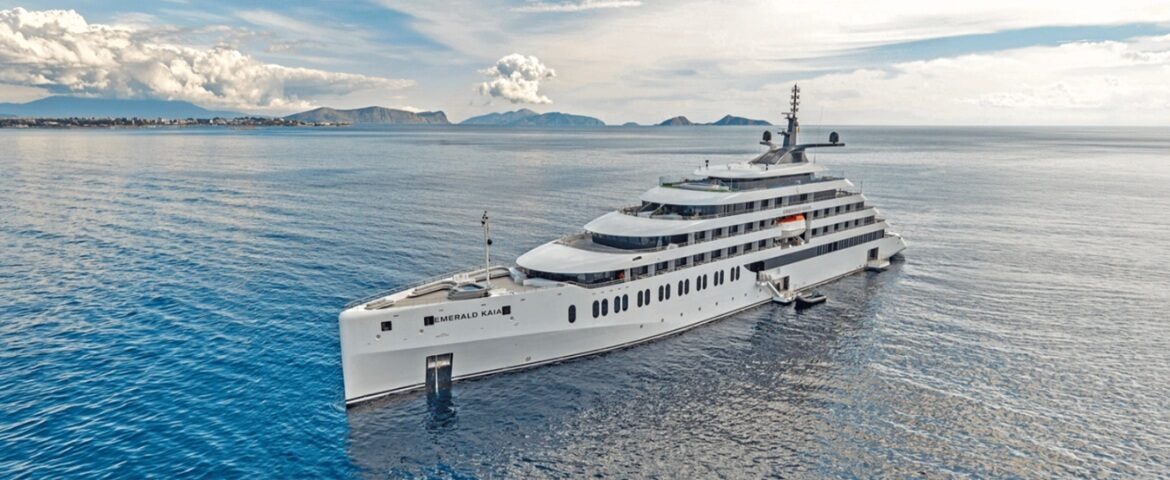
Emerald Waterways (10 Cruises)

Explora Journeys (19 Cruises)
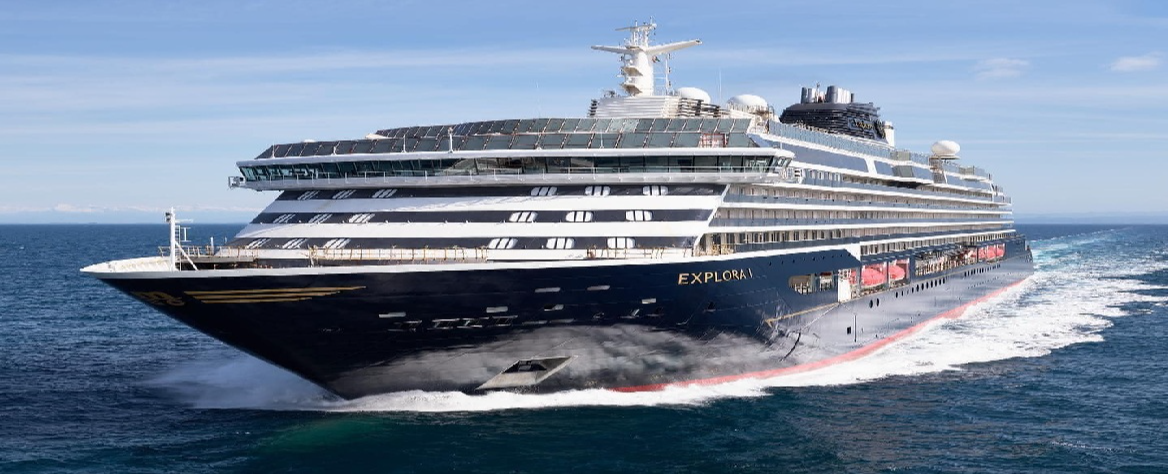
Explora I
5 Cruises

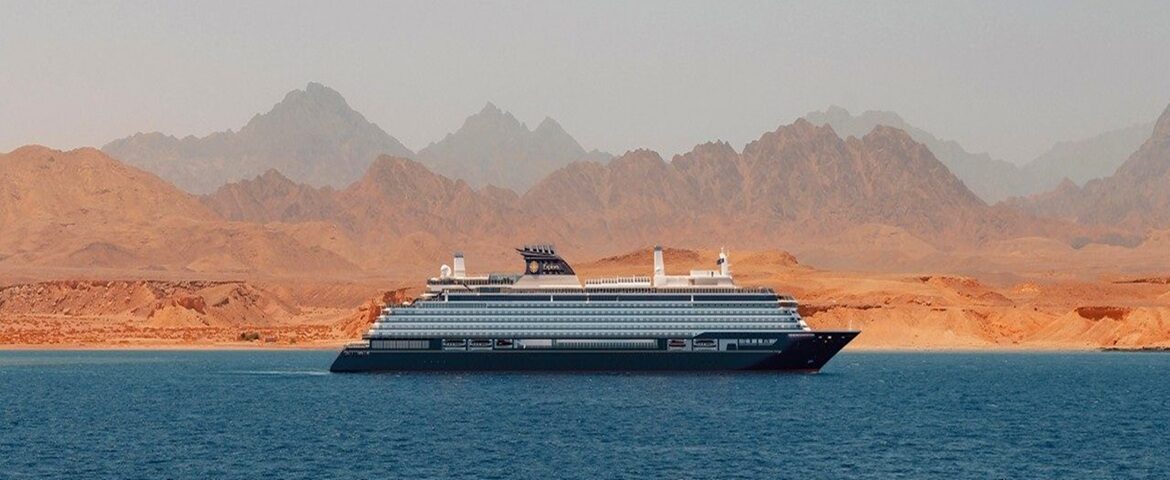
Explora V
14 Cruises

Norwegian Cruise Line (2 Cruises)

Oceania Cruises (30 Cruises)

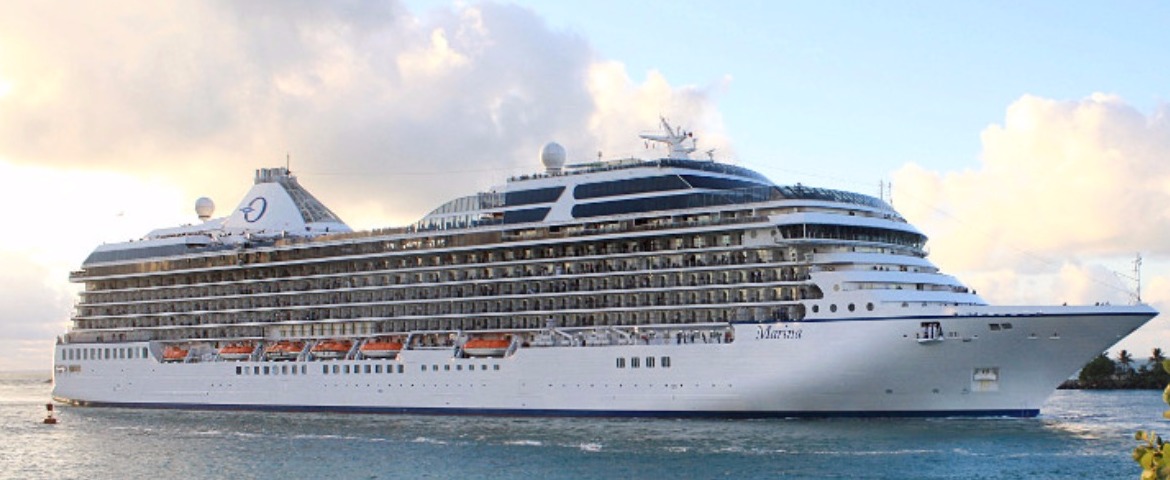
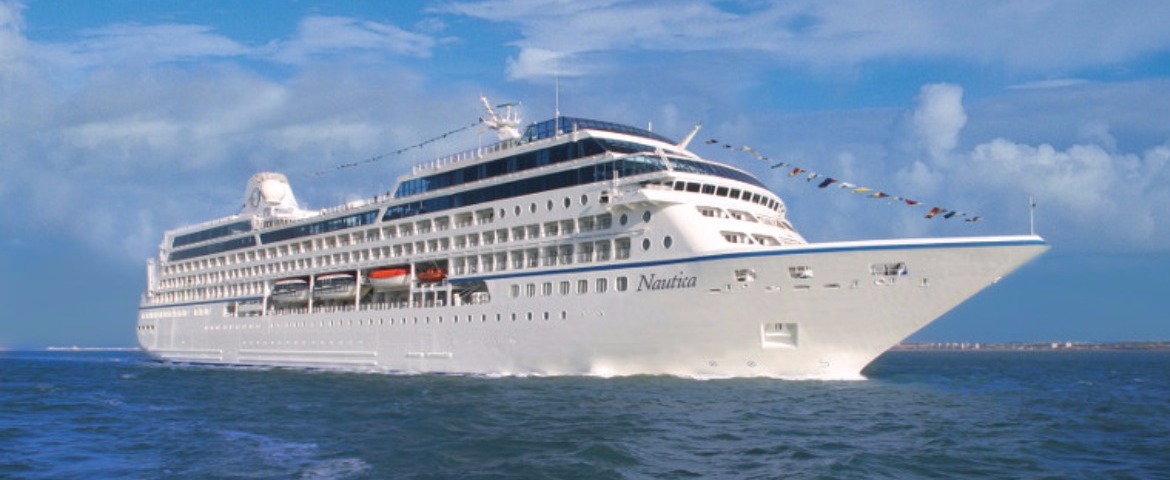
Oceania Vista
18 Cruises
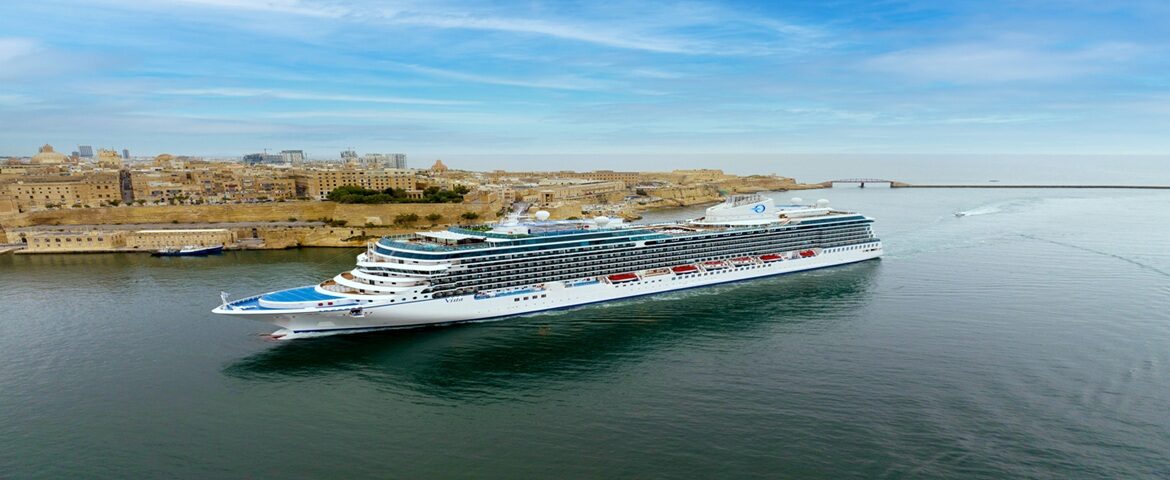
| 6 January | 180 days | One-way from Miami to Southampton |
450-628-6241
Call us
|
| 6 January | 244 days | One-way from Miami to New York |
450-628-6241
Call us
|
| 26 February | 129 days | One-way from Sydney to Southampton |
450-628-6241
Call us
|
| 26 February | 130 days | One-way from Sydney to Southampton |
450-628-6241
Call us
|
| 4 January | 97 days | One-way from Auckland to Civitavecchia-Rome |
450-628-6241
Call us
|
| 4 January | 96 days | One-way from Auckland to Civitavecchia-Rome |
450-628-6241
Call us
|
Regent Seven Seas Cruises (14 Cruises)
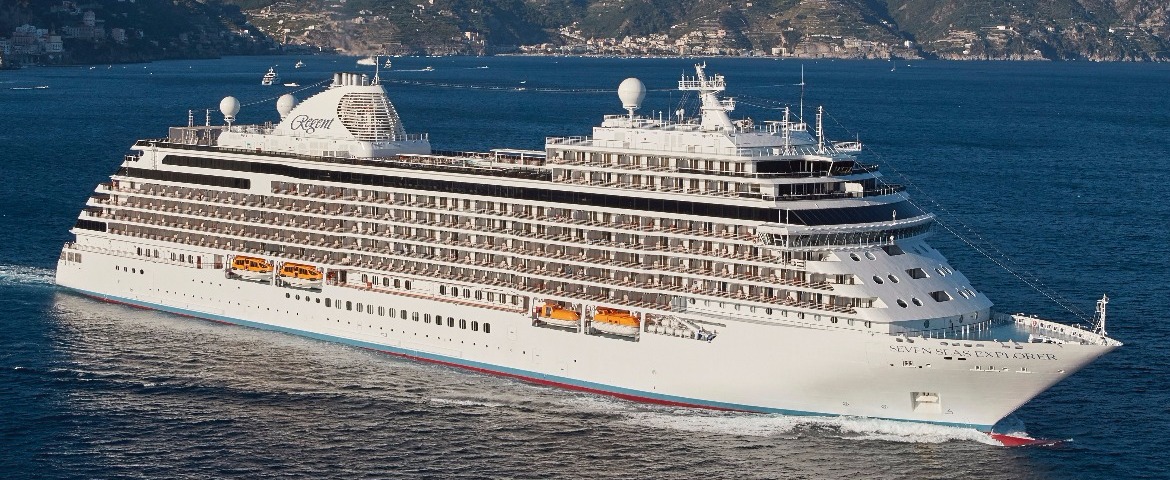

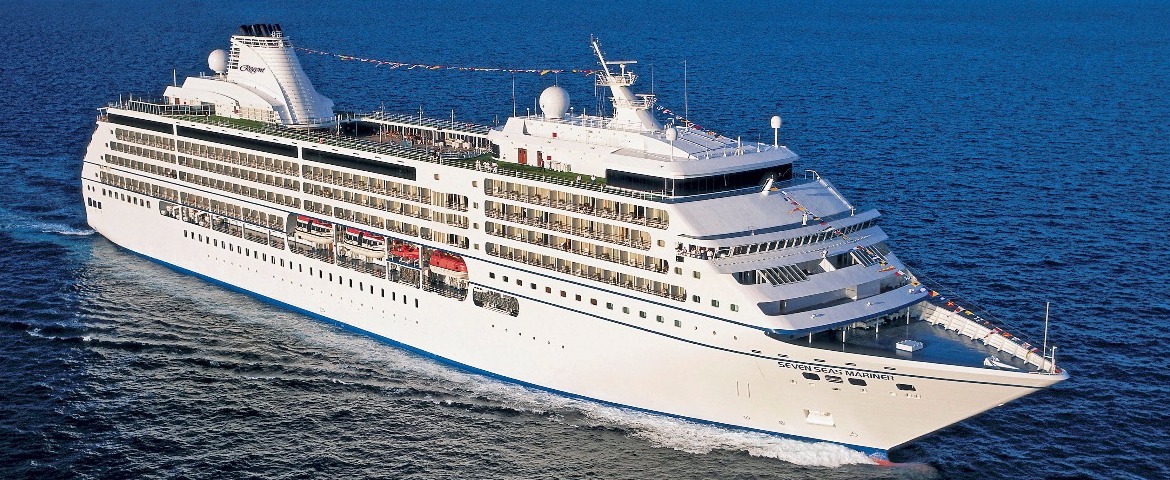
Seven Seas Splendor
4 Cruises
Silversea Cruises (3 Cruises)

Port of Aqaba, Jordan | Cruise Port Guide
Frequently Asked Questions
Nearly 125 kilometres separate the quay from the site entrance, a solid two hours by road across the desert plateaux of southern Jordan. Cruise line excursions remain the safest way to get back to the ship on time.
The Siq, a narrow gorge winding between high sandstone walls, opens without warning onto the facade of the Khazneh, carved into the cliff about two thousand years ago. It is the image everyone comes for, and it delivers.
Yes, and it is worth knowing before booking. The walk to the heart of the site is several kilometres there and back, over sand and stone. Bring good shoes and plenty of water. Southern Jordan's summer heat does not help.
A desert of red cliffs, stone arches and sand valleys, an hour away by road and track. You cross it in pickup trucks driven by Bedouin from the region, with a stop for sweet tea in the shade of a tent. Lawrence of Arabia genuinely moved through here during the Arab Revolt.
Some itineraries offer it. The formula is demanding, with a lot of driving and little time at each site, but it packs two spectacular faces of Jordan into a few hours. Reserve it for those willing to accept a long day.
Staying is no penalty. The Mamluk fort, rebuilt in the early sixteenth century, stands guard near the great flagpole, and the neighbouring archaeological museum occupies the former residence of Sharif Hussein bin Ali. The corniche then invites a walk along the Red Sea.
The first Islamic city founded outside the Arabian Peninsula, in the seventh century. Its remains, street layouts and stone gates, can be walked freely in the middle of Aqaba, between the hotels and the marina.
Yes, the coral reefs along the southern coast are among the best preserved in the region. A mask and snorkel are enough to see butterflyfish and hard corals a few metres from shore, in water whose clarity surprises even Caribbean regulars.
It is Jordan's only window on the sea: a few kilometres of coast at the head of a long corridor of deep water, between the highlands of Sinai on one side and Arabia on the other. The town sits at the exact crossroads of four countries.
Friday, the family day off in Jordan. The public beaches downtown then give a good sense of local life, away from the hotels and the organised excursions.


