Longyearbyen Spitsbergen, Svalbard Norway
Norway
259
Cruises availables
At departure or passage at this port
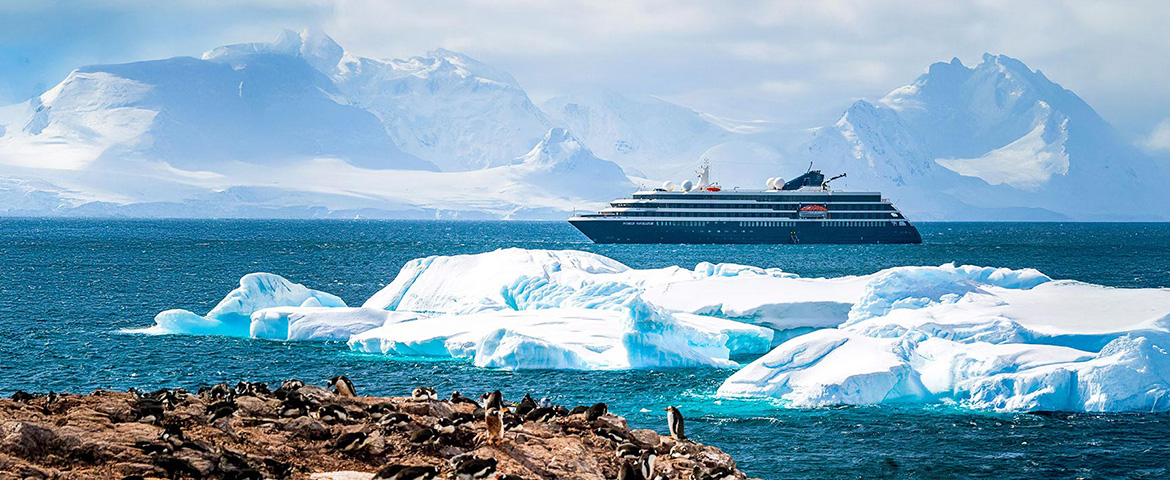
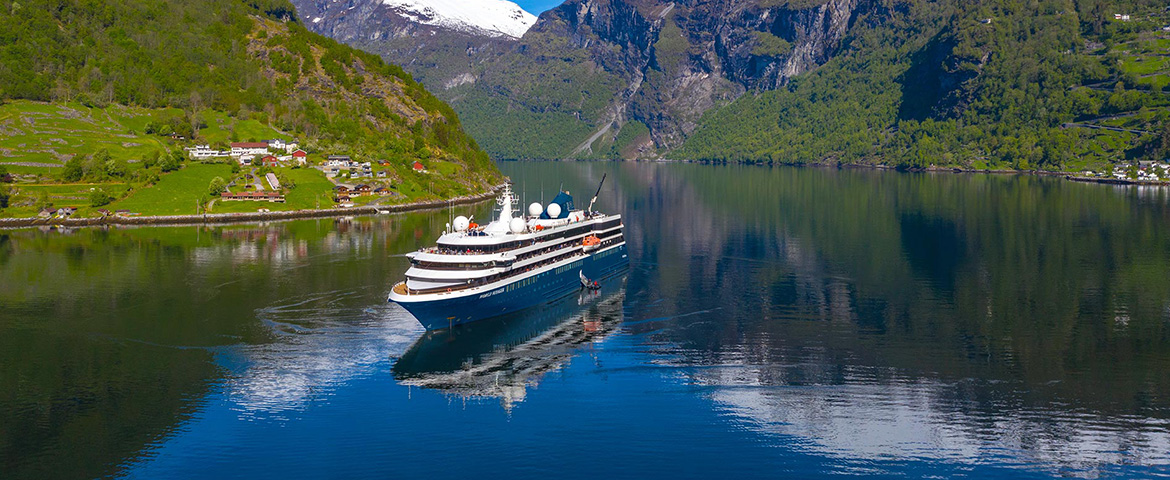
Atlas Ocean Voyages (15 Cruises)

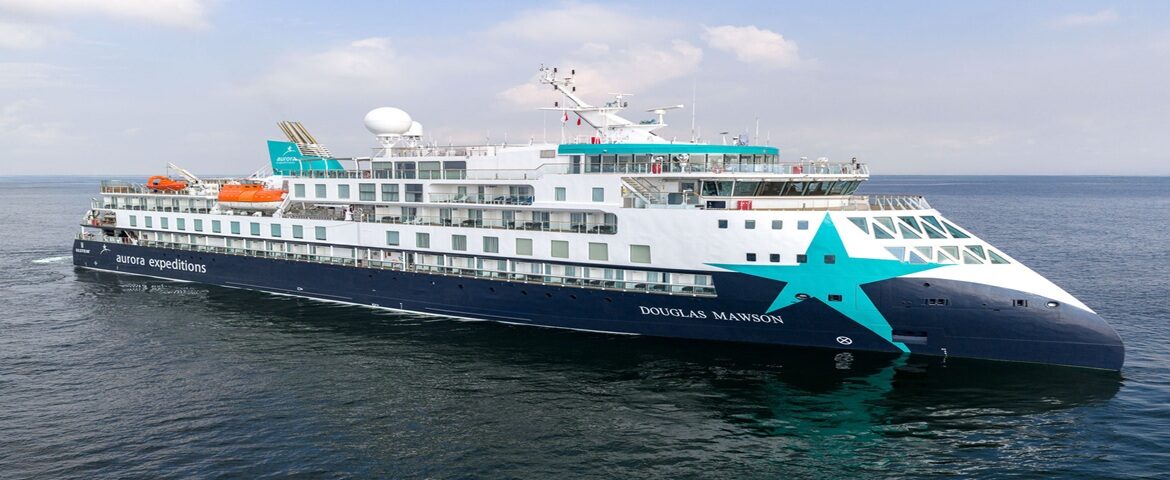
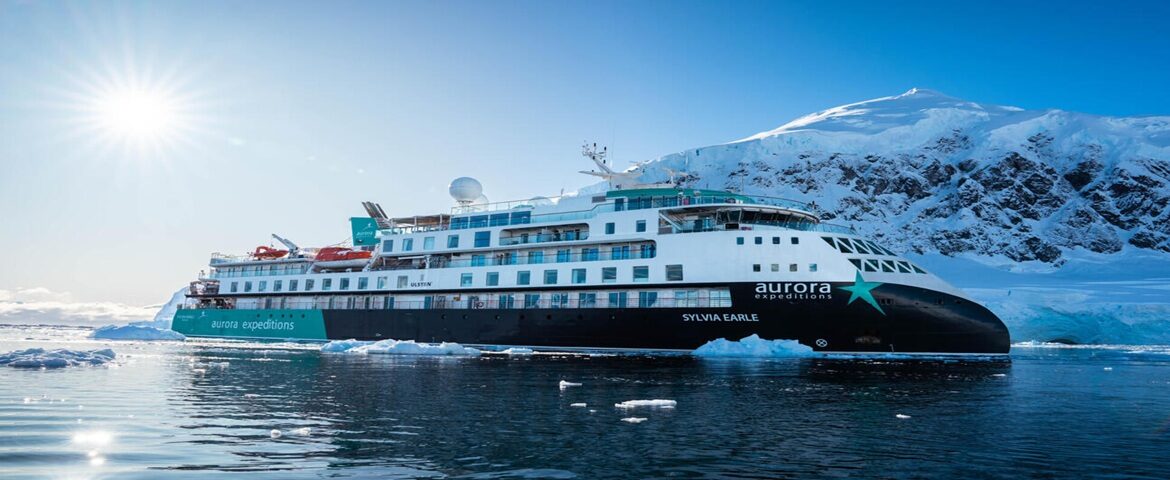
Aurora Expeditions (10 Cruises)

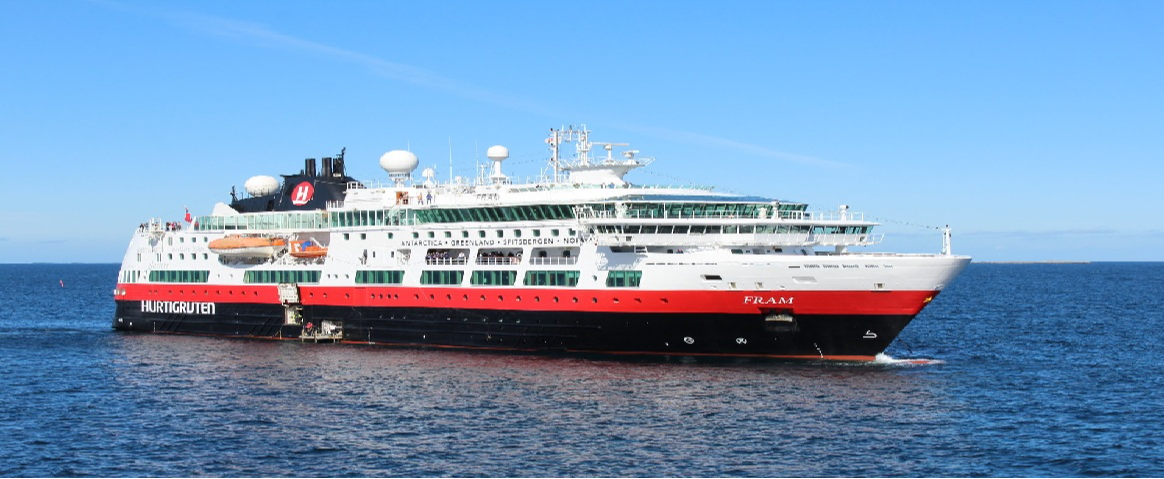
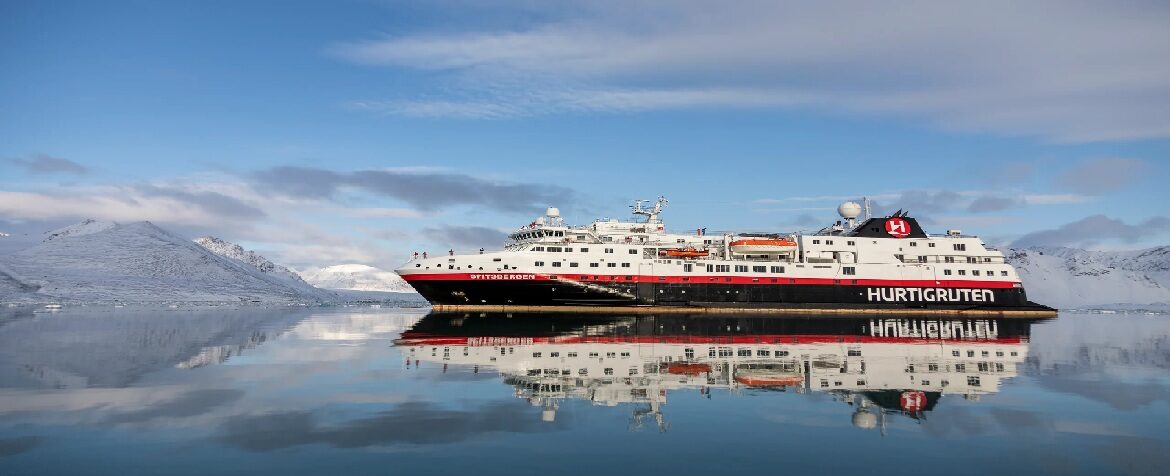
Hurtigruten (78 Cruises)
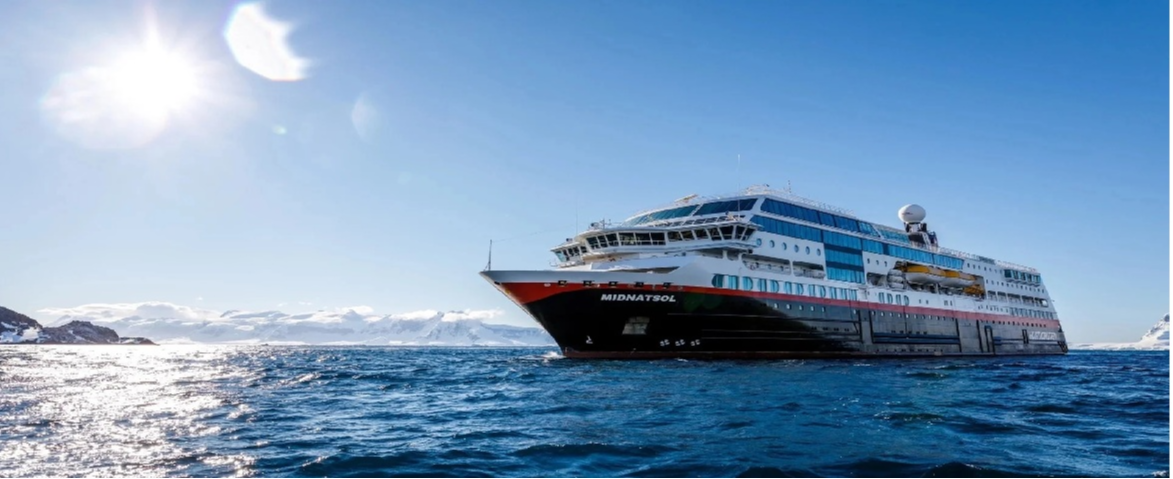
MS Midnatsol
21 Cruises

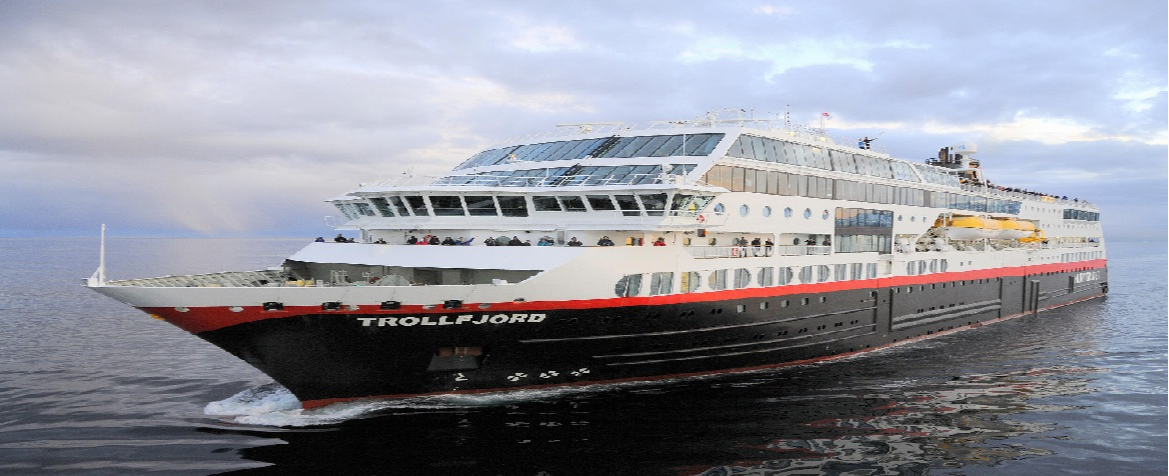
MS Trollfjord
57 Cruises
HX Expeditions (13 Cruises)

MS Spitsbergen
12 Cruises
| 16 May | 15 days | One-way from Bergen to Oslo |
450-628-6241
Call us
|
| 29 May | 9 days | Round-trip from Oslo, Norway |
450-628-6241
Call us
|
| 5 June | 9 days | Round-trip from Oslo, Norway |
450-628-6241
Call us
|
| 12 June | 11 days | Round-trip from Oslo, Norway |
450-628-6241
Call us
|
| 21 June | 14 days | Round-trip from Oslo, Norway |
450-628-6241
Call us
|
| 3 July | 11 days | Round-trip from Oslo, Norway |
450-628-6241
Call us
|
| 24 July | 11 days | Round-trip from Oslo, Norway |
450-628-6241
Call us
|
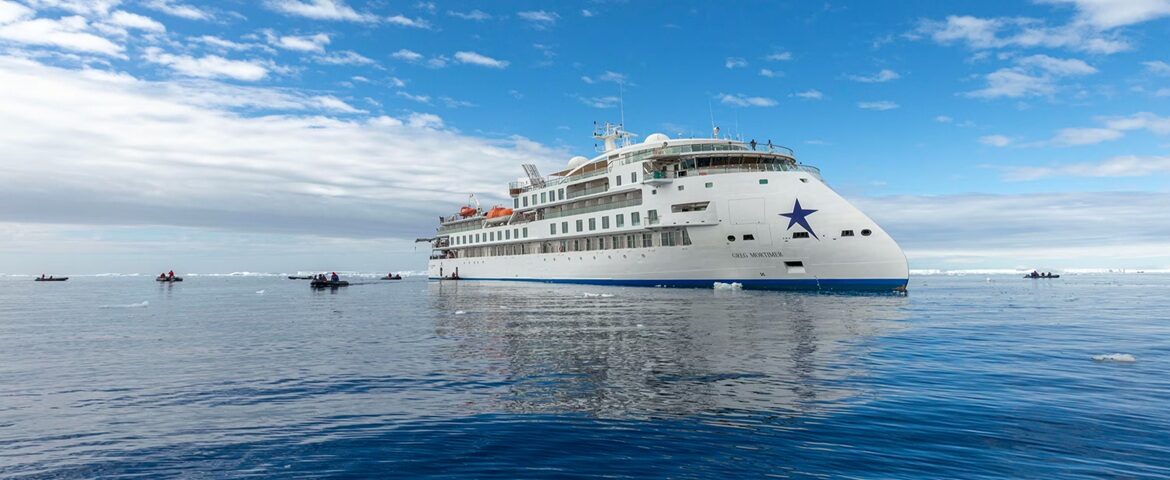
Lindblad Expeditions (32 Cruises)
Greg mortimer
4 Cruises

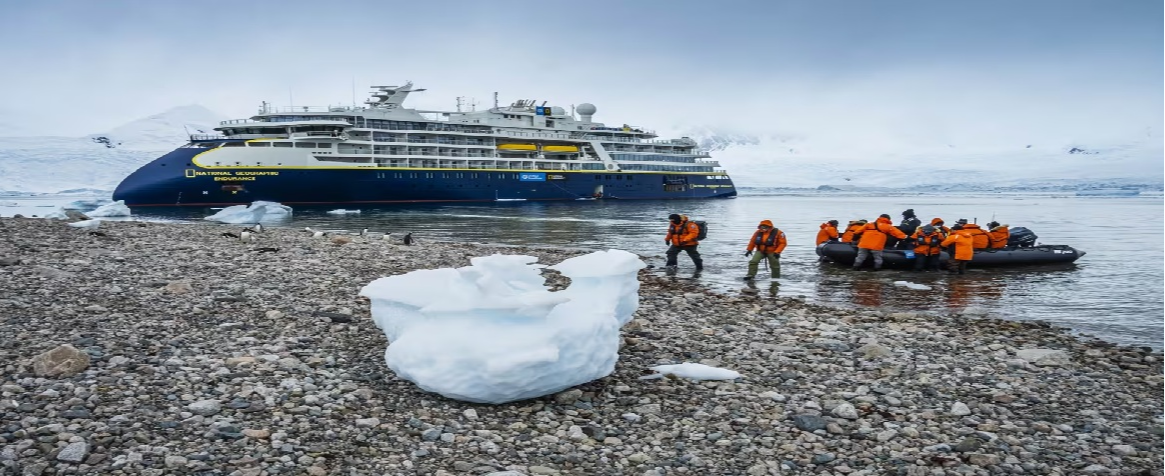
National Geographic Endurance
28 Cruises
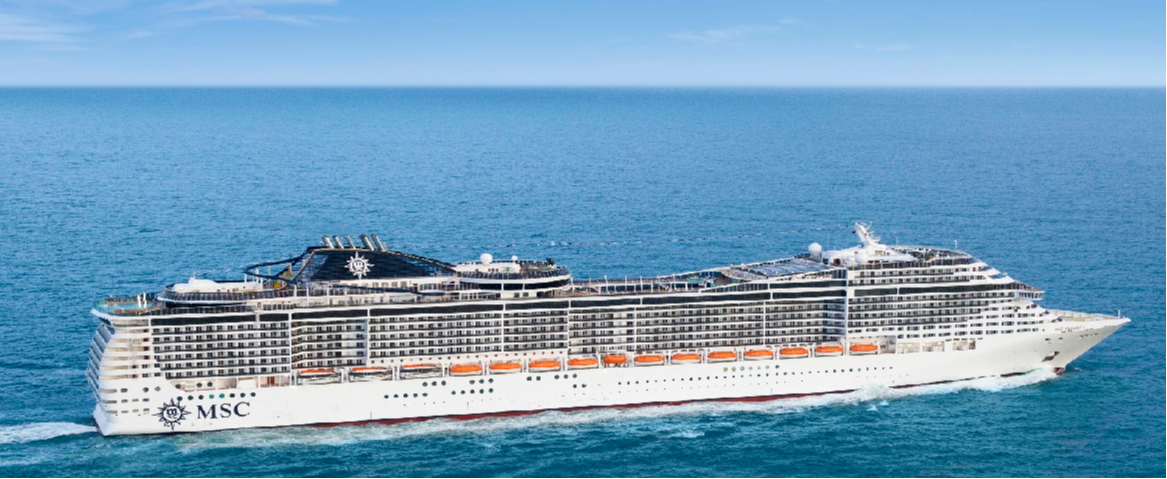
MSC Cruises (4 Cruises)

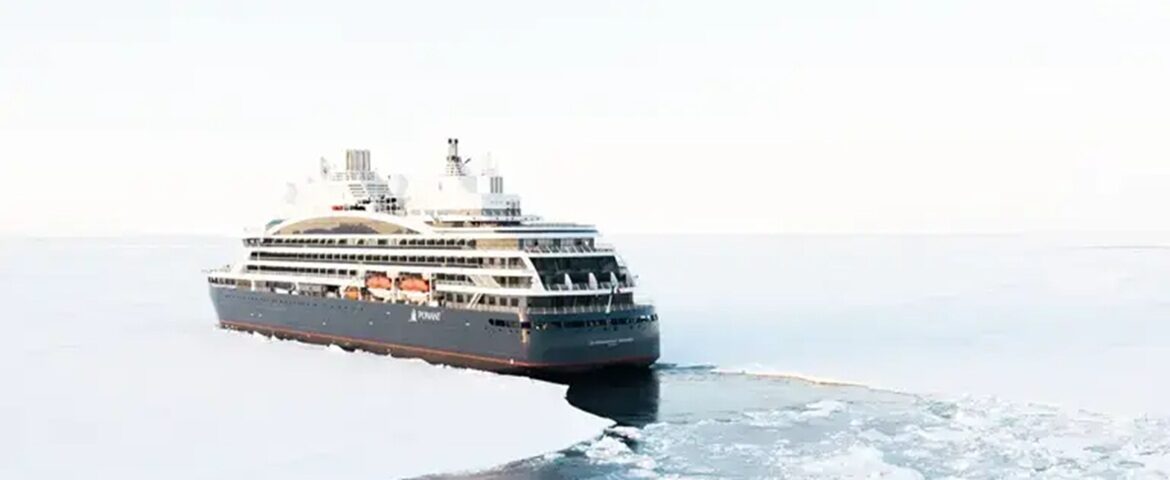
Ponant (44 Cruises)
Le Commandant Charcot
24 Cruises

| 8 June | 17 days | One-way from Reykjavik to Longyearbyen |
450-628-6241
Call us
|
| 24 June | 17 days | One-way from Longyearbyen to Reykjavik |
450-628-6241
Call us
|
| 10 July | 18 days | One-way from Reykjavik to Longyearbyen |
450-628-6241
Call us
|
| 27 July | 13 days | Round-trip from Longyearbyen, Norway |
450-628-6241
Call us
|
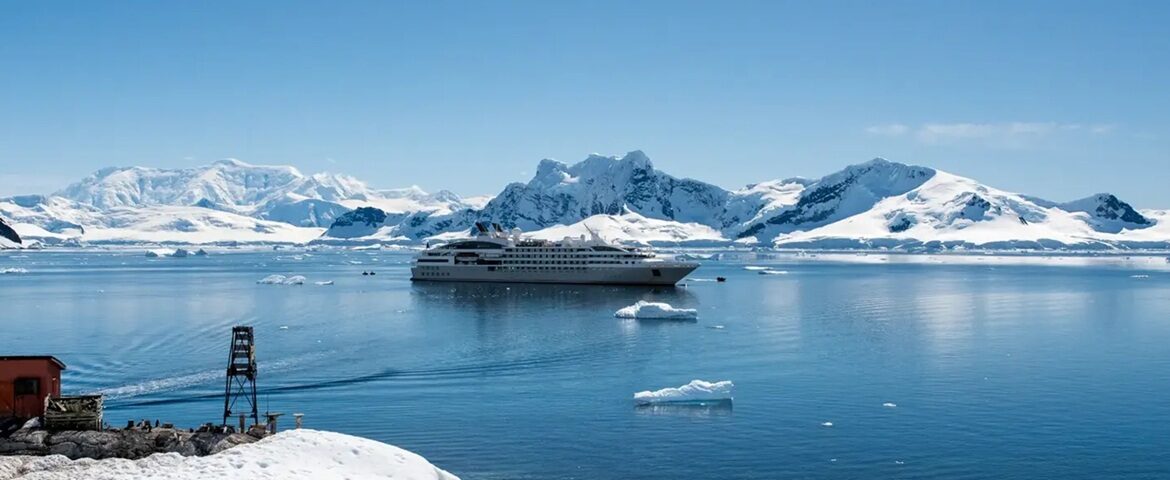
Le Lyrial
20 Cruises
Scenic Cruises (24 Cruises)
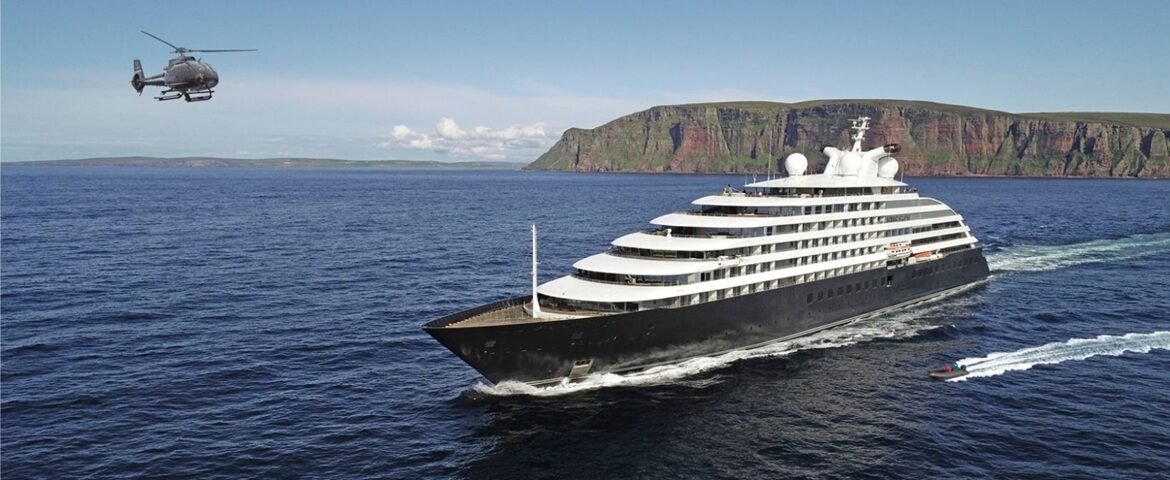
Scenic Eclipse
12 Cruises


Scenic Eclipse II
12 Cruises
Seabourn Cruise Line (12 Cruises)
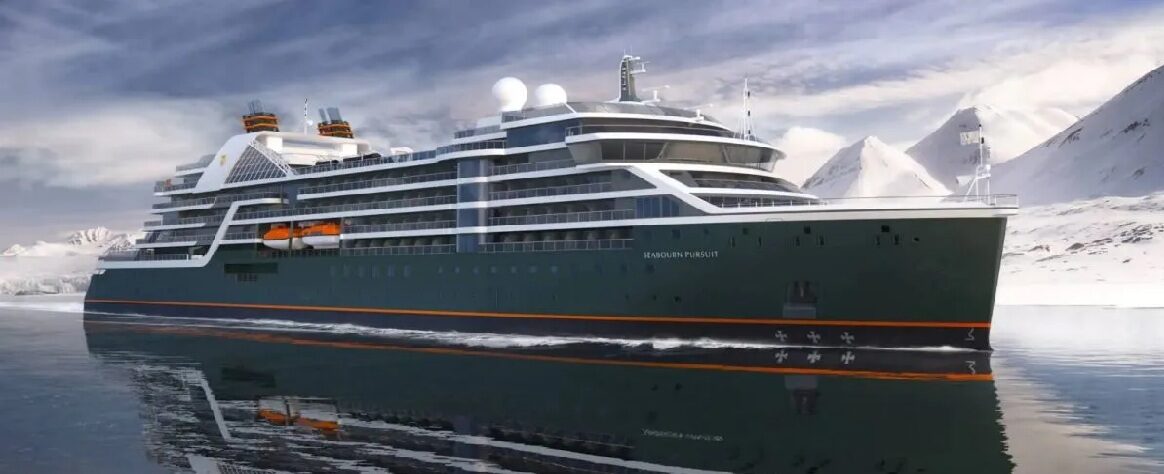
Seabourn Pursuit
12 Cruises

| 23 May | 51 days | One-way from Genoa to Reykjavik |
450-628-6241
Call us
|
| 23 May | 63 days | One-way from Genoa to Reykjavik |
450-628-6241
Call us
|
Silversea Cruises (14 Cruises)
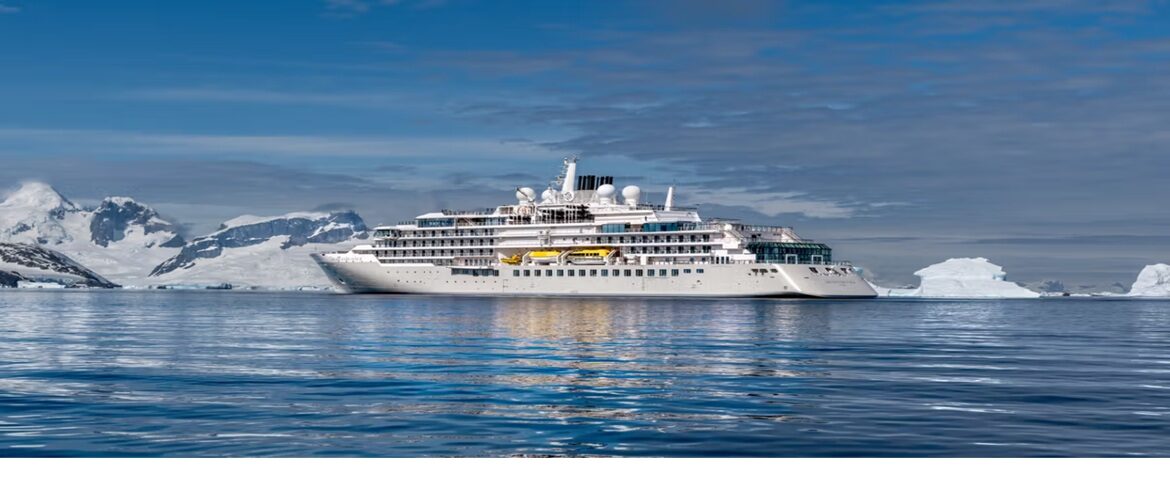
Silver Endeavour
14 Cruises

Viking Ocean Cruises (13 Cruises)
Viking Mars
8 Cruises
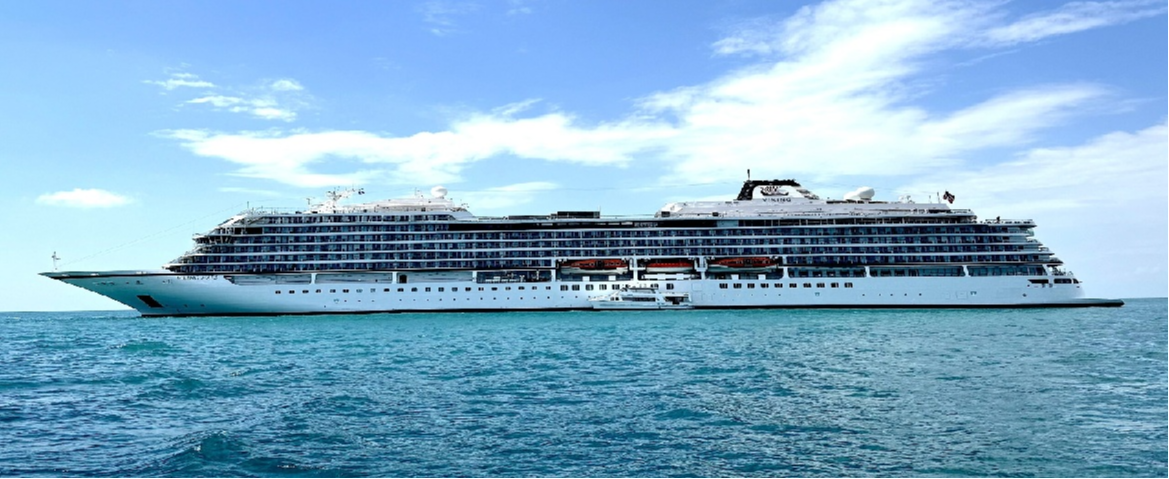

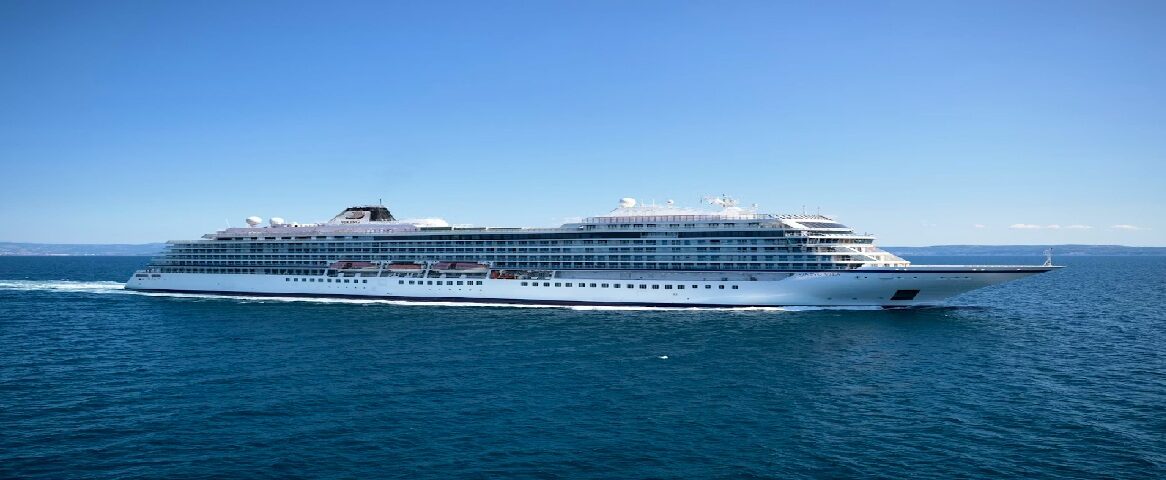
Viking Vela
5 Cruises
Port of Longyearbyen | Cruise Port Guide
Frequently Asked Questions
No, it is about two kilometres away. You can walk it in around thirty minutes, or take the shuttle. Along the way, wooden pylons from the old coal cableways and mine entrances clinging to the slopes tell you how the place began.
No. A well-known sign marks the edge of the settlement: a polar bear on a triangular field. Beyond it you do not go without a firearm and a guide. Every excursion runs under the responsibility of armed guides, and that is local reality, not theatre.
The Svalbard Museum first, the best possible introduction to the archipelago, then the handful of streets in the centre, the gallery and the expedition outfitters. Guided tundra walks or boat trips to a glacier take the whole half day.
Polar bears, walruses, reindeer and Arctic foxes, alongside the saga of the whalers and trappers who wintered in wooden huts. You learn how life clings to permafrost and why these islands are administered by Norway under an international treaty signed in 1920.
No, the interior is closed to visitors. You only glimpse its concrete entrance on the airport road, buried in the mountain to safeguard the world's seeds. The silhouette of that botanical strongroom is enough to keep the conversation going all the way home.
Yes, the northernmost on the planet, further up the slope, and it stays open to walkers. Its pale wooden interior, with coffee and armchairs, feels more like a refuge than a sanctuary.
As you would for a cold November day: even in July the thermometer rarely passes 10 °C. A wool hat, gloves and a windproof shell are part of the shore kit, as much as the camera. The expedition shops in town sell what you are missing.
Reindeer, often, grazing beside the path without a glance at passers-by, and terns. The polar bear is not something you see from the village: that is precisely why the triangular sign exists.
None at all. No tree, no hedge: brown mountains streaked with snow even in July, framing a handful of houses painted red, yellow and blue. It is a landscape without transitions, and the silence is broken only by birds.
Because you are at 78 degrees north. In summer the sun circles the sky without ever touching the horizon and simply refuses to go out. It is in that strange brightness that the ship sails up the Isfjorden and then the Adventfjorden.


