Skjolden Sognefjord, Norway
Norway
171
Cruises availables
At departure or passage at this port
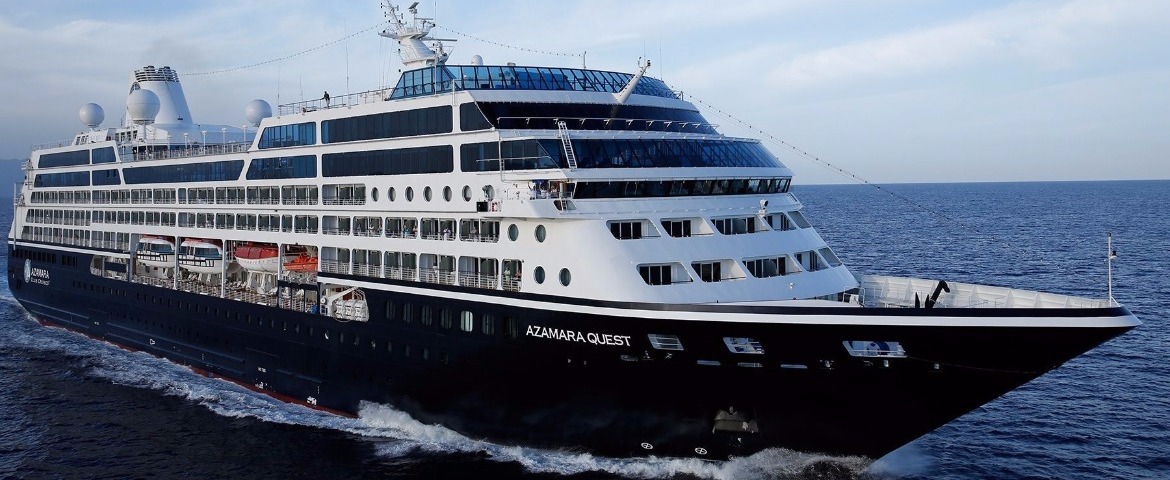
Azamara Club Cruises (2 Cruises)

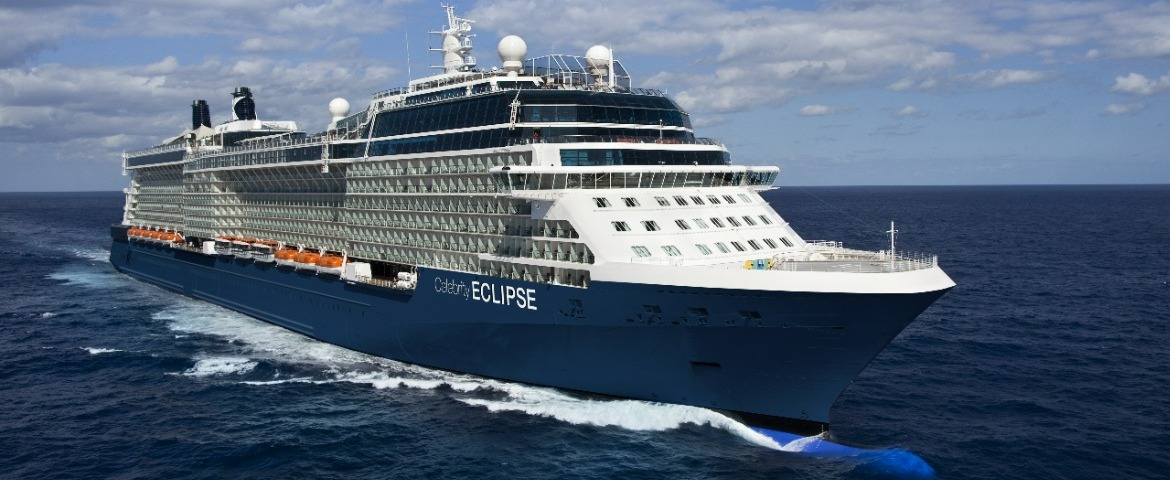
Celebrity Cruises (1 Cruises)

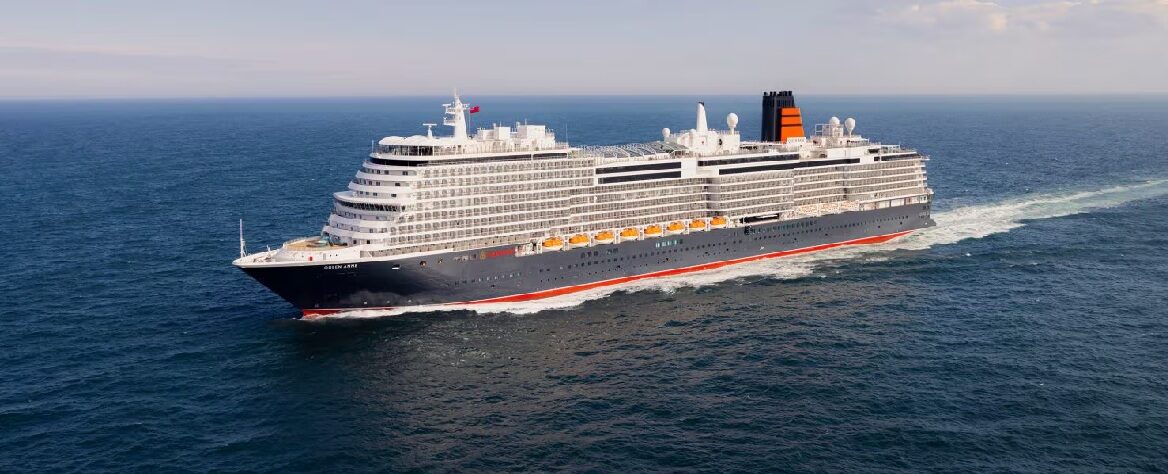
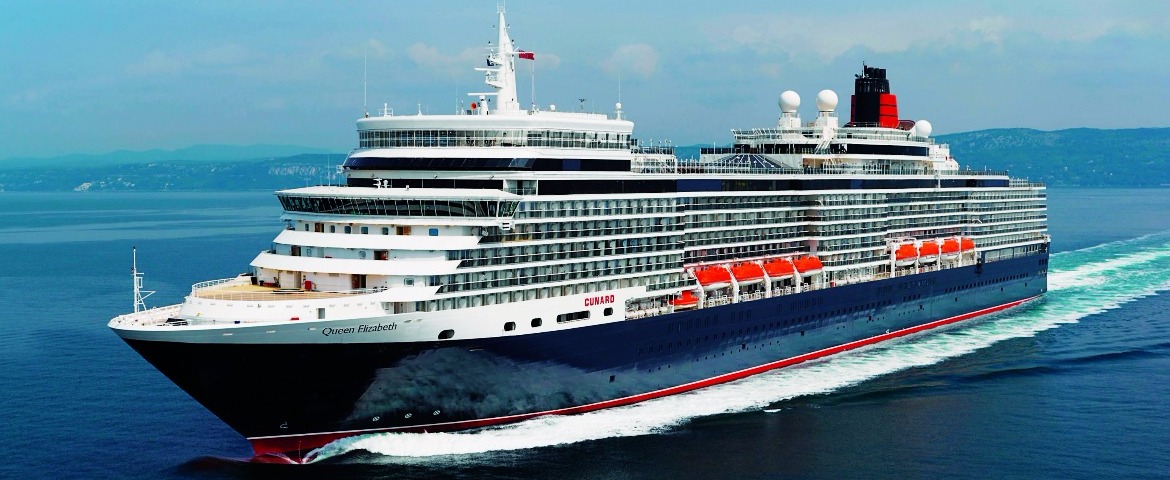
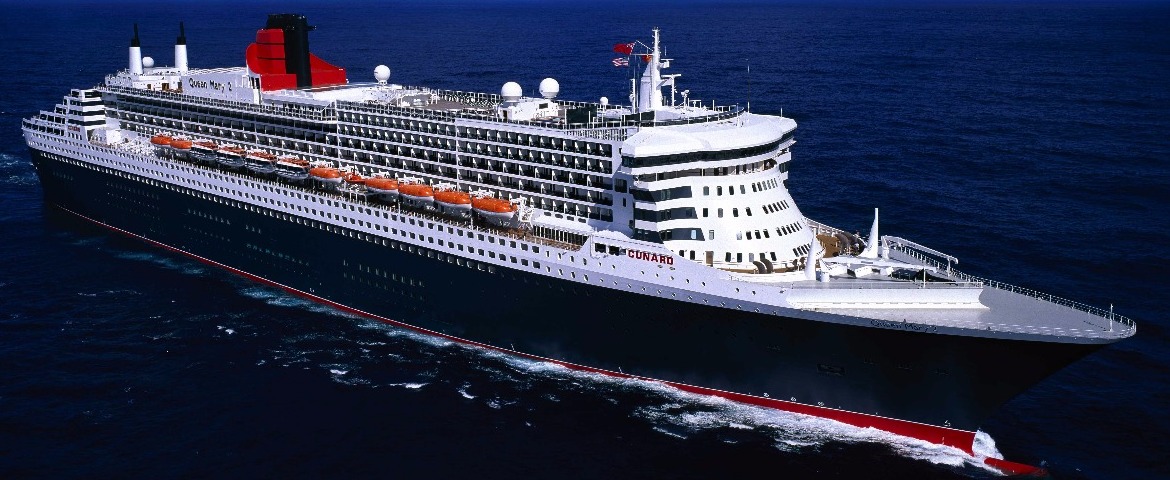
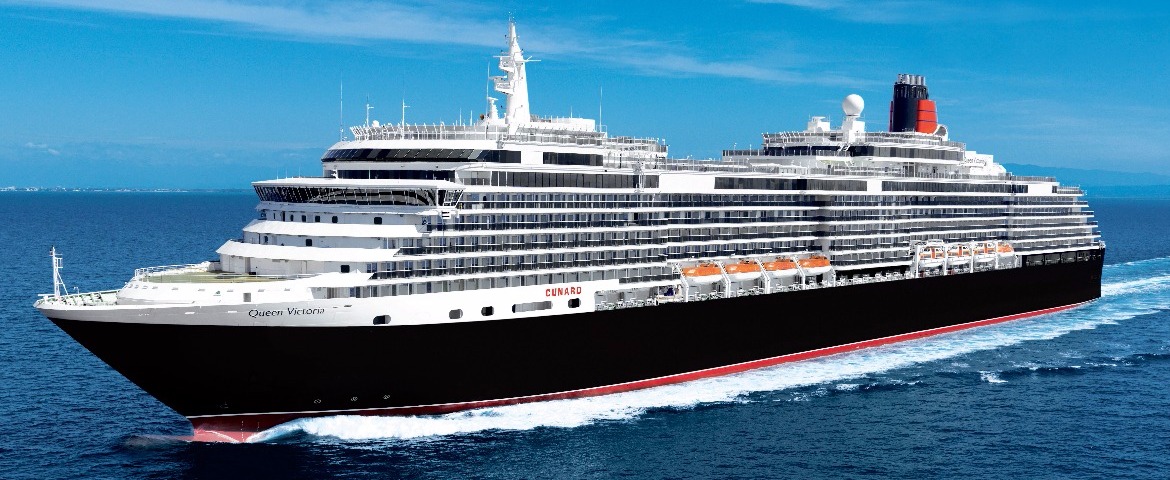
Cunard (24 Cruises)
Queen Anne
19 Cruises

Holland America Line (34 Cruises)
ms Rotterdam
19 Cruises
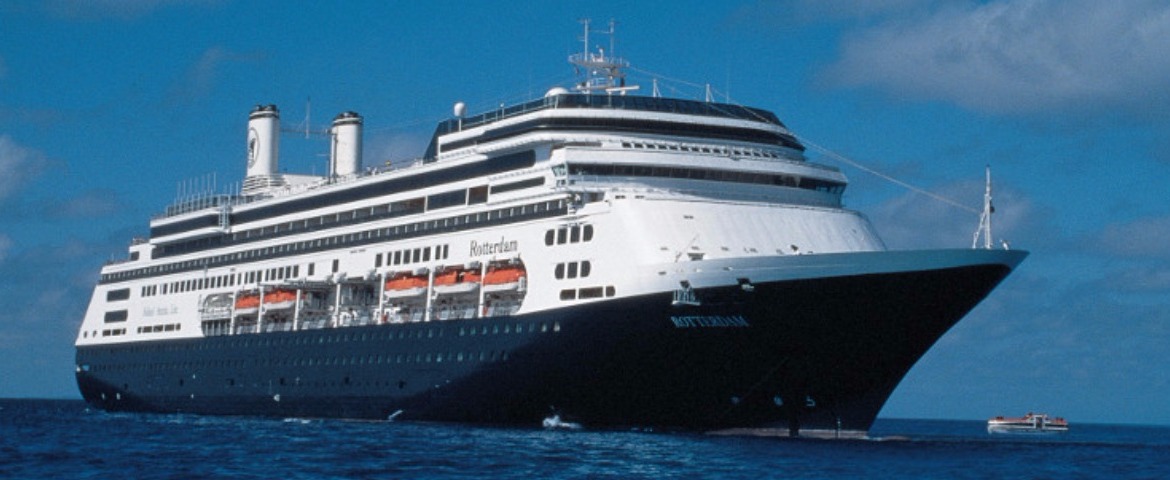

| 27 March | 23 days | One-way from Fort Lauderdale to Rotterdam |
450-628-6241
Call us
|
| 27 March | 22 days | One-way from Fort Lauderdale to Rotterdam |
450-628-6241
Call us
|
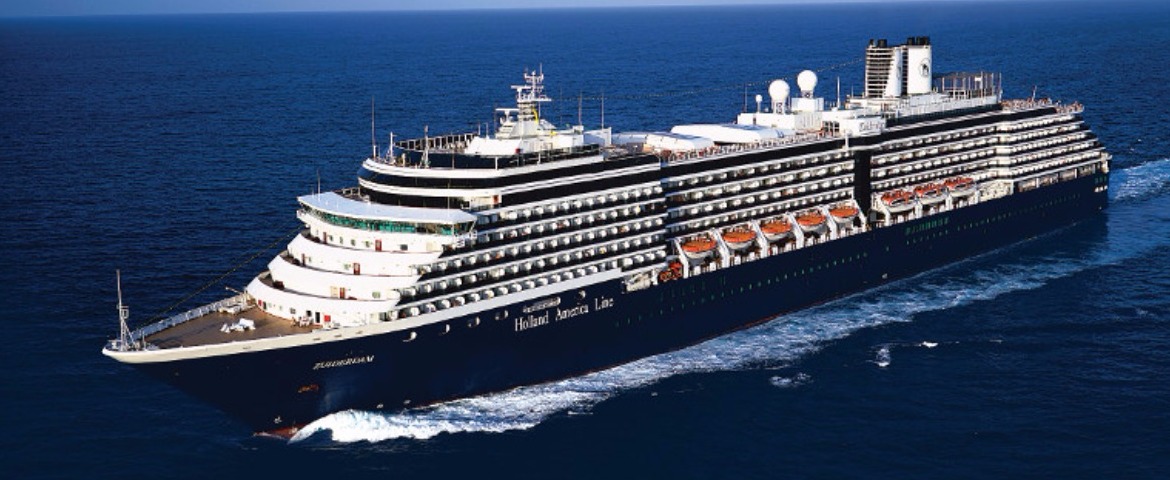
ms Zuiderdam
15 Cruises
Hurtigruten (8 Cruises)
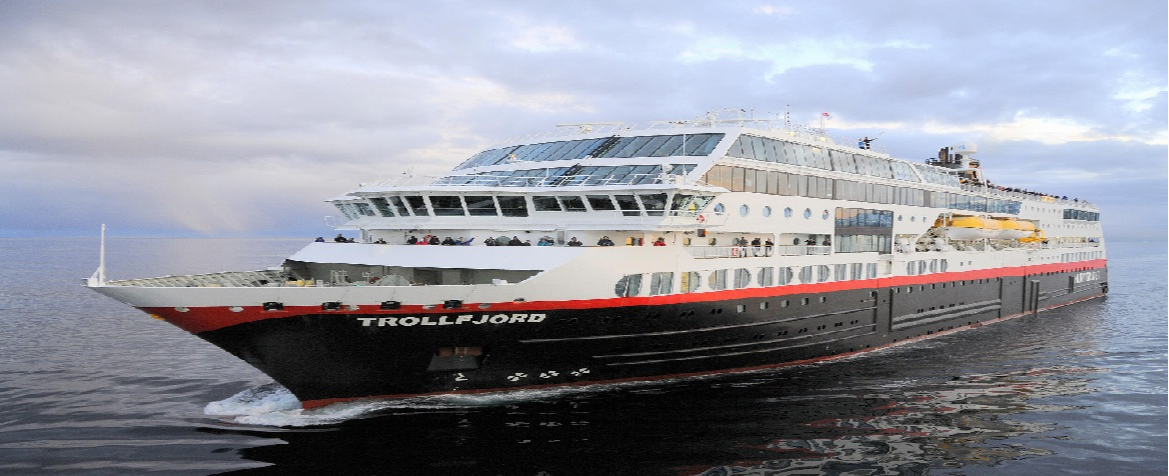

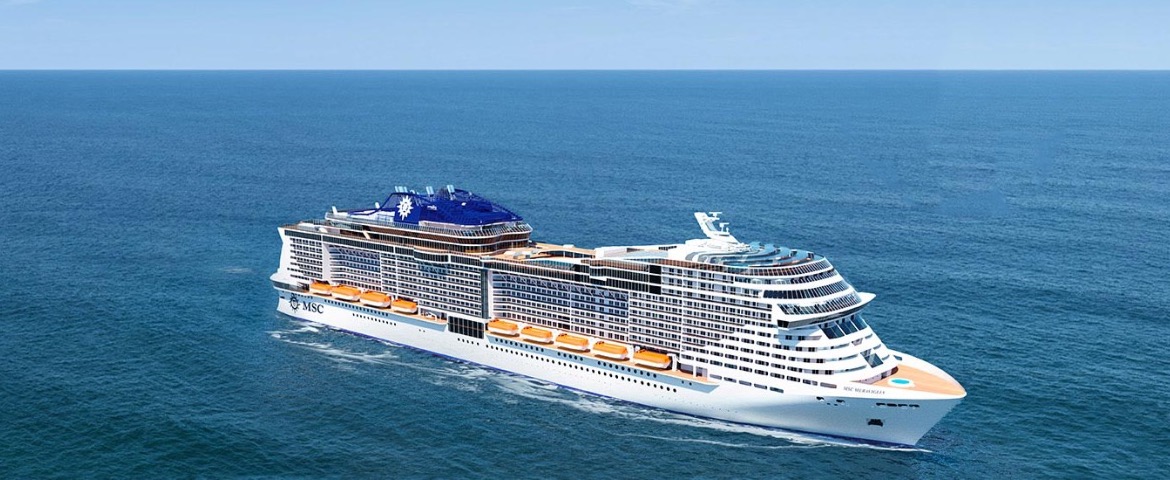
MSC Cruises (6 Cruises)

Princess Cruises (82 Cruises)
Caribbean Princess
22 Cruises
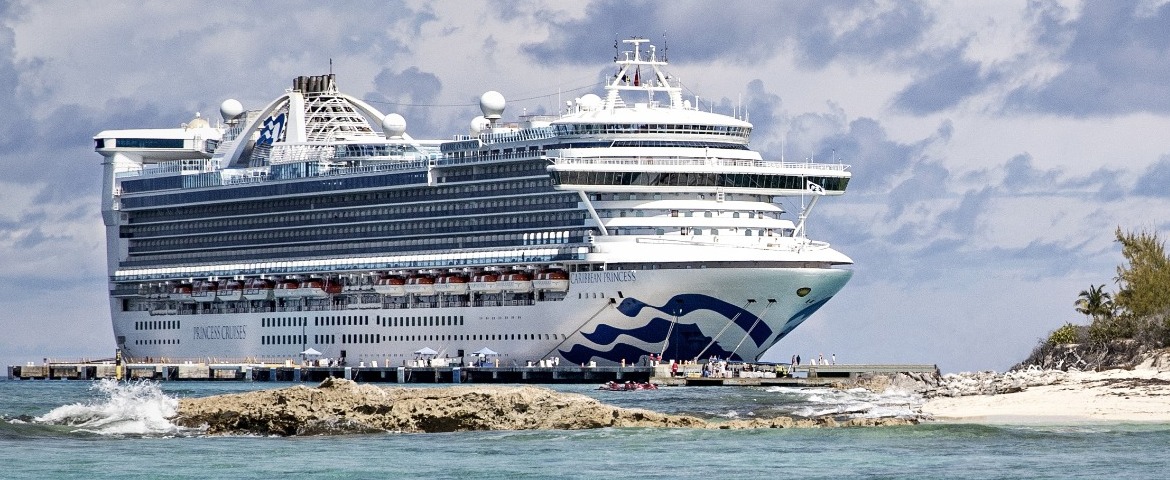

| 30 May | 48 days | Round-trip Baltic Sea Norway British Isles Iceland Caribbean Princess Reykjavik |
450-628-6241
Call us
|
| 30 May | 49 days | Round-trip from Reykjavik, Iceland |
450-628-6241
Call us
|
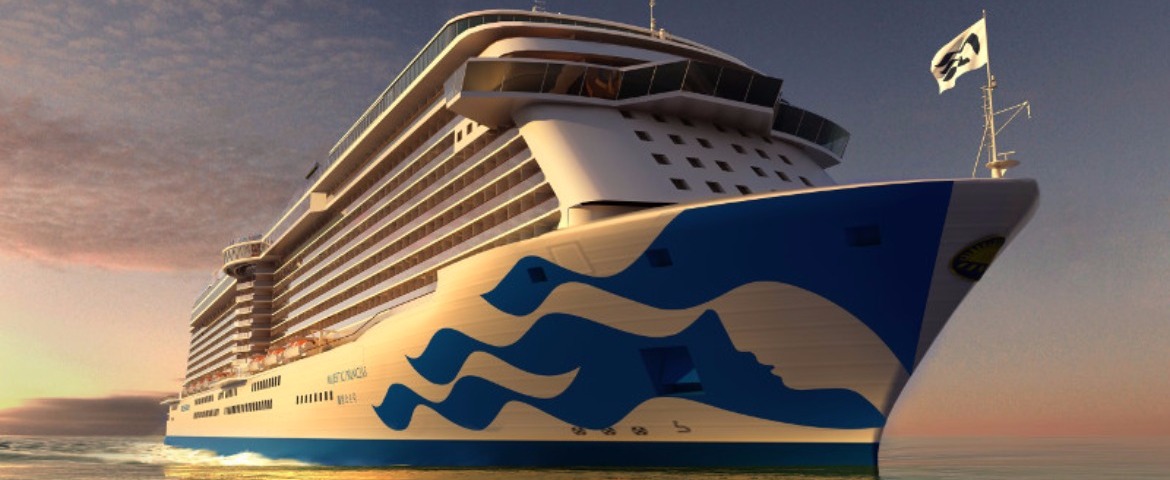
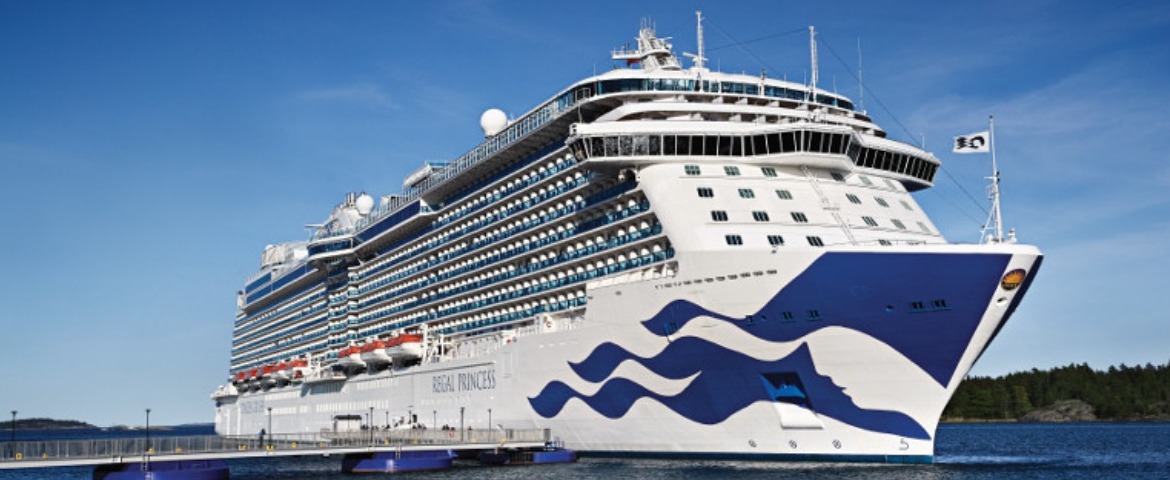
Regal Princess
39 Cruises
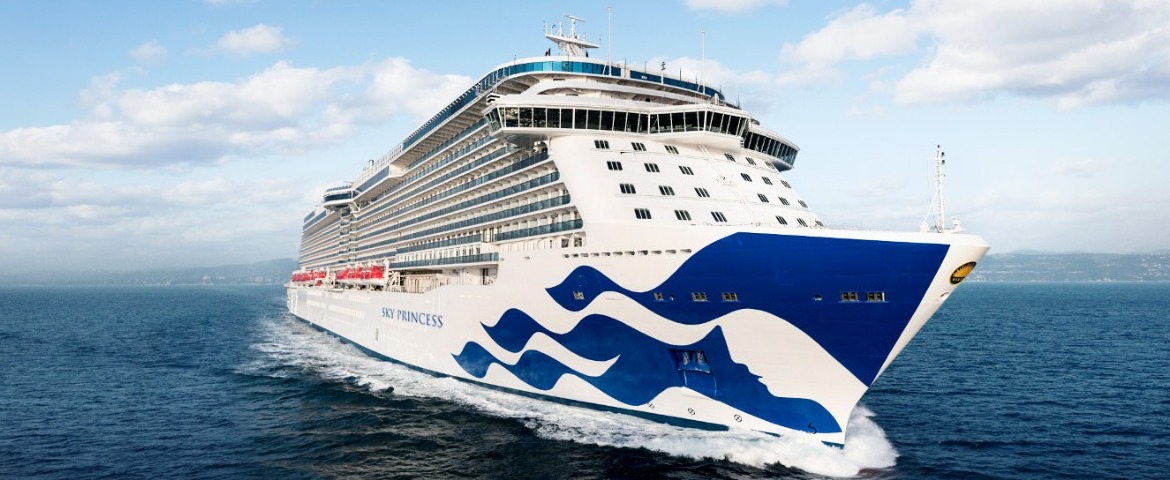
Sky Princess
18 Cruises
| 20 May | 8 days | Round-trip from Southampton, United Kingdom |
450-628-6241
Call us
|
| 20 May | 15 days | Round-trip from Southampton, United Kingdom |
450-628-6241
Call us
|
Royal Caribbean Cruises (2 Cruises)

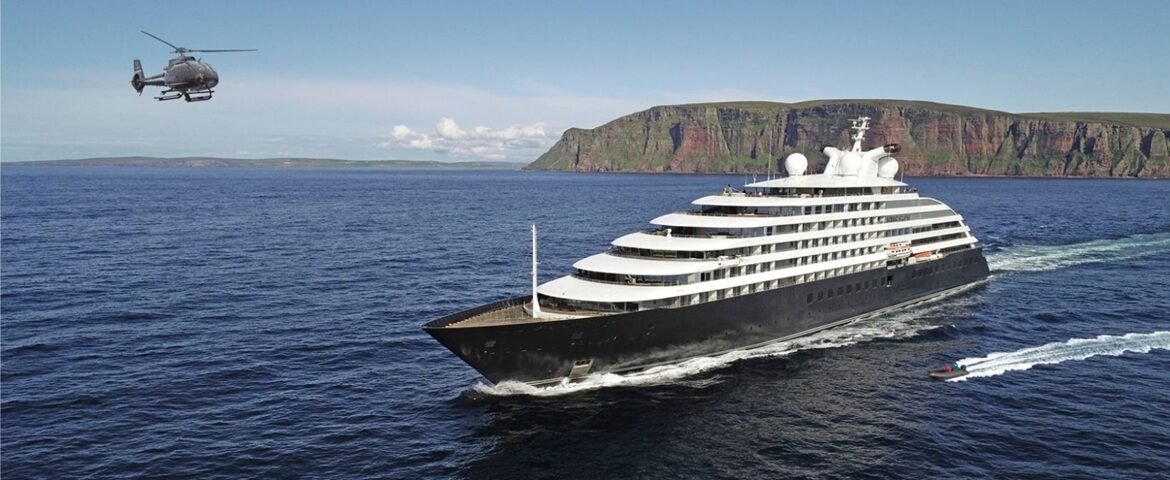
Scenic Cruises (12 Cruises)
Scenic Eclipse
6 Cruises


Scenic Eclipse II
6 Cruises
Frequently Asked Questions
At the village pier itself, in the middle of Skjolden. No tenders here: the gangway lands directly on solid ground at the head of the Lustrafjord, and the hamlet is a few steps away.
Because the ship pushes more than 200 kilometres inland. Skjolden sits at the end of the Sognefjord, Norway's longest and deepest, in its final arm, the Lustrafjord. It is the furthest inland point a cruise ship can reach in the country.
Not much, and the village makes no apology for it. Barely three hundred people live here: a shop, a café, houses between the shore and the river, sheep grazing behind. An alpaca and llama farm sits five hundred metres from the pier — families often stop there before excursions.
One of Norway's oldest standing wooden churches, built around 1130 on the shore of the Lustrafjord and listed as a UNESCO World Heritage site. Its carved animal interlace — the famous Urnes style — is a masterpiece of late Viking art. It is reached by excursion from the pier.
Yes. Skjolden is the gateway to three national parks, including Jostedalsbreen, home to the largest glacier in mainland Europe. The signature excursion goes to the Nigardsbreen glacier tongue through the Jostedalen valley, crossing a meltwater lake by boat. Allow a full day.
One outing, not two. Urnes and its surroundings, or the Feigefossen waterfall by fast boat, or a bike or kayak rental on the spot. The Nigardsbreen glacier needs a full day and will not fit a short call.
Yes, and it is the village's best asset for families. The alpaca and llama farm is a five-minute walk from the pier, kayaks and paddleboards rent at the water's edge, and easy trails start in the hamlet. The long excursions, by contrast, suit young children poorly.
The Norwegian krone, and credit cards everywhere, including the village shop. Norway runs almost entirely cashless. No currency exchange is needed before the call.
Yes, fluently, despite the size of the village. Norwegian is the local language; English is spoken at the café, the shop and by guides. French is not.
June to August, when the waterfalls run full with snowmelt, the trails are clear and the glacier excursions operate. One piece of local advice: do not overload your schedule. Sailing back down the Sognefjord in the late afternoon is a multi-hour panorama in itself, best taken from the open decks.


