Barca d'Alva Portugal, Castelo Rodrigo
1142
Cruises availables
At departure or passage at this port
AmaWaterways (72 Cruises)
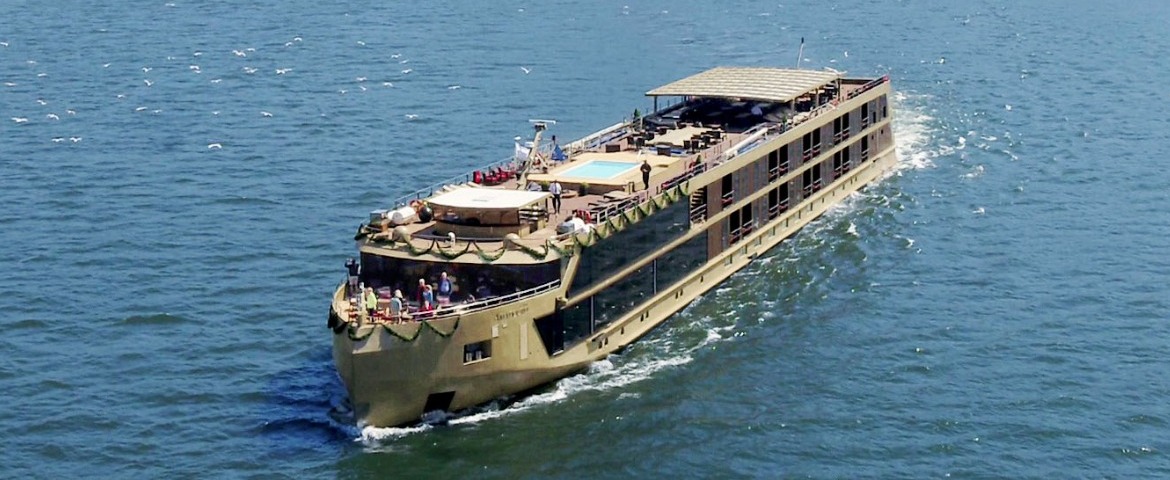
AmaDouro
14 Cruises

| 19 October | 8 days | Round-trip from Porto-Leixoes, Portugal |
450-628-6241
Call us
|
| 26 October | 8 days | Round-trip from Porto-Leixoes, Portugal |
450-628-6241
Call us
|
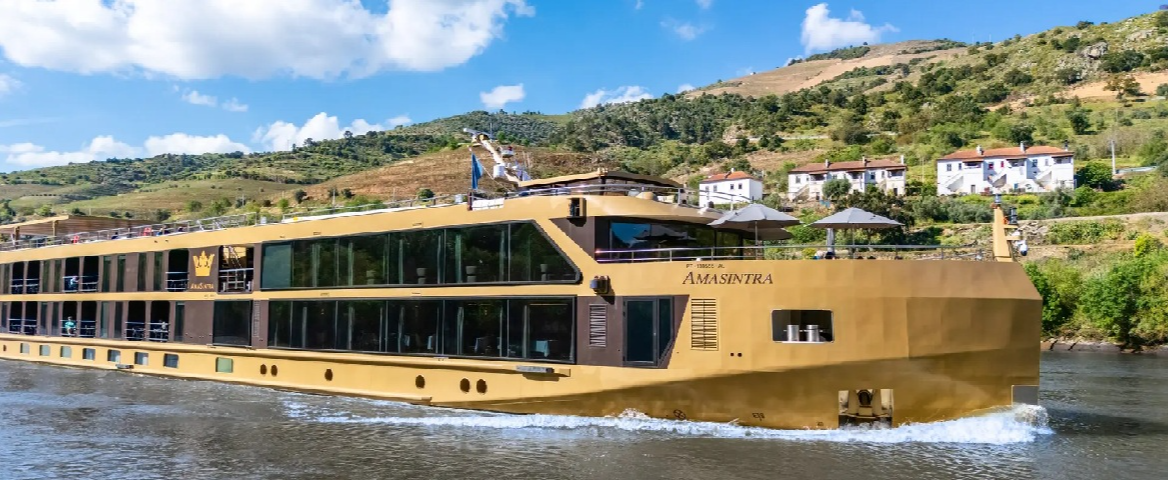
AmaSintra
12 Cruises
| 22 October | 8 days | Round-trip from Porto-Leixoes, Portugal |
450-628-6241
Call us
|
| 29 October | 8 days | Round-trip from Porto-Leixoes, Portugal |
450-628-6241
Call us
|
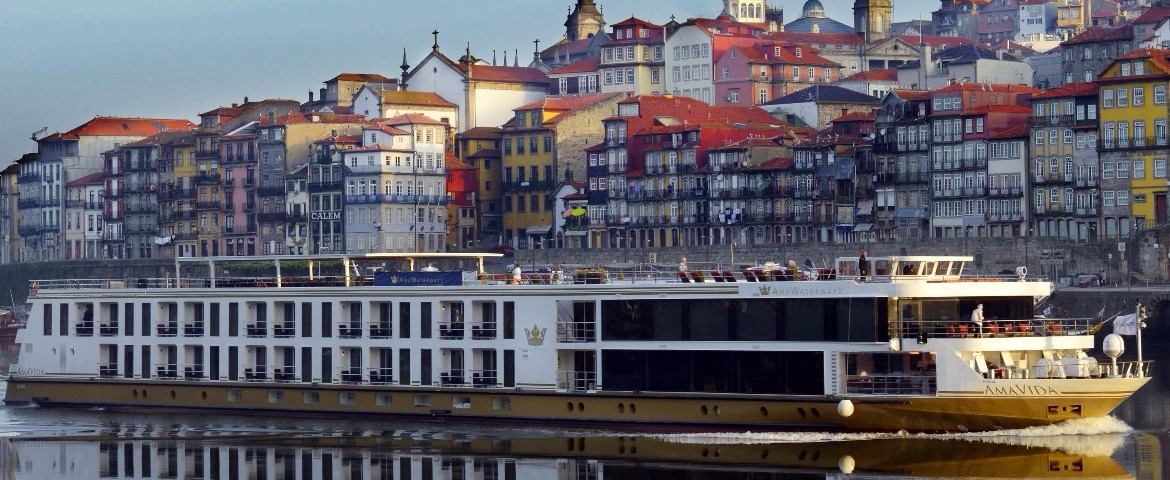
AmaVida
46 Cruises
| 20 March | 8 days | One-way from Porto-Leixoes to Vega de Terron-Salamanca |
450-628-6241
Call us
|
| 27 March | 8 days | One-way from Vega de Terron-Salamanca to Porto-Leixoes |
450-628-6241
Call us
|
Avalon Waterways (25 Cruises)
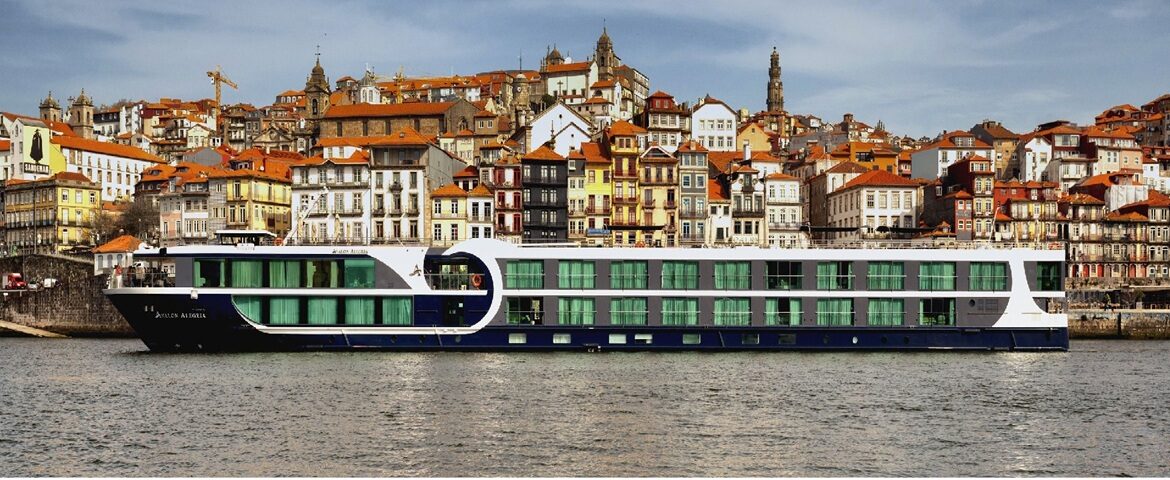
Avalon AlegriaSM
25 Cruises

| 5 May | 8 days | Round-trip from Porto-Leixoes, Portugal |
450-628-6241
Call us
|
| 19 May | 8 days | Round-trip from Porto-Leixoes, Portugal |
450-628-6241
Call us
|
CroisiEurope (186 Cruises)
MS Amalia Rodrigues
18 Cruises
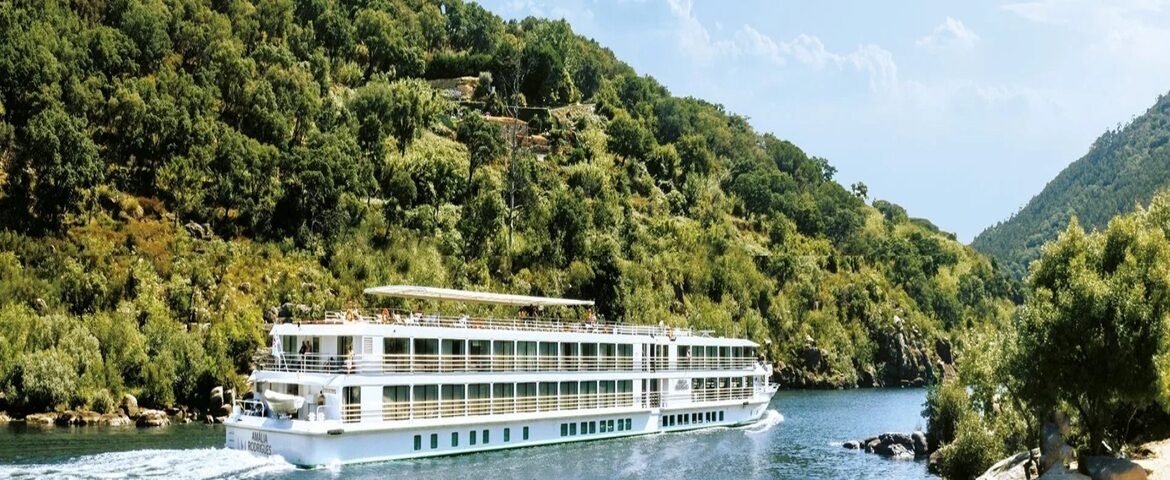

| 13 June | 8 days | Round-trip from Porto-Leixoes, Portugal |
450-628-6241
Call us
|
| 25 June | 8 days | Round-trip from Porto-Leixoes, Portugal |
450-628-6241
Call us
|
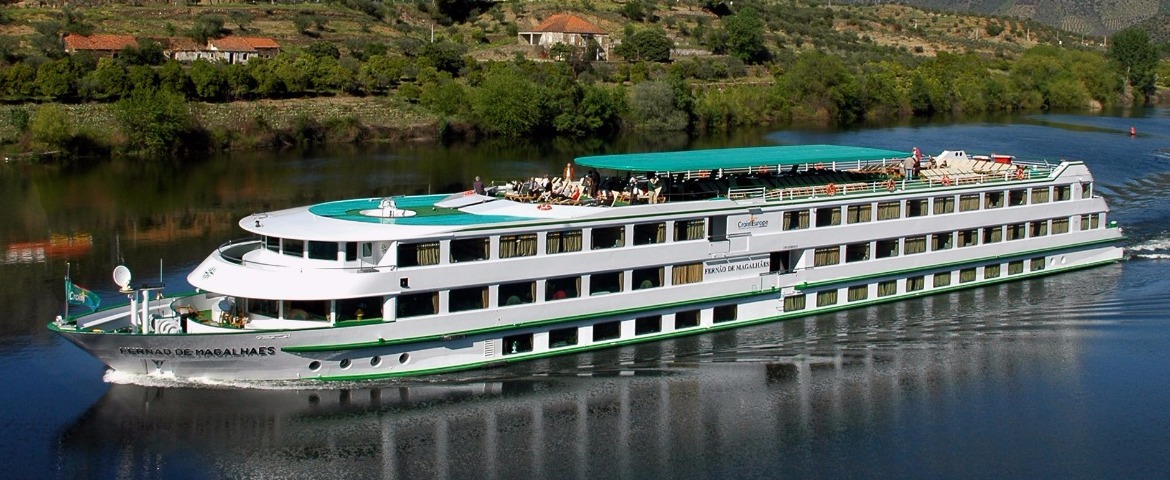
MS Fernao de Magalhaes
22 Cruises
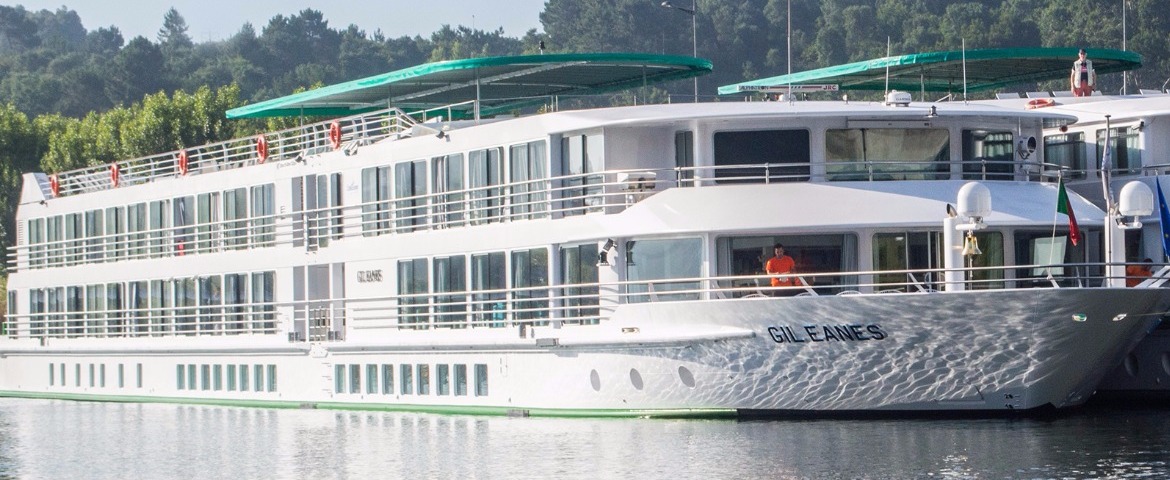
MS Gil Eanes
24 Cruises
| 15 April | 5 days | Round-trip Porto, the Douro valley Portugal and Salamanca Spain |
450-628-6241
Call us
|
| 15 April | 6 days | Round-trip from Porto-Leixoes, Portugal |
450-628-6241
Call us
|
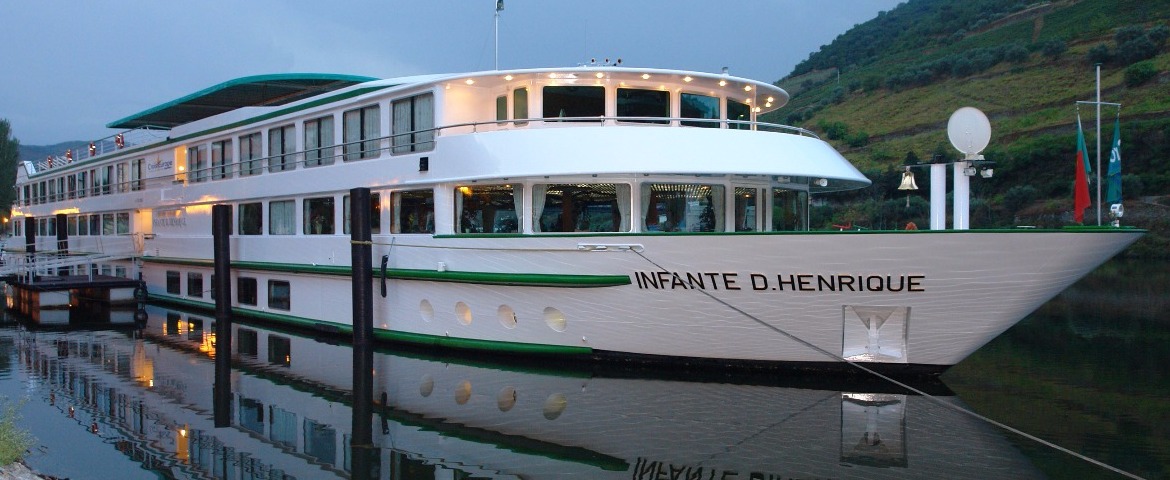
MS Infante Don Henrique
46 Cruises
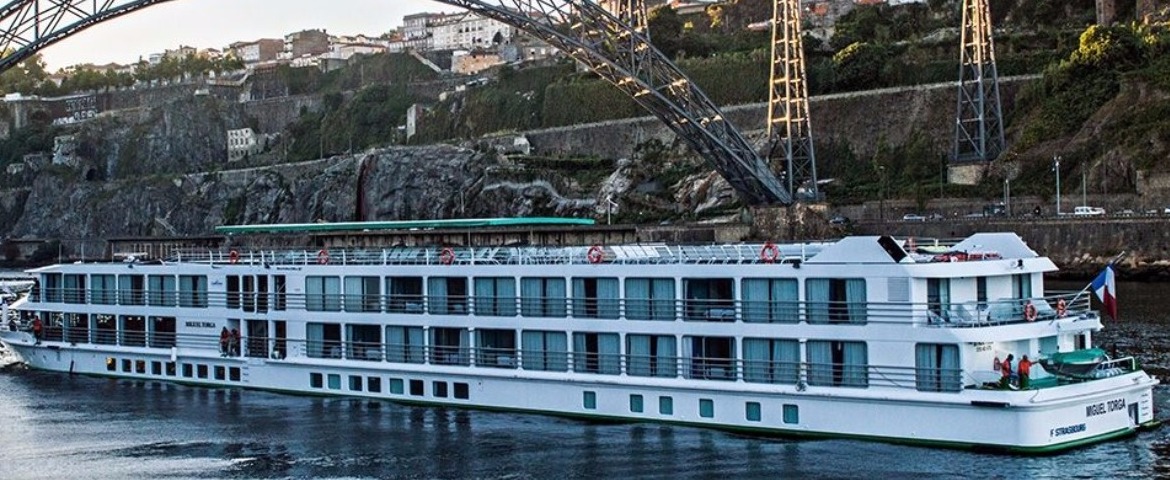
MS Miguel Torga
25 Cruises
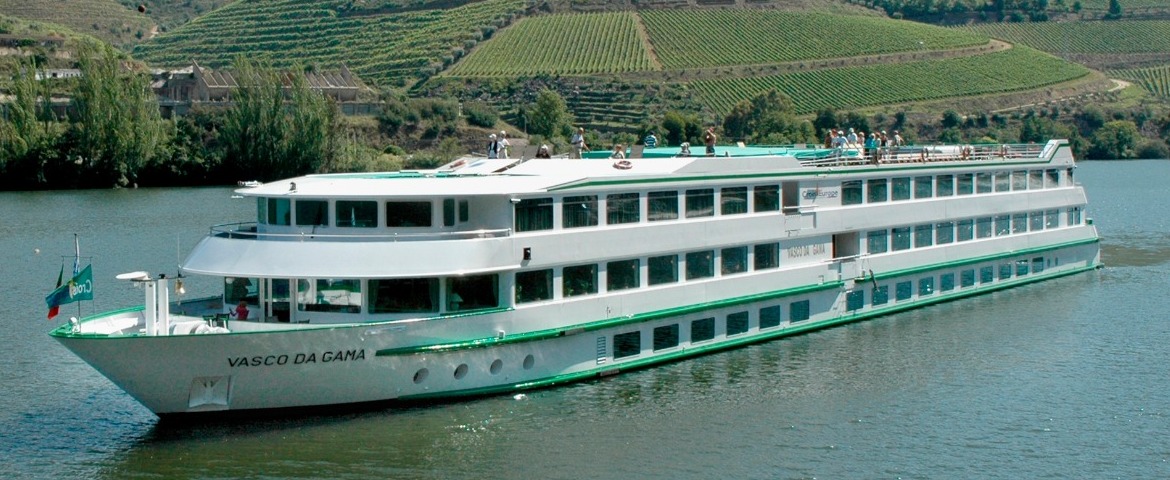
MS Vasco de Gama
51 Cruises
Riviera Travel (95 Cruises)
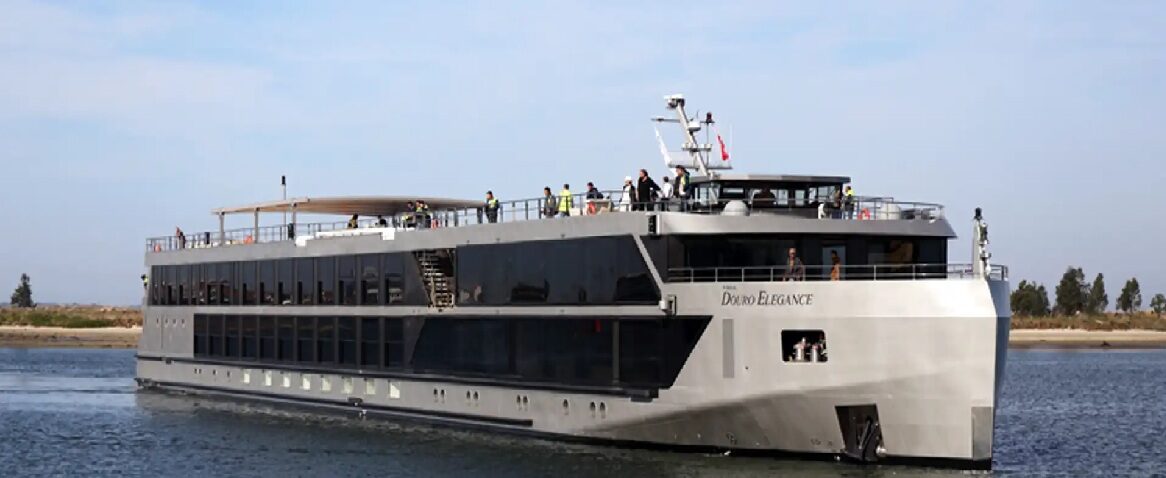
MS Douro Elegance
12 Cruises

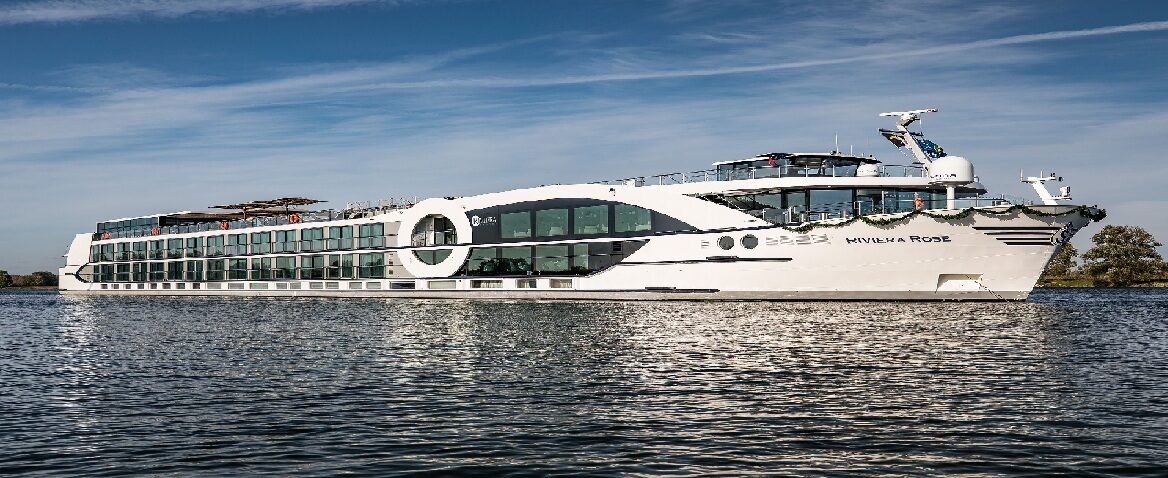
MS Riviera Rose
83 Cruises
Scenic Cruises (100 Cruises)
Scenic Azure
90 Cruises


| 3 May | 8 days | Round-trip from Porto-Leixoes, Portugal |
450-628-6241
Call us
|
| 3 May | 7 days | Round-trip Delightful Douro |
450-628-6241
Call us
|
Scenic Sapphire
10 Cruises

| 27 March | 17 days | One-way from Lyon to Porto-Leixoes |
450-628-6241
Call us
|
| 27 March | 18 days | One-way from Lyon to Porto-Leixoes |
450-628-6241
Call us
|
| 30 May | 18 days | One-way from Lyon to Porto-Leixoes |
450-628-6241
Call us
|
| 30 May | 17 days | One-way from Lyon to Porto-Leixoes |
450-628-6241
Call us
|
Tauck Cruises (96 Cruises)
ms Andorinha
20 Cruises
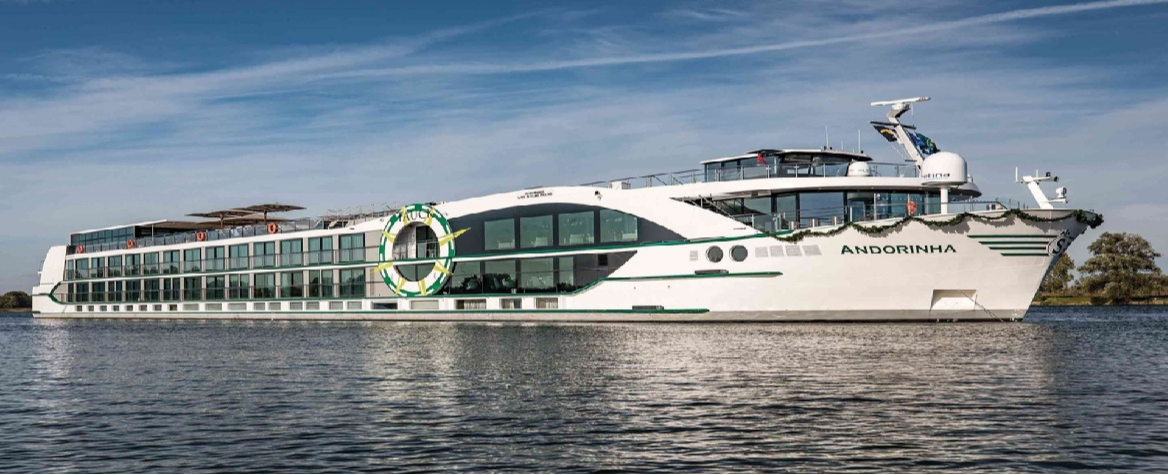

| 28 April | 10 days | Round-trip from Porto-Leixoes, Portugal |
450-628-6241
Call us
|
| 30 April | 7 days | Round-trip 9 Night Porto Prelude Cruising the Douro Cruise and Land Tour |
450-628-6241
Call us
|
| 26 May | 10 days | Round-trip from Porto-Leixoes, Portugal |
450-628-6241
Call us
|
| 28 May | 7 days | Round-trip 9 Night Porto Prelude Cruising the Douro Cruise and Land Tour |
450-628-6241
Call us
|
ms Grace
24 Cruises
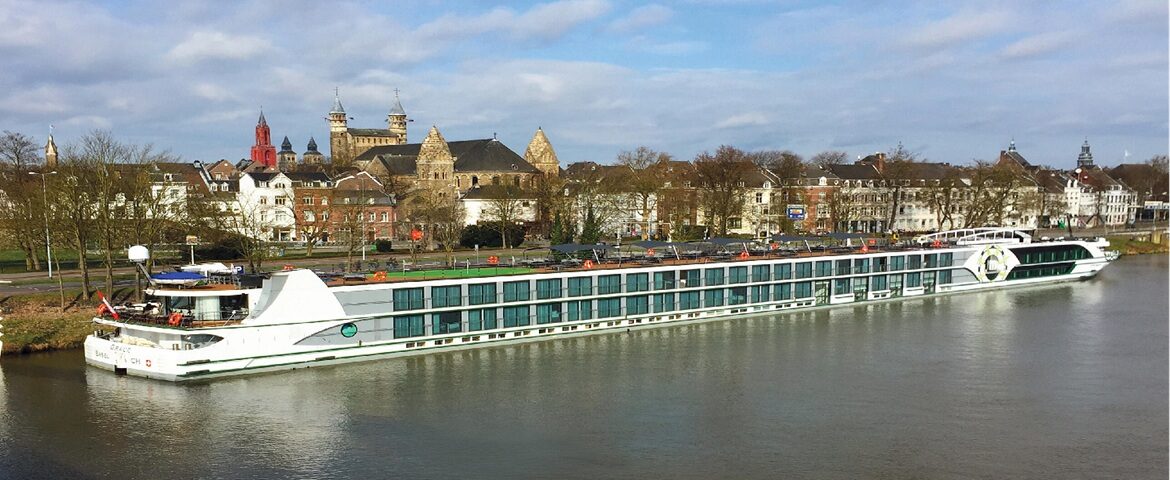
| 15 April | 6 days | Round-trip from Porto-Leixoes, Portugal |
450-628-6241
Call us
|
| 15 April | 5 days | Round-trip Porto, the Douro valley Portugal and Salamanca Spain |
450-628-6241
Call us
|
MS Saudade
52 Cruises
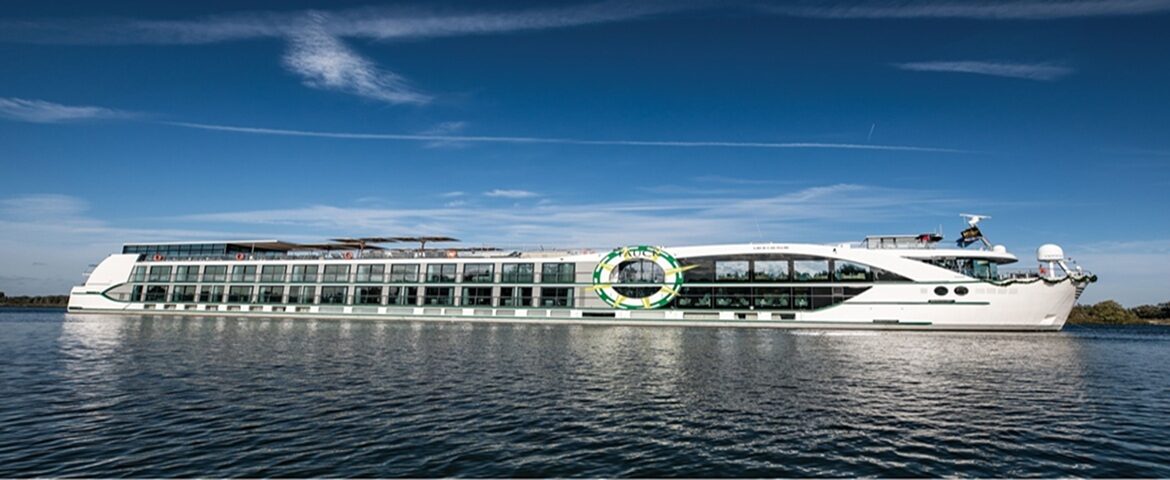
Viking River Cruises (568 Cruises)
Viking Helgrim
143 Cruises
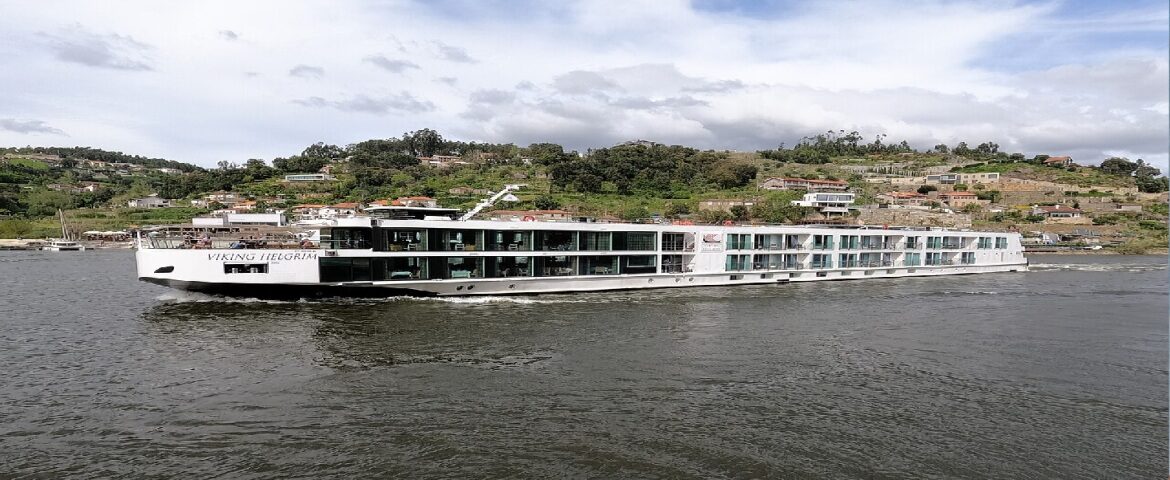

| 30 March | 8 days | Round-trip from Porto-Leixoes, Portugal |
450-628-6241
Call us
|
| 30 March | 7 days | Round-trip Douros Valleys Vineyards |
450-628-6241
Call us
|
| 28 March | 8 days | Round-trip from Porto-Leixoes, Portugal |
450-628-6241
Call us
|
| 28 March | 7 days | Round-trip Portugals River of Gold |
450-628-6241
Call us
|
Viking Longships Hemming
142 Cruises
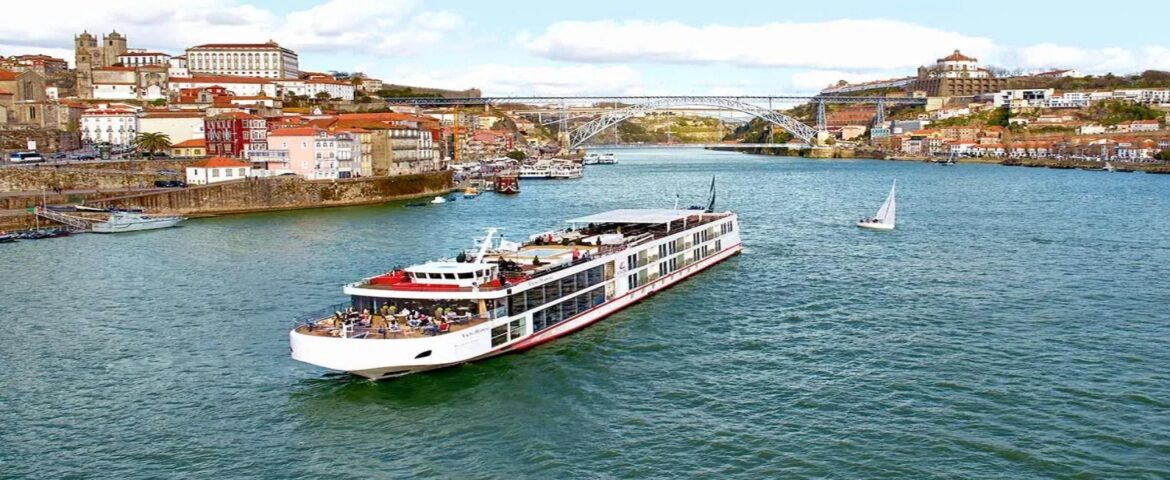
| 29 March | 7 days | Round-trip Portugals River of Gold |
450-628-6241
Call us
|
| 29 March | 8 days | Round-trip from Porto-Leixoes, Portugal |
450-628-6241
Call us
|
| 27 March | 8 days | Round-trip from Porto-Leixoes, Portugal |
450-628-6241
Call us
|
| 27 March | 7 days | Round-trip Portugals River of Gold |
450-628-6241
Call us
|
Viking Longships Osfrid
142 Cruises
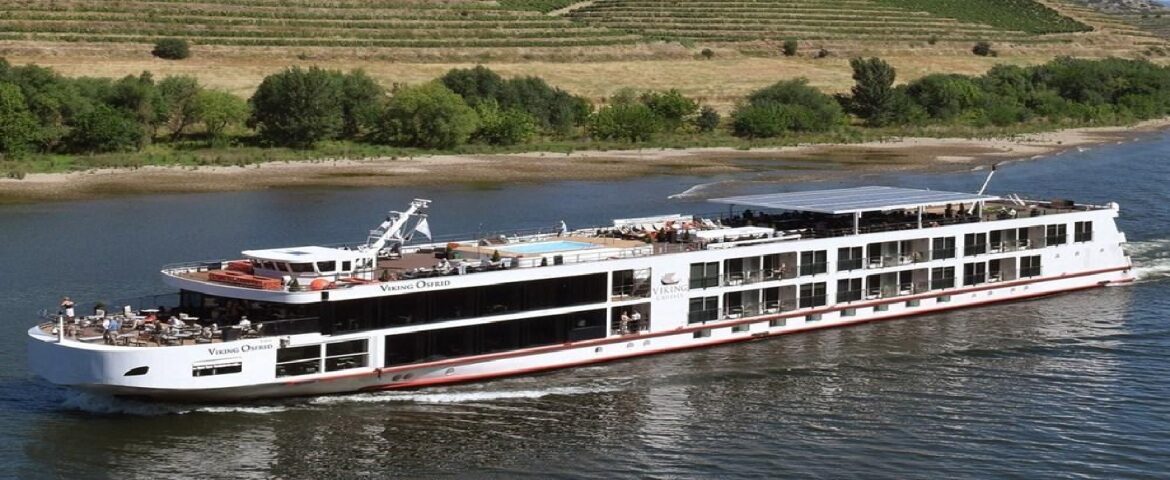
| 31 March | 8 days | Round-trip from Porto-Leixoes, Portugal |
450-628-6241
Call us
|
| 31 March | 7 days | Round-trip Portugals River of Gold |
450-628-6241
Call us
|
| 29 March | 7 days | Round-trip Portugals River of Gold |
450-628-6241
Call us
|
| 29 March | 8 days | Round-trip from Porto-Leixoes, Portugal |
450-628-6241
Call us
|
Viking Longships Torgil
141 Cruises
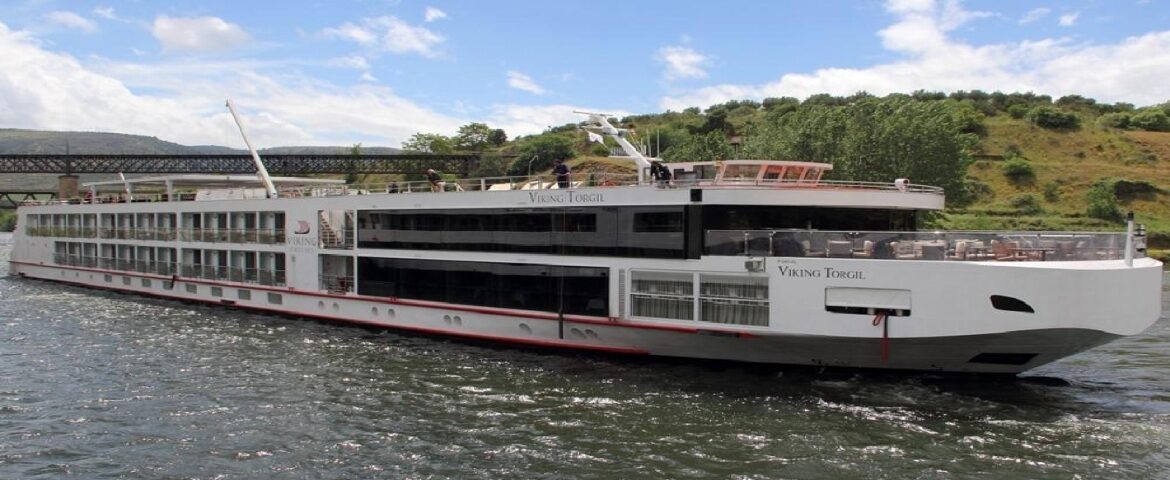
| 30 March | 8 days | Round-trip from Porto-Leixoes, Portugal |
450-628-6241
Call us
|
| 30 March | 7 days | Round-trip Portugals River of Gold |
450-628-6241
Call us
|

Port of Barca d’Alva, Portugal | Cruise Port Guide
Frequently Asked Questions
Straight at the village pontoon, with no terminal and no queue. This is the easternmost point of Portuguese navigation on the Douro: beyond it the river is no longer navigable.
The classic excursion climbs to Castelo Rodrigo, about twenty minutes by road. The Douro International viewpoints and the Côa valley round out the options. Staying in the village, though, is no consolation prize.
A fortified village on a hilltop, about twenty minutes by road. Behind the walls, medieval lanes, a period cistern and the remains of a palace burned during the struggles with the Spanish crown. From the wall walk the plateau runs out towards the meseta.
Yes. The cross-border nature park protects the river canyons, and road excursions stop at viewpoints where griffon vultures and eagles ride the updraughts. The birds sometimes pass at eye level.
A UNESCO-listed archaeological park preserving thousands of open-air rock engravings, the oldest more than twenty thousand years: horses, aurochs and ibex cut into the schist. Guided visits must be booked, starting from the Foz Côa museum.
At the end of winter. February and March sailings enjoy that rare privilege: the hills dusted white and pink above the terraced vineyards.
Spain begins on the far bank. For long calls, some lines arrange a full day to Salamanca, across the border.
The quay opens onto a row of low houses, two or three family restaurants and riverside paths where you meet more cats than people. Almonds and olive oil are sold directly at the roadside.
Almonds, honey, sheep's cheese and the valley's wine, at country prices. The Upper Douro terraced vineyards surrounding the hamlet are a World Heritage site.
A few dozen inhabitants, a bridge, hills of almond and olive trees. It is unspectacular on paper, and yet many Douro travellers name this border corner among their most persistent memories.


