Gijon Spain Asturias
80
Cruises availables
At departure or passage at this port
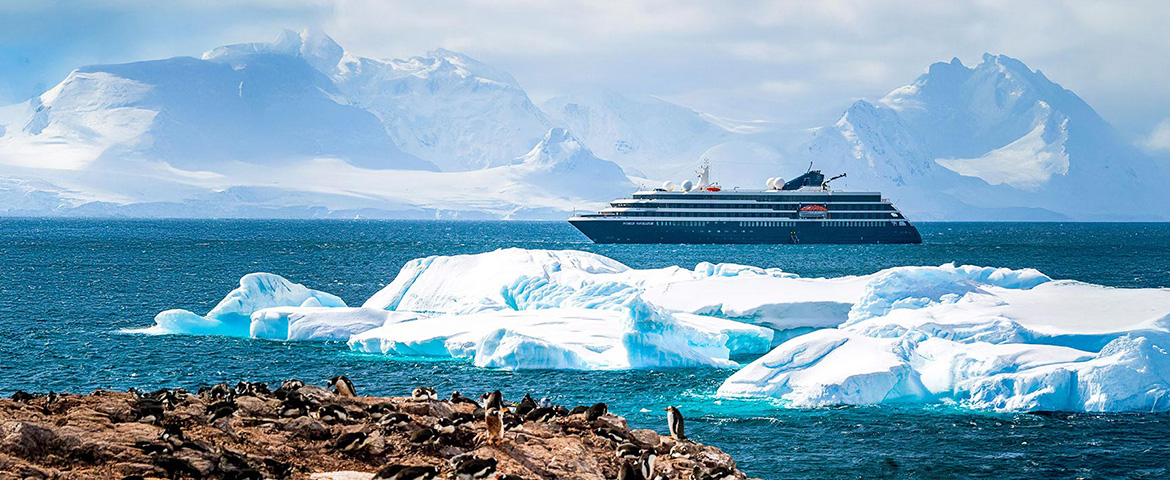
Atlas Ocean Voyages (2 Cruises)

Azamara Club Cruises (12 Cruises)
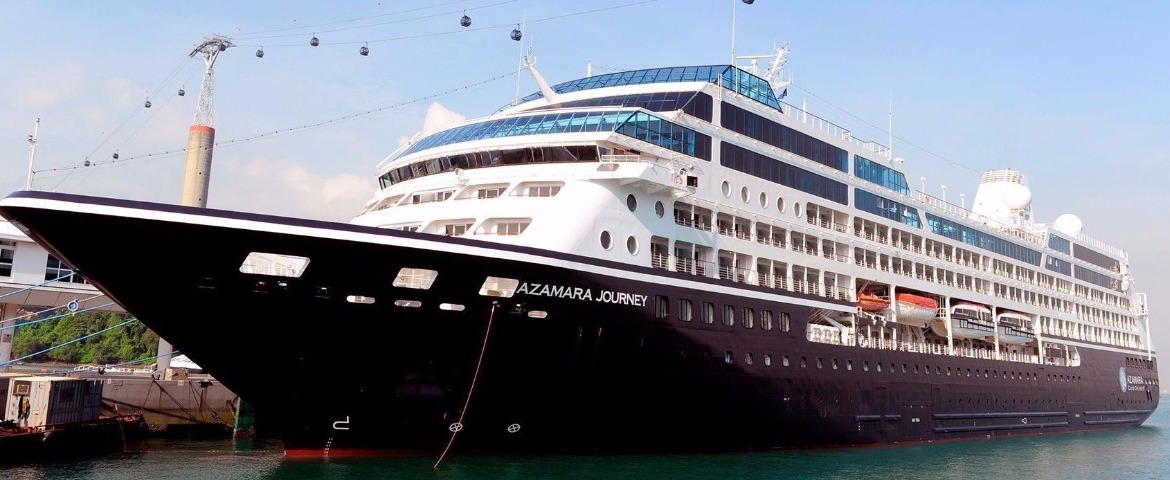

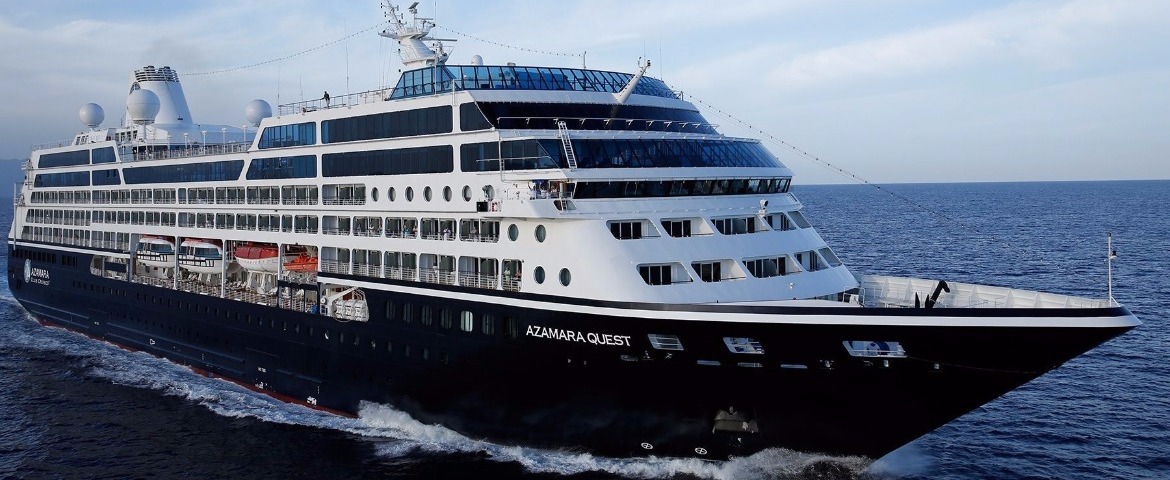
Azamara Quest
10 Cruises
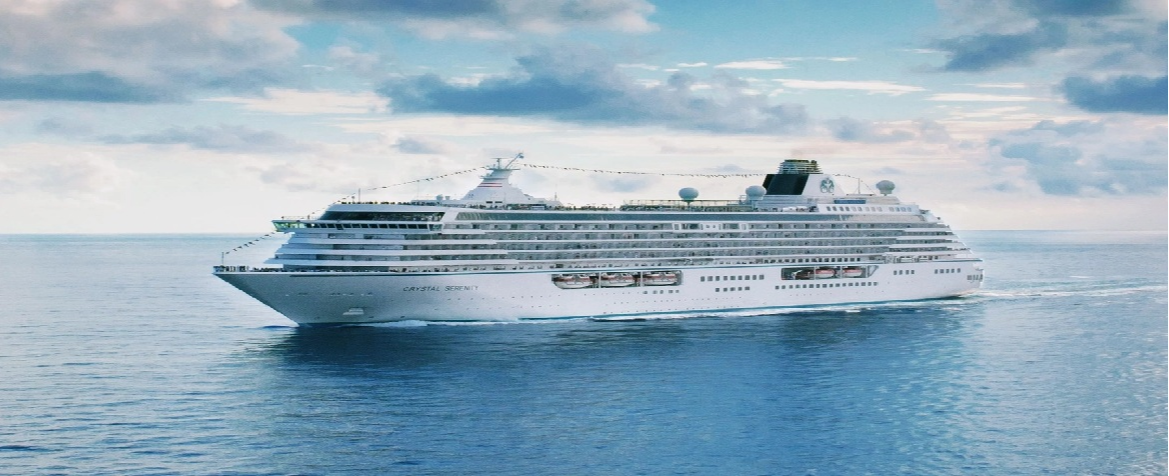
Crystal Cruises (3 Cruises)

Cunard (17 Cruises)
Queen Anne
14 Cruises
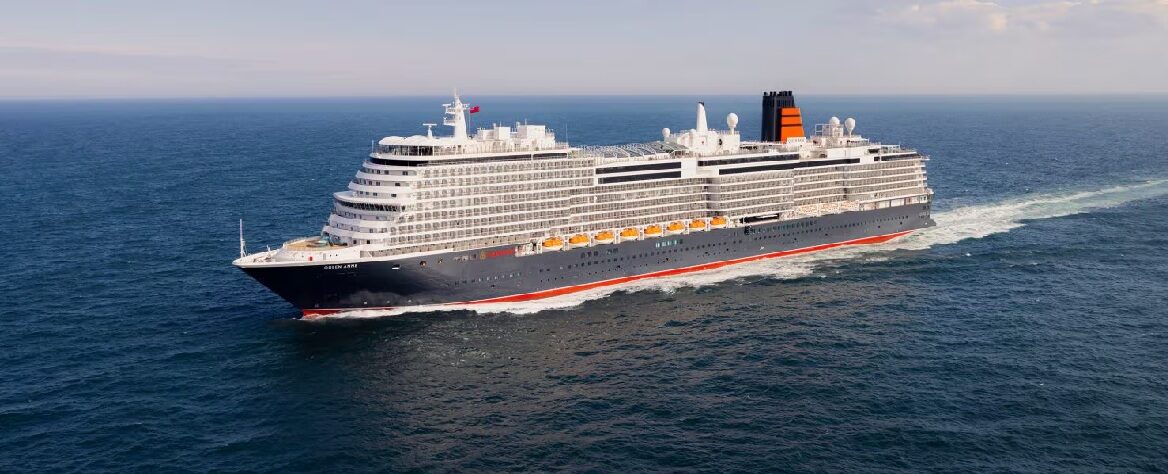

| 11 June | 8 days | Round-trip from Southampton, United Kingdom |
450-628-6241
Call us
|
| 25 June | 8 days | Round-trip from Southampton, United Kingdom |
450-628-6241
Call us
|
| 9 July | 8 days | Round-trip from Southampton, United Kingdom |
450-628-6241
Call us
|
| 23 July | 8 days | Round-trip from Southampton, United Kingdom |
450-628-6241
Call us
|
HX Expeditions (1 Cruises)


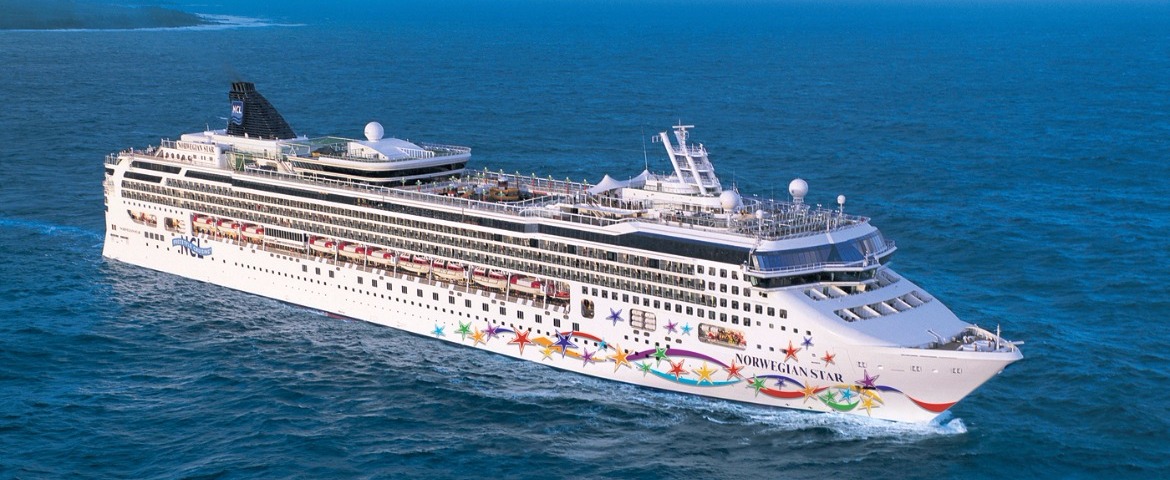
Norwegian Cruise Line (1 Cruises)

Oceania Cruises (21 Cruises)
Oceania Insignia
6 Cruises
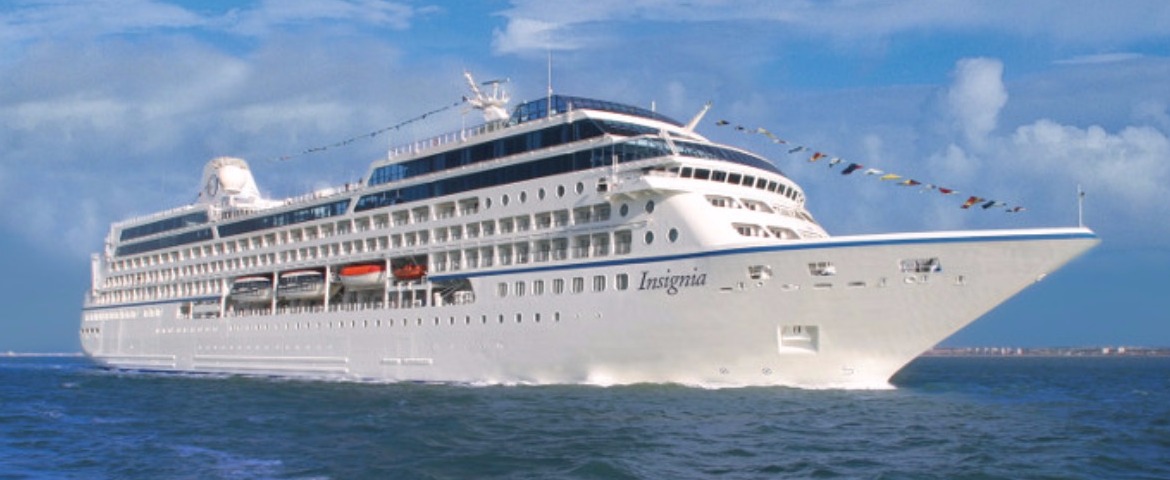

| 19 August | 67 days | One-way from Helsinki to Piraeus-Athens |
450-628-6241
Call us
|
| 19 August | 68 days | One-way from Helsinki to Piraeus-Athens |
450-628-6241
Call us
|
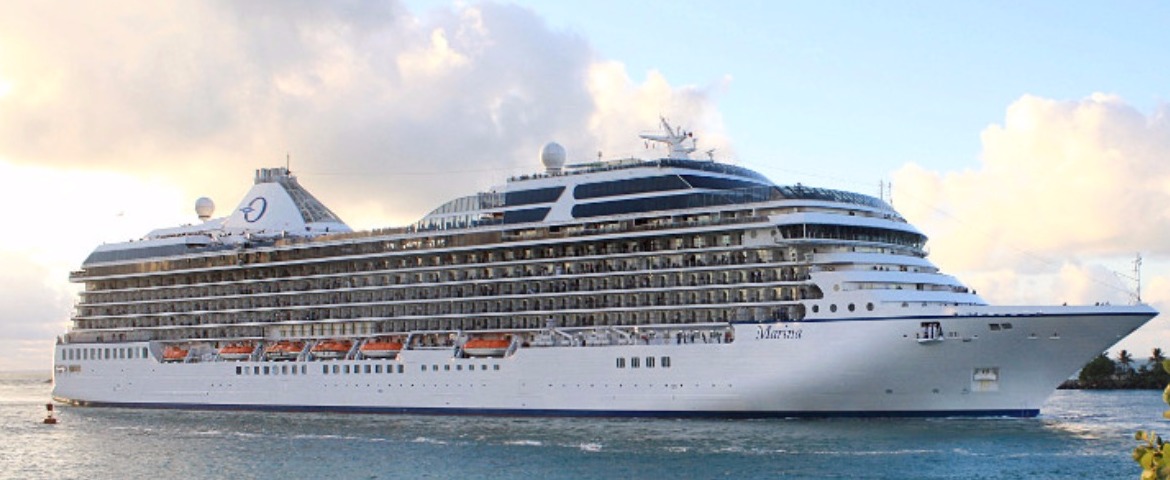
Oceania Marina
6 Cruises
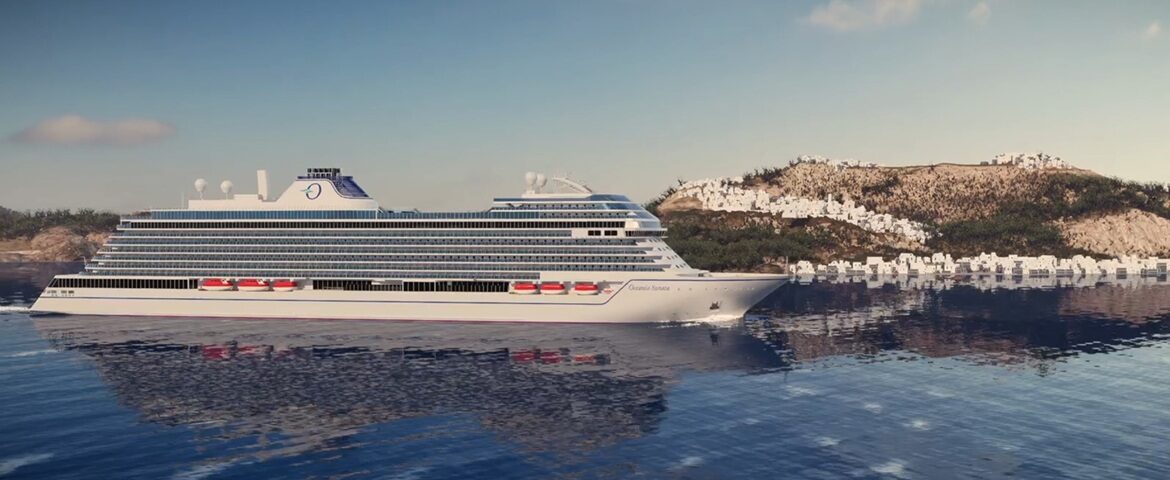
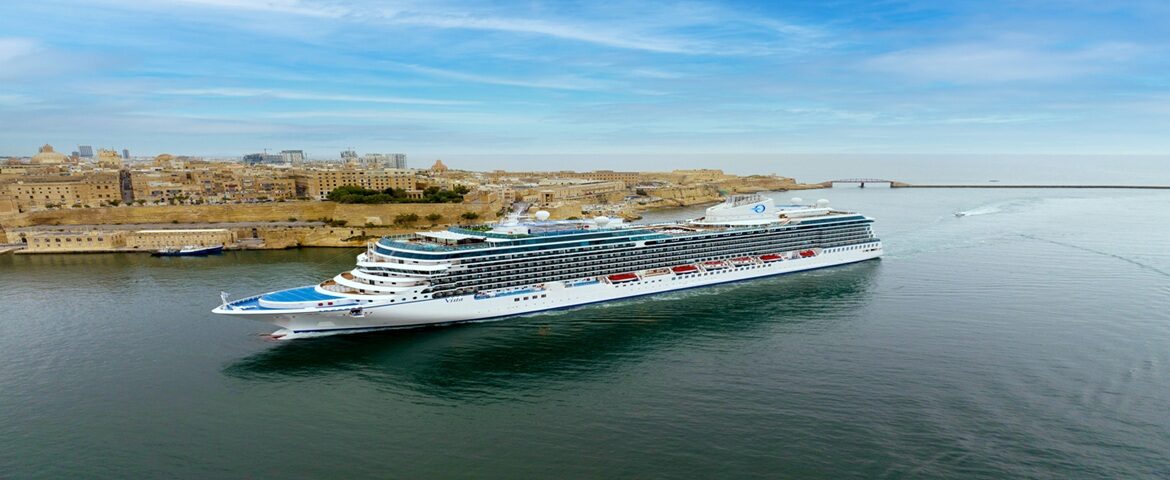
Oceania Sonata
8 Cruises
Regent Seven Seas Cruises (11 Cruises)
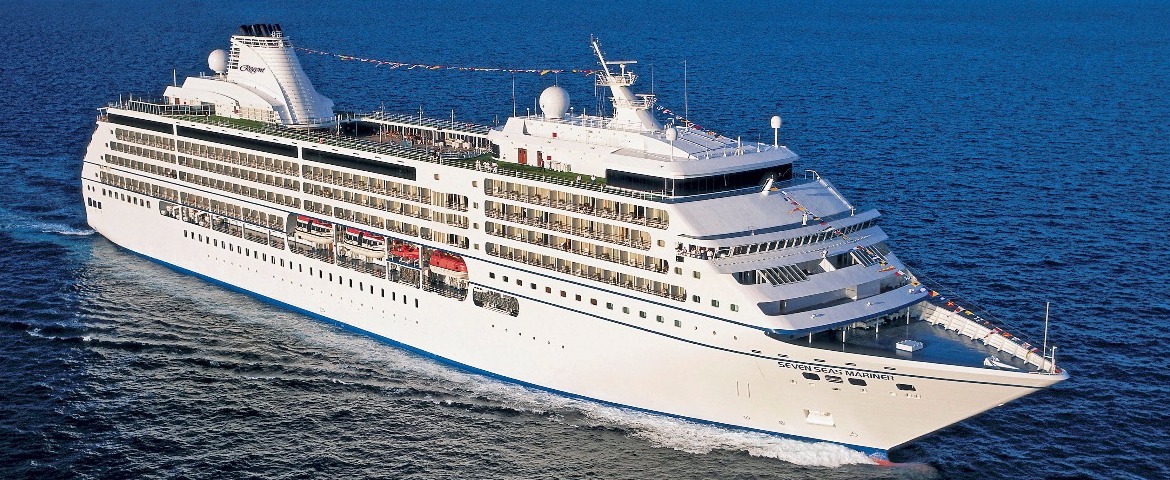
Seven Seas Mariner
6 Cruises

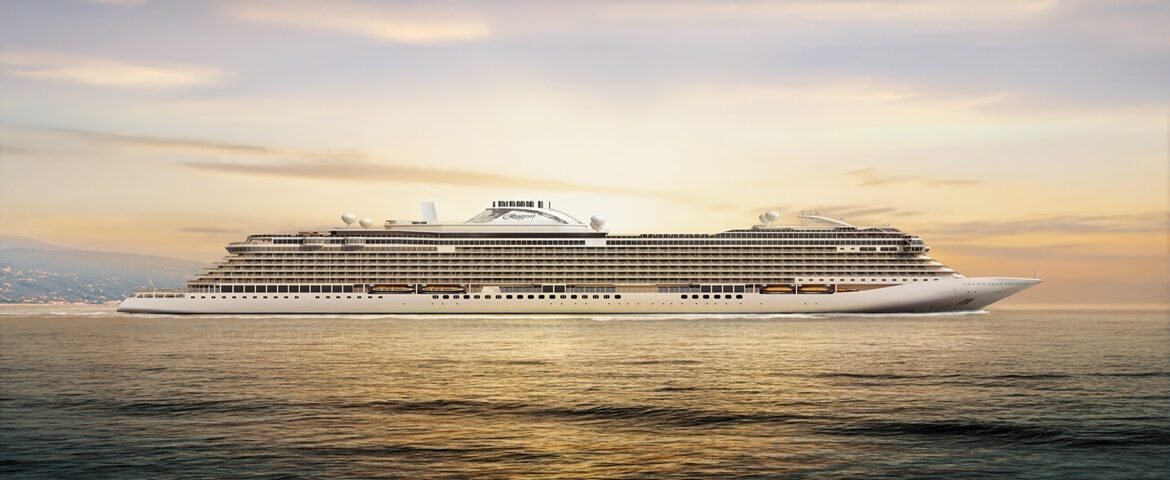
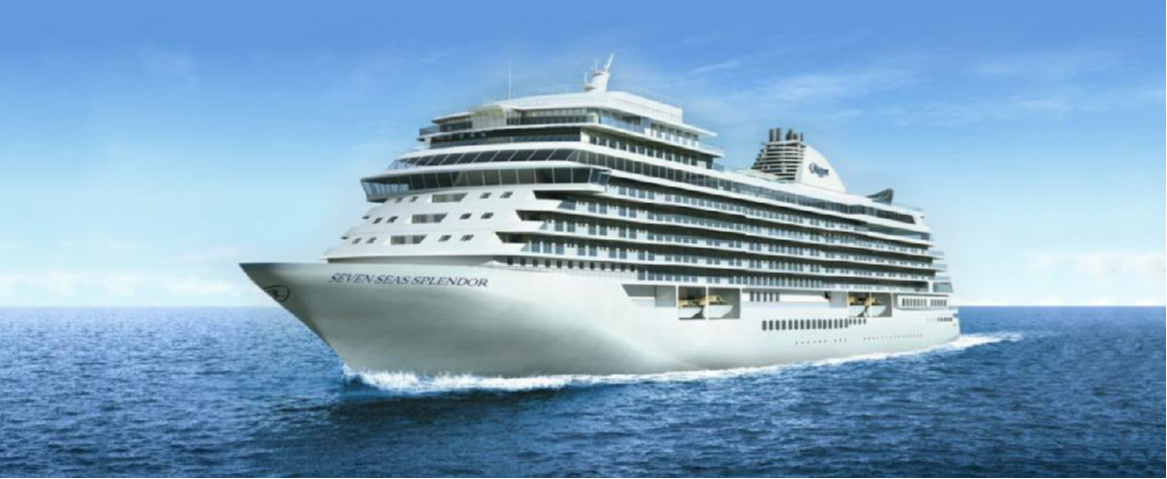
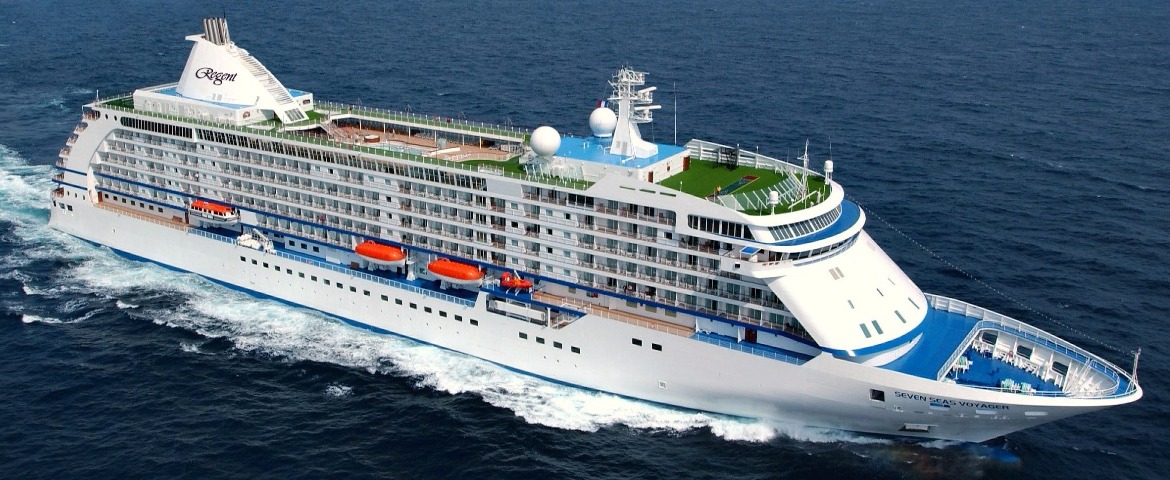
Royal Caribbean Cruises (1 Cruises)
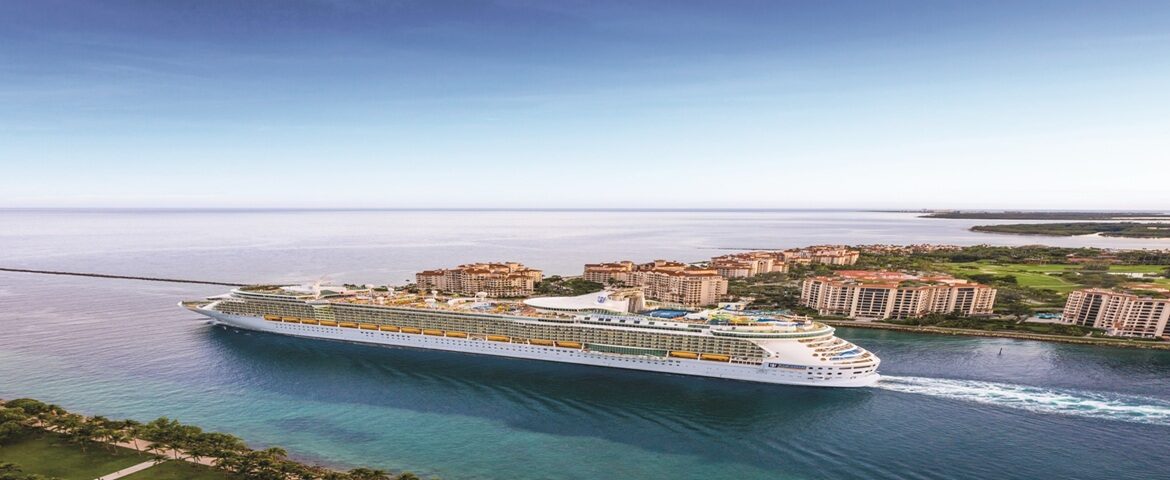

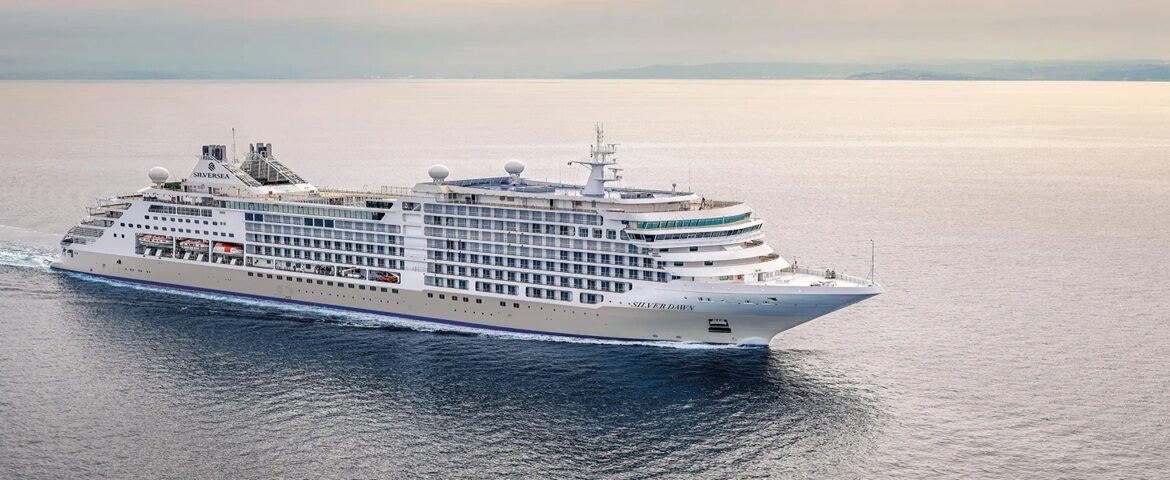
Silversea Cruises (1 Cruises)

Frequently Asked Questions
At the El Musel terminal, a large industrial port complex a few kilometres west of the centre. The area is not walkable: you need the ship's shuttle, a local bus or a taxi.
Yes, or a taxi. Shuttles drop passengers on the seafront near the marina, about a hundred metres from the entrance to the old quarter. From there the rest of the day is on foot.
The Cimavilla quarter, the Chillida sculpture on the headland, the Roman baths at Campo Valdés, San Lorenzo beach, then a sidrería. It all sits in a small area and this call walks very well.
The region's signature gesture: the server raises the bottle above their head and holds the glass at hip level, so the stream lands and froths. It aerates the cider, which is dry and sharp. You are poured a little at a time, and the sidrería floor ends up spotted with drops — that is normal, nobody minds.
Eduardo Chillida's monumental concrete sculpture, set on the crown of the Cimavilla headland in a wind-swept park. Under its arch, facing the ocean, wind and waves create an acoustic effect locals come to listen to. It has become the city's emblem.
Yes. San Lorenzo beach runs more than a kilometre of pale sand through the middle of the city, backed by a balustraded promenade. Note that the Bay of Biscay is cool: surfers wear wetsuits nearly year-round.
The Campo Valdés baths, at the foot of the Cimavilla hill, in use from the first to the fourth century and now displayed under a modern shelter beside the Revillagigedo palace. They are a reminder that the town has faced the sea for two thousand years.
Yes, very well. The city beach, the promenade and the headland park keep children busy at no cost. A sidrería, loud and lively, also amuses them, though it mostly fills up later in the day.
La Laboral, a former university-city on the scale of an oversized palace and among the largest buildings in Spain, a few minutes by taxi from the centre. It is the add-on once the old quarter is done.
The euro; Spanish and Asturian are spoken. Cards are accepted everywhere. June to September for the mildest weather — Asturias is green because it rains, and a light waterproof stays useful even in summer.


