Puerto del Rosario Fuerteventura, Canary Islands

254 Cruises availables At departure or passage at this port

Costa Cruises (42 Cruises)

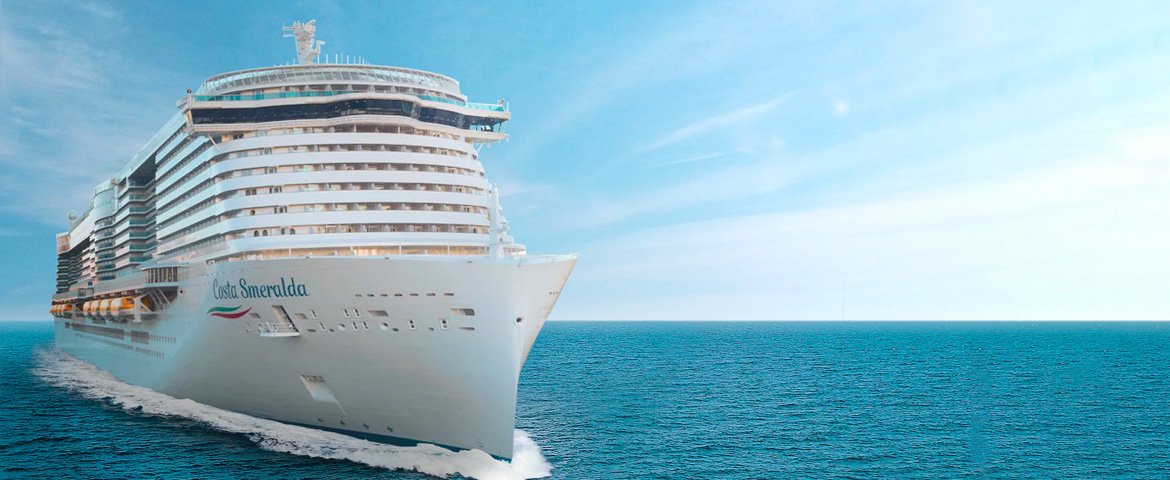
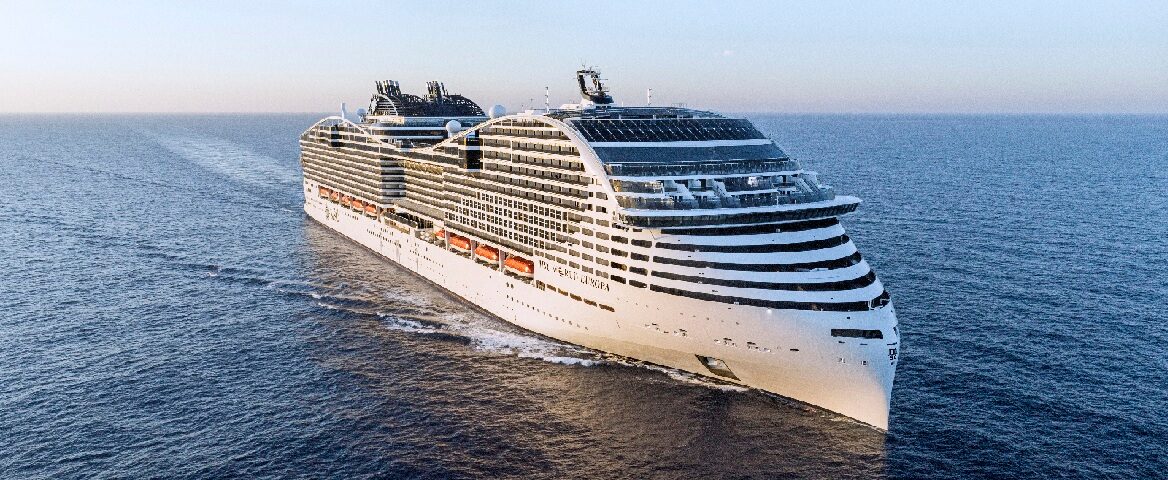
Costa Smeralda

6900 Passengers
182700 tons
Visit the ship's page

CroisiEurope (46 Cruises)

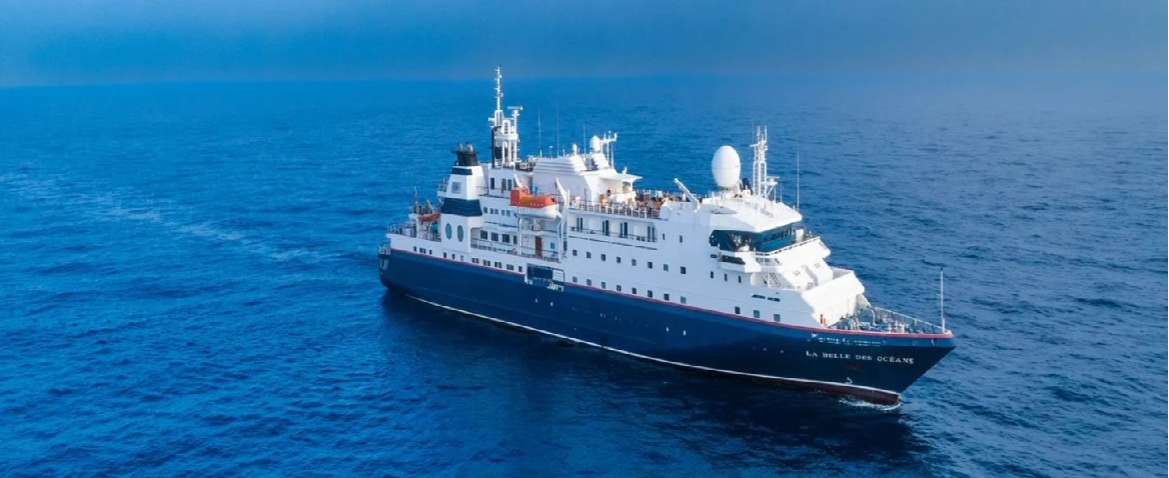
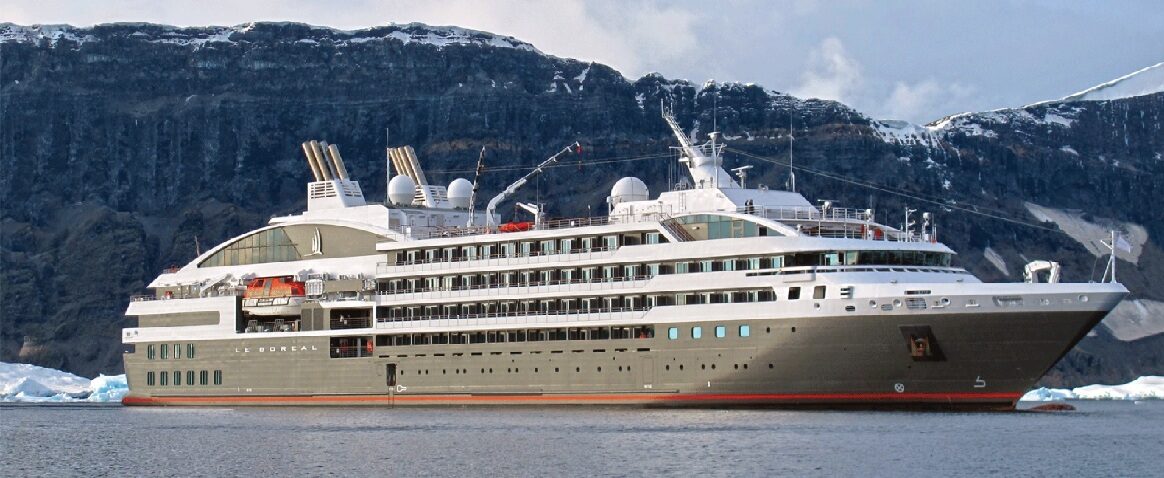
MV LA BELLE DES OCEANS.

Mv La Belle Des Oceans

130 Passengers
Visit the ship's page

MSC Cruises (143 Cruises)

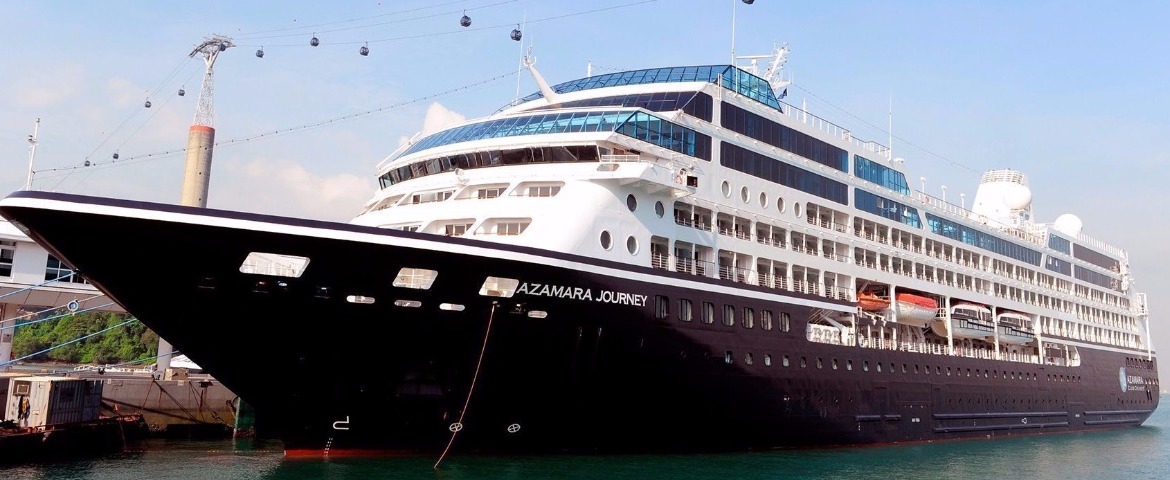
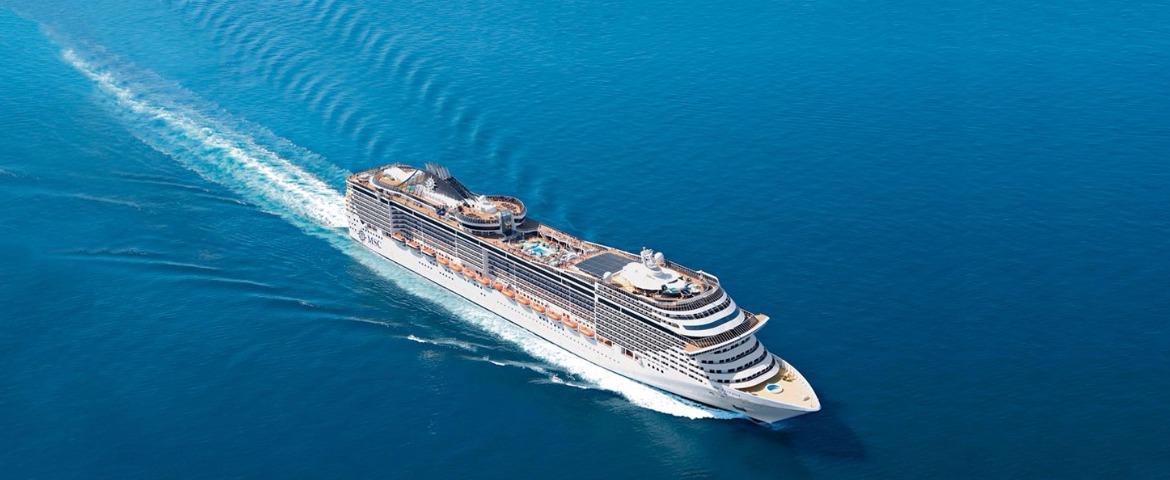
msc fantasia cruise ship

MSC Fantasia

4363 Passengers
137936 tons
Visit the ship's page

Puerto del Rosario Fuerteventura | Canary Islands Cruise Guide

The wind is the first to welcome you to Fuerteventura. It blows over an almost desert island, the oldest of the Canaries, where the ochre hills seem carved with a knife and goats have always been at home. Puerto del Rosario, the capital, does not try to steal the show: it is a quiet, straightforward town that can be explored on foot from the ship and holds a few surprises, starting with its sculptures.

From the pier to the centre in ten minutes

Ships dock directly at the breakwater, with no tender, and the centre can be reached in ten to fifteen minutes on foot. Along the way, Playa Chica unfurls its crescent of pale sand just below the pier: few ports of call let you go so quickly from gangway to swimming, in calm water with turquoise reflections.

The city of 150 sculptures

Puerto del Rosario has given itself a distinctive face by scattering more than 150 contemporary sculptures through its streets and along its waterfront, many of them from artists' symposiums. Bronze, basalt and steel: the works pop up on the corners of squares, and a surprising number of them pay tribute to the goat, the island's nourishing emblem. The stroll becomes a treasure hunt, between the shopping streets of León y Castillo and Primero de Mayo.

The lava church and the old quarter

Heading up from the small harbour, the Church of Nuestra Señora del Rosario raises its dark volcanic stone façade trimmed in white lime, in the understated Canarian style. Around it, the lanes of the old village keep a few low houses with wooden balconies. Nearby, a house museum recalls a remarkable episode: the writer Miguel de Unamuno lived out his exile here in 1924, banished from the peninsula by the dictatorship of Primo de Rivera, and he kept a lasting affection for this bare landscape. The whole area can be explored unhurriedly, ice cream cone in hand, at the residents' pace.

The coastal path to Playa Blanca

To the south, a coastal path follows the ocean for about two kilometres; at the end awaits a larger, sportier stretch of sand, popular with surfers. The trade winds that sweep the island all year round also make it a renowned spot for windsurfing and kitesurfing. Along the way, old lime kilns recall an industry that once supported the island, and sculptures continue to dot the route. Allow thirty to forty minutes on foot, with the wind at your back on the way out or the way back, rarely both.

The dunes and the villages of the interior

For those who want to see the island beyond the capital, two excursions stand out. To the north, about forty kilometres away, Corralejo Natural Park lines up dunes of golden sand facing the islet of Lobos, a Saharan landscape set on the Atlantic. Inland, Betancuria, the archipelago's first capital, founded in the 15th century, slumbers in a cirque of mountains with its church and flower-filled lanes. In both cases, taxis and organized excursions do the job; along the way, a cheese stop is a must to taste majorero, the local goat's cheese protected by a designation of origin.

Practical pointers

DestinationDistanceAccess
Centre and Playa ChicaLess than 1 kmOn foot
Playa Blanca2 kmCoastal path, 30 to 40 min
Corralejo dunesAbout 40 kmTaxi or excursion
BetancuriaAbout 30 kmTaxi or excursion

Back to the ship

The day often ends with tangled hair and a clear mind: Fuerteventura has that power. Between an open-air gallery of a capital, a beach at the foot of the pier and mineral horizons swept by the trade winds, the island is a reminder that beauty does not always need green. The wind, for its part, waves you off right until departure.

Frequently Asked Questions

Right at the pier, with no tender. The centre is a ten to fifteen minute walk, and Playa Chica curves its pale sand just below the quay.
Yes, which is unusual. Playa Chica is steps from the quay, with calm turquoise-tinted water. Few calls let you get from gangway to swim this quickly.
Because it has scattered more than 150 contemporary sculptures through its streets and seafront, many from artists' symposia. Bronze, basalt, steel. A surprising number of them honour the goat, the island's sustaining emblem.
The sculpture walk between León y Castillo and Primero de Mayo streets, the church of Nuestra Señora del Rosario, then the coastal path or the beach. The whole capital is walkable without transport.
The church of Nuestra Señora del Rosario, its dark volcanic stone facade picked out in whitewash, in the spare Canarian style. Around it, a few low houses with wooden balconies. A house-museum recalls the exile of the writer Miguel de Unamuno, banished here in 1924 by the Primo de Rivera dictatorship.
Yes, a coastal path runs south for about two kilometres to Playa Blanca, a wider stretch of sand popular with surfers. Allow thirty to forty minutes, with the wind behind you one way and rarely both. Old lime kilns line the route.
Yes. The trade winds sweep the island year-round, which makes it a noted windsurfing and kitesurfing venue. Expect to come back with tangled hair: that is the price of this call, and nobody here complains about it.
To the north, about forty kilometres away, the Corralejo natural park lines up dunes of pale sand facing Lobos islet — a Saharan landscape set on the Atlantic. Inland, Betancuria, the archipelago's first capital founded in the fifteenth century, dozes in a ring of mountains.
Majorero, the local goat cheese with its protected designation of origin. A cheese stop is well worth it on the road to Betancuria: here the goat is far more than a sculpture motif.
Almost desert. It is the oldest of the Canaries, with ochre hills that look cut with a knife. If you are after forest and greenery, this is not the place: Fuerteventura's beauty is mineral, and it has to be approached on those terms.