San Sebastian de la Gomera Canary Islands
110
Cruises availables
At departure or passage at this port
Atlas Ocean Voyages (2 Cruises)

Azamara Club Cruises (8 Cruises)

Azamara Onward
4 Cruises
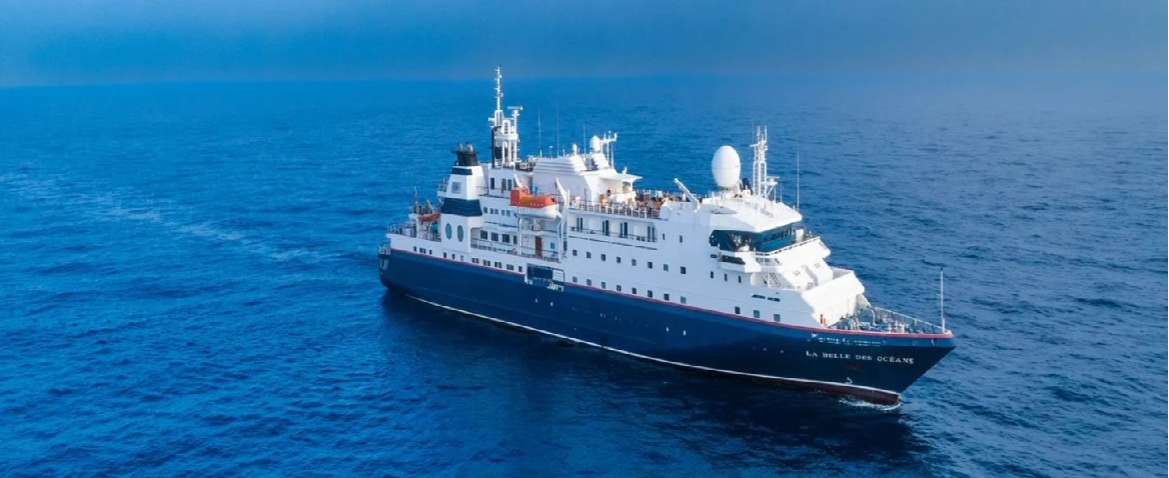
CroisiEurope (46 Cruises)
Mv La Belle Des Oceans
46 Cruises

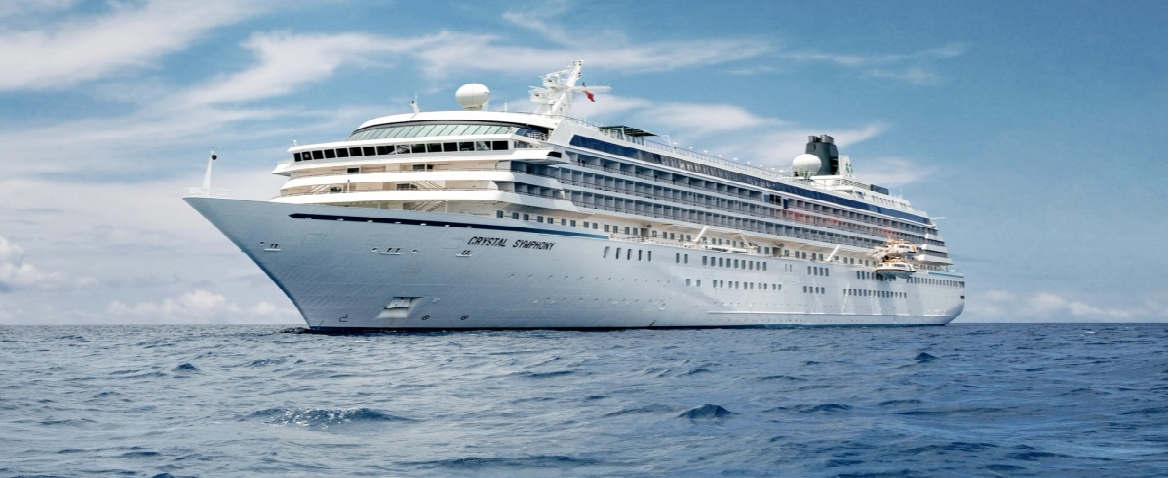
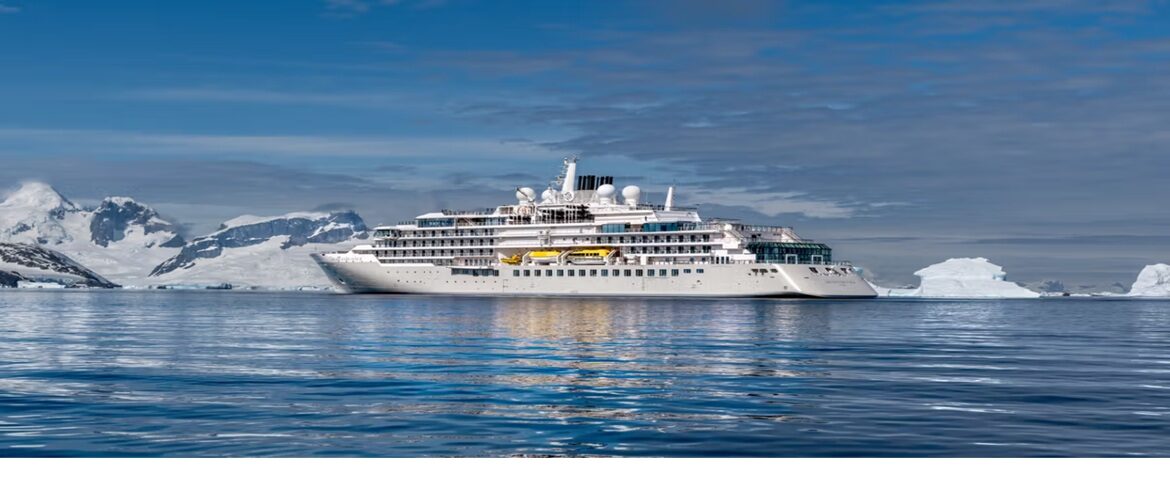
Crystal Cruises (2 Cruises)

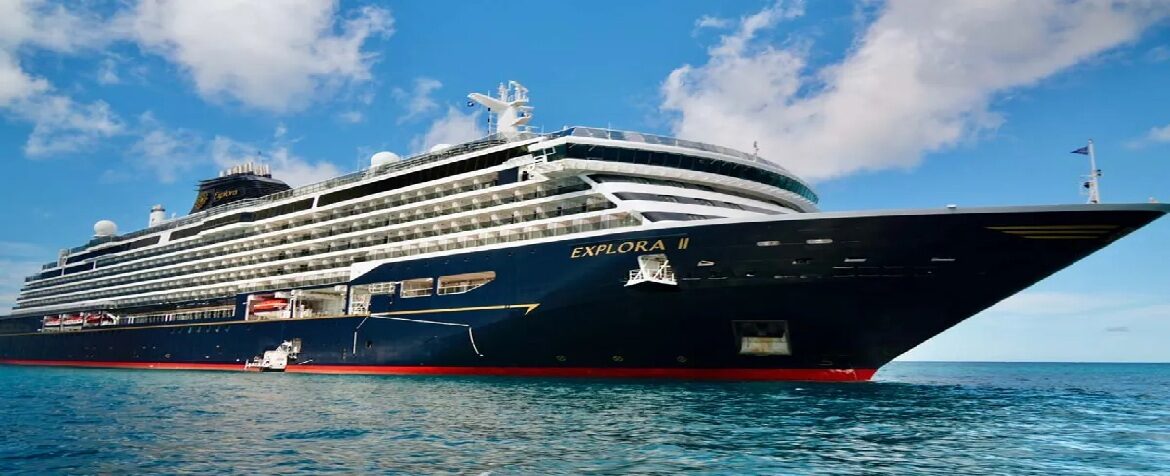
Explora Journeys (9 Cruises)
Explora II
9 Cruises

| 29 November | 29 nights | One-way from Piraeus-Athens to Barcelona |
450-628-6241
Call us
|
| 29 November | 22 nights | One-way from Piraeus-Athens to Lisbon |
450-628-6241
Call us
|
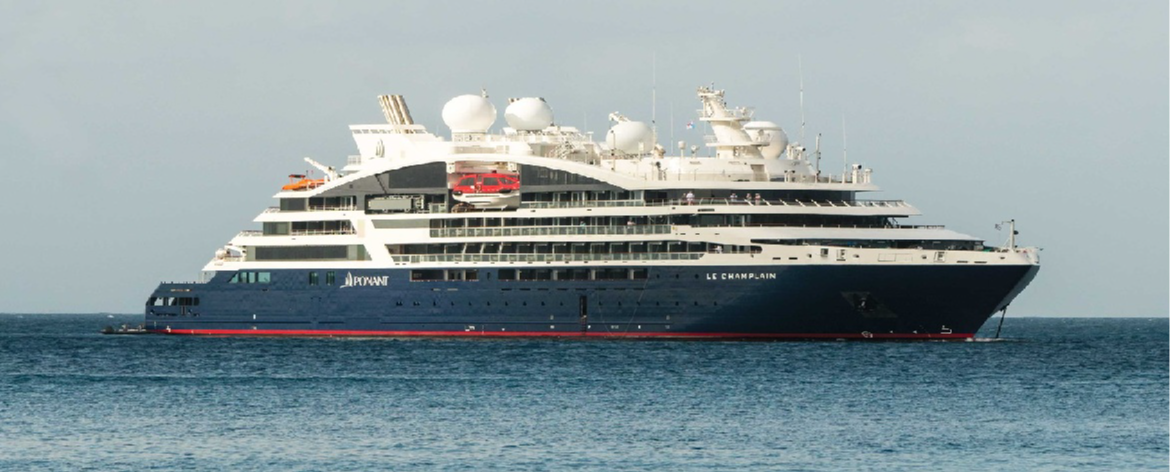
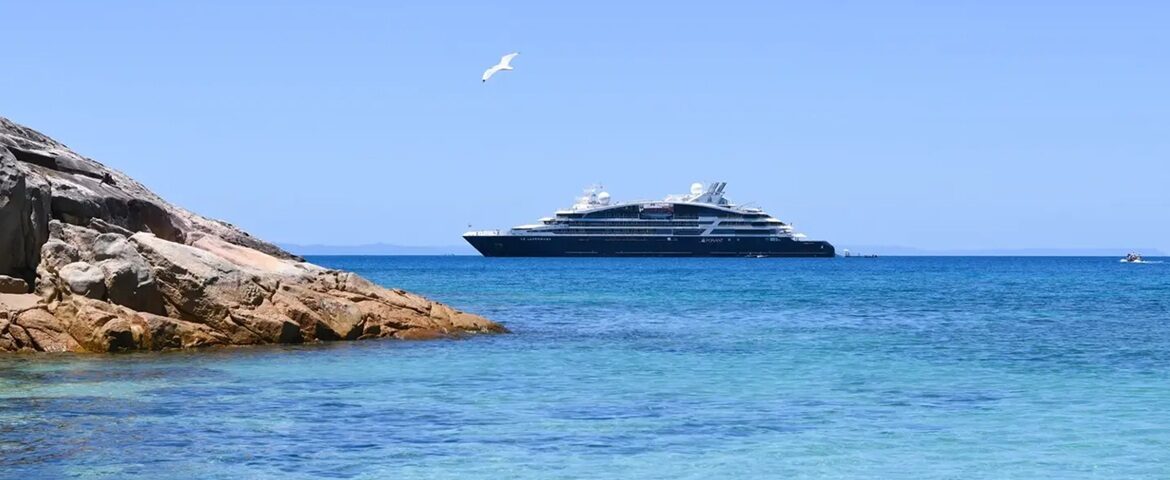
Ponant (9 Cruises)
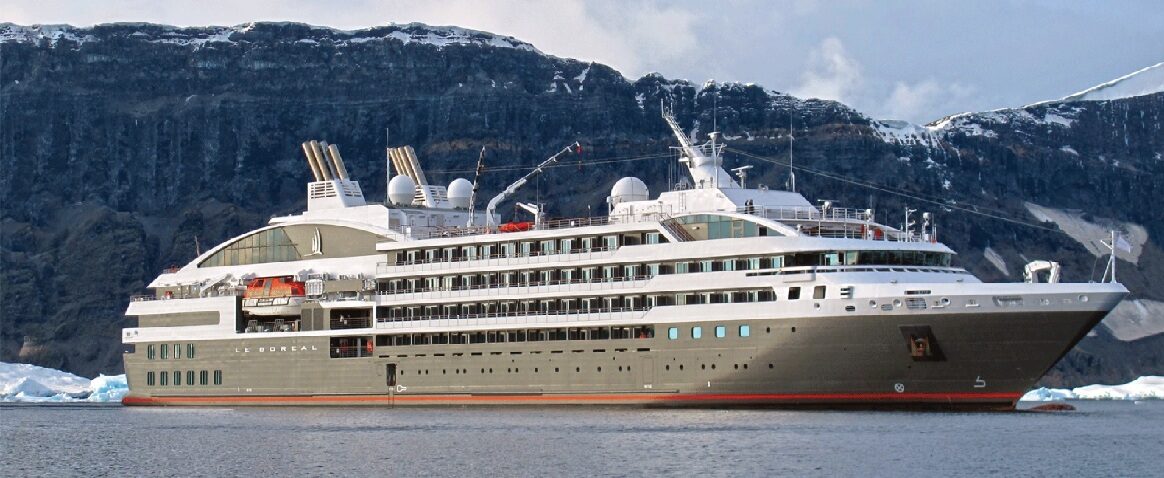



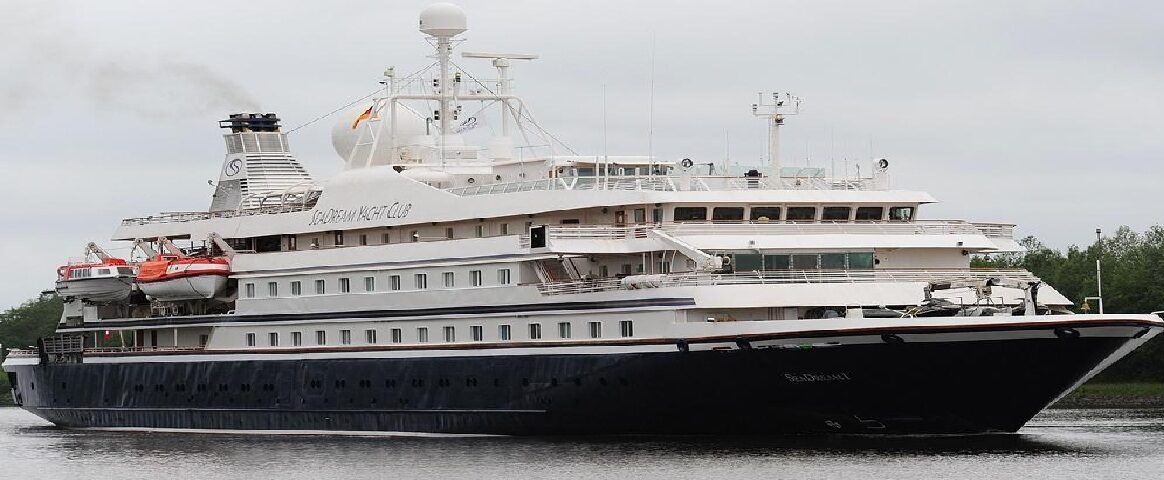
SeaDream Yacht Club (1 Cruises)

Silversea Cruises (2 Cruises)

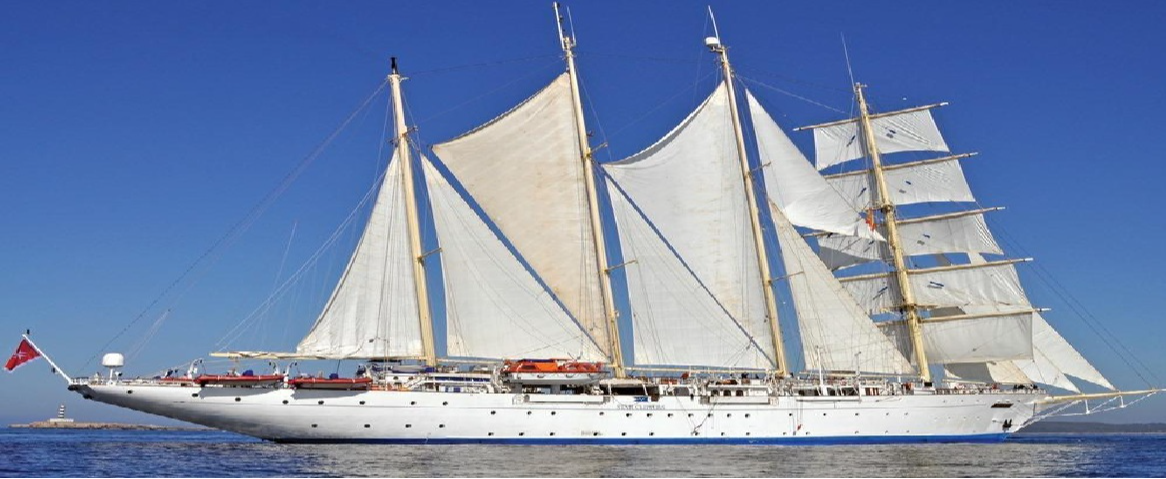
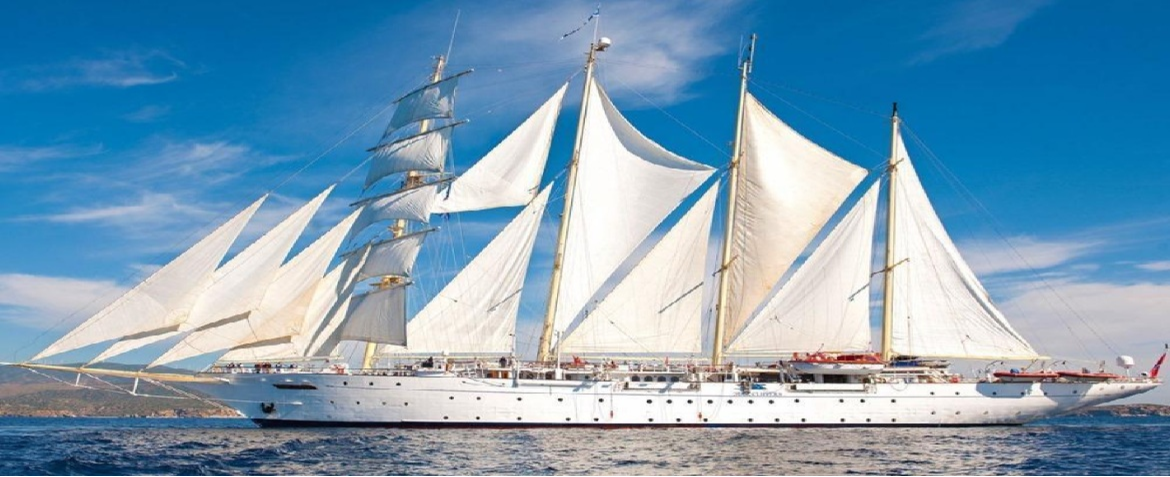
Star Clippers (4 Cruises)

Windstar Cruises (23 Cruises)
Wind Spirit
23 Cruises
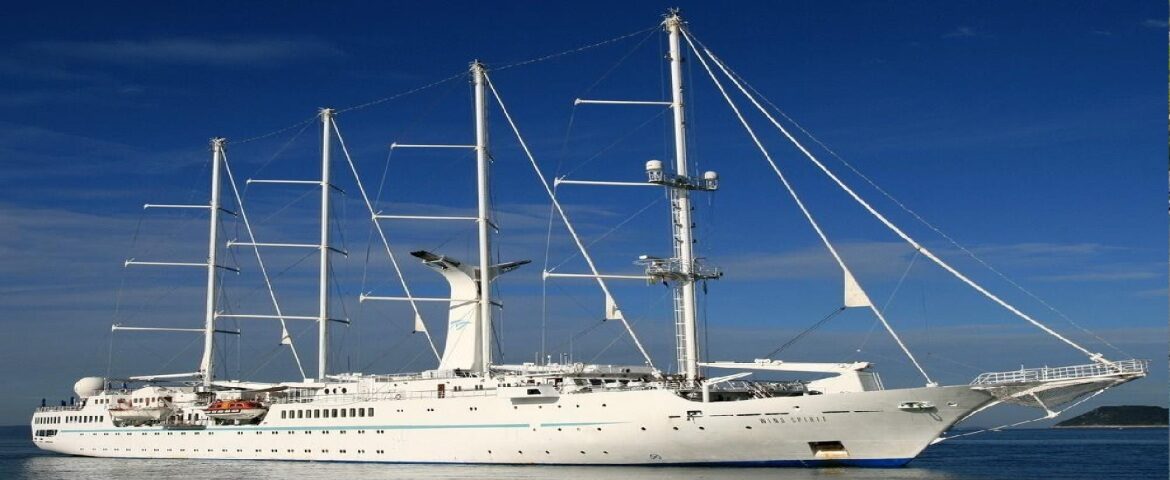

| 22 October | 28 nights | One-way from Tarragona to Santa Cruz de Tenerife |
450-628-6241
Call us
|
| 31 October | 19 nights | One-way from Malaga to Santa Cruz de Tenerife |
450-628-6241
Call us
|

Port of San Sebastián de La Gomera | Cruise Port Guide
Frequently Asked Questions
At a quay next to the ferry terminal, in a bay ringed by brown mountains. Ten minutes' walk along the marina, past yachts and fishing boats, brings you into the town centre.
It is the last land he set foot on before America. In September 1492 his three caravels took on their final water and provisions here before the great crossing.
On the Calle Real, the Casa de Colón recalls the navigator's stay. A few steps away, the Aguada well carries a famous inscription: its water is said to have baptised America. The church of the Assumption, where the crew is said to have prayed, keeps its cool shadows and gilded altarpieces.
A defensive tower raised in 1447 in the park facing the port, among the oldest military buildings in the archipelago. Beatriz de Bobadilla, its formidable mistress, is said to have received Columbus himself here.
A whistled language on the UNESCO heritage list, developed by shepherds to talk across the island's deep ravines. Two fingers in the mouth and a Gomero can 'speak' over two kilometres. Island schools teach it again, and demonstrations often accompany excursion meals.
The town takes about two hours: Calle Real, Casa de Colón, the church of the Assumption, the Torre del Conde. The rest is best spent on an excursion up to Garajonay, about forty minutes' climb.
A laurel forest on the UNESCO World Heritage list, at the centre of the island: a misty laurisilva, almost extinct elsewhere, that covered the Mediterranean basin millions of years ago. Its viewpoints look over a sea of cloud with the ridges rising through it.
The Abrante viewpoint, with its glass walkway suspended above the village of Agulo. On a clear day the view reaches Teide, on neighbouring Tenerife.
Almogrote, a sharp paste of aged cheese and chilli; palm honey drawn from palm sap; papas arrugadas under mojo sauce. The terraces on Plaza de las Américas serve all of them.
With children who tolerate winding roads, yes. The climbs to Garajonay are long and twisting; in town, though, everything is walkable and the bay is calm. The silbo fascinates young and old alike.


