Santa Cruz de la Palma Canary Islands
305
Cruises availables
At departure or passage at this port
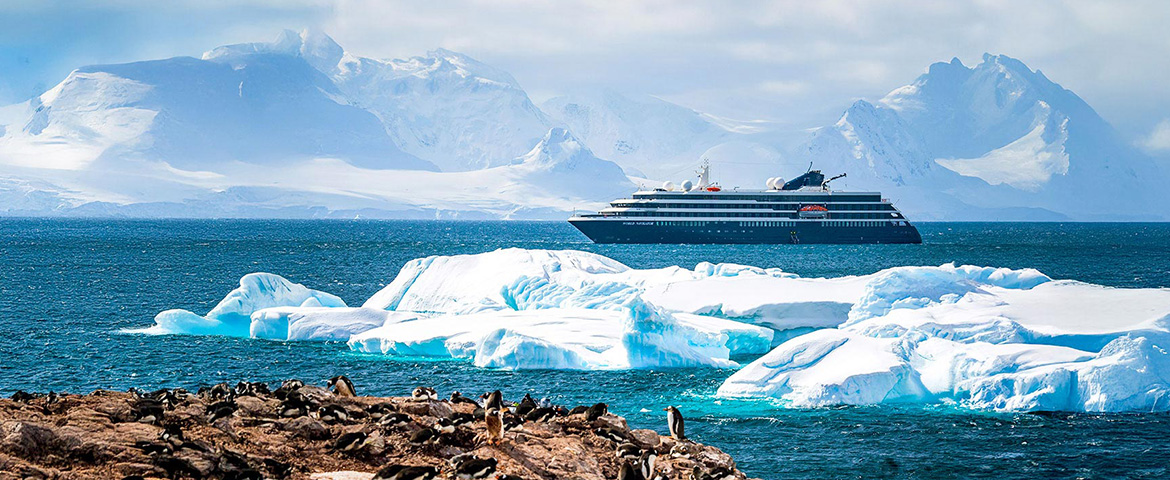
Atlas Ocean Voyages (1 Cruises)

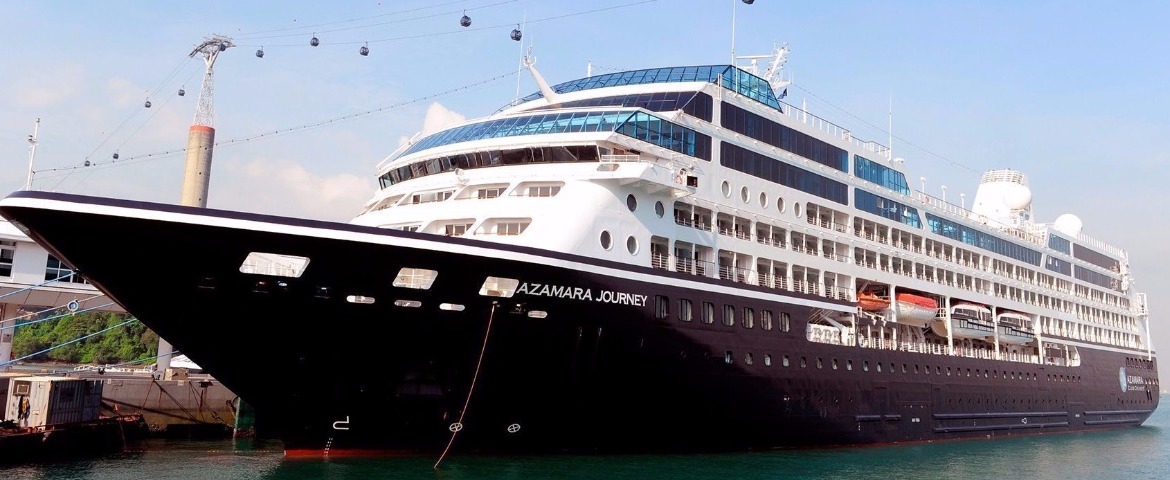
Azamara Club Cruises (2 Cruises)

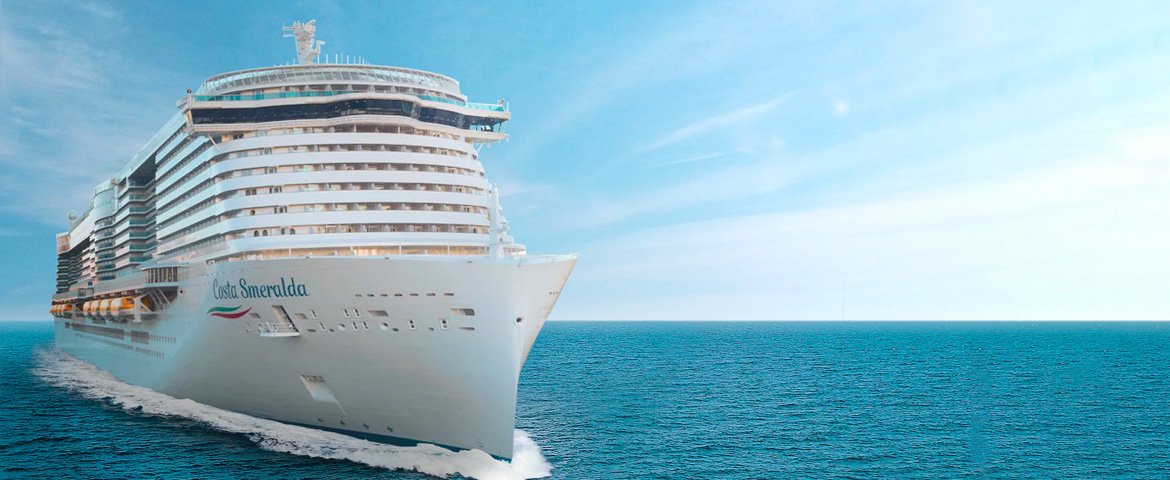
Costa Cruises (6 Cruises)
Costa Smeralda
6 Cruises

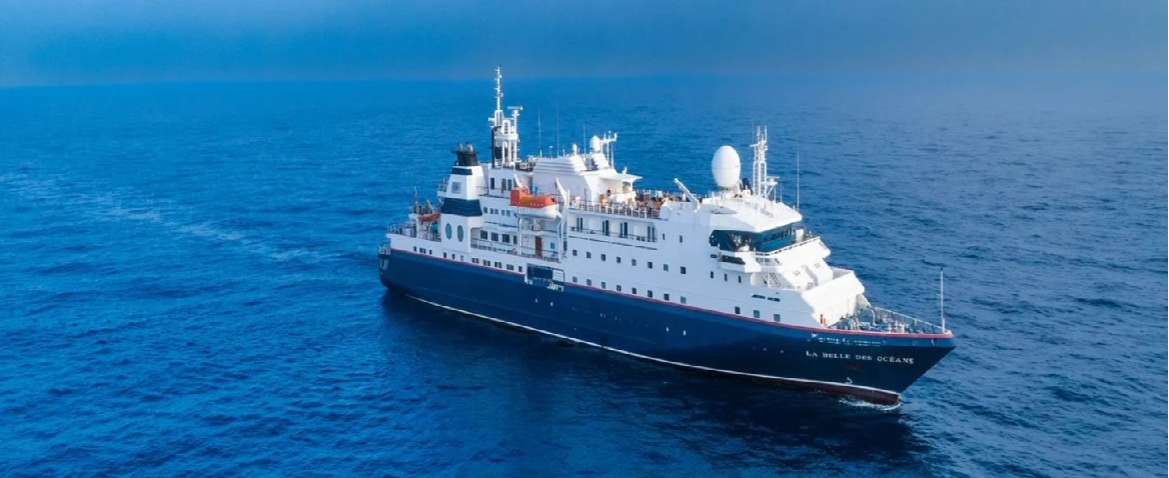
CroisiEurope (48 Cruises)
Mv La Belle Des Oceans
48 Cruises

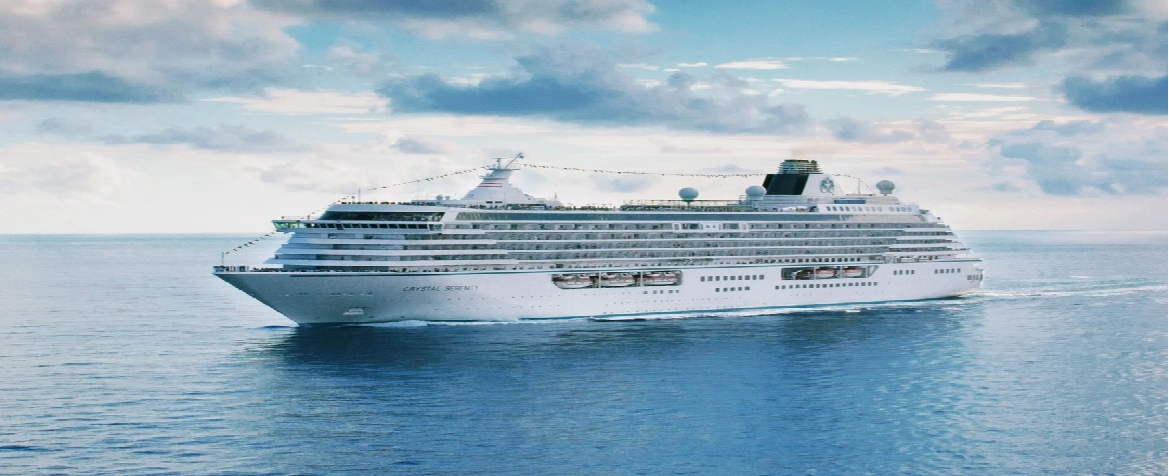
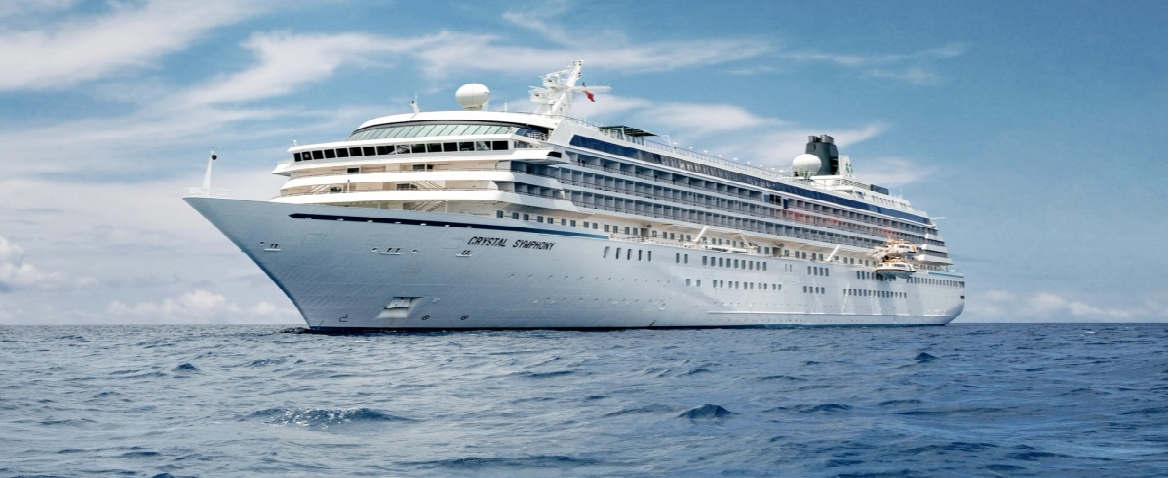
Crystal Cruises (5 Cruises)

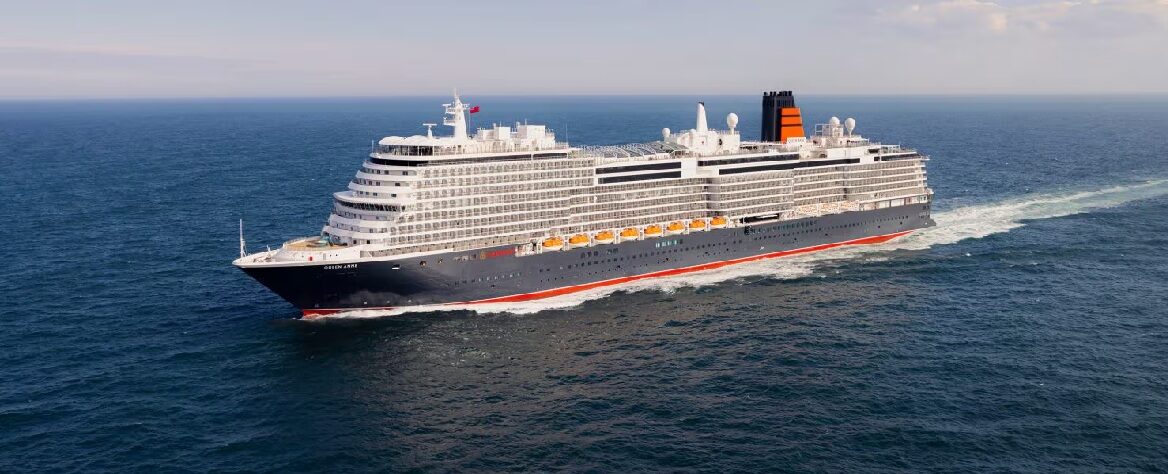
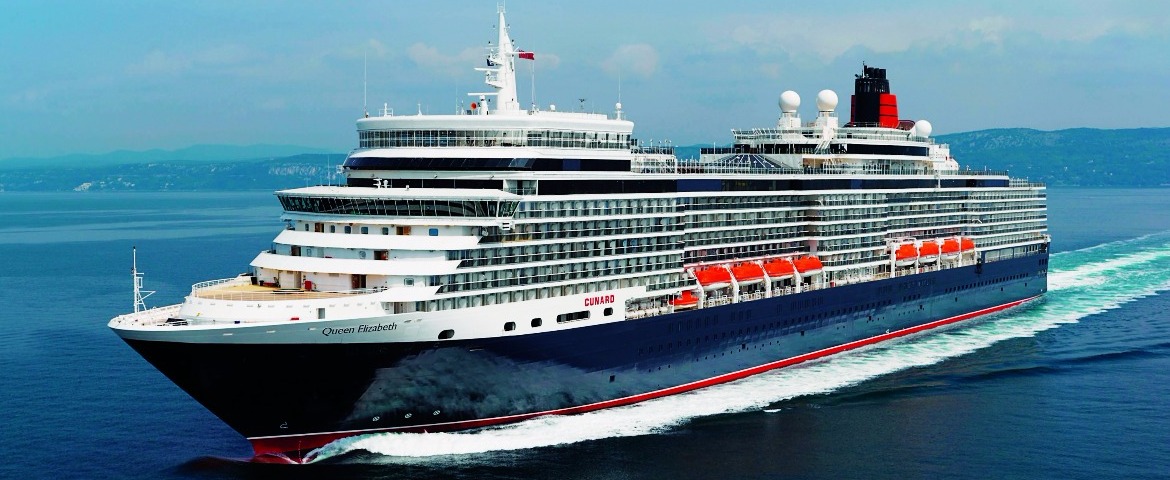
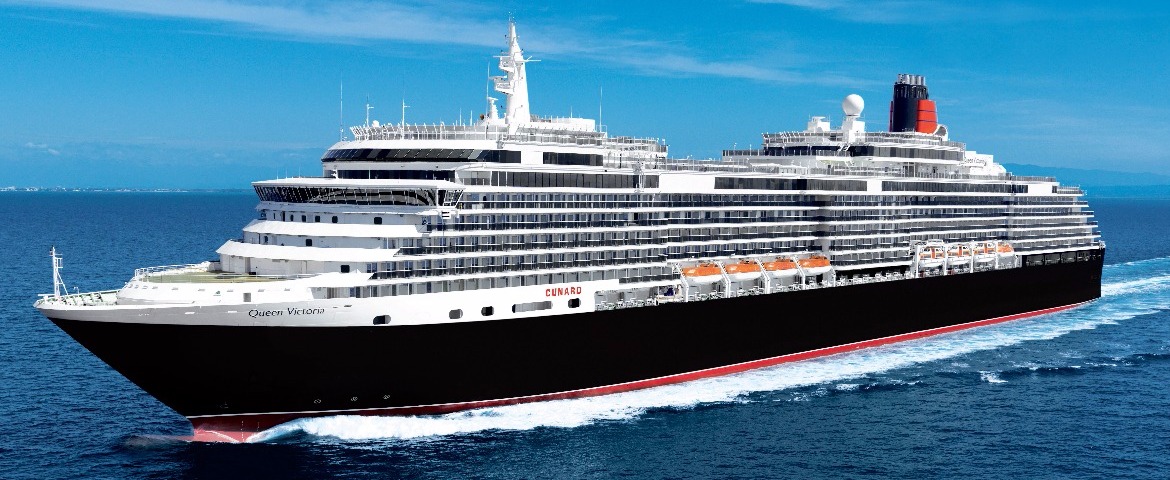
Cunard (18 Cruises)

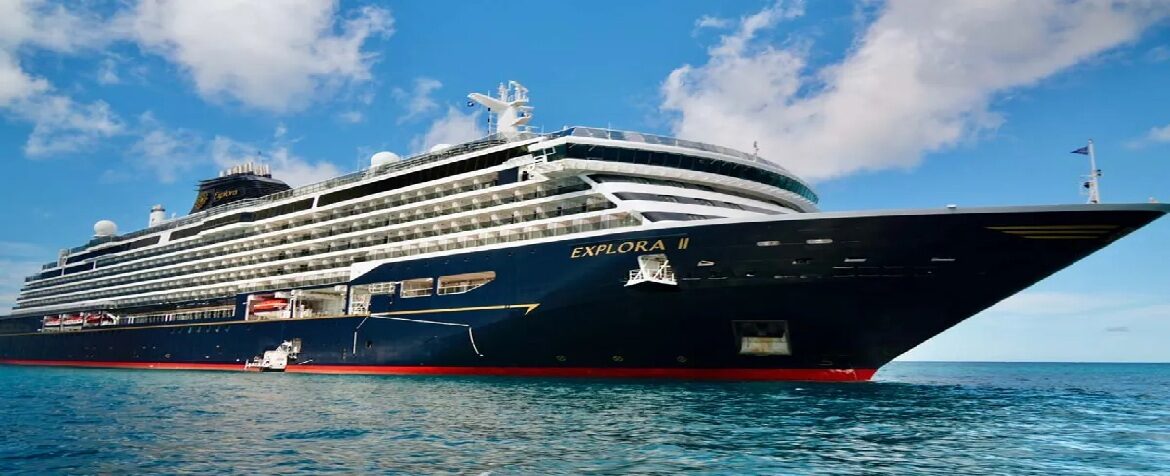
Explora Journeys (3 Cruises)

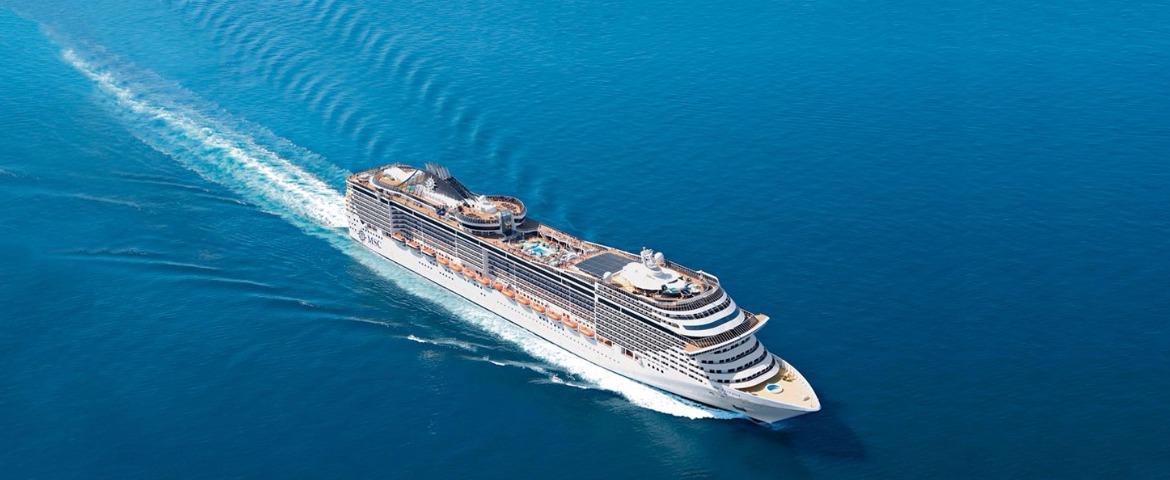
MSC Cruises (135 Cruises)
MSC Fantasia
135 Cruises

| 1 April | 4 nights | Round-trip from Arrecife, Spain |
From
1058$
|
| 2 April | 10 nights | One-way from Las Palmas de Gran Canaria to Civitavecchia-Rome |
From
2447$
|
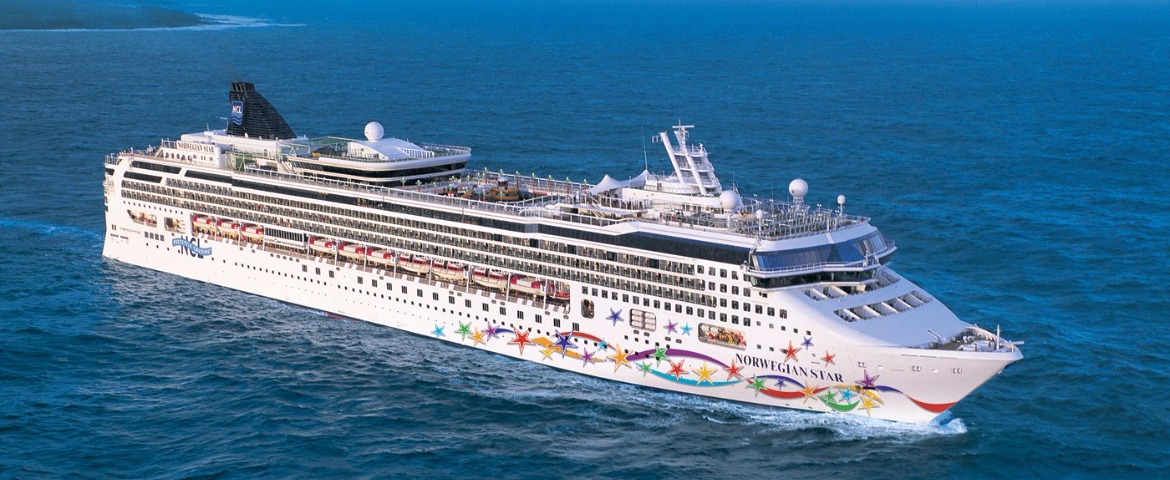
Norwegian Cruise Line (1 Cruises)

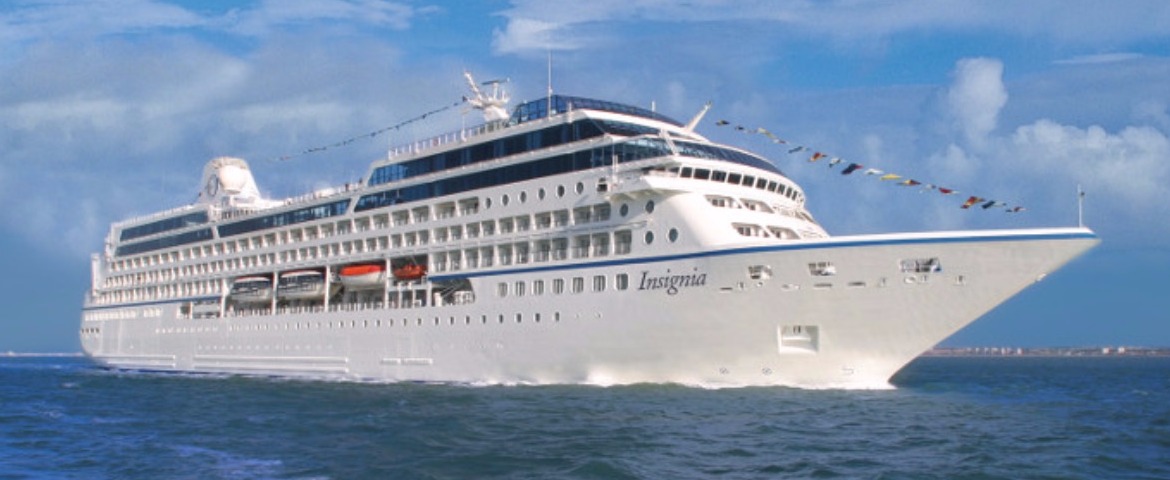
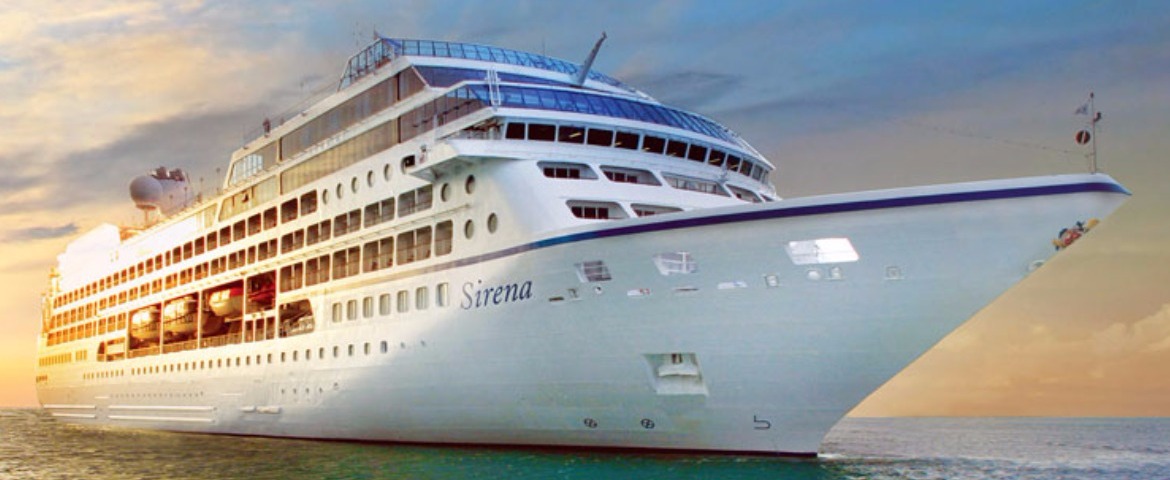
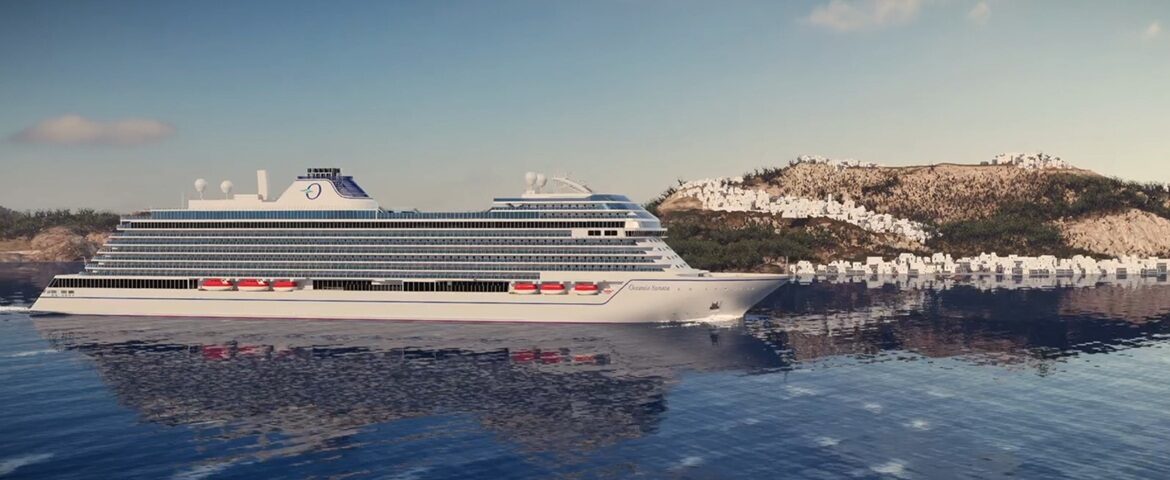
Oceania Cruises (14 Cruises)

Ponant (15 Cruises)
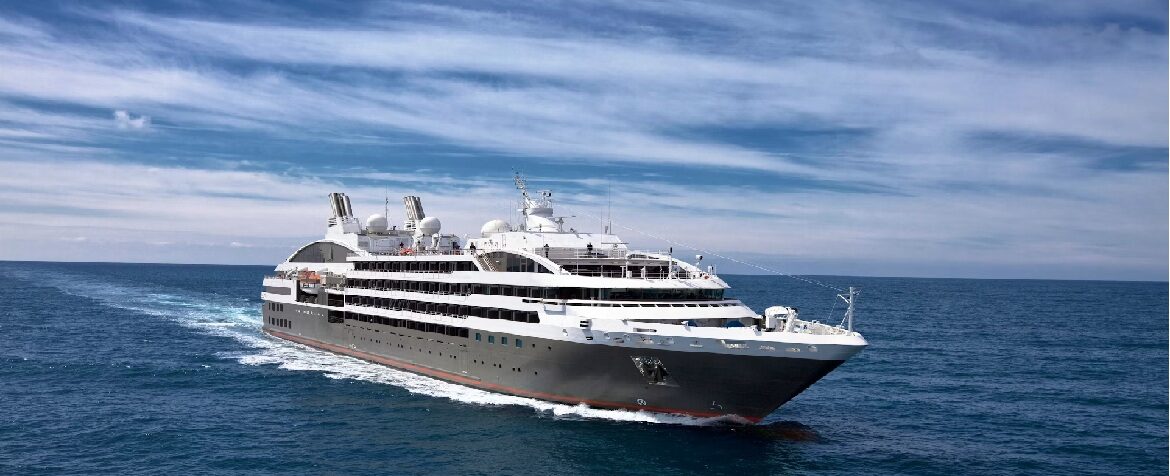

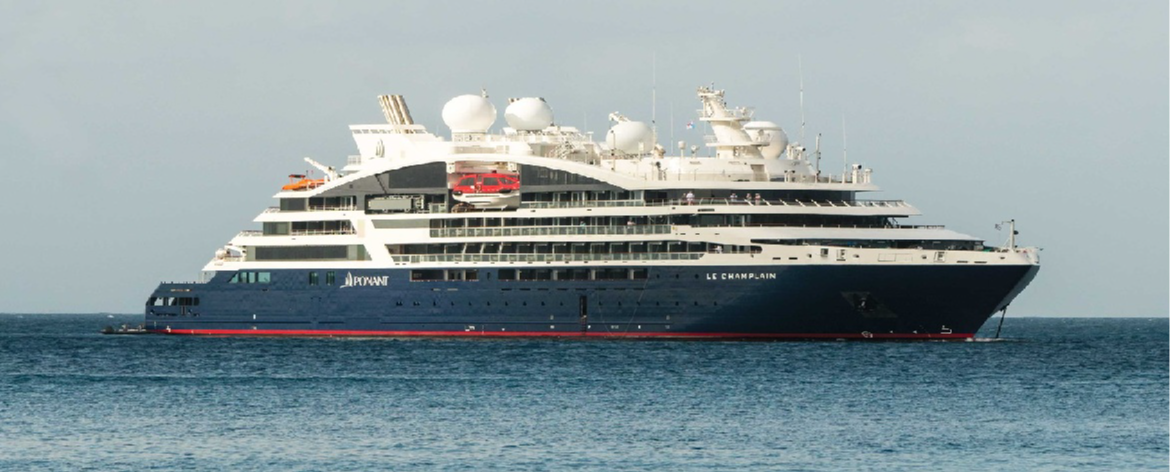
Le Champlain
7 Cruises
| 6 January | 10 nights | One-way from Dakar to Las Palmas de Gran Canaria |
450-628-6241
Call us
|
| 16 January | 9 nights | One-way from Las Palmas de Gran Canaria to Casablanca |
450-628-6241
Call us
|
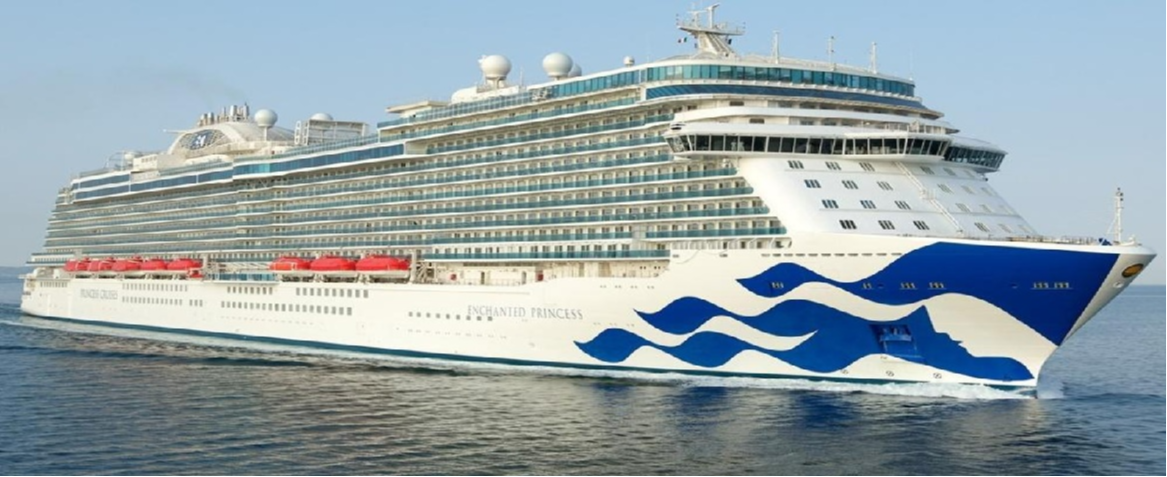
Princess Cruises (2 Cruises)

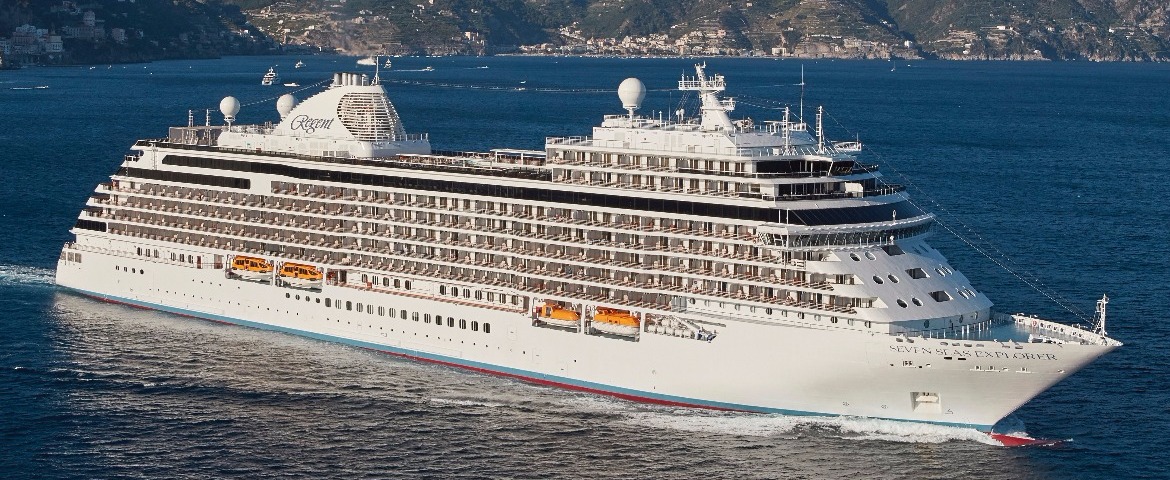
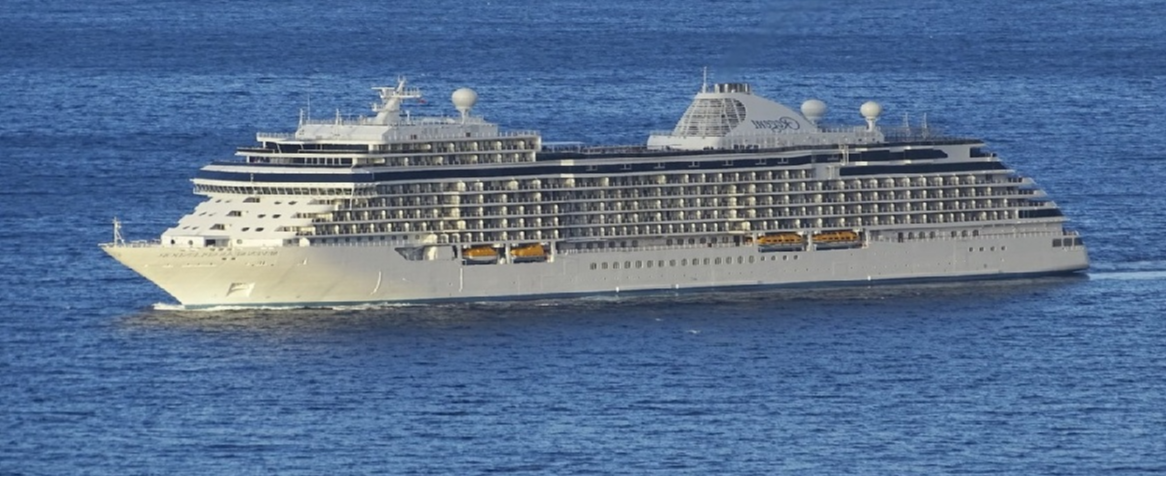
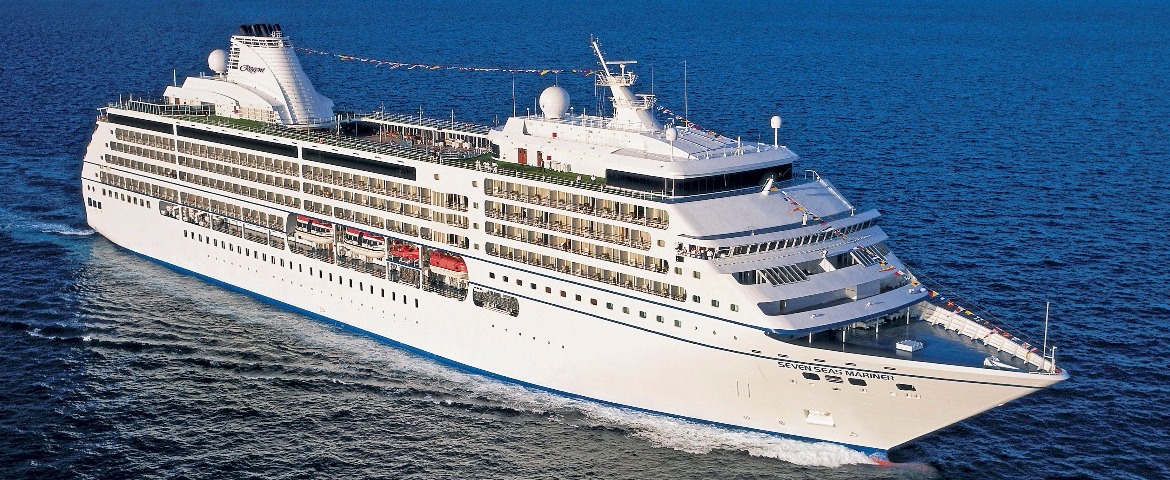
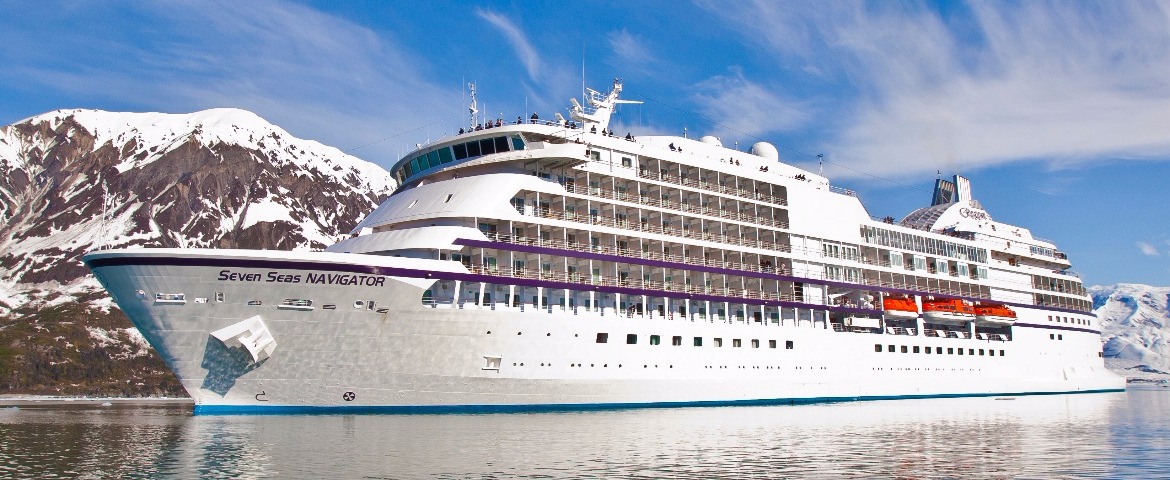
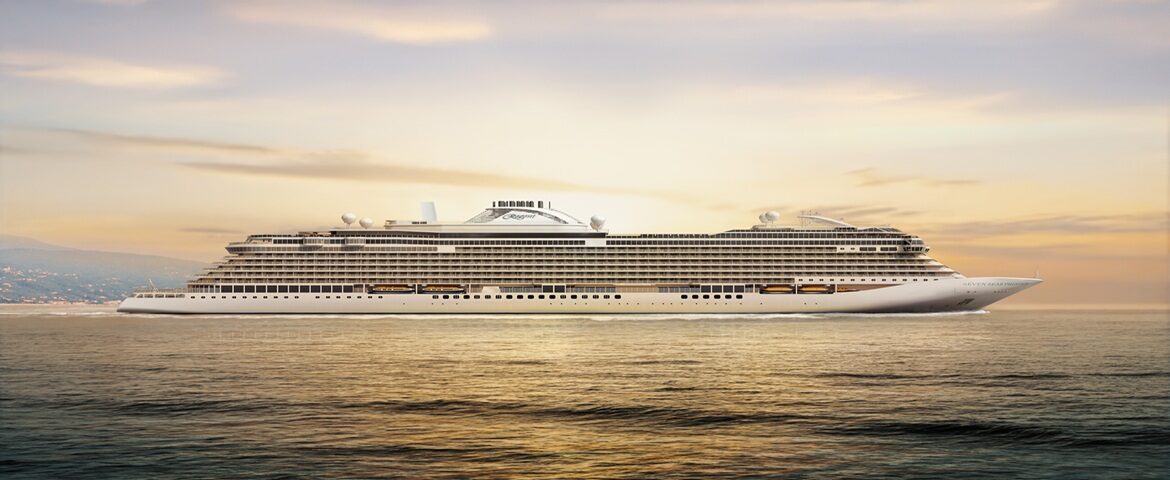
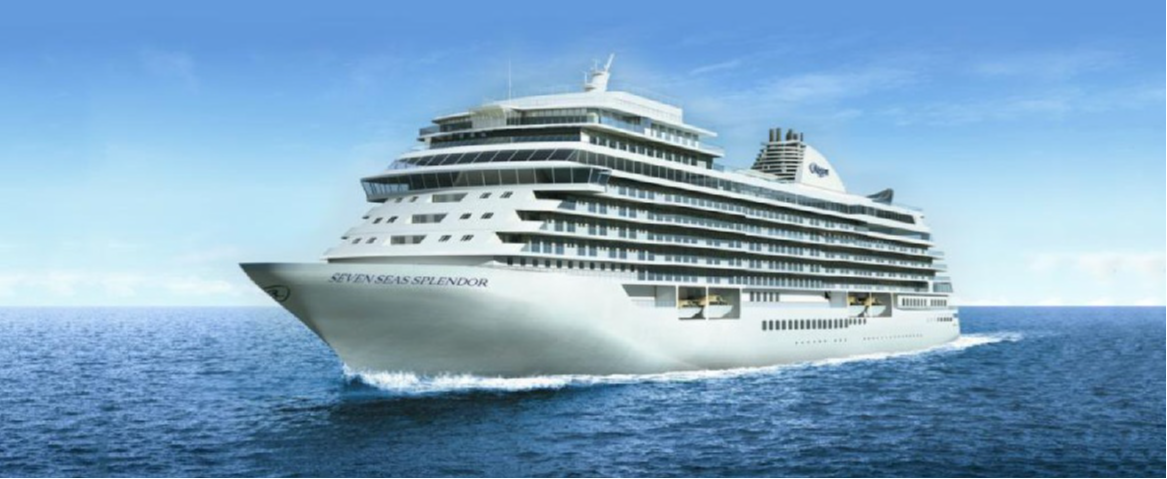
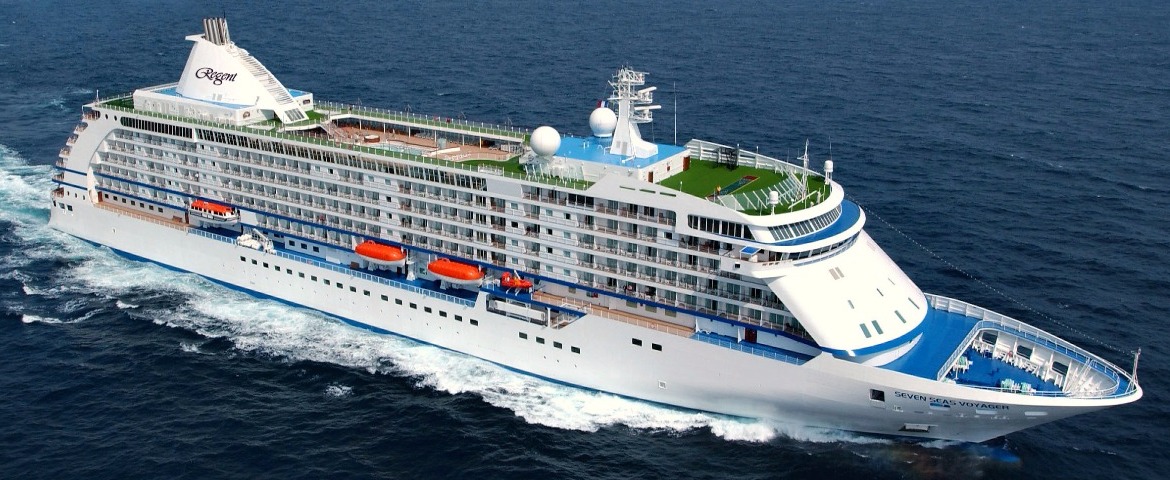
Regent Seven Seas Cruises (18 Cruises)

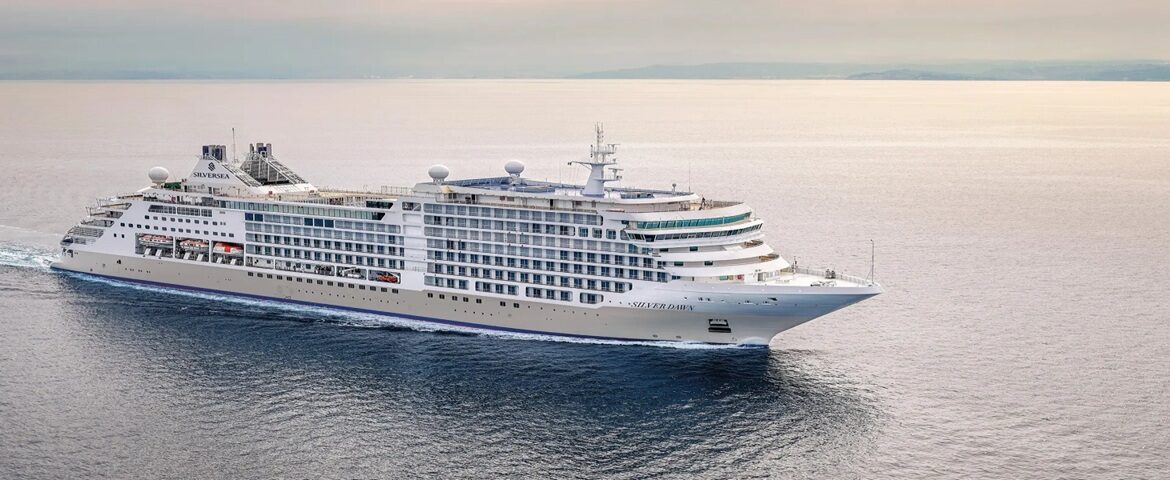
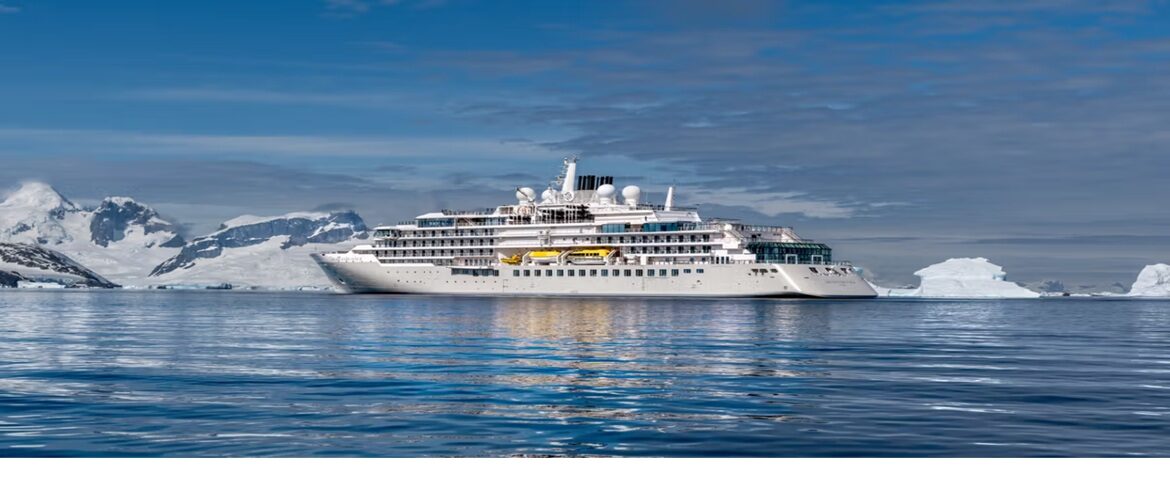
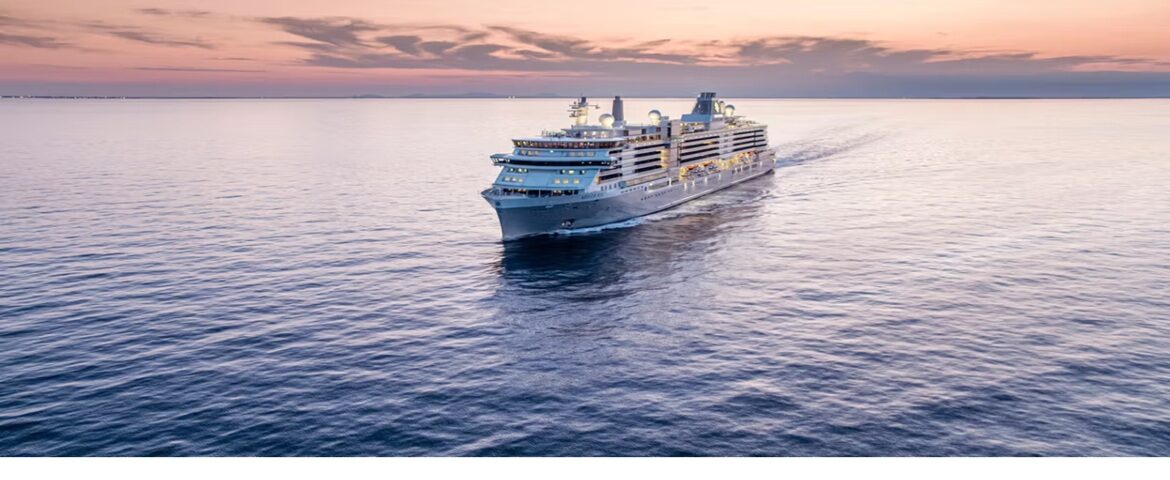
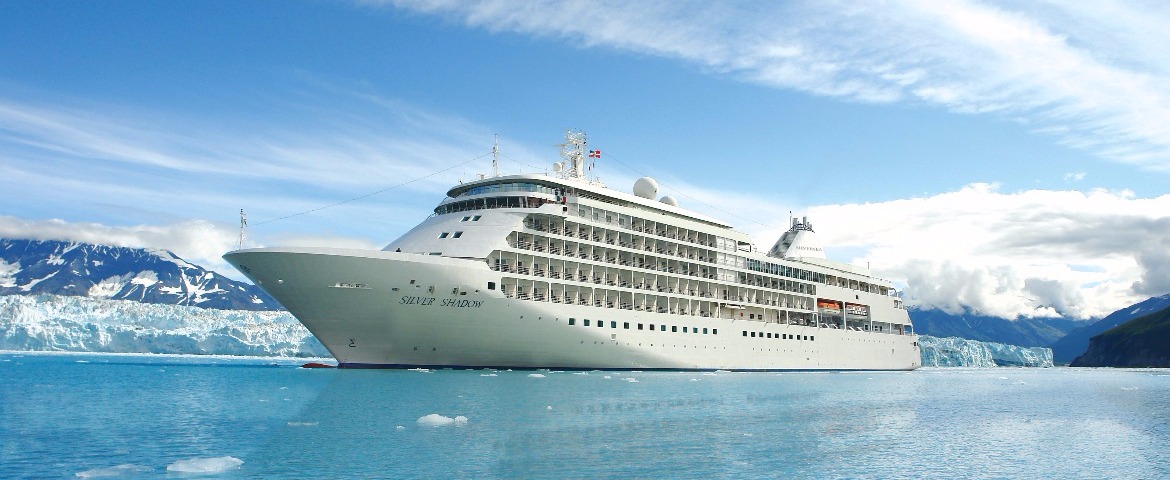
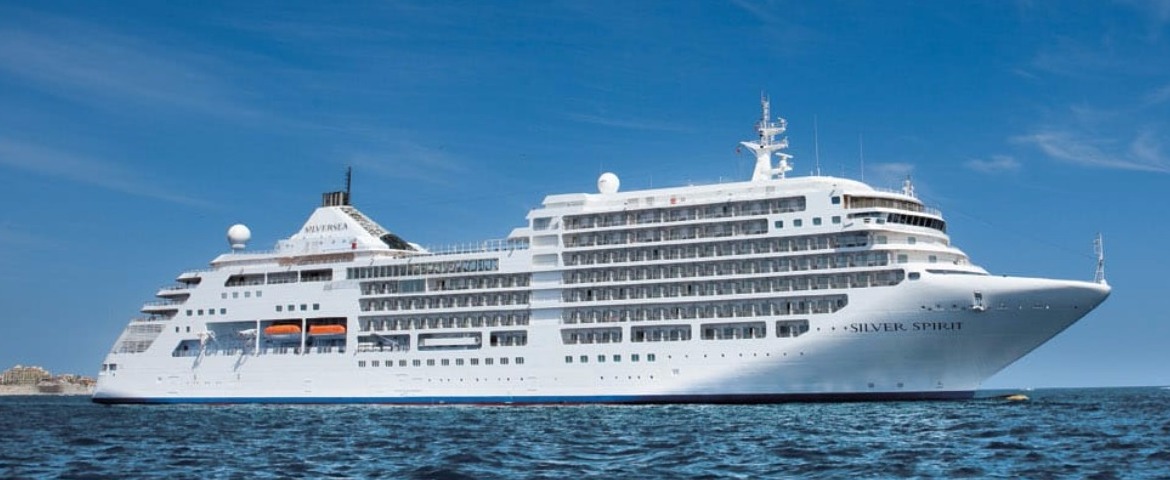
Silversea Cruises (13 Cruises)

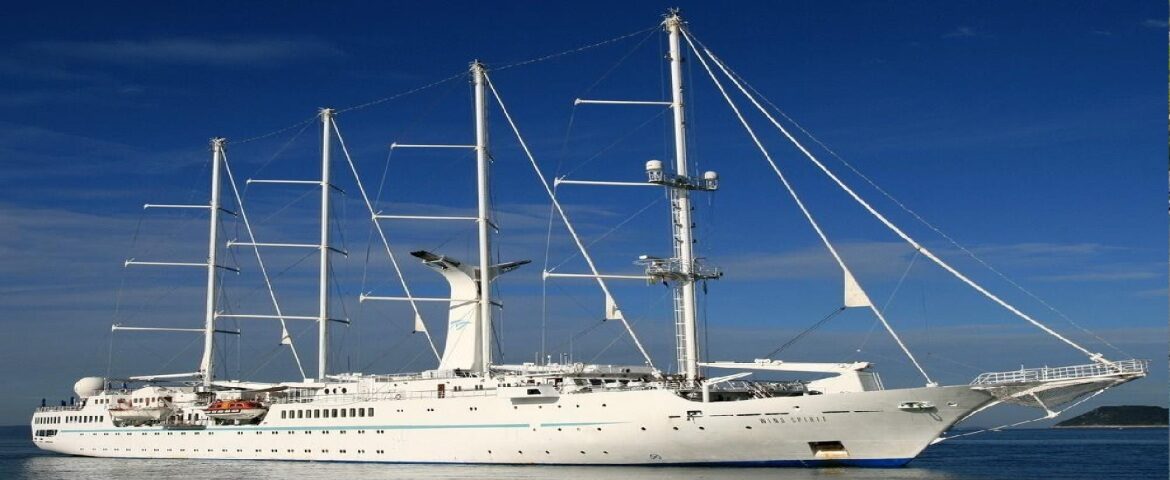
Windstar Cruises (24 Cruises)
Wind Spirit
24 Cruises

| 22 October | 28 nights | One-way from Tarragona to Santa Cruz de Tenerife |
450-628-6241
Call us
|
| 31 October | 19 nights | One-way from Malaga to Santa Cruz de Tenerife |
450-628-6241
Call us
|

Port of Santa Cruz de La Palma | Cruise Port Guide
Frequently Asked Questions
At the main quay. A flat ten to fifteen minute walk along the Avenida Marítima leads to the old quarter, with the ocean on one side and flower-filled galleries on the other.
Its carved wooden balconies lined up facing the Atlantic. In the sixteenth century the town was one of the busiest ports of the Spanish empire: galleons called here between Seville and the Americas, and that prosperity still shows on every facade.
Calle Real and Plaza de España, the Barco de la Virgen, then a terrace near the market. If you want to see the Caldera de Taburiente, you need an excursion and most of the day.
The finest Renaissance ensemble in the Canaries. The church of El Salvador, with its Mudéjar ceiling, faces the sixteenth-century former town hall and a stone fountain where locals arrange to meet.
A full-size replica of Columbus's Santa María, built in cement in the middle of a square, housing a small naval museum. Its main role comes during the Bajada de la Virgen, the island's five-yearly festival, whose highlight remains the dance of the dwarfs in their enormous bicorne hats.
An eight-kilometre-wide volcanic amphitheatre behind the capital, now a national park. Its viewpoints look down into a chasm carpeted with Canary pines. The whole island tilts in steep slopes, which makes every excursion long but spectacular.
Because it is a designated starlight reserve and deliberately restricts night lighting. At 2,400 metres, the Roque de los Muchachos hosts one of the world's major astronomical observatories. A daytime call only hints at it: La Palma's sky has to be earned by sleeping there.
Yes. In the south, the black flows of the Tajogaite volcano mark the eruption that redrew the coastline over 85 days. Purpose-built viewpoints let you take it in safely.
Papas arrugadas with green mojo, grilled goat cheese and the island's small sweet bananas, with a glass of malvasía — the sweet wine that already delighted sixteenth-century navigators. The island also rolls cigars by hand, the puros palmeros, and a few workshops open their doors.
Yes, a volcanic sand beach adjoins the port. The sand is black and the water clear: an easy last swim before sailing, a few minutes from the ship.


