Vigo Spain Galicia
154
Cruises availables
At departure or passage at this port
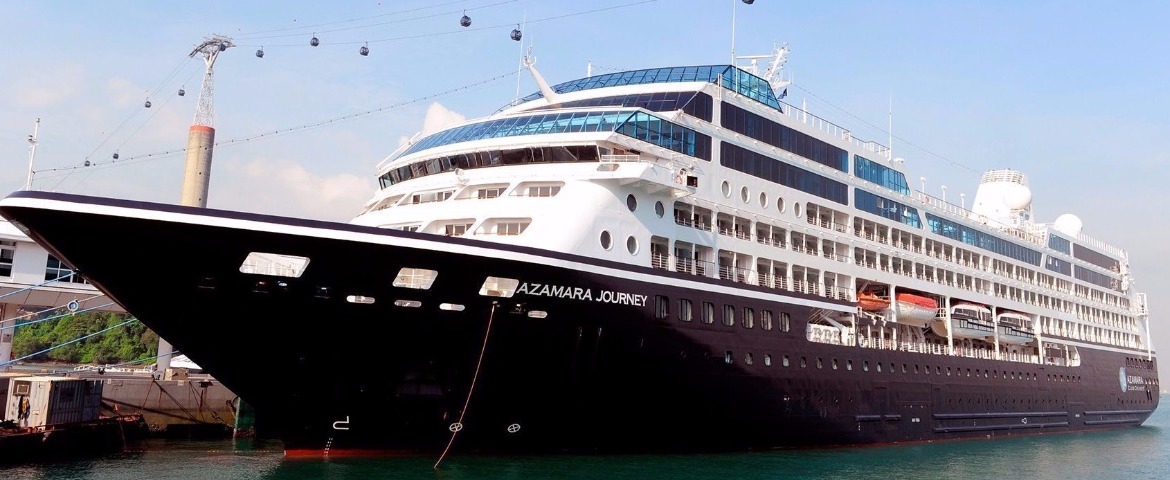
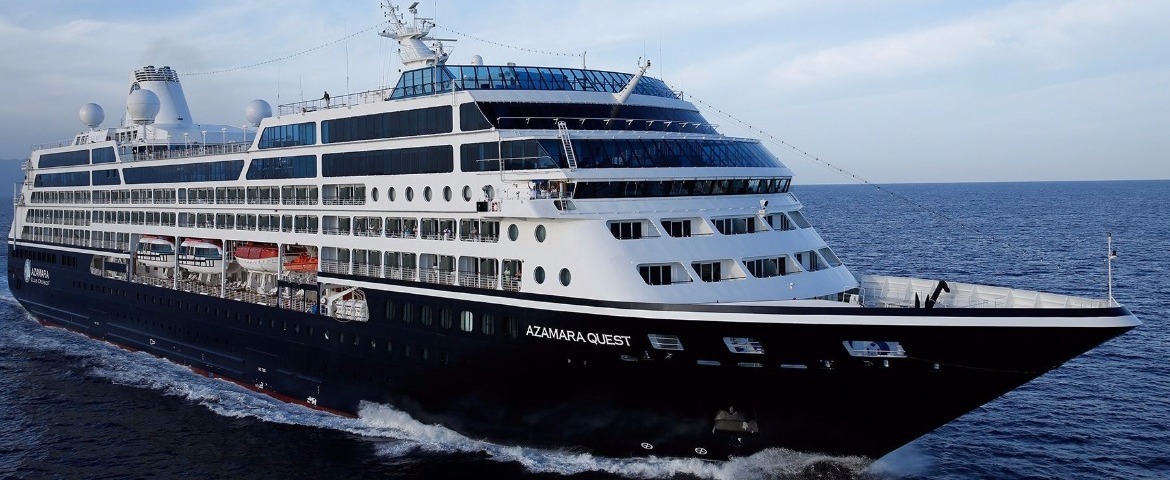
Azamara Club Cruises (9 Cruises)


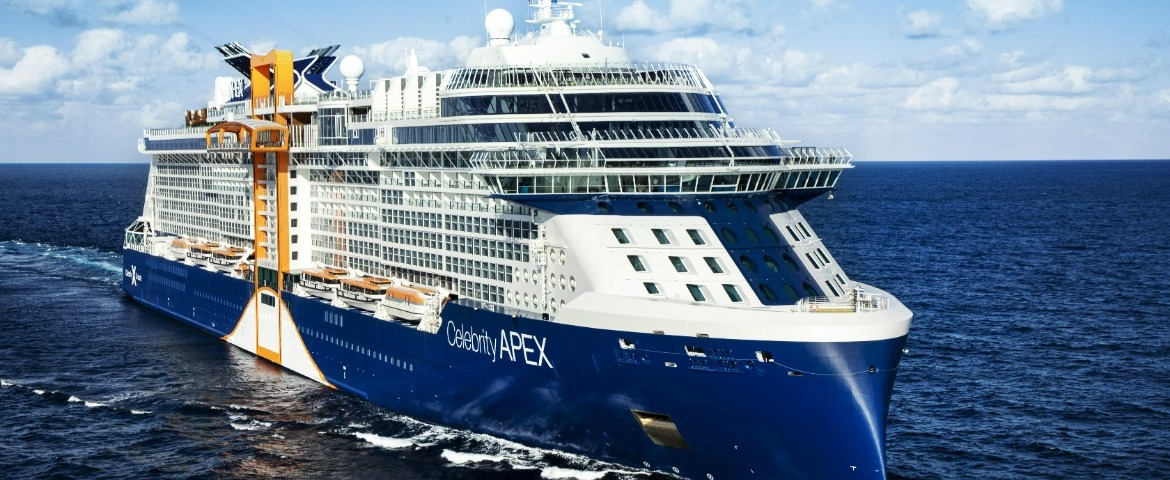
Celebrity Cruises (3 Cruises)

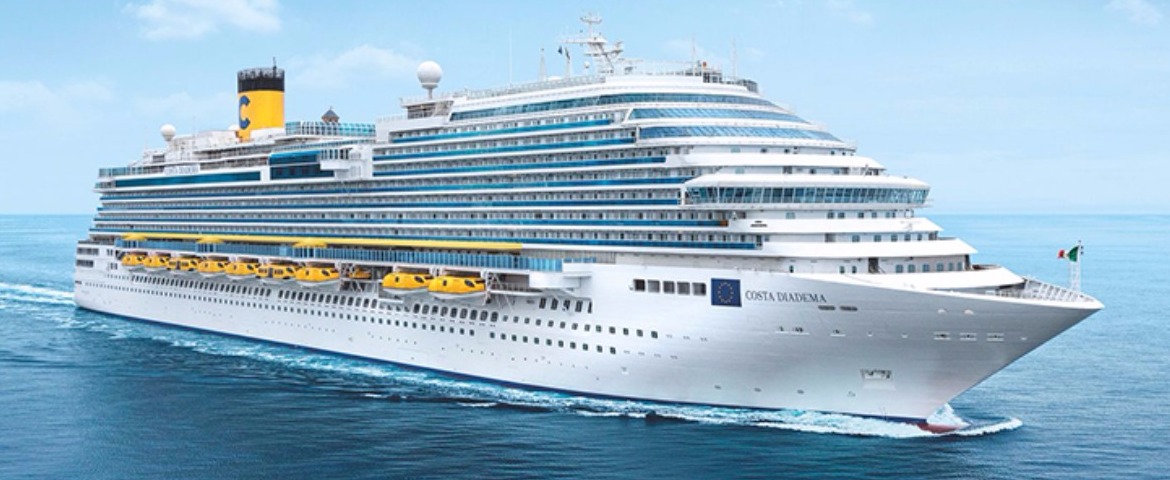
Costa Cruises (14 Cruises)
Costa Diadema
14 Cruises

Cunard (16 Cruises)
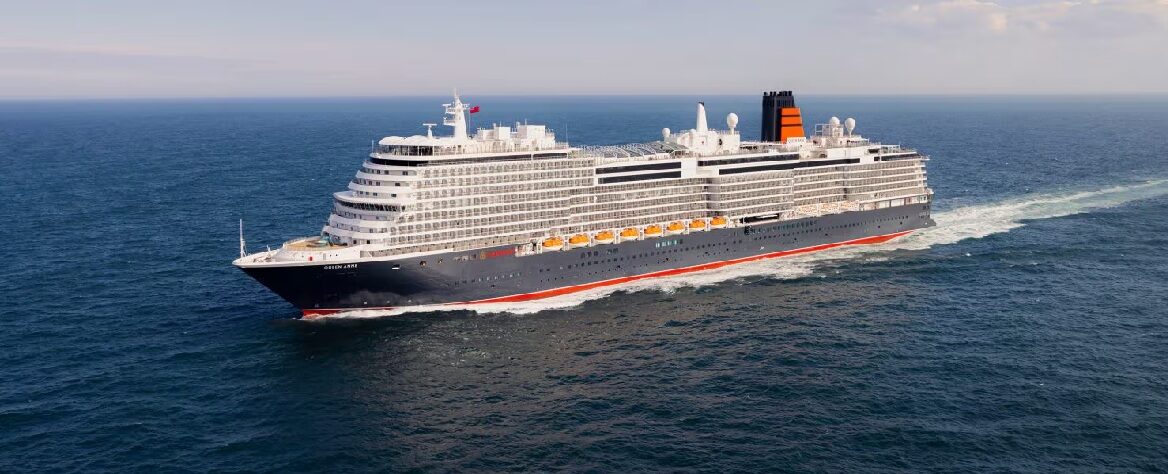
Queen Anne
6 Cruises

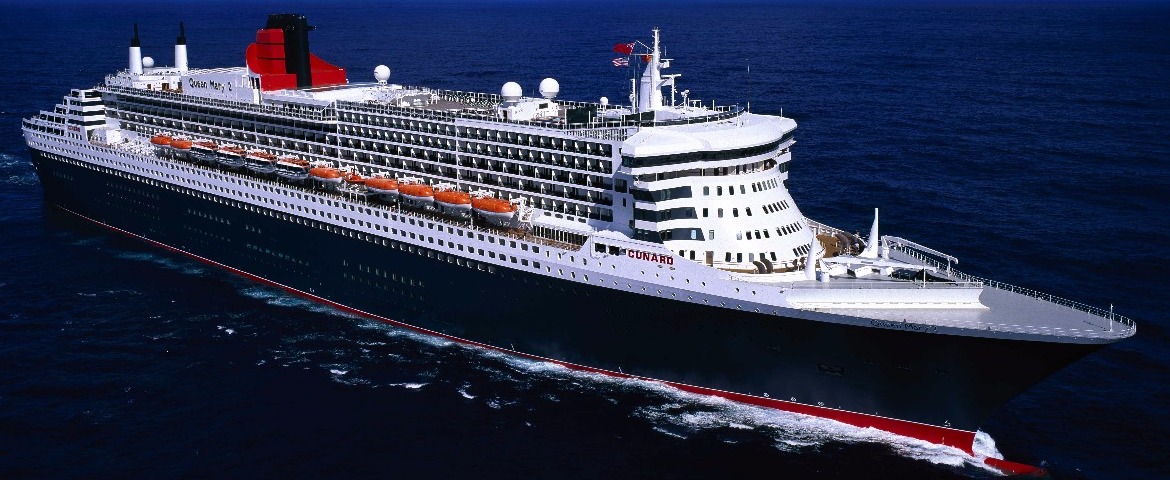
Queen Mary 2
7 Cruises
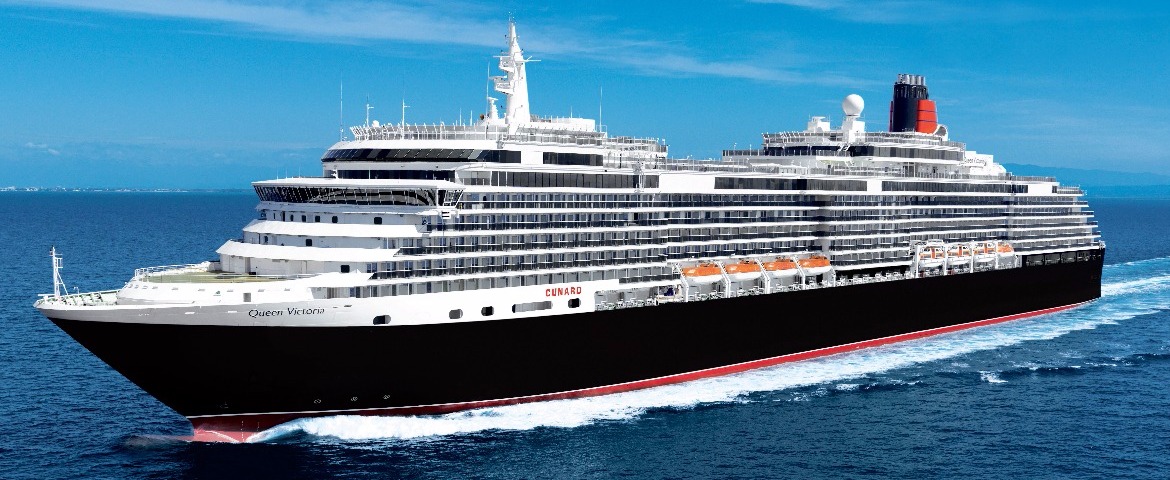
Disney Cruise Line (2 Cruises)
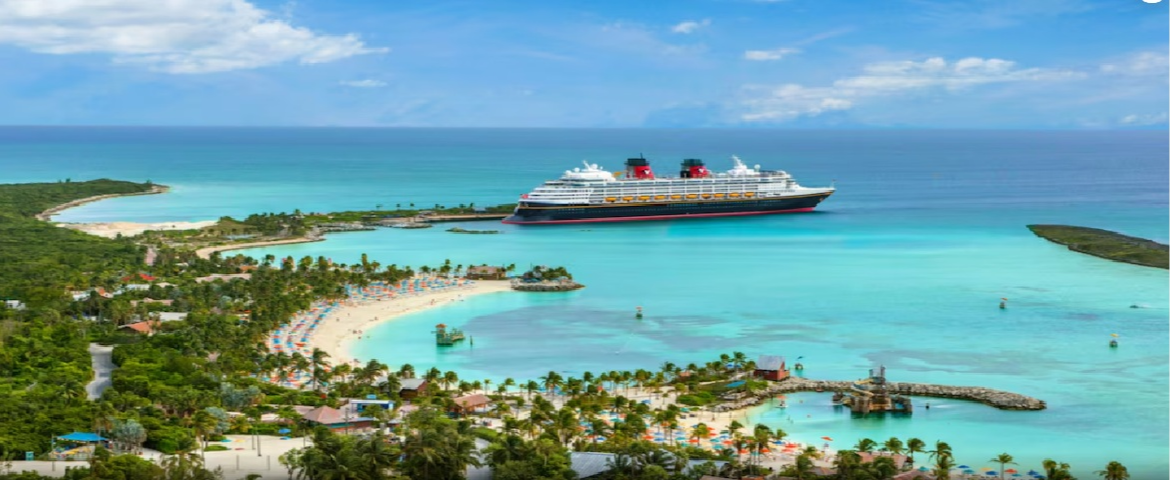

MSC Cruises (20 Cruises)
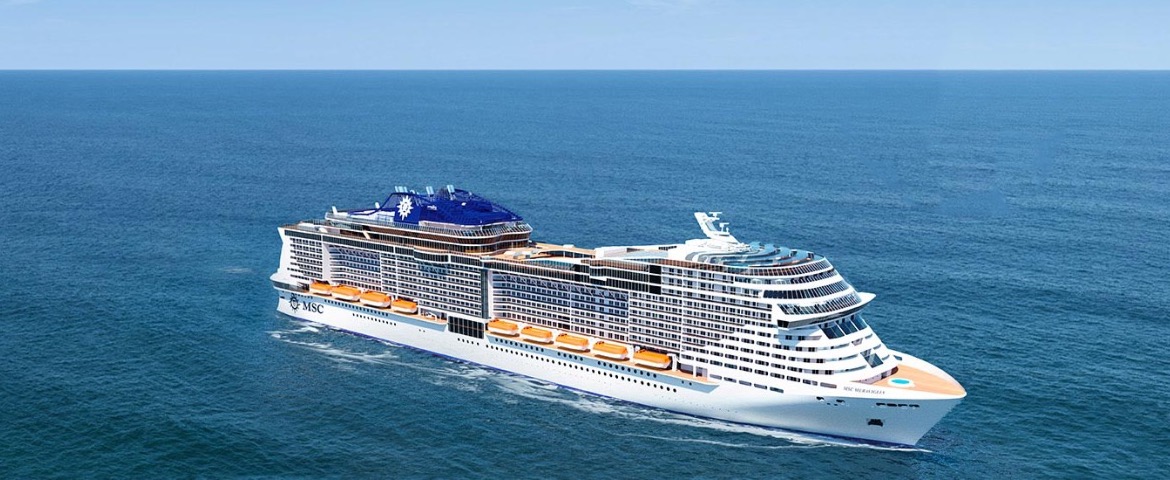
MSC Meraviglia
20 Cruises

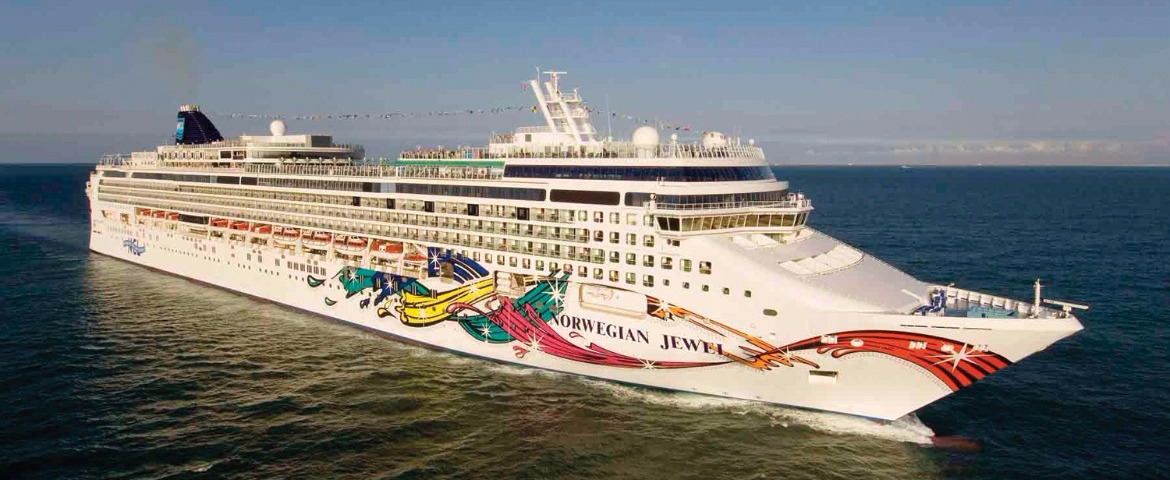

Oceania Cruises (17 Cruises)
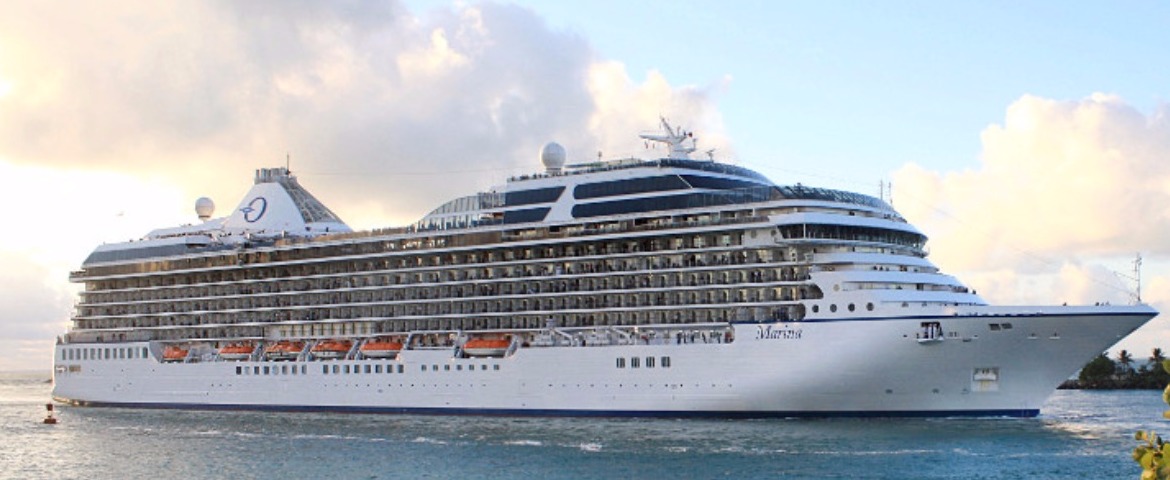
Oceania Marina
7 Cruises

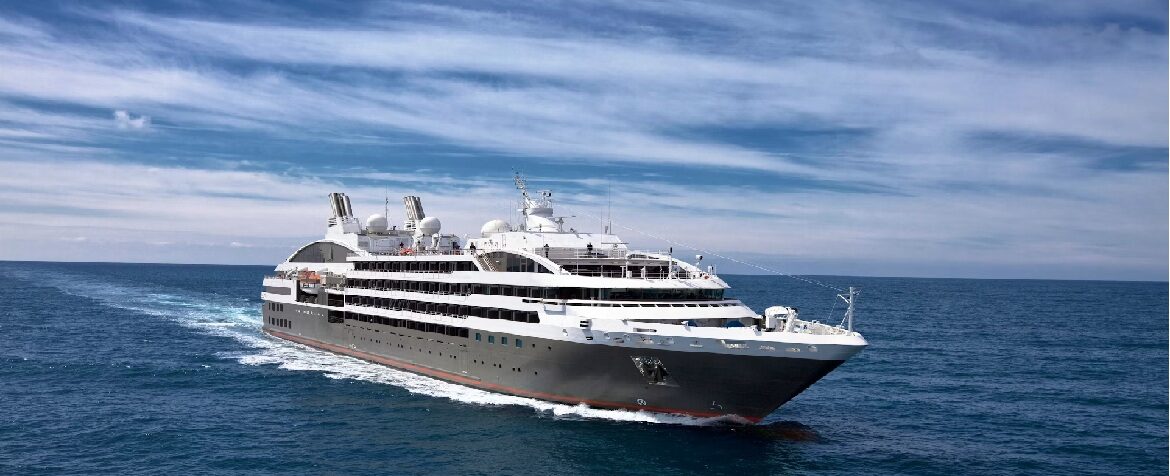
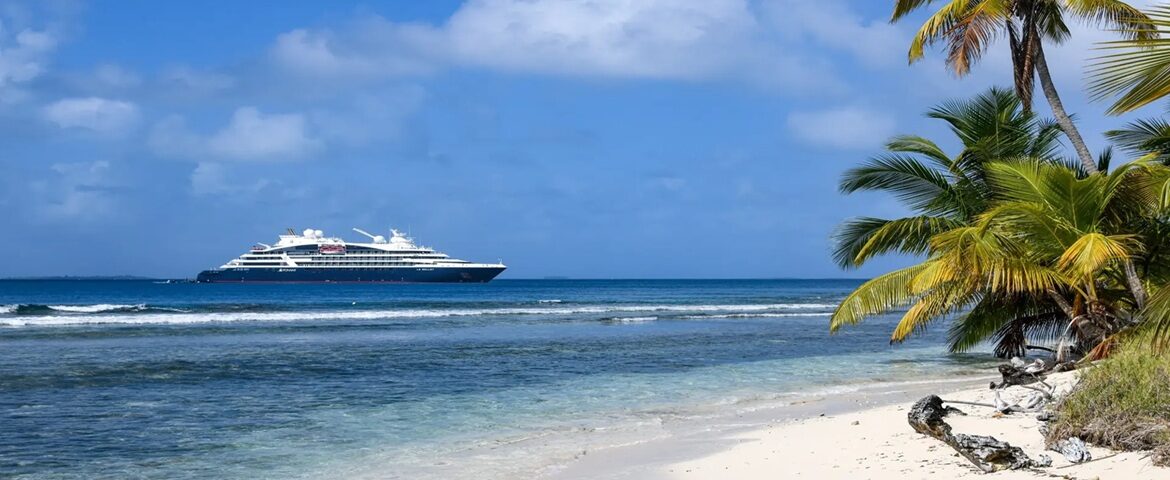
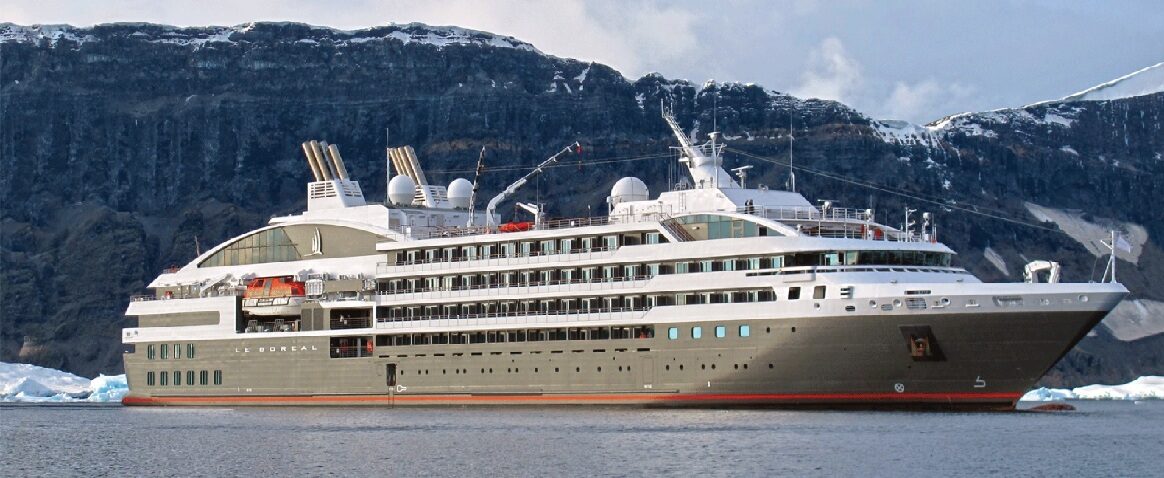
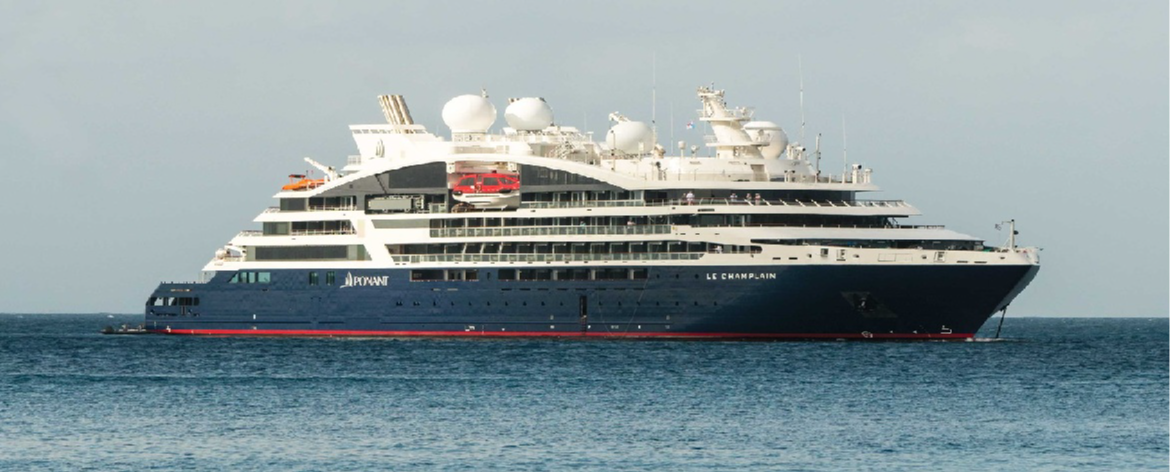
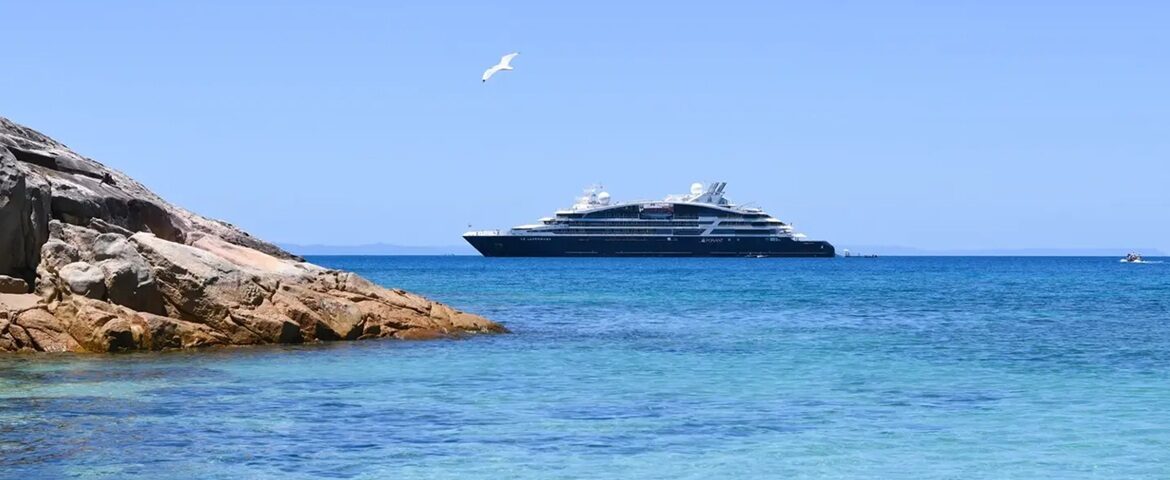
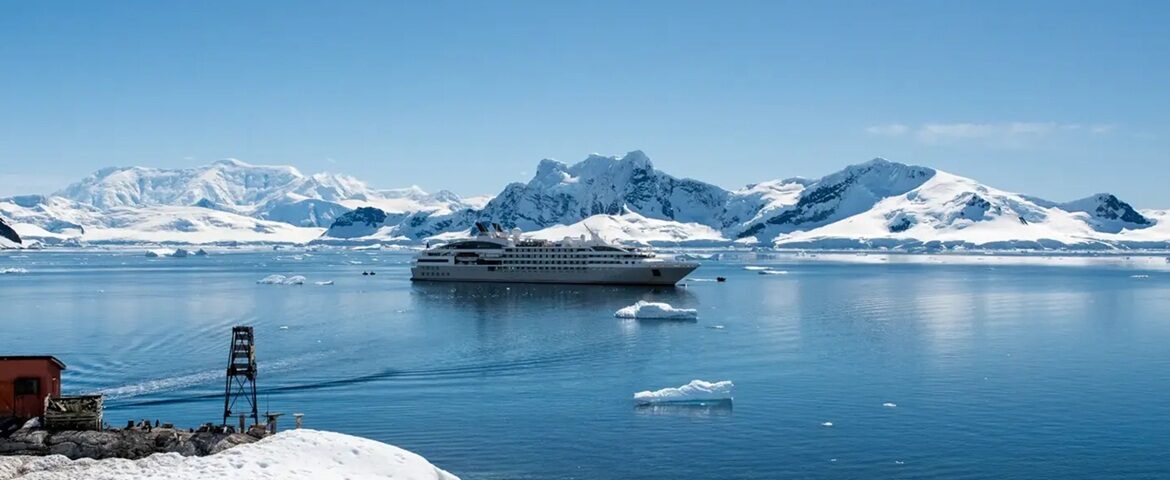
Ponant (13 Cruises)

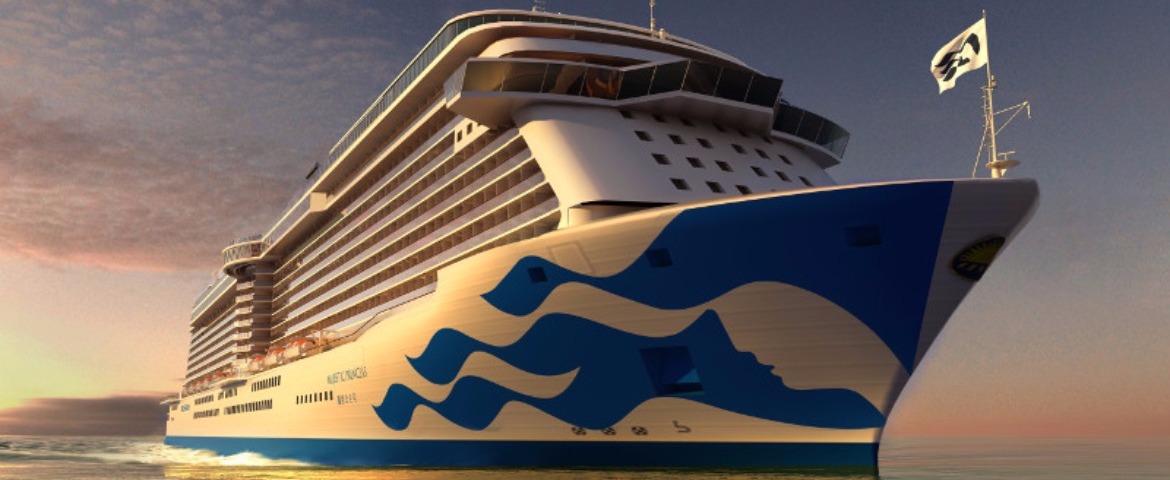
Princess Cruises (15 Cruises)

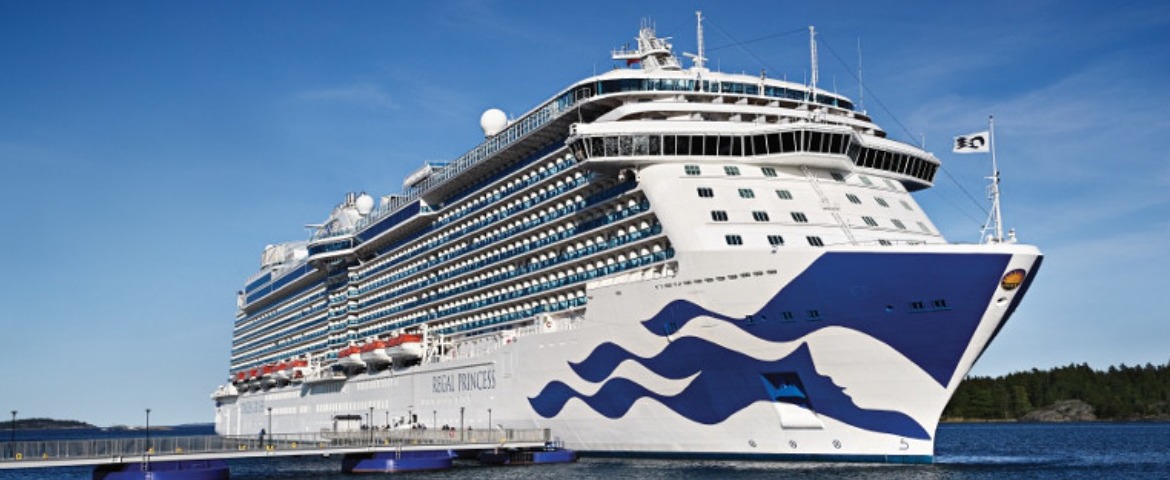
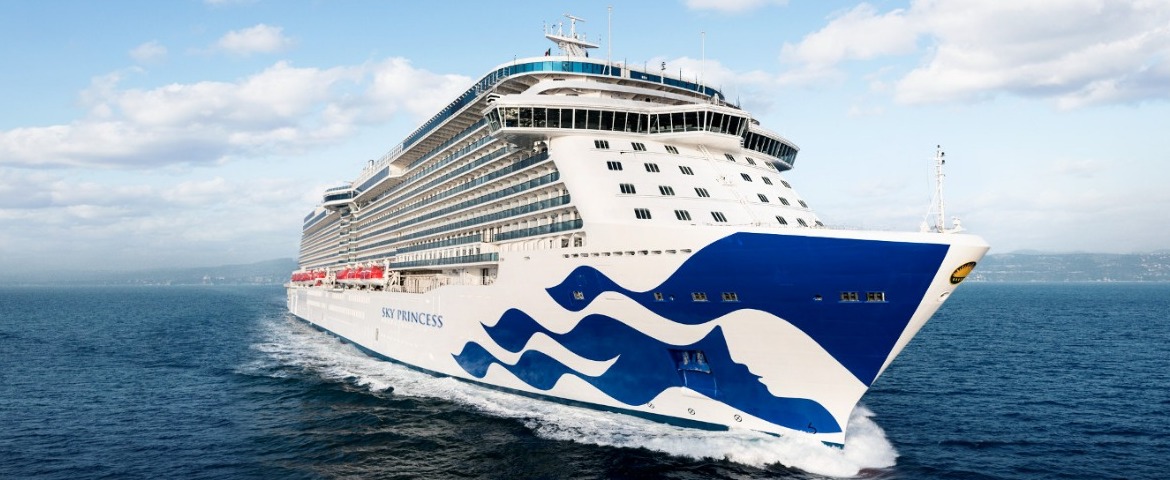
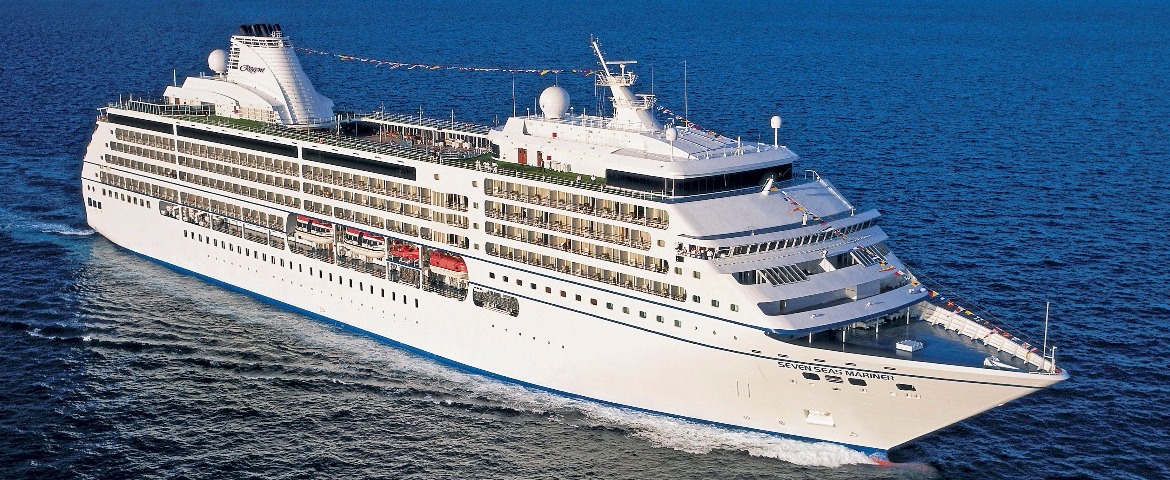
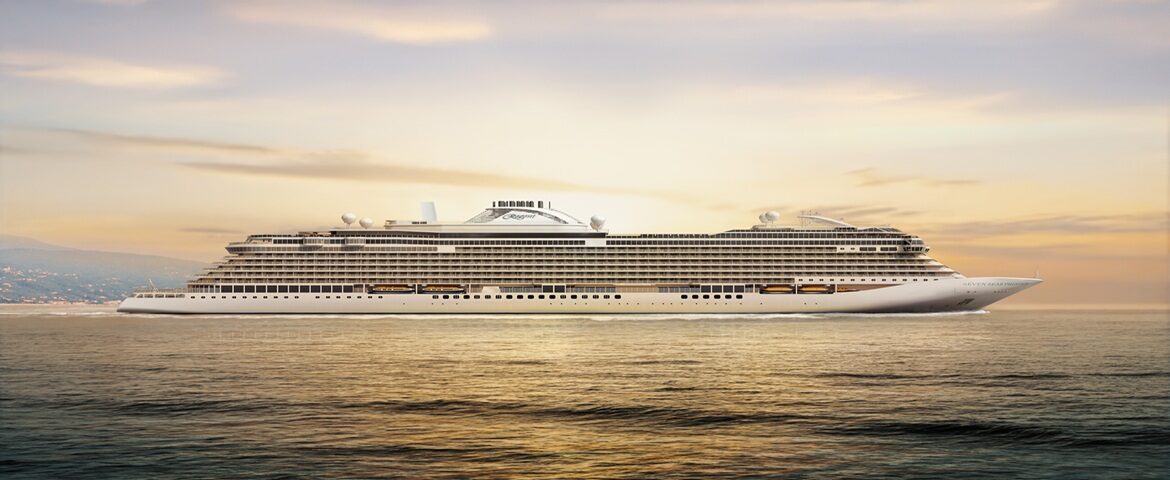
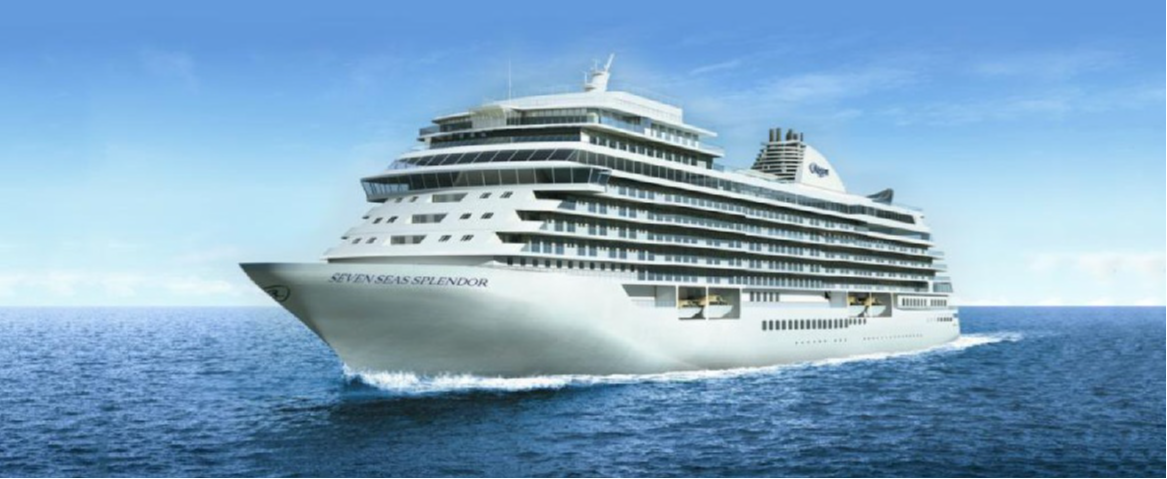
Regent Seven Seas Cruises (4 Cruises)

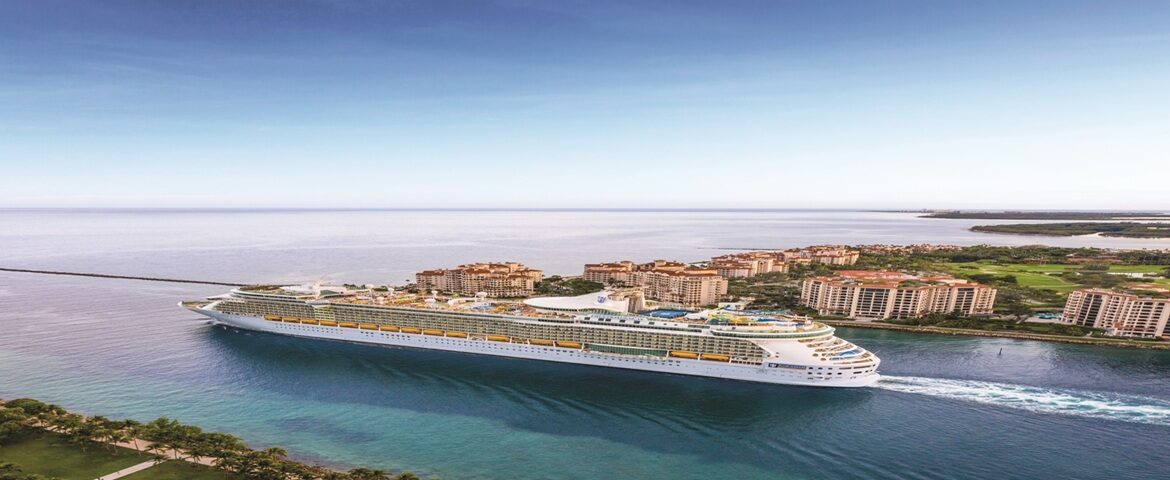
Royal Caribbean Cruises (12 Cruises)
Freedom of the Seas
12 Cruises

| 9 August | 8 nights | Round-trip from Southampton, United Kingdom |
From
1656$
|
| 30 August | 9 nights | Round-trip from Southampton, United Kingdom |
From
1949$
|


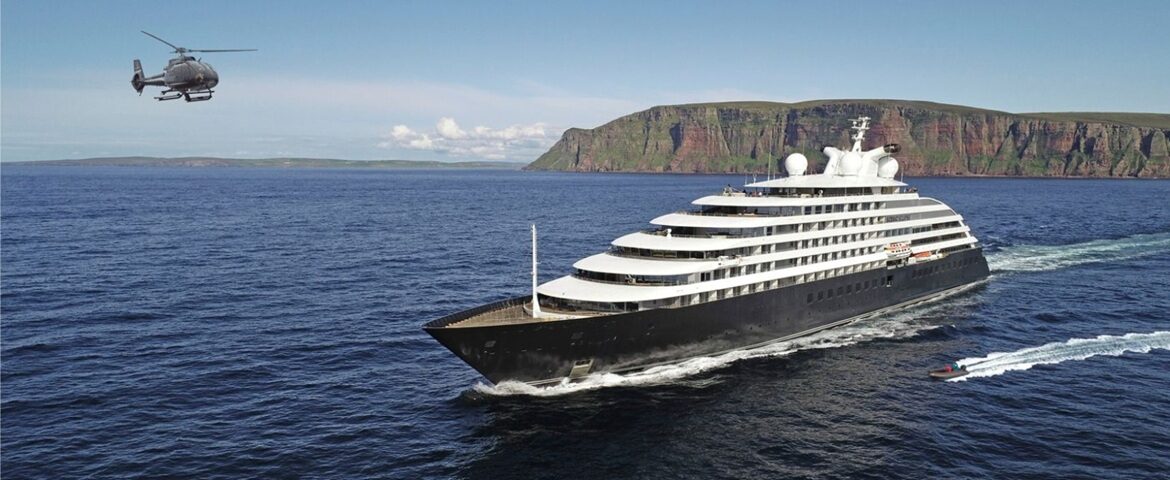
Seabourn Cruise Line (4 Cruises)

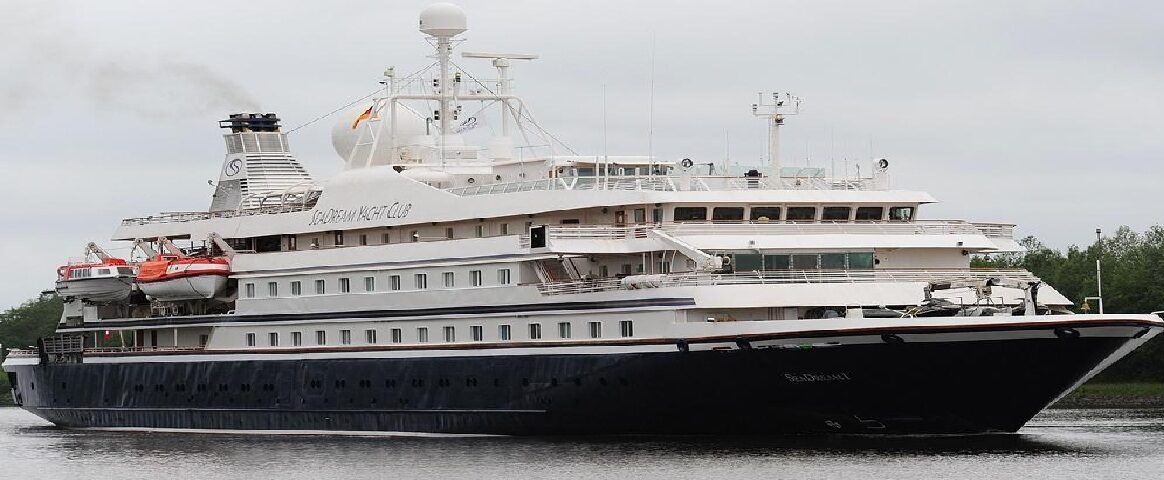
SeaDream Yacht Club (4 Cruises)




Vigo, Spain | Cruise Port Guide
Frequently Asked Questions
At the cruise terminal, five minutes' walk from the old town. Few Atlantic calls put you into the city centre this directly.
The oysters on Pescadería street, the Casco Vello up to Santa María co-cathedral, then the climb to Castro park for the panorama. All on foot, nothing to book.
Rúa da Pescadería, where the ostreras shuck oysters at speed on granite stalls, as their mothers and grandmothers did before them. You eat them standing, with a squeeze of lemon and a glass of Albariño, while the ria glitters below.
The old core, grown around the original fishing port and rising in cobbled lanes towards the co-cathedral. Arcaded squares such as Praza da Constitución, artisan shops, stone taverns where Galician octopus comes steaming out of copper pots.
It does have its slopes. A seafront shopping centre with a through-lift lets you gain the heights without effort: it is the trick locals use and nobody thinks to tell visitors.
The whole ria of Vigo, its mussel rafts lined up on the water, the Rande bridge and, out to sea, the Cíes archipelago guarding the entrance. The park occupies a fortified hill with seventeenth-century walls and the remains of an Iron Age settlement. Allow twenty to thirty minutes on foot from the centre, or a few minutes by taxi.
Yes, when the season and the schedule allow. These islands are the heart of the Atlantic Islands of Galicia National Park, with Rodas beach, regularly ranked among Europe's finest. The crossing takes about 45 minutes and access is capped: go through an excursion or book ahead in summer.
Oysters and mussels from the ria, tuna empanada, pimientos de Padrón and the tart of Saint James. Vigo is one of Europe's leading fishing ports, and it shows on the plate.
A bronze triton perched on a tall steel spike on Praza da Porta do Sol. It serves as the city's meeting point: 'see you at the Sireno' is something you hear here every day.
Yes, allowing for the slopes of the Casco Vello — the shopping-centre lift solves that. The seafront is flat, the squares are lively, and children take well to the Cíes trip when it is available.


