Saint Vincent Island Kingstown, Grenadines
St Vincent & Grenadines
172
Cruises availables
At departure or passage at this port
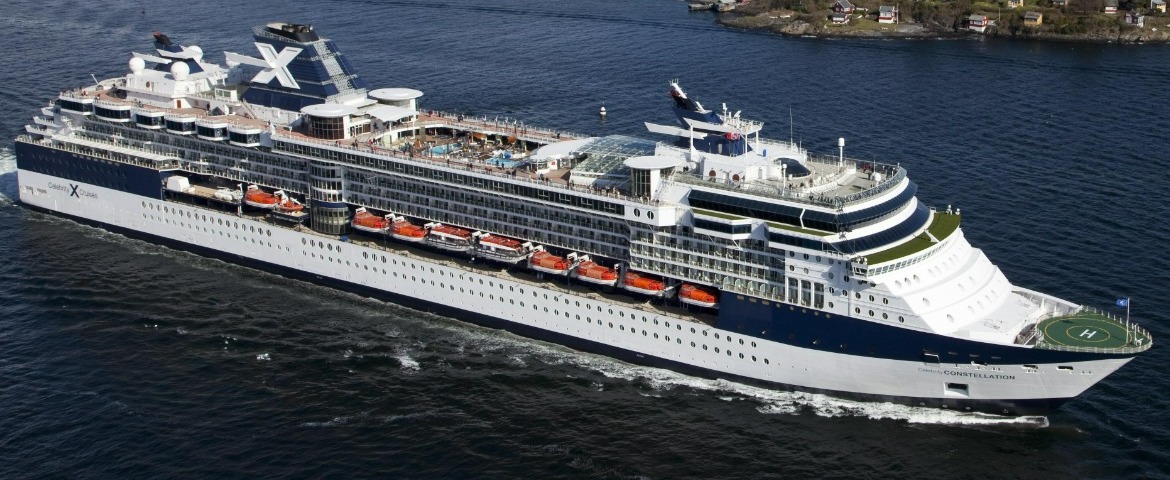

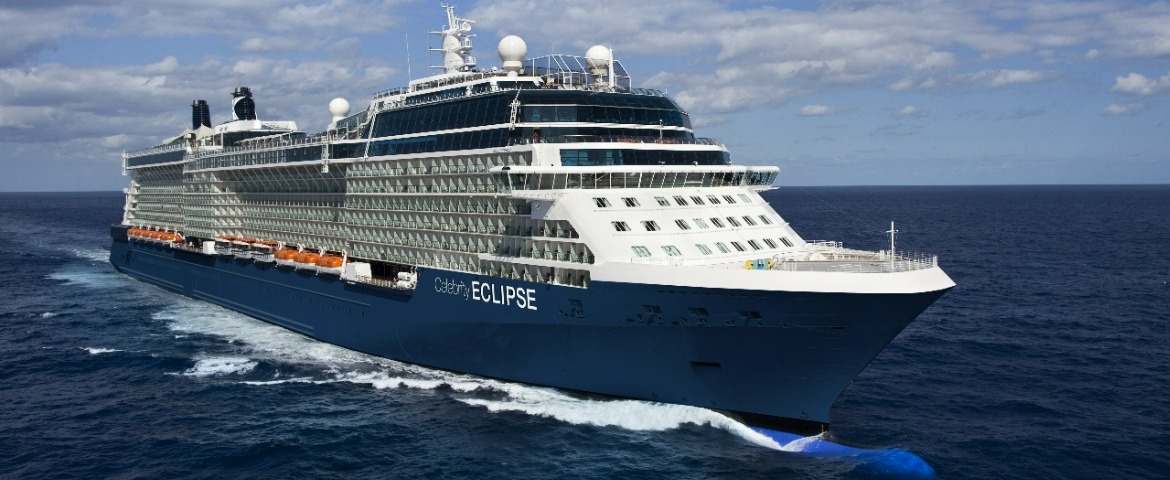
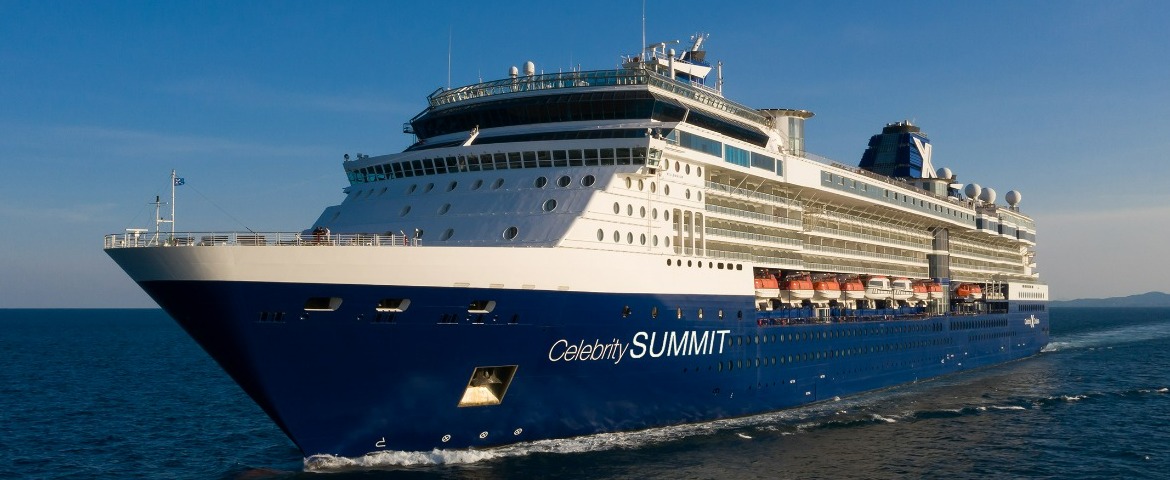
Costa Cruises (5 Cruises)
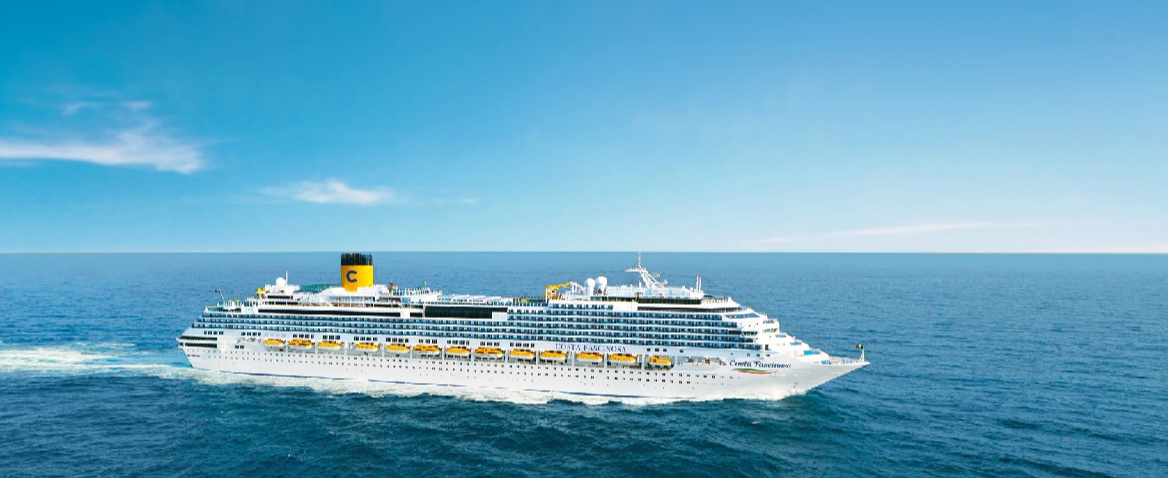
Costa Fascinosa
5 Cruises

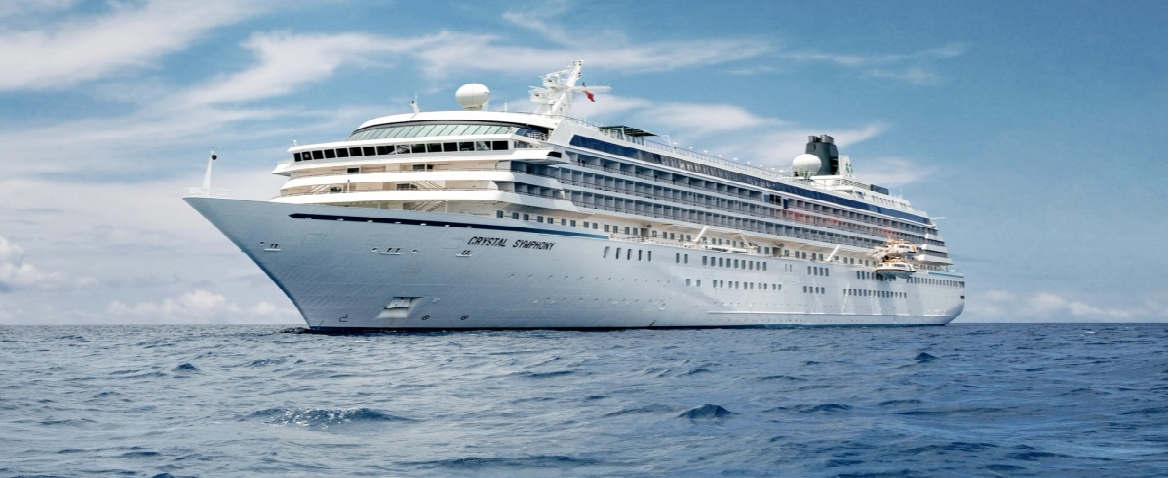
Crystal Cruises (4 Cruises)

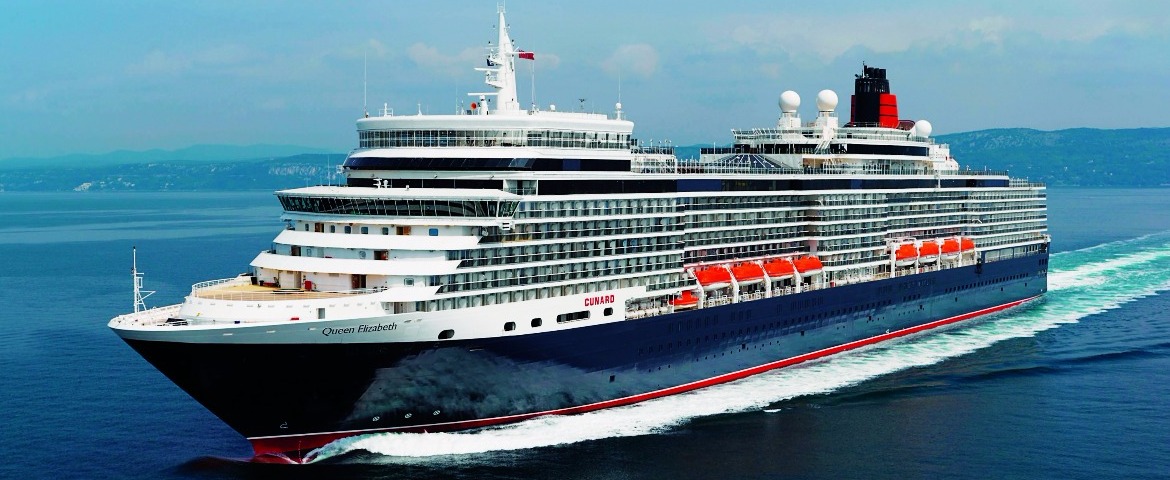
Cunard (3 Cruises)

Emerald Waterways (31 Cruises)
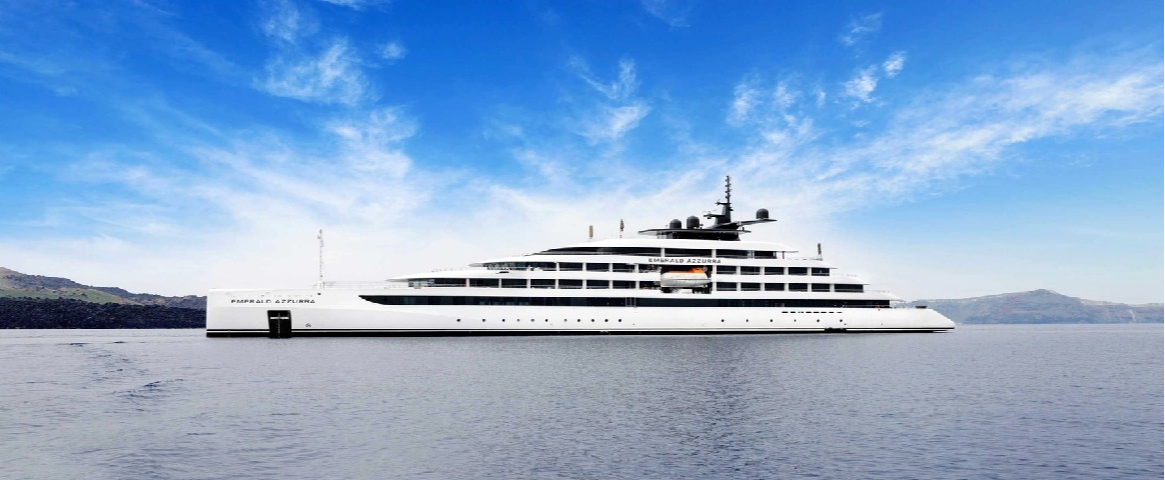
Emerald Azzurra
27 Cruises

| 24 January | 6 days | Round-trip 7 Night Grenadines and Windward Islands Yachting Cruise |
450-628-6241
Call us
|
| 21 February | 6 days | Round-trip 7 Night Grenadines and Windward Islands Yachting Cruise |
450-628-6241
Call us
|
| 21 March | 6 days | Round-trip 7 Night Grenadines and Windward Islands Yachting Cruise |
450-628-6241
Call us
|
| 28 November | 6 days | Round-trip 7 Night Grenadines and Windward Islands Yachting Cruise |
450-628-6241
Call us
|
| 2 April | 6 days | Round-trip 7 Night Grenadines and Windward Islands Yachting Cruise |
450-628-6241
Call us
|
| 7 January | 6 days | Round-trip 7 Night Grenadines and Windward Islands Yachting Cruise |
450-628-6241
Call us
|
MSC Cruises (74 Cruises)
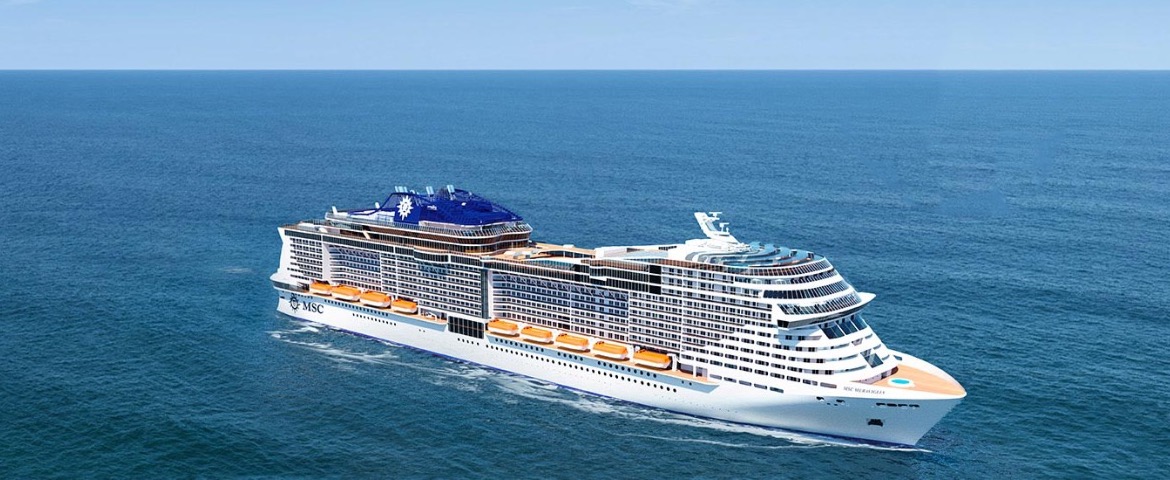
MSC Meraviglia
40 Cruises

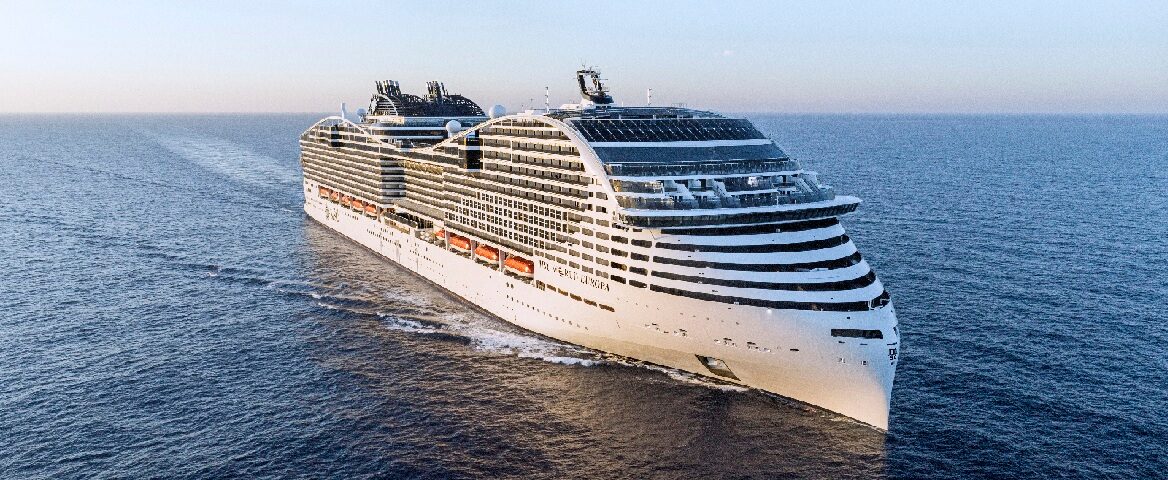
MSC World Europa
34 Cruises
Oceania Cruises (8 Cruises)

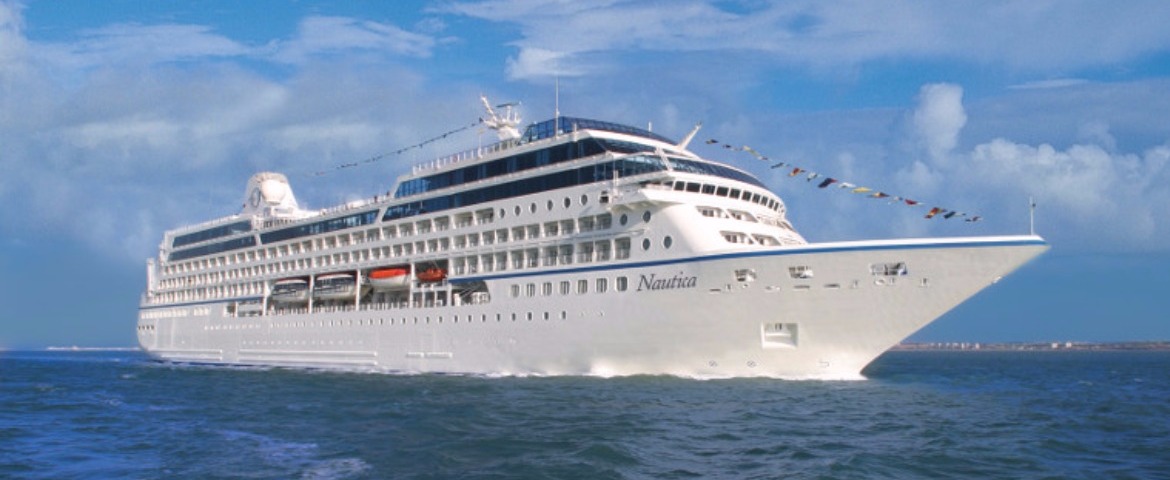
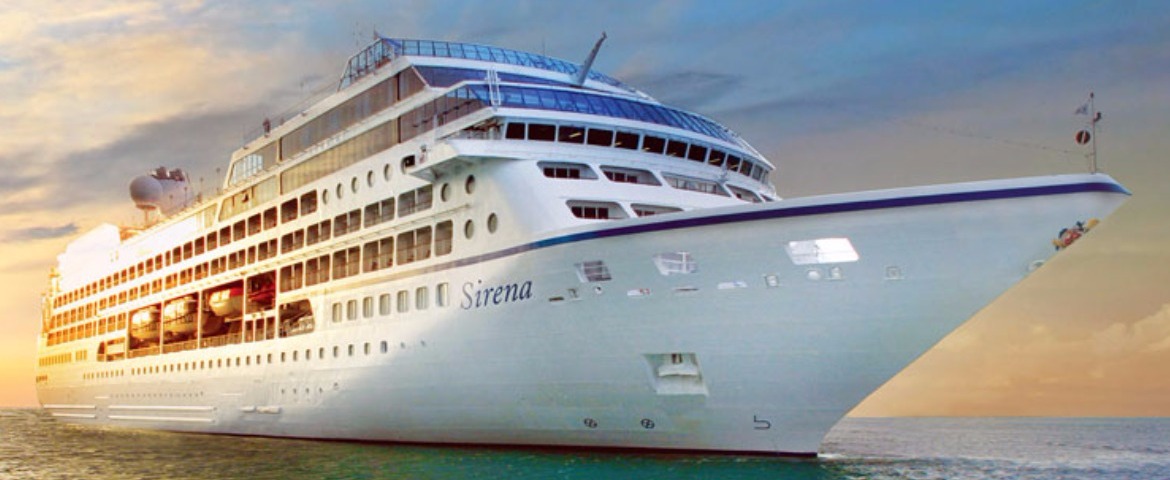
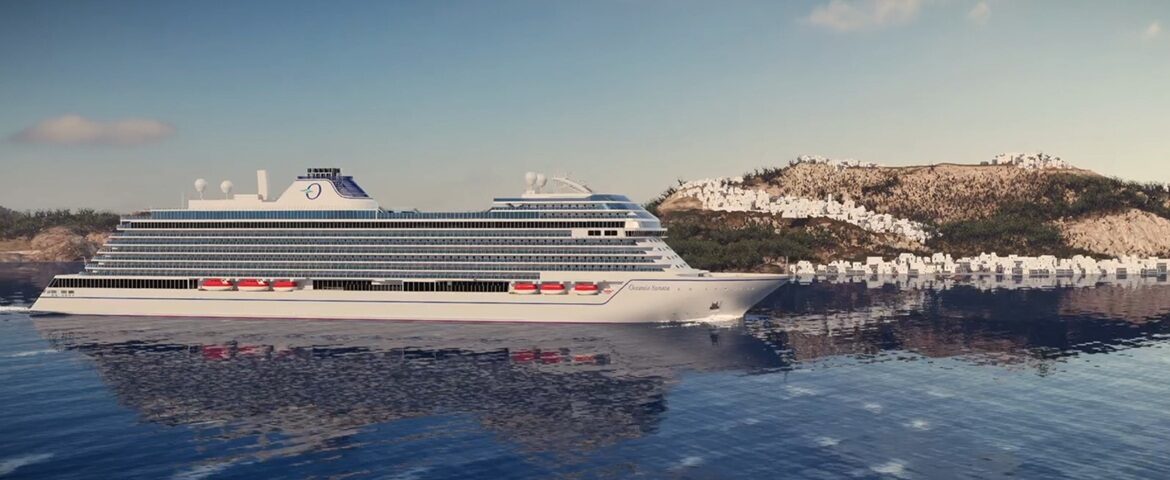
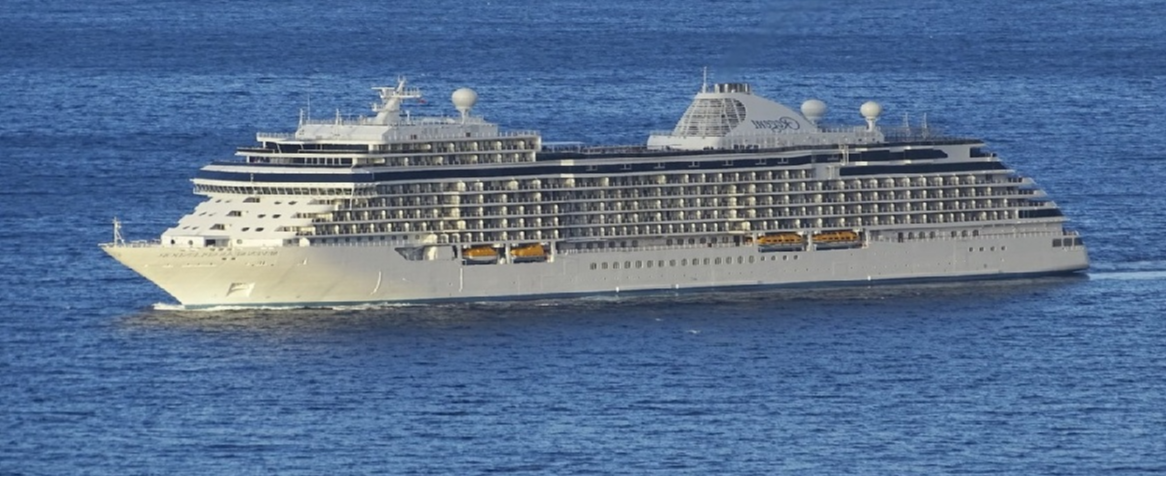
Regent Seven Seas Cruises (9 Cruises)
Seven Seas Grandeur
7 Cruises

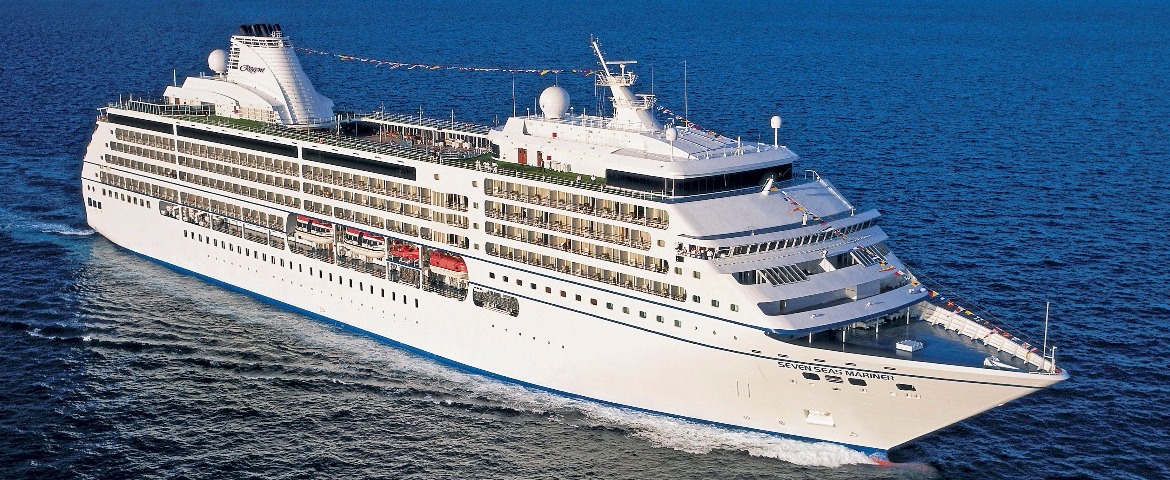
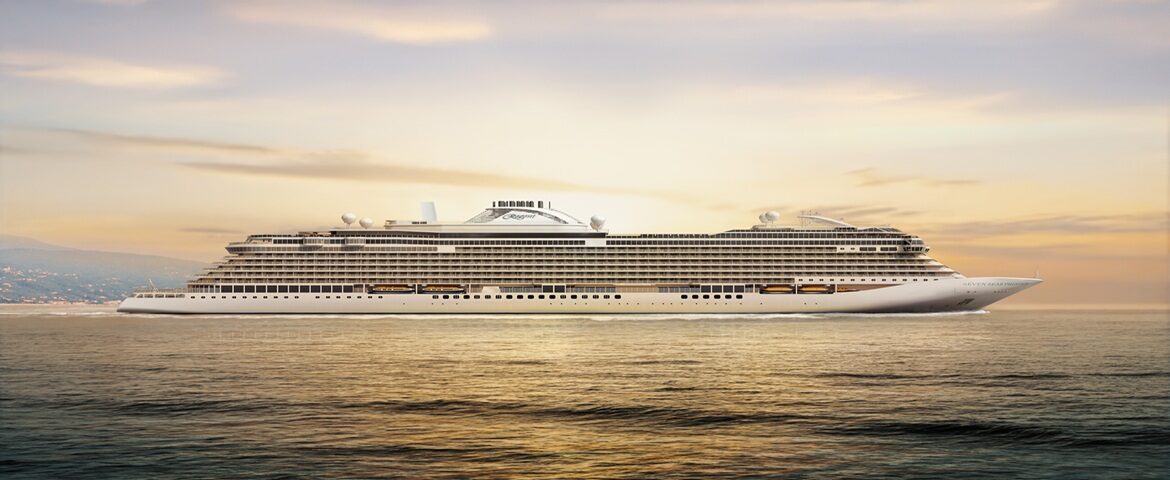
Royal Caribbean Cruises (10 Cruises)



Vision of the Seas
8 Cruises

SeaDream Yacht Club (1 Cruises)
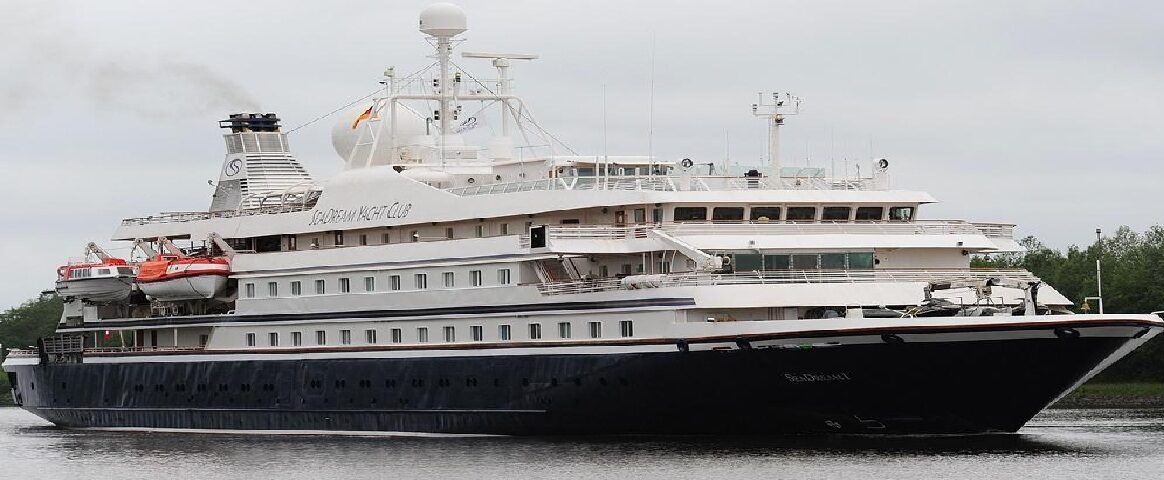

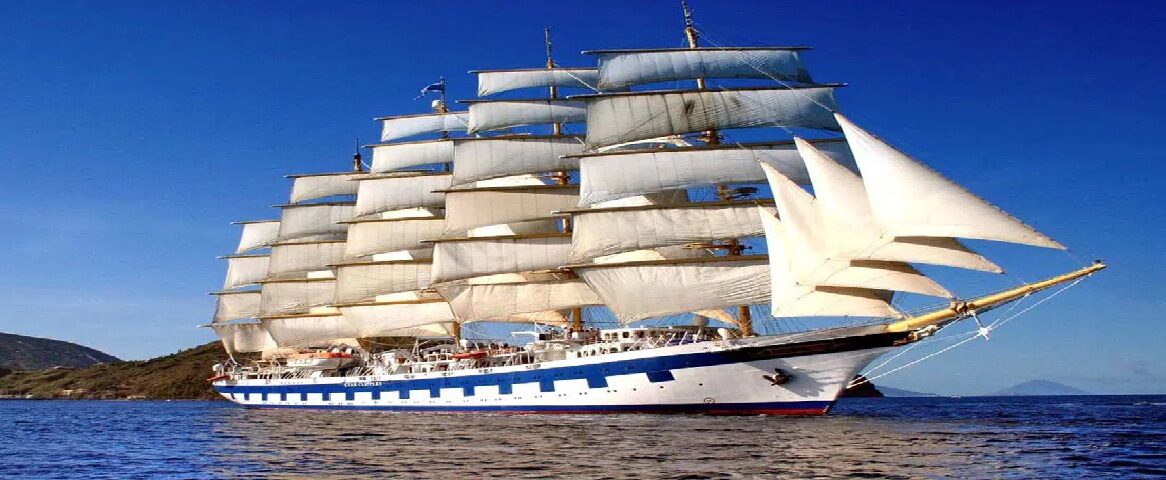
Star Clippers (17 Cruises)
Royal Clipper
17 Cruises

| 9 January | 7 nights | Round-trip from Bridgetown, Barbados |
450-628-6241
Call us
|
| 23 January | 7 nights | Round-trip from Bridgetown, Barbados |
450-628-6241
Call us
|
| 6 February | 7 nights | Round-trip from Bridgetown, Barbados |
450-628-6241
Call us
|
| 20 February | 7 nights | Round-trip from Bridgetown, Barbados |
450-628-6241
Call us
|
| 8 January | 7 nights | Round-trip from Bridgetown, Barbados |
450-628-6241
Call us
|
| 22 January | 7 nights | Round-trip from Bridgetown, Barbados |
450-628-6241
Call us
|

Port of Kingstown, Saint Vincent and the Grenadines | Cruise Port Guide
Frequently Asked Questions
At a modern terminal five to ten minutes on foot from the town centre. It is one of the few Windward Islands ports where no transport is needed to step straight into the life of the capital: you walk out of the terminal gates and the streets climb gently towards the market.
Because more than 400 stone arches support its covered sidewalks. It was a practical answer to the climate: merchants and dockworkers needed shade between tropical downpours. Many now shelter pharmacies, banks and fabric shops, in a cheerful mix of eras.
Arrowroot, of which Saint Vincent remains one of the world’s last producers, along with mangoes, nutmeg and fish landed that morning. A modern fish market, a gift of Japanese cooperation, adjoins the main stalls, where tuna is cut up in full public view. On Saturdays the countryside comes down to sell its crops and the whole town converges here.
Yes. Founded in 1765, it is among the oldest in the Western Hemisphere. Under its tall mahoganies grow direct descendants of the breadfruit tree brought from Tahiti in 1793 by Captain Bligh, of Bounty mutiny fame. The conservation aviary holds the Saint Vincent parrot, an endemic species in bronze and turquoise.
About fifteen minutes on foot, or ten by taxi. The walk crosses town and presents no particular difficulty, but midday heat is heavy — going early is better.
Because the British feared uprisings by the Garifuna, the people born of Kalinago and African intermarriage, more than they feared enemy fleets. The fort, completed in the early nineteenth century, stands about 180 metres above the harbour. The guardhouse rooms tell that story and the view runs to Bequia on a clear day. Ten minutes by taxi from the port, up a steep road.
The market and the arcaded streets fill the first hour, the two cathedrals the next, then the botanical garden on foot. If you prefer a view, take a taxi to Fort Charlotte instead of the garden. Both fit into a well-managed call, provided you do not linger at the market.
Their contrast, one street apart. Anglican St. George’s, consecrated in 1820, is classically restrained. Catholic St. Mary of the Assumption has piled up turrets, battlements and Flemish, Romanesque and Moorish arches since the 1930s, in an assembly found nowhere else in the Caribbean.
No, and it is worth knowing before you disembark. Kingstown is a working capital that trades and talks loudly; the day plays out in town, at the garden or at the fort. Saint Vincent has beaches, but reaching them requires a transfer and costs you the point of the call, which is the city itself.
The East Caribbean dollar is official and US dollars are accepted in town. English is spoken. Banks and ATMs sit under the arcades in the centre, a few minutes from the terminal.


