Scarborough Tobago
Trinidad & Tobago
91
Cruises availables
At departure or passage at this port
Azamara Club Cruises (46 Cruises)
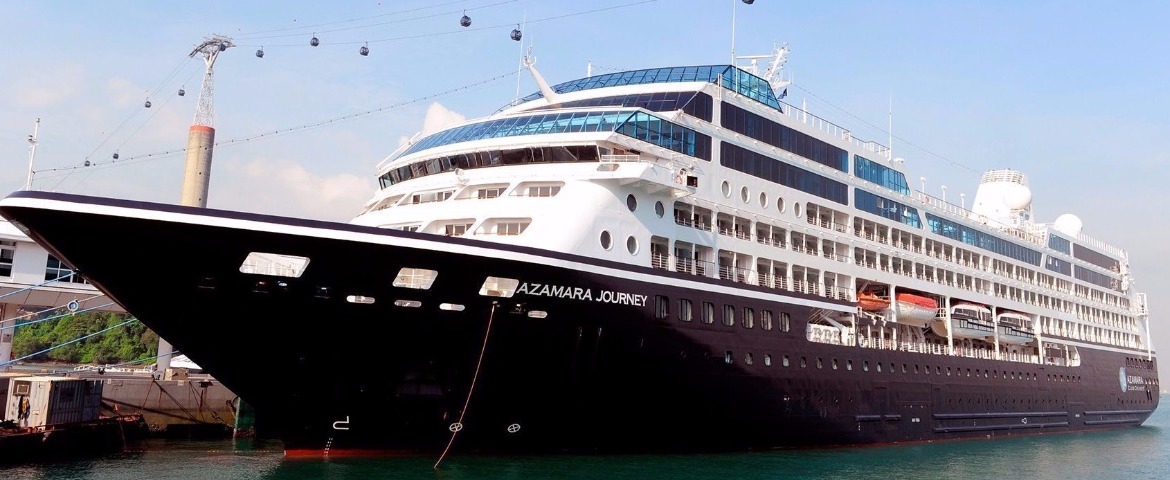
Azamara Journey
19 Cruises

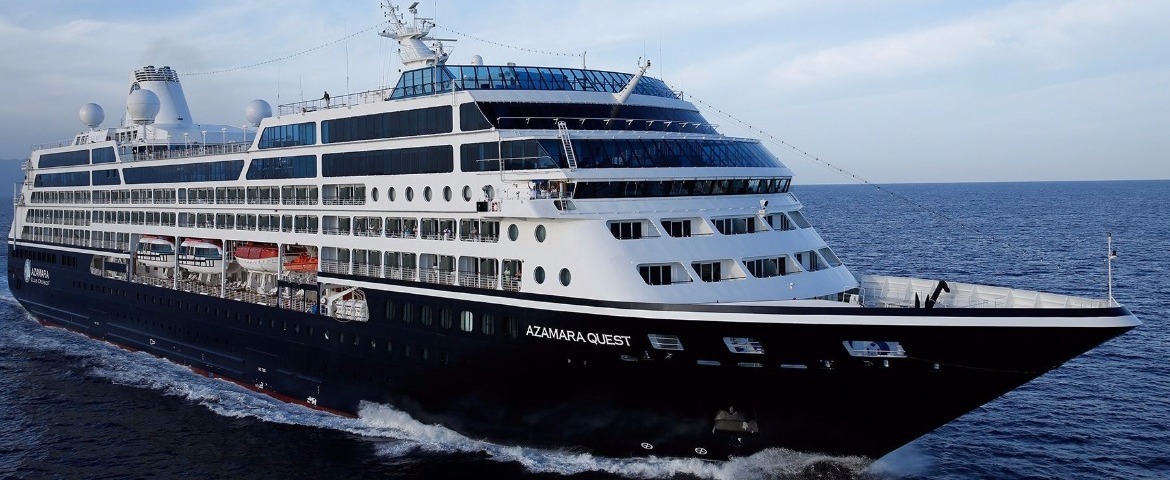
Azamara Quest
27 Cruises
| 28 October | 25 days | One-way from New York to San Juan |
450-628-6241
Call us
|
| 28 October | 18 days | One-way from New York to Bridgetown |
450-628-6241
Call us
|
Crystal Cruises (13 Cruises)
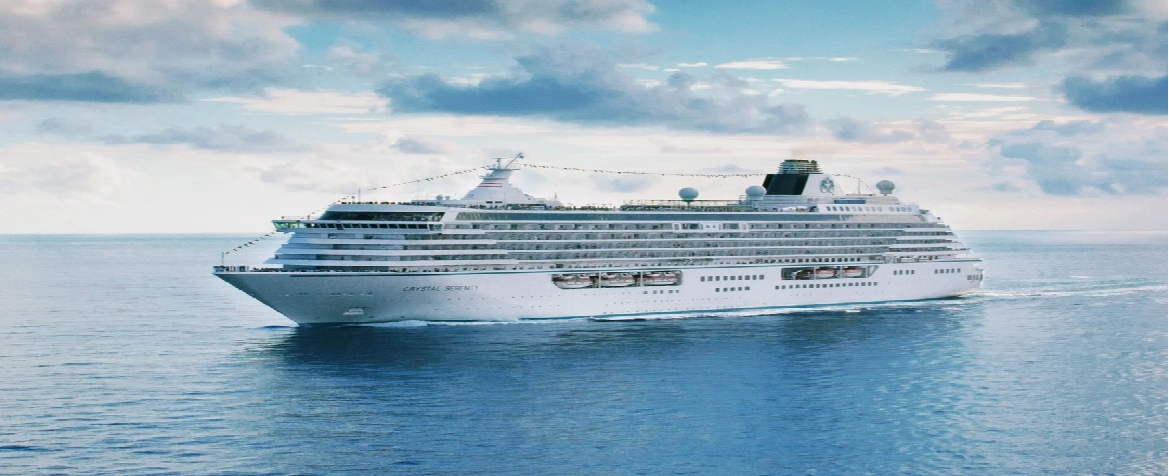
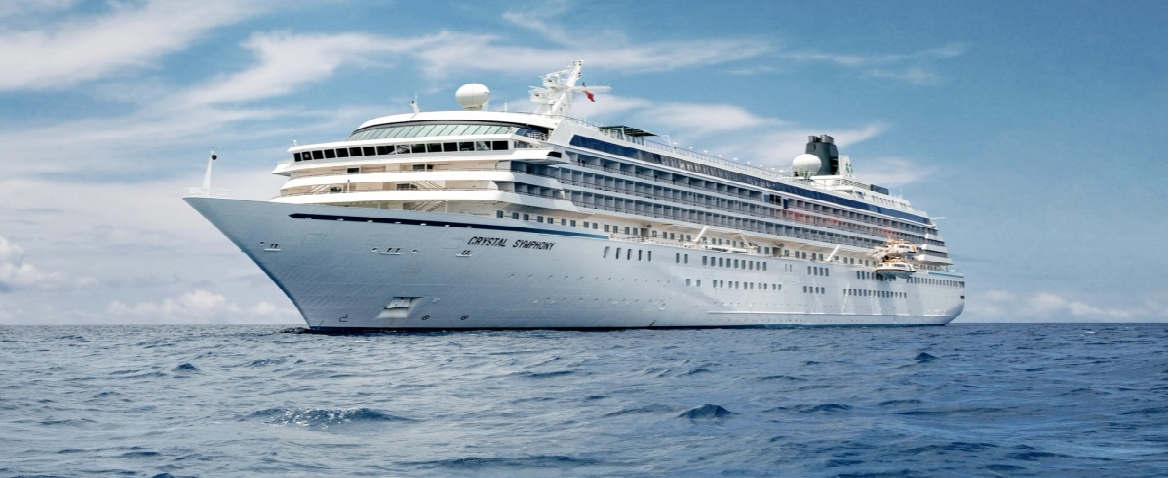
Crystal Serenity
10 Cruises

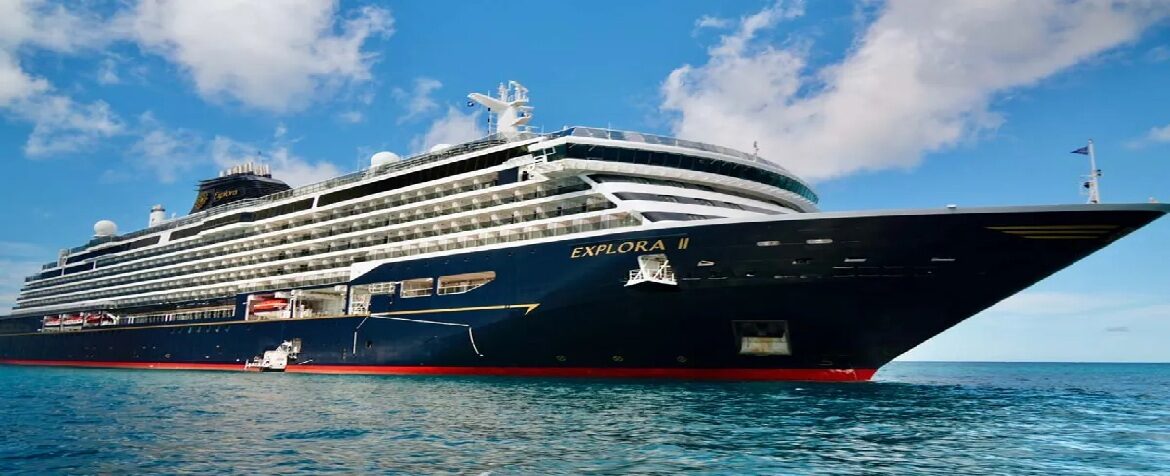
Explora Journeys (2 Cruises)

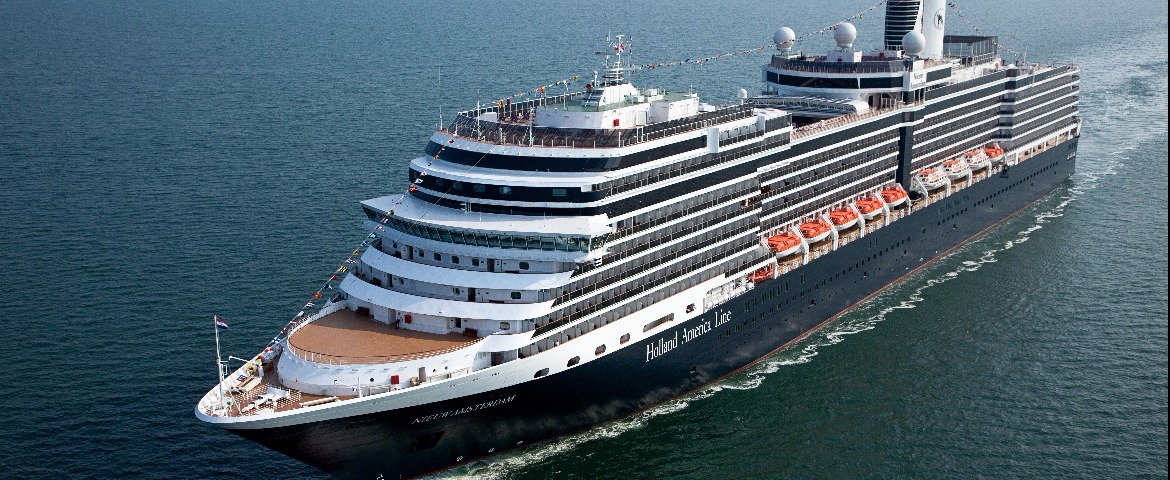
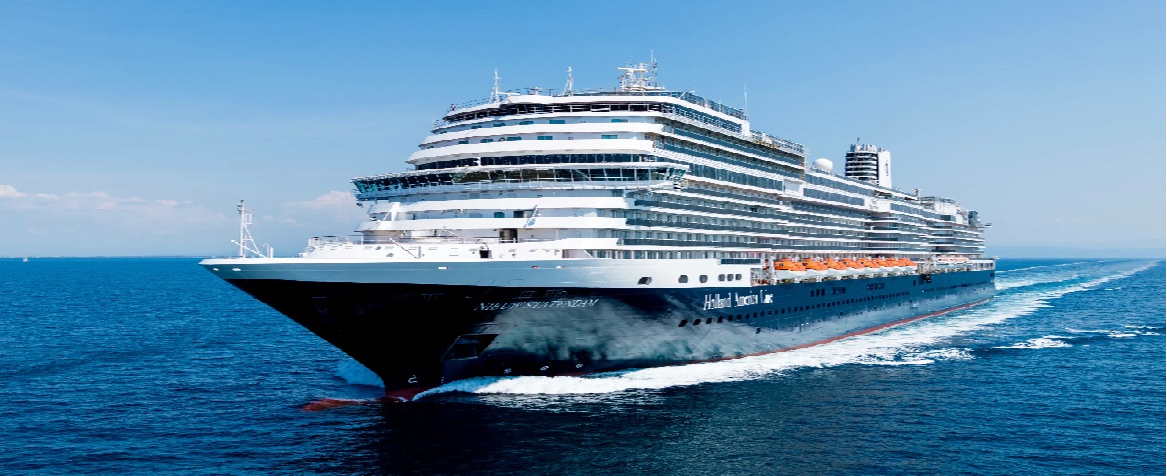
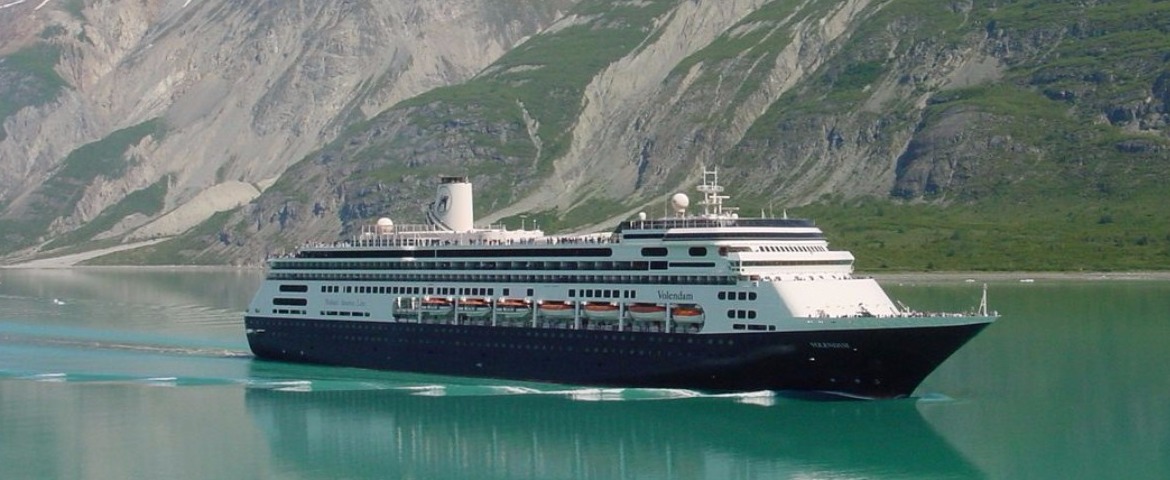
Holland America Line (12 Cruises)

Oceania Cruises (5 Cruises)
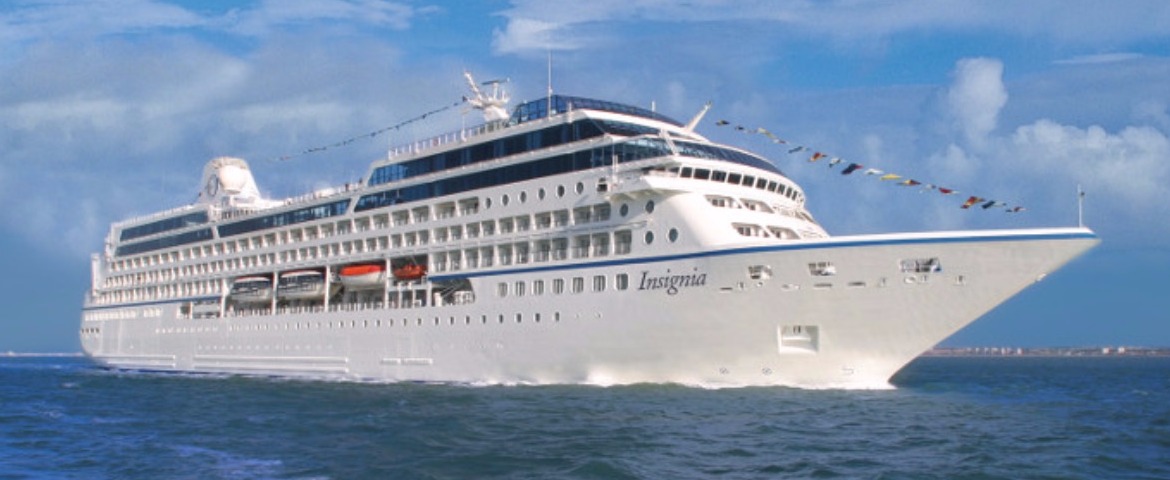
Oceania Insignia
5 Cruises




Seabourn Cruise Line (3 Cruises)

Viking Ocean Cruises (2 Cruises)
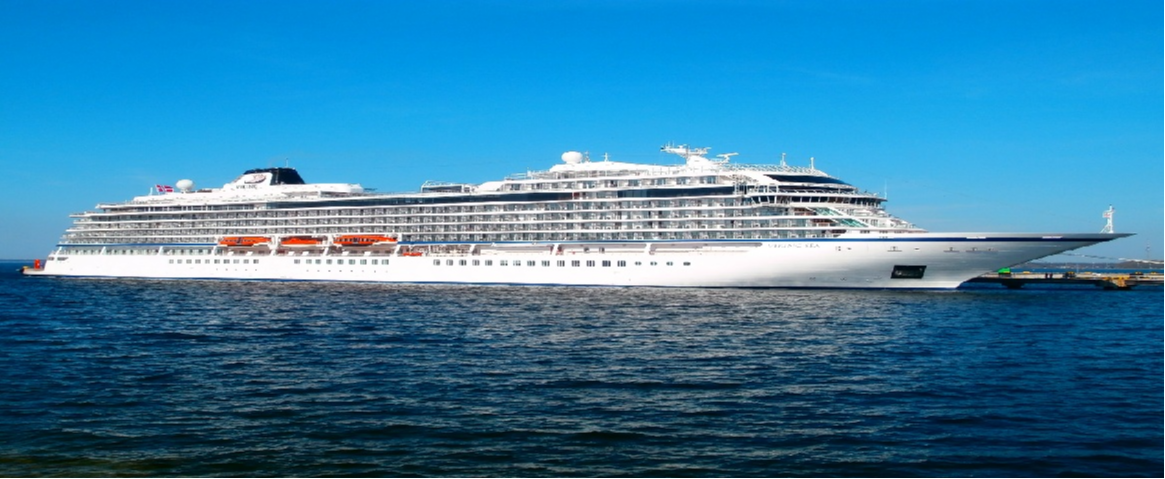

Windstar Cruises (6 Cruises)
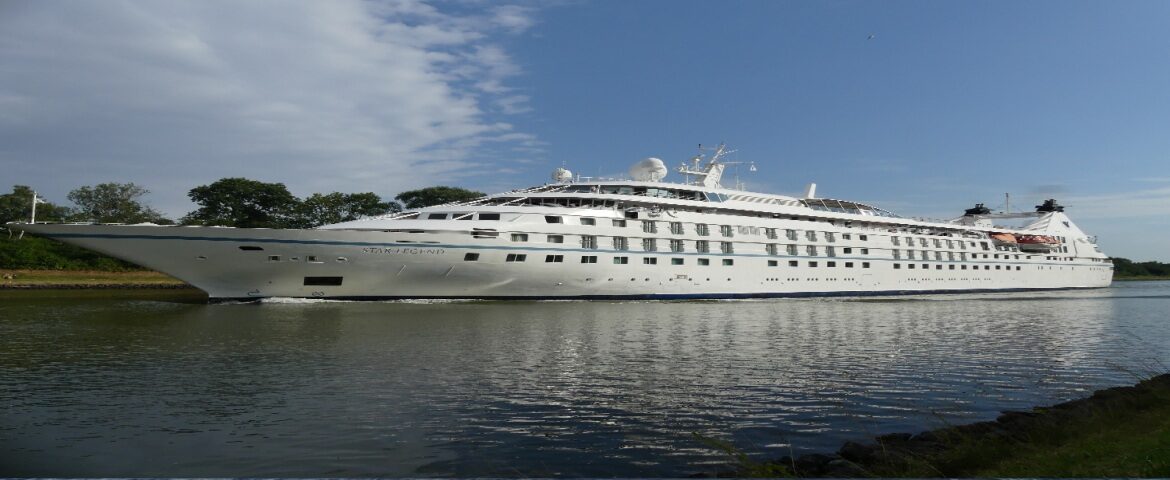
Star Legend
6 Cruises

| 27 November | 15 days | One-way from Bridgetown to Oranjestad Aruba |
450-628-6241
Call us
|
| 27 November | 16 days | One-way from Bridgetown to Oranjestad Aruba |
450-628-6241
Call us
|

Port of Scarborough, Trinidad and Tobago | Cruise Port Guide
Frequently Asked Questions
At a terminal set directly on the waterfront of Tobago's small capital. No shuttle, no waiting: the gangway leads straight to the market, the sloping streets and the ordinary life of an island capital of some 17,000 people.
The market, 250 metres from the terminal, and the botanical gardens, a ten-minute walk away. Fort King George, about two kilometres off, is also walkable in a hard half-hour, but the climb is steep: in real heat, the seven-minute taxi is easily justified.
Peppers, sweet potatoes, cocoa beans and bunches of fresh thyme, plus the local sweets: candied tamarind, coconut sugar, ginger candy. Spices, hot sauces and local chocolate travel very well in a suitcase, and the homemade sauces sold in reused jars make memorable gifts.
A military complex built in the 1770s, two hundred metres above the town: stone barracks, powder magazine, military hospital and a row of cannon under frangipani trees. The Tobago Museum, housed in the old guardhouse, displays Amerindian amulets, old maps and plantation-era documents.
Yes, it's the best panorama in the southern half of the island. The view takes in the Atlantic coast and the red roofs of the capital, and on a clear day you can make out Trinidad to the southwest. The cannon still face the sea, as in the days when the French and British fought over the island.
The market first, then Fort King George and its museum, with a stop at the botanical gardens on the way back. Those who want the beach take a taxi west instead: you have to choose, as both won't fit into an ordinary call.
On the west end of the island. Store Bay, about twenty minutes by taxi, is lined with curried crab huts and clear water; next door, Pigeon Point Heritage Park offers Tobago's postcard setting. Agree the fare and the return time with your driver before setting off.
For a breather, yes. Laid out on a former sugar plantation turned public park in the late 19th century, they shade terraced lawns with flamboyants, royal palms and cannonball trees, where locals come to eat their lunch. Entry is free.
The Trinidad and Tobago dollar. The terminal and a few restaurants take cards, but the market, taxis and the Store Bay huts are cash only. Withdraw or change before leaving the port area.
More than thirty, a regional record. French, British, Dutch, Courlander and Spanish rulers followed one another, and Fort King George bears the traces. That history explains the mix of English, French and Dutch place names still readable on the island's signposts.


