Antalya Turkey
Turkey
56
Cruises availables
At departure or passage at this port
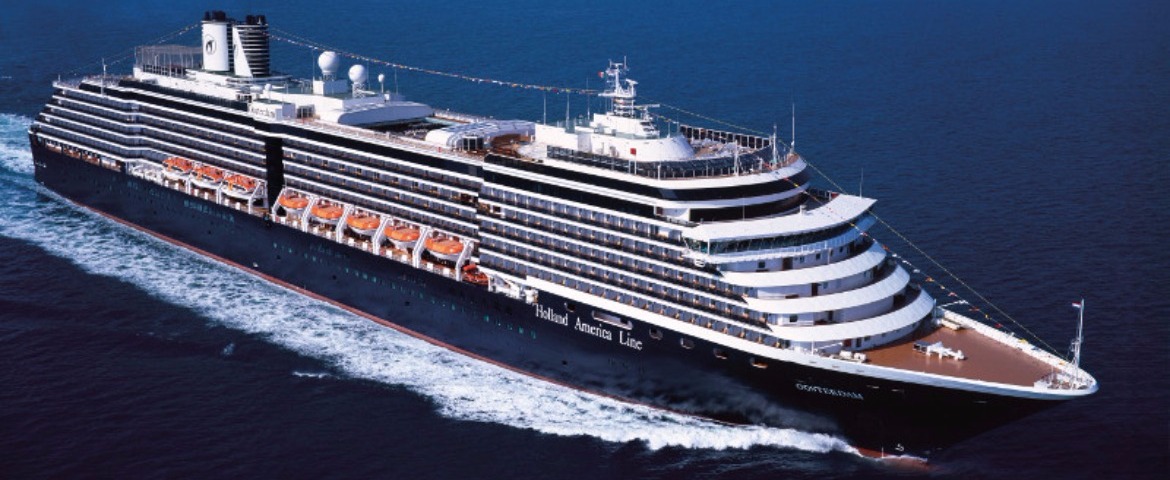
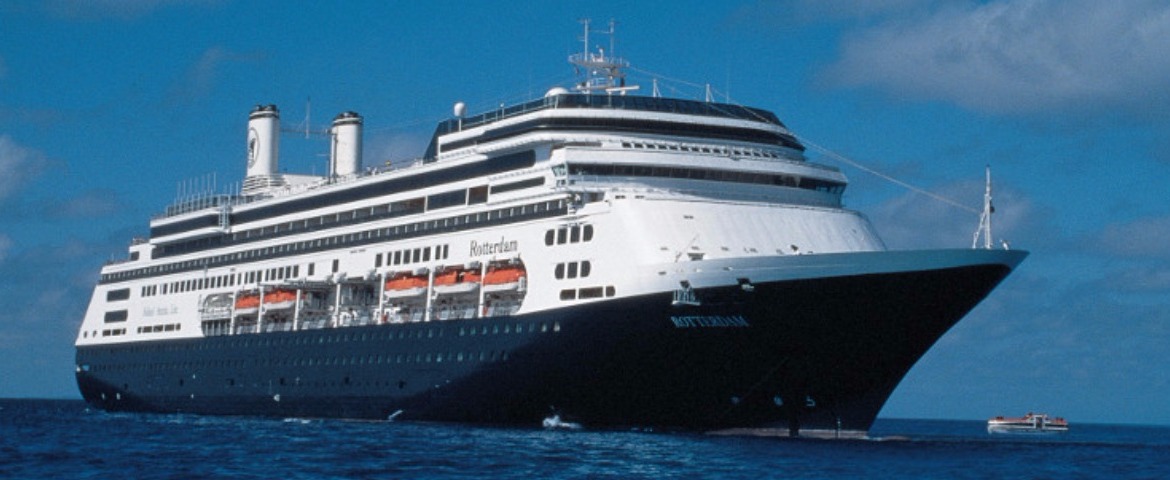
Azamara Club Cruises (25 Cruises)
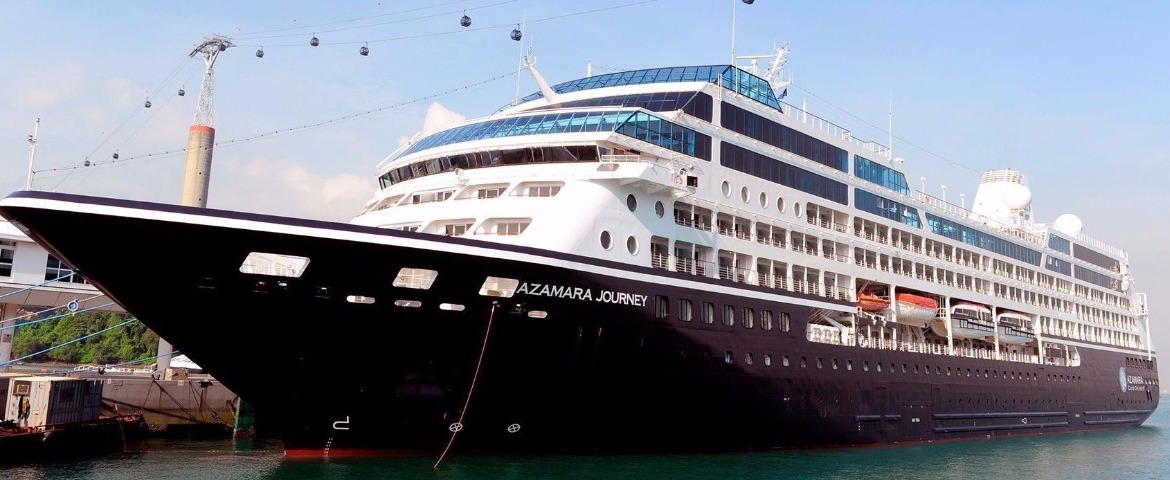
Azamara Journey
20 Cruises

| 31 October | 21 days | One-way from Barcelona to Piraeus-Athens |
450-628-6241
Call us
|
| 31 October | 21 days | One-way from Barcelona to Piraeus-Athens |
450-628-6241
Call us
|
| 22 January | 50 days | One-way from Lisbon to Barcelona |
450-628-6241
Call us
|
| 22 January | 49 days | One-way from Lisbon to Barcelona |
450-628-6241
Call us
|
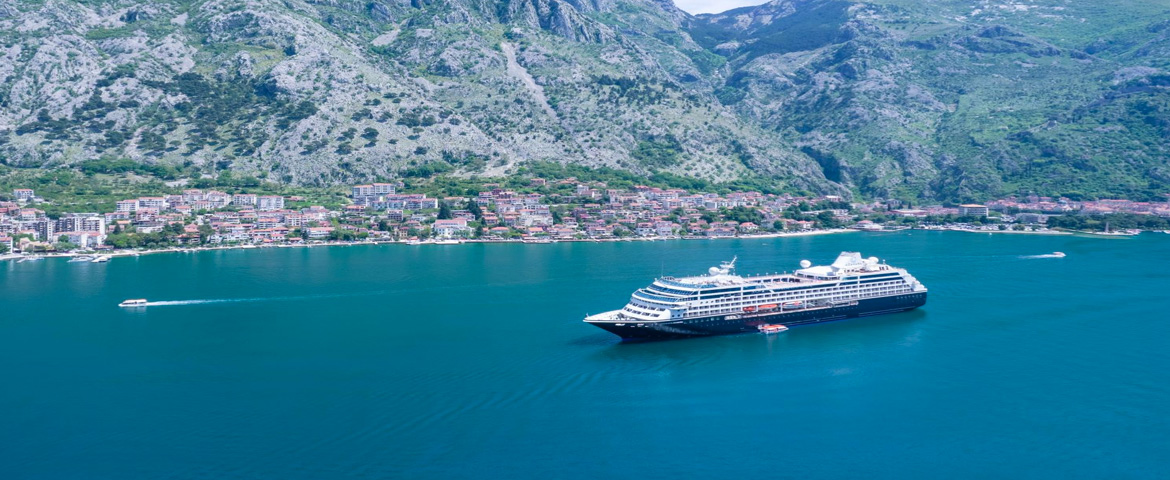
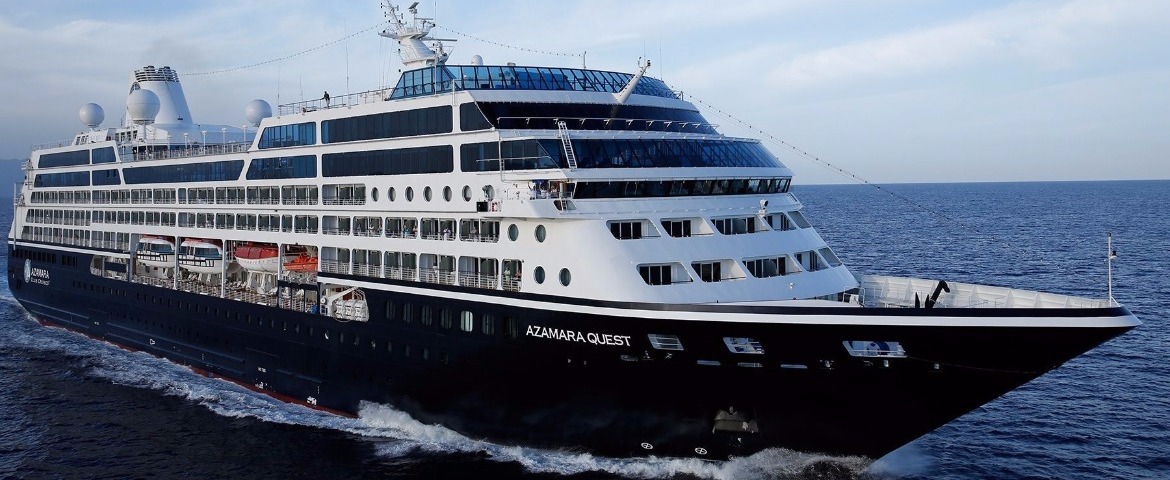
Azamara Onward
4 Cruises
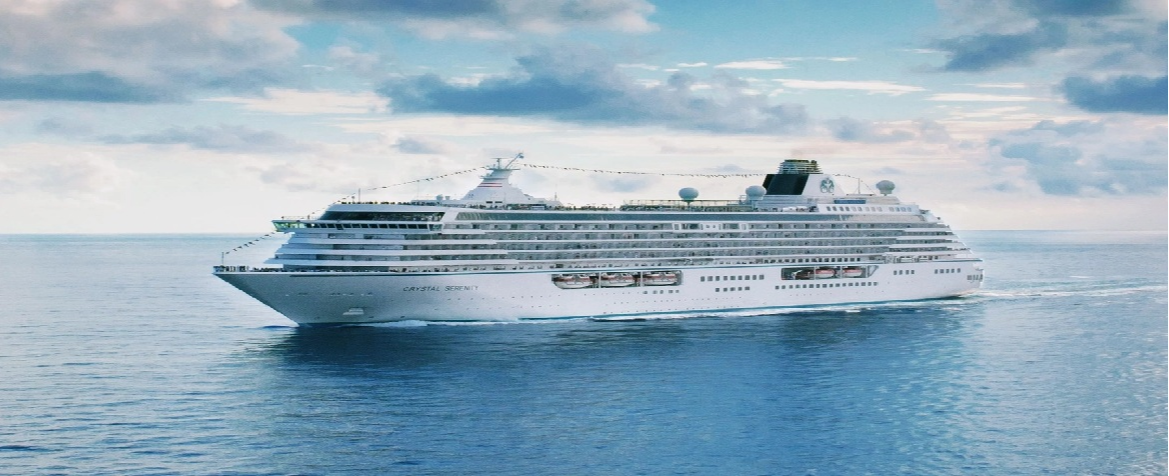
Crystal Cruises (1 Cruises)

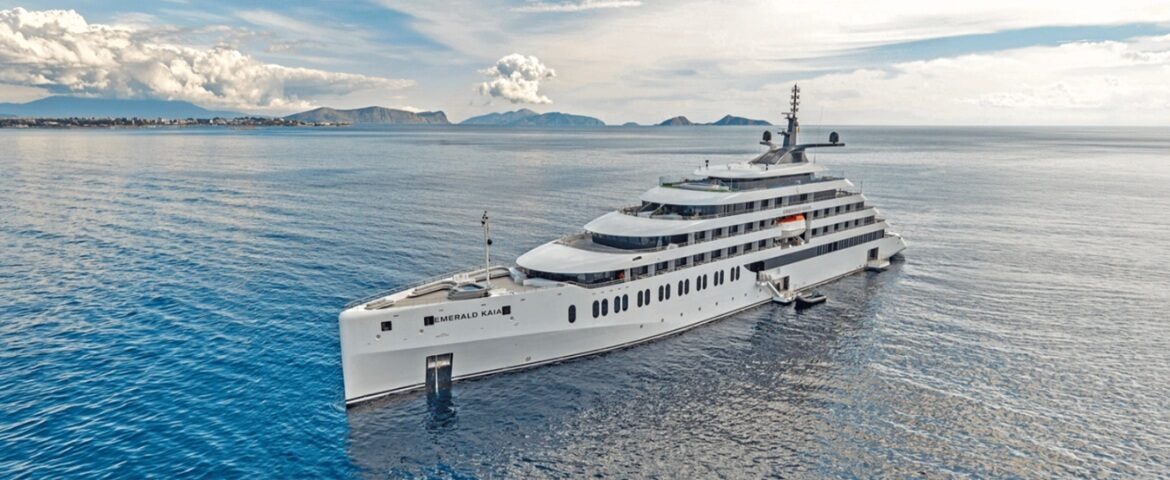
Emerald Waterways (3 Cruises)


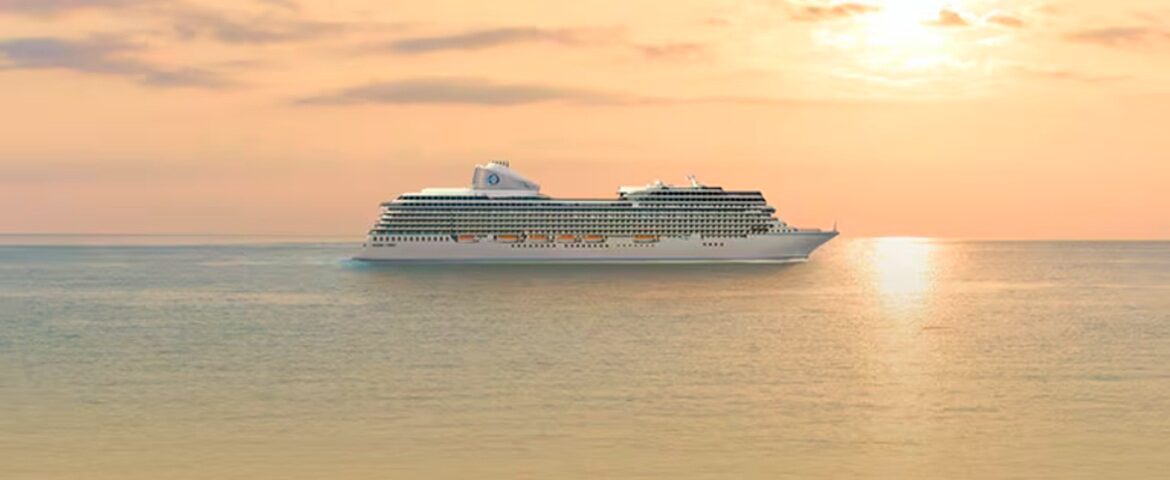
Oceania Cruises (9 Cruises)

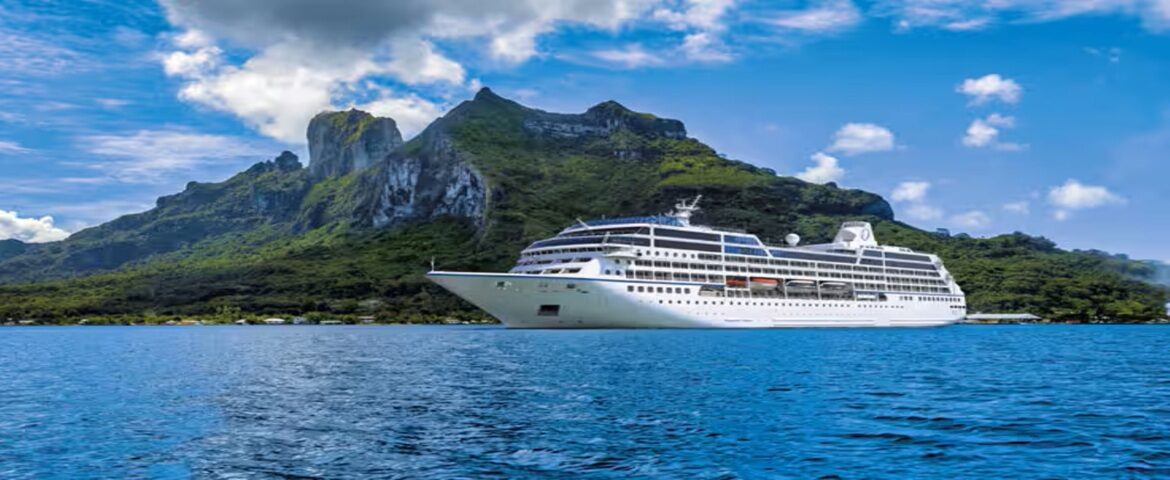
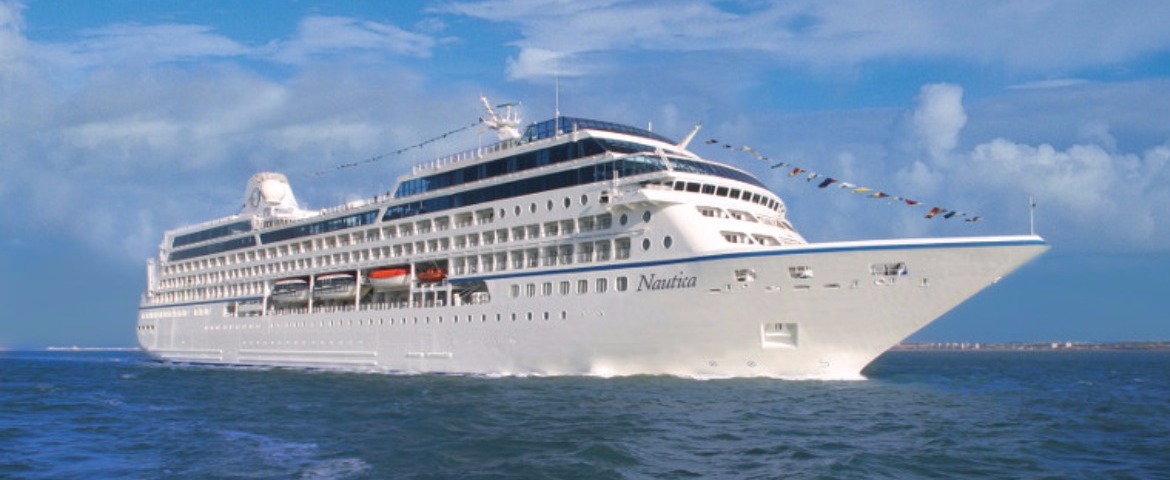
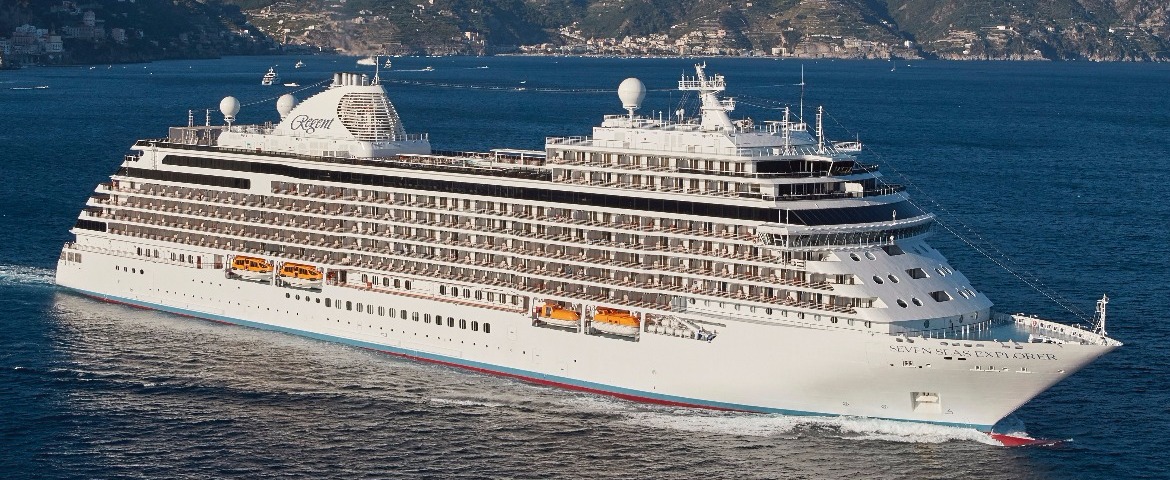
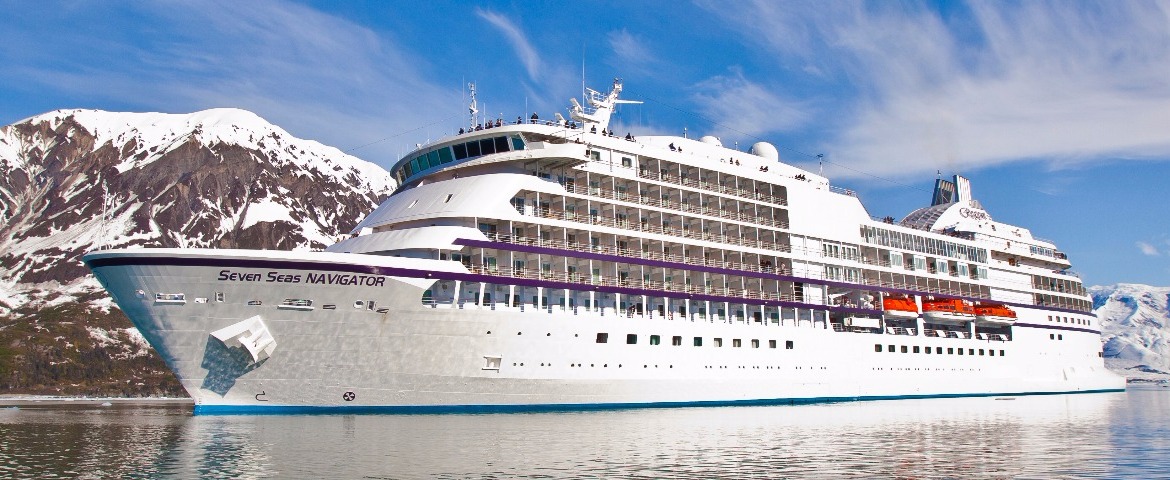
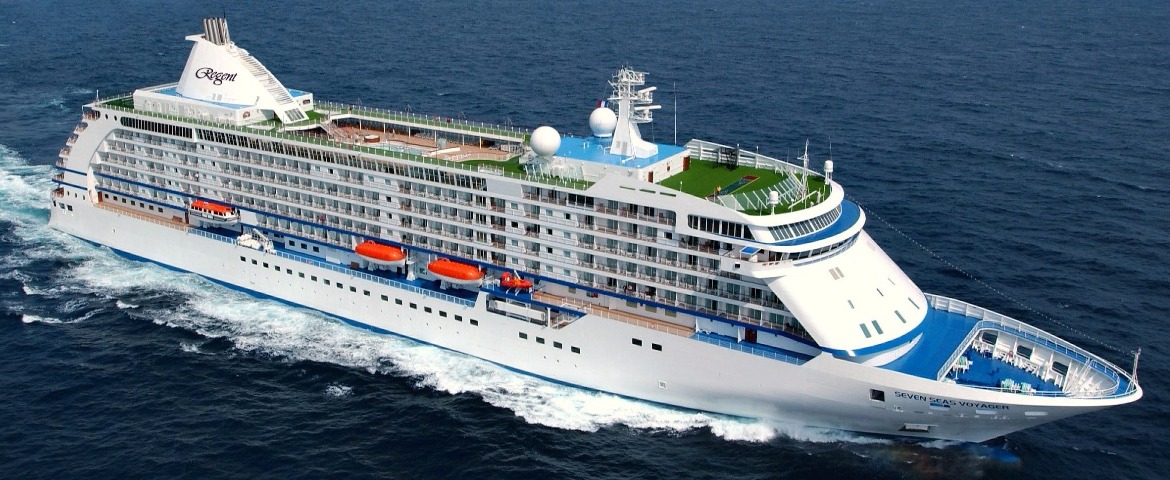
Regent Seven Seas Cruises (6 Cruises)
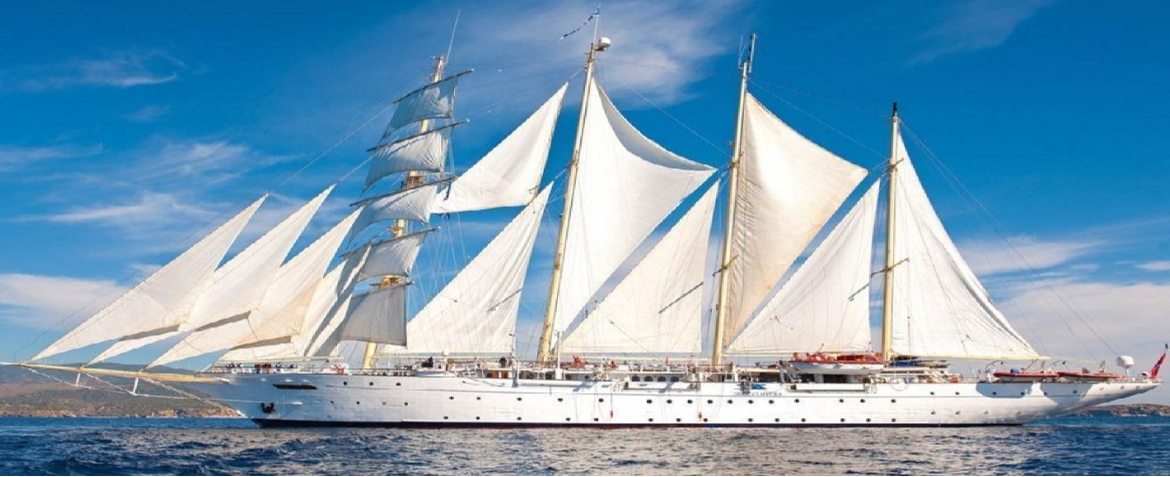
Star Clippers (8 Cruises)
Star Flyer
8 Cruises

| 29 May | 12 days | One-way from Istanbul to Antalya |
450-628-6241
Call us
|
| 29 May | 11 days | One-way from Istanbul to Antalya |
450-628-6241
Call us
|
| 9 June | 10 days | One-way from Antalya to Istanbul |
450-628-6241
Call us
|
| 9 June | 11 days | One-way from Antalya to Istanbul |
450-628-6241
Call us
|
Frequently Asked Questions
At the maritime terminal, about twelve kilometres west of the centre. Cruise line shuttles and taxis cover the distance in around twenty minutes. You cannot walk to the old town: build that transfer, both ways, into your plans.
The old town inside its walls, its name meaning 'within the fortress'. Cobbled lanes wind between corbelled Ottoman houses that now hold cafés, workshops and small inns with shaded courtyards. Below, the old Roman harbour, now a marina, tucks its boats beneath the ramparts.
Three marble arches set into Antalya's eastern wall, raised in AD 130 for the emperor's visit. Its paving, rutted by chariot wheels, is crossed on foot today: you enter Kaleiçi exactly as ancient travellers did, metres from a thoroughly modern shopping street.
Kaleiçi and Hadrian's Gate, the marina below, then Karaalioğlu park and the Hıdırlık tower on the clifftop. Once you're in town it is all within walking distance. Add the Antalya Museum only if the call runs beyond eight hours.
One of Turkey's richest museums, west of Karaalioğlu park: remarkably preserved statues and sarcophagi from Perge and the ancient cities of the region. Allow an hour at minimum, and note that it is a detour from the old town.
The 'truncated minaret', which sums up Antalya's history in a single building: ancient temple, then Byzantine basilica, then mosque. The layers are readable in the stone itself. It stands in Kaleiçi, on the way from the old quarter toward the cliff.
Yes, Antalya has city beaches, but they are away from the old town and time is usually short. A day call works better in Kaleiçi: the heritage is concentrated there, and the extra trip to the beach costs more than it returns.
The Turkish lira. Cards are widely accepted in this city of more than a million, restaurants, museums and shops included. Still, keep cash for taxis, pomegranate juice vendors and the small stalls of Kaleiçi.
Turkish. English, German and Russian are common in the Kaleiçi tourist area and among drivers; French is rarer. Have the terminal name written in Turkish before taking a taxi back, as the city is large.
April to June and September to October. The heat stays manageable for walking the cobbled lanes of Kaleiçi and following the clifftop. At the height of summer, the Turquoise Coast regularly passes thirty-five degrees and the old town offers little continuous shade.


