Wrangell AK Alaska, Wrangell Island
301
Cruises availables
At departure or passage at this port
American Cruise Lines (198 Cruises)
American Constellation
100 Cruises
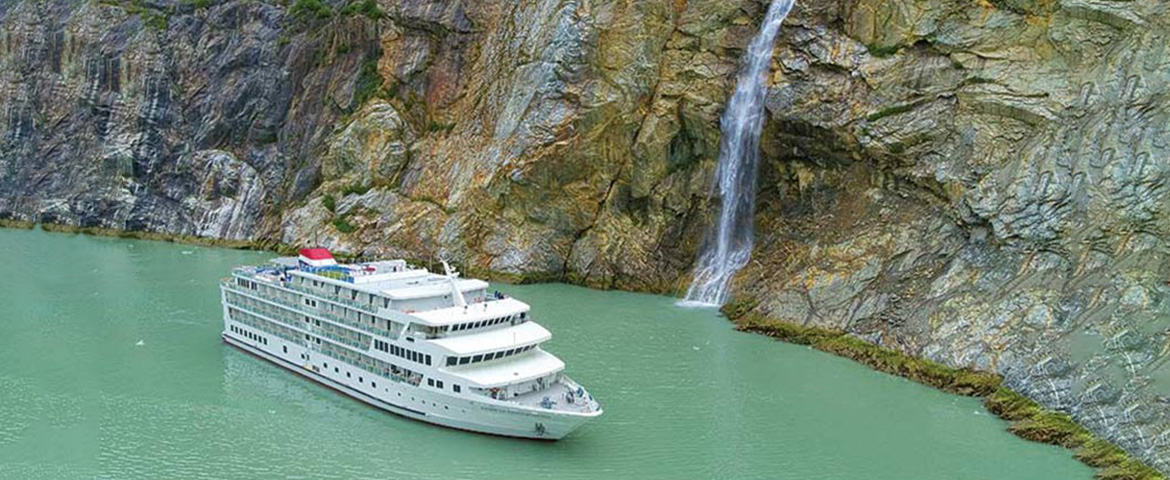

| 25 May | 15 nights | One-way from Tacoma WA to Juneau |
450-628-6241
Call us
|
| 26 May | 13 days | One-way from Tacoma WA to Juneau |
450-628-6241
Call us
|
American Constitution
98 Cruises
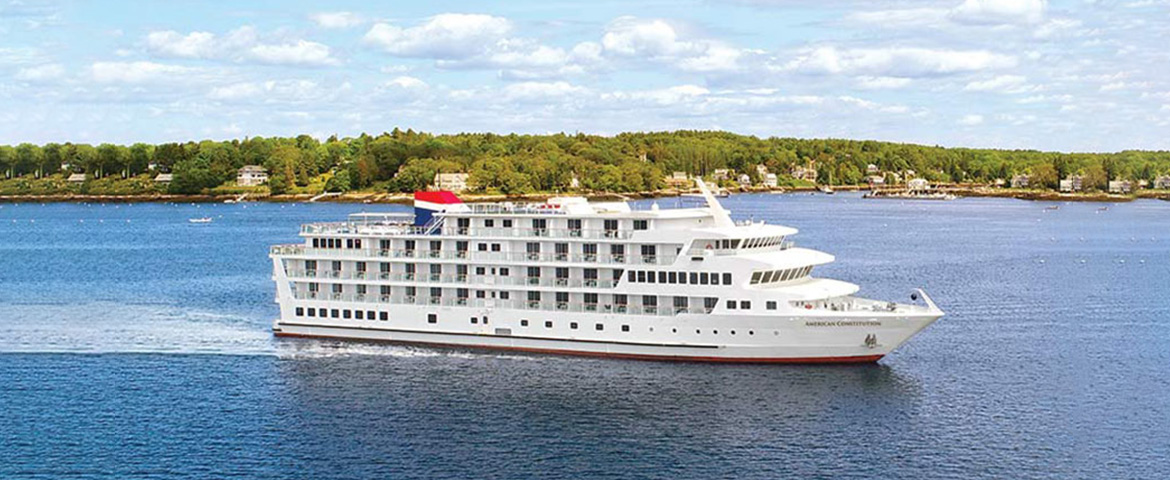
| 25 May | 15 nights | One-way from Tacoma WA to Juneau |
450-628-6241
Call us
|
| 26 May | 13 days | One-way from Tacoma WA to Juneau |
450-628-6241
Call us
|
| 24 May | 15 nights | One-way from Tacoma WA to Juneau |
450-628-6241
Call us
|
| 25 May | 13 days | One-way from Tacoma WA to Juneau |
450-628-6241
Call us
|
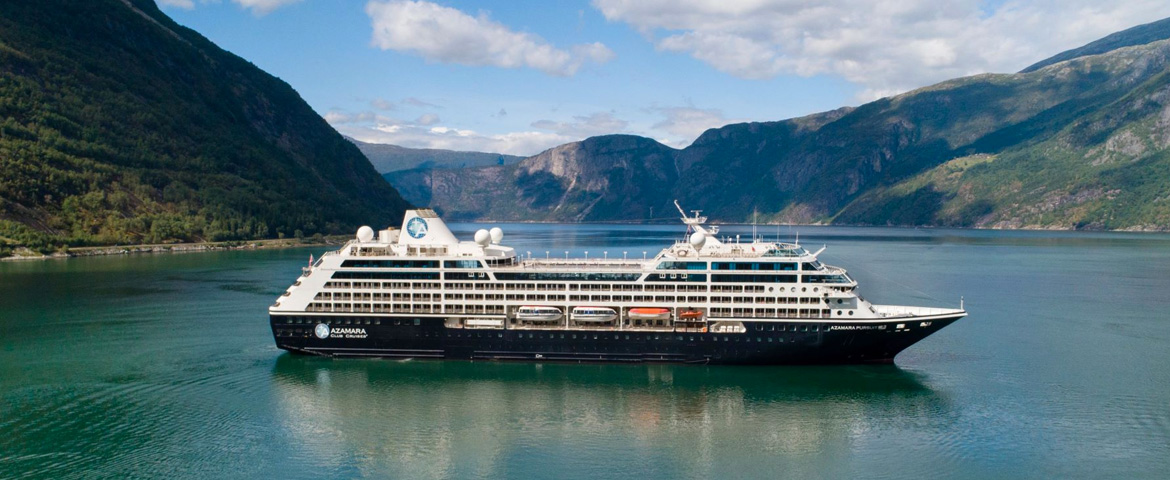
Azamara Club Cruises (6 Cruises)

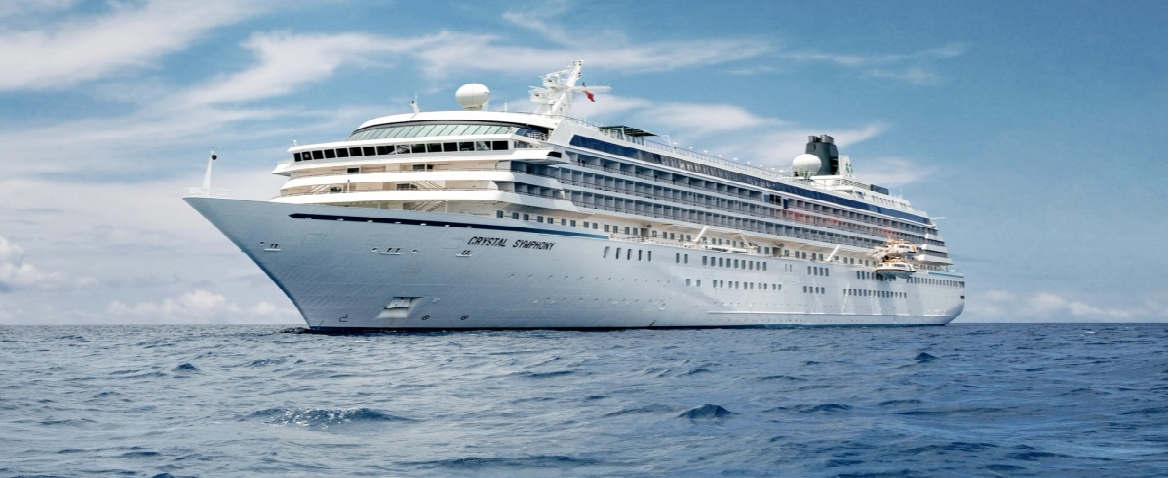
Crystal Cruises (12 Cruises)
Crystal Serenity
8 Cruises


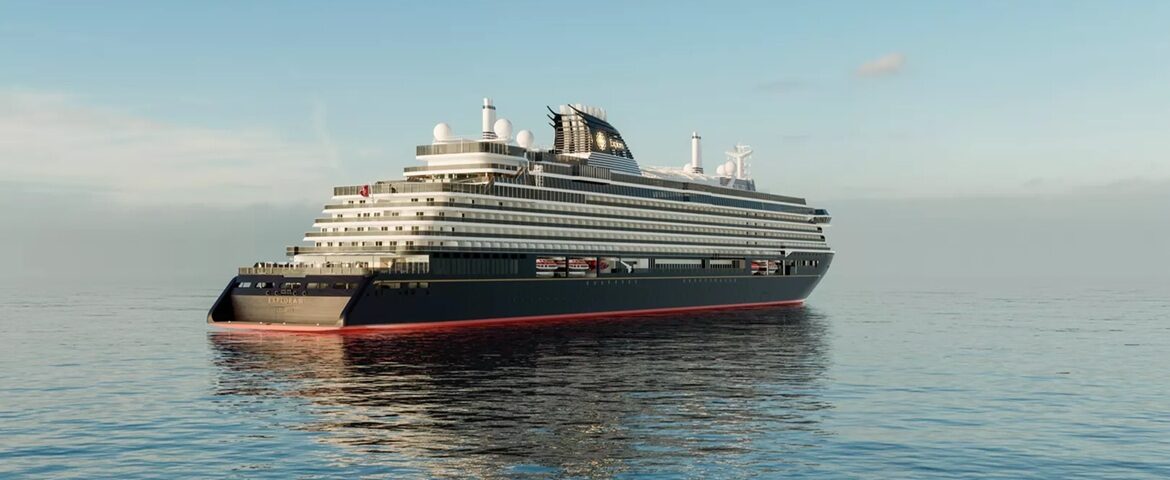
Explora Journeys (14 Cruises)
Explora III
14 Cruises

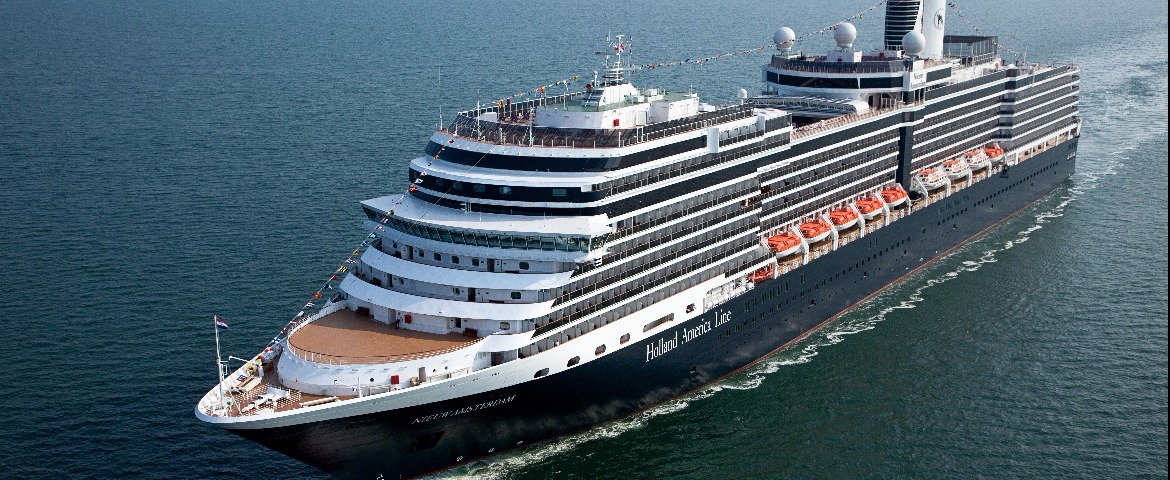
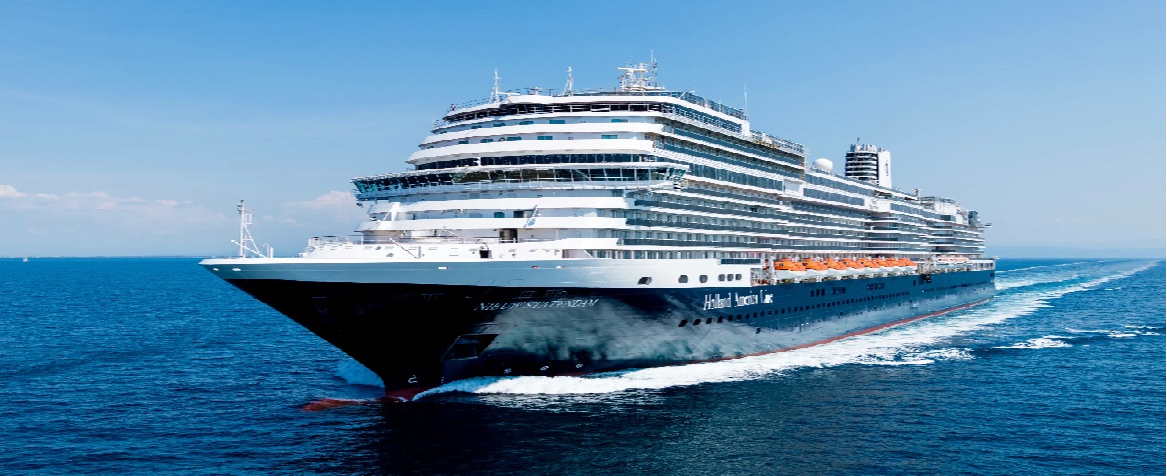
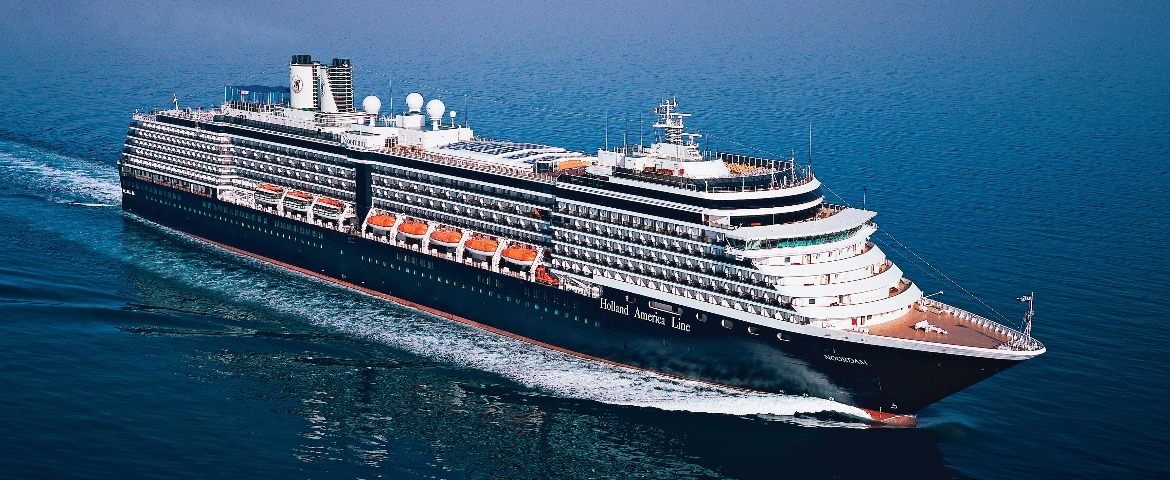
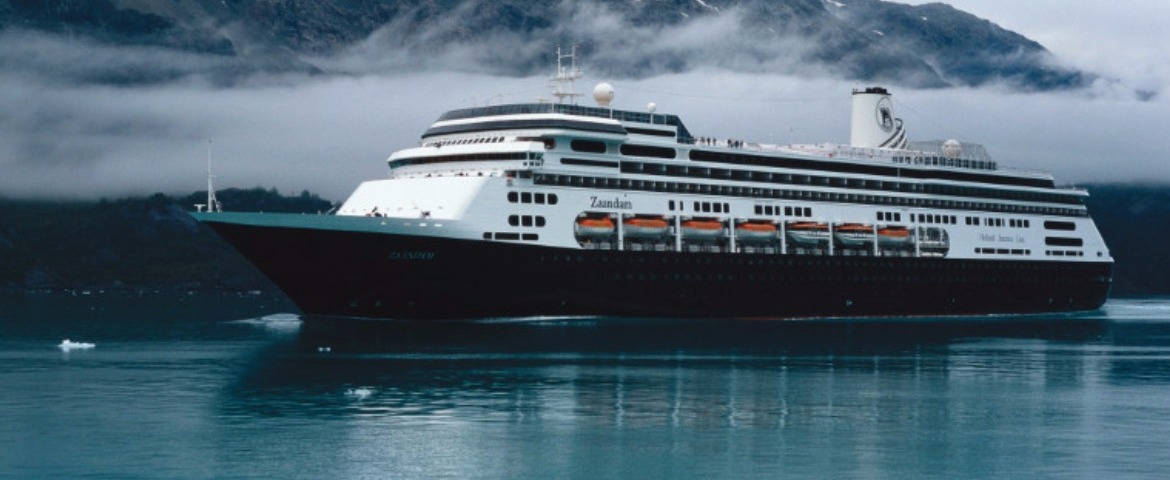
Holland America Line (5 Cruises)

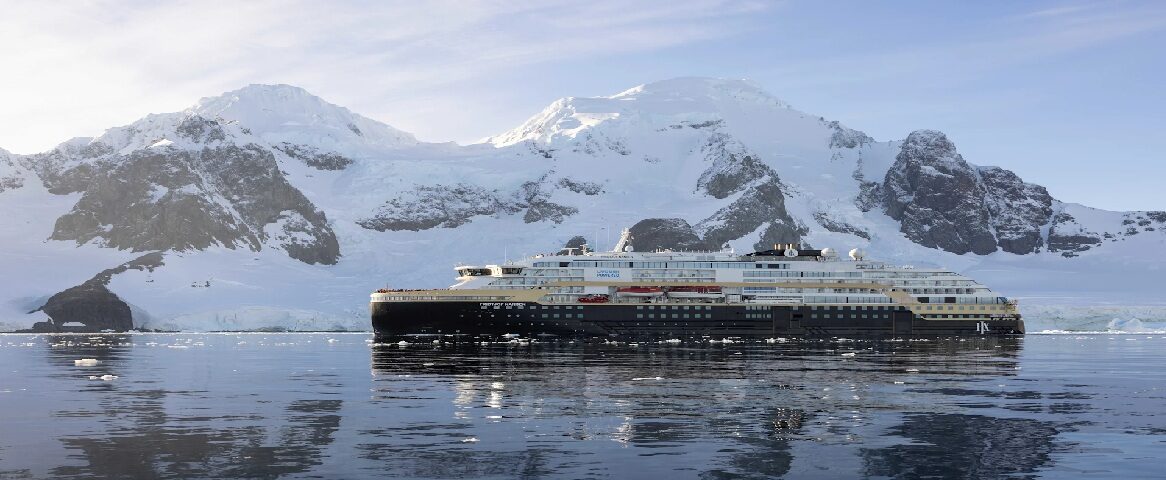
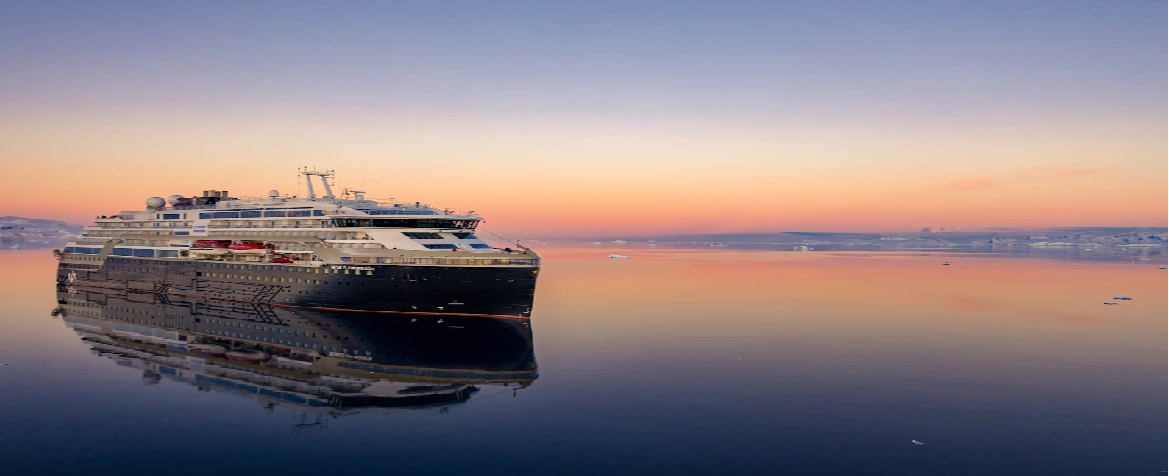
HX Expeditions (4 Cruises)

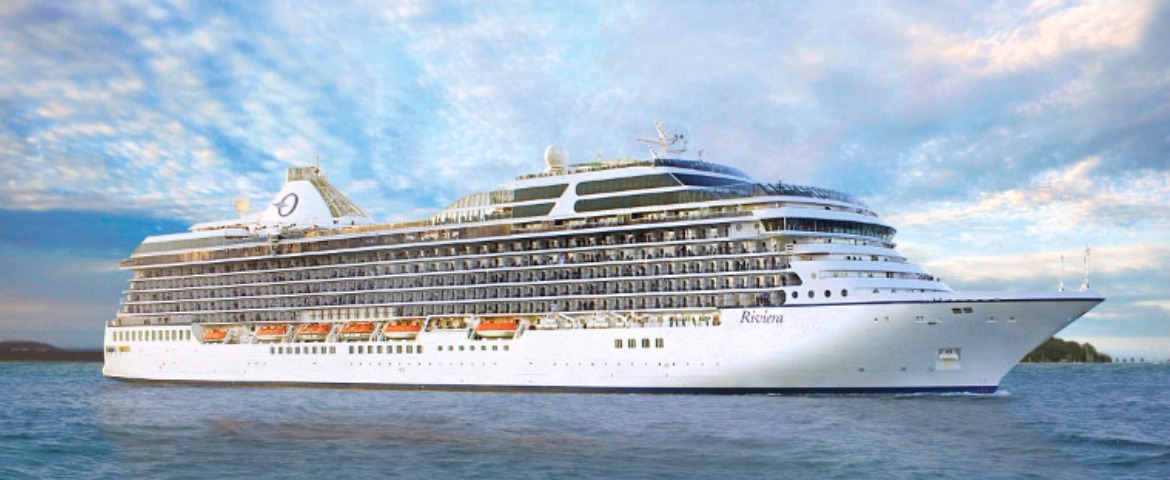
Oceania Cruises (10 Cruises)
Oceania Riviera
10 Cruises

| 13 May | 11 nights | One-way from Vancouver to Seattle |
450-628-6241
Call us
|
| 24 May | 10 nights | Round-trip from Seattle, USA |
450-628-6241
Call us
|
| 3 June | 11 nights | Round-trip from Seattle, USA |
450-628-6241
Call us
|
| 14 June | 10 nights | Round-trip from Seattle, USA |
450-628-6241
Call us
|
Princess Cruises (5 Cruises)
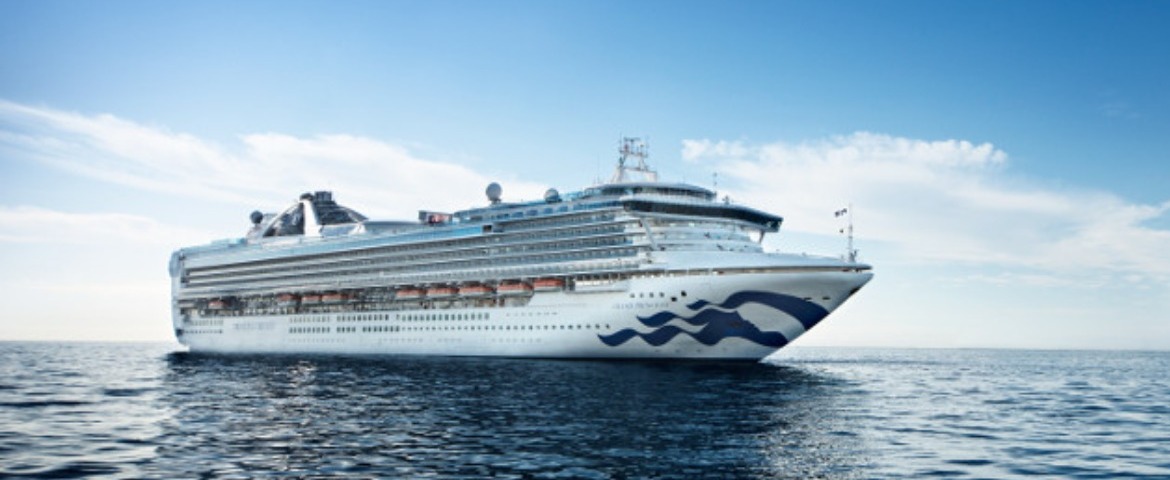
Grand Princess
5 Cruises

Seabourn Cruise Line (37 Cruises)
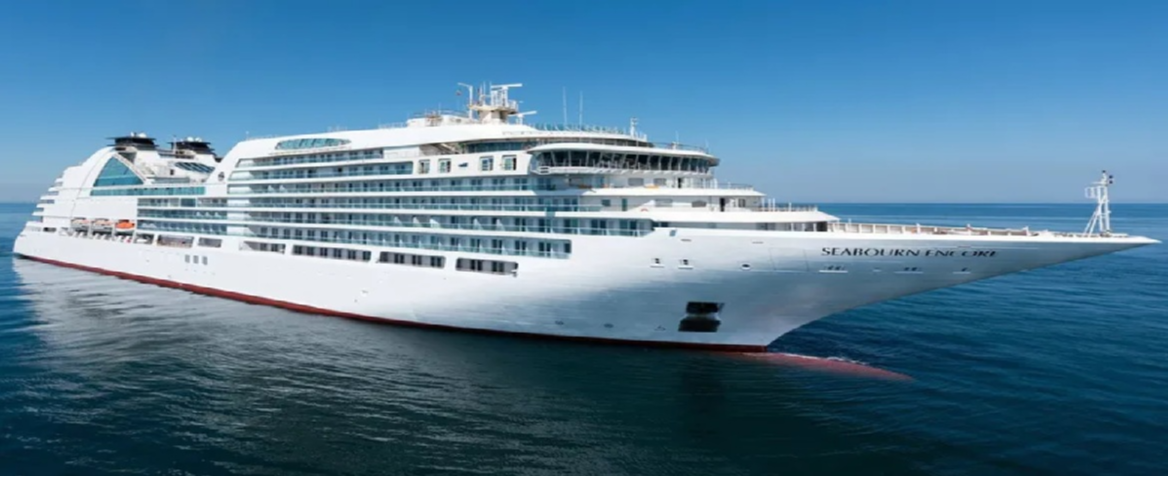
Seabourn Encore
37 Cruises



Wrangell, Alaska | Cruise Port Guide
Frequently Asked Questions
At the downtown landing, which opens straight onto Front Street, the main street. No shuttle is needed: everything that matters is within a flat, direct walk.
Because a garnet ledge was deeded to the town's youth a century ago. Children set up small tables covered with rough stones when ships arrive, and many passengers leave with a pebble in their pocket.
The town has lived under four successive authorities: Tlingit territory, fortified Russian post, British trading station leased to the Hudson's Bay Company, then American town after the 1867 purchase of Alaska. Three gold rushes later sent prospectors and adventurers up the Stikine River through its harbour.
A tiny islet in the middle of the boat harbour, reached by a wooden footbridge, where the Chief Shakes clan house stands surrounded by totem poles. Restored with the help of Tlingit carvers, it lies less than ten minutes' walk from the dock.
A beach a kilometre and a half north of the landing where some forty precontact petroglyphs surface among the rocks. Spirals, faces and sea creatures may be up to 8,000 years old. Look for them at low tide; access is free and the walk takes about twenty minutes.
Chief Shakes Island and the Nolan Center museum on foot, then Petroglyph Beach, checking the tide table. Stikine River, LeConte Glacier and Anan bear observatory trips require booking before the cruise.
The largest undammed wild river on the North American continent reaching the Pacific. Jet boats run up its delta among sandbars, seals and drowned forest.
Yes, at the Anan observatory in July and August, reached by boat or floatplane with a permit. Black bears and grizzlies fish for salmon on the same river there, a rare combination. Places are limited: book well before departure.
The US dollar and English. Keep a few bills for the children's garnets and the small shops on Front Street.
Yes. The totem poles, the petroglyph hunt on the beach and the garnets on the dock go over very well with children. At the petroglyphs, visitors are simply asked not to rub anything and to step carefully among the seaweed. The Mount Dewey trail climbs in 20 minutes to a wooded overlook above the rooftops.


