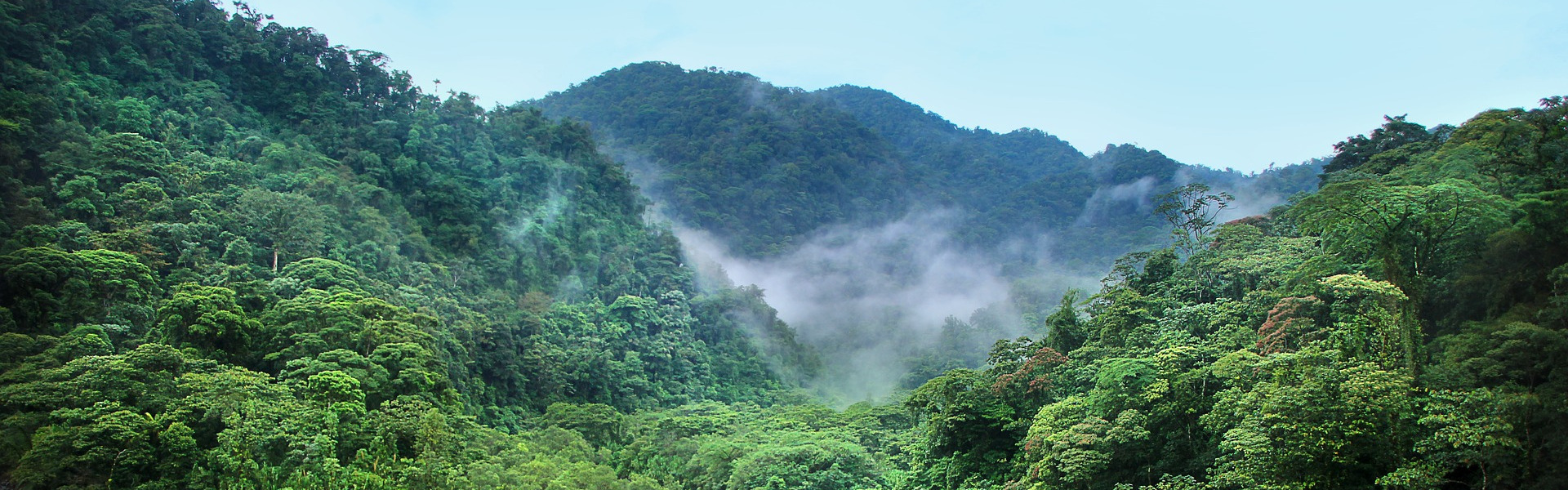
Punta Islita sits on the southwest coast of the Nicoya peninsula, at the end of a dirt road that discourages passing visitors. It is a small bay closed by two rocky headlands, a village of a few dozen houses, an airstrip and dry forest climbing the hills. The place is known for two things: its isolation, and an open-air museum that transformed the village.
The essentials in four lines
- Fly into San José (SJO), then a thirty-five-minute domestic flight to the Islita airstrip; by road, count five hours from San José or three from Liberia.
- Costa Rica runs one hour behind Montreal in winter and two in summer.
- No sargassum. The beach is grey volcanic sand, in a sheltered cove.
- December to April is the dry season. Green season from May to November.
The open-air museum
In the early 2000s, a project invited the villagers to turn their houses, walls and trees into supports for artwork. Costa Rican artists came to work alongside them, then the villagers carried on alone: ceramic mosaics on the facades, sculptures made from driftwood and salvaged materials, murals on the school and church walls.
The result is not an attraction staged for visitors but a village where people live among what they made. You see it on foot, freely, in an hour. Several workshops sell their work directly.
The bay and the beaches
Islita beach is short, sheltered by headlands, with grey sand and a generally calm sea. It is not the most spectacular on the peninsula, but it is almost always empty.
Minutes away, Playa Camaronal is a long wild beach protected as a wildlife refuge: four species of sea turtle nest there, mainly from July to December, and hatchling releases are supervised by the rangers. Swimming is discouraged because of the shore break.
To the north, Playa Carrillo and Sámara are an hour away by track; to the south, the coast gets more isolated still.
What to do here
Hiking in the dry forest, watching howler monkeys and the scarlet macaws reintroduced to the region, horseback rides on the beach, kayaking in the Río Ora estuary, ziplines in the hills. Sportfishing and surfing are done from the neighbouring beaches.
It is also one of the few places in the country where you can spend three days without meeting another group of visitors. That isolation is the main argument, and its counterpart: there are no shops, no independent restaurant within walking distance and no nightlife.
Accommodation
The supply is limited to one hotel estate on the hillside above the bay and a few villas. An all-inclusive plan is offered as an option rather than as the only model.
It is a destination for a quiet stay, a honeymoon or a stop on a peninsula itinerary, not for a lively beach week. If you want a large resort with services and entertainment, Guanacaste answers better; our criteria for choosing an all-inclusive hotel help compare.
A word about access
The road to Islita includes gravel sections and fords that can turn difficult in the rainy season. A high-clearance vehicle is necessary if you drive, and the domestic flight from San José remains the simplest option for a short stay.
When to go
From December to April the sky stays clear and the air holds around 33 °C; the dry forest sheds its leaves and the landscape turns mineral. From May to November, late-day showers green everything again, the turtles arrive on the neighbouring beaches and prices fall. September and October are the wettest months and the hardest on the tracks.
Our guide on when to travel south from Montreal sets out the pricing calendar.
To plan this trip, see also our Costa Rica page, Tamarindo, El Jobo and our month-by-month calendar.


