Half Moon Cay RelaxAway, Bahamas Carnival private island
812
Cruises availables
At departure or passage at this port
Carnival Cruise Line (592 Cruises)
Carnival Celebration
24 Cruises


| 10 January | 7 nights | Round-trip from Miami, USA |
From
657$
|
| 31 January | 7 nights | Round-trip from Miami, USA |
From
636$
|
| 9 May | 7 nights | Round-trip from Miami, USA |
From
820$
|
| 30 May | 7 nights | Round-trip from Miami, USA |
From
1119$
|
| 4 July | 7 nights | Round-trip from Miami, USA |
From
1379$
|
| 25 July | 7 nights | Round-trip from Miami, USA |
From
1443$
|
| 15 August | 7 nights | Round-trip from Miami, USA |
From
979$
|
| 29 August | 7 nights | Round-trip from Miami, USA |
From
823$
|
Carnival Conquest
46 Cruises
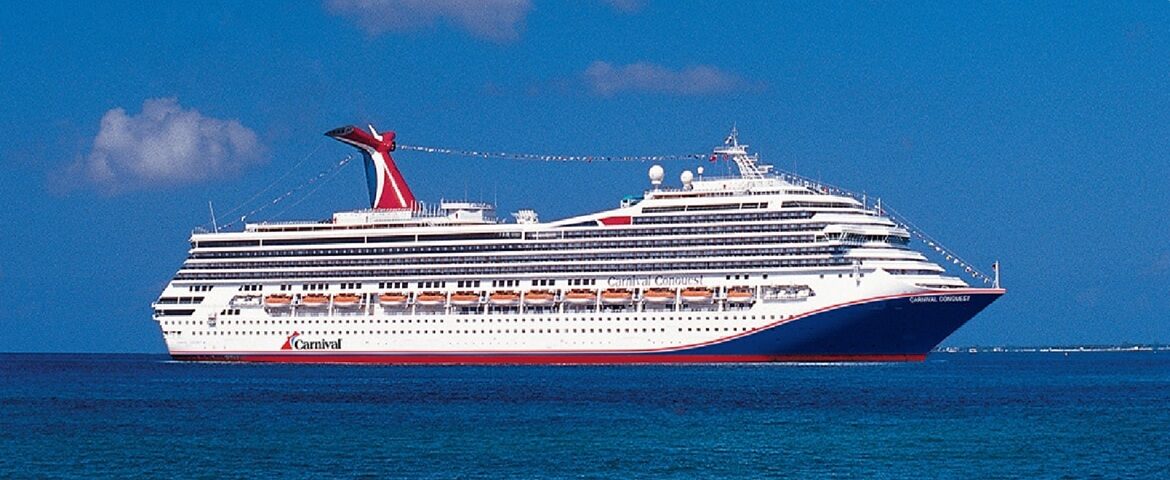
| 15 February | 4 nights | Round-trip from Miami, USA |
From
366$
|
| 22 February | 4 nights | Round-trip from Miami, USA |
From
362$
|
| 5 April | 4 nights | Round-trip from Miami, USA |
From
395$
|
| 12 April | 4 nights | Round-trip from Miami, USA |
From
393$
|
| 10 May | 4 nights | Round-trip from Miami, USA |
From
409$
|
| 17 May | 4 nights | Round-trip from Miami, USA |
From
402$
|
| 24 May | 4 nights | Round-trip from Miami, USA |
From
462$
|
| 5 July | 4 nights | Round-trip from Miami, USA |
From
690$
|
| 12 July | 4 nights | Round-trip from Miami, USA |
From
666$
|
| 19 July | 4 nights | Round-trip from Miami, USA |
From
690$
|
| 2 August | 4 nights | Round-trip from Miami, USA |
From
555$
|
| 16 August | 4 nights | Round-trip from Miami, USA |
From
462$
|
Carnival Elation
54 Cruises

| 1 February | 5 nights | Round-trip from Jacksonville, USA |
From
376$
|
| 6 February | 5 nights | Round-trip from Jacksonville, USA |
From
398$
|
| 15 February | 5 nights | Round-trip from Jacksonville, USA |
From
547$
|
| 7 June | 5 nights | Round-trip from Jacksonville, USA |
From
934$
|
| 12 June | 5 nights | Round-trip from Jacksonville, USA |
From
977$
|
| 26 June | 5 nights | Round-trip from Jacksonville, USA |
From
948$
|
| 10 July | 5 nights | Round-trip from Jacksonville, USA |
From
948$
|
| 19 July | 5 nights | Round-trip from Jacksonville, USA |
From
948$
|
| 24 July | 5 nights | Round-trip from Jacksonville, USA |
From
948$
|
| 16 August | 5 nights | Round-trip from Jacksonville, USA |
From
577$
|
| 21 August | 5 nights | Round-trip from Jacksonville, USA |
From
549$
|
| 8 January | 5 nights | Round-trip from Jacksonville, USA |
From
508$
|
| 31 January | 5 nights | Round-trip from Jacksonville, USA |
From
550$
|
| 5 February | 5 nights | Round-trip from Jacksonville, USA |
From
565$
|
| 19 February | 5 nights | Round-trip from Jacksonville, USA |
From
607$
|
Carnival Festivale
26 Cruises
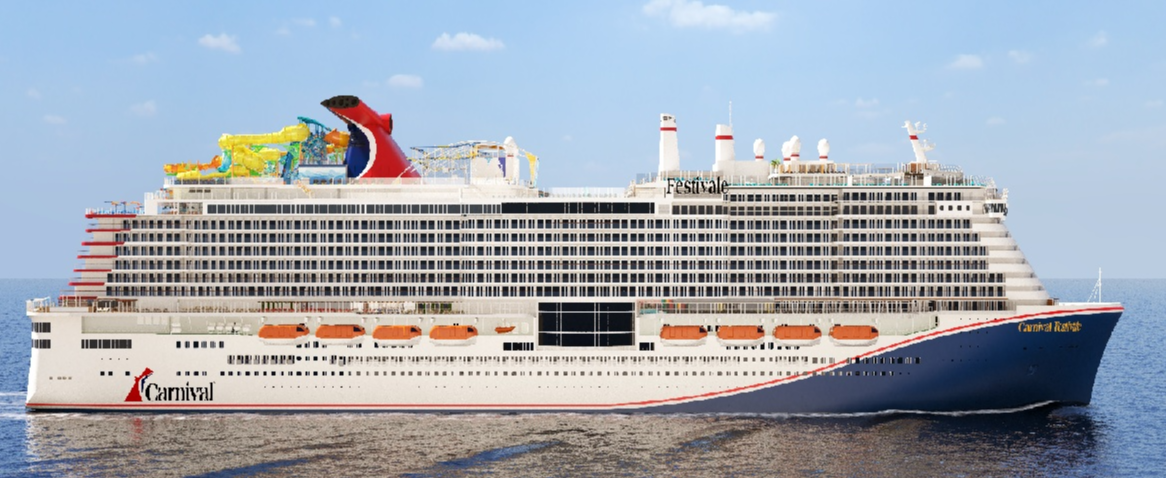
| 19 May | 4 nights | Round-trip from Port Canaveral, USA |
450-628-6241
Call us
|
| 23 May | 6 nights | Round-trip from Port Canaveral, USA |
450-628-6241
Call us
|
| 6 June | 6 nights | Round-trip from Port Canaveral, USA |
450-628-6241
Call us
|
| 20 June | 6 nights | Round-trip from Port Canaveral, USA |
450-628-6241
Call us
|
| 4 July | 6 nights | Round-trip from Port Canaveral, USA |
450-628-6241
Call us
|
| 18 July | 6 nights | Round-trip from Port Canaveral, USA |
450-628-6241
Call us
|
| 12 September | 6 nights | Round-trip from Port Canaveral, USA |
450-628-6241
Call us
|
| 26 September | 6 nights | Round-trip from Port Canaveral, USA |
450-628-6241
Call us
|
| 10 October | 6 nights | Round-trip from Port Canaveral, USA |
450-628-6241
Call us
|
| 24 October | 6 nights | Round-trip from Port Canaveral, USA |
450-628-6241
Call us
|
| 13 February | 6 nights | Round-trip from Port Canaveral, USA |
450-628-6241
Call us
|
| 27 February | 6 nights | Round-trip from Port Canaveral, USA |
450-628-6241
Call us
|
Carnival Firenze
10 Cruises
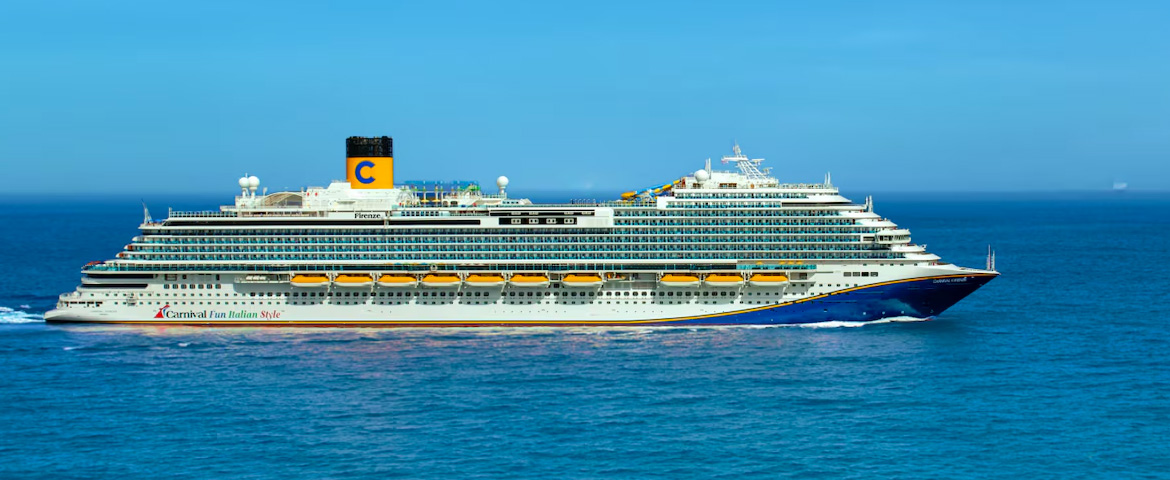
| 22 June | 8 nights | Round-trip from New York, USA |
From
1356$
|
| 30 June | 8 nights | Round-trip from New York, USA |
From
1327$
|
| 13 July | 8 nights | Round-trip from New York, USA |
From
1327$
|
| 21 July | 8 nights | Round-trip from New York, USA |
From
1299$
|
Carnival Freedom
62 Cruises
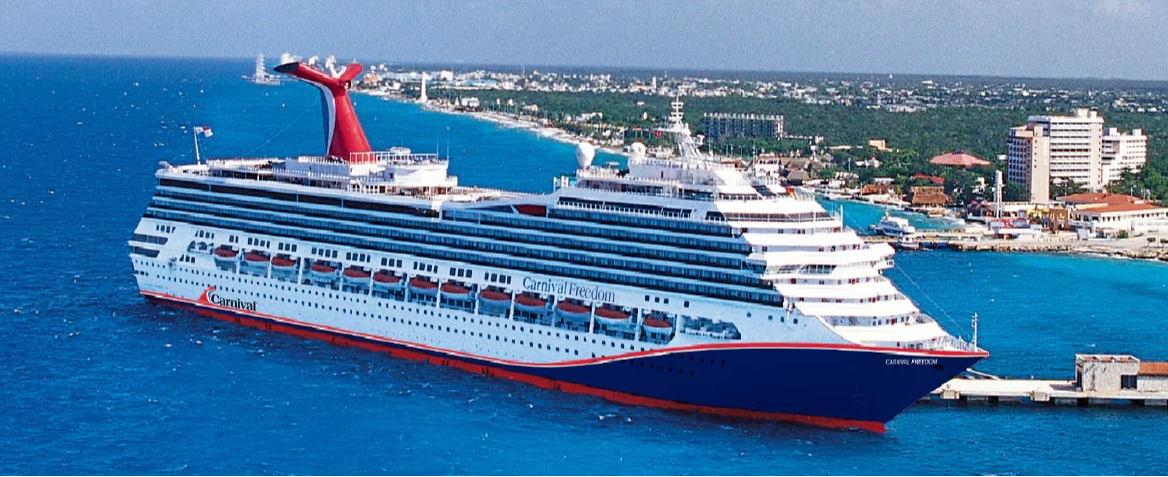
| 3 May | 5 nights | Round-trip from Port Canaveral, USA |
From
570$
|
| 29 May | 8 nights | Round-trip from Norfolk VA, USA |
From
1153$
|
| 12 June | 8 nights | Round-trip from Norfolk VA, USA |
From
1310$
|
| 26 June | 8 nights | Round-trip from Norfolk VA, USA |
From
1310$
|
| 10 July | 8 nights | Round-trip from Norfolk VA, USA |
From
1310$
|
| 24 July | 8 nights | Round-trip from Norfolk VA, USA |
From
1267$
|
| 7 August | 8 nights | Round-trip from Norfolk VA, USA |
From
1196$
|
| 21 August | 8 nights | Round-trip from Norfolk VA, USA |
From
1068$
|
| 5 February | 8 nights | Round-trip from Norfolk VA, USA |
From
871$
|
| 19 February | 8 nights | Round-trip from Norfolk VA, USA |
From
900$
|
| 27 February | 6 nights | Round-trip from Norfolk VA, USA |
From
739$
|
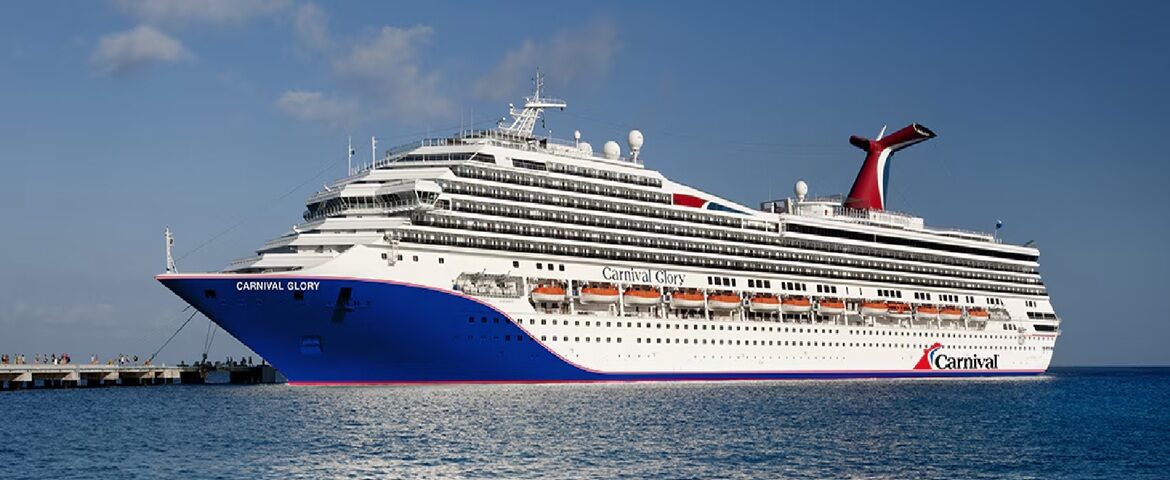
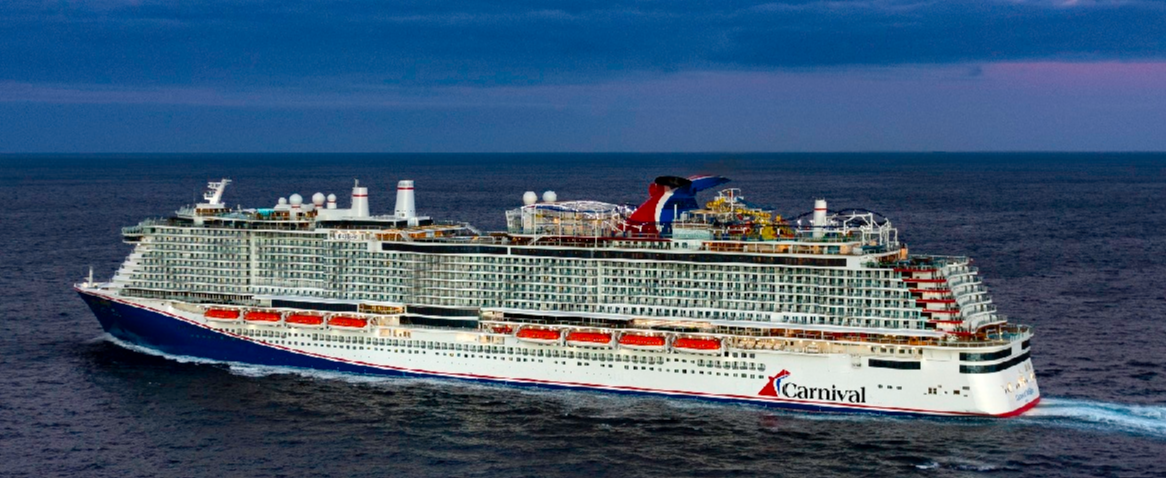
Carnival Jubilee
30 Cruises
| 9 January | 8 nights | Round-trip from Galveston, USA |
450-628-6241
Call us
|
| 23 January | 8 nights | Round-trip from Galveston, USA |
450-628-6241
Call us
|
| 6 February | 8 nights | Round-trip from Galveston, USA |
450-628-6241
Call us
|
| 20 February | 8 nights | Round-trip from Galveston, USA |
450-628-6241
Call us
|
| 6 March | 8 nights | Round-trip from Galveston, USA |
450-628-6241
Call us
|
| 20 March | 8 nights | Round-trip from Galveston, USA |
450-628-6241
Call us
|
| 3 April | 8 nights | Round-trip from Galveston, USA |
450-628-6241
Call us
|
| 17 April | 8 nights | Round-trip from Galveston, USA |
450-628-6241
Call us
|
| 12 June | 8 nights | Round-trip from Galveston, USA |
450-628-6241
Call us
|
| 26 June | 8 nights | Round-trip from Galveston, USA |
450-628-6241
Call us
|
| 10 July | 8 nights | Round-trip from Galveston, USA |
450-628-6241
Call us
|
| 24 July | 8 nights | Round-trip from Galveston, USA |
450-628-6241
Call us
|
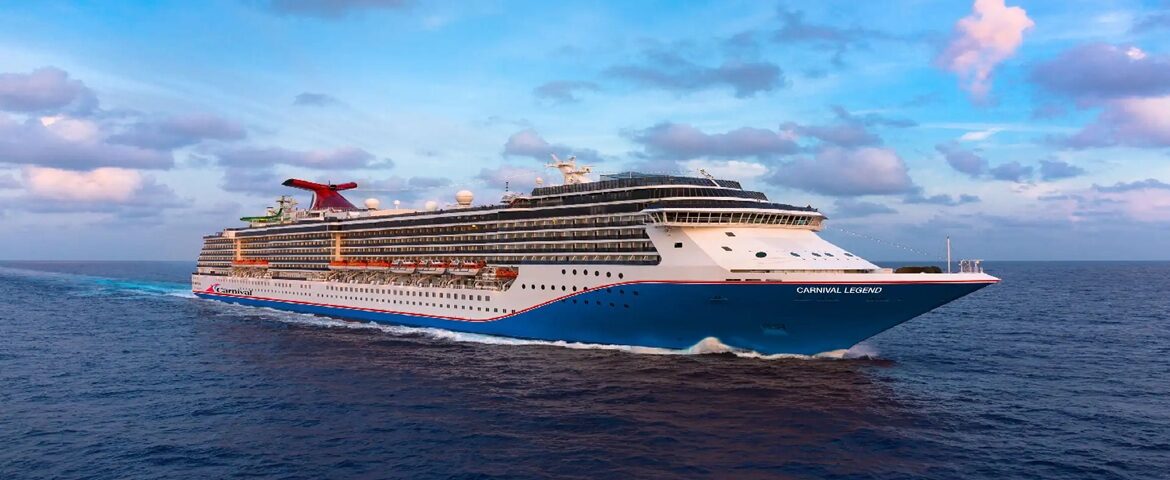
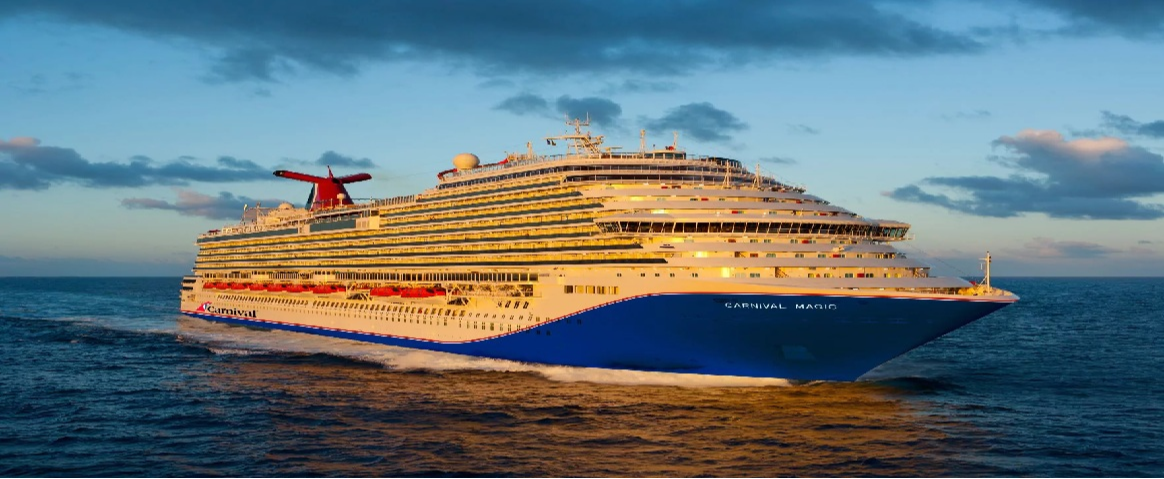
Carnival Magic
20 Cruises
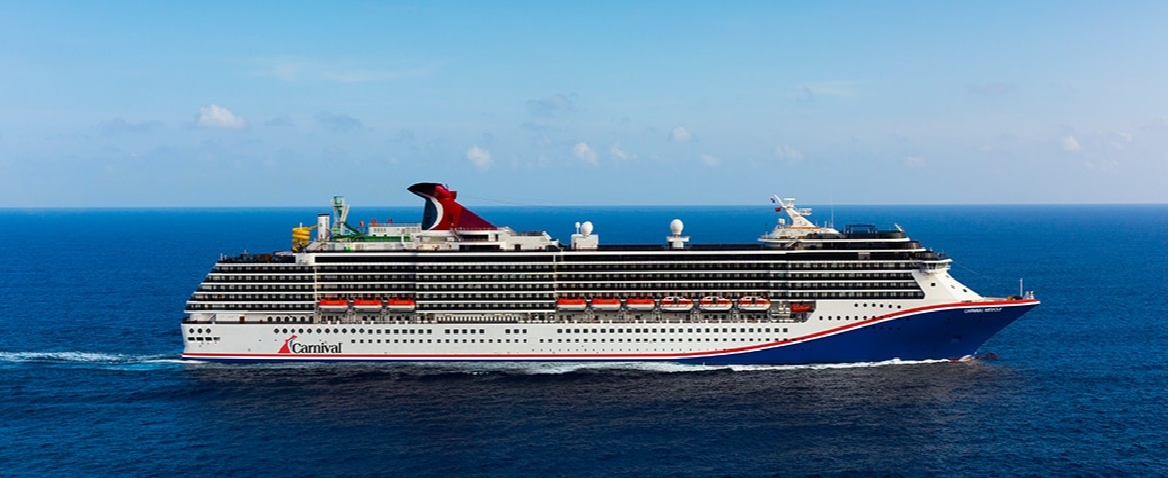
Carnival Miracle
9 Cruises

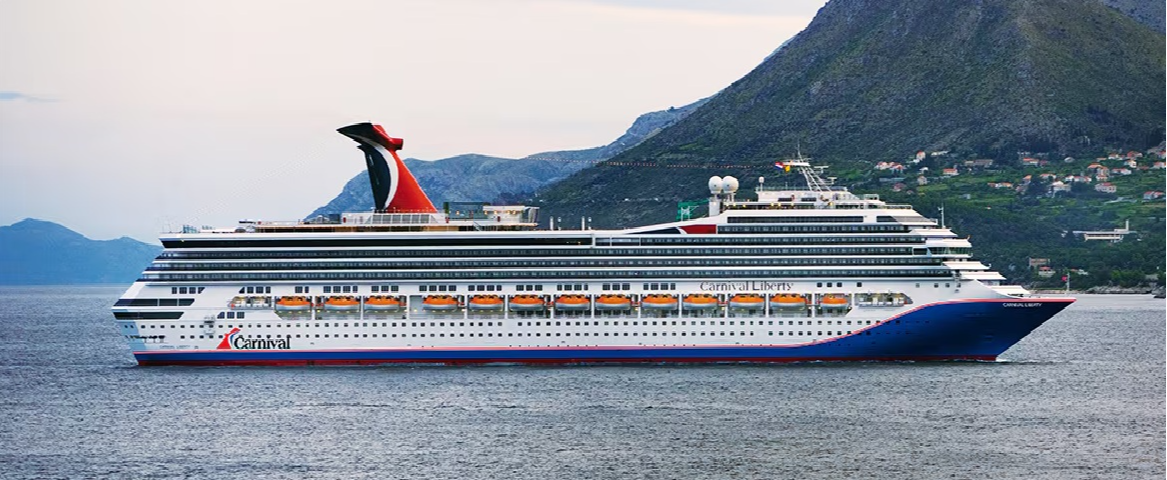
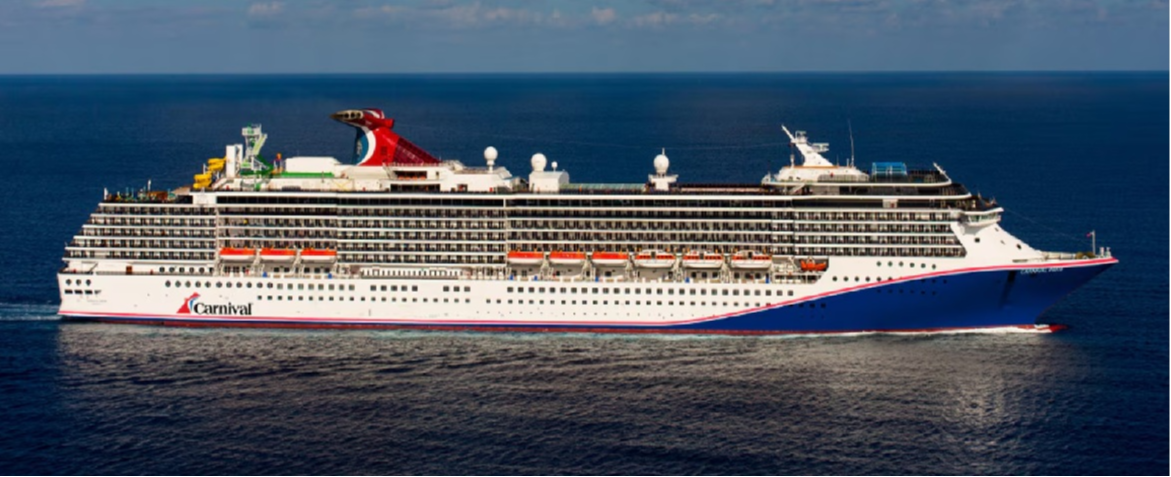
Carnival Pride
49 Cruises
| 3 January | 7 nights | Round-trip from Baltimore, USA |
From
969$
|
| 24 January | 7 nights | Round-trip from Baltimore, USA |
From
920$
|
| 31 January | 7 nights | Round-trip from Baltimore, USA |
From
927$
|
| 7 February | 7 nights | Round-trip from Baltimore, USA |
From
941$
|
| 14 February | 7 nights | Round-trip from Baltimore, USA |
From
1240$
|
| 21 February | 7 nights | Round-trip from Baltimore, USA |
From
1041$
|
| 14 March | 7 nights | Round-trip from Baltimore, USA |
From
1213$
|
| 21 March | 7 nights | Round-trip from Baltimore, USA |
From
1391$
|
| 28 March | 7 nights | Round-trip from Baltimore, USA |
From
1441$
|
| 6 June | 7 nights | Round-trip from Baltimore, USA |
From
1391$
|
| 13 June | 7 nights | Round-trip from Baltimore, USA |
From
1420$
|
| 20 June | 7 nights | Round-trip from Baltimore, USA |
From
1563$
|
| 4 July | 7 nights | Round-trip from Baltimore, USA |
From
1620$
|
| 18 July | 7 nights | Round-trip from Baltimore, USA |
From
1563$
|
| 1 August | 7 nights | Round-trip from Baltimore, USA |
From
1605$
|
| 15 August | 7 nights | Round-trip from Baltimore, USA |
From
1363$
|
| 29 August | 7 nights | Round-trip from Baltimore, USA |
From
1178$
|
| 2 January | 7 nights | Round-trip from Baltimore, USA |
From
1086$
|
| 23 January | 7 nights | Round-trip from Baltimore, USA |
From
1072$
|
| 30 January | 7 nights | Round-trip from Baltimore, USA |
From
1072$
|
| 6 February | 7 nights | Round-trip from Baltimore, USA |
From
1086$
|
| 13 February | 7 nights | Round-trip from Baltimore, USA |
From
1101$
|
| 27 February | 7 nights | Round-trip from Baltimore, USA |
From
1129$
|
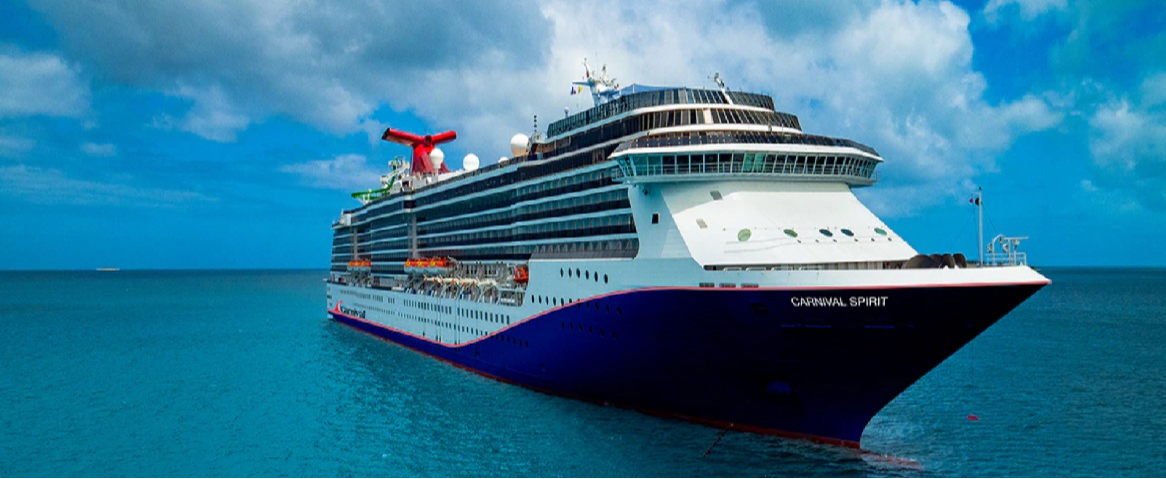
Carnival Sunrise
96 Cruises

| 19 November | 4 nights | Round-trip from Miami, USA |
From
562$
|
| 29 November | 4 nights | Round-trip from Miami, USA |
From
393$
|
| 4 January | 5 nights | Round-trip from Miami, USA |
From
378$
|
| 27 January | 5 nights | Round-trip from Miami, USA |
From
362$
|
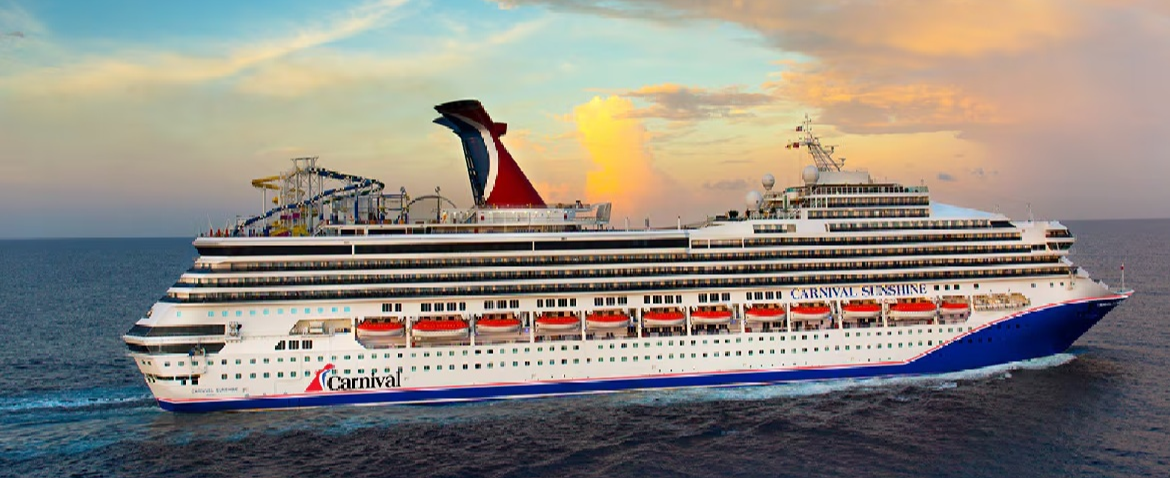
Carnival Sunshine
17 Cruises
| 9 January | 8 nights | Round-trip from Norfolk VA, USA |
From
723$
|
| 23 January | 8 nights | Round-trip from Norfolk VA, USA |
From
709$
|
| 31 January | 6 nights | Round-trip from Norfolk VA, USA |
From
636$
|
| 6 February | 8 nights | Round-trip from Norfolk VA, USA |
From
780$
|
| 20 February | 8 nights | Round-trip from Norfolk VA, USA |
From
794$
|
| 28 February | 6 nights | Round-trip from Norfolk VA, USA |
From
707$
|
| 6 March | 8 nights | Round-trip from Norfolk VA, USA |
From
837$
|
| 20 March | 8 nights | Round-trip from Norfolk VA, USA |
From
1036$
|
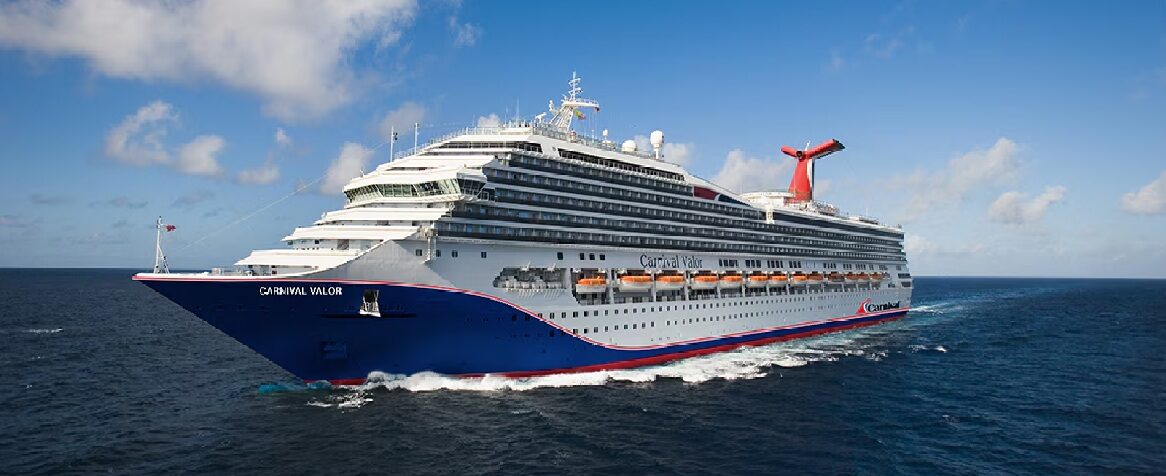
Carnival Valor
10 Cruises
Carnival Vista
31 Cruises

| 3 January | 6 nights | Round-trip from Port Canaveral, USA |
From
556$
|
| 17 January | 6 nights | Round-trip from Port Canaveral, USA |
From
585$
|
| 31 January | 6 nights | Round-trip from Port Canaveral, USA |
From
556$
|
| 14 February | 6 nights | Round-trip from Port Canaveral, USA |
From
691$
|
| 28 February | 6 nights | Round-trip from Port Canaveral, USA |
From
606$
|
| 14 March | 6 nights | Round-trip from Port Canaveral, USA |
From
744$
|
| 28 March | 6 nights | Round-trip from Port Canaveral, USA |
From
777$
|
| 11 April | 6 nights | Round-trip from Port Canaveral, USA |
From
585$
|
| 25 April | 6 nights | Round-trip from Port Canaveral, USA |
From
557$
|
| 16 May | 6 nights | Round-trip from Port Canaveral, USA |
From
629$
|
| 22 May | 7 nights | Round-trip from Port Canaveral, USA |
From
858$
|
| 3 July | 7 nights | Round-trip from Port Canaveral, USA |
From
1186$
|
| 17 July | 7 nights | Round-trip from Port Canaveral, USA |
From
1186$
|
| 7 August | 7 nights | Round-trip from Port Canaveral, USA |
From
972$
|
| 28 August | 7 nights | Round-trip from Port Canaveral, USA |
From
744$
|
| 2 October | 7 nights | Round-trip from Port Canaveral, USA |
From
758$
|
| 23 October | 7 nights | Round-trip from Port Canaveral, USA |
From
773$
|
Mardi Gras
93 Cruises

| 13 March | 7 nights | Round-trip from Port Canaveral, USA |
From
1202$
|
| 20 March | 7 nights | Round-trip from Port Canaveral, USA |
From
1180$
|
| 27 March | 7 nights | Round-trip from Port Canaveral, USA |
From
1357$
|
| 10 April | 7 nights | Round-trip from Port Canaveral, USA |
From
888$
|
| 17 April | 7 nights | Round-trip from Port Canaveral, USA |
From
924$
|
| 24 April | 7 nights | Round-trip from Port Canaveral, USA |
From
925$
|
Costa Cruises (16 Cruises)
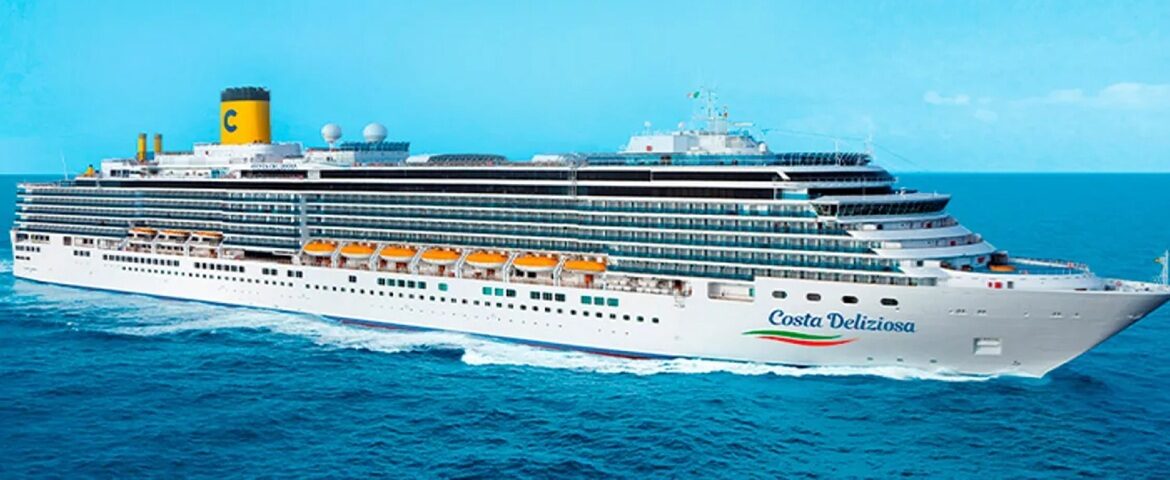
Costa Deliziosa
16 Cruises

Holland America Line (204 Cruises)
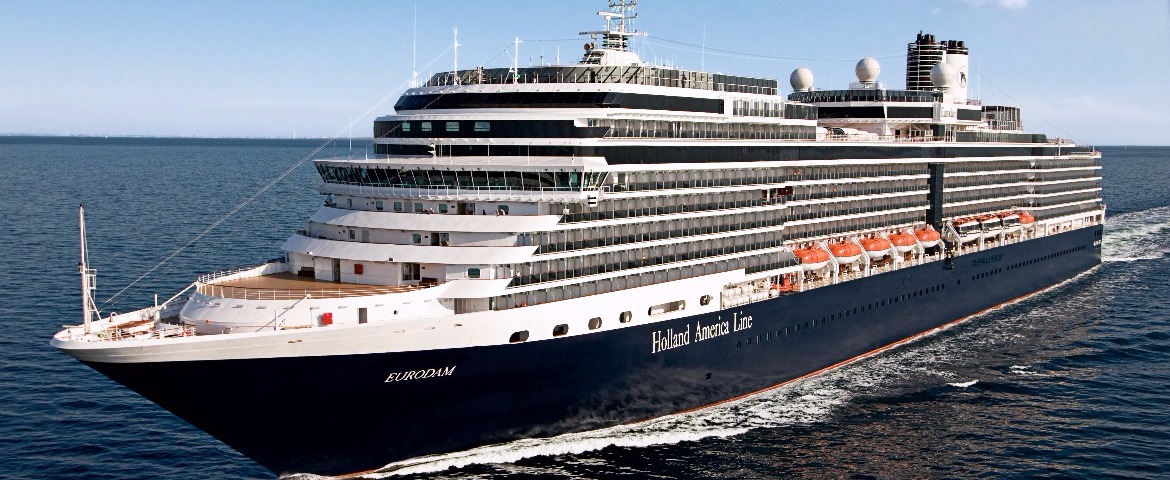
ms Eurodam
47 Cruises

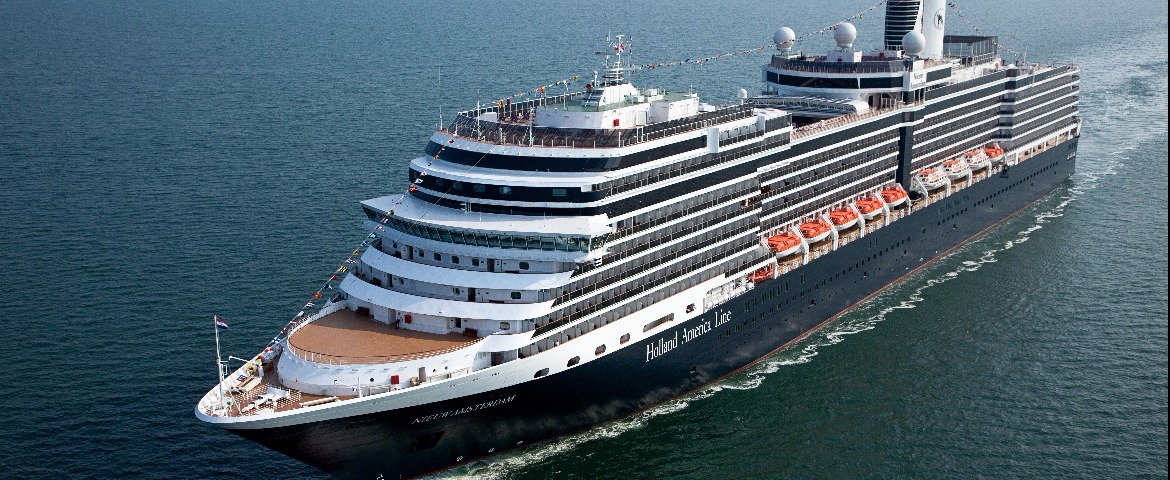
ms Nieuw Amsterdam
26 Cruises
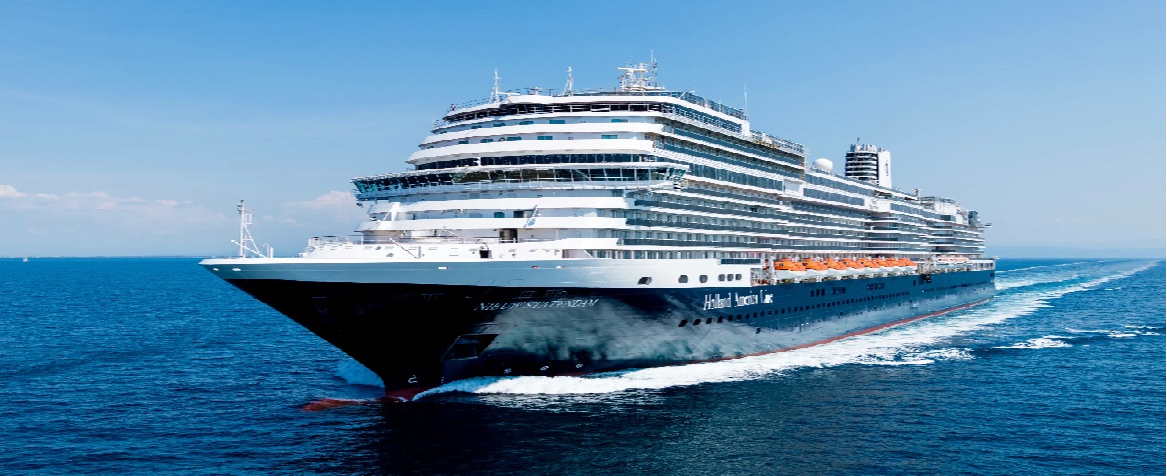
ms Nieuw Statendam
26 Cruises
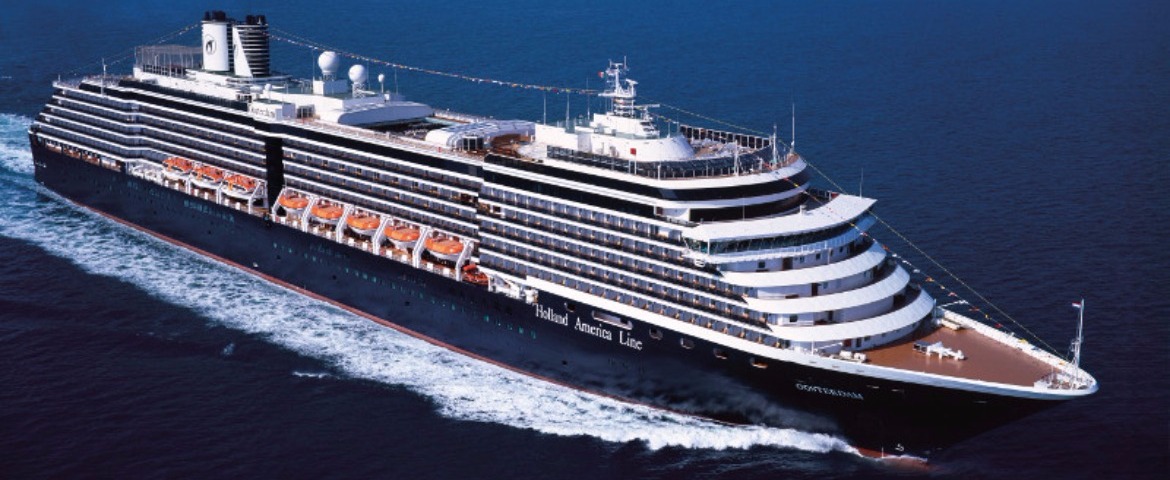
ms Oosterdam
19 Cruises
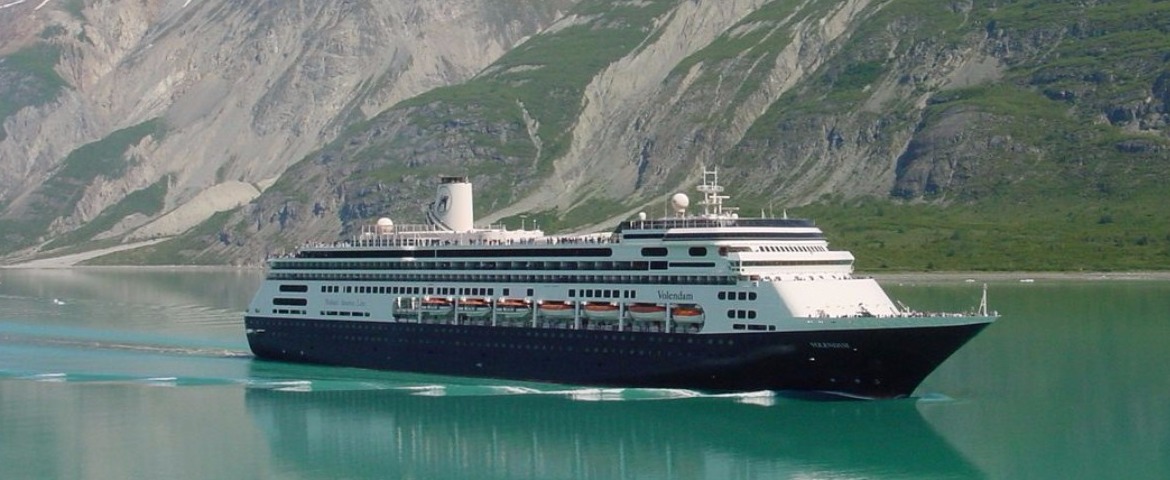
ms Rotterdam
49 Cruises
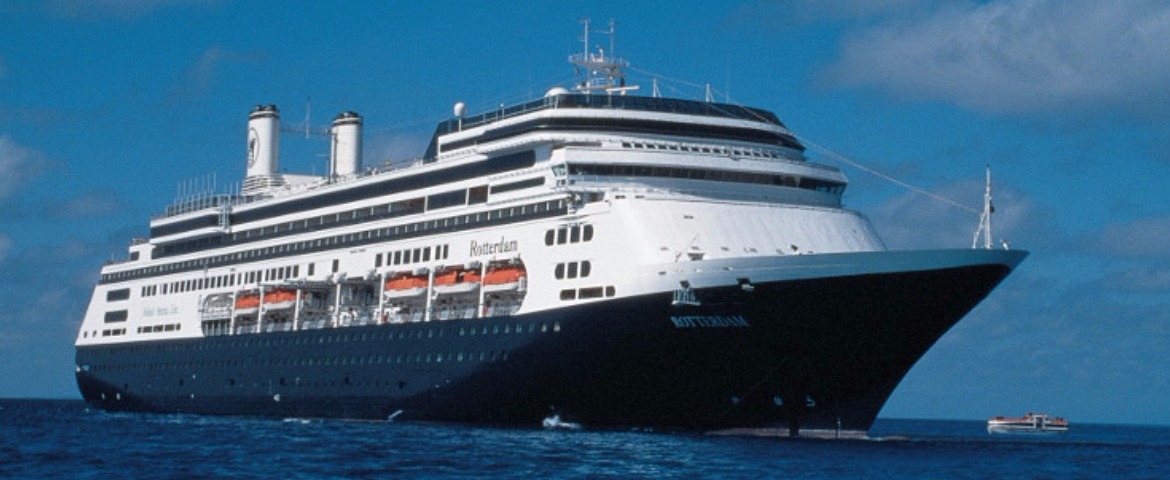
| 21 November | 10 nights | Round-trip from Fort Lauderdale, USA |
450-628-6241
Call us
|
| 21 November | 21 nights | Round-trip from Fort Lauderdale, USA |
450-628-6241
Call us
|
ms Zuiderdam
33 Cruises
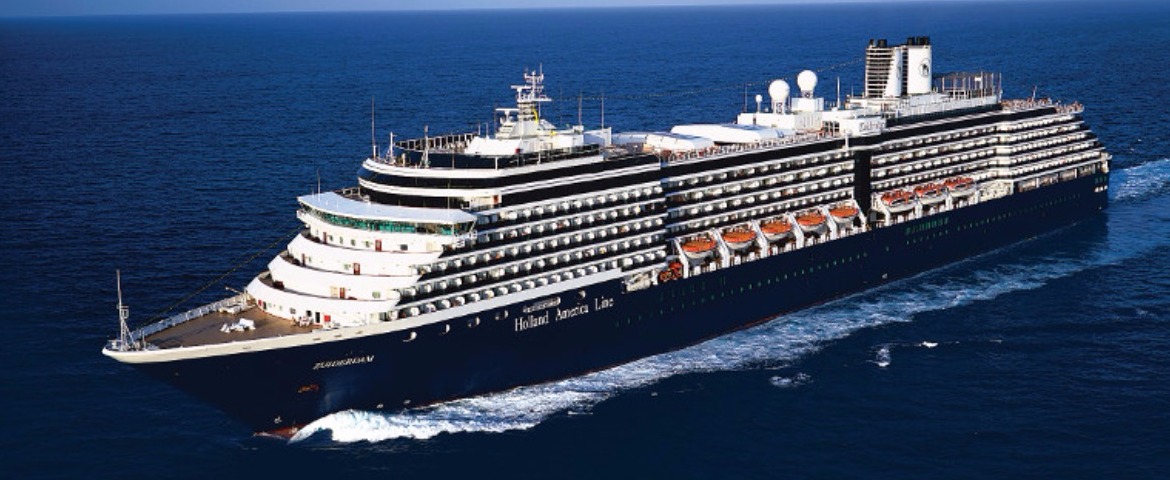
| 27 November | 7 nights | Round-trip from Miami, USA |
450-628-6241
Call us
|
| 27 November | 14 nights | Round-trip from Miami, USA |
450-628-6241
Call us
|

Port de Half Moon Cay (RelaxAway), Bahamas | Guide des escales de croisière
Frequently Asked Questions
It depends on the ship. Since 2026, a pier built at the north of the island lets Carnival's largest ships berth directly, with a tram and dining pavilions on that side. Holland America ships and several others still use tenders to the historic southern landing, facing the great crescent.
On charts the place is Little San Salvador, a cay lying between Eleuthera and Cat Island. Half Moon Cay comes from the curve of its bay, so regular it looks drawn with a compass. Carnival and Holland America, which share the island, renamed it RelaxAway.
The great crescent of sand, three kilometres of it, for swimming; the inland lagoon by kayak or paddleboard; the horseback ride that ends in the waves; or the reserve trails, binoculars in hand.
Of nearly a thousand hectares, only a coastal strip has been developed. The rest belongs to a protected bird reserve where frigatebirds, herons and terns nest: even with a full ship at anchor, the horizon stays wild, with no hotel towers and no roads.
Yes. The bay owes its gentleness to its orientation: sheltered from the prevailing winds, it offers almost waveless water shelving gradually, ideal for children and for unhurried swimmers alike. The sand, remarkably fine, stays cool underfoot even at midday.
A shallow inland lagoon explored by kayak or paddleboard, skimming the flats where wading birds hunt. Excursions there meet stingrays used to visitors, in a dedicated area where you can enter the water alongside them under supervision.
A small white chapel crowns a rise near the shore, and couples sometimes come to renew their vows facing the sea. Arrangements are made directly with the cruise line.
No local currency is needed: the ship's card covers extras. The free facilities, loungers and meals served under the palapas, are more than enough to fill the hours; paid cabanas and watersports are for those who want more.
Very much so. The calm shallow water, the fine sand and the sand paths linking the areas on foot make it one of the easiest Bahamian calls with young children.
Yes. Walking toward the ends of the arc, the crowd thins quickly; after a kilometre you share the shore with plovers and a few hurrying hermit crabs.


