Rio de Janeiro Brazil
402
Cruises availables
At departure or passage at this port
Azamara Club Cruises (17 Cruises)
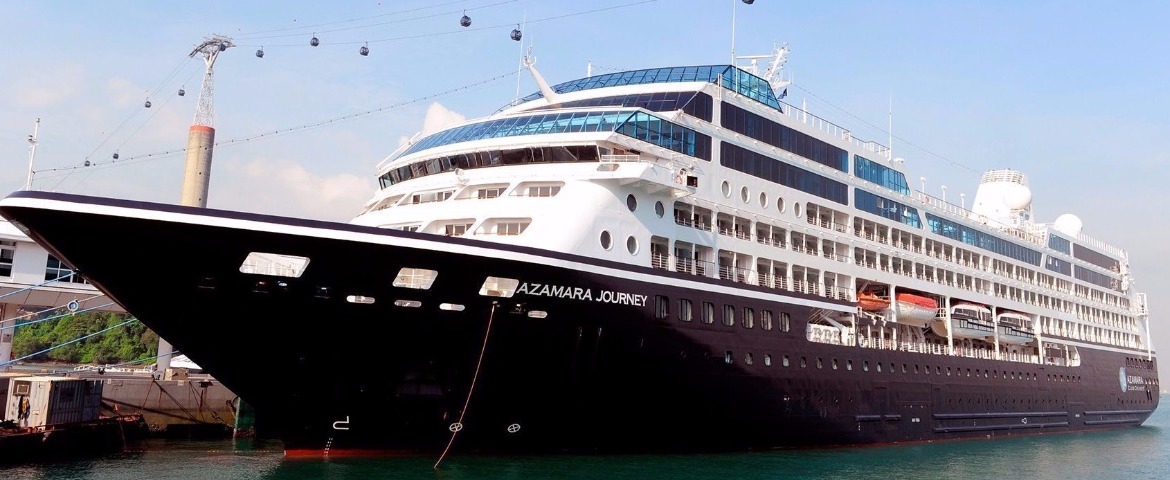
Azamara Journey
5 Cruises

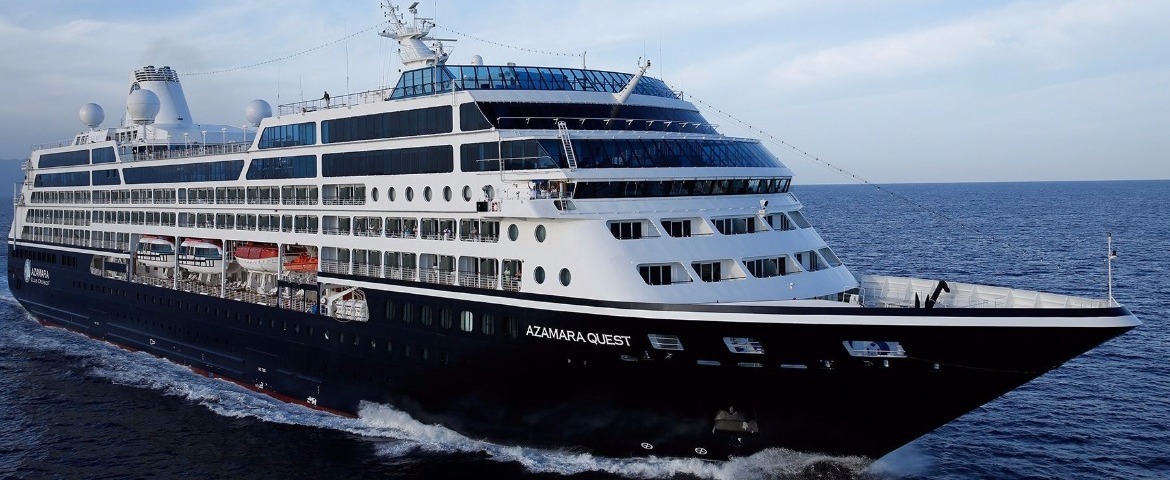
Azamara Quest
12 Cruises
Carnival Cruise Line (1 Cruises)

Celebrity Cruises (3 Cruises)

Costa Cruises (51 Cruises)
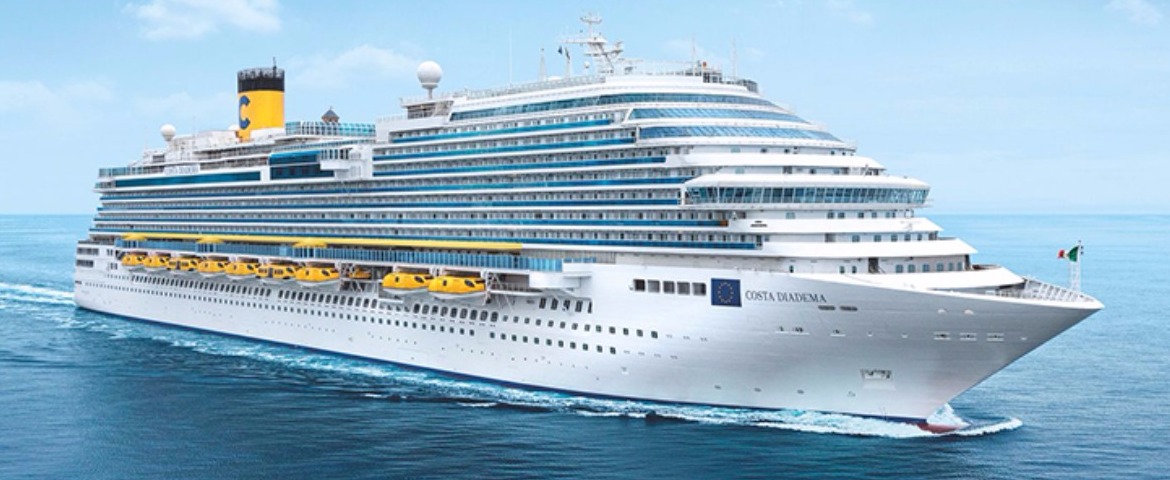
Costa Diadema
15 Cruises

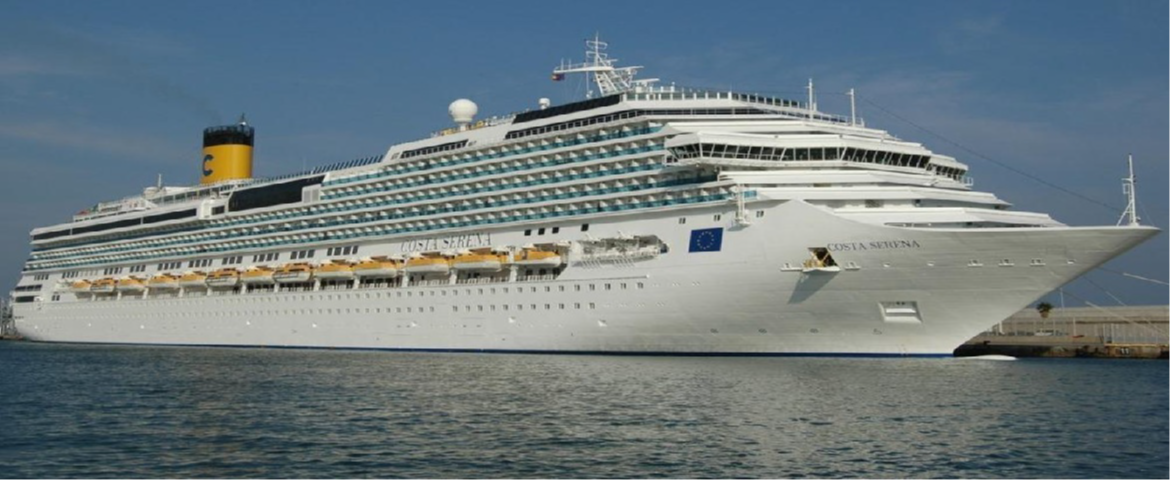
Costa Serena
36 Cruises
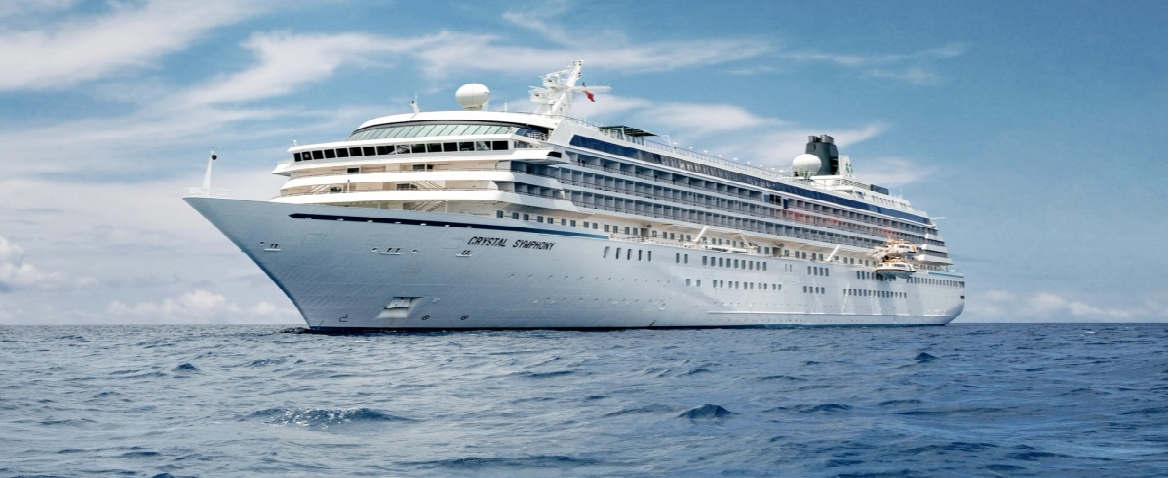
Crystal Cruises (9 Cruises)
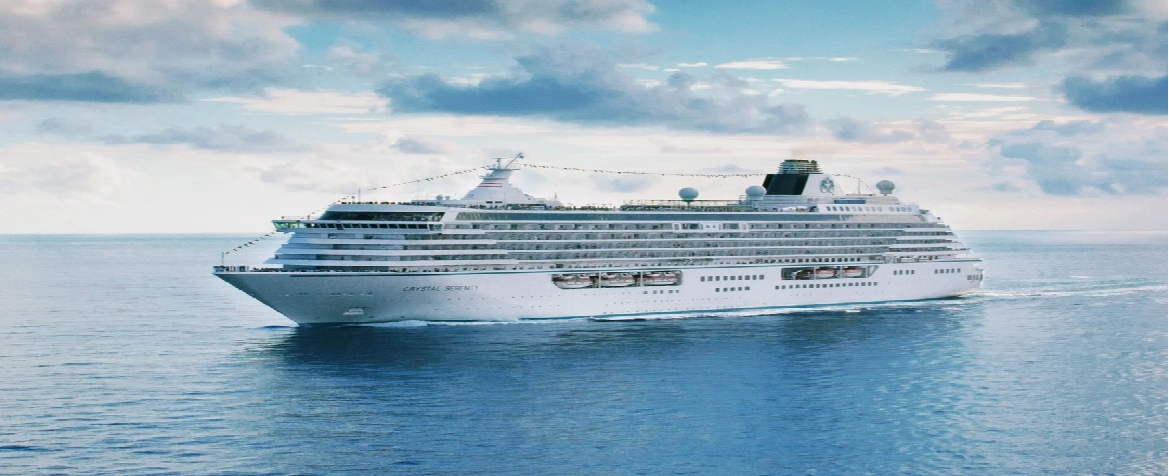
Crystal Serenity
6 Cruises

Cunard (8 Cruises)
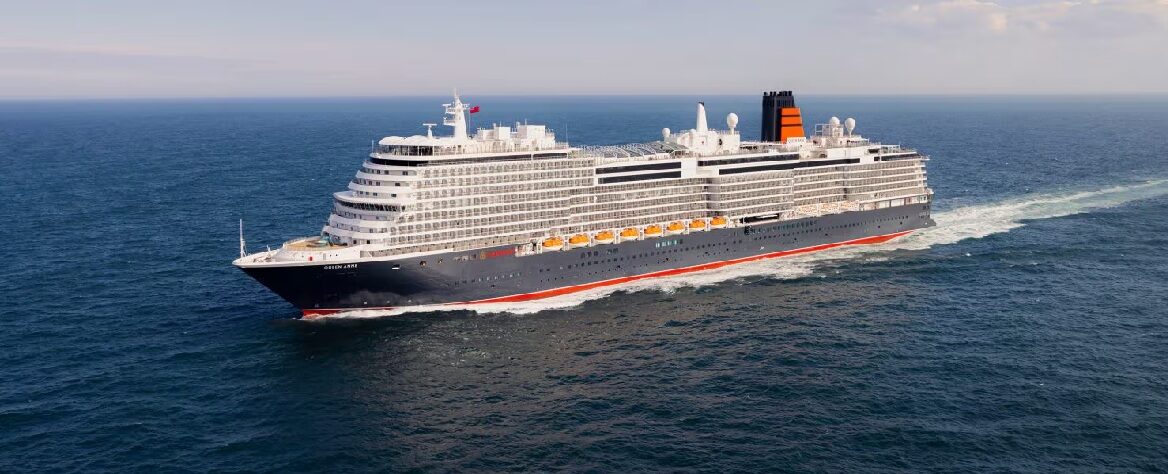
Queen Anne
8 Cruises

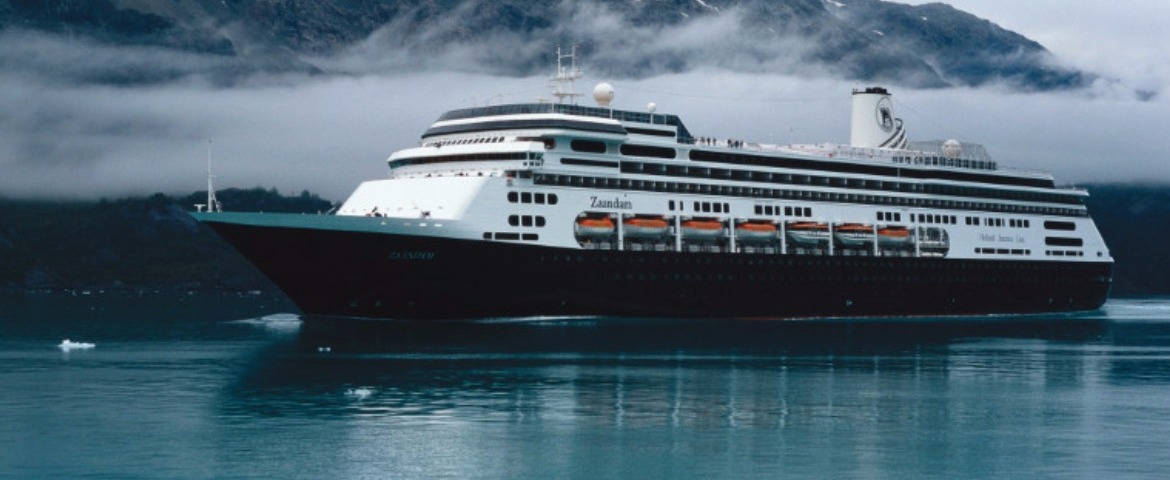
Holland America Line (2 Cruises)

MSC Cruises (173 Cruises)
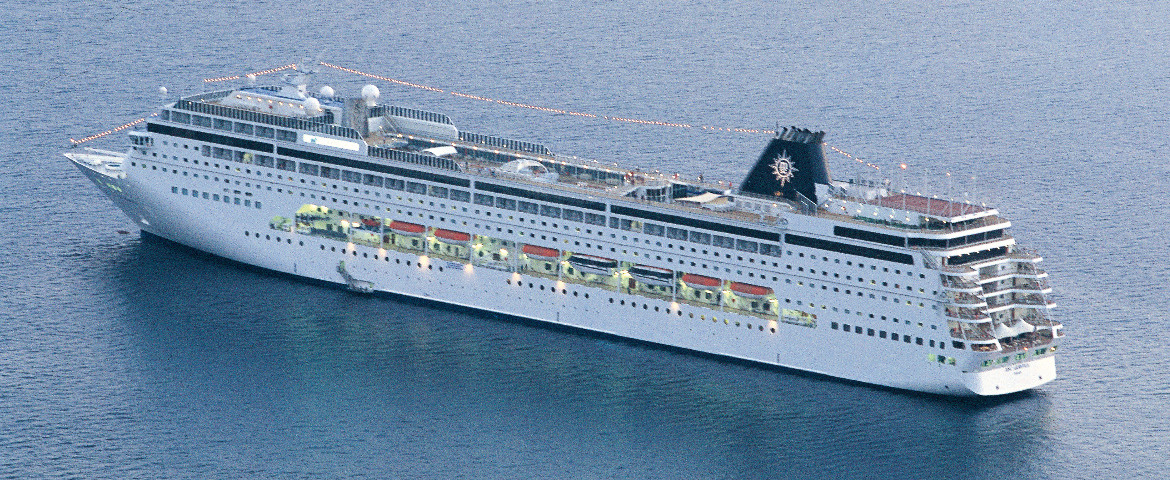

MSC Divina
19 Cruises
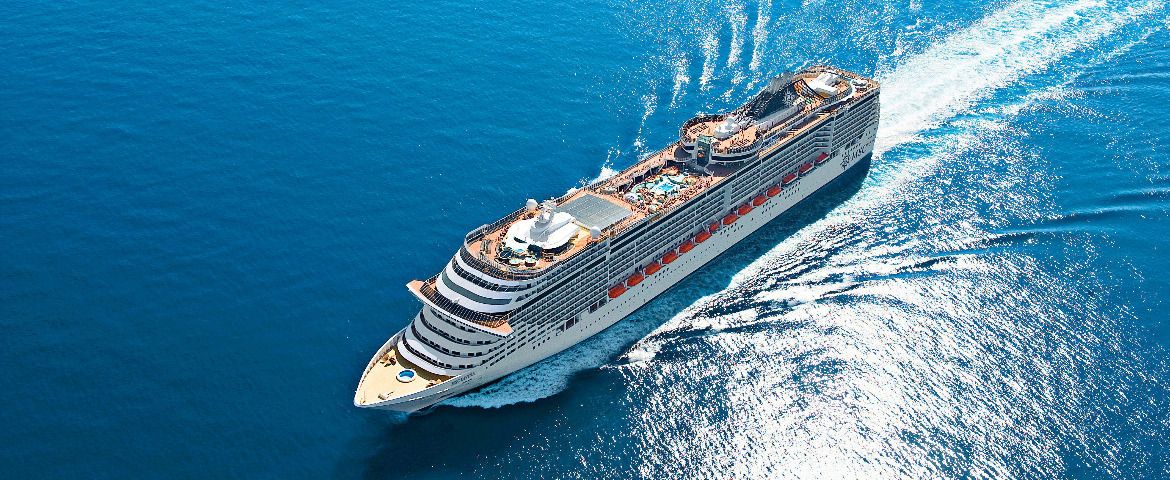
MSC Magnifica
5 Cruises
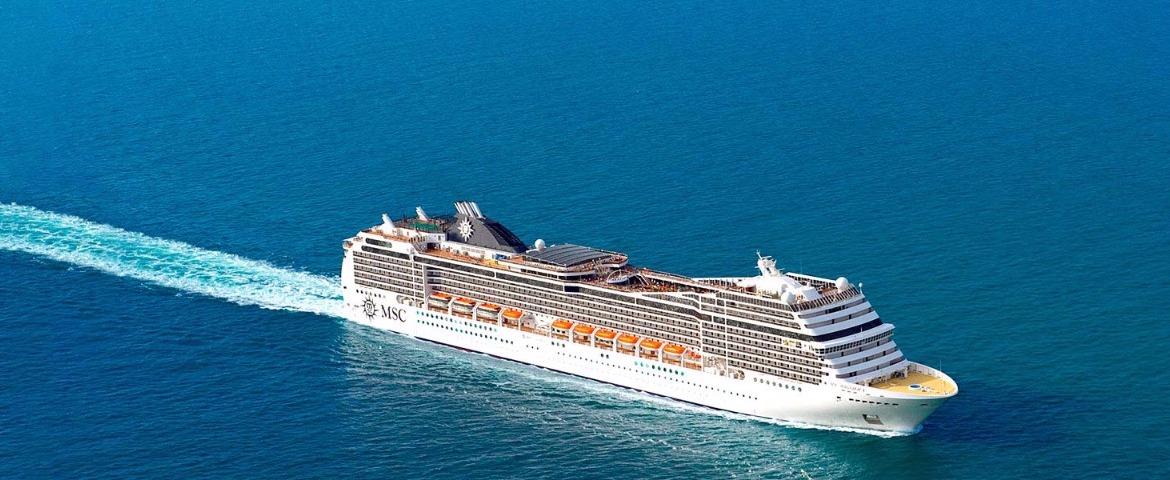
MSC Musica
58 Cruises
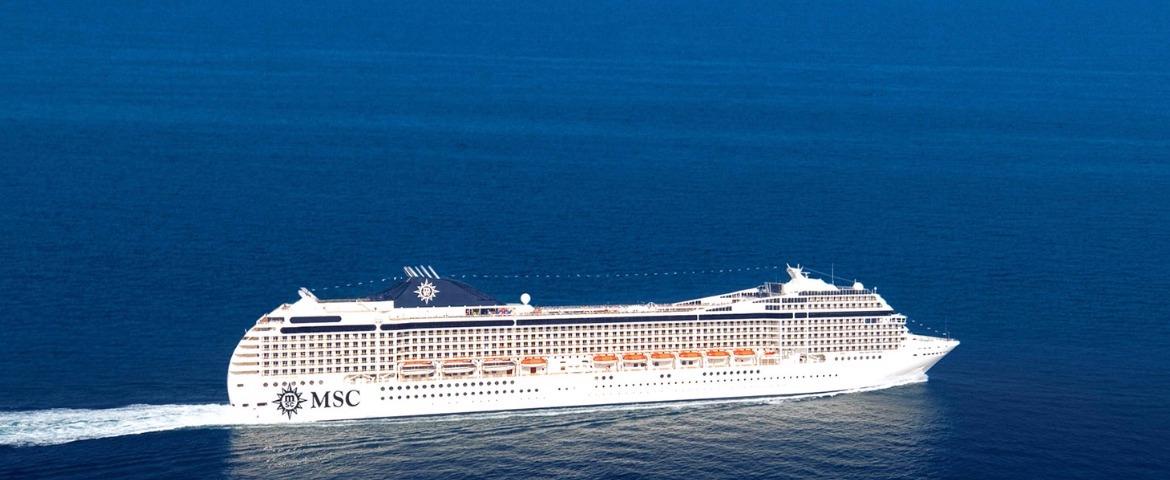
| 31 October | 22 nights | One-way from Civitavecchia-Rome to Rio de Janeiro |
From
4563$
|
| 31 October | 23 nights | One-way from Civitavecchia-Rome to Santos |
From
4189$
|
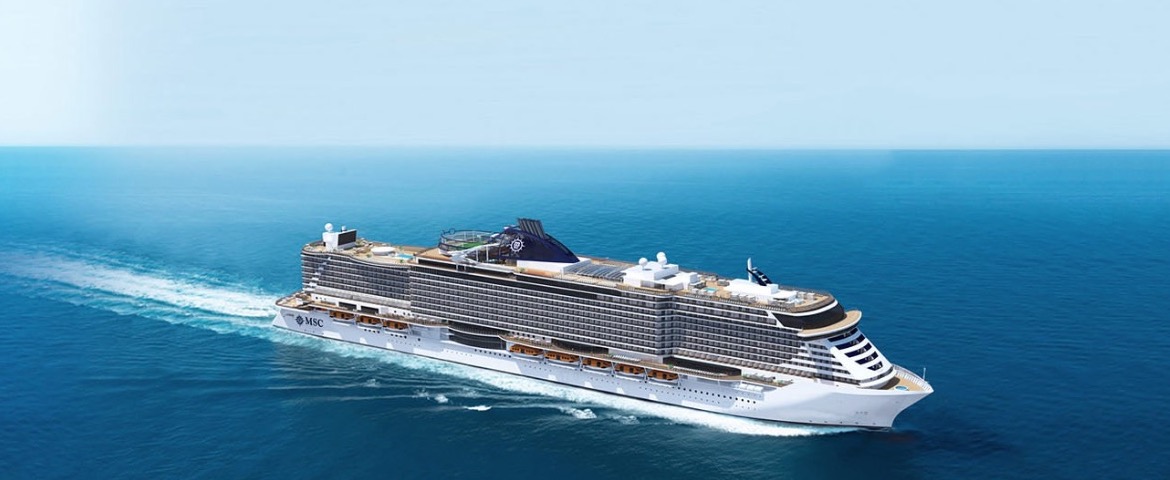
MSC Seaview
13 Cruises
MSC Splendida
48 Cruises
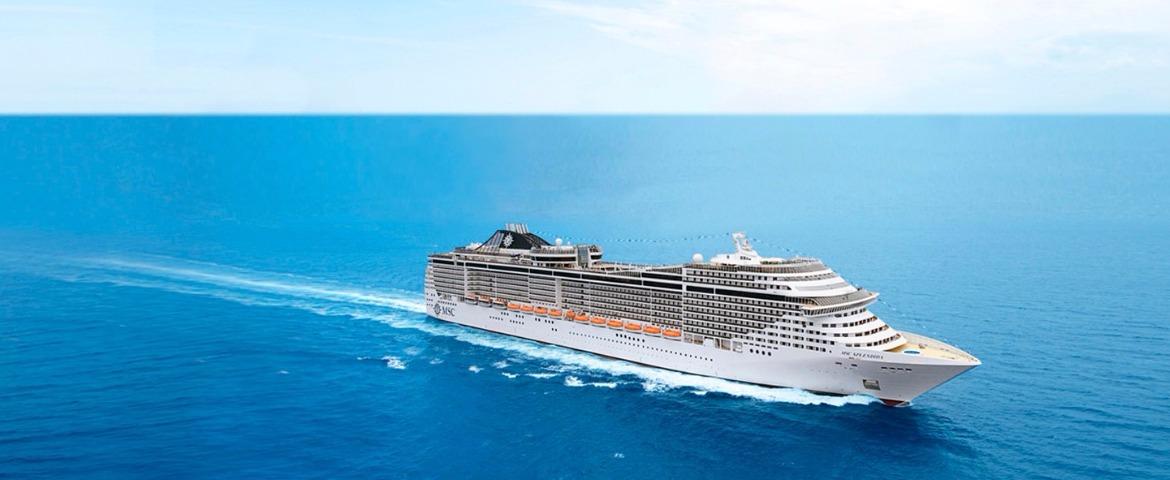
| 3 April | 19 nights | One-way from Rio de Janeiro to Trieste |
From
5379$
|
| 3 April | 15 nights | One-way from Rio de Janeiro to Civitavecchia-Rome |
From
3768$
|
MSC Virtuosa
26 Cruises
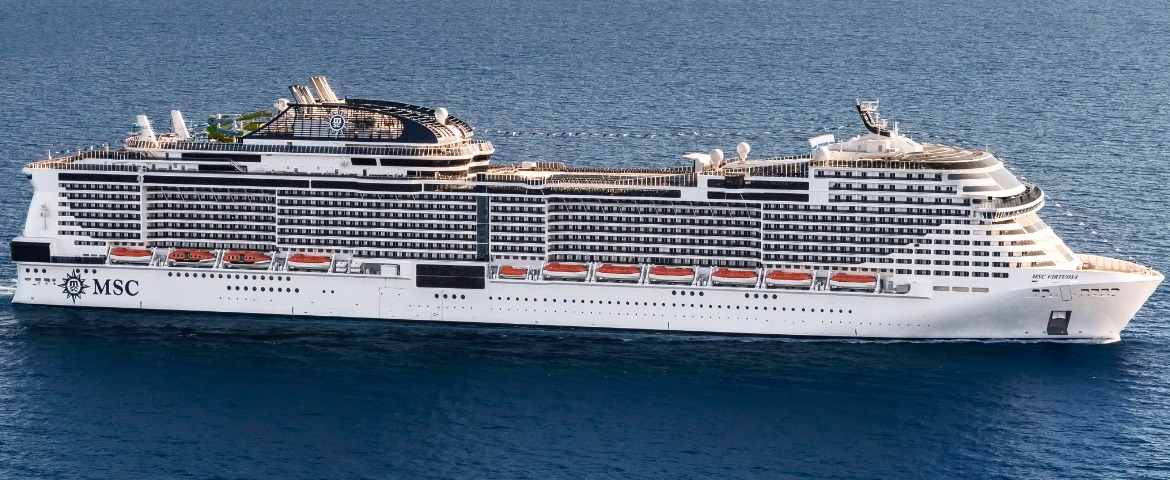
Norwegian Cruise Line (2 Cruises)
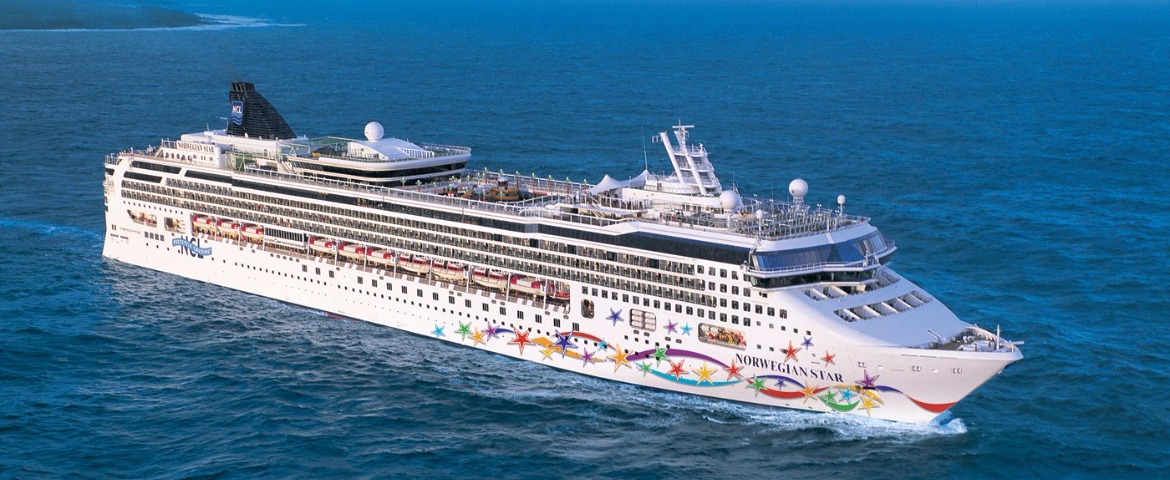

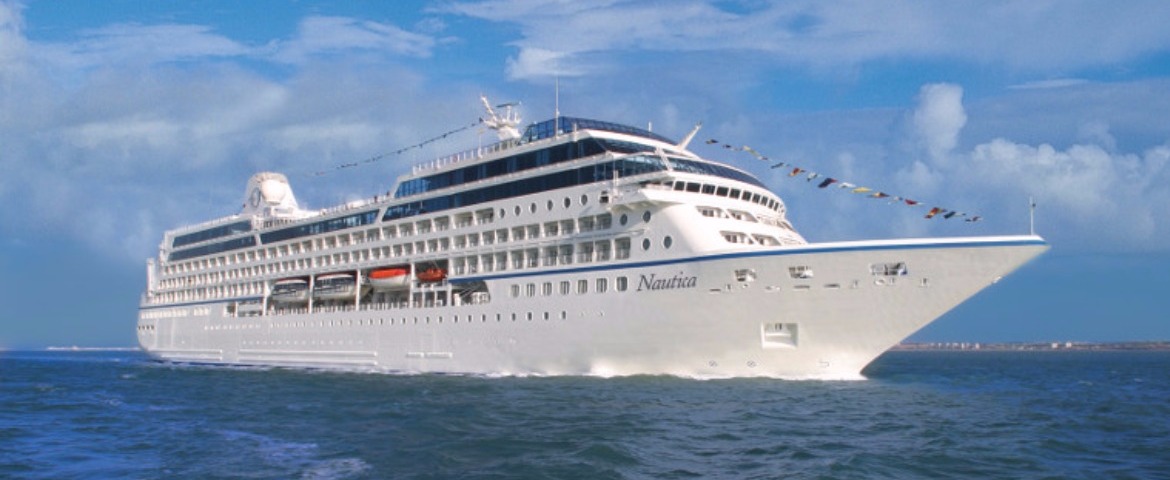
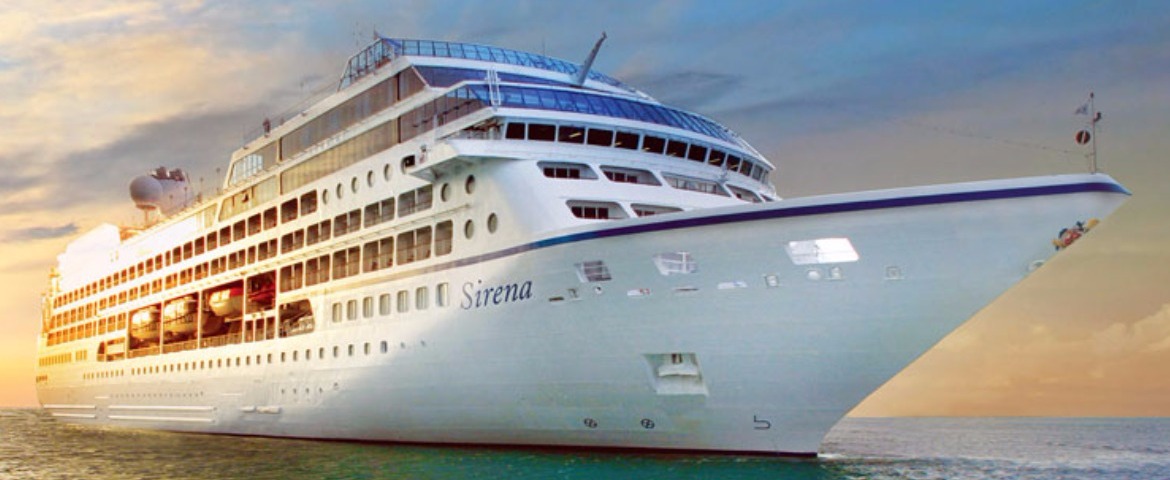
Oceania Cruises (14 Cruises)
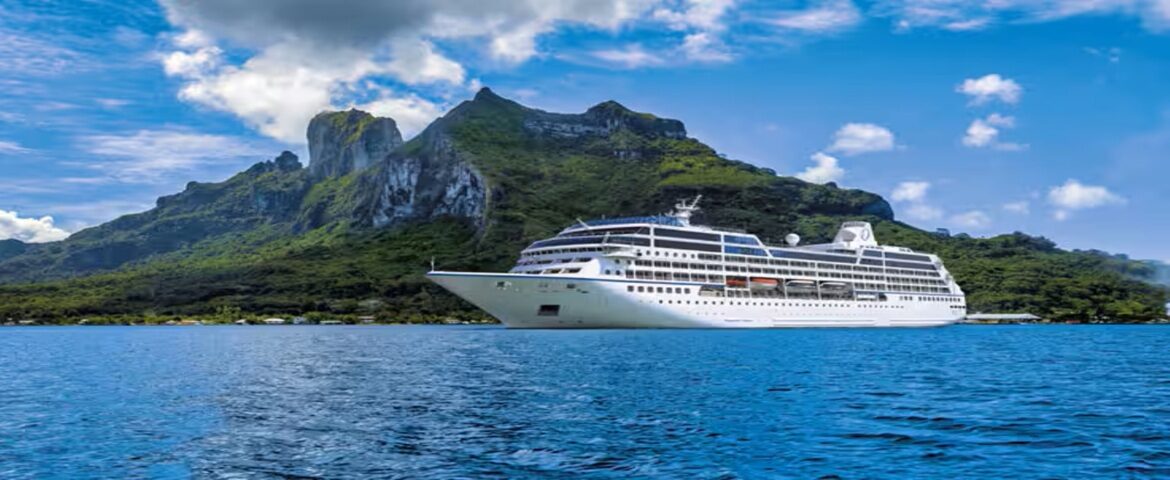

Oceania Insignia
5 Cruises
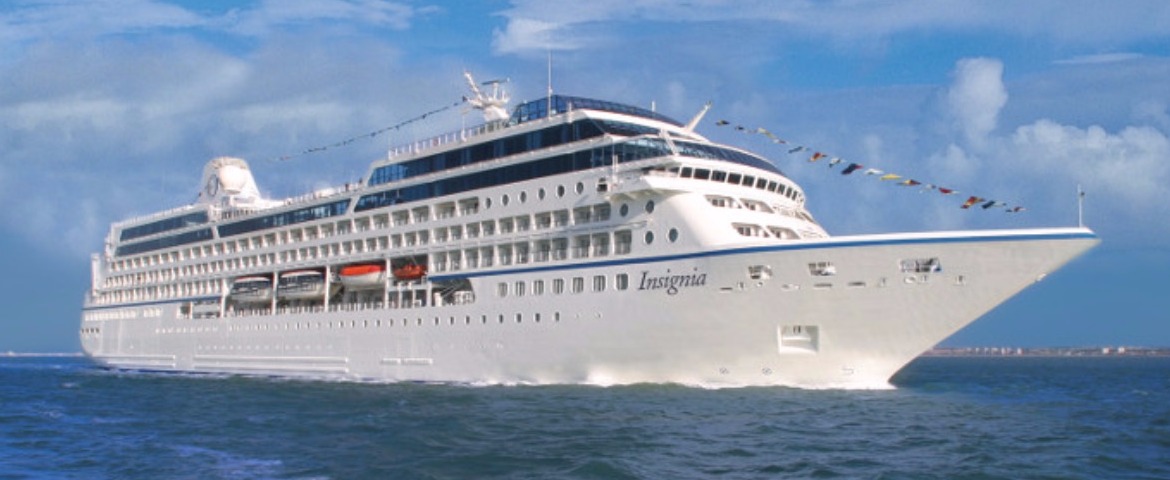

Princess Cruises (18 Cruises)
Majestic Princess
18 Cruises
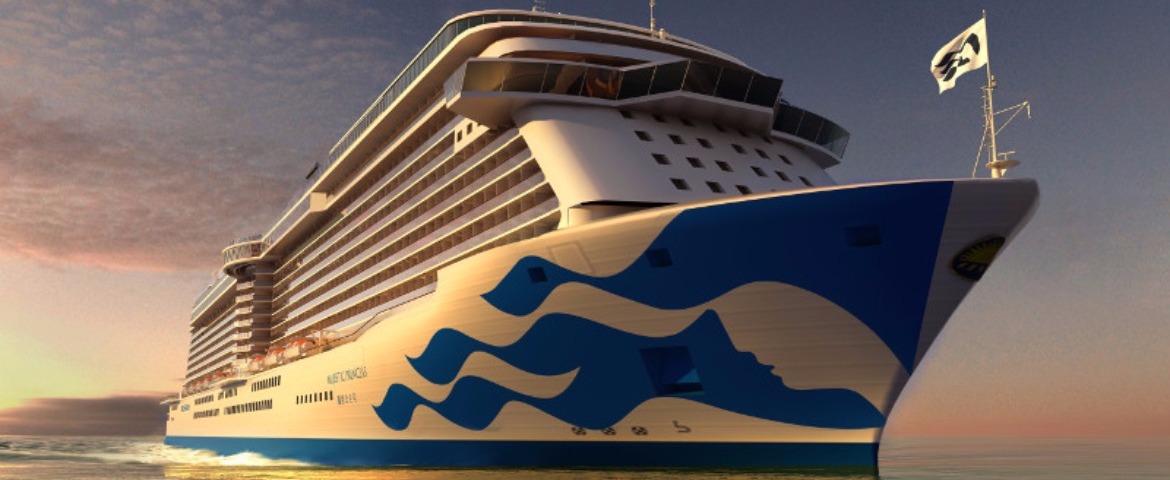

| 24 January | 52 days | One-way from Buenos Aires to Southampton |
450-628-6241
Call us
|
| 25 January | 52 nights | One-way from Buenos Aires to Southampton |
450-628-6241
Call us
|
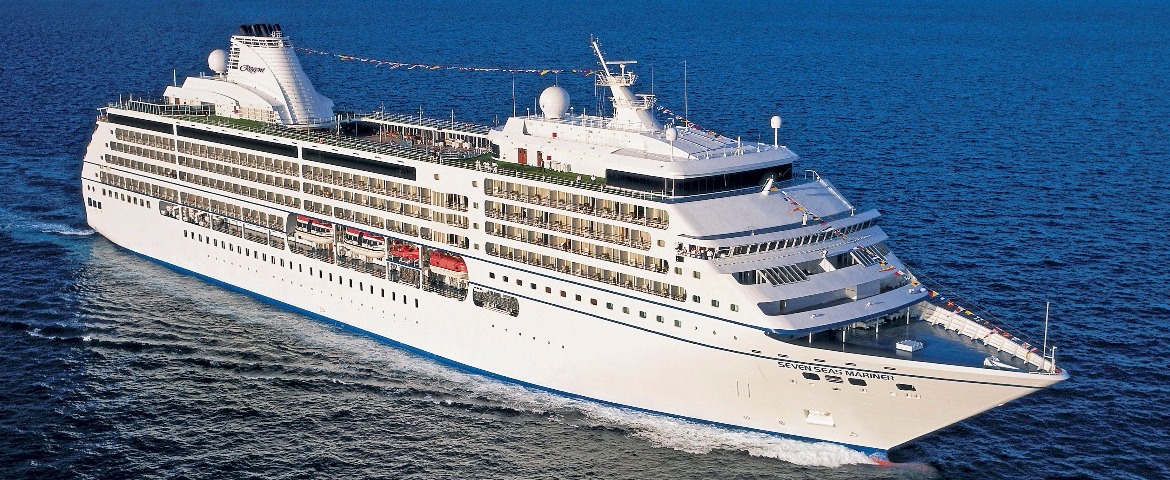
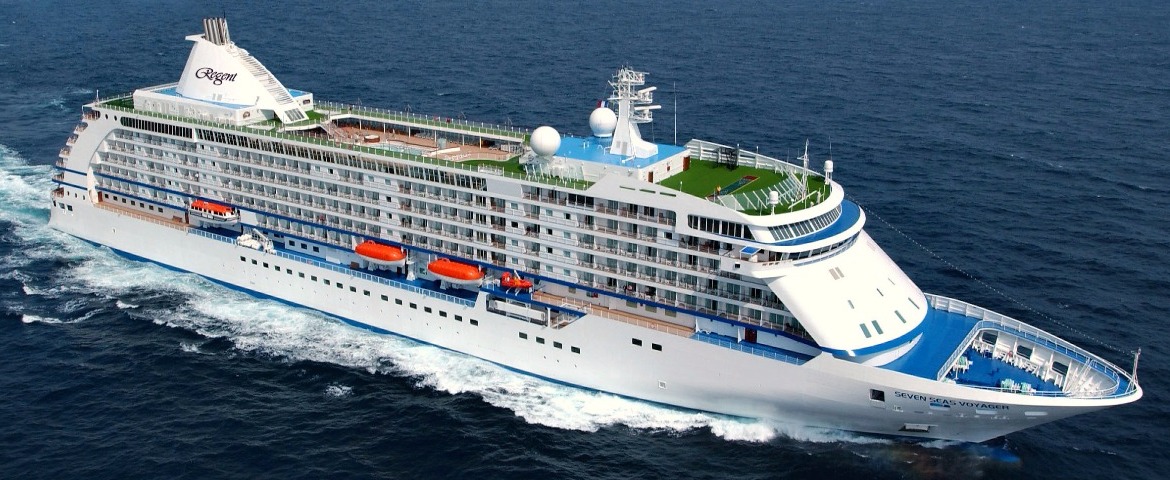
Regent Seven Seas Cruises (8 Cruises)

Scenic Cruises (38 Cruises)
Scenic Eclipse
19 Cruises


| 20 February | 28 nights | One-way from Valparaiso-Santiago to Rio de Janeiro |
450-628-6241
Call us
|
| 21 February | 26 days | One-way from Valparaiso-Santiago to Rio de Janeiro |
450-628-6241
Call us
|
Scenic Eclipse II
19 Cruises
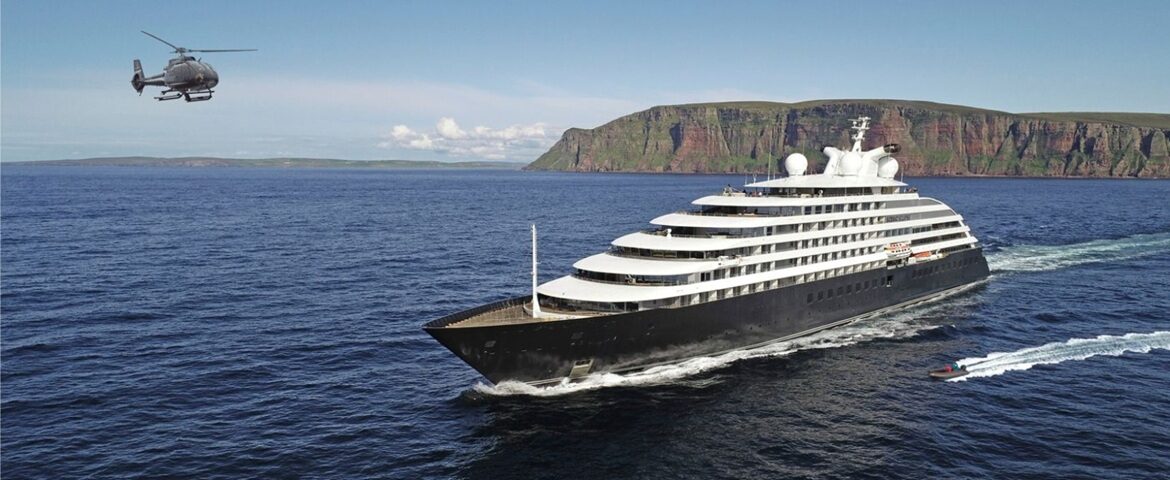
| 20 February | 28 nights | One-way from Valparaiso-Santiago to Rio de Janeiro |
450-628-6241
Call us
|
| 21 February | 26 days | One-way from Valparaiso-Santiago to Rio de Janeiro |
450-628-6241
Call us
|
Seabourn Cruise Line (37 Cruises)
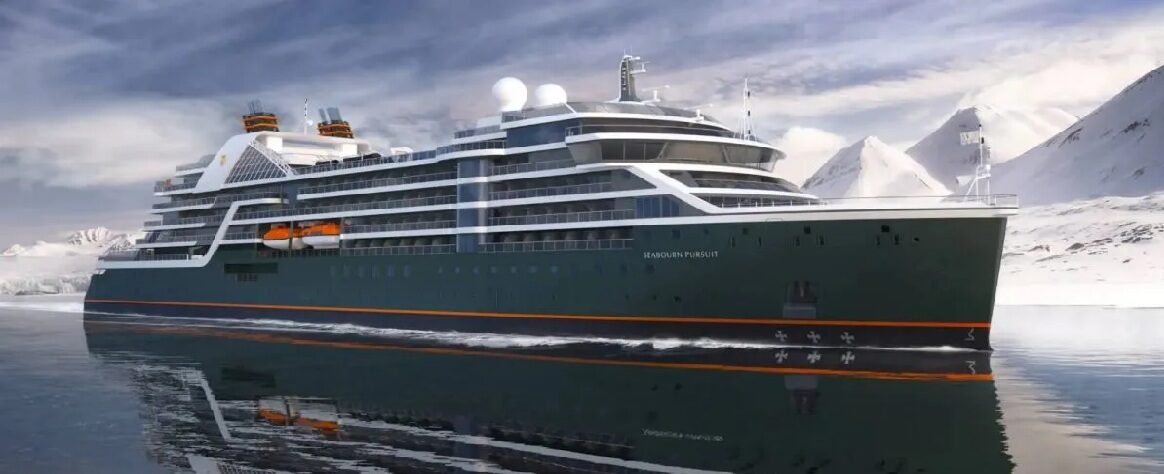

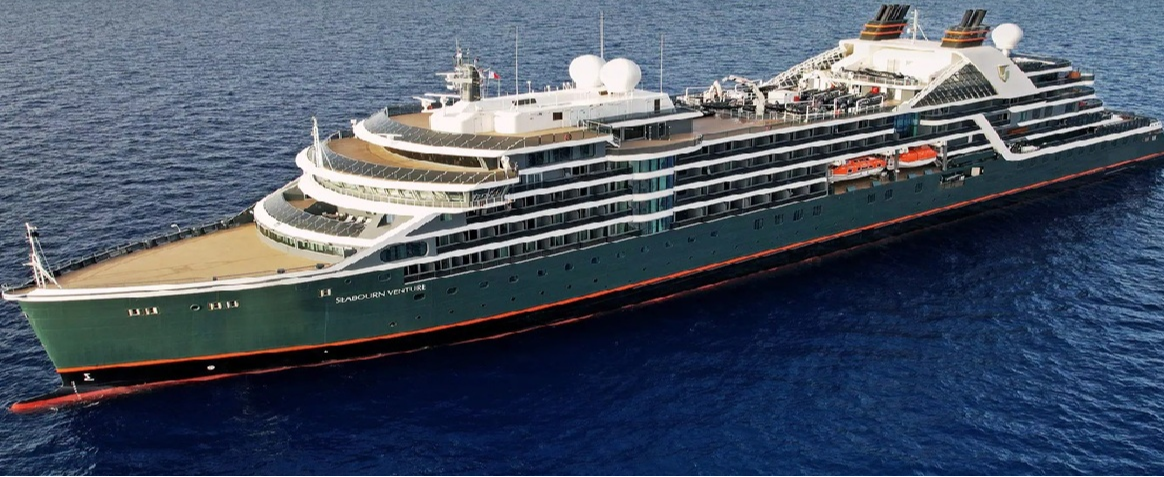
Seabourn Venture
34 Cruises
| 17 September | 38 nights | One-way from Kangerlussuaq to Rio de Janeiro |
450-628-6241
Call us
|
| 17 September | 63 nights | One-way from Kangerlussuaq to Ushuaia |
450-628-6241
Call us
|
| 18 September | 63 nights | One-way from Kangerlussuaq to Ushuaia |
450-628-6241
Call us
|
| 18 September | 38 nights | One-way from Kangerlussuaq to Rio de Janeiro |
450-628-6241
Call us
|
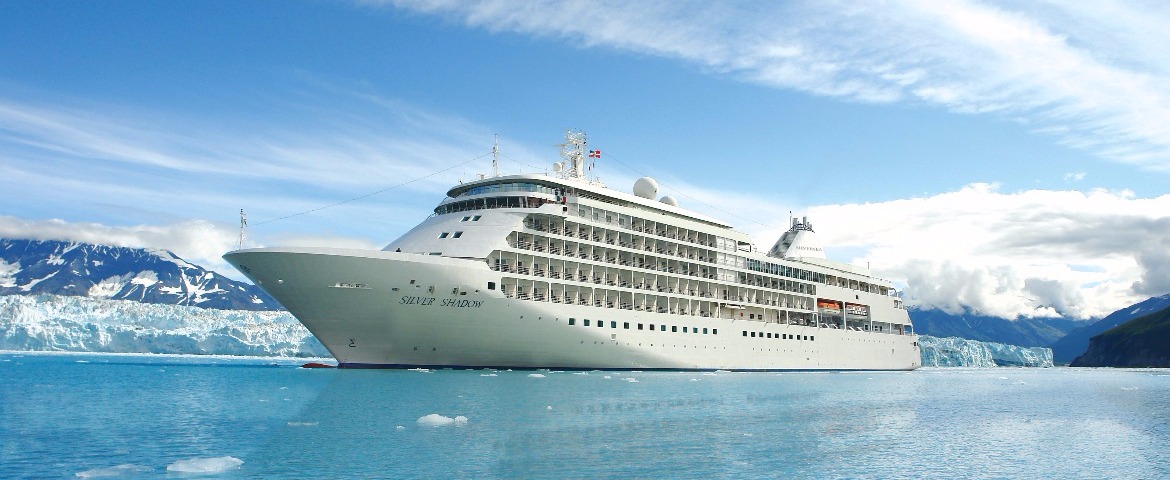
Silversea Cruises (10 Cruises)
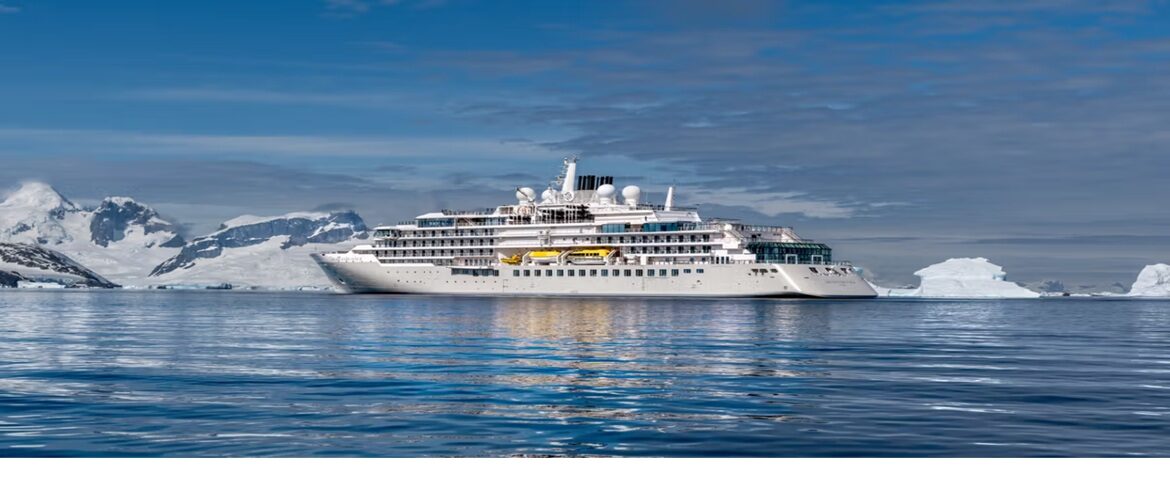

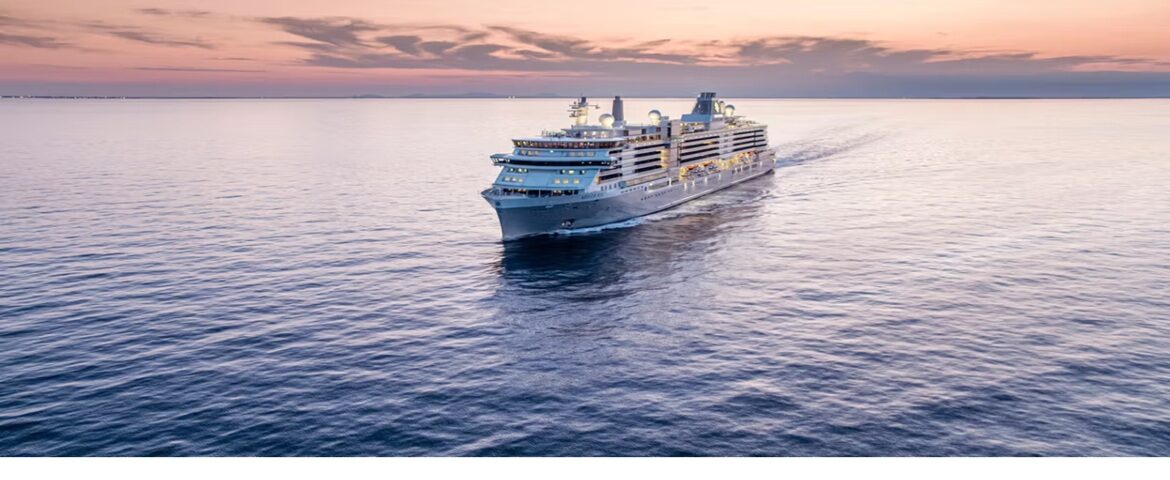
Silver Shadow
5 Cruises
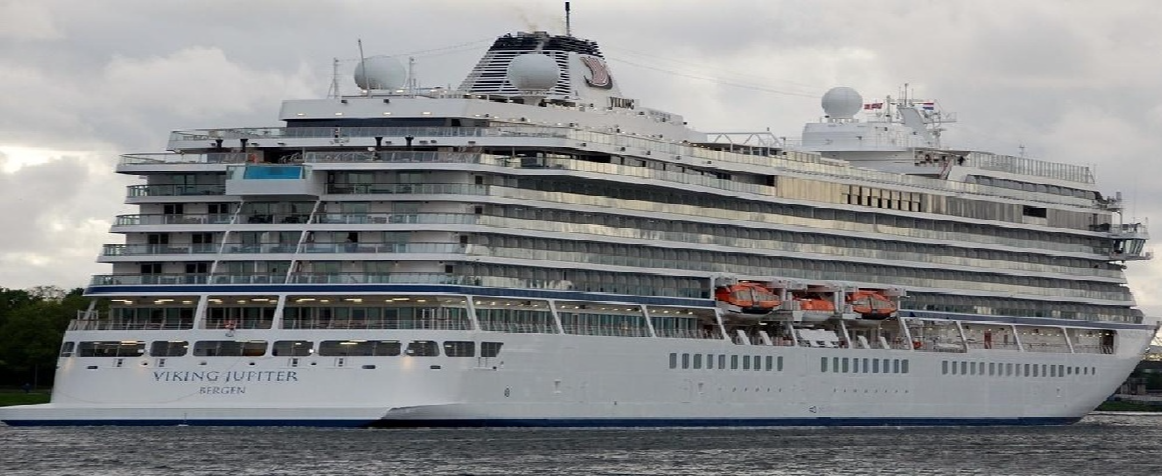
Viking Ocean Cruises (5 Cruises)


Rio de Janeiro, Brazil | Cruise Port Guide
Frequently Asked Questions
At Pier Mauá, right downtown, in the redeveloped old port district that Cariocas call Porto Maravilha. It is an unusually good berth: several museums and the mural esplanade are minutes away on foot.
Pick one great viewpoint, Corcovado or Sugarloaf, and keep the rest for the pier area. Trying to combine both summits and the beaches on a short call means spending the day in traffic.
A cog railway climbs through the Tijuca forest to the summit of Corcovado, at 710 metres. Mornings usually offer the best visibility and the shortest queues; in overcast weather the summit can sit inside the cloud.
It rises in two stages from the Urca district and reveals the bay from another angle, with the beaches strung out below. It is the alternative to Corcovado when mist hides the mountain, since the viewpoint is lower.
The Museu do Amanhã, the Museum of Tomorrow, stands in its futuristic white form right beside the terminal, with immersive installations that appeal to families and science-minded visitors alike. A few minutes' walk away, the Museu de Arte do Rio and the vast murals of the Boulevard Olímpico complete the stroll.
About ten kilometres south of the terminal, roughly twenty minutes by taxi depending on traffic. Copacabana unrolls its promenade of black and white waves; Ipanema, a little further, keeps a more bohemian mood facing the Dois Irmãos peaks.
The São Bento monastery with its gilded baroque interior, the Confeitaria Colombo and its Belle Époque mirrors, the white arches of the Lapa aqueduct and the Selarón steps, covered in tiles from around the world. These sit within a short distance of Pier Mauá.
The usual big-city sense: few valuables on display and travel by vehicle after dark. Downtown and the tourist areas are fine on foot by day, with the same awareness you would use anywhere.
Yes. The Museu do Amanhã, steps from the ship, holds children with its interactive installations, and the Sugarloaf cable car works for all ages. The Corcovado train demands more patience because of the queues.
In the morning, ahead of the crowds and in clear light. On a clear day either one justifies the call on its own; if the summit is socked in, switch to the lower Sugarloaf rather than going up blind.


