Aitutaki Island Cook Islands NZ
Cook Islands
119
Cruises availables
At departure or passage at this port
Azamara Club Cruises (5 Cruises)
Azamara Onward
5 Cruises

Explora Journeys (3 Cruises)


MSC Cruises (10 Cruises)
MSC Magnifica
10 Cruises

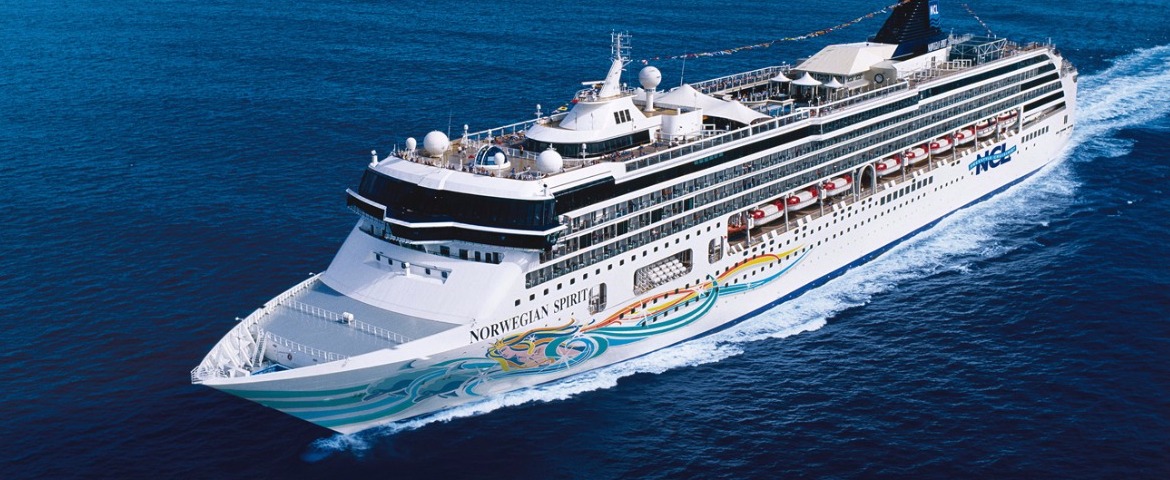
Norwegian Cruise Line (1 Cruises)

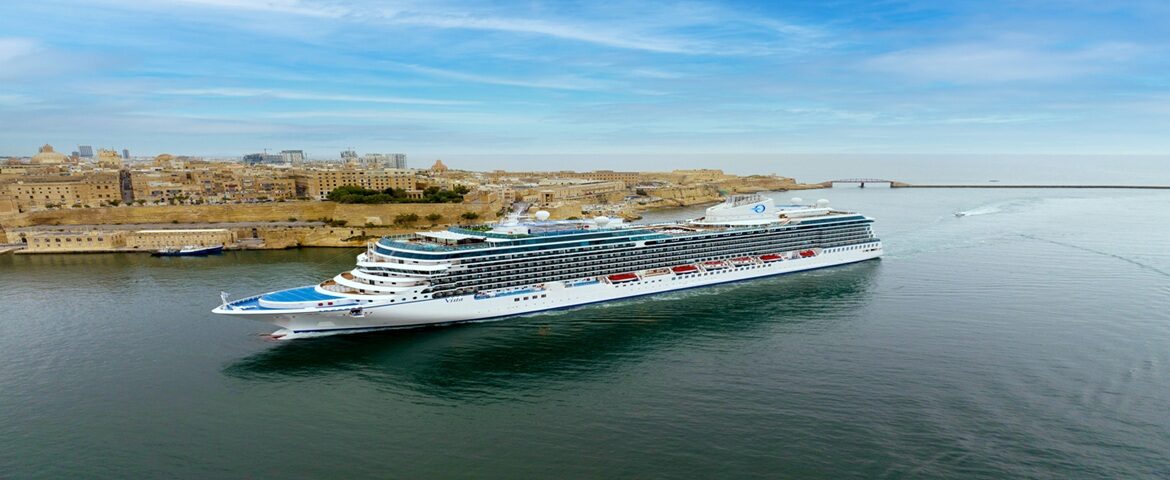
Oceania Cruises (5 Cruises)

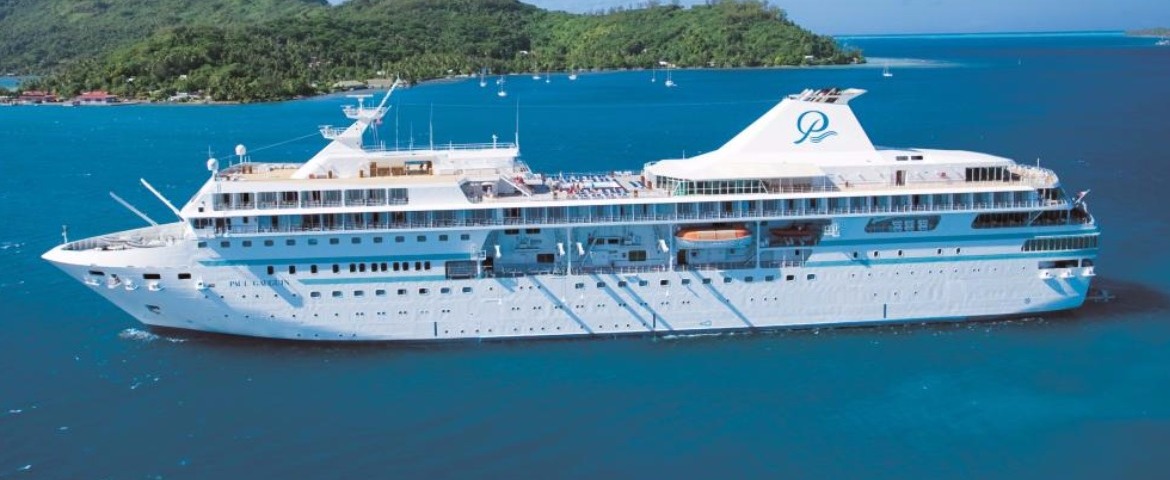
Paul Gauguin Cruises (18 Cruises)
M/S Paul Gauguin
18 Cruises

| 15 April | 12 days | One-way from Lautoka to Papeete |
450-628-6241
Call us
|
| 15 April | 13 days | One-way from Lautoka to Papeete |
450-628-6241
Call us
|
| 8 January | 11 days | Round-trip from Papeete, Tahiti, French Polynesia |
450-628-6241
Call us
|
| 8 January | 10 days | Round-trip 11 Night Cook Islands and Society Islands Cruise |
450-628-6241
Call us
|
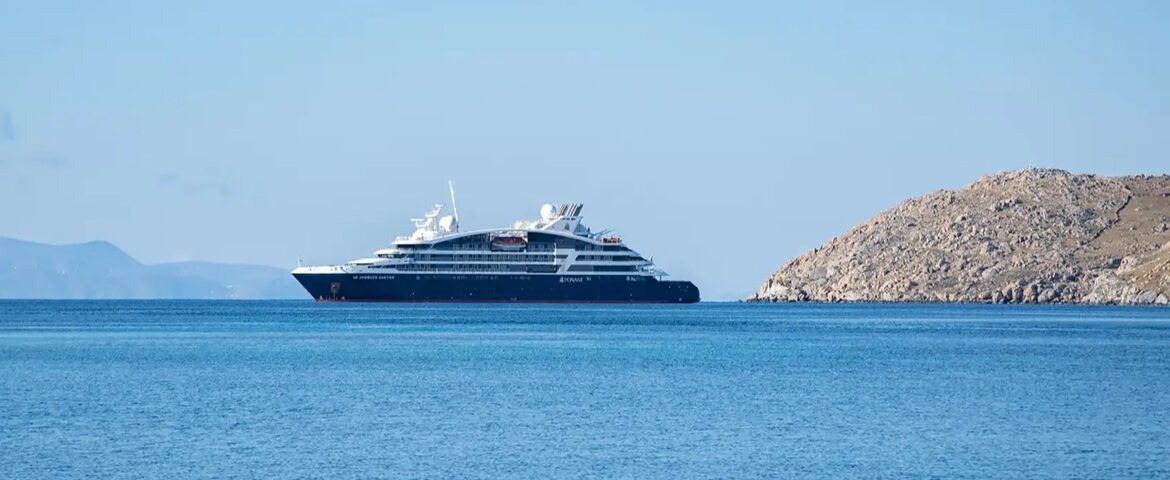
Ponant (4 Cruises)


Seabourn Cruise Line (18 Cruises)
Seabourn Pursuit
9 Cruises

Seabourn Quest
9 Cruises

Windstar Cruises (42 Cruises)
Star Breeze
42 Cruises

| 30 May | 18 days | Round-trip from Papeete, Tahiti, French Polynesia |
450-628-6241
Call us
|
| 30 May | 11 days | Round-trip from Papeete, Tahiti, French Polynesia |
450-628-6241
Call us
|
| 19 August | 17 days | Round-trip from Papeete, Tahiti, French Polynesia |
450-628-6241
Call us
|
| 26 August | 10 days | Round-trip from Papeete, Tahiti, French Polynesia |
450-628-6241
Call us
|
| 5 September | 11 days | Round-trip from Papeete, Tahiti, French Polynesia |
450-628-6241
Call us
|
| 5 September | 18 days | Round-trip from Papeete, Tahiti, French Polynesia |
450-628-6241
Call us
|
| 17 February | 14 days | One-way from Lautoka to Papeete |
450-628-6241
Call us
|
| 17 February | 28 days | One-way from Lautoka to Papeete |
450-628-6241
Call us
|
| 11 June | 18 days | Round-trip from Papeete, Tahiti, French Polynesia |
450-628-6241
Call us
|
| 11 June | 11 days | Round-trip from Papeete, Tahiti, French Polynesia |
450-628-6241
Call us
|
Aitutaki, Cook Islands | Cruise Port Guide
Frequently Asked Questions
By tender. The inner waters are too shallow for large ships: they anchor offshore and tenders make the run, fifteen to thirty minutes depending on the anchorage, to the small wharf at Arutanga.
A church, a few shops, a bank, a post office: the essentials of island life for barely two thousand people. The welcome often comes with music, ukuleles and flower garlands.
It is the oldest in the Cook Islands, built of bleached coral from 1828 by the first missionaries. Its blue woodwork is worth a look, especially if a choir is rehearsing: Polynesian harmonies carried by the whole congregation rank among visitors' strongest memories.
The lagoon cruise. Local boats weave between the motu, anchor above coral gardens for snorkelling, and land at One Foot Island, the island's emblematic islet.
A tiny post office there stamps passports with a foot-shaped mark. It is a collector's pleasure to show off back home, and one reason the islet is so heavily photographed.
Parrotfish, giant clams and sometimes rays, above coral gardens where the boats anchor along the way. At low tide you can also walk on immaculate sandbanks that emerge in the middle of the turquoise water.
The village is walkable or explorable by rented scooter: low houses, taro gardens, mango trees, and the beaches near Arutanga for swimming. The day is just as enjoyable that way, provided you accept a slow pace.
Yes, and a surprising one. In the 1950s, Tasman Empire Airways flying boats landed in the atoll itself on the famous Coral Route between New Zealand and Tahiti; passengers swam while the aircraft refuelled. A decade earlier, American forces had built the airstrip still in use today.
The New Zealand dollar, preferably in cash: island businesses handle foreign cards poorly. English and Cook Islands Māori are spoken, so communication is straightforward.
May to October, the drier and cooler South Pacific season, with calmer seas for tenders. Cyclone season runs from November to April, and landing depends entirely on sea conditions.


