Bastia Corsica France
131
Cruises availables
At departure or passage at this port
CroisiEurope (24 Cruises)
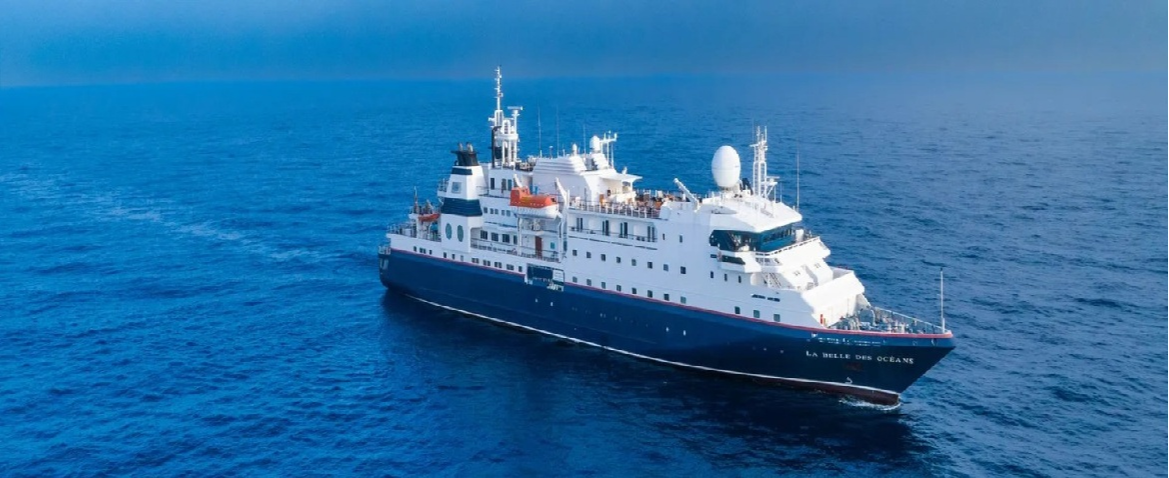
Mv La Belle Des Oceans
24 Cruises
| 16 April | 8 days | Round-trip from Villefranche-sur-Mer, France |
450-628-6241
Call us
|
| 23 April | 8 days | Round-trip from Villefranche-sur-Mer, France |
450-628-6241
Call us
|
| 11 June | 8 days | Round-trip from Villefranche-sur-Mer, France |
450-628-6241
Call us
|
| 18 June | 8 days | Round-trip from Villefranche-sur-Mer, France |
450-628-6241
Call us
|

Oceania Cruises (23 Cruises)
Oceania Aurelia
4 Cruises
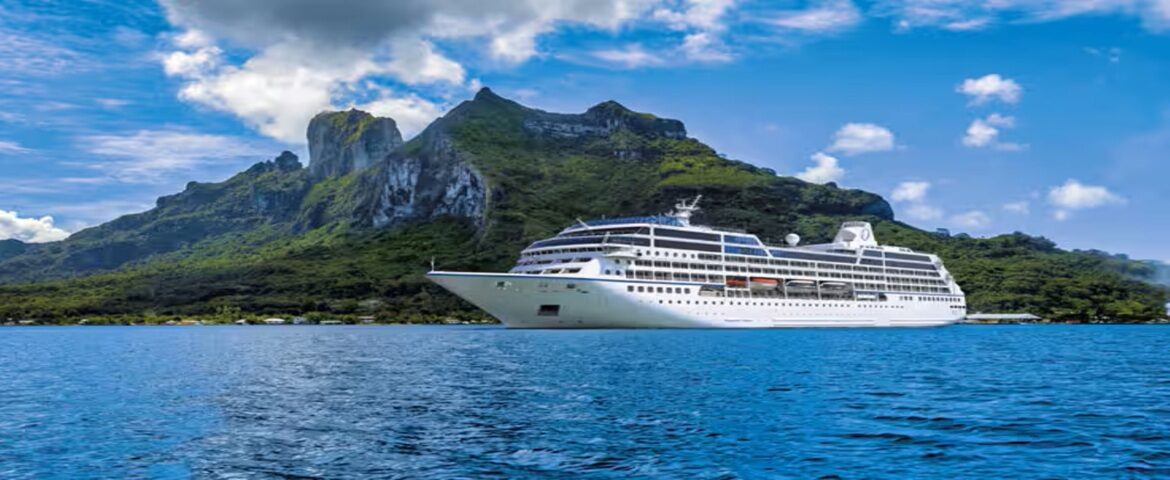

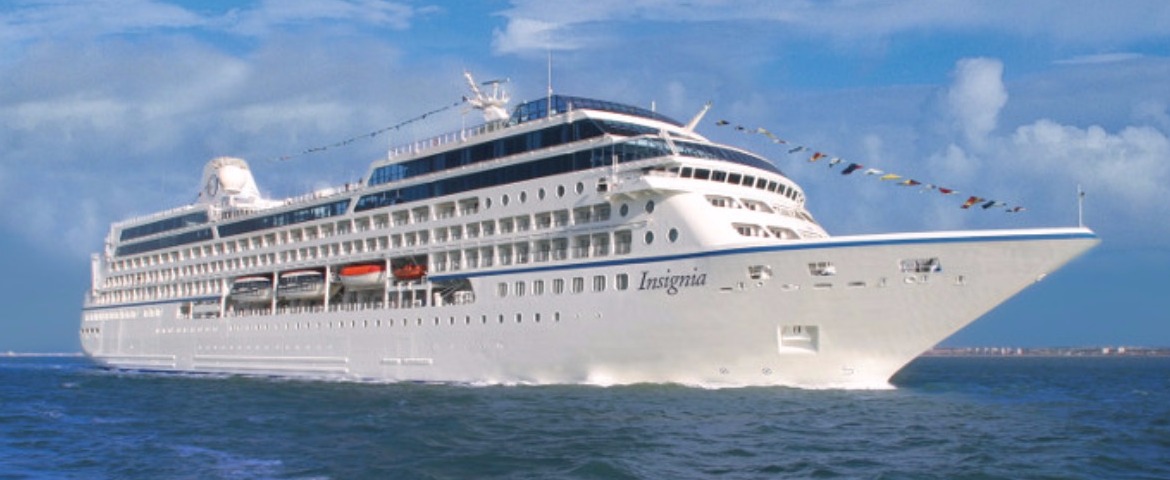
Oceania Insignia
6 Cruises
| 19 August | 67 days | One-way from Helsinki to Piraeus-Athens |
450-628-6241
Call us
|
| 19 August | 68 days | One-way from Helsinki to Piraeus-Athens |
450-628-6241
Call us
|
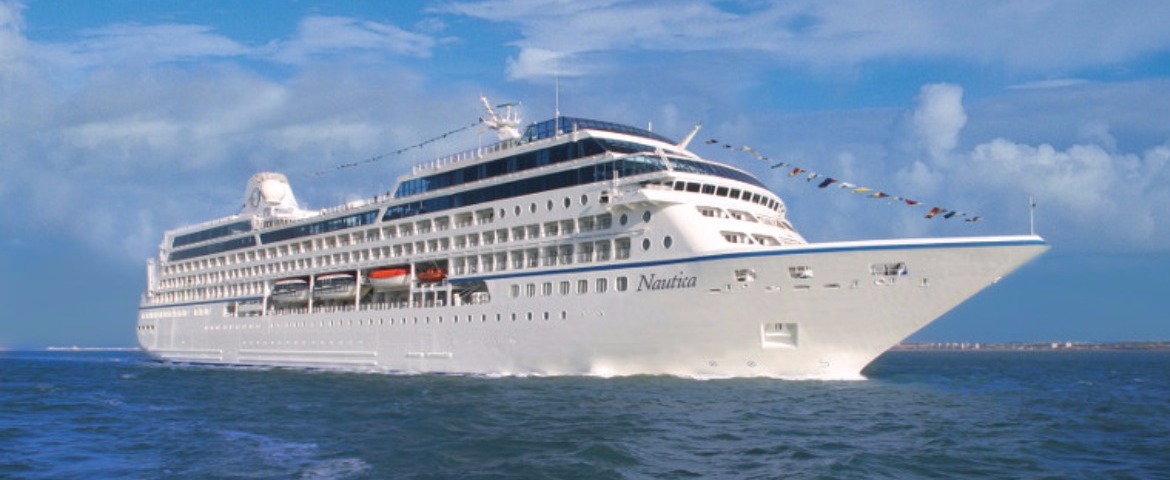
Oceania Nautica
4 Cruises
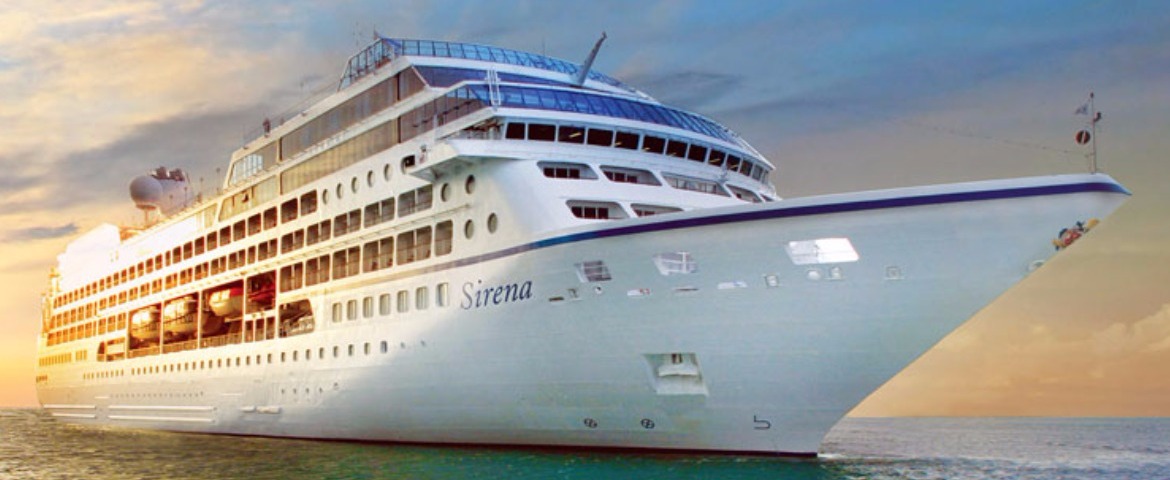
Oceania Sirena
6 Cruises
Regent Seven Seas Cruises (8 Cruises)
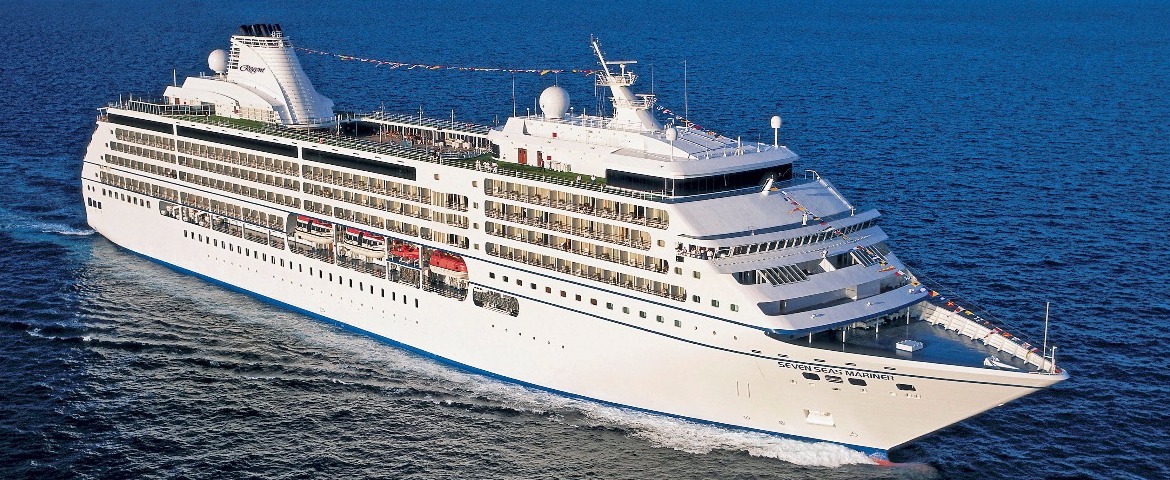
Seven Seas Mariner
6 Cruises
| 29 April | 175 days | One-way from New York to Piraeus-Athens |
450-628-6241
Call us
|
| 29 April | 174 days | One-way from New York to Piraeus-Athens |
450-628-6241
Call us
|

Seabourn Cruise Line (28 Cruises)
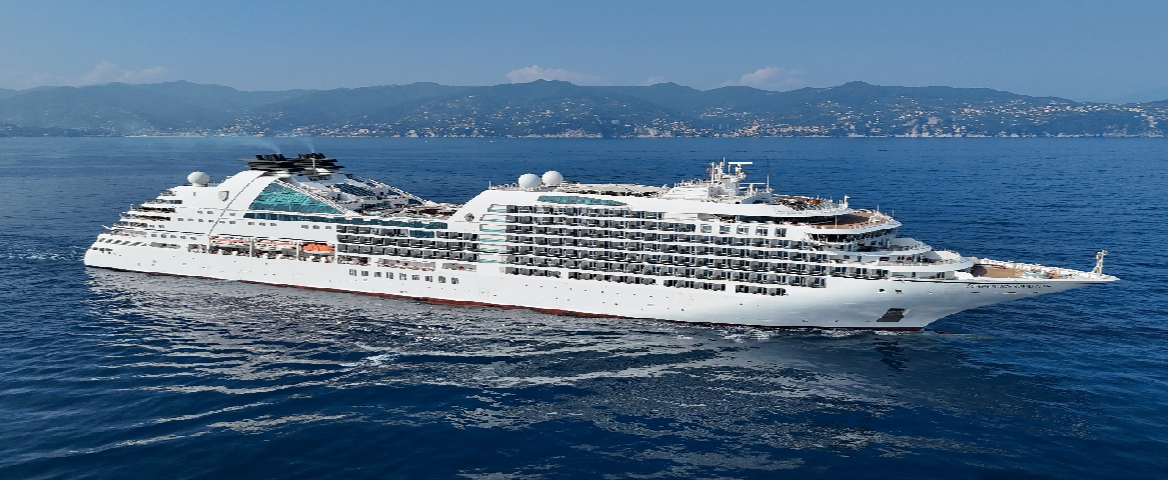
Seabourn Ovation
28 Cruises
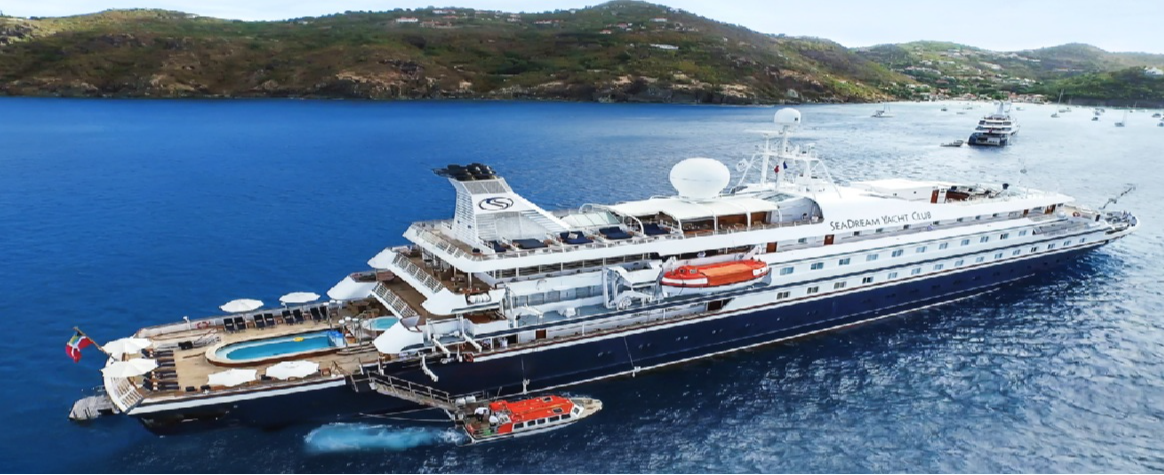
SeaDream Yacht Club (5 Cruises)

Silversea Cruises (13 Cruises)
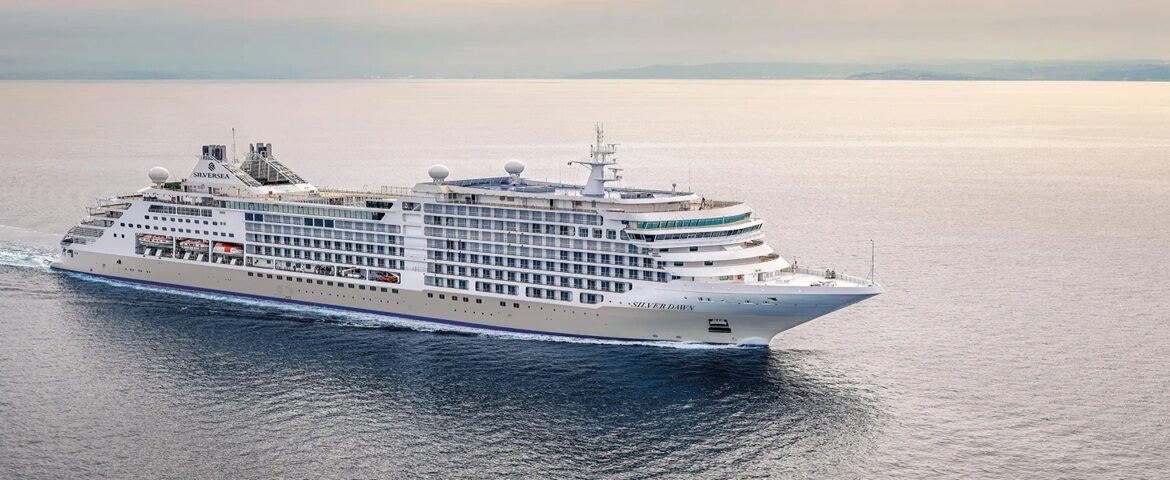
Silver Dawn
4 Cruises

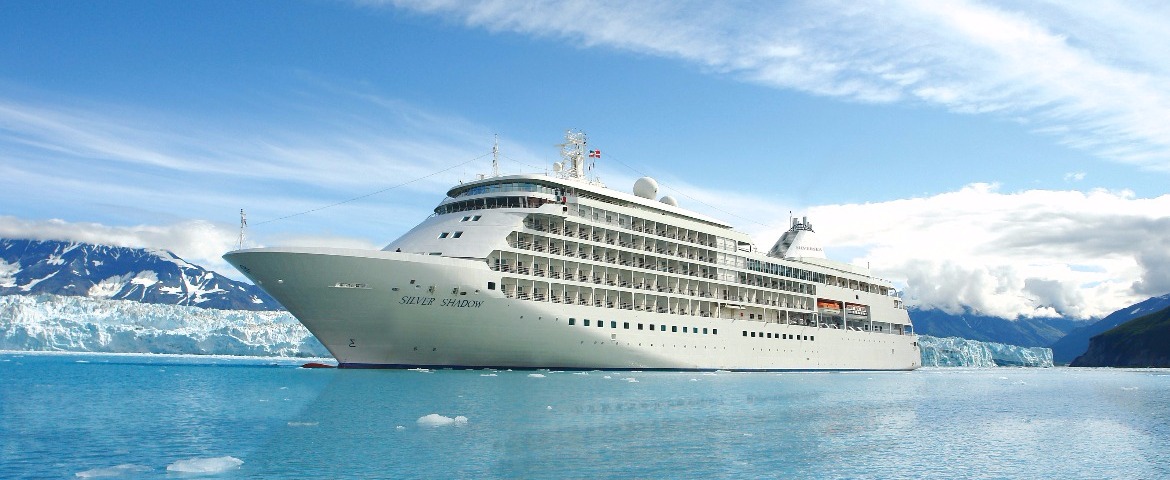
Silver Shadow
9 Cruises
| 16 May | 25 days | One-way from Villefranche-sur-Mer to Piraeus-Athens |
450-628-6241
Call us
|
| 16 May | 13 days | One-way from Villefranche-sur-Mer to Piraeus-Athens |
450-628-6241
Call us
|
Star Clippers (5 Cruises)
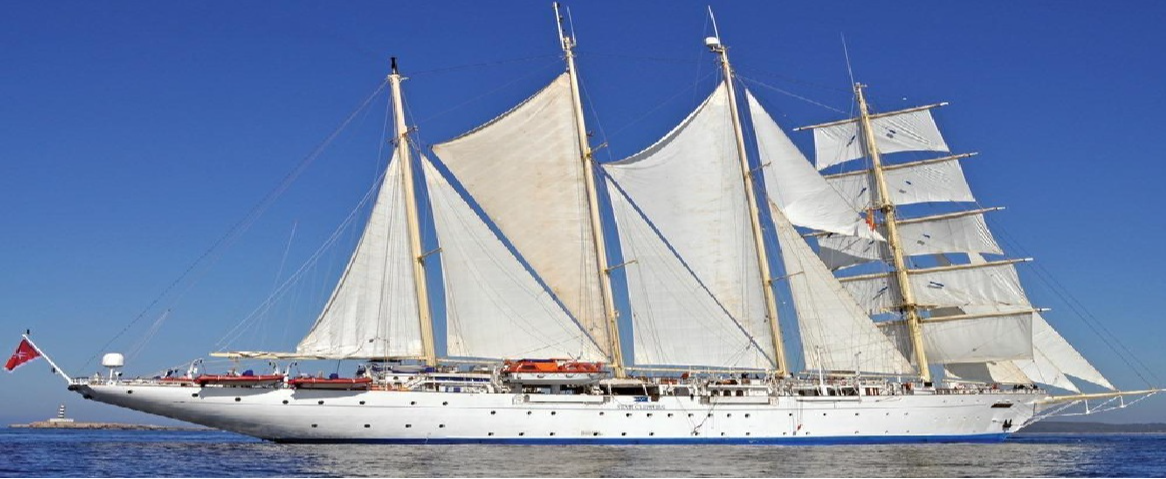
Star Clipper
5 Cruises

| 31 May | 6 days | Round-trip from Civitavecchia-Rome, Italy |
450-628-6241
Call us
|
| 31 May | 17 days | One-way from Civitavecchia-Rome to Venice |
450-628-6241
Call us
|
Windstar Cruises (15 Cruises)
Star Legend
9 Cruises
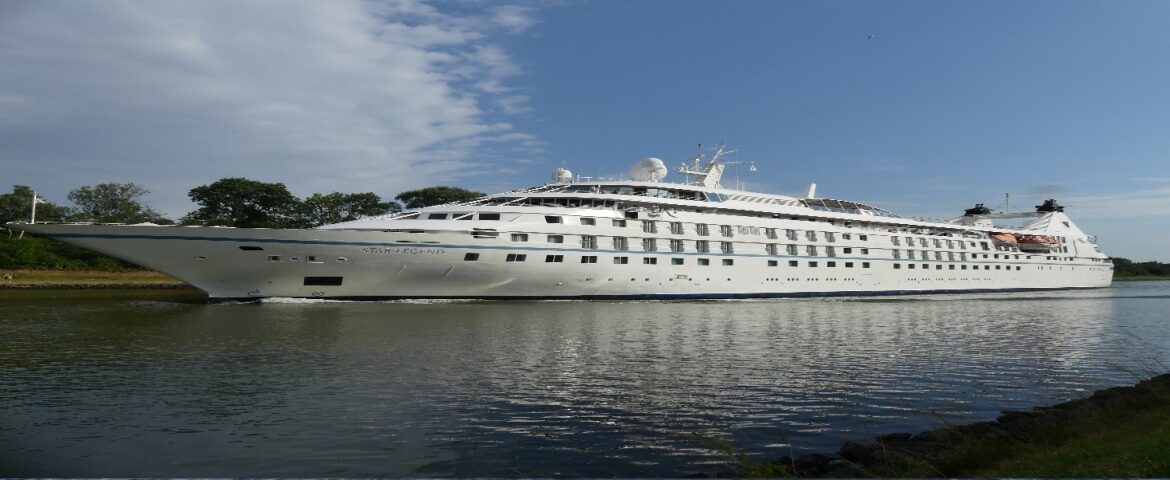

| 29 May | 11 days | One-way from Civitavecchia-Rome to Barcelona |
450-628-6241
Call us
|
| 29 May | 10 days | One-way from Civitavecchia-Rome to Barcelona |
450-628-6241
Call us
|
| 1 June | 8 days | One-way from Civitavecchia-Rome to Barcelona |
450-628-6241
Call us
|
| 1 June | 7 days | One-way from Civitavecchia-Rome to Barcelona |
450-628-6241
Call us
|
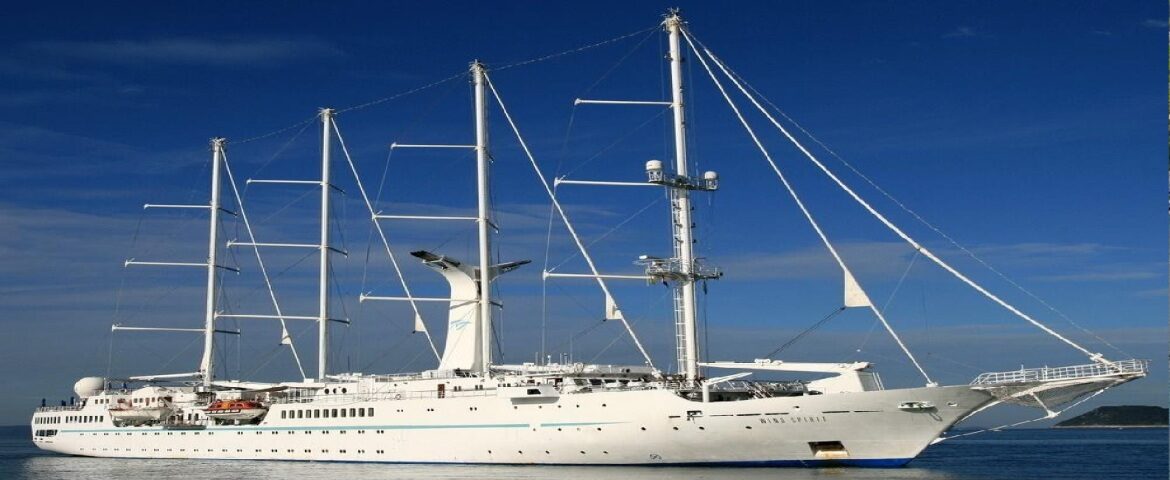
Wind Star
4 Cruises
Frequently Asked Questions
At the commercial quays, a ten to fifteen minute walk from Place Saint-Nicolas. No shuttle or taxi is needed: you leave the terminal, follow the palm trees and reach the centre.
One of the largest squares in France, open to the sea, with a statue of Napoleon draped as a Roman emperor at its centre. Kiosks and terraces line it; it is the natural starting point for an unhurried port call.
Terra Vecchia and its maze of vaulted lanes, the church of Saint-Jean-Baptiste with its twin bell towers, the old harbour, then the climb to the citadel through the Jardin Romieu. The Aldilonda closes the loop at water level.
The oldest quarter, behind Place Saint-Nicolas: tall dark lanes linked by vaulted passages, laundry at the windows, and a market on the town hall square on some mornings with charcuterie, sheep's cheeses and canistrelli.
By the Jardin Romieu stairway, which zigzags up in shade from the fishermen's quays. Allow twenty minutes on foot from the terminal. Terra Nova, the citadel begun by the Genoese governors in the fifteenth century, now houses the Bastia museum in their former palace.
A recent walkway pinned to the cliff below the citadel walls on the seaward side. The name means above the sea in the island's language. The route is short and accessible, and extends the walk to the southern beaches. Bring sunglasses: the glare off the water is constant.
Because four centuries of Genoese rule left it ochre and straw-yellow facades, baroque oratories and a horseshoe-shaped old harbour. The city is Corsican through and through, but the inheritance shows on every street.
By taxi or bus, about twenty minutes north, some ten kilometres away. It is a fishing hamlet clustered around a ruined Genoese tower, at the edge of Cap Corse.
Yes, the Patrimonio wine road lies about twenty kilometres away, by excursion or taxi. Estates there pour muscats and niellucciu reds facing the vines. Distances stay short, which makes getting back to the ship low-stress.
The euro, French and Corsican, heard everywhere. Bastia is not a museum town: it works, argues loudly and lives facing the sea. That is exactly what makes the call interesting.


