Gythion Greece
147
Cruises availables
At departure or passage at this port
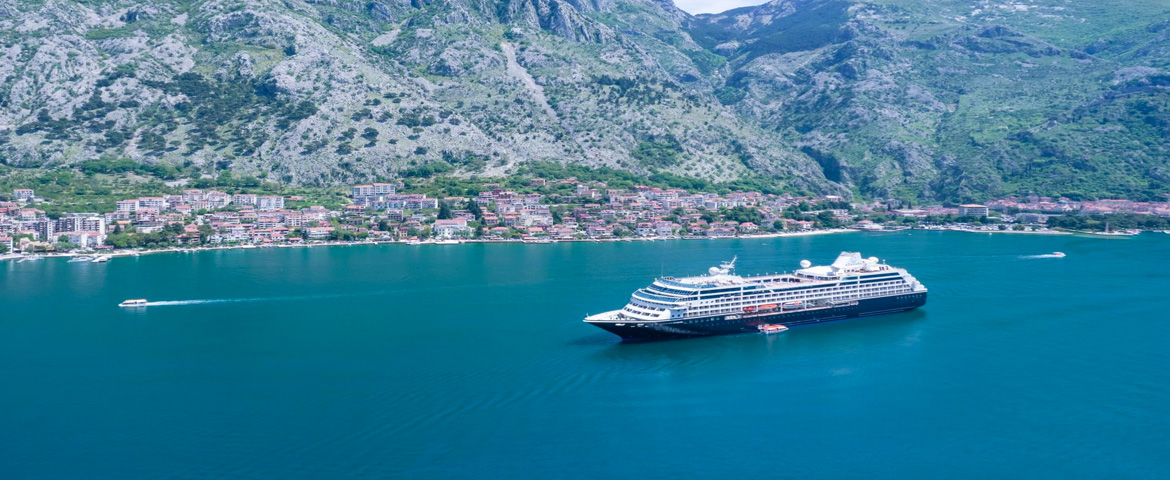
Azamara Club Cruises (1 Cruises)

CroisiEurope (4 Cruises)


Emerald Waterways (4 Cruises)
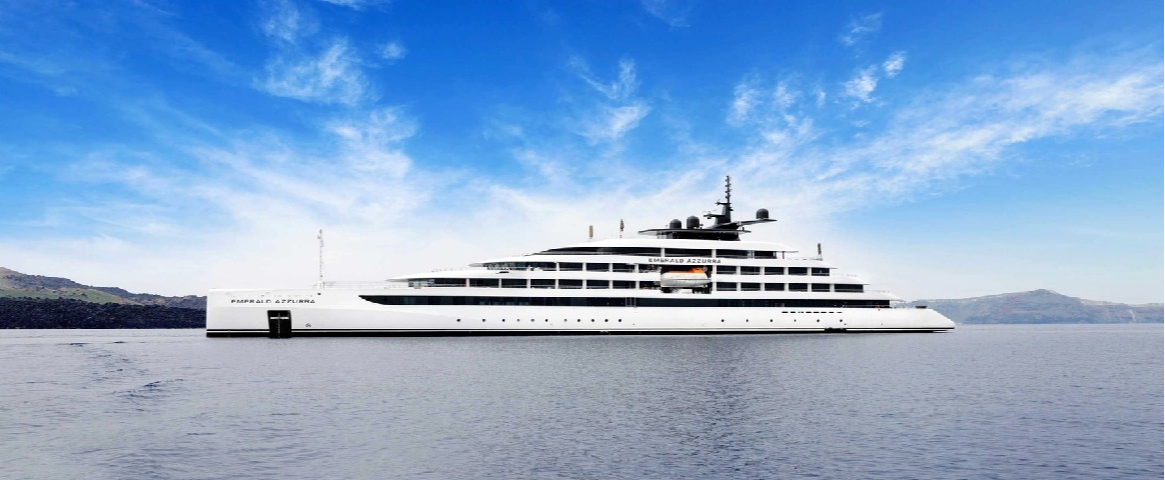
Emerald Azzurra
4 Cruises

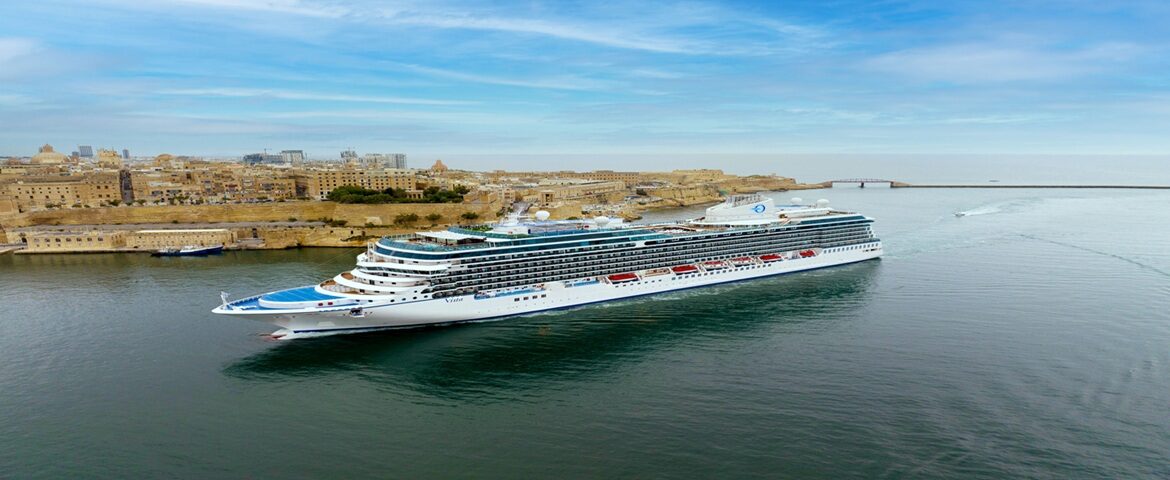
Oceania Cruises (30 Cruises)
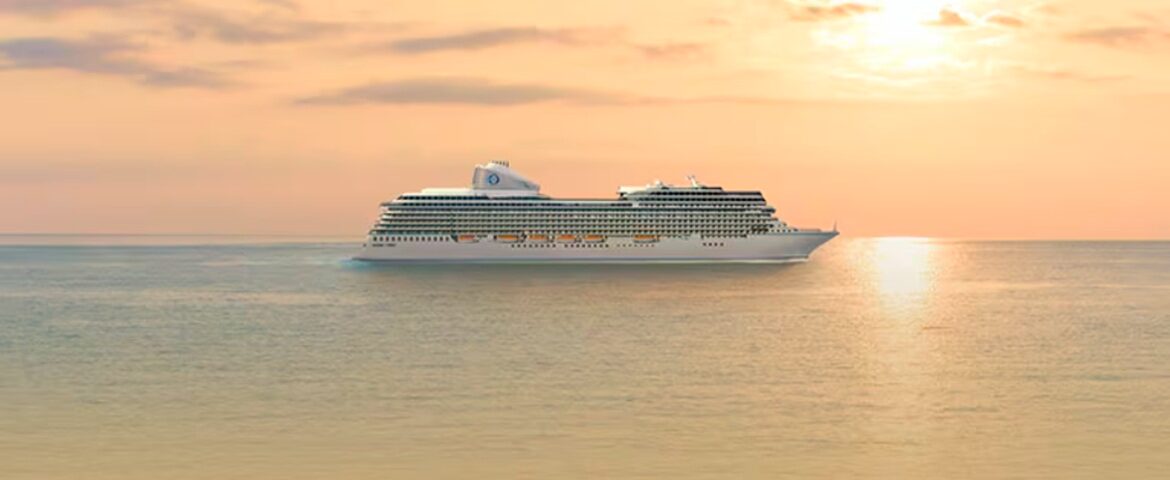
Oceania Allura
11 Cruises

| 23 May | 19 nights | One-way from Trieste to Civitavecchia-Rome |
450-628-6241
Call us
|
| 23 May | 10 nights | One-way from Trieste to Barcelona |
450-628-6241
Call us
|
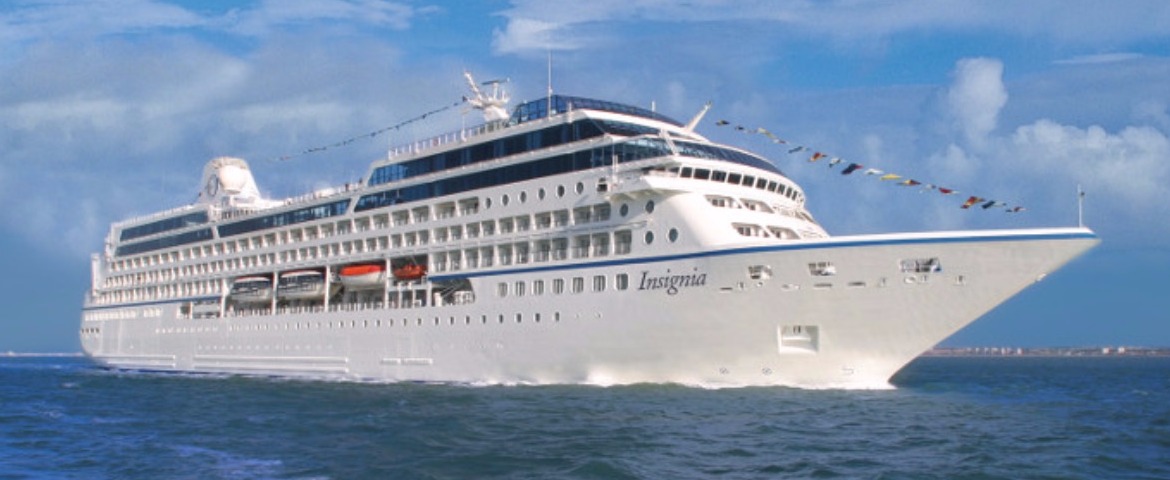
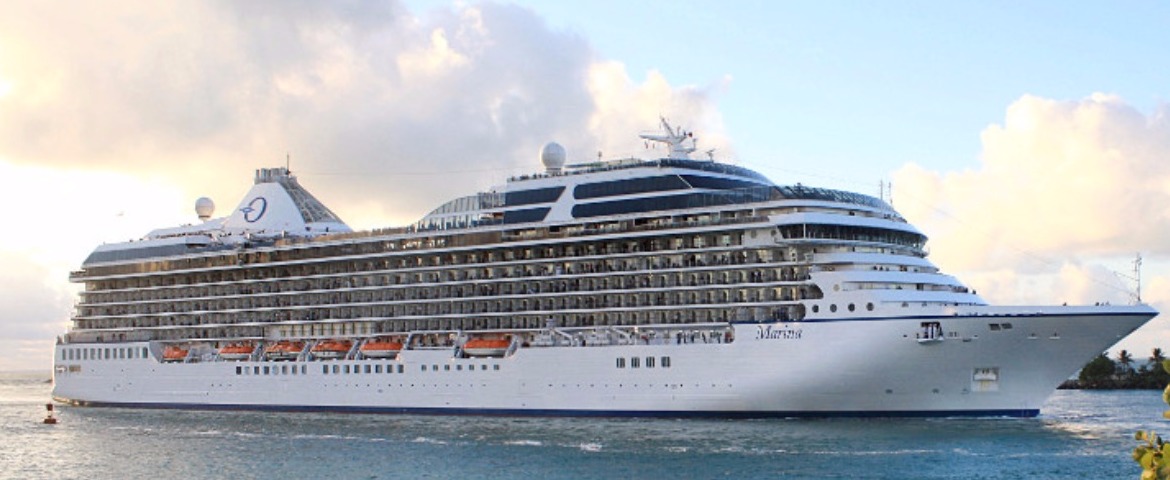
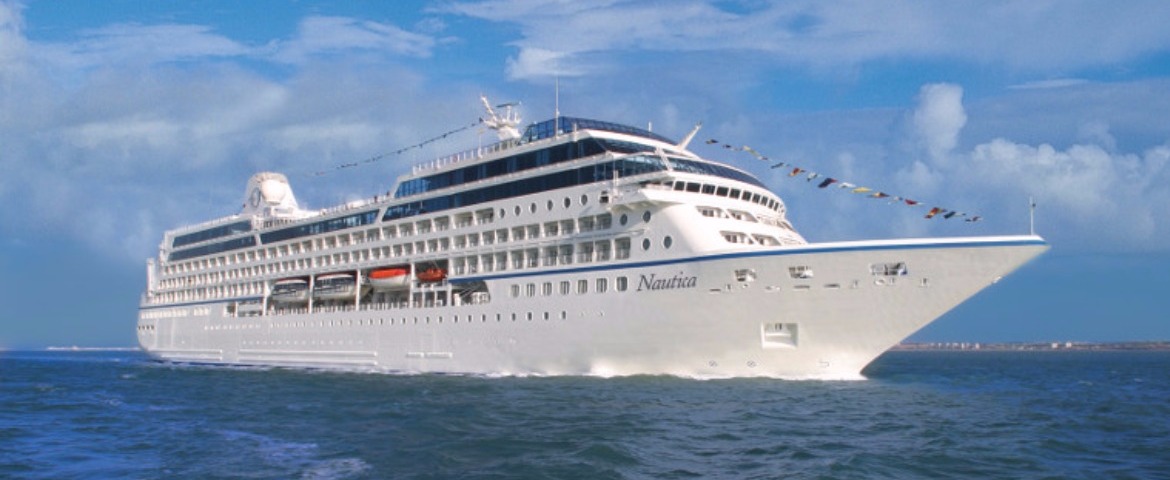
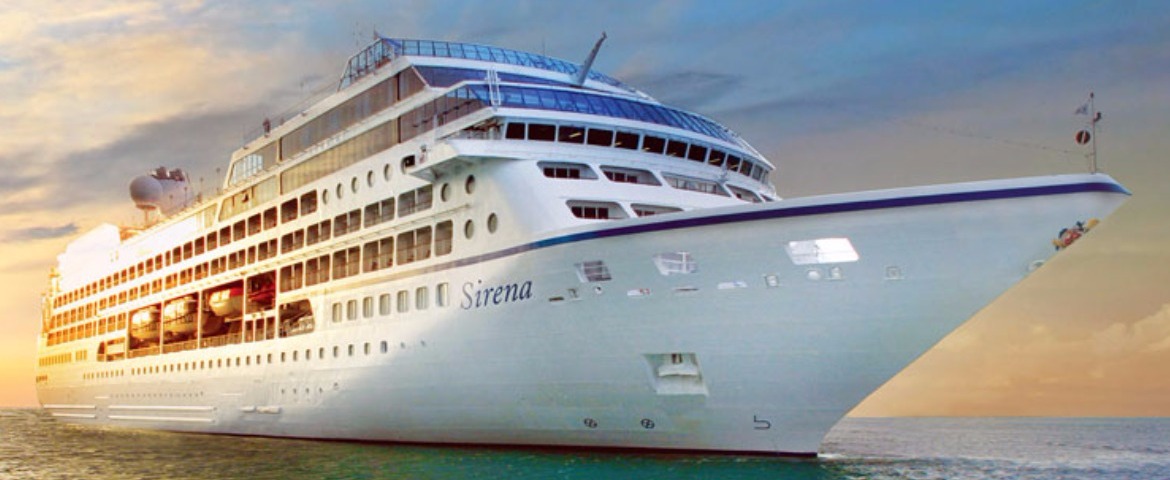
Regent Seven Seas Cruises (12 Cruises)
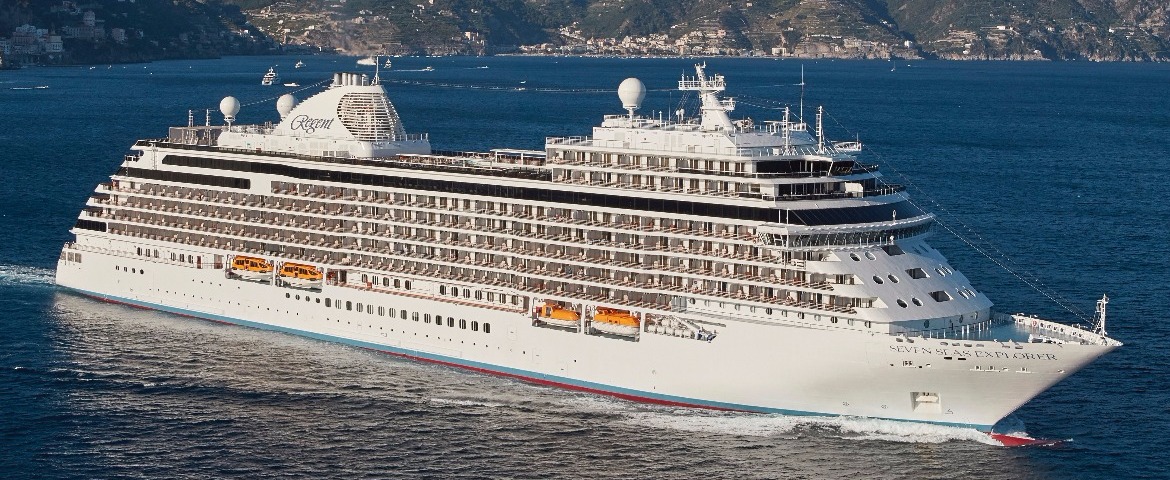

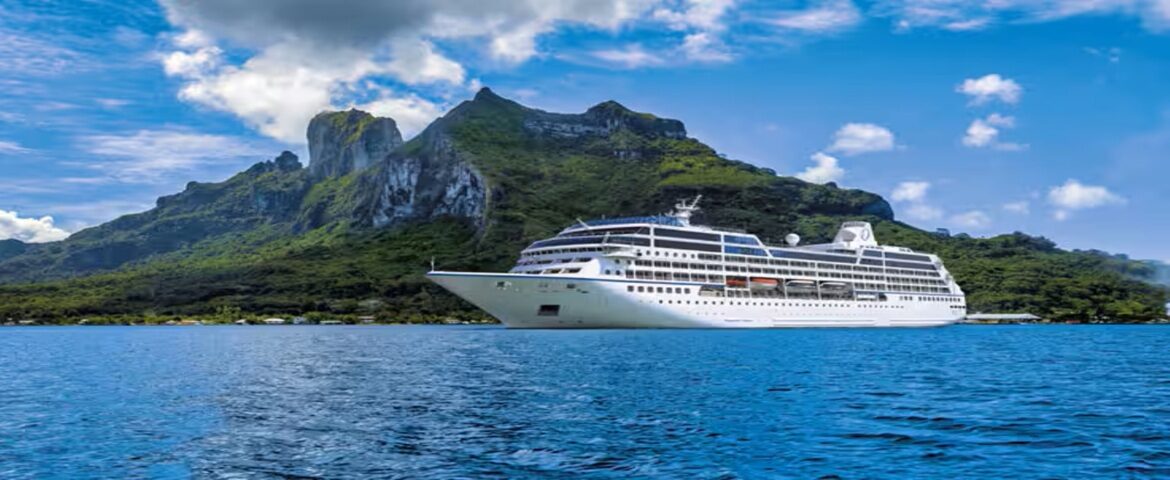
Seven Seas Grandeur
7 Cruises
Seabourn Cruise Line (73 Cruises)
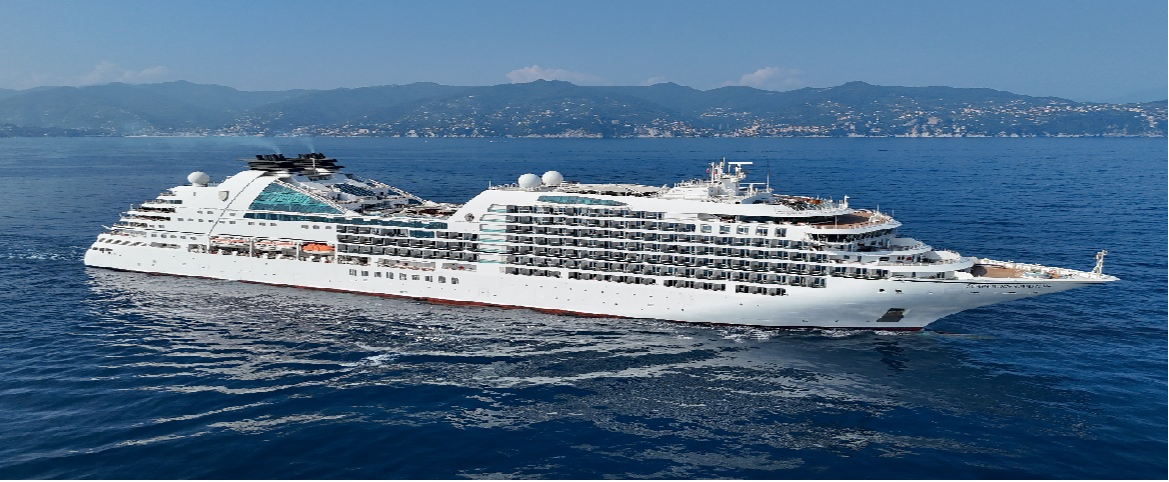
Seabourn Ovation
73 Cruises

| 30 April | 29 nights | One-way from Genoa to Istanbul |
450-628-6241
Call us
|
| 30 April | 22 nights | One-way from Genoa to Piraeus-Athens |
450-628-6241
Call us
|
Silversea Cruises (12 Cruises)
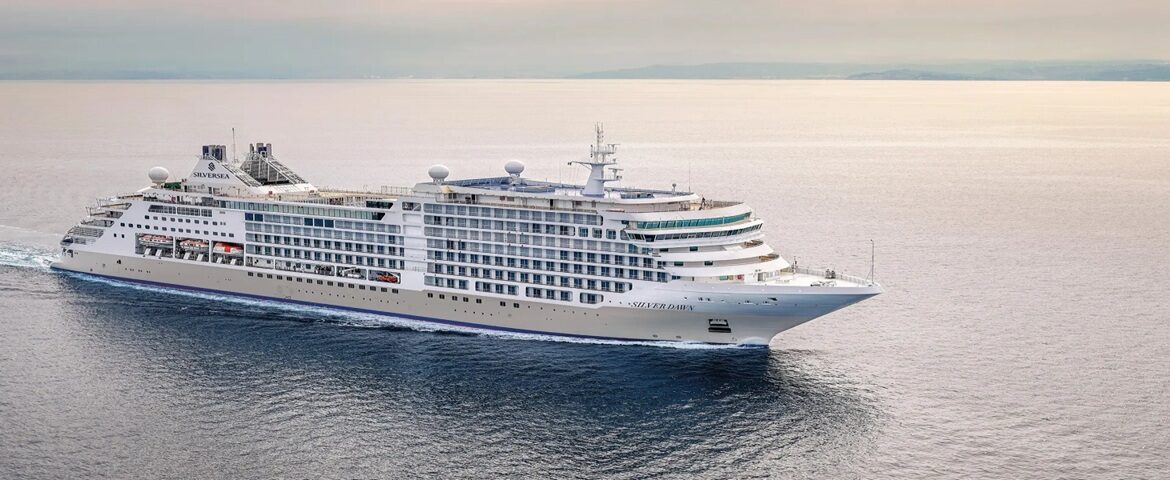

Silver Ray
6 Cruises
| 22 July | 7 nights | One-way from Civitavecchia-Rome to Piraeus-Athens |
450-628-6241
Call us
|
| 22 July | 14 nights | One-way from Civitavecchia-Rome to Piraeus-Athens |
450-628-6241
Call us
|
Star Clippers (6 Cruises)



Gythion Greece | Peloponnese Cruise Port & Travel Guide
Frequently Asked Questions
By tender, alongside a narrow statue-lined mole, landing right in the town centre. The waterfront and its tavernas begin where you step off.
The islet of Cranae on foot from the quay, a half-hour walk, then the upper town and a plate of grilled octopus facing the harbour. Mystras or the Mani need a full day.
A pine-planted islet linked to the end of the waterfront by a causeway. Homeric tradition makes it the refuge where Paris and Helen spent their first night after fleeing Sparta. It holds a nineteenth-century lighthouse and the Tzanetakis tower, home to the Mani museum.
Gythion was Sparta's sea outlet, and it keeps that role: it is the gateway through which cruise passengers reach Laconia. Sparta lies about thirty minutes inland, on a plain below the ridges of Mount Taygetus.
Yes, it is the high point of any call in the region. The Byzantine city, a UNESCO World Heritage site, preserves churches with remarkable frescoes, monasteries and the palace of the despots, clinging to a hillside.
Modest remains and a museum, nothing spectacular: worth knowing before you go. It is the name and the story that carry the visit more than the stones.
An austere peninsula to the south, where villages bristling with stone towers tell of centuries of clans and family pride. The Diros caves on the coast are toured by boat along an underground river.
Yes, the long beach of Mavrovouni stretches north of town, with clear water. It is the choice for anyone who would rather stay by the sea than head inland.
Charcoal-grilled octopus, Kalamata olives, local olive oil and a glass of retsina: the classic menu of the gulf. Oranges from the Laconian plain finish the meal better than any dessert.
The euro and Greek. Gythion remains a provincial town that lives for itself: English is spoken in the quayside tavernas, less so elsewhere. Bring cash for small businesses and taxis.


