Husavik Iceland
64
Cruises availables
At departure or passage at this port

Azamara Club Cruises (8 Cruises)
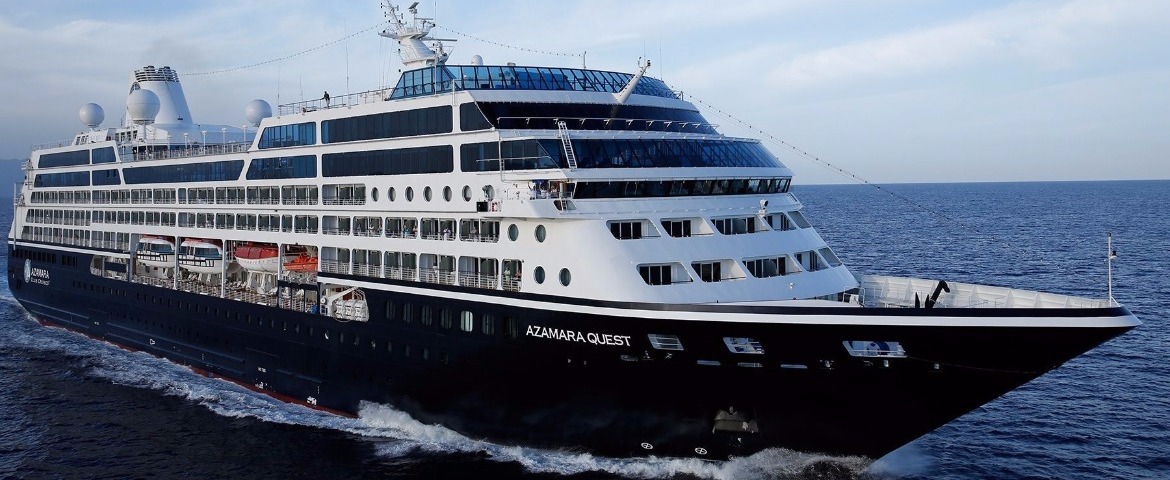
Azamara Quest
8 Cruises

| 29 July | 44 days | One-way from Copenhagen to New York |
450-628-6241
Call us
|
| 29 July | 43 days | One-way from Copenhagen to New York |
450-628-6241
Call us
|
Holland America Line (4 Cruises)

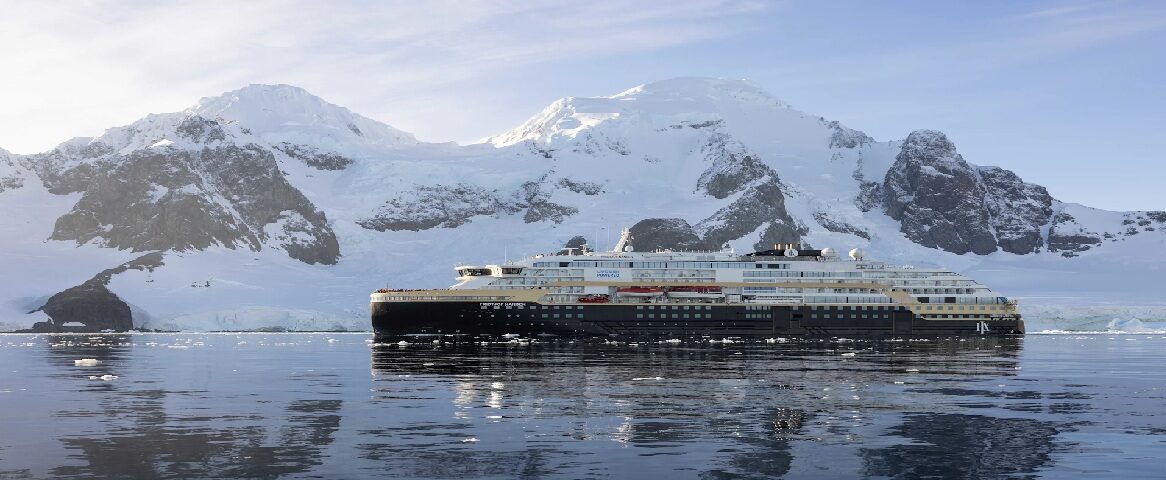
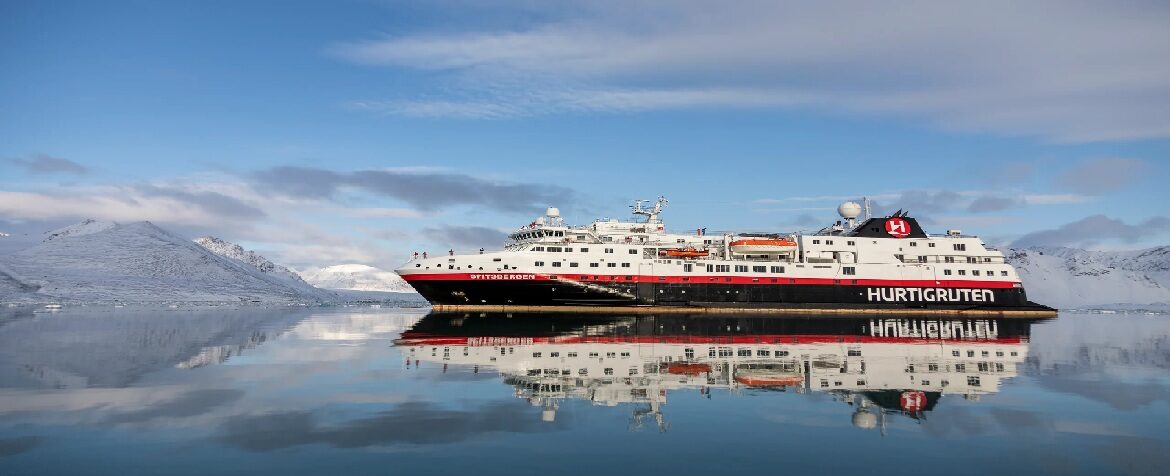
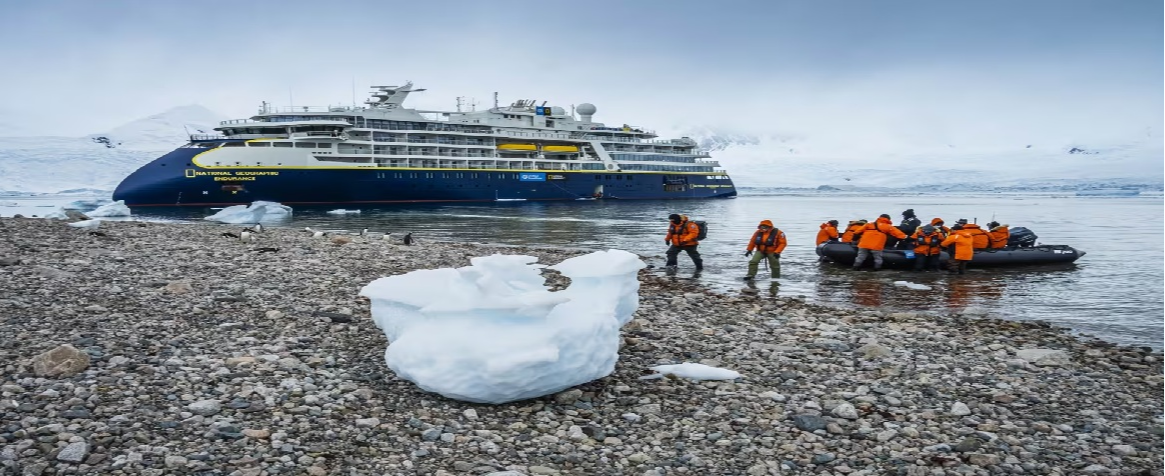
HX Expeditions (4 Cruises)


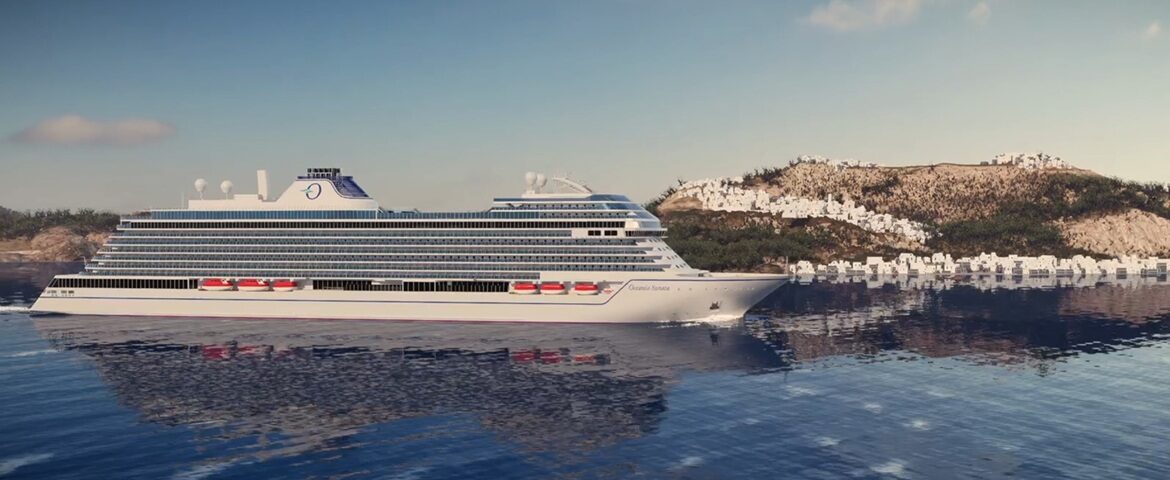
Oceania Cruises (2 Cruises)

Ponant (2 Cruises)


Seabourn Cruise Line (23 Cruises)
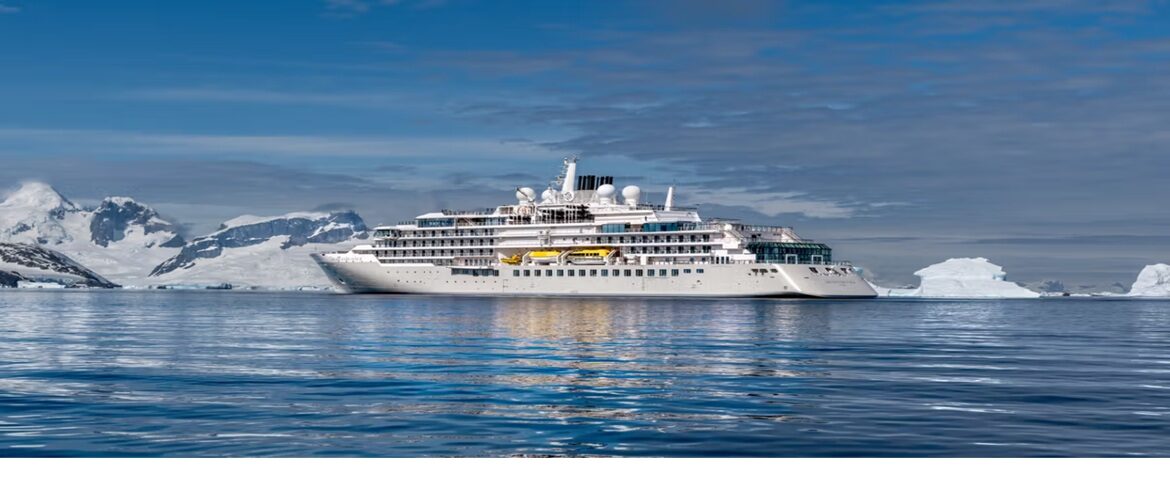
Seabourn Pursuit
7 Cruises

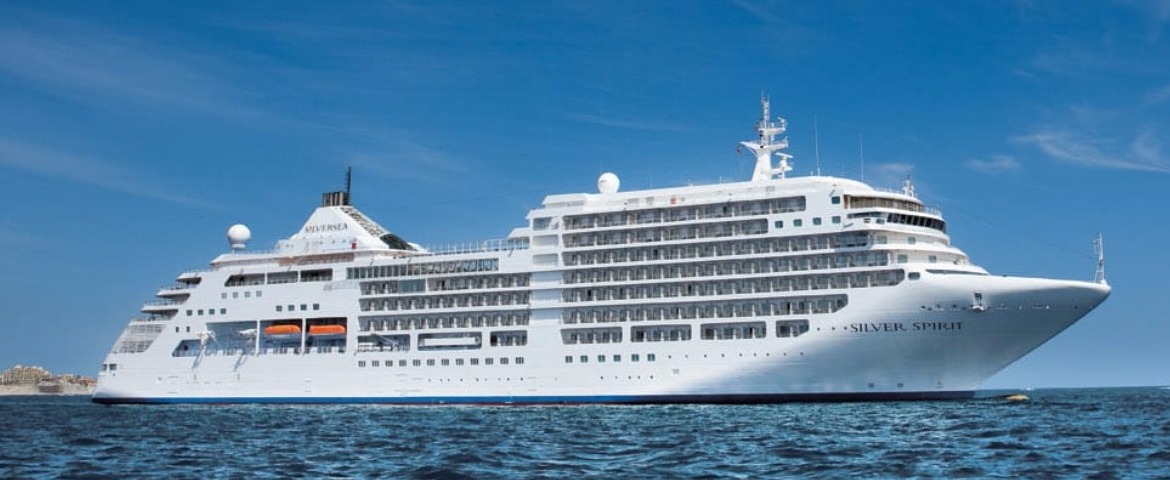
Seabourn Quest
16 Cruises

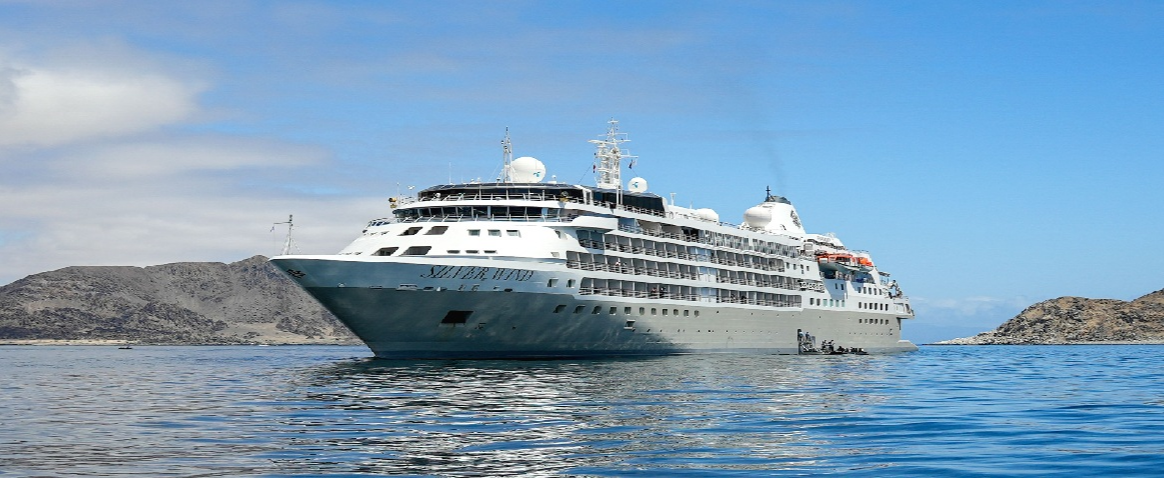
Windstar Cruises (6 Cruises)
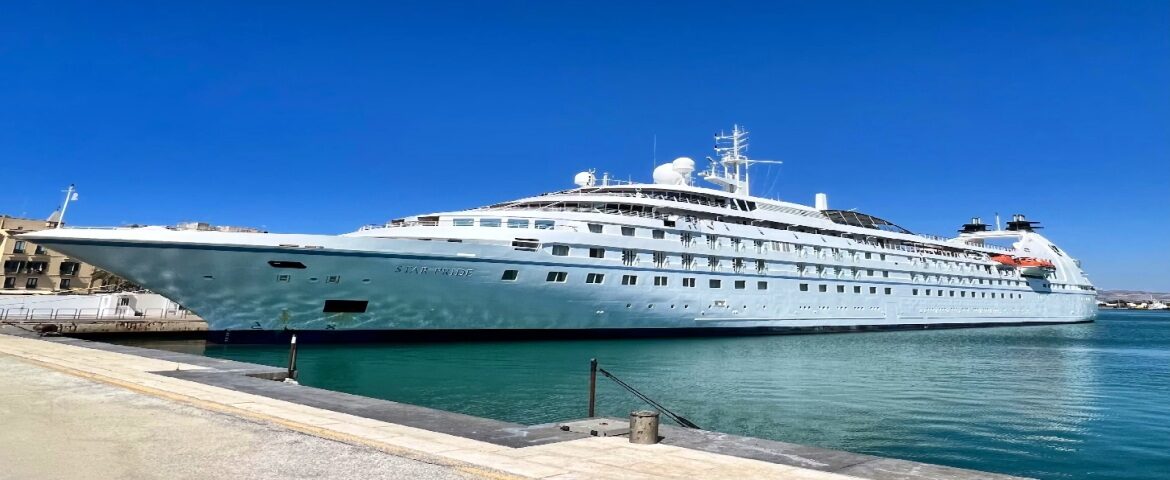
Star Pride
6 Cruises

Port of Húsavík, Iceland | Cruise Port Guide
Frequently Asked Questions
At the main Bökugarður quay, which takes ships up to 220 metres, right in the centre of the village. Larger ships anchor offshore and tender passengers ashore directly in front of the first houses. Either way, you step off and everything is there.
No, none at all. The main street starts about a hundred metres from the quay, the church is three minutes away, and the whale-watching boats leave from the old harbour basin less than ten minutes on foot. This call has no logistics to speak of.
Yes, and few calls deliver so consistently. Humpbacks and minke whales use Skjálfandi bay heavily, escorted by white-beaked dolphins. In June and July the blue whale itself, the largest animal on earth, sometimes passes through these cold waters fed by inland glaciers.
Usually two to three hours, which fits easily into a port day. Trips run on fast launches or converted old oak trawlers, and the village has offered commercial whale watching since 1995, the year the first such excursions began in Iceland.
Suspended skeletons, including that of a blue whale, and rooms on cetacean biology and the history of whaling, told without varnish. It complements the boat trip perfectly, before or after.
Húsavíkurkirkja, built in 1907 from Norwegian timber, its red and white silhouette now the village emblem. It stands a step from the whale museum, three minutes' walk from the quay.
Because the Exploration Museum recalls a little-known episode: the Apollo astronauts trained in Iceland's lava fields before walking on the Moon. It is a short, unexpected visit if you have time left.
Yes, at the GeoSea geothermal baths on the cliff south of the harbour, about fifteen minutes' walk from the quay. They are pools of seawater heated by the earth that appear to spill straight into the ocean, overlooking the bay where the whales blow. It is one of the finest ways to end a call.
The combination that works: a two- to three-hour whale-watching trip, then the whale museum and the church, and GeoSea if time allows. Inland excursions to Lake Mývatn and Goðafoss are possible, but they cost you the bay — an odd trade in Húsavík.
Summer, June to August, when cetaceans are most numerous in Skjálfandi and blue whales may appear. Bring warm, windproof clothing even in July: out on the water, with snow-covered mountains all around, the trip is felt.


