Semarang Java Indonesia
184
Cruises availables
At departure or passage at this port
Azamara Club Cruises (18 Cruises)
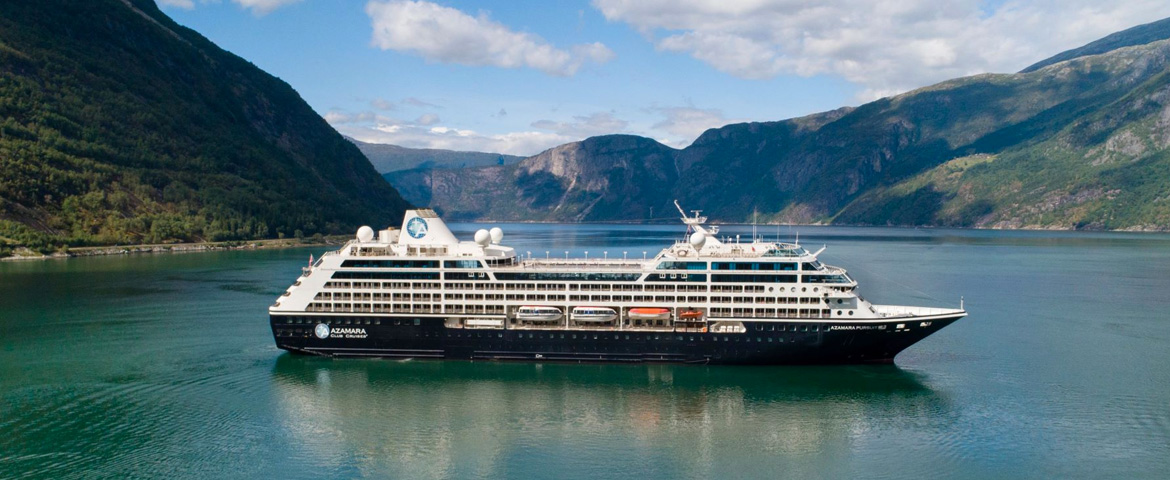
Azamara Pursuit
18 Cruises

| 20 January | 35 days | One-way from Auckland to Singapore |
450-628-6241
Call us
|
| 20 January | 35 days | One-way from Auckland to Singapore |
450-628-6241
Call us
|
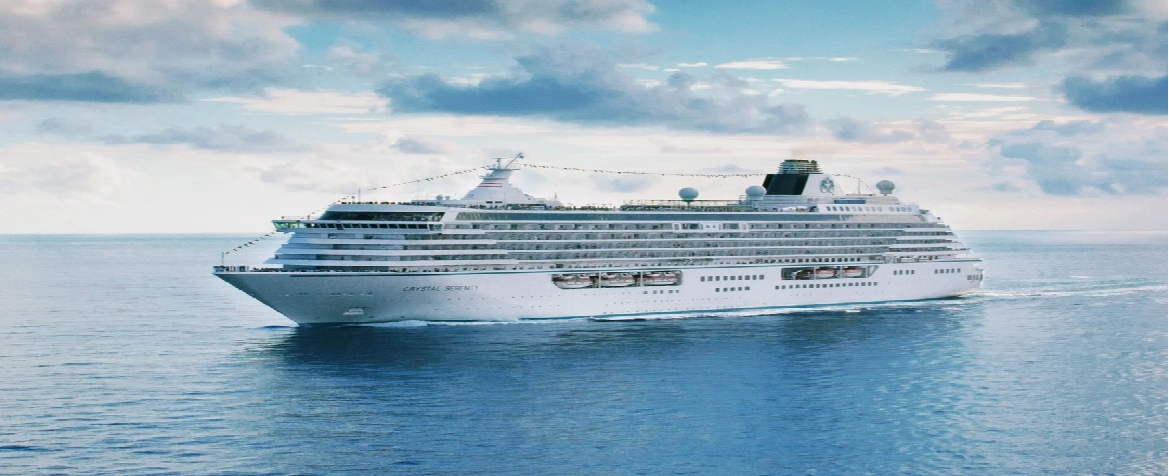
Crystal Cruises (4 Cruises)

Emerald Waterways (9 Cruises)
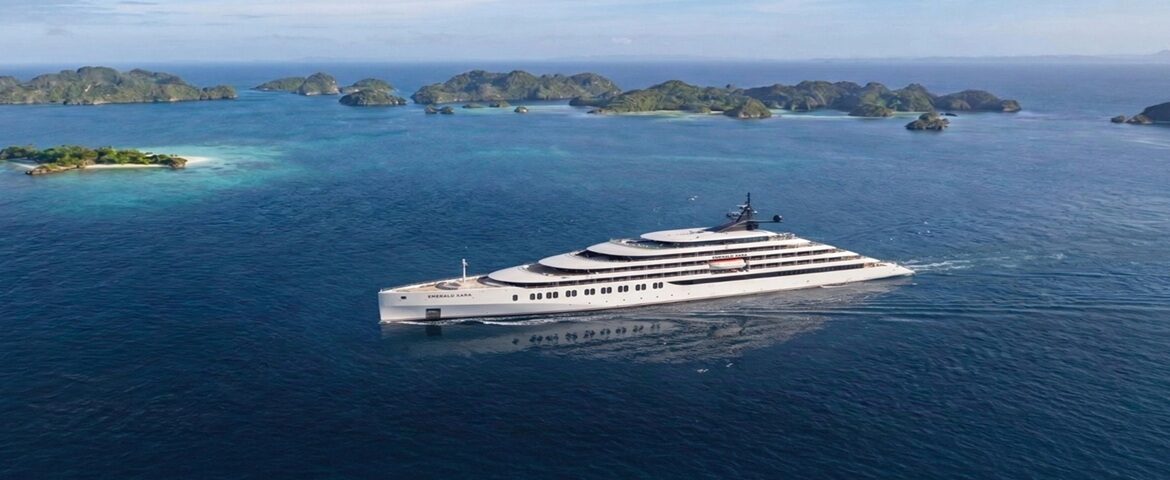
Emerald Xara
9 Cruises

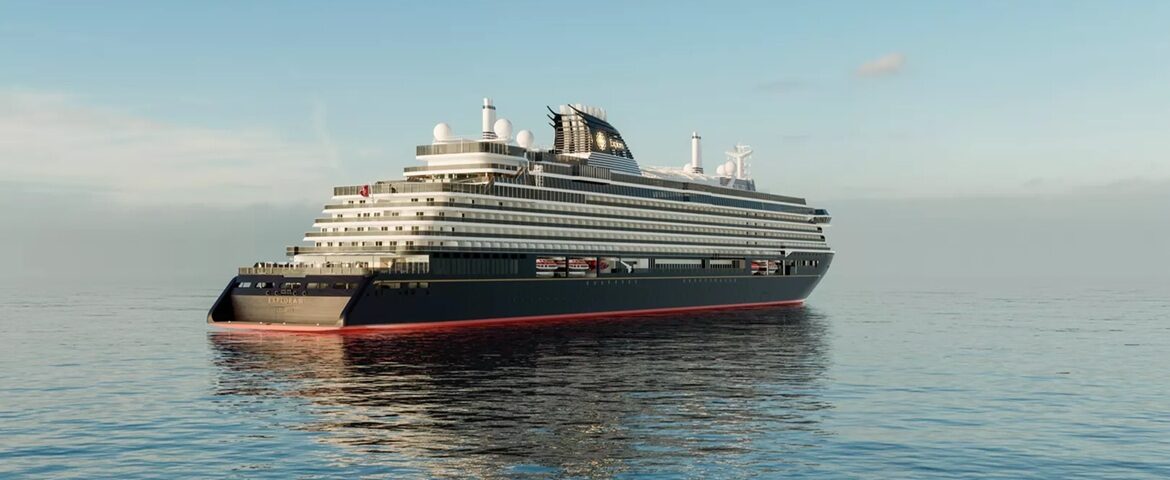
Explora Journeys (1 Cruises)

Holland America Line (3 Cruises)

Oceania Cruises (44 Cruises)

Oceania Riviera
12 Cruises
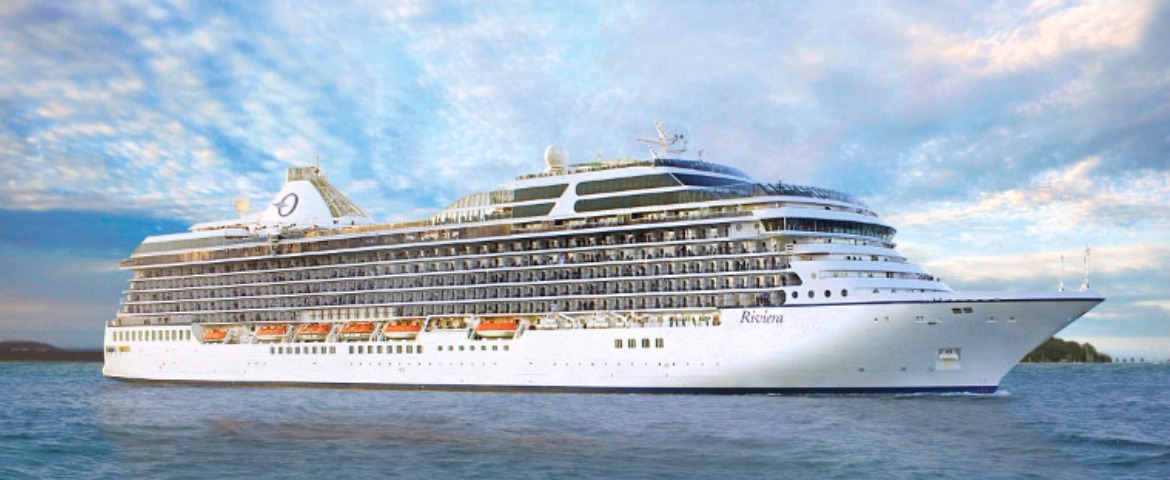
| 21 February | 43 days | One-way from Auckland to Singapore |
450-628-6241
Call us
|
| 21 February | 43 days | One-way from Auckland to Singapore |
450-628-6241
Call us
|
Oceania Vista
13 Cruises
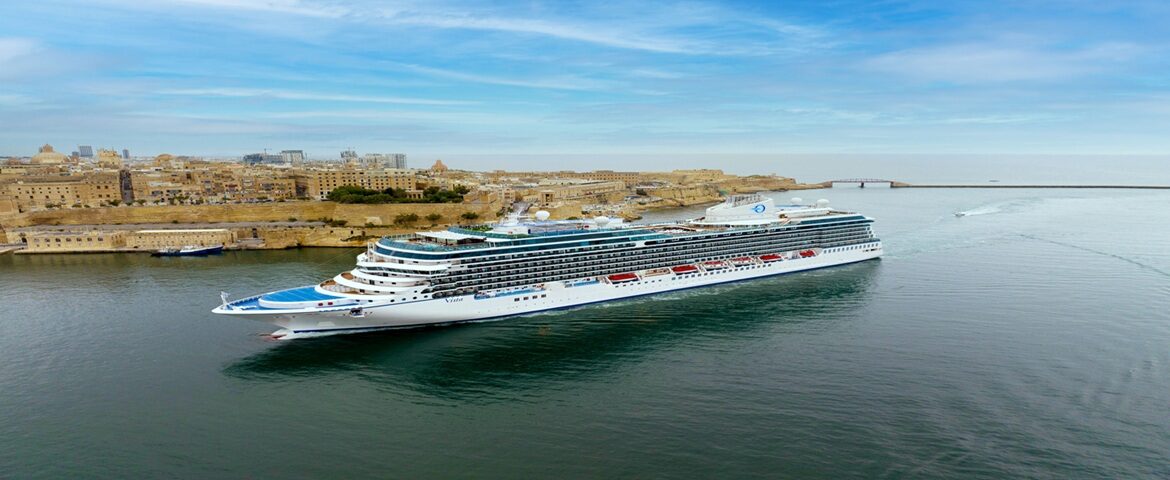
| 6 January | 244 days | One-way from Miami to New York |
450-628-6241
Call us
|
| 6 January | 180 days | One-way from Miami to Southampton |
450-628-6241
Call us
|
Paul Gauguin Cruises (1 Cruises)


Regent Seven Seas Cruises (48 Cruises)
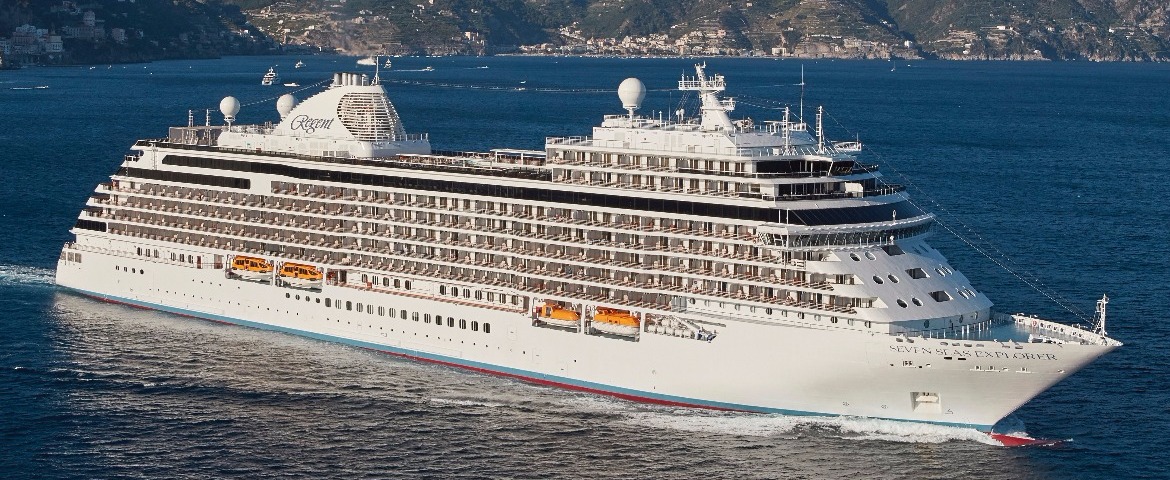
Seven Seas Explorer
14 Cruises

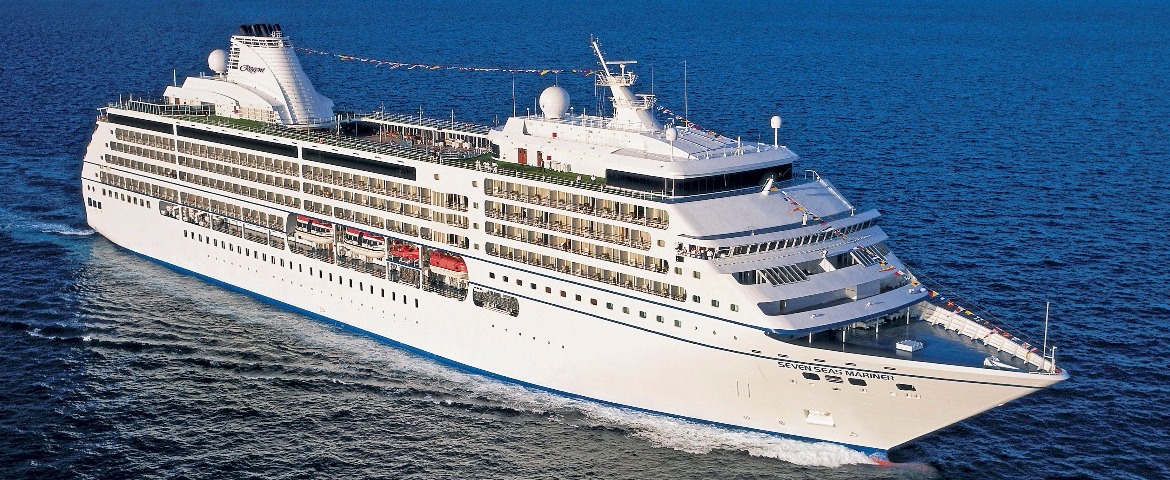
Seven Seas Mariner
13 Cruises
| 19 February | 69 days | One-way from Sydney to Cape Town |
450-628-6241
Call us
|
| 19 February | 69 days | One-way from Sydney to Cape Town |
450-628-6241
Call us
|
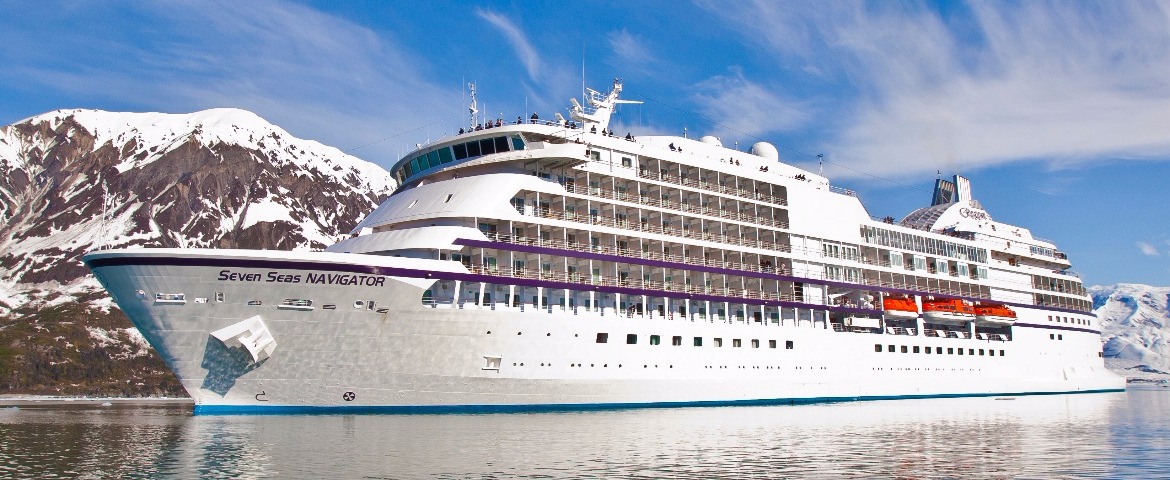
Seven Seas Navigator
5 Cruises
Seven Seas Splendor
16 Cruises
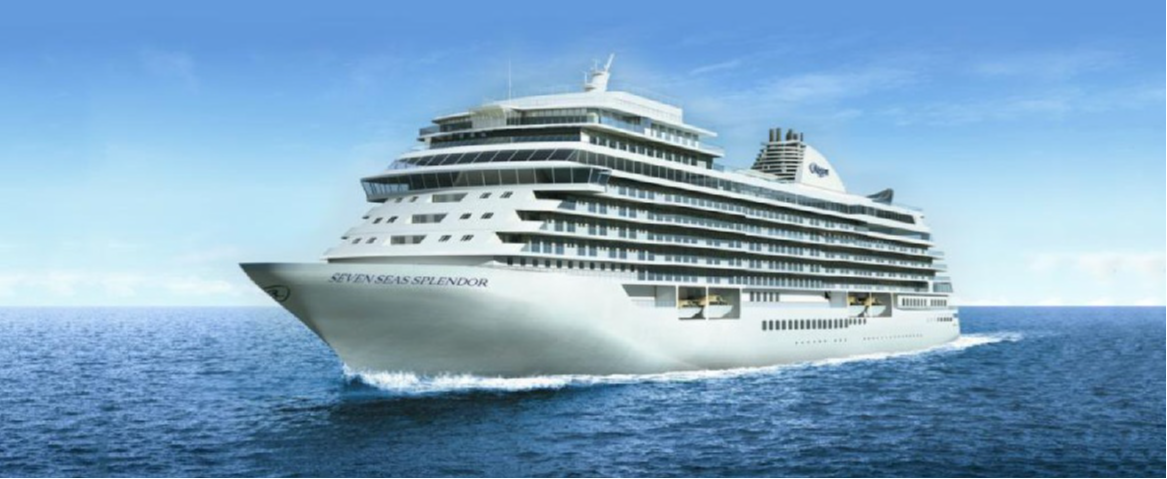
| 6 January | 140 days | One-way from San Francisco to Vancouver |
450-628-6241
Call us
|
| 6 January | 133 days | Round-trip from San Francisco, USA |
450-628-6241
Call us
|
| 5 March | 21 days | One-way from Melbourne to Singapore |
450-628-6241
Call us
|
| 5 March | 21 days | One-way from Melbourne to Singapore |
450-628-6241
Call us
|
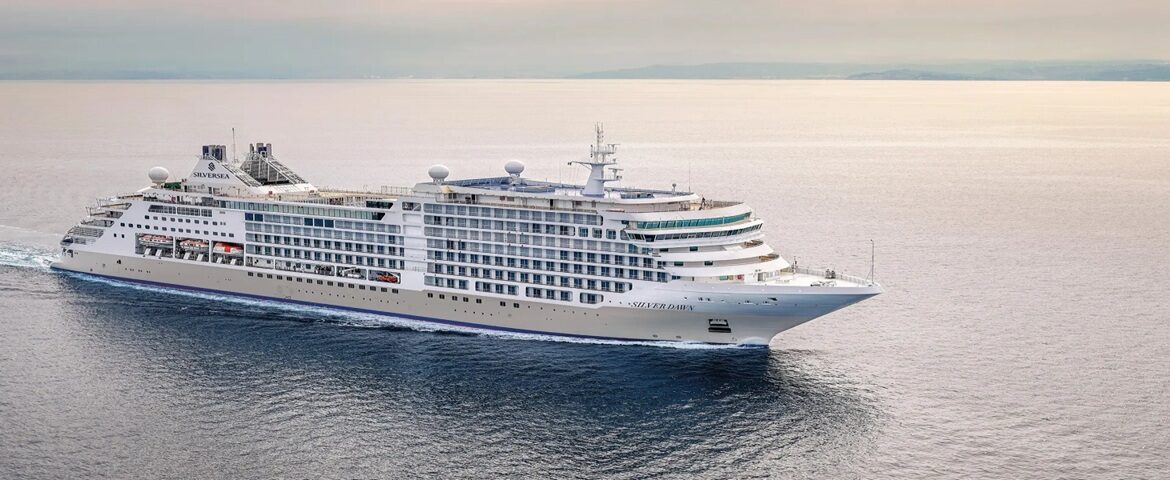
Silversea Cruises (3 Cruises)

Viking Ocean Cruises (51 Cruises)
Viking Orion
23 Cruises
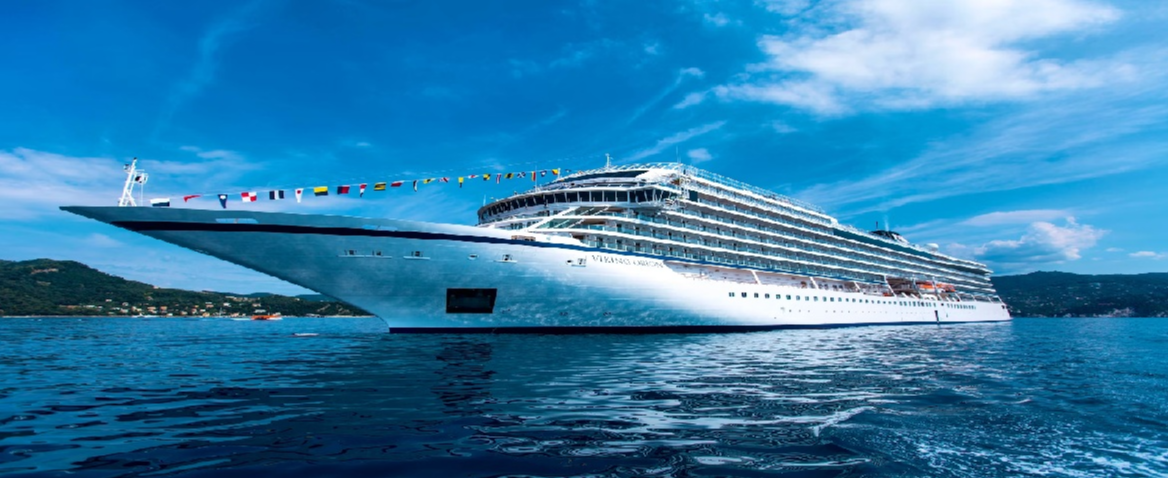

| 23 February | 90 days | One-way from Auckland to Vancouver |
450-628-6241
Call us
|
| 23 February | 91 days | One-way from Auckland to Vancouver |
450-628-6241
Call us
|
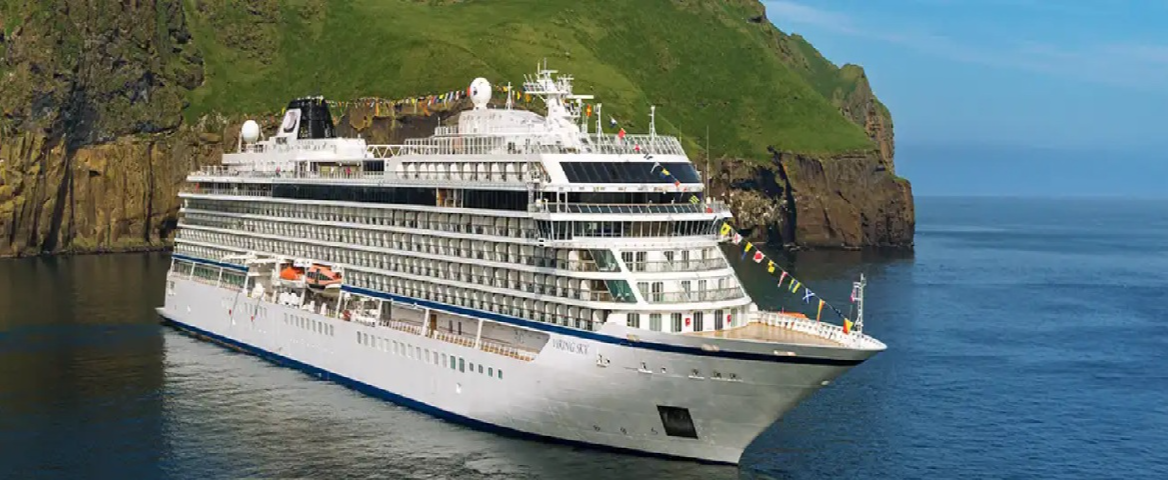
Viking Venus
24 Cruises
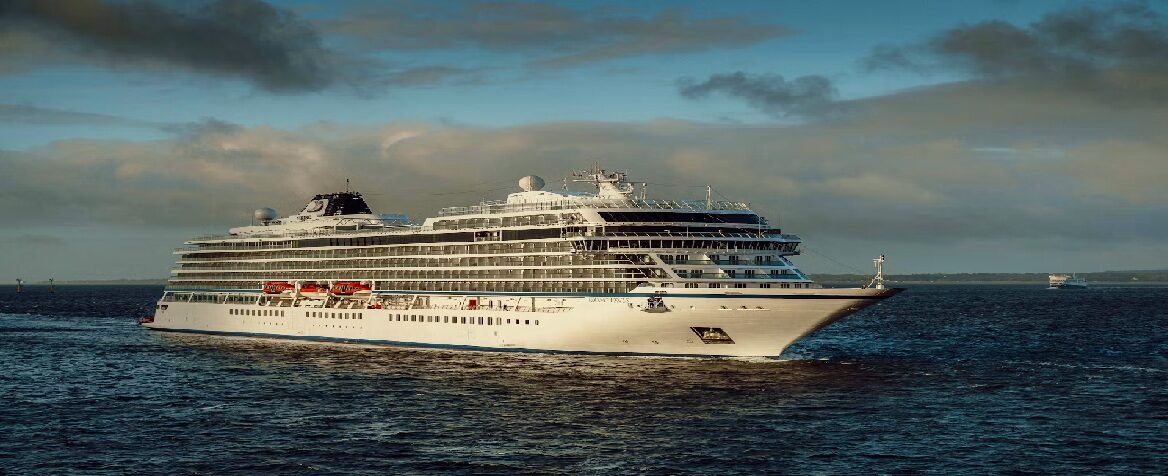

Semarang, Indonesia | Cruise Port Guide
Frequently Asked Questions
At Tanjung Emas port, a commercial area five to ten kilometres from the centre depending on the sector. The passenger terminal covers the basics: wifi, a currency exchange counter, tourist information and a taxi desk with posted fares.
By taxi from the terminal desk: the fare is low and the ride takes about fifteen minutes. It is the simplest way to start the day. From the port gate onward, Javanese traffic sets the tone — clusters of scooters, handcarts and short blasts of the horn.
The historic quarter, gathering the old Dutch trading houses, warehouses and colonial administration offices, packed between canals that recall the Netherlands under a tropical sky. You walk it without a set route, looking up often at the worked pediments.
The former headquarters of the Dutch East Indies railways, a few minutes by taxi from the centre. Its nickname means 'a thousand doors': rows of shutters, through-galleries and tall windows designed to let the plain's air circulate. The stained glass on the grand staircase alone justifies the trip.
About an hour, with a local guide optional. The visit rounds off the walk through the colonial quarter naturally. Ghost-story enthusiasts will be well served: the legends around the building are part of local folklore.
Yes, but allow three to four hours by road each way. The lines offer it as a full-day excursion, and that is the format to choose: it guarantees you are back aboard before sailing. Do not attempt this trip independently.
For many, yes. The mass of grey stone rising out of the palm groves, the carved terraces and the latticed stupas facing the volcanoes leave powerful images. It is a long day, certainly, but few calls give access to a UNESCO World Heritage sanctuary of that scale.
Kota Lama on foot, then Lawang Sewu by taxi. That is the right-sized programme. Add a Javanese meal and a stop at a local market and the full day fills up without ever leaving the city.
Because Dutch trading companies loaded Java's sugar, coffee and spices here for three centuries. From that era the city kept a complete colonial quarter, canals and a railway heritage few Indonesian cities can match.
The Indonesian rupiah, changed at the terminal or withdrawn in town; cards work in the restored cafés of Kota Lama, less so elsewhere. Water, a hat and a tropical pace — meaning no hurry: the humid heat sets the programme as much as the clock does.


