Amalfi Ravello, Italy
158
Cruises availables
At departure or passage at this port
Azamara Club Cruises (29 Cruises)
Azamara Journey
15 Cruises
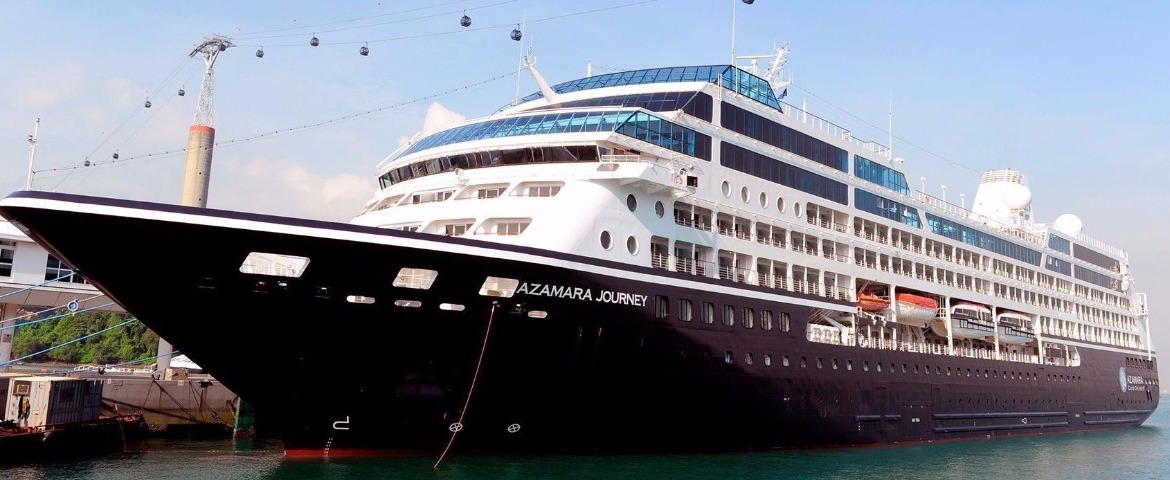

| 25 March | 43 days | One-way from Lisbon to Piraeus-Athens |
450-628-6241
Call us
|
| 25 March | 42 days | One-way from Lisbon to Piraeus-Athens |
450-628-6241
Call us
|
Azamara Onward
14 Cruises
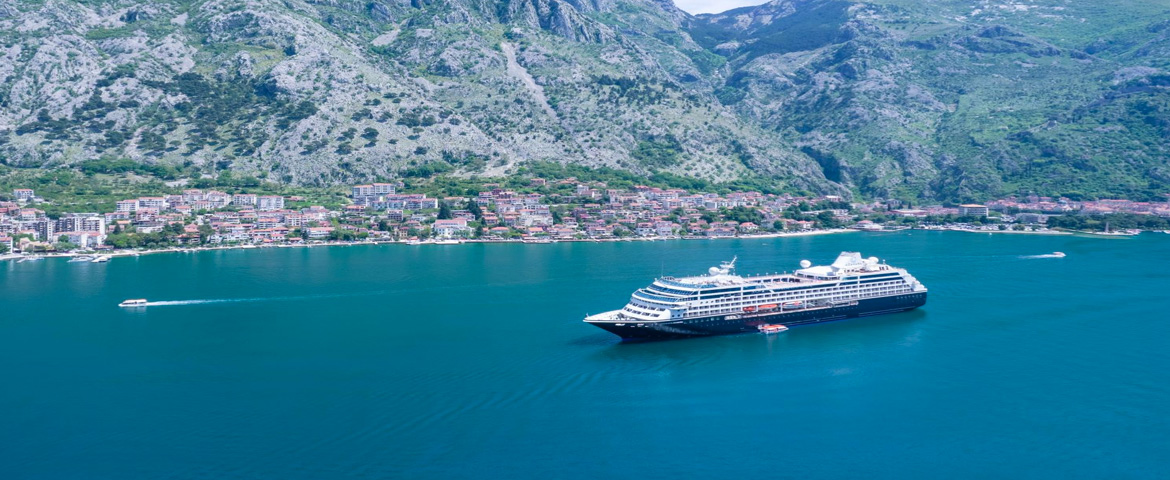
| 9 May | 51 days | One-way from Cape Town to Piraeus-Athens |
450-628-6241
Call us
|
| 9 May | 52 days | One-way from Cape Town to Piraeus-Athens |
450-628-6241
Call us
|
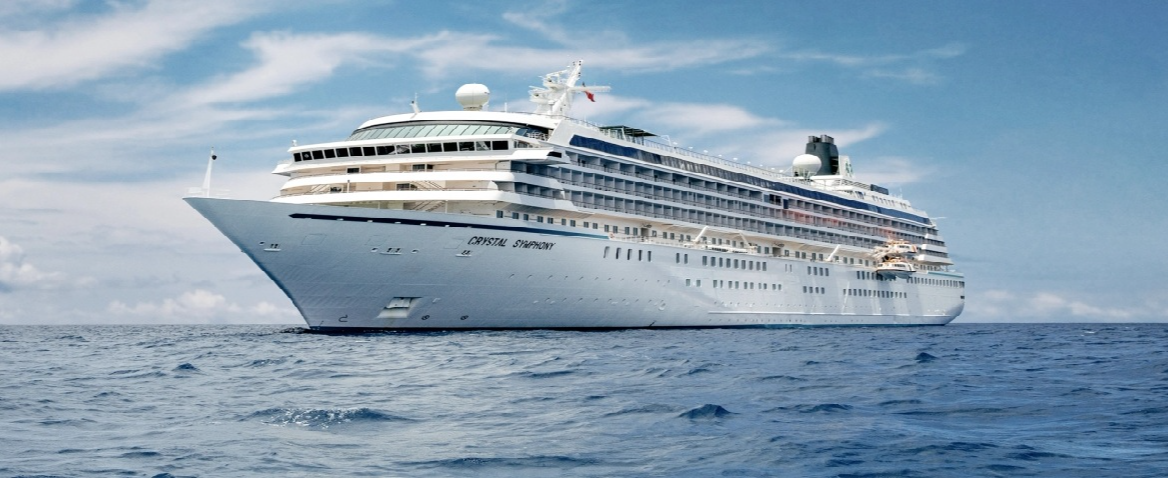
Crystal Cruises (2 Cruises)

Emerald Waterways (25 Cruises)
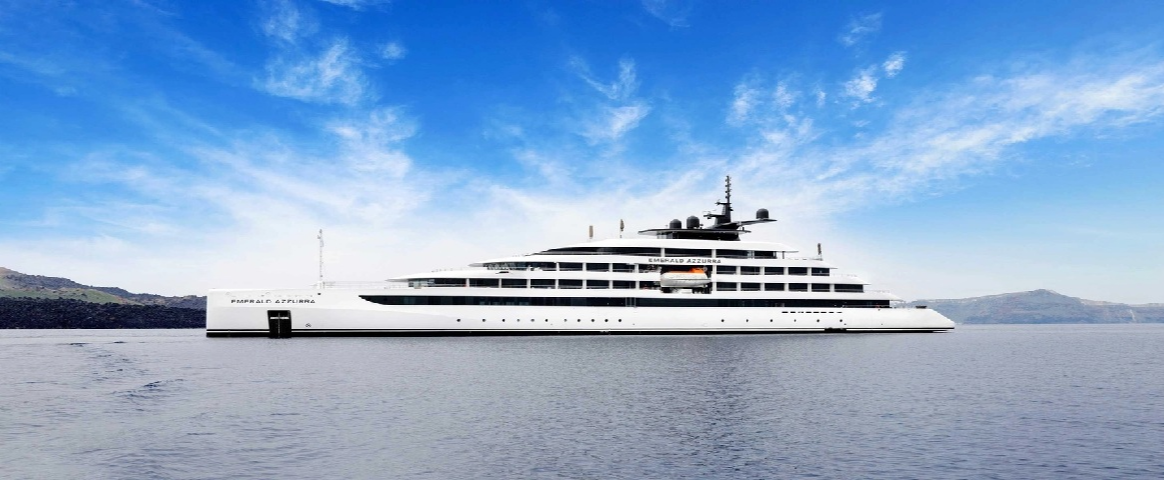

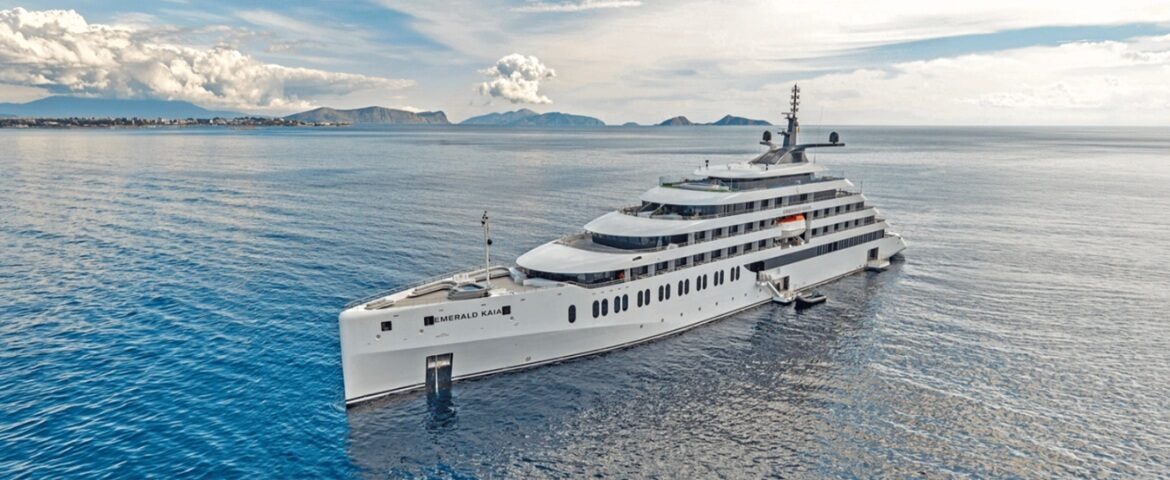
Emerald Kaia
10 Cruises
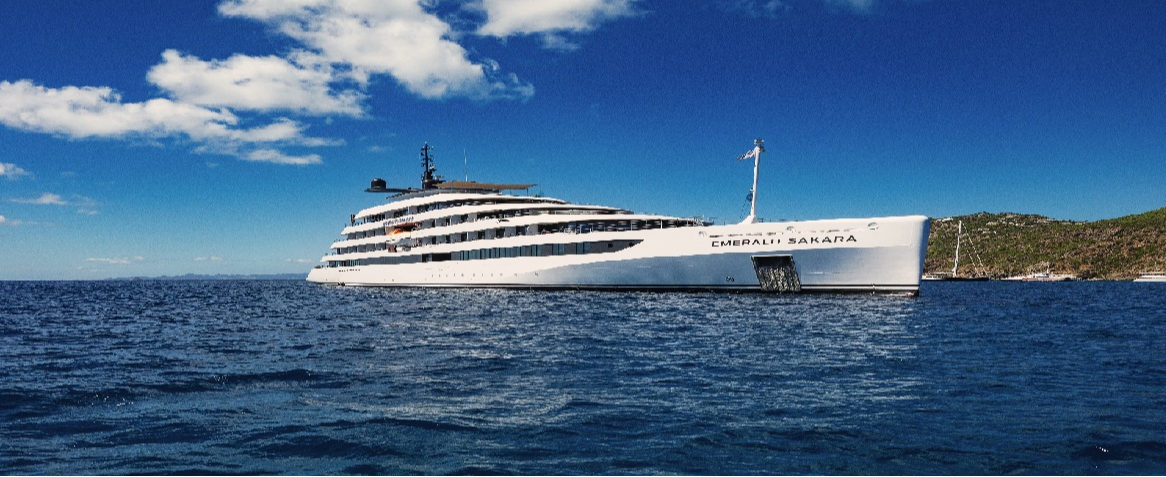
Emerald Sakara
11 Cruises
Explora Journeys (20 Cruises)
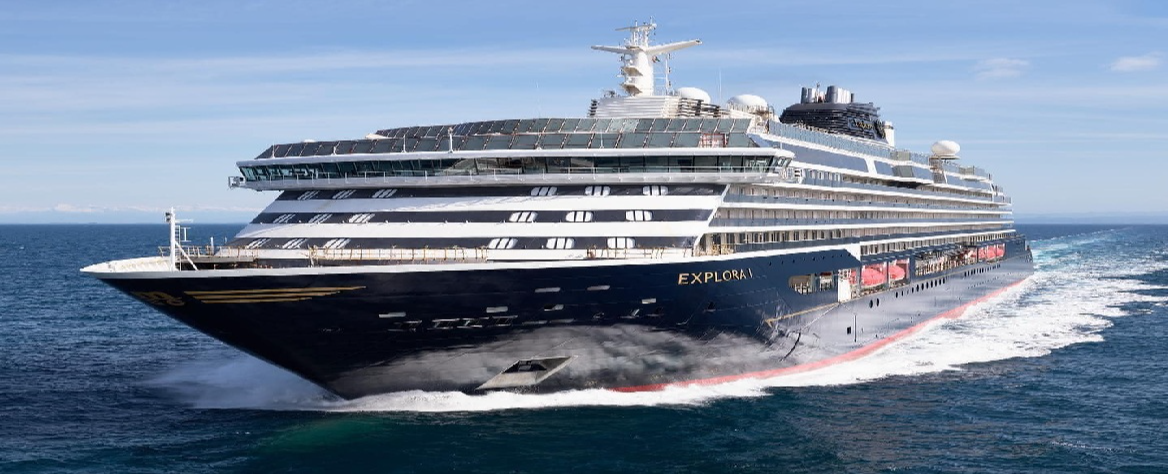
Explora I
16 Cruises

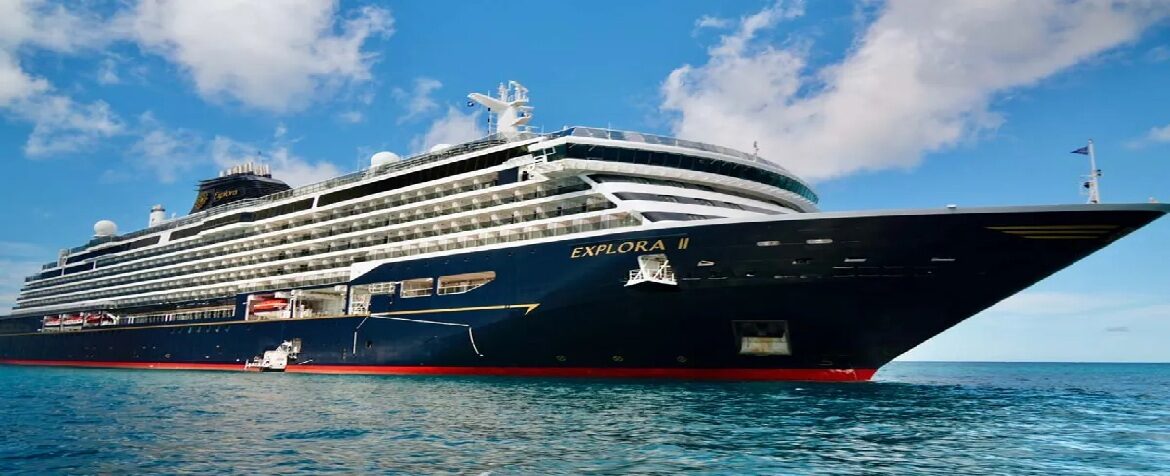
Explora II
4 Cruises

Seabourn Cruise Line (21 Cruises)
Seabourn Ovation
21 Cruises

SeaDream Yacht Club (28 Cruises)
Seadream I
10 Cruises
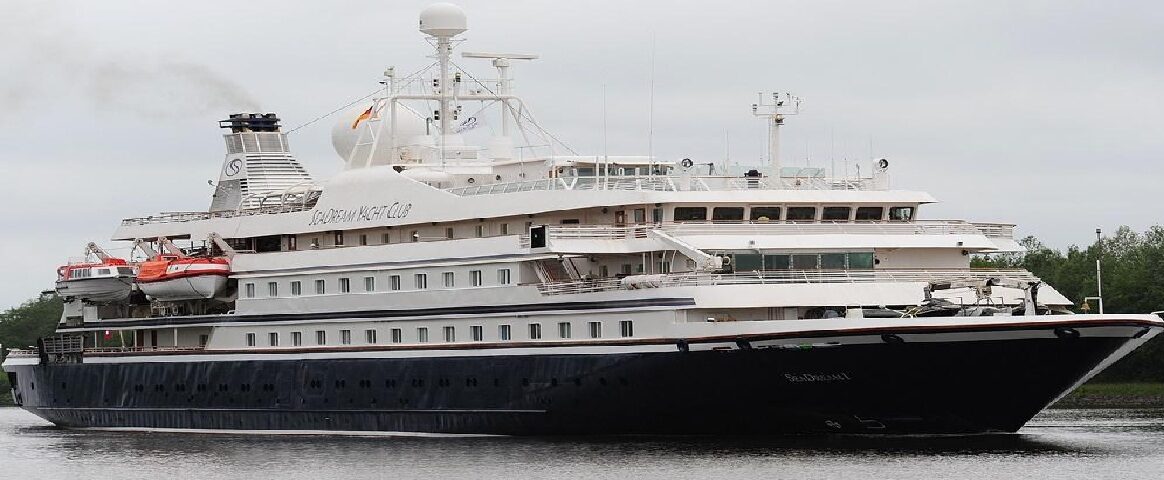

| 10 June | 15 days | One-way from Villefranche-sur-Mer to Venice |
450-628-6241
Call us
|
| 10 June | 14 days | One-way from Villefranche-sur-Mer to Venice |
450-628-6241
Call us
|
Seadream II
18 Cruises
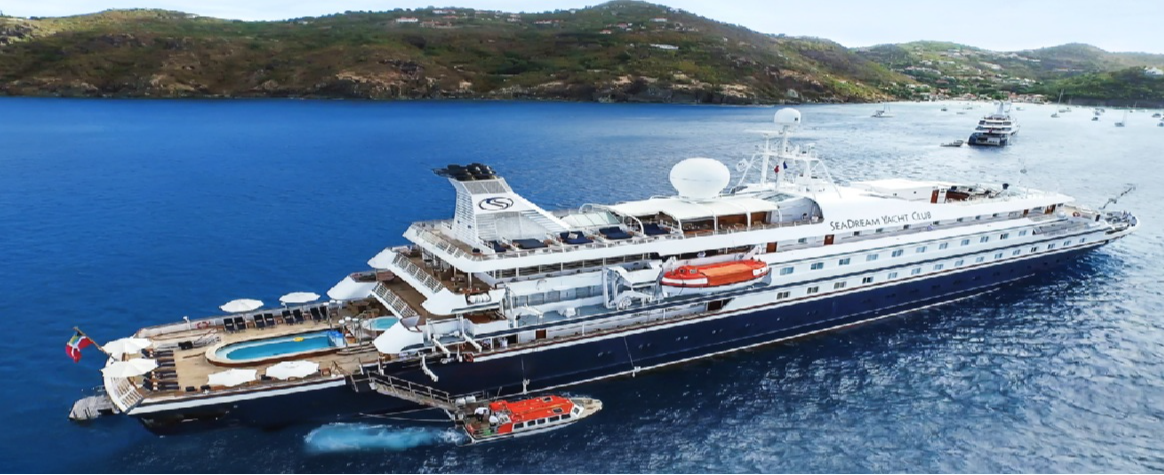
| 3 June | 8 days | One-way from Civitavecchia-Rome to Piraeus-Athens |
450-628-6241
Call us
|
| 3 June | 9 days | One-way from Civitavecchia-Rome to Piraeus-Athens |
450-628-6241
Call us
|
| 23 July | 12 days | One-way from Piraeus-Athens to Civitavecchia-Rome |
450-628-6241
Call us
|
| 23 July | 11 days | One-way from Piraeus-Athens to Civitavecchia-Rome |
450-628-6241
Call us
|
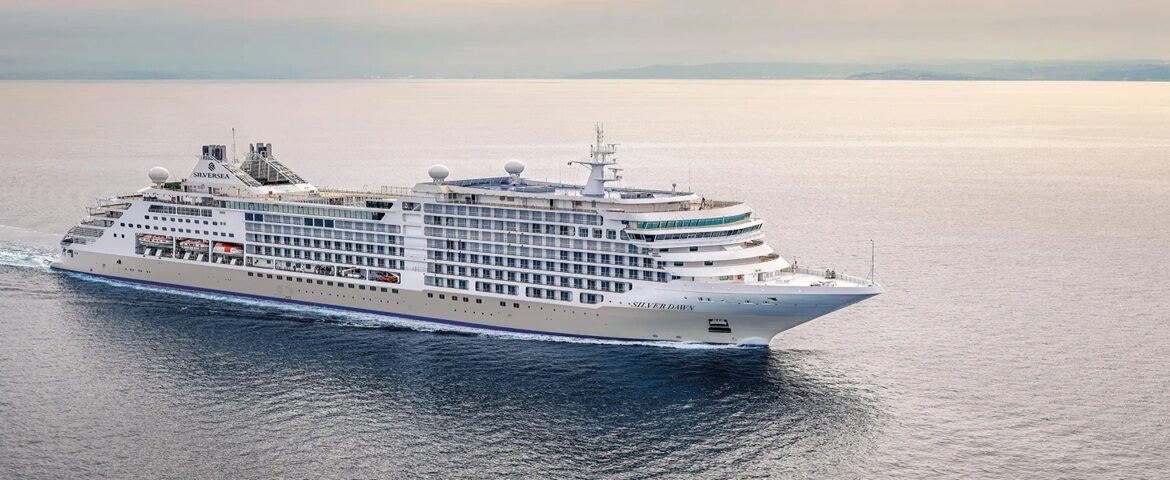

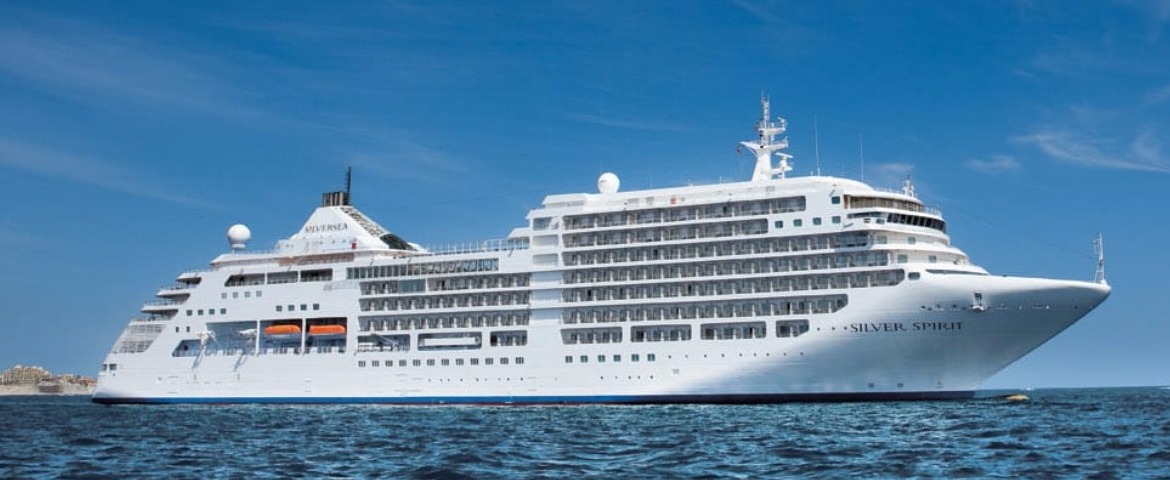
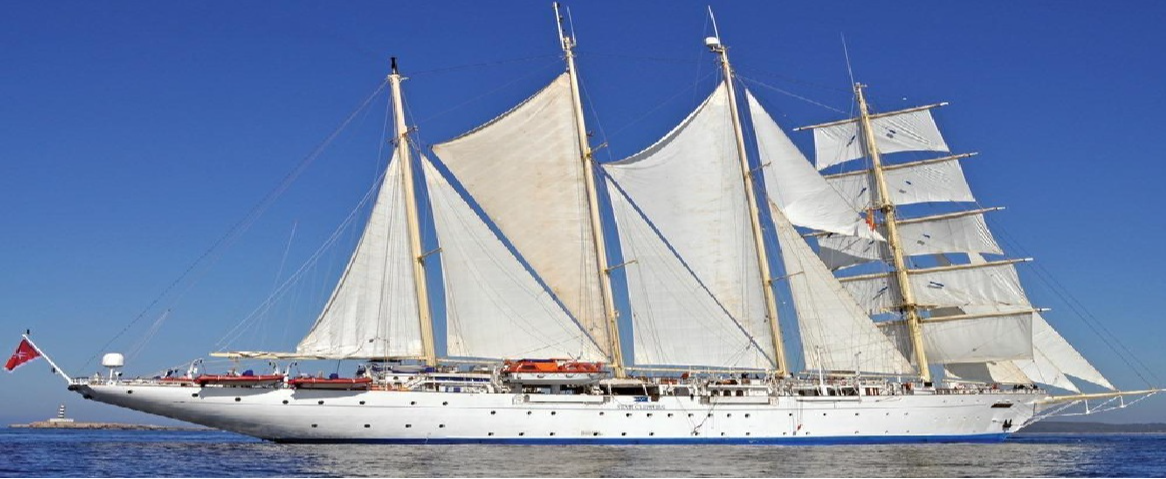
Star Clippers (15 Cruises)
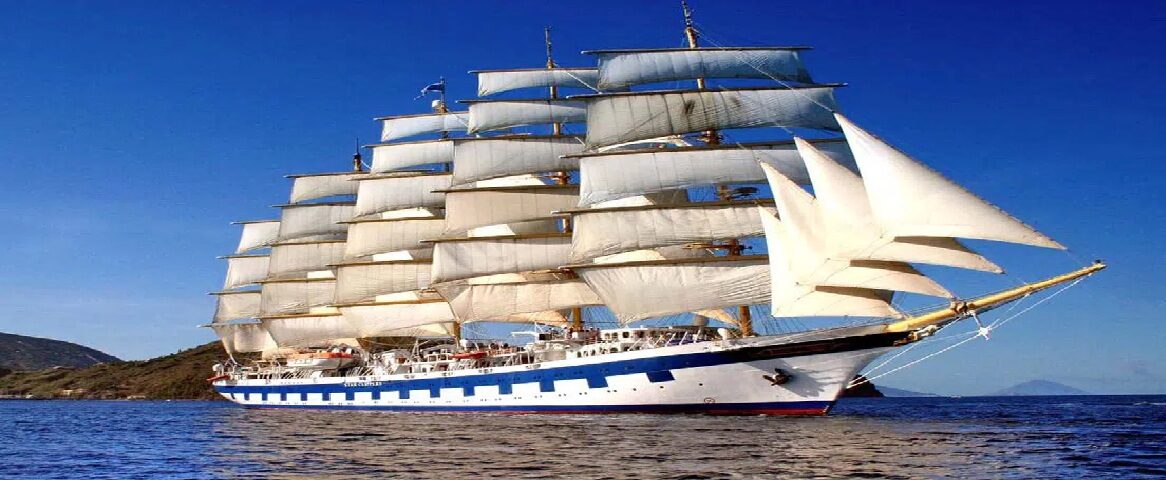

Star Clipper
13 Cruises
Windstar Cruises (11 Cruises)
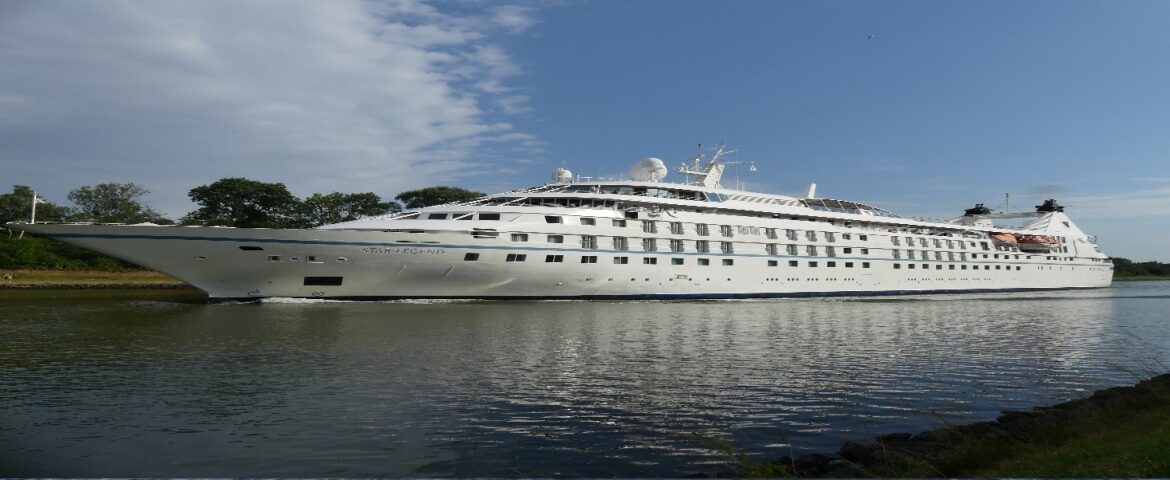
Star Legend
4 Cruises

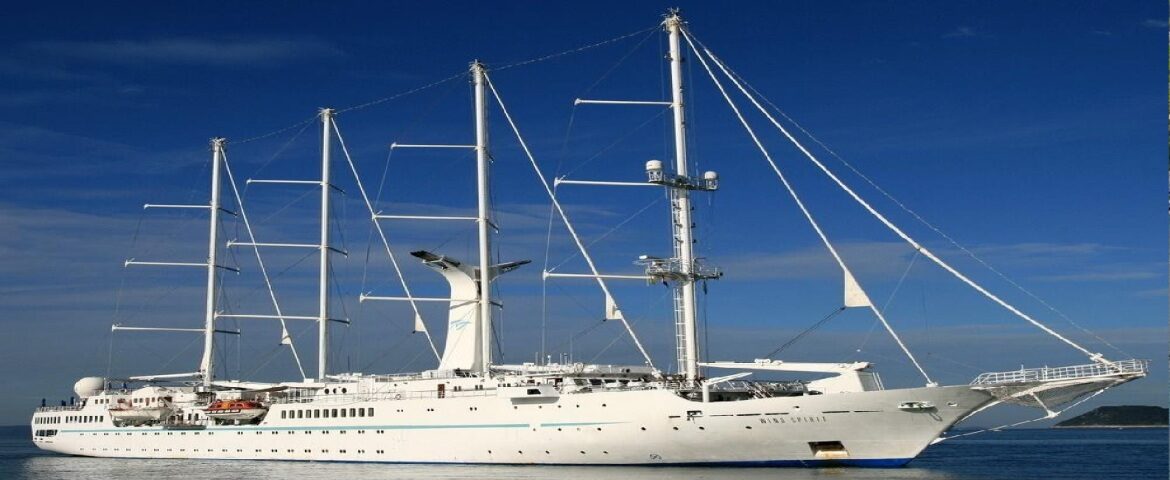
Wind Spirit
7 Cruises
Frequently Asked Questions
It is an anchorage. The bay is too shallow to berth, so you reach the marina jetty by tender. The crossing takes a few minutes. From the landing stage the main square is a one-minute walk.
Yes. The cathedral, the vaulted lanes and the Museo della Carta are all walkable from the landing stage. Only Ravello, perched more than 300 metres up, requires the bus.
By SITA bus, leaving from the seafront near the landing stage. Allow 25 to 30 minutes on the cliff road depending on traffic, and plan half a day round trip. In high season traffic is heavy: keep a comfortable margin.
A monumental staircase of some sixty steps climbs from Piazza Duomo to the golden facade and its mosaics. The interior blends Arab-Norman influences with baroque decoration; the crypt holds the relics of the apostle Andrew. Don't miss the bronze doors cast in the East around the year 1000.
You have to pick a direction. Either Amalfi alone — the cathedral, the lanes, the paper museum, a lemon granita — with time to wander. Or Ravello, which absorbs the half day by itself. Trying to combine both plus Positano in one day means spending the call on a bus.
A museum housed in a thirteenth-century mill, about ten minutes' walk up the main street. It shows the craft production of Amalfi paper from cotton fibres, with presses and vats. Many visitors leave with a notebook.
Villa Rufolo and its gardens laid out around a thirteenth-century residence, more than 300 metres above the sea. Wagner found inspiration here, and concerts are still held in summer. The cliff road itself already offers plunging views over the coves.
Yes, by bus or by boat depending on the season. Check the return times before you set off: this is where Amalfi Coast calls go wrong, as the cliff road clogs up in the afternoon.
The euro. Italian is spoken, and English is widely used in this busy stretch of coast. Cards are accepted in shops and restaurants; keep cash for SITA bus tickets and small kiosks.
Frankly, no. The town is vertical: staircases, sloping lanes, sixty steps in front of the cathedral, narrow vaulted passages. The seafront and the main square stay accessible, but most of the charm has to be climbed to.


