Sakaiminato-Matsue Japan Tottori
206
Cruises availables
At departure or passage at this port
Azamara Club Cruises (46 Cruises)
Azamara Pursuit
46 Cruises
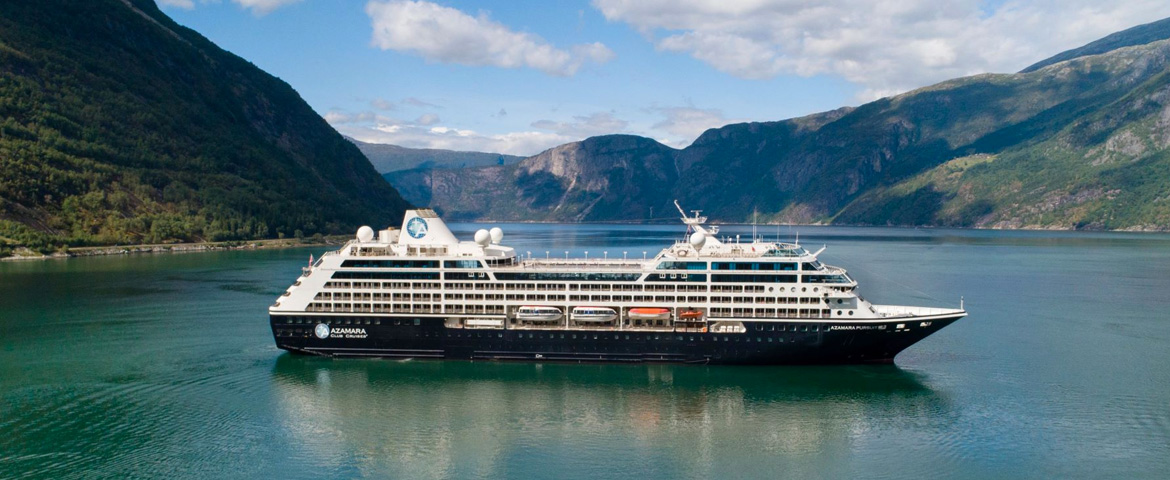

| 5 February | 48 days | One-way from Sydney to Tokyo |
450-628-6241
Call us
|
| 5 February | 48 days | One-way from Sydney to Tokyo |
450-628-6241
Call us
|
| 11 March | 13 days | One-way from Kobe-Osaka to Tokyo |
450-628-6241
Call us
|
| 12 March | 13 days | One-way from Kobe-Osaka to Tokyo |
450-628-6241
Call us
|
| 22 April | 14 days | One-way from Tokyo to Kobe-Osaka |
450-628-6241
Call us
|
| 22 April | 14 days | One-way from Tokyo to Kobe-Osaka |
450-628-6241
Call us
|
| 26 February | 47 days | One-way from Sydney to Kobe-Osaka |
450-628-6241
Call us
|
| 27 February | 47 days | One-way from Sydney to Kobe-Osaka |
450-628-6241
Call us
|
| 31 March | 14 days | One-way from Yokohama to Kobe-Osaka |
450-628-6241
Call us
|
| 31 March | 14 days | One-way from Yokohama to Kobe-Osaka |
450-628-6241
Call us
|

Lindblad Expeditions (12 Cruises)
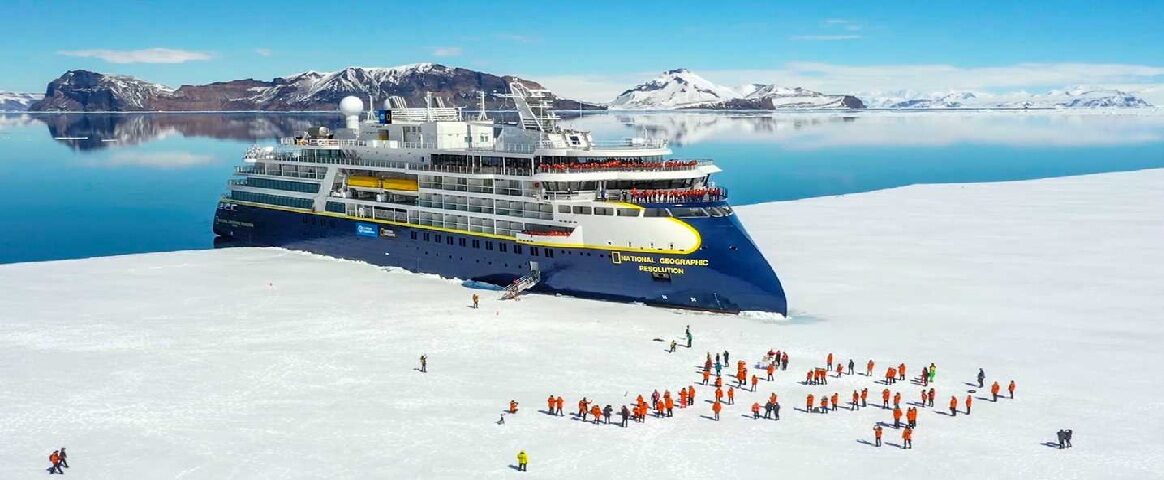
National Geographic Resolution
12 Cruises

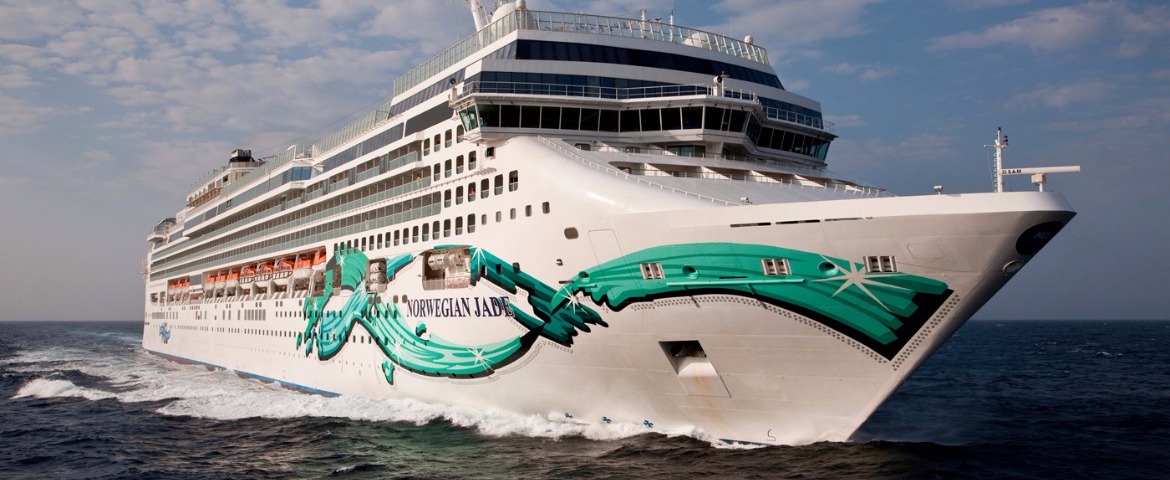
Norwegian Cruise Line (2 Cruises)

Oceania Cruises (5 Cruises)

Ponant (7 Cruises)

Princess Cruises (48 Cruises)
Diamond Princess
32 Cruises

| 8 April | 22 days | Round-trip from Yokohama, Japan |
450-628-6241
Call us
|
| 8 April | 13 days | Round-trip from Yokohama, Japan |
450-628-6241
Call us
|
| 6 June | 9 days | Round-trip from Yokohama, Japan |
450-628-6241
Call us
|
| 6 June | 18 days | Round-trip from Yokohama, Japan |
450-628-6241
Call us
|
| 4 June | 18 days | Round-trip from Tokyo, Japan |
450-628-6241
Call us
|
| 4 June | 9 days | Round-trip from Tokyo, Japan |
450-628-6241
Call us
|
Sapphire Princess
16 Cruises
| 8 April | 21 days | Round-trip from Tokyo, Japan |
450-628-6241
Call us
|
| 8 April | 12 days | Round-trip from Tokyo, Japan |
450-628-6241
Call us
|



Seabourn Cruise Line (42 Cruises)
Seabourn Encore
42 Cruises
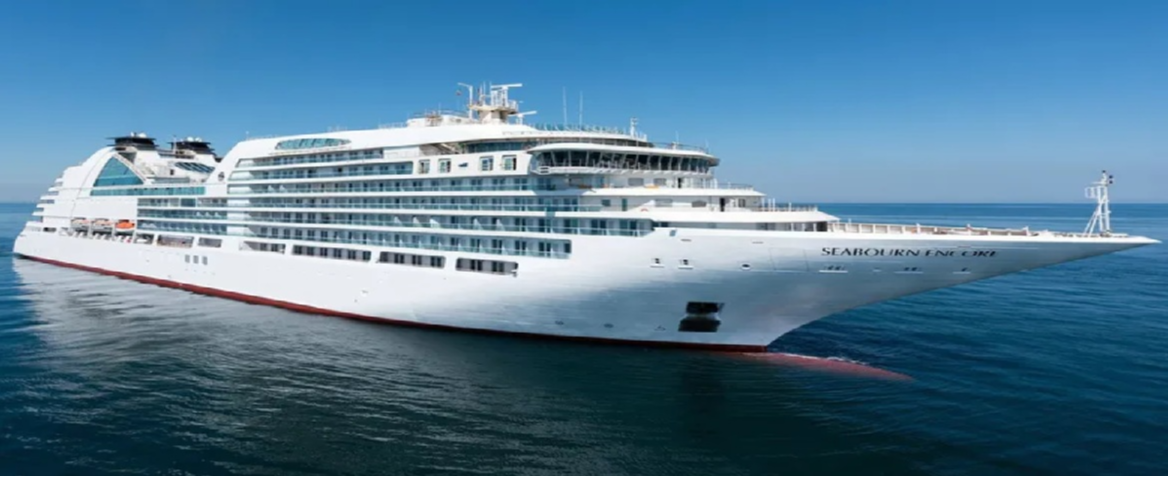

| 25 March | 28 days | Round-trip Japan South Korea Seabourn Encore Tokyo |
450-628-6241
Call us
|
| 25 March | 29 days | Round-trip from Tokyo, Japan |
450-628-6241
Call us
|
Silversea Cruises (24 Cruises)

Silver Muse
11 Cruises
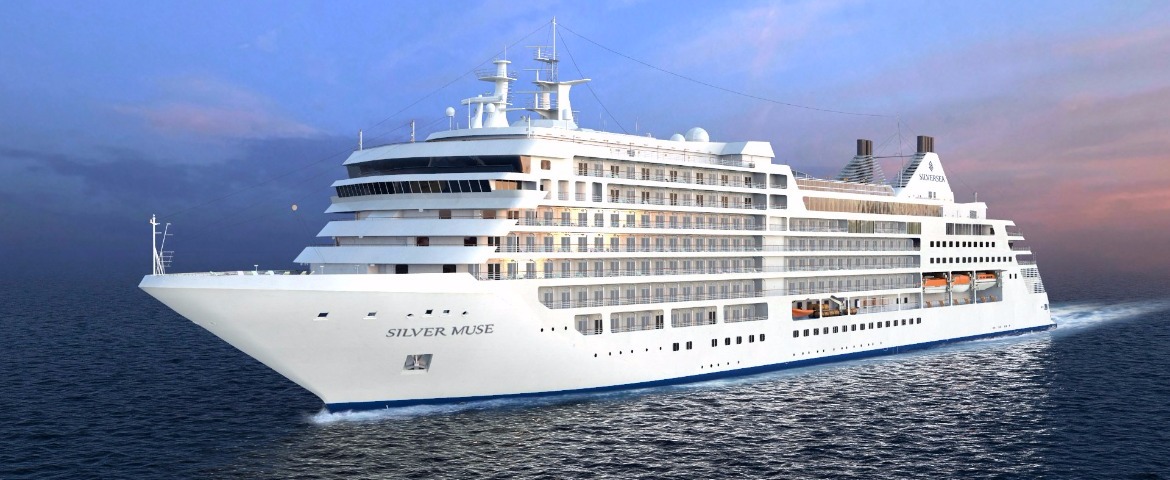
| 14 March | 30 days | One-way from Singapore to Yokohama |
450-628-6241
Call us
|
| 29 March | 15 days | One-way from Tokyo to Yokohama |
450-628-6241
Call us
|
Silver Whisper
9 Cruises
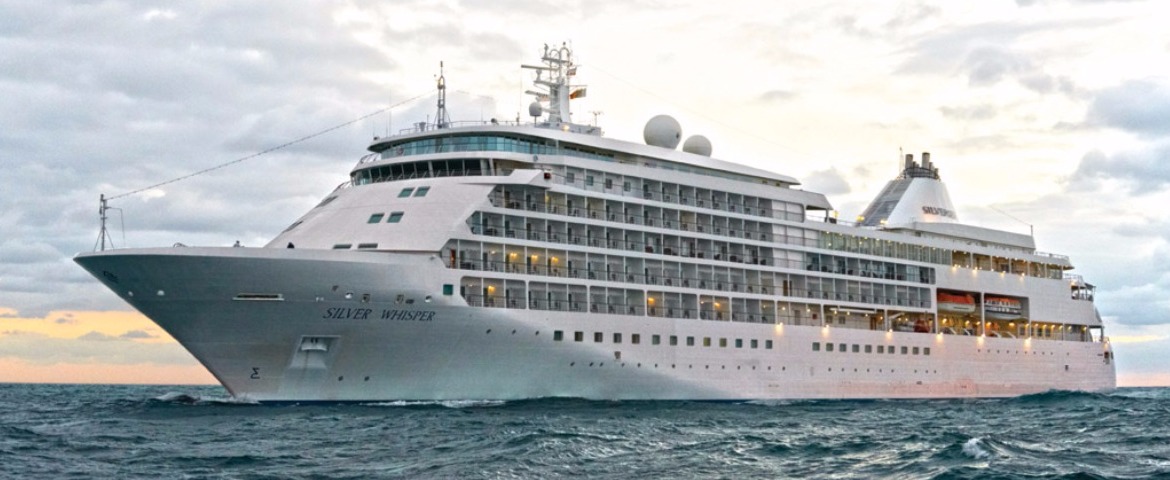
| 1 July | 13 days | One-way from Incheon to Tokyo |
450-628-6241
Call us
|
| 13 July | 27 days | Round-trip from Tokyo, Japan |
450-628-6241
Call us
|
| 25 July | 15 days | Round-trip from Tokyo, Japan |
450-628-6241
Call us
|
Sakaiminato, Japan | Cruise Port Guide
Frequently Asked Questions
Ships berth in the commercial port, and a shuttle usually takes passengers into the centre near the railway station. From there the whole heart of town is walkable.
A shopping street lined with more than 170 bronze statuettes of yokai, the spirits of Japanese folklore. It runs from the station to the museum devoted to manga artist Mizuki Shigeru, who was born here. You walk it looking down: every statuette deserves its stop.
The creator of GeGeGe no Kitaro and one of the best-loved authors among Japanese readers. He lost an arm in the war before building his work around yokai. The museum at the end of the street traces his life, and even the local coastal trains carry his characters, from the seats to the ceilings.
Three options depending on your taste. In town: Mizuki Shigeru Road, the museum and the market, all on foot from the shuttle. Heritage: Matsue Castle and the shores of Lake Shinji. Contemplative: the Adachi gardens. The three do not combine.
Around the market, where counters serve kaisendon, a rice bowl crowned with slices of raw fish and fish roe, in generous portions. Sakaiminato is one of Japan's major fishing ports, and you can taste it.
Matsubagani, the snow crab of the Sea of Japan, whose sweet meat draws food lovers from across the country. Even without sitting down, wandering the market halls gives a good sense of what the sea delivers here each morning.
Yes. It is about forty minutes by road and is one of the few original keeps left in Japan, never destroyed or rebuilt since the early seventeenth century. Nicknamed the black castle for its dark timbers, it looks out over the town and Lake Shinji.
The wooden floors are reached by stairs as steep as ladders. It does not suit everyone. Those who prefer to stay at ground level can follow the moats on foot or by boat, among twisted pines and samurai residences.
A museum about 50 minutes from the port whose gardens are regularly ranked among the finest in Japan. The twist: they are viewed from inside the building, framed by picture windows like living paintings. Raked sand, sculpted pines, borrowed hills.
No, the San'in coast stays discreet and few Japanese itineraries explore it. That is part of the reason to go: you find a provincial Japan between the Sea of Japan and the mountains, without the tourist pressure of the big ports.


