Alotau Papua New Guinea
Papua New Guinea
73
Cruises availables
At departure or passage at this port
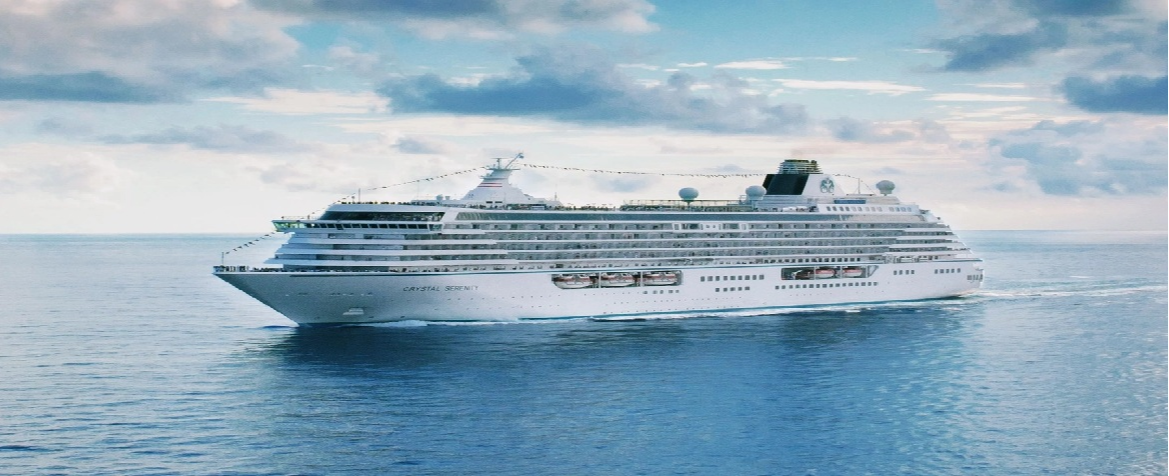
Crystal Cruises (4 Cruises)

Emerald Waterways (10 Cruises)


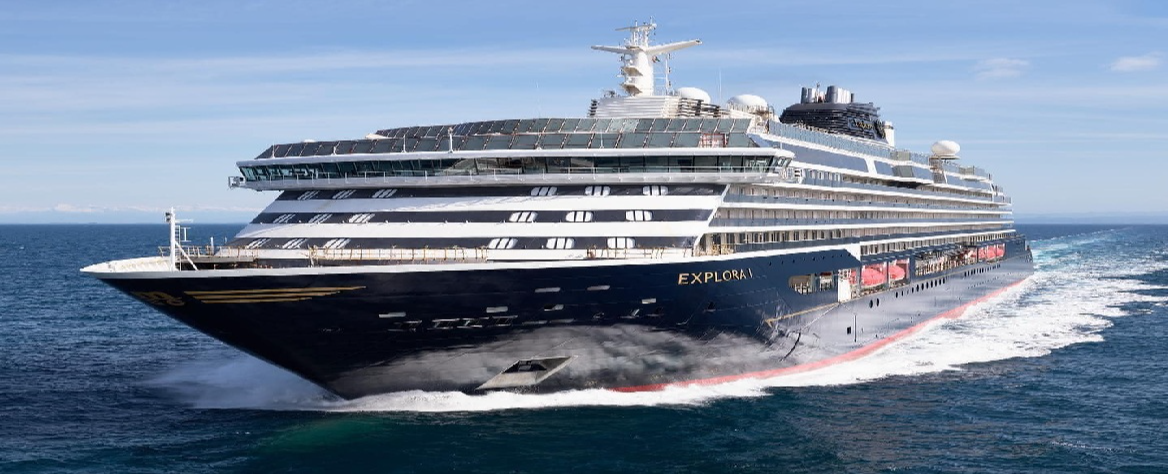
Explora Journeys (3 Cruises)


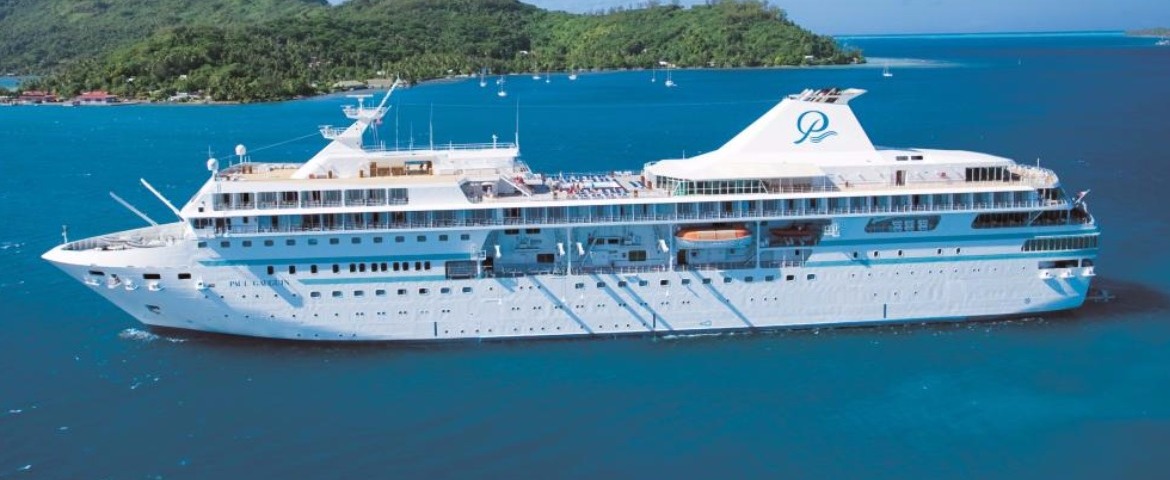
Paul Gauguin Cruises (2 Cruises)

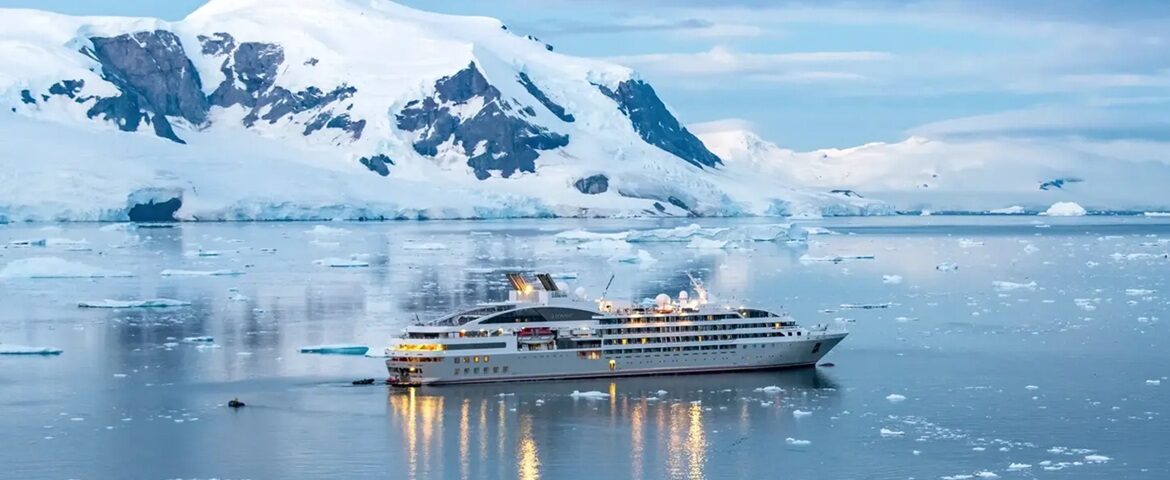
Ponant (2 Cruises)

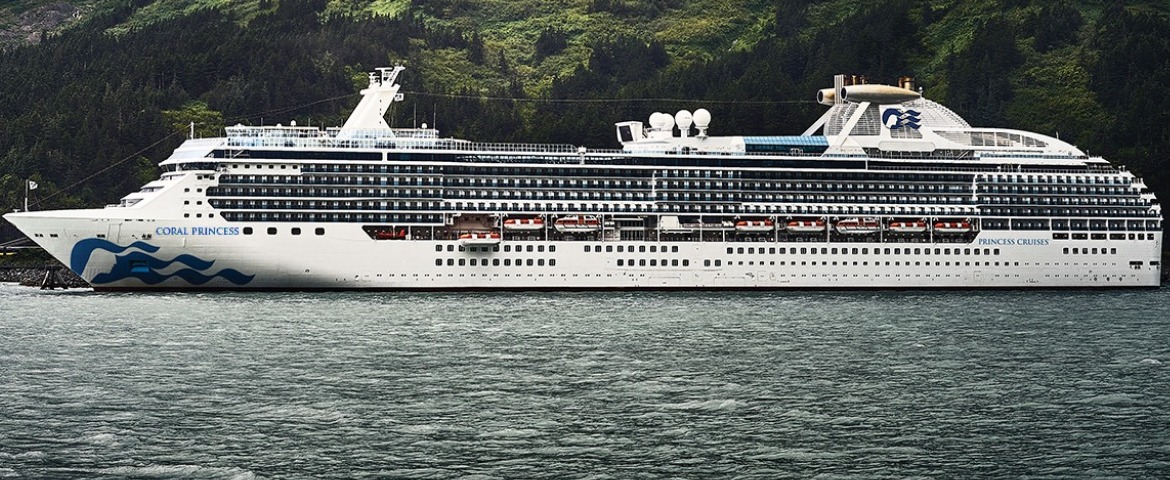
Princess Cruises (12 Cruises)
Coral Princess
10 Cruises

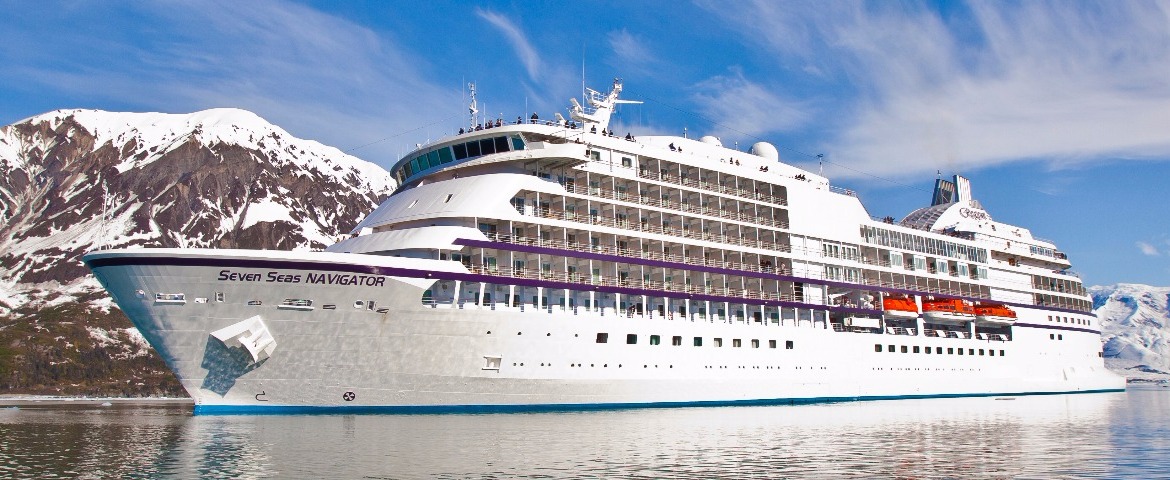

Seabourn Cruise Line (14 Cruises)


Seabourn Quest
12 Cruises
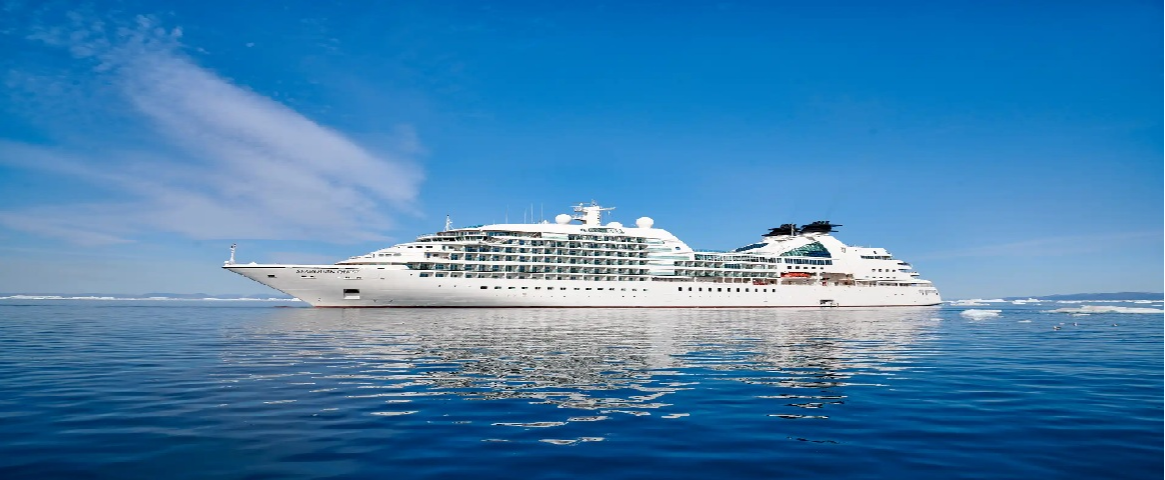
Silversea Cruises (2 Cruises)
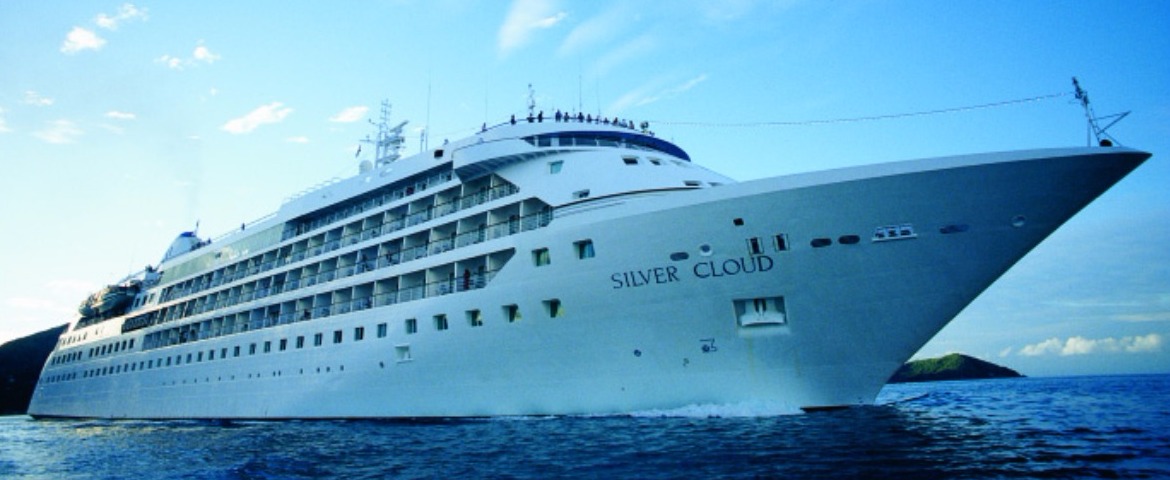

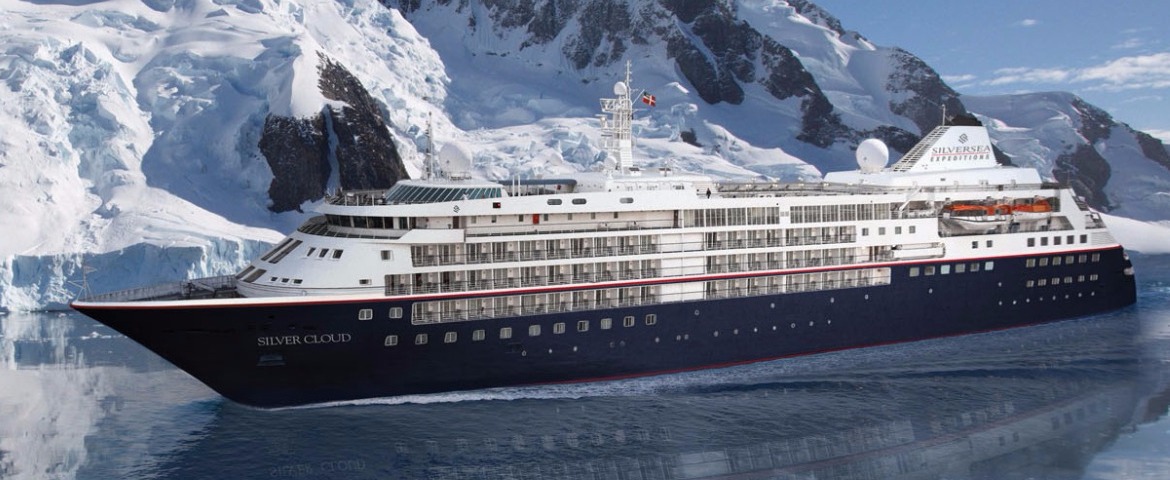
Windstar Cruises (16 Cruises)
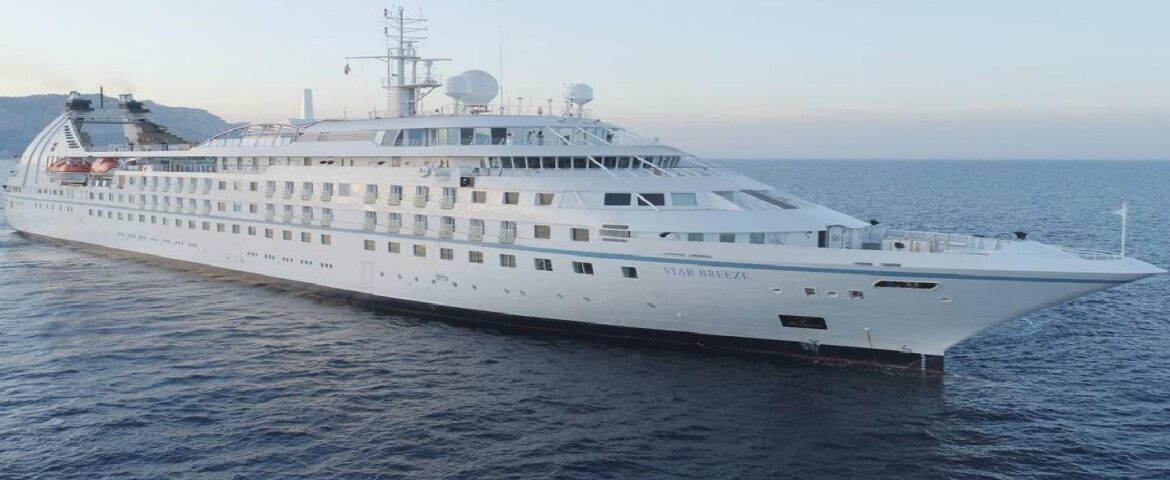
Star Breeze
16 Cruises

Port of Alotau, Papua New Guinea | Cruise Port Guide
Frequently Asked Questions
At the Alotau wharf, in the working heart of Milne Bay. You walk ashore without a tender, and the market is a few minutes away on foot.
On foot. The market, the waterfront and the craft stalls are all walkable from the wharf. The hill villages and the 1942 battle sites need a tour or a hired vehicle.
Start with the market, then the Milne Bay battle sites, and add a hill village if time allows. Two of the three fit comfortably in half a day; all three means rushing.
Nothing here was built for cruise passengers. It is a working port with outrigger canoes, crowded island traders and a market that serves local people rather than visitors.
The Papua New Guinean kina. Small notes in cash are essential at the market and with craftspeople; cards are barely accepted outside hotels.
English is the official language and Tok Pisin is the everyday lingua franca. English works everywhere, at the market and with guides.
Yes, but ask first. Local courtesy requires it, and a smile almost always earns a yes.
Massim art: ceremonial dishes, canoe prows and polished bowls inlaid with mother-of-pearl, carved in Milne Bay Province. Carvers often sell their own work and explain each piece.
May to October, the dry season, cooler and less rainy. November has its own appeal: the Kenu and Kundu festival fills the bay with sails and drums.
For curious children, yes: the market and the canoes hold their attention. The ancestral skull caves ask for more maturity, and there is no purpose-built attraction for young visitors.


