Almeria Spain Andalusia

90 Cruises availables At departure or passage at this port

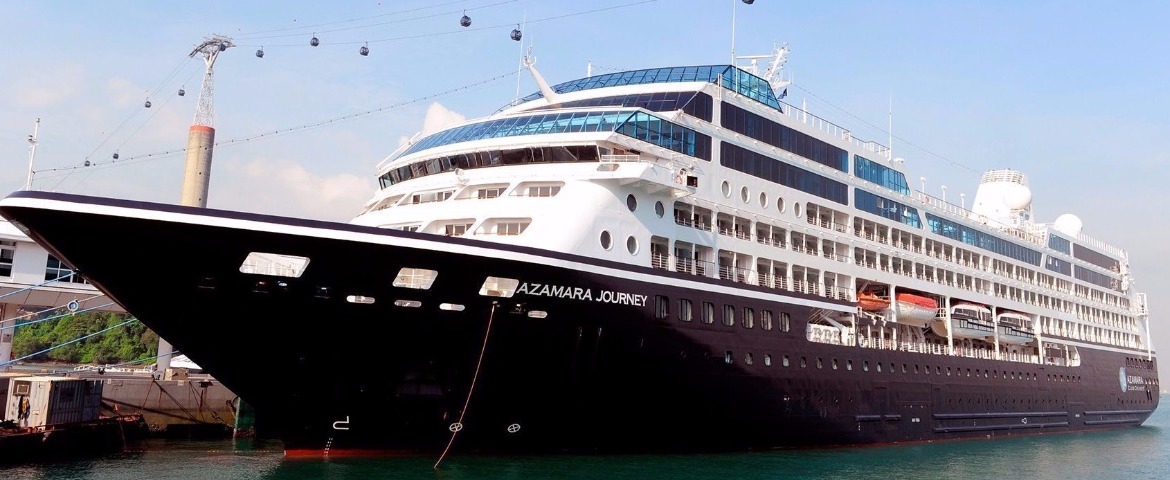
Oceania Cruises (19 Cruises)

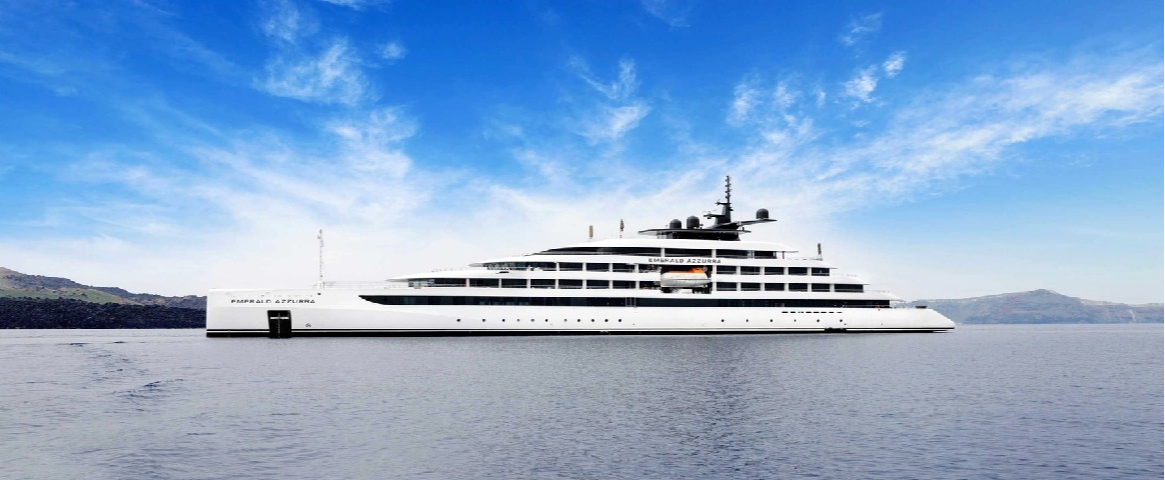
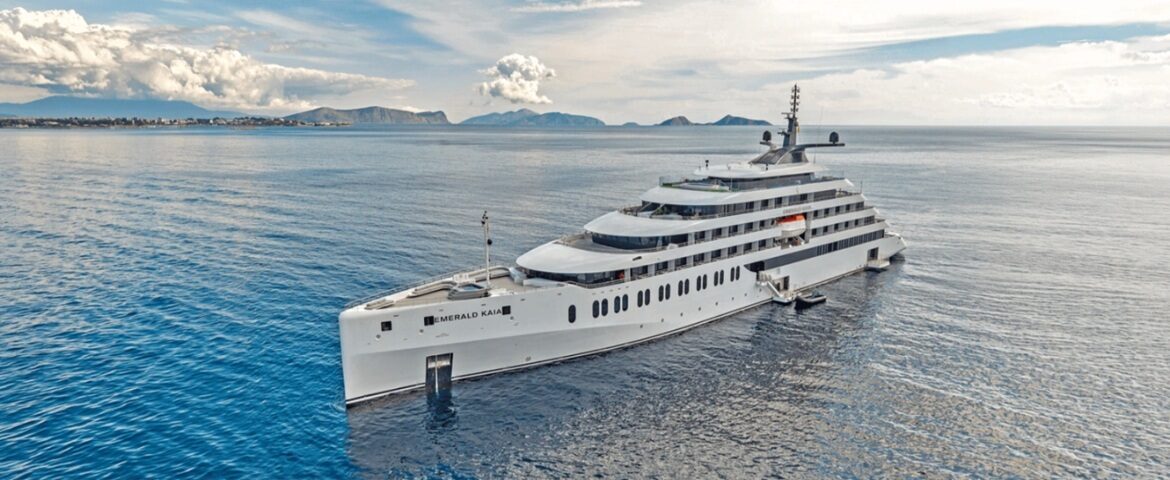
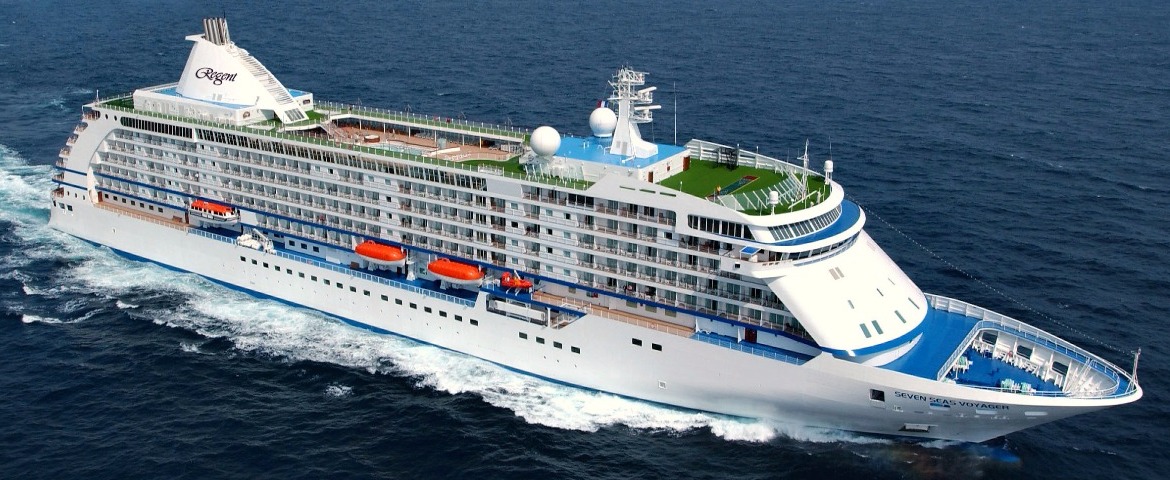
Regent Seven Seas Cruises (16 Cruises)

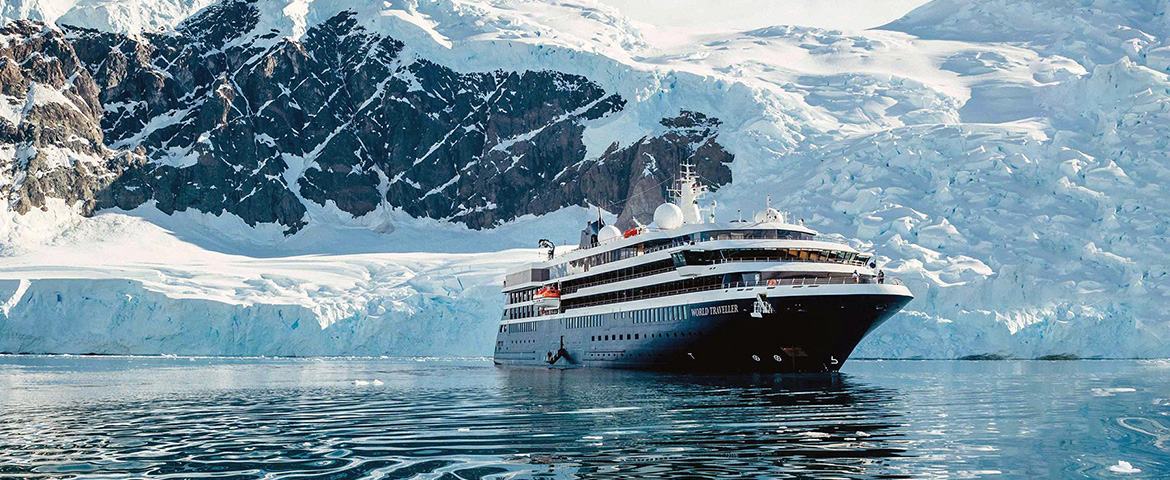
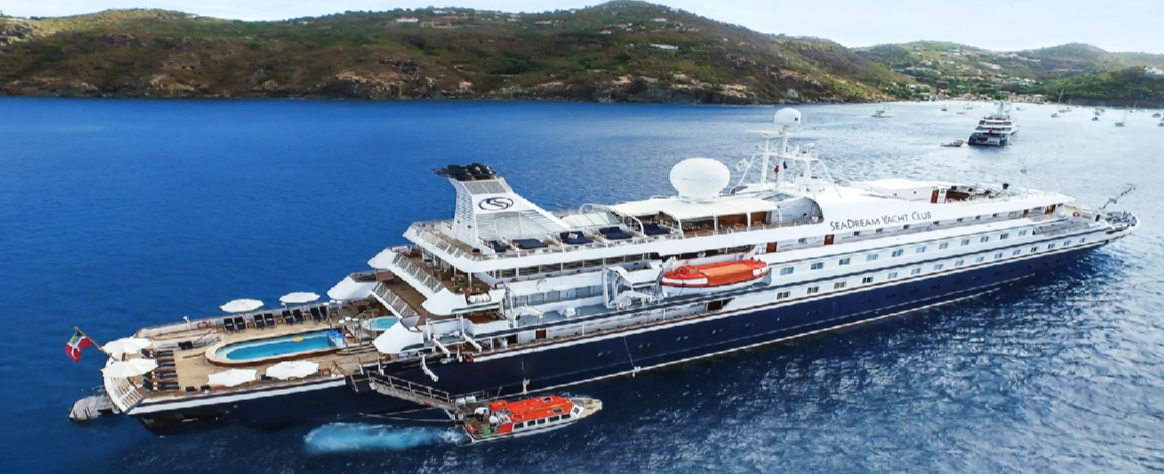
Windstar Cruises (20 Cruises)

Port of Almería, Spain | Cruise Port Guide

The light strikes first, right from the gangway. Almería bathes in an almost Saharan clarity, that of Europe's only classified desert region, and this stark whiteness sculpts everything: the whitewashed cubes of the old city, the cathedral-fortress, and above all the immense Alcazaba stretching its crenellated walls across the hill. Eastern Andalusia offers itself here unfiltered and uncrowded, apart from the saturated circuits of the Costa del Sol.

Following the Blue Line

From the terminal, a blue line painted on the ground guides passengers to the centre: about one kilometre, or a quiet fifteen-minute walk along the palms and fountains of Parque Nicolás Salmerón, the garden separating the docks from the old city. Taxis stand at the exit for those preferring to head straight up to the fortress. This ease of access sets the tone for a day that unfolds almost entirely on foot.

The Alcazaba: An Overlooked Giant

Raised in the tenth century by the Caliphate of Córdoba, Almería's Alcazaba yields in size only to the Alhambra among al-Andalus's fortresses, and yet visitors are often counted on the fingers of one hand, especially outside summer months. The climb demands about two hundred steps, rewarded by three successive enclosures: gardens inspired by Moorish design rustling with water, vestiges of palaces, then Christian bastions added after the Reconquest. From the ramparts, the view embraces the anchorage, the white terraces of the Chanca quarter, with houses painted in frank colours, and ochre hills announcing the desert. Allow a good hour on site, more if the gardens detain you.

A Cathedral Built for Combat

Twenty minutes' walk from the dock, the Cathedral of the Incarnation surprises: massive buttresses, watchtowers, crenellations. Raised in the sixteenth century when Barbary corsairs scoured the coast, it was conceived as much as refuge as place of worship. The interior nonetheless yields its gentleness, sculpted choir and chapels in blonde stone, while the east end hides a sun engraved and become the city's emblem, the Sol de Portocarrero. The neighbouring streets, bordered with orange trees, lead toward the Paseo de Almería, the thoroughfare where inhabitants enjoy the cool in late afternoon.

Tapas Almería-Style

Almería practises a custom the rest of Spain envies: here, tapas accompany each drink free of charge. Around Puerta de Purchena and the Paseo, the counters offer red prawns from Garrucha, ham from the Alpujarras or rustic breadcrumbs, and each round brings its bite. The meal builds thus, glass after glass, in the hubbub of conversation, for a sum that would make Barcelona's servers smile. The greedier will demand sun-dried tomatoes from the region or a cherigan, a toasted slice whose version every bar jealously defends.

The Cable Inglés: Cathedral of Iron

Near the terminal, impossible to miss this massive structure plunging toward the sea: the Cable Inglés, a mineral dock raised in 1904 by a British company in the spirit of Eiffel's school. The iron here drew a direct bridge between inland mines and the holds of steamships. Restored and listed, it witnesses to the bay's industrial past and composes, at sunset, a silhouette that photographers adore.

Farewell to the White City

Many make their way back to the ship with heads full of sand: the film studios of the Tabernas desert, where so many westerns were shot, are only half an hour's drive away and gladly complete longer ports of call. But even limited to its walls and its tapas counters, Almería imposes its evidence: Africa's light begins here, on a European dock.

Frequently Asked Questions

About a kilometre from the centre. A blue line painted on the ground guides passengers from the terminal to the old town, a quarter-hour stroll past the palms of Parque Nicolás Salmerón.
A fortress raised in the 10th century by the Caliphate of Córdoba, second in size only to the Alhambra among the strongholds of al-Andalus. Yet visitors are few, especially outside the summer months.
About two hundred. The reward is three successive enclosures: Moorish-inspired gardens murmuring with water, palace remains, then Christian bastions added after the Reconquest. Allow a good hour.
Because it was one. Built in the 16th century while Barbary corsairs raided the coast, it was designed as much for refuge as for worship: massive buttresses, watchtowers and battlements.
A sun carved on the cathedral's east end, now the city's emblem. It is the detail locals point out to visitors who take the time to walk right around the building.
Yes, it is the local custom: every drink comes with a tapa included. Around the Puerta de Purchena and the Paseo de Almería, a meal builds itself glass by glass.
Red prawns from Garrucha, Alpujarras ham, rustic migas, the region's sun-dried tomatoes, and the cherigan, a grilled open sandwich whose version every bar defends fiercely.
A 1904 ore loading pier, a massive iron structure plunging towards the sea near the terminal, built by a British company in the spirit of Eiffel's school. Restored and listed, it makes a silhouette photographers love at sunset.
Yes, half an hour away by road: the film studios set in the only officially classified desert in Europe, where countless westerns were shot. It is the option for longer calls.
Not really. Everything is walkable from the quay and the old town is compact. Only the two hundred steps of the Alcazaba demand effort, under an almost Saharan light: water and a hat are not optional.