Port Mahon Menorca Island Balearic Spain
362
Cruises availables
At departure or passage at this port
Atlas Ocean Voyages (1 Cruises)

Aurora Expeditions (1 Cruises)

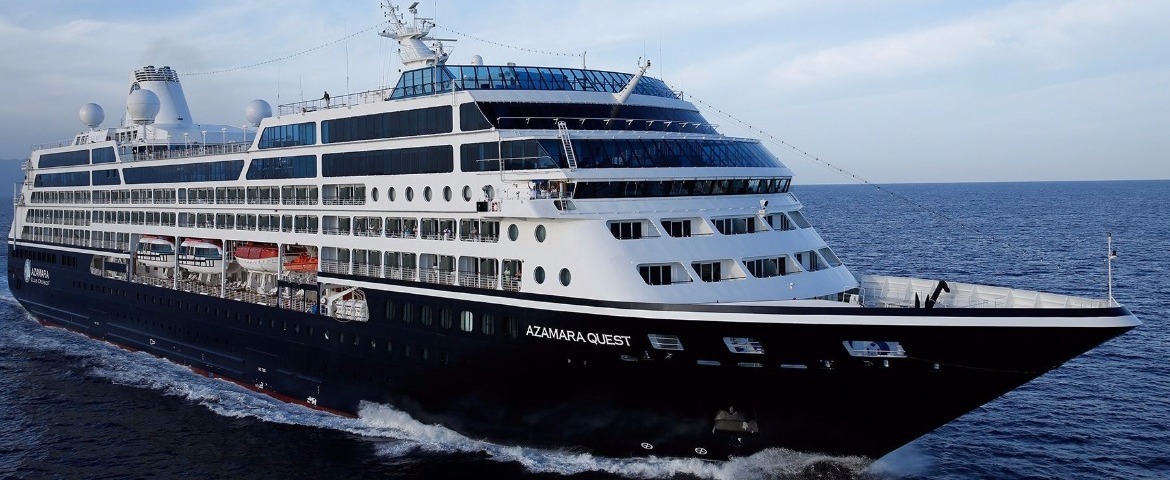
Azamara Club Cruises (14 Cruises)
Azamara Journey
6 Cruises

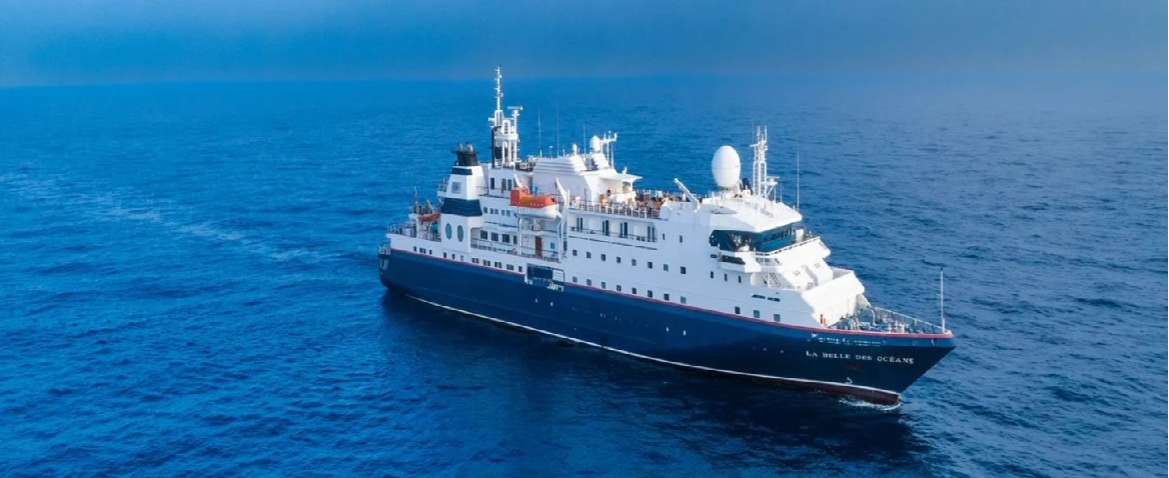
CroisiEurope (3 Cruises)

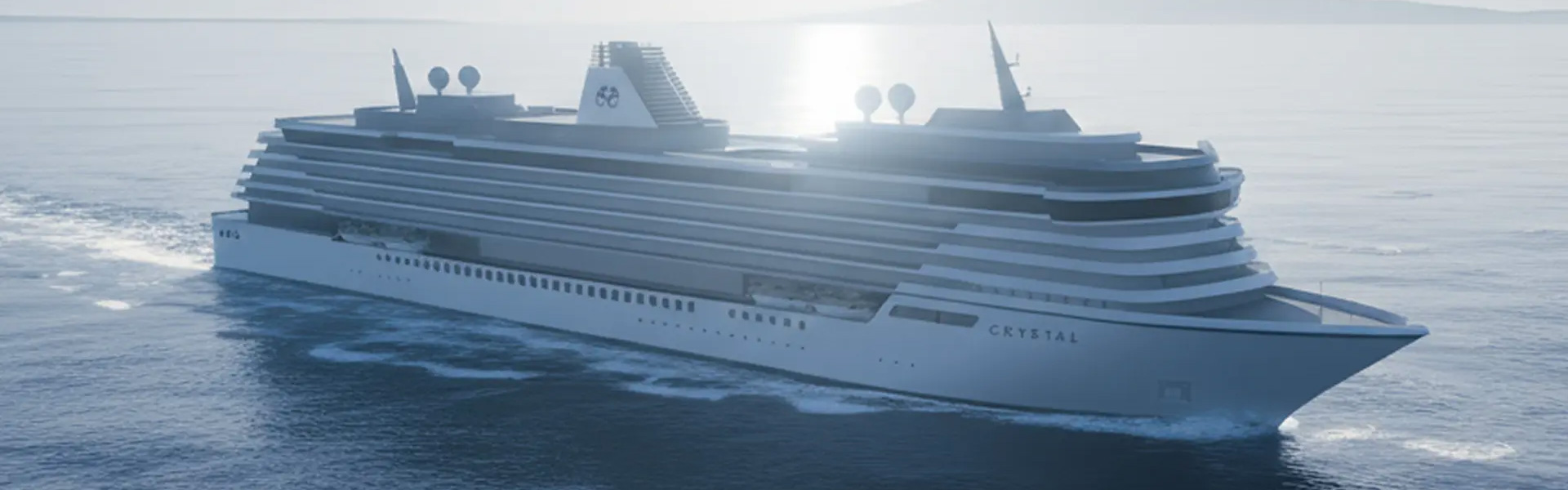
Crystal Cruises (11 Cruises)


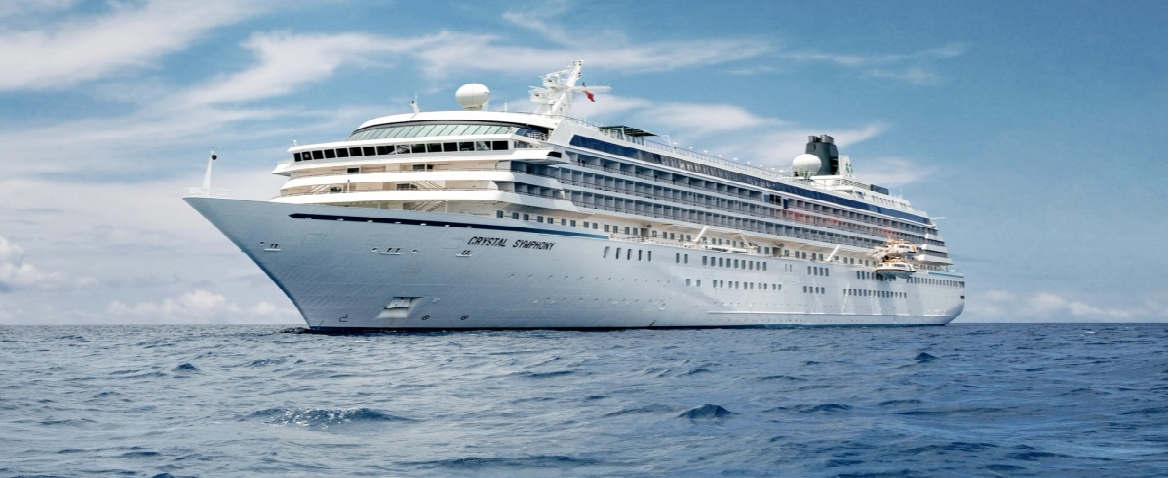
Crystal Symphony
7 Cruises
| 12 April | 14 nights | One-way from Lisbon to Civitavecchia-Rome |
450-628-6241
Call us
|
| 12 April | 7 nights | One-way from Lisbon to Barcelona |
450-628-6241
Call us
|
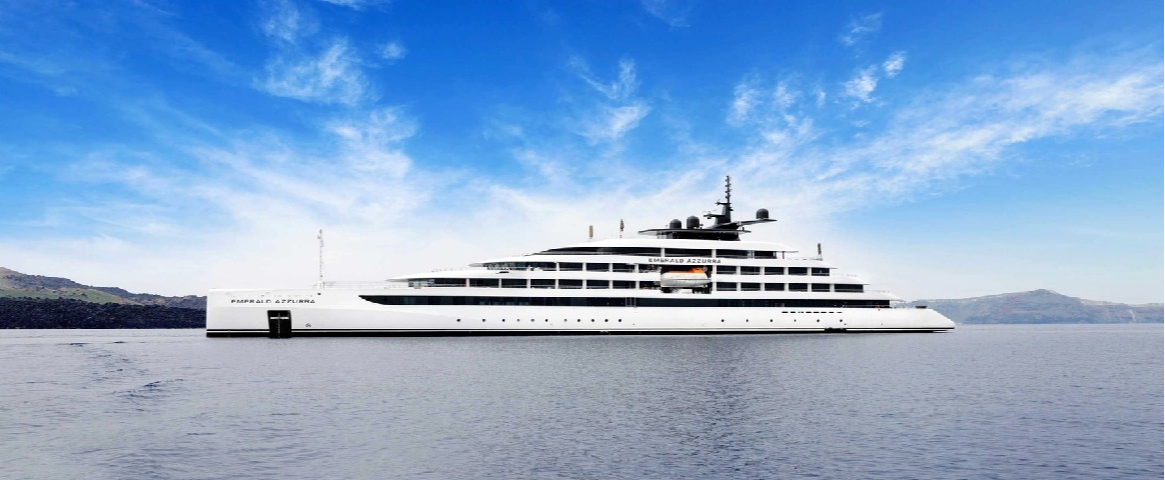
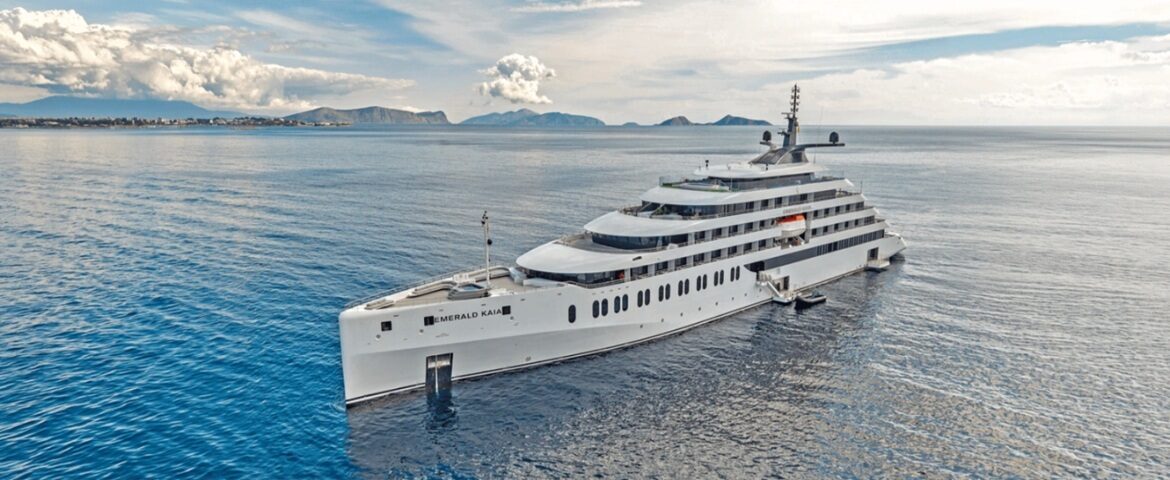
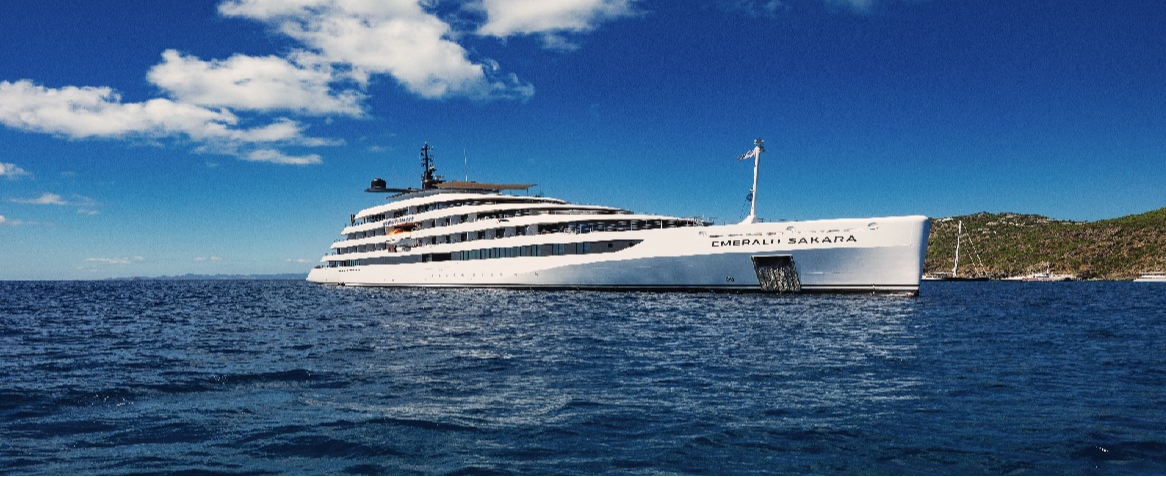
Emerald Waterways (8 Cruises)

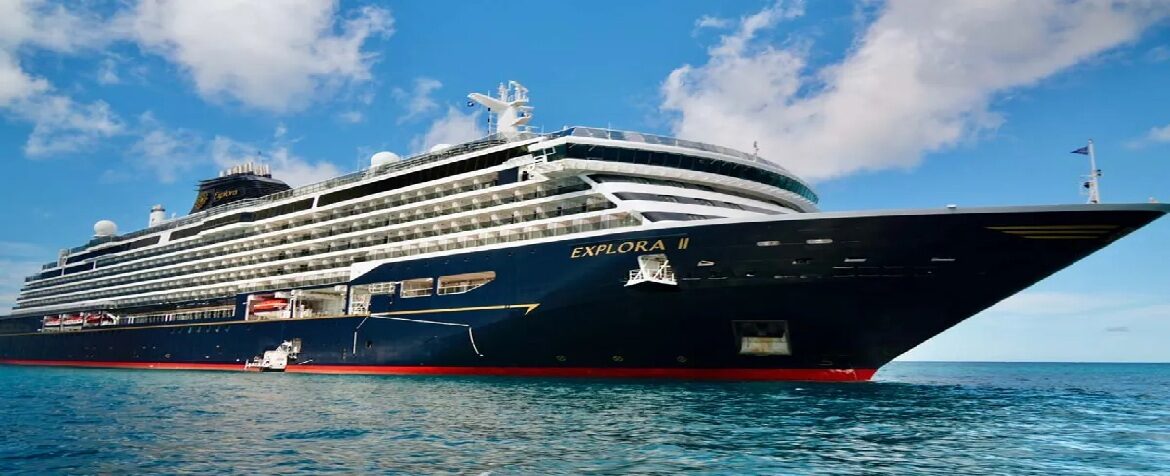
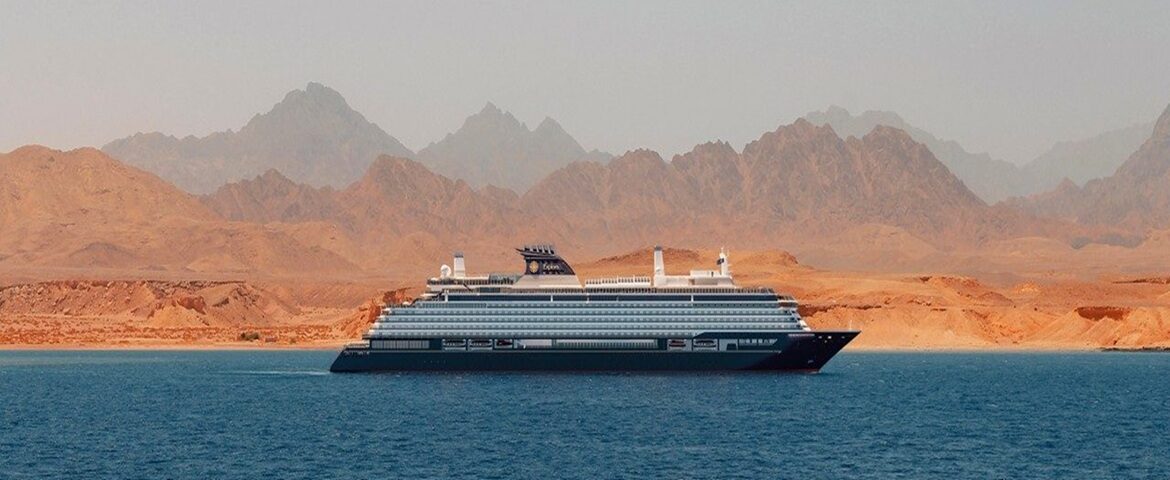
Explora Journeys (24 Cruises)
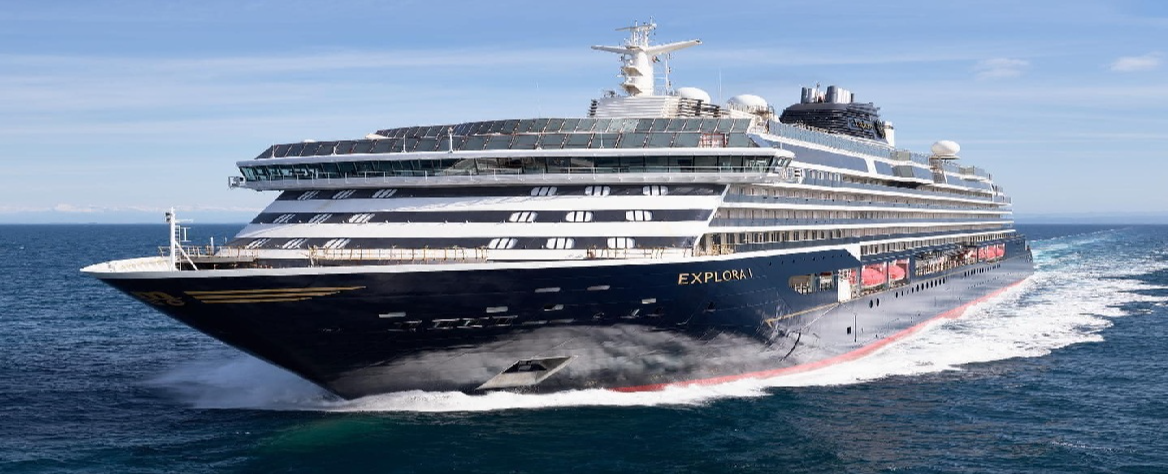
Explora I
18 Cruises

| 3 May | 7 nights | One-way from Barcelona to Civitavecchia-Rome |
450-628-6241
Call us
|
| 3 May | 14 nights | Round-trip from Barcelona, Spain |
450-628-6241
Call us
|
MSC Cruises (207 Cruises)
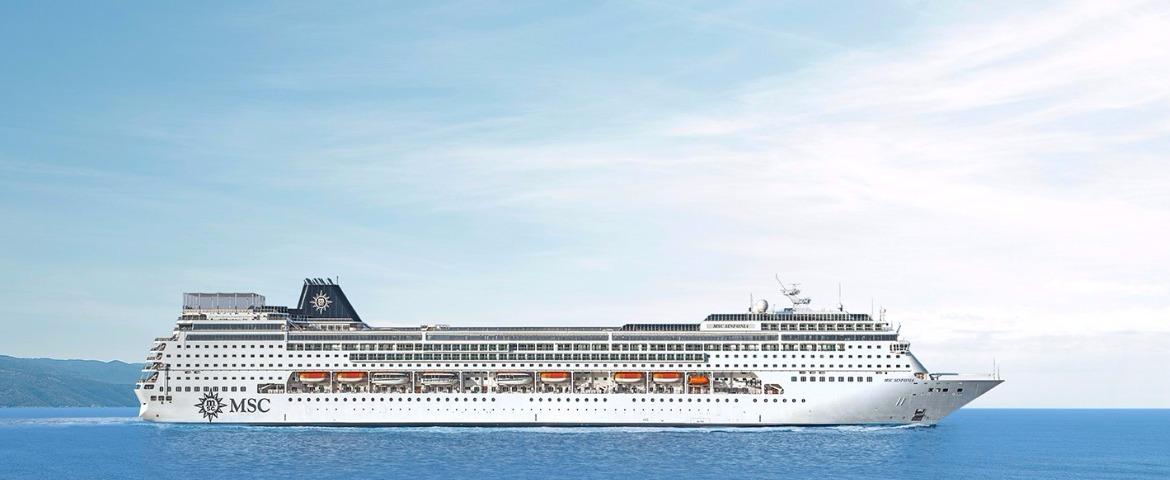
MSC Sinfonia
143 Cruises

MSC World Europa
64 Cruises
 Image not available
| 28 May | 10 days | Round-trip Mediterranean |
450-628-6241
Call us
|
| 29 May | 10 days | Round-trip Mediterranean |
450-628-6241
Call us
|
| 31 May | 10 days | Round-trip Mediterranean |
450-628-6241
Call us
|
Oceania Cruises (15 Cruises)

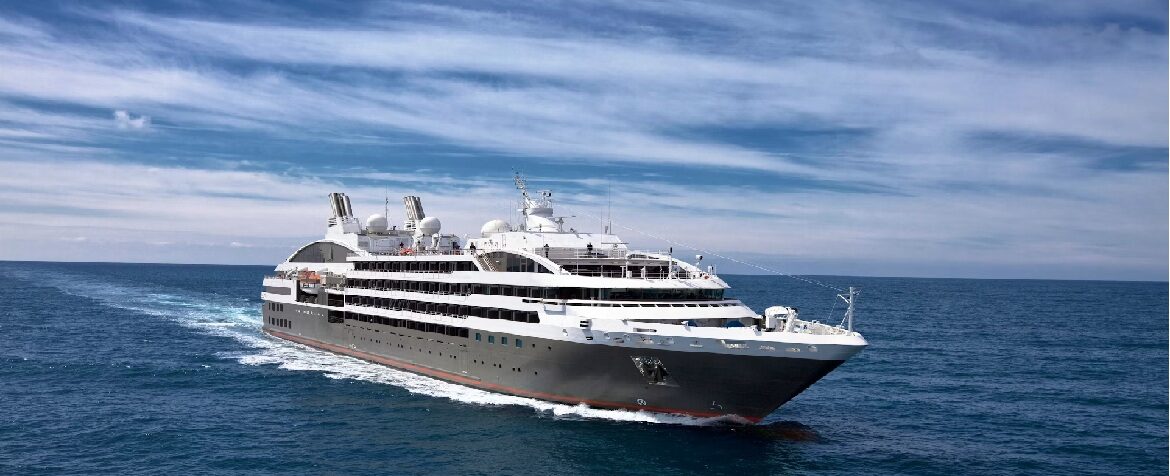
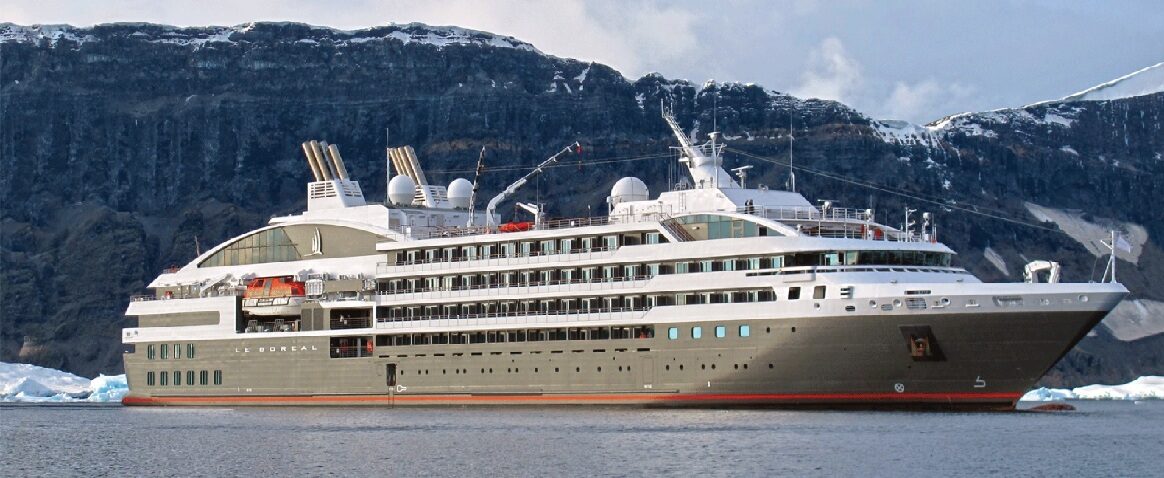
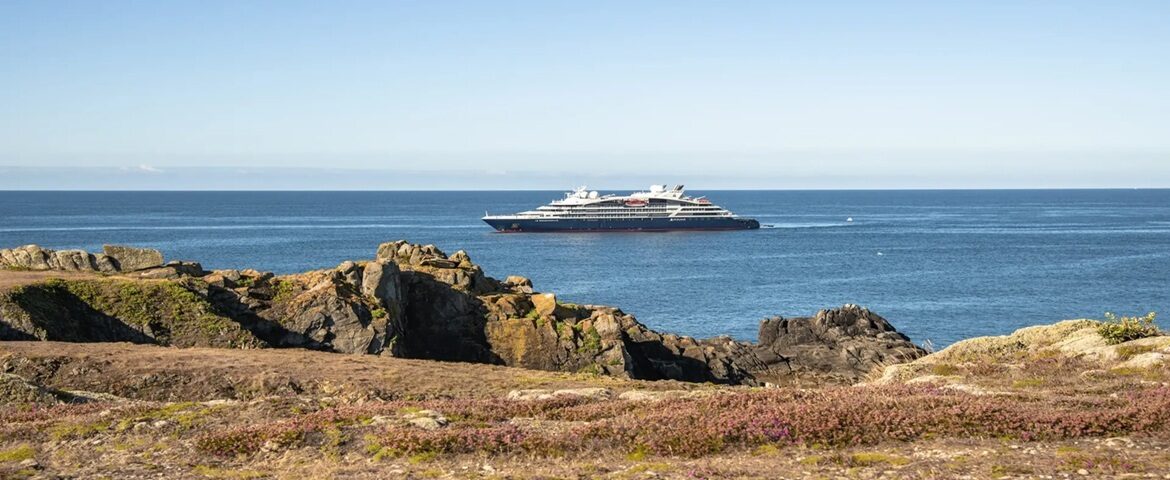
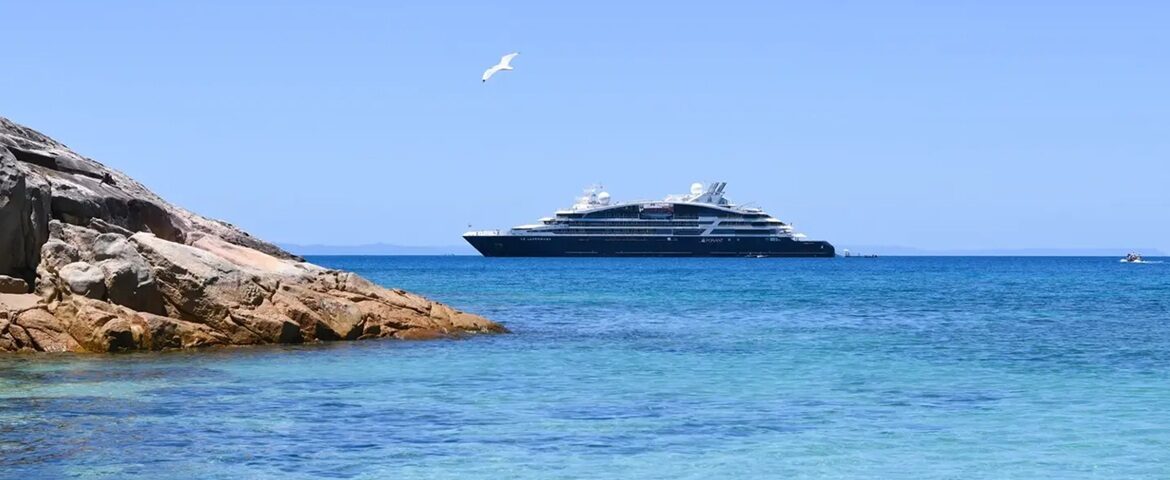
Ponant (8 Cruises)

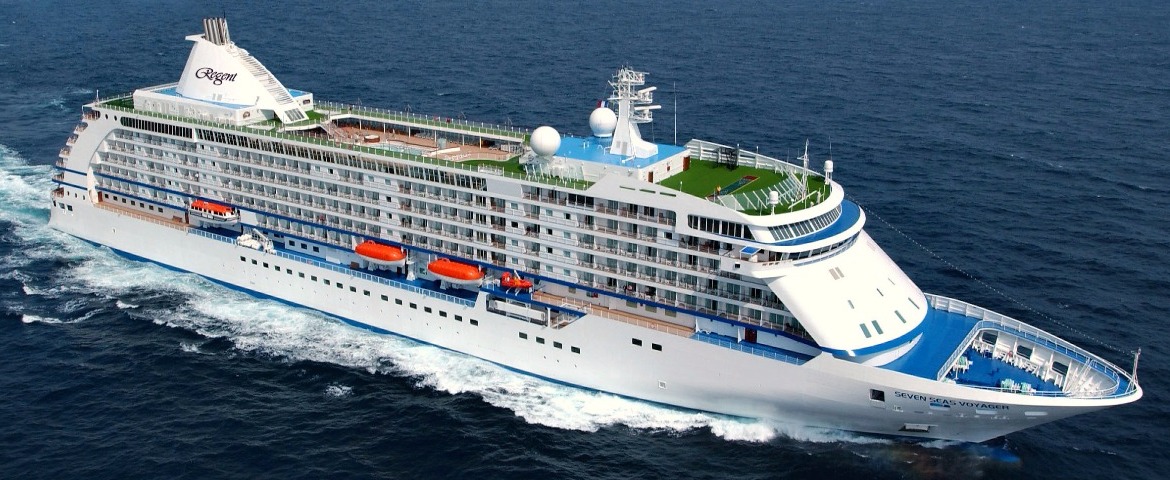
Regent Seven Seas Cruises (7 Cruises)
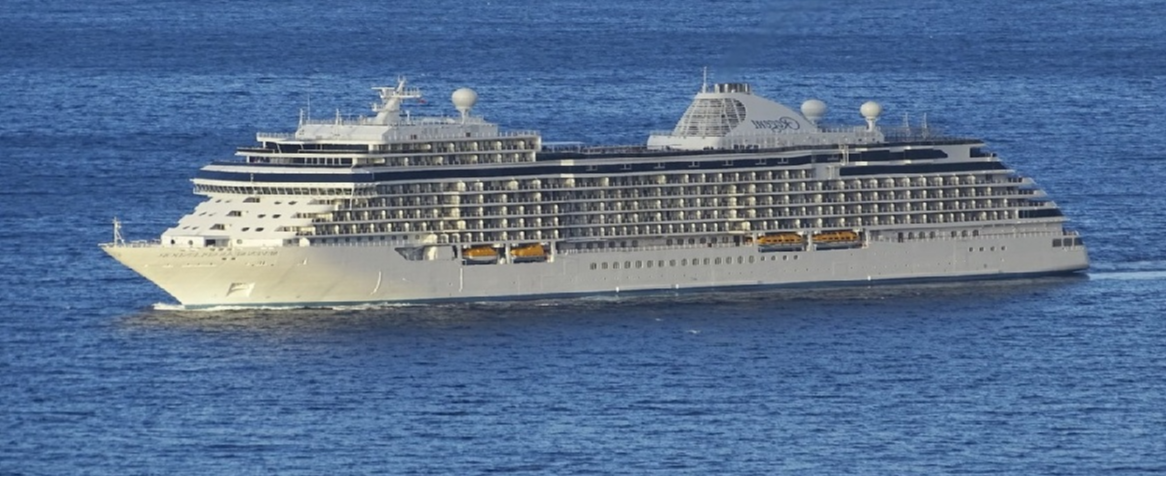
Seven Seas Grandeur
4 Cruises



Seabourn Cruise Line (25 Cruises)
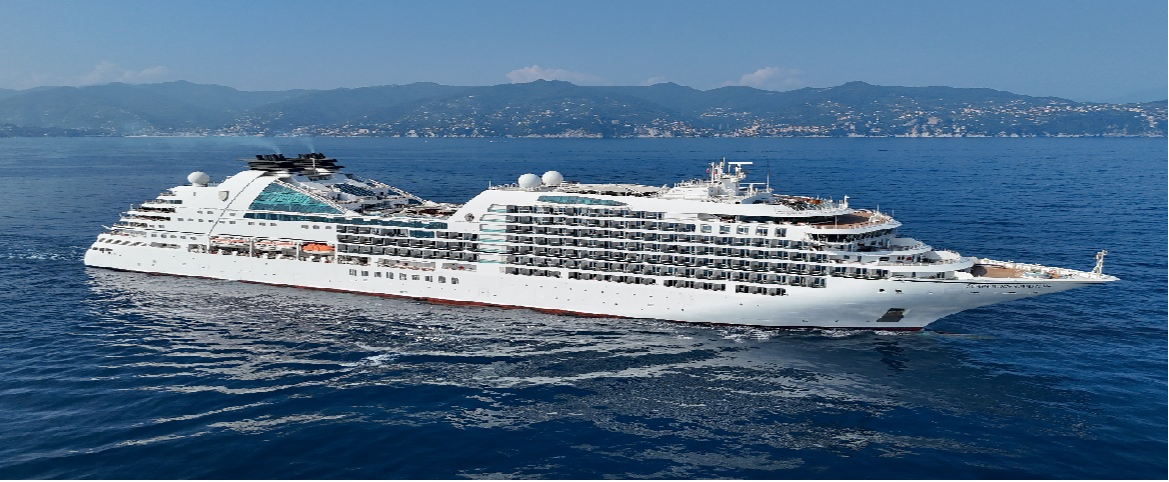
Seabourn Ovation
18 Cruises

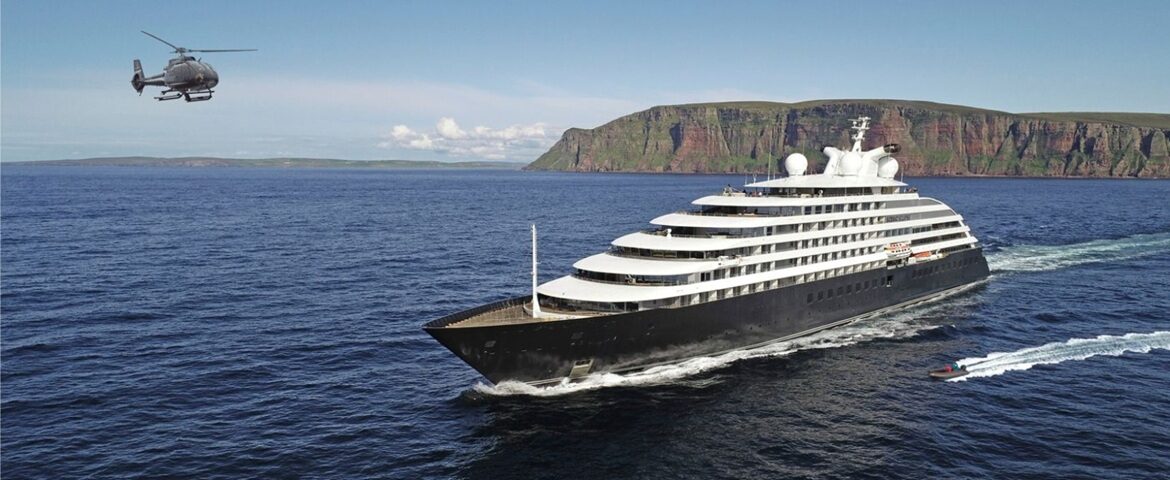
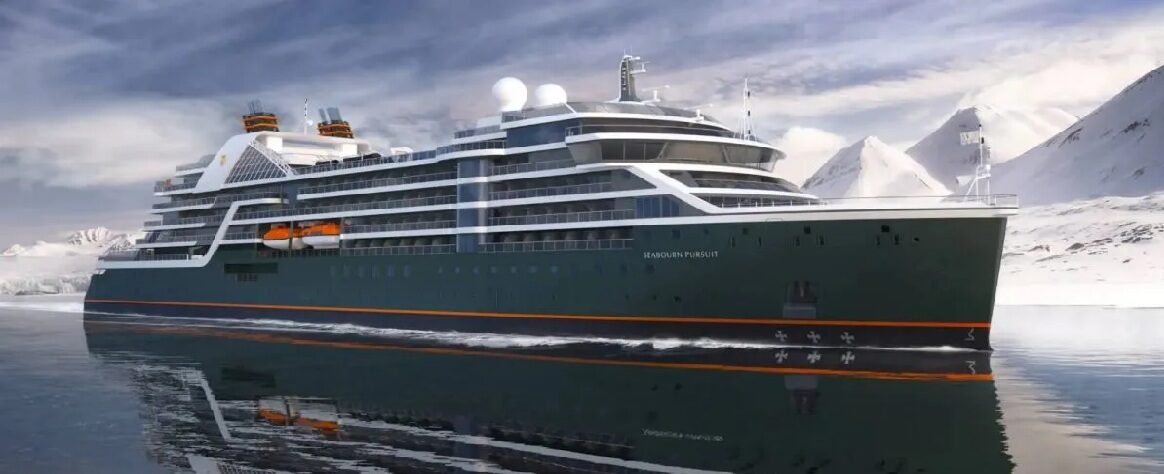
Seabourn Pursuit
7 Cruises


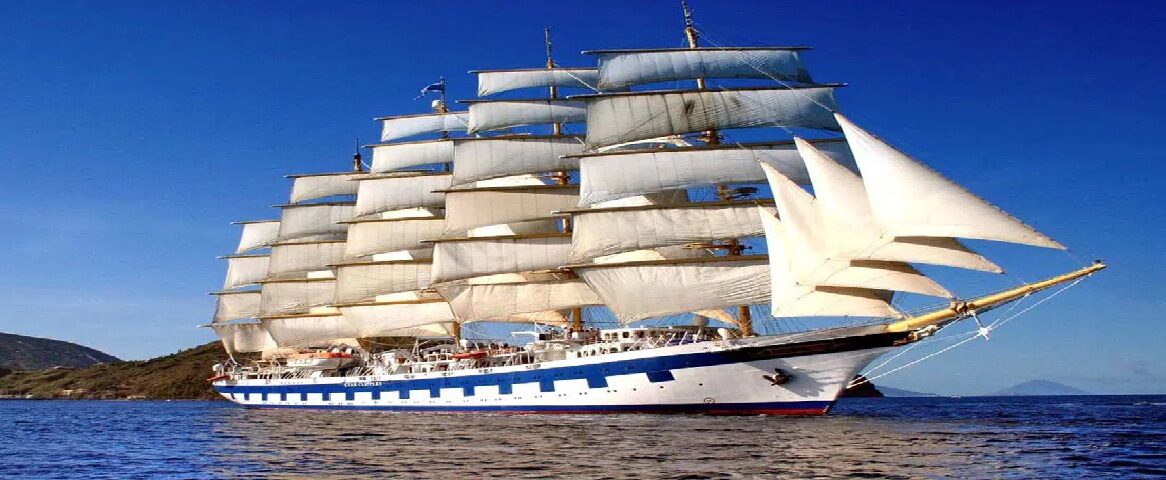
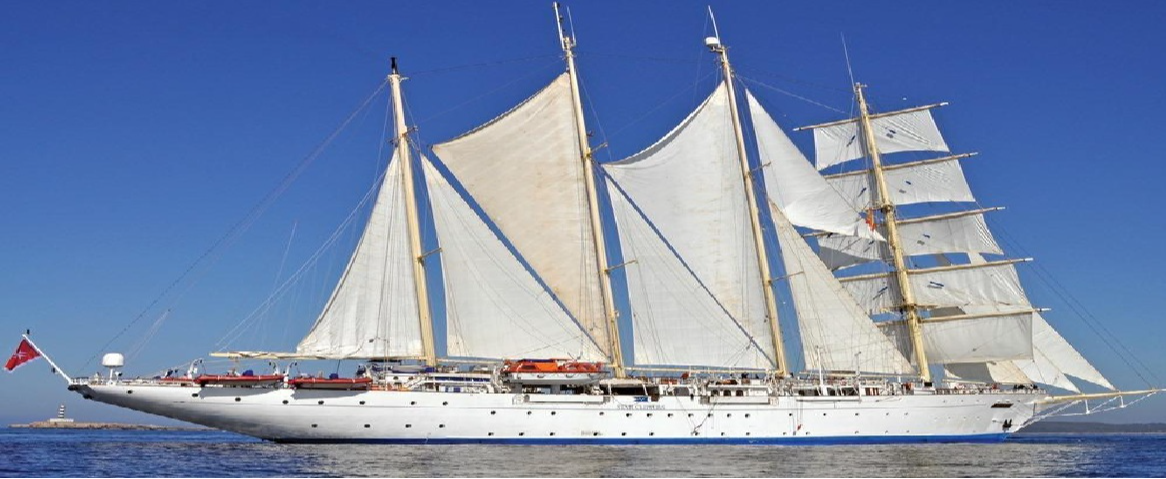
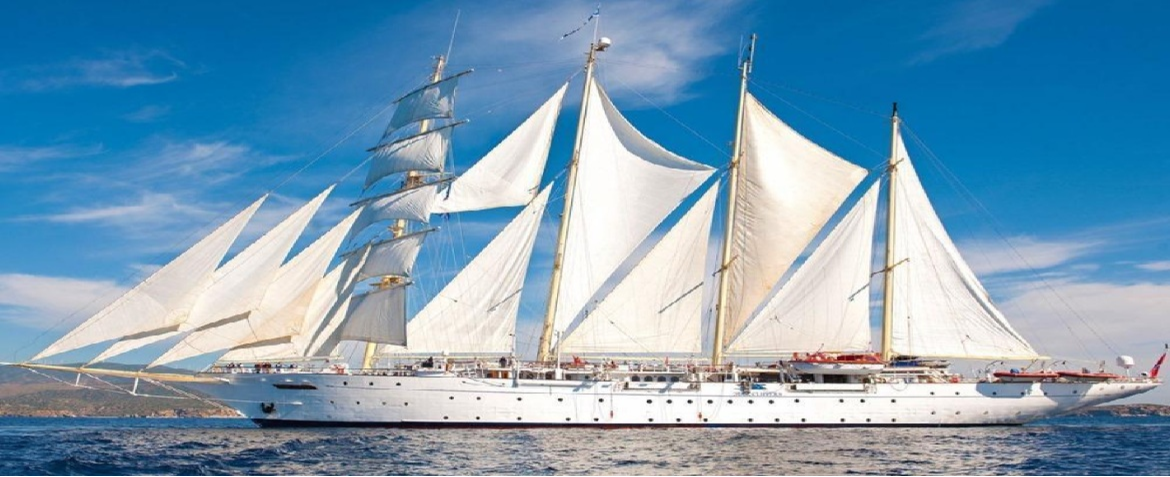
Star Clippers (7 Cruises)

Windstar Cruises (9 Cruises)
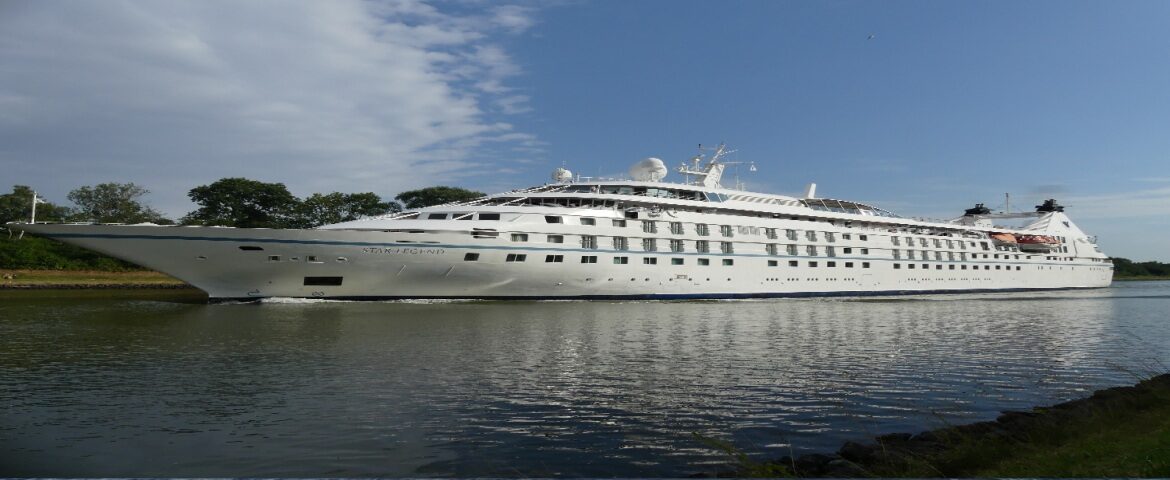
Star Legend
5 Cruises

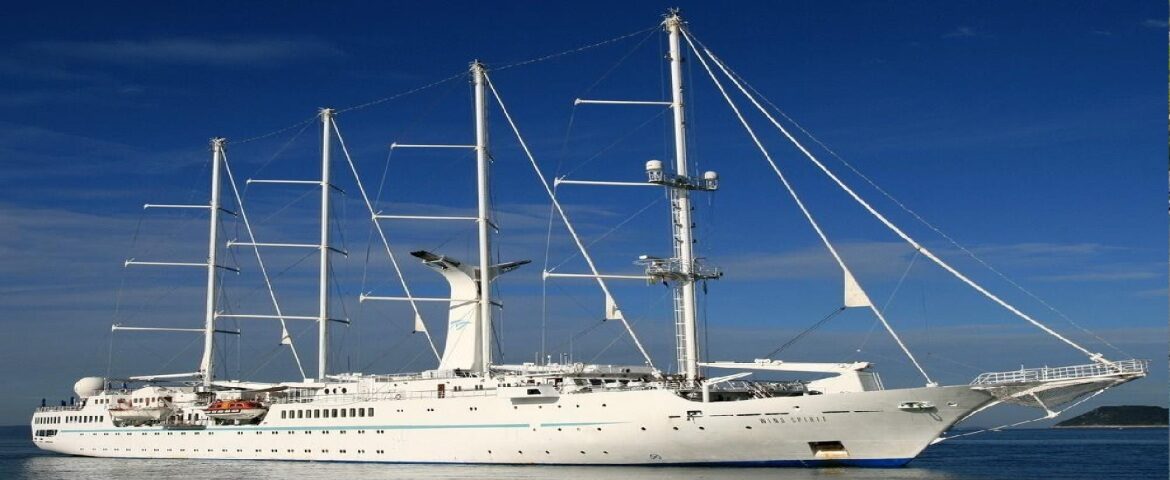
Wind Spirit
4 Cruises

Mahón Menorca Spain | Balearic Island Cruise Guide
Frequently Asked Questions
The ship works its way up almost six kilometres of deep water between golden hills, forts and quarantine islands. It is one of the longest natural harbours in the world and one of the finest arrivals in the Mediterranean — be on deck.
Directly below the historic centre. To reach the upper town you climb the steps or take the glass lift that lifts visitors into the heart of the lanes in a couple of minutes.
Because the British occupied Menorca for most of the eighteenth century and made it their great naval base. The town kept sash windows on its houses and a restrained elegance, less exuberant than the other Balearic capitals.
The old town on foot — Plaça de la Conquesta, Santa María church with its celebrated organ, the market in the former Carme cloister — the Xoriguer distillery, then a boat tour of the harbour if timing allows.
A direct legacy of the English period. The Xoriguer distillery, steps from the quay, still distils it in copper stills and sells it in its distinctive handled bottles. You can taste pomada, gin with lemonade, which accompanies every festival on the island.
That is the local legend, and Menorcans stand by it: salsa mahonesa is said to have been carried back to France after the port was taken in 1756. The exact origin is still debated, but the story is part of the pleasure of the call.
Yes, if time allows. Launches run past Illa del Rei with its former military hospital, the imposing La Mola fortress guarding the entrance, and the village of Es Castell, the old British garrison quarter. Seen from the water, Mediterranean military history unrolls in a few kilometres.
Aristocratic Ciutadella at the far end of the island, the turquoise coves of the south, white villages such as Binibeca, or Monte Toro, which takes in the whole island. Menorca is a biosphere reserve that has stayed clear of mass tourism.
Mahón cheese, sobrasada and fresh cheese pastries. The fish market, just below the centre, combines the day's catch with tapas counters where locals settle in late in the morning: the ideal place to taste Mahón without a plan.
The Teatre Principal de Maó, said to be the oldest opera house in Spain. Touring Italian companies stopped here from the nineteenth century onward, and the Italian-style interior of velvet and discreet gilding is a surprise in a town this size.


