St Croix Island USVI Frederiksted-Christiansted, US Virgin Islands
US Virgin Islands

135 Cruises availables At departure or passage at this port

Royal Caribbean Cruises (85 Cruises)

royal caribbean cruises grandeur of the seas

Grandeur of the Seas

2440 Passengers
73817 tons
Visit the ship's page
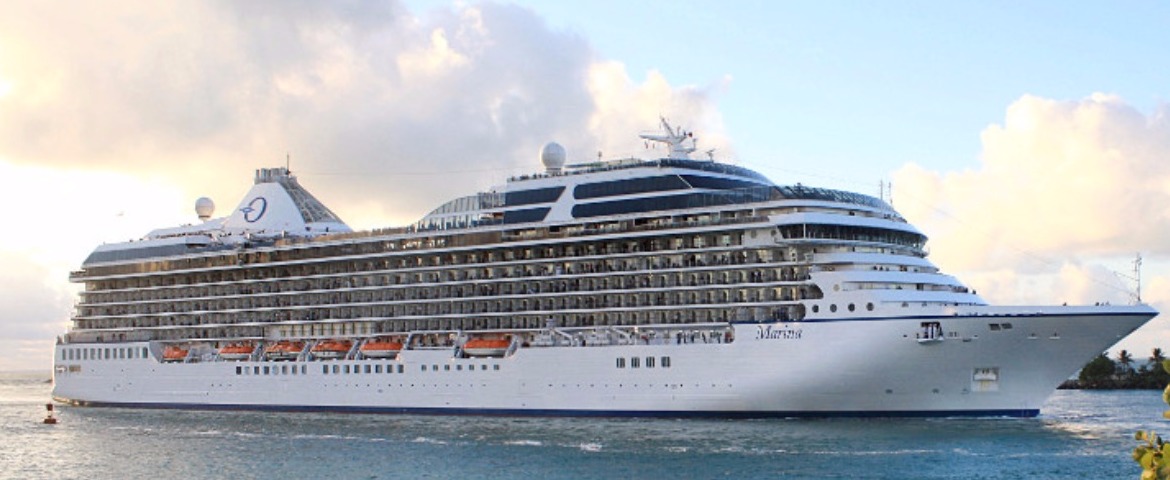
royal caribbean rhapsody of the seas cruise ship

Rhapsody of the Seas

2040 Passengers
78491 tons
Visit the ship's page

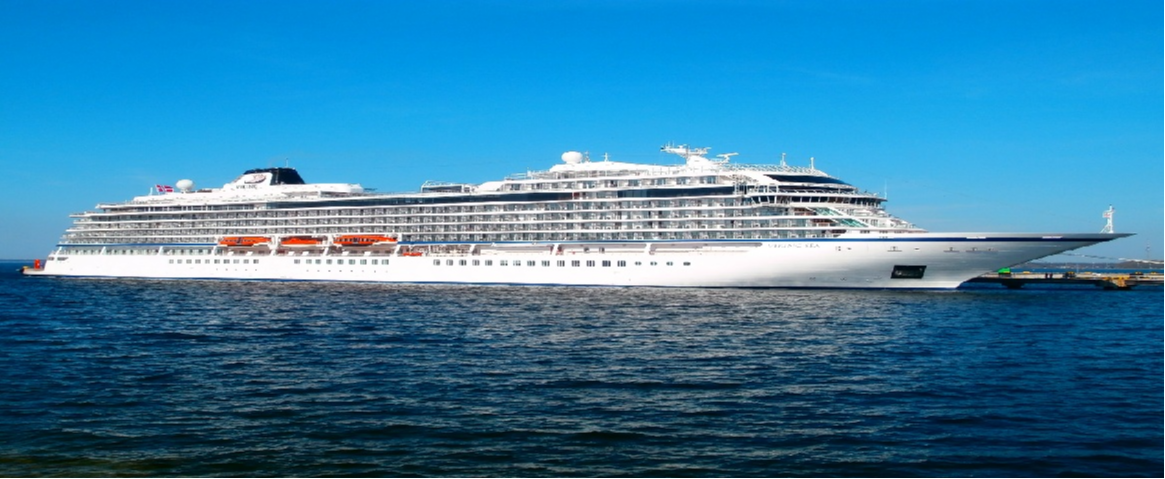
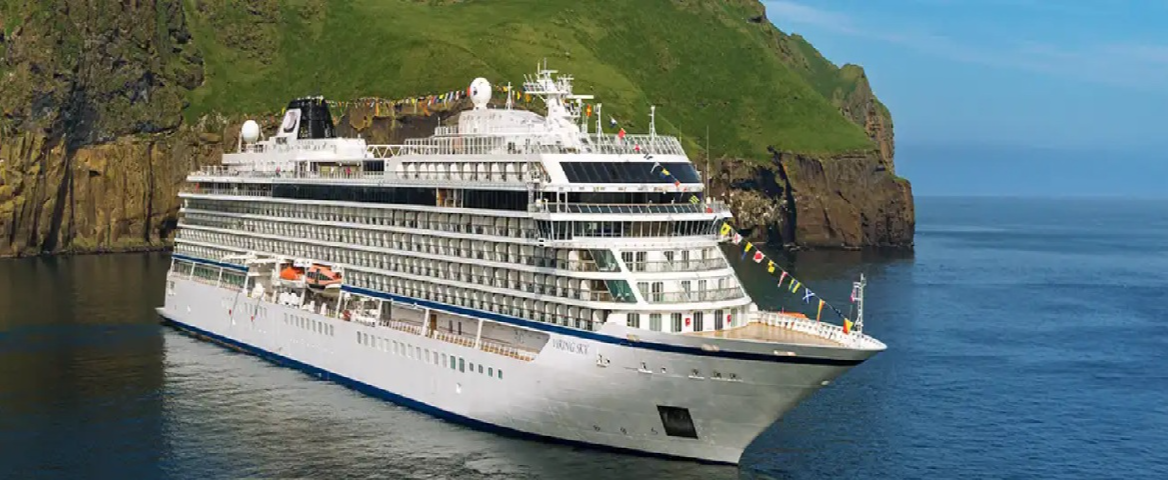
Viking Ocean Cruises (24 Cruises)

Port of Saint Croix, U.S. Virgin Islands | Cruise Port Guide

Seven flags have flown over St. Croix, but it's Denmark that left the deepest mark: two towns named after Danish kings, streets called King Street and Company Street, yellow arcades and forts the colour of fresh butter. The largest of the US Virgin Islands welcomes ships at the Ann E. Abramson Pier in Frederiksted, on the west coast, where the gangway leads straight onto the small town's waterfront.

Frederiksted, the port of emancipation

Facing the gangway, Fort Frederik has raised its dark red walls since the 1750s. It was here, in July 1848, before thousands of enslaved people gathered under the leadership of Moses "Buddhoe" Gottlieb, that Governor von Scholten proclaimed emancipation in the Danish West Indies, eight years before Copenhagen had formally decided on it. The fort museum tells the story of this founding day, which the island commemorates every July 3 on Emancipation Day, a holiday throughout the territory. Around it, the streets line up galleried houses and old churches, and the town beach begins a few hundred metres north of the pier: rare are the port calls where you go so quickly from gangway to clear water.

The rainforest road and Cruzan rum

North of Frederiksted, the "Rain Forest" — a dense moist forest rather than a true rainforest — covers the hills with mahogany and silk-cotton trees. Open-air safari taxis cross it on their way to the north coast lookouts. On the way back, the Cruzan distillery, about three kilometres from the port, opens its cellars to visitors: the Nelthropp family has been distilling here since 1760, and the tasting at the end of the tour has a reputation for generosity.

Christiansted, the historic capital

Twenty-seven kilometres to the east, or about 45 minutes by road, Christiansted concentrates the best-preserved Danish heritage in the Caribbean: the yellow Fort Christiansvaern and its cannons facing the lagoon, the customs house, the public scale house and the Lutheran church form a national historic site administered by the US National Park Service. The merchant arcades, which provide shade as in the days of the Danish West India Company, house jewellers and cafés; the waterfront boardwalk runs along the marina where excursions to Buck Island depart. The outing takes a full half day and should be planned with the ship's schedule in mind.

Buck Island, the reef under presidential protection

Off the northeast coast, Buck Island Reef National Monument has protected an uninhabited islet and its coral garden since 1961, by Kennedy's proclamation. An underwater snorkelling trail marked with submerged plaques guides swimmers through elkhorn coral formations; Turtle Beach, on the west side of the islet, ranks among the most photogenic in the territory. Authorized catamarans depart from Christiansted, which reserves the excursion for long port calls; allow half a day, with equipment provided on board.

Port call landmarks

ItemDetails
DockingAnn E. Abramson Pier, downtown right there
Nearest beachFrederiksted Beach, less than 1 km from the pier
Christiansted27 km, about 45 minutes by road
Currency and languageUS dollar; English

An island that tells its story slowly

St. Croix doesn't live to the rhythm of St. Thomas's big crowds; it cultivates its distilleries, its forts and its Danish memories with quiet pride. Between an emancipation proclamation, a family rum and a reef protected by presidential proclamation, the port call weaves a richer story than it seems from the deck. You leave having learned something — the mark of true destinations.

Frequently Asked Questions

At the Ann E. Abramson pier in Frederiksted, on the island's west coast. The gangway opens straight onto the small town's waterfront, so no shuttle is needed to start exploring.
Frederiksted, yes: the fort, the yellow arcades and the waterfront sit minutes from the gangway. Christiansted, the other historic town, is at the far end of the island and needs a taxi or a tour.
Fort Frederik and the Frederiksted waterfront first, then either the nearby beach or the road across to Christiansted and its Danish streets. Snorkellers aim for the Buck Island reef reserve, which leaves from Christiansted.
Because Denmark left the deepest mark of the seven flags that have flown over the island. Two towns carry the names of Danish kings, and King Street and Company Street recall the Danish West Indies, sold to the United States in 1917.
Emancipation. In July 1848, before thousands of assembled enslaved people led by Moses 'Buddhoe' Gottlieb, Governor von Scholten proclaimed the end of slavery in the Danish West Indies, eight years before Copenhagen had formally decided it. The island marks the day every 3 July.
Yes, the west coast lines up pale sand beaches a short distance from the pier, reachable on foot or in a few minutes by taxi. The sea here is usually calm, sheltered from the trade winds.
The US dollar, the island being a United States territory. Cards are accepted everywhere; carry cash for taxis, craft markets and tips, which are expected American-style.
Yes for Canadians: the US Virgin Islands come under the United States, and a valid passport remains the document to present, even for a port call.
Yes. Frederiksted is small, flat and easy to walk, the fort holds children's interest and the beach is close. One detail for parents renting a car: St. Croix drives on the left, despite the American plates.
December through April, the dry season and when most ships call. From June to November, hurricane season brings rain and the risk of a cancelled call.