Ushuaia Argentina
1055
Cruises availables
At departure or passage at this port
Atlas Ocean Voyages (39 Cruises)
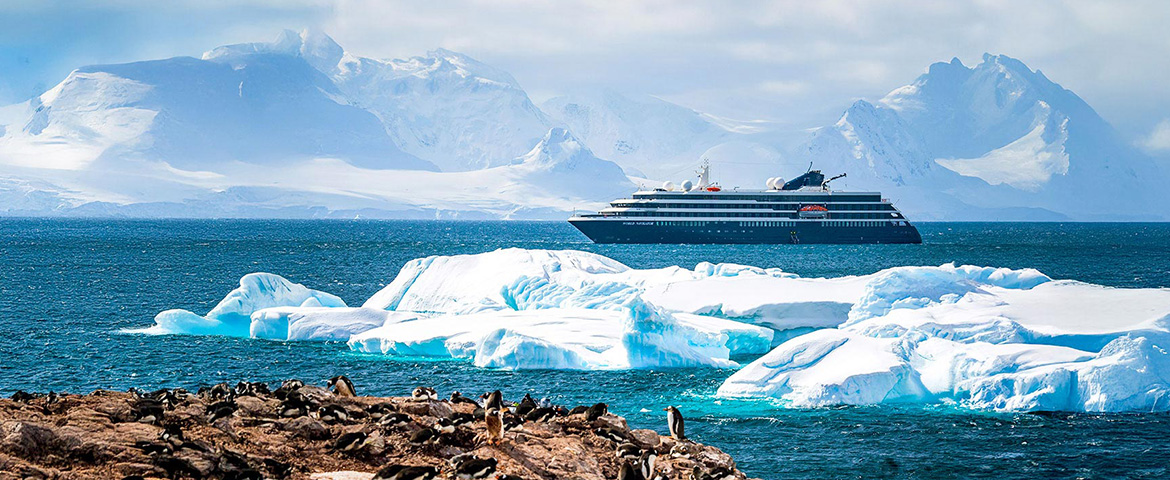
World Navigator
22 Cruises

| 8 March | 11 nights | Round-trip from Ushuaia, Argentina |
450-628-6241
Call us
|
| 19 March | 9 nights | Round-trip from Ushuaia, Argentina |
450-628-6241
Call us
|
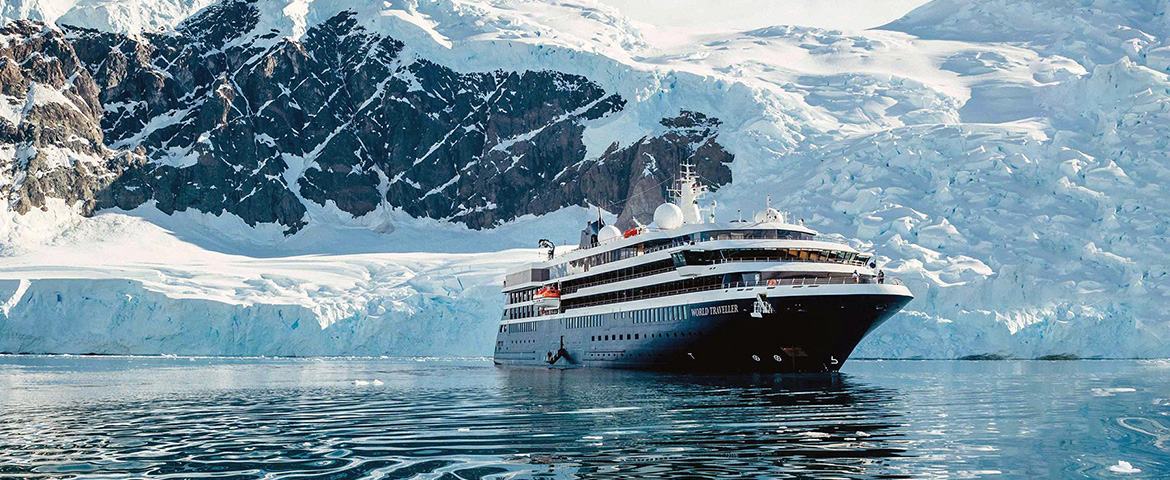
World Traveller
17 Cruises
| 3 January | 18 nights | Round-trip from Ushuaia, Argentina |
450-628-6241
Call us
|
| 21 January | 11 nights | Round-trip from Ushuaia, Argentina |
450-628-6241
Call us
|
| 2 March | 11 nights | Round-trip from Ushuaia, Argentina |
450-628-6241
Call us
|
| 13 March | 16 nights | One-way from Ushuaia to Buenos Aires |
450-628-6241
Call us
|
Aurora Expeditions (51 Cruises)
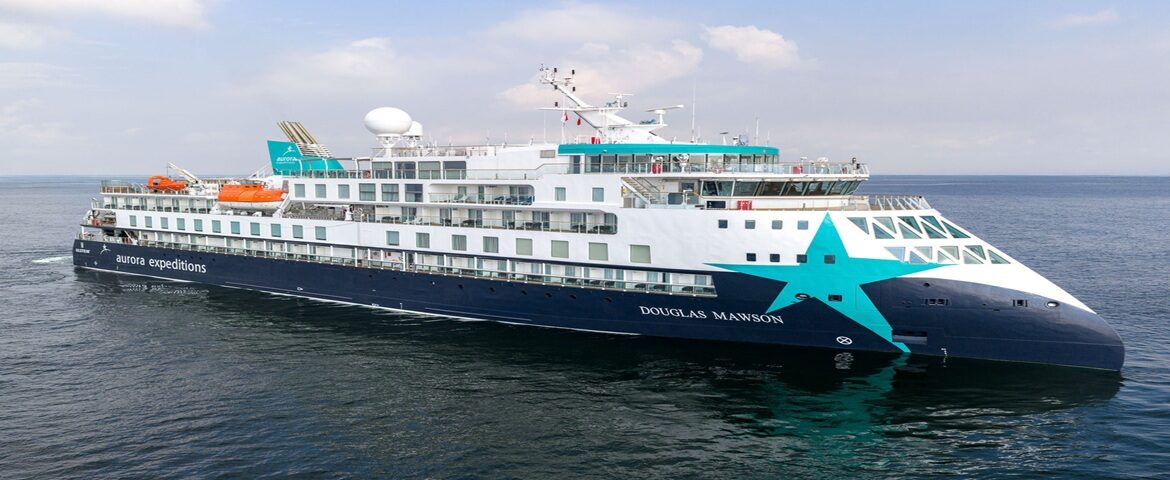
Douglas Mawson
18 Cruises

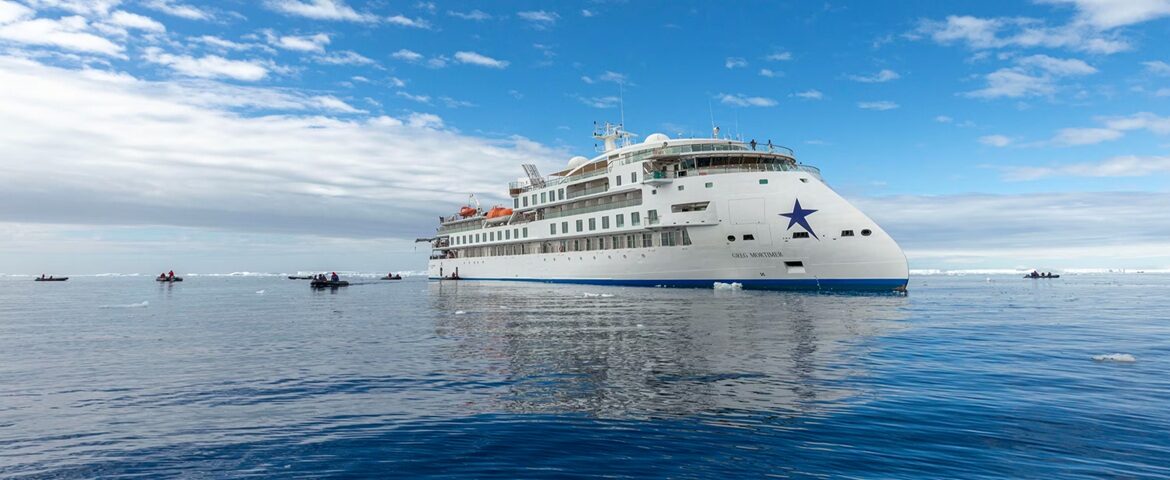
Greg Mortimer
13 Cruises
| 7 February | 22 nights | Round-trip from Ushuaia, Argentina |
450-628-6241
Call us
|
| 28 February | 12 nights | Round-trip from Ushuaia, Argentina |
450-628-6241
Call us
|
Sylvia Earle
20 Cruises
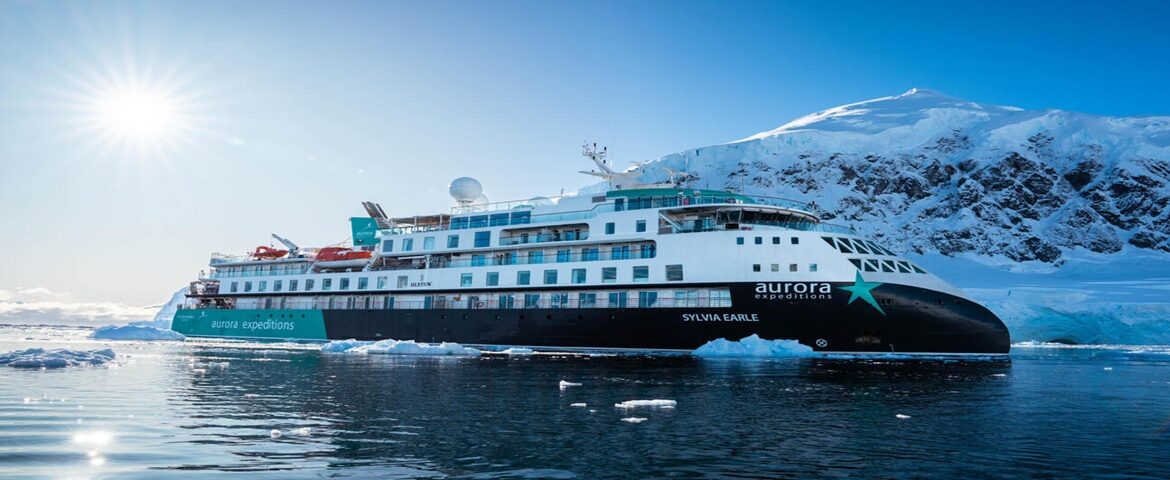
| 8 January | 19 nights | One-way from Ushuaia to Punta Arenas |
450-628-6241
Call us
|
| 25 January | 11 nights | One-way from Punta Arenas to Ushuaia |
450-628-6241
Call us
|
| 2 March | 12 nights | One-way from Punta Arenas to Ushuaia |
450-628-6241
Call us
|
| 13 March | 11 nights | Round-trip from Ushuaia, Argentina |
450-628-6241
Call us
|
Azamara Club Cruises (13 Cruises)
Azamara Journey
5 Cruises
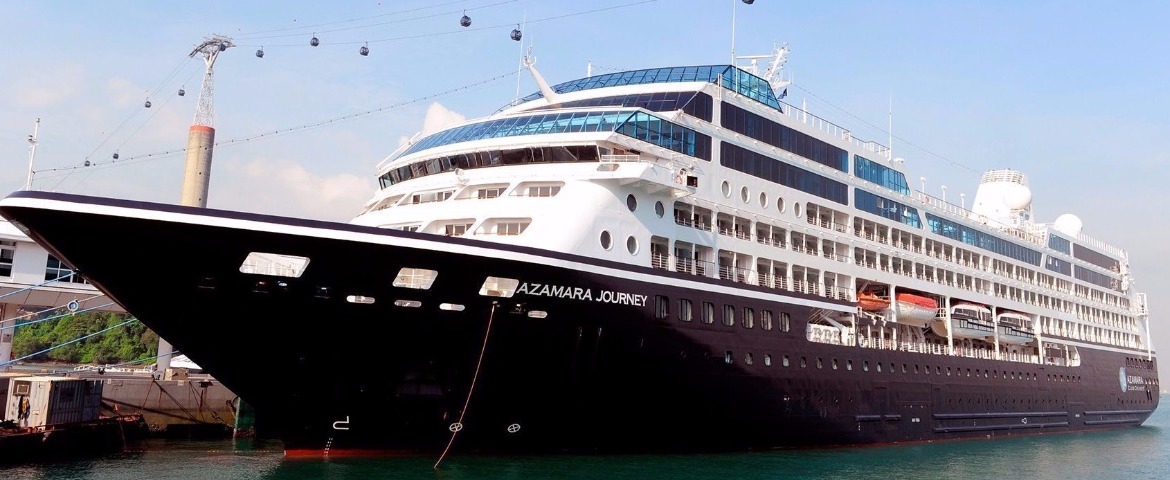

Azamara Quest
8 Cruises

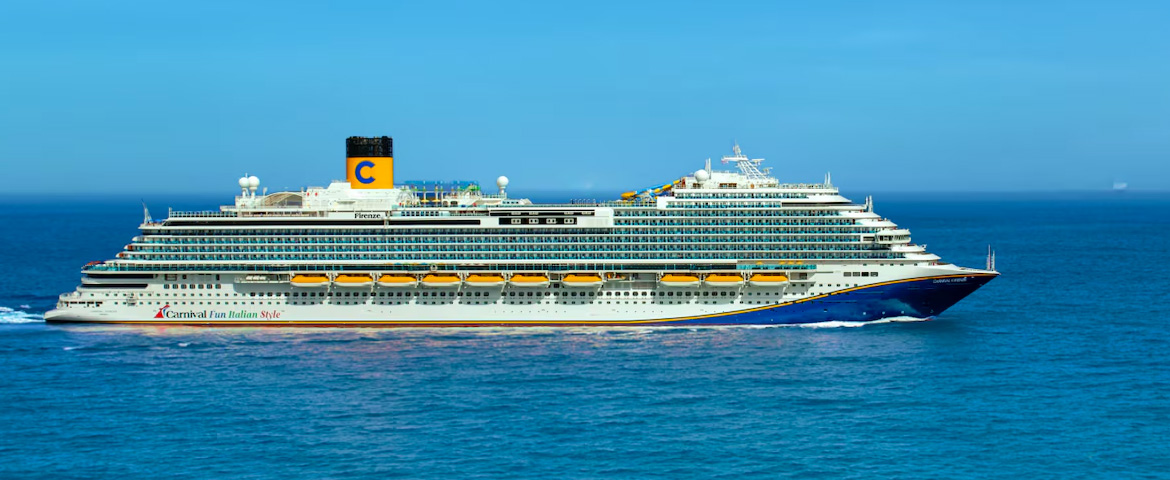
Carnival Cruise Line (1 Cruises)

Celebrity Cruises (13 Cruises)
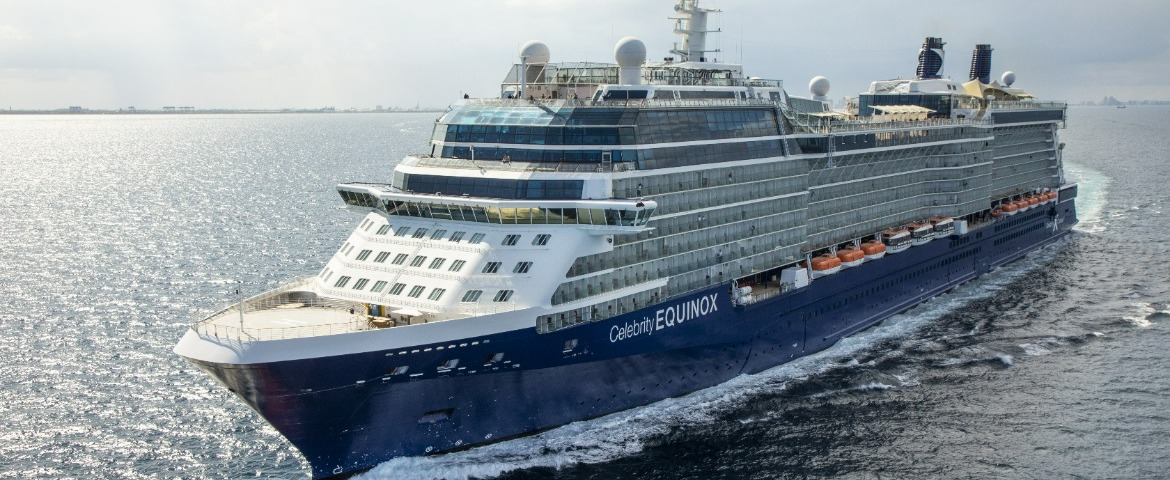
Celebrity Equinox
13 Cruises

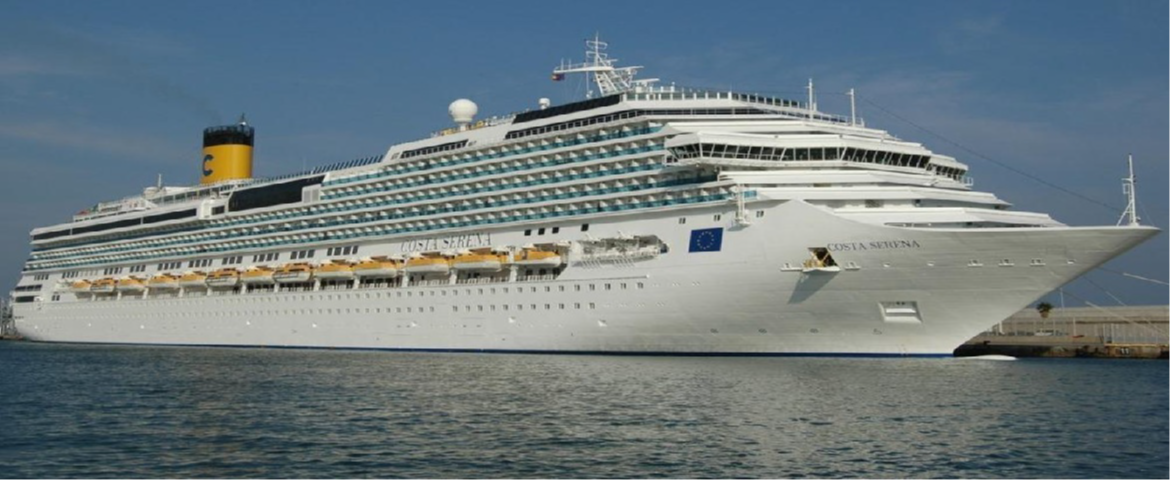
Costa Cruises (2 Cruises)




Cunard (5 Cruises)
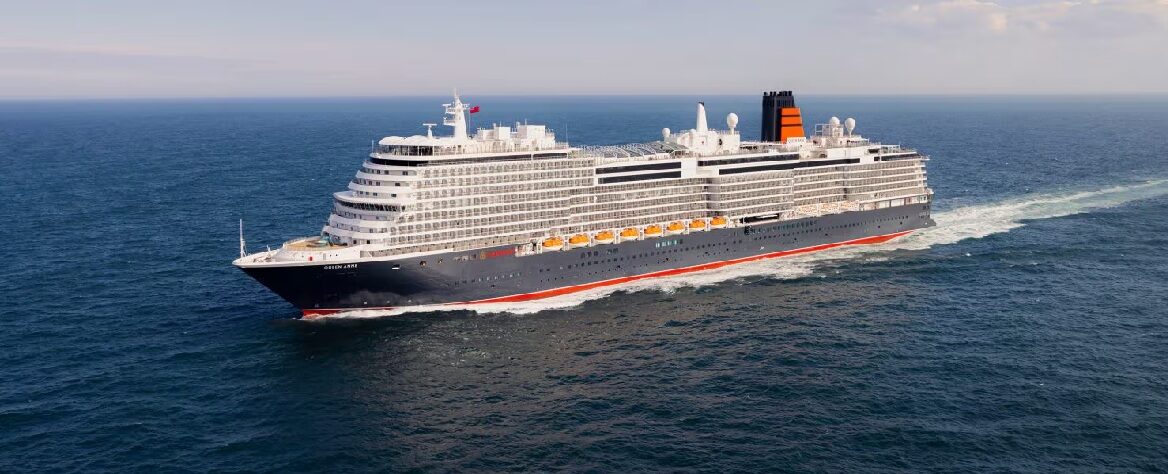
Queen Anne
5 Cruises

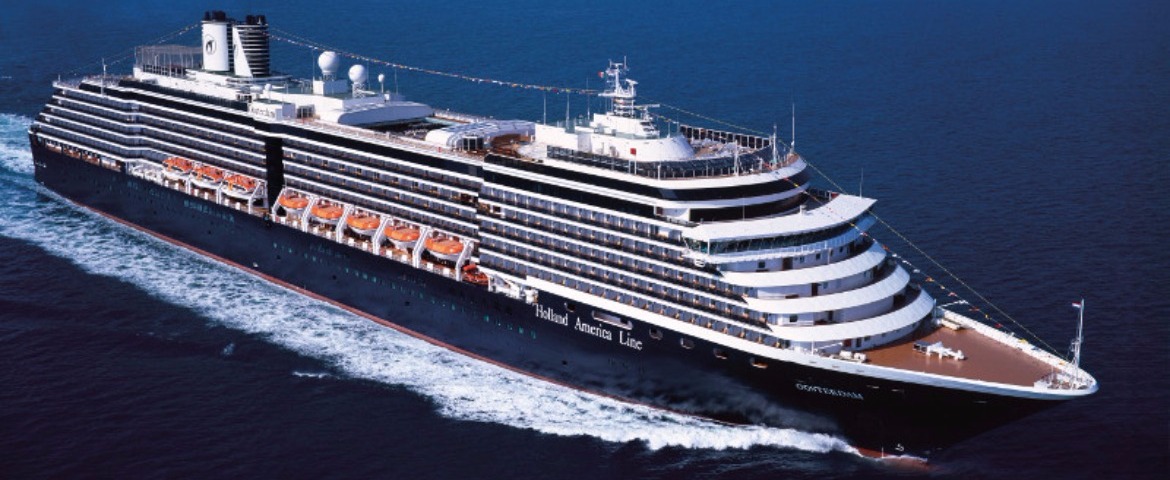
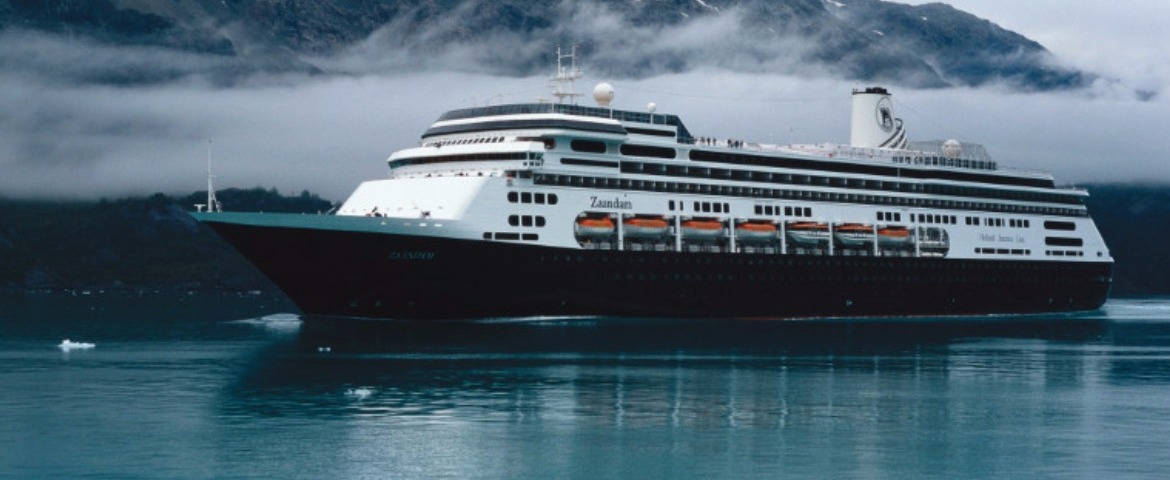
Holland America Line (45 Cruises)
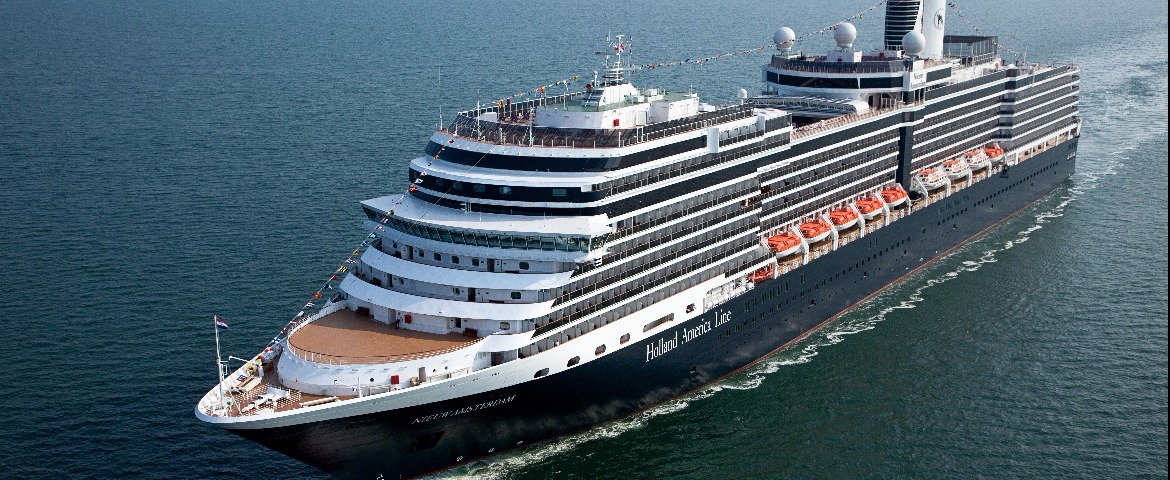
ms Nieuw Amsterdam
16 Cruises

| 7 October | 40 nights | One-way from Vancouver to Buenos Aires |
450-628-6241
Call us
|
| 12 October | 35 nights | One-way from San Diego to Buenos Aires |
450-628-6241
Call us
|
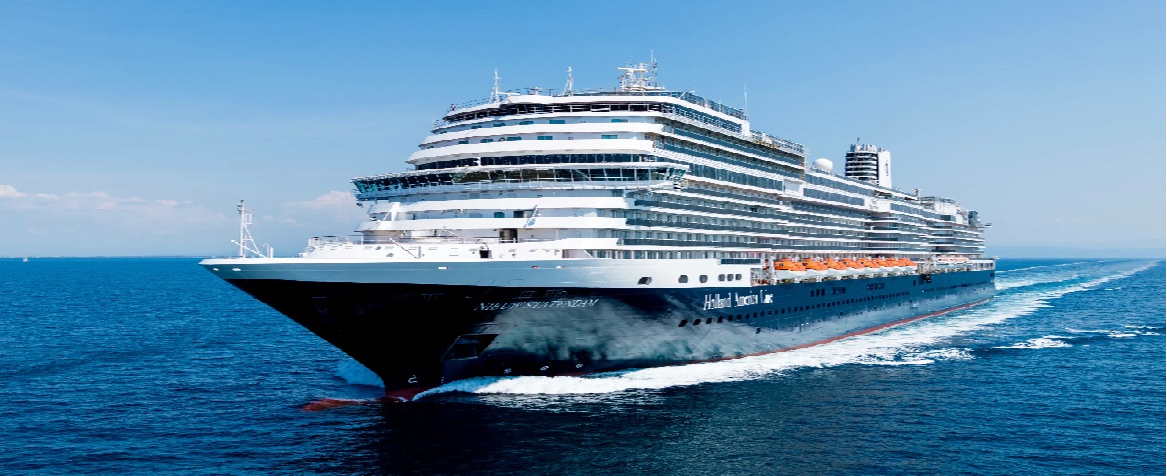
ms Nieuw Statendam
16 Cruises
| 7 October | 40 nights | One-way from Vancouver to Buenos Aires |
450-628-6241
Call us
|
| 12 October | 35 nights | One-way from San Diego to Buenos Aires |
450-628-6241
Call us
|
HX Expeditions (107 Cruises)
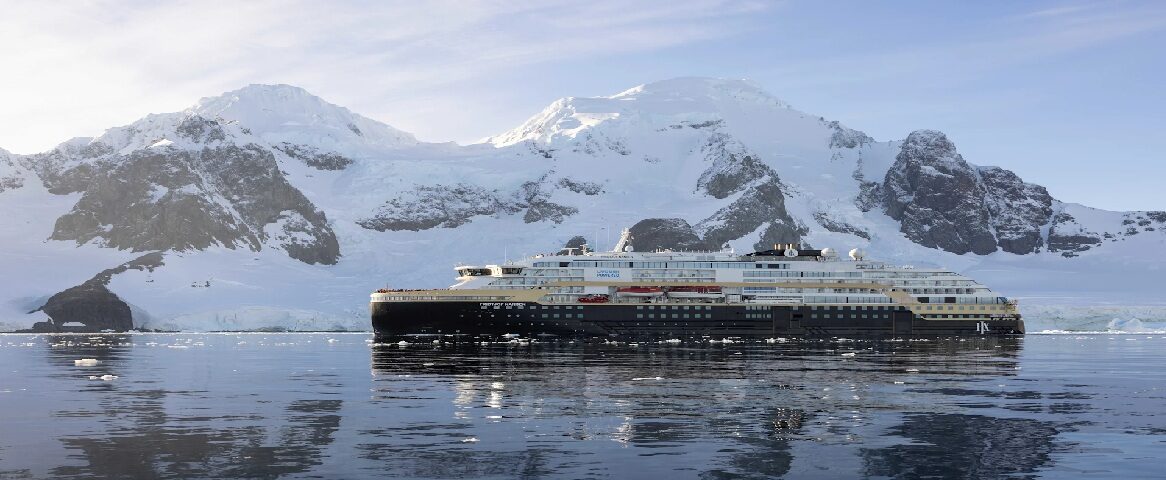
MS Fridtjof Nansen
67 Cruises

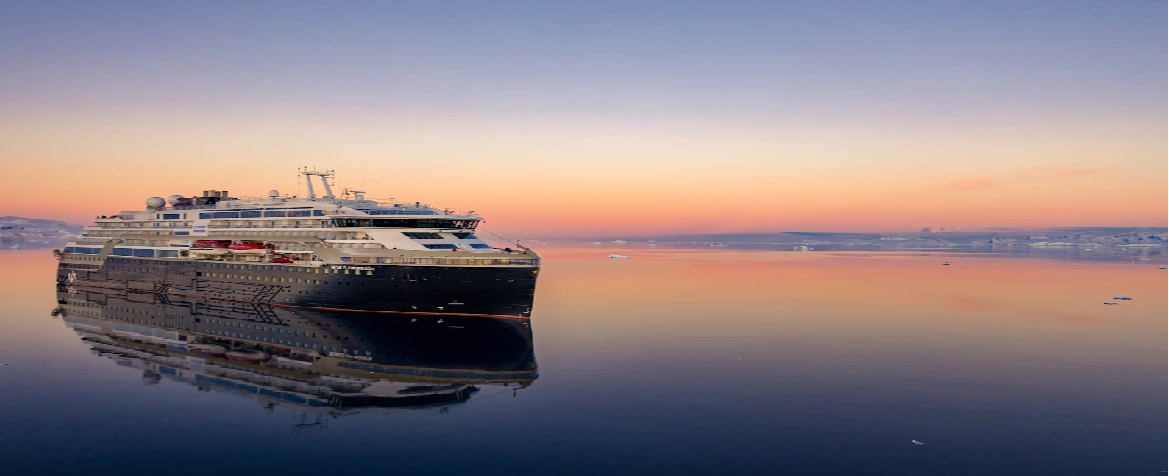
MS Roald Amundsen
40 Cruises
| 19 January | 11 nights | Round-trip from Buenos Aires, Argentina |
450-628-6241
Call us
|
| 20 January | 10 days | Round-trip 11 Night Highlights of Antarctica Expedition Cruise and Land Tour |
450-628-6241
Call us
|
| 18 February | 15 nights | Round-trip from Buenos Aires, Argentina |
450-628-6241
Call us
|
| 19 February | 14 days | Round-trip 15 Night Antarctic Circle Expedition Cruise and Land Tour |
450-628-6241
Call us
|
| 1 April | 14 nights | One-way from Buenos Aires to Valparaiso-Santiago |
450-628-6241
Call us
|
| 2 April | 13 days | One-way from Buenos Aires to Valparaiso-Santiago |
450-628-6241
Call us
|
| 29 October | 11 nights | Round-trip from Buenos Aires, Argentina |
450-628-6241
Call us
|
| 30 October | 10 days | Round-trip 11 Night Highlights of Antarctica Expedition Cruise and Land Tour |
450-628-6241
Call us
|
Lindblad Expeditions (202 Cruises)
Greg mortimer
26 Cruises

| 1 March | 11 days | Round-trip 12 Night Across the Antarctic Circle Cruise and Land Tour |
450-628-6241
Call us
|
National Geographic Endurance
42 Cruises
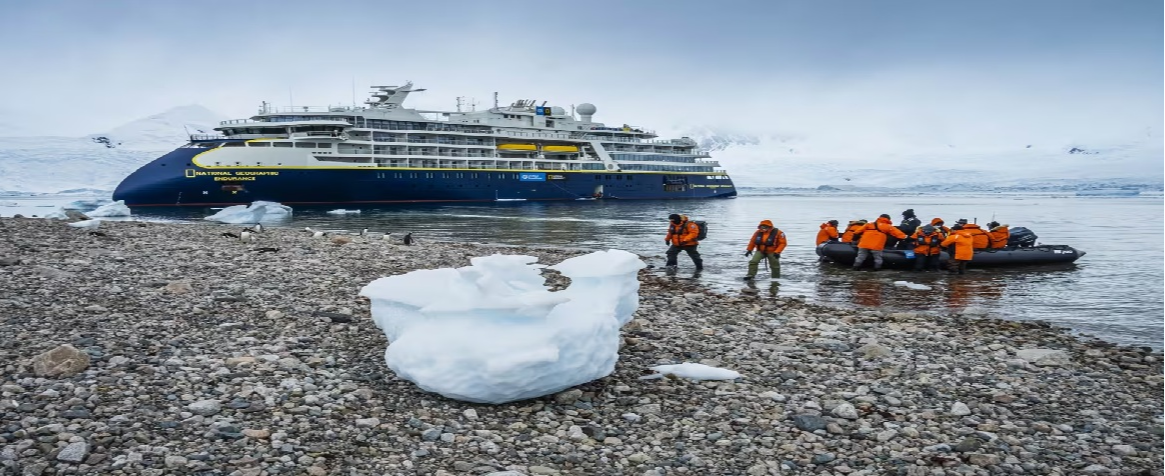
| 12 November | 21 nights | Round-trip from Buenos Aires, Argentina |
450-628-6241
Call us
|
| 13 November | 20 nights | Round-trip from Ushuaia, Argentina |
450-628-6241
Call us
|
| 8 February | 21 nights | Round-trip from Buenos Aires, Argentina |
450-628-6241
Call us
|
| 9 February | 20 nights | Round-trip from Ushuaia, Argentina |
450-628-6241
Call us
|
National Geographic Explorer
60 Cruises
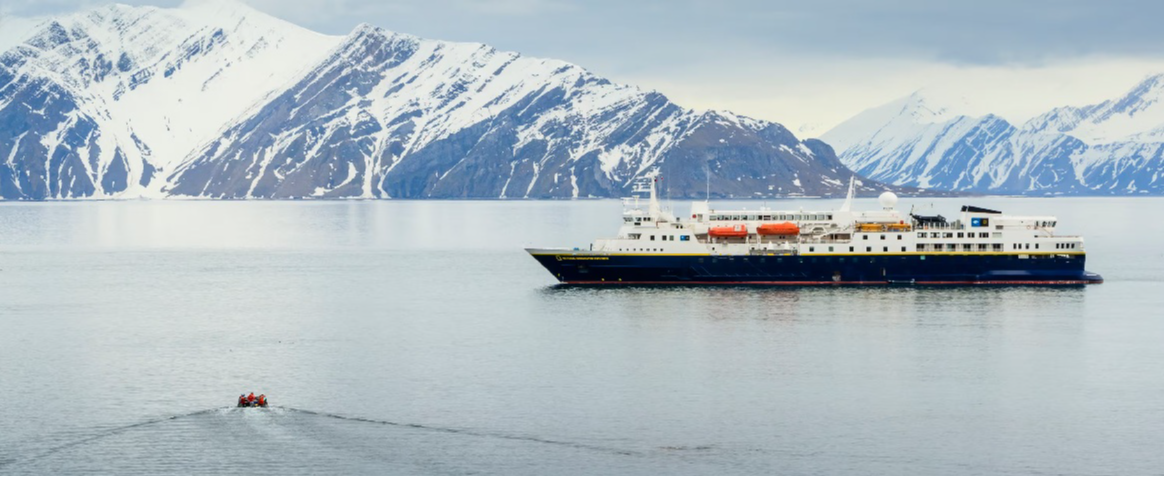
| 18 November | 9 nights | One-way from Ushuaia to Puerto Natales |
450-628-6241
Call us
|
| 19 November | 7 nights | One-way from Ushuaia to King George Island Antarctica |
450-628-6241
Call us
|
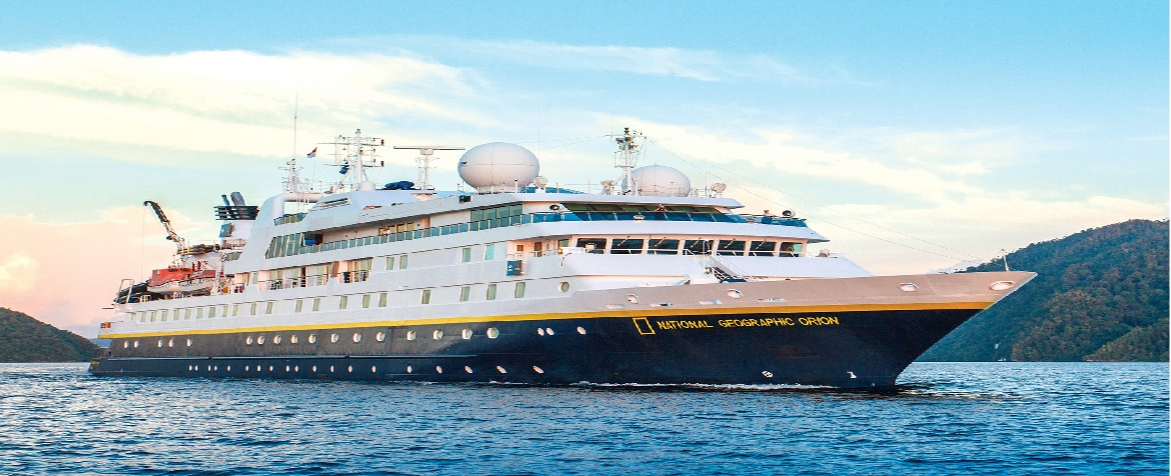
National Geographic Orion
24 Cruises
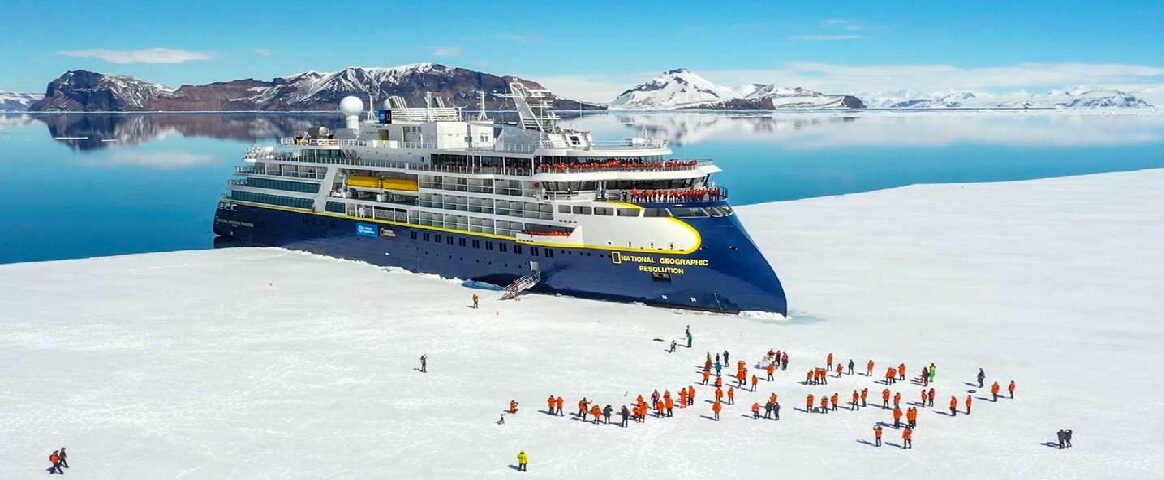
National Geographic Resolution
50 Cruises
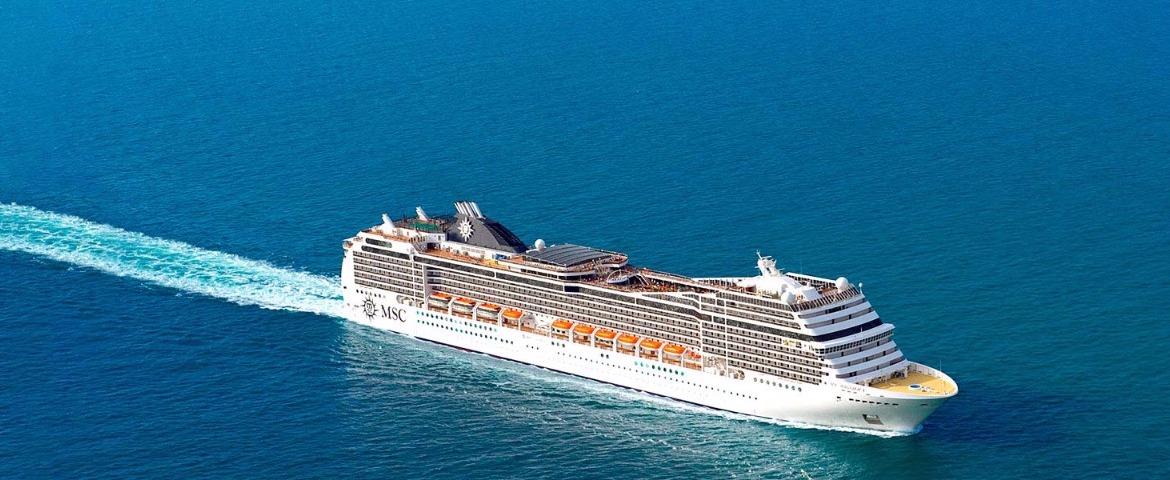
MSC Cruises (8 Cruises)
MSC Magnifica
8 Cruises

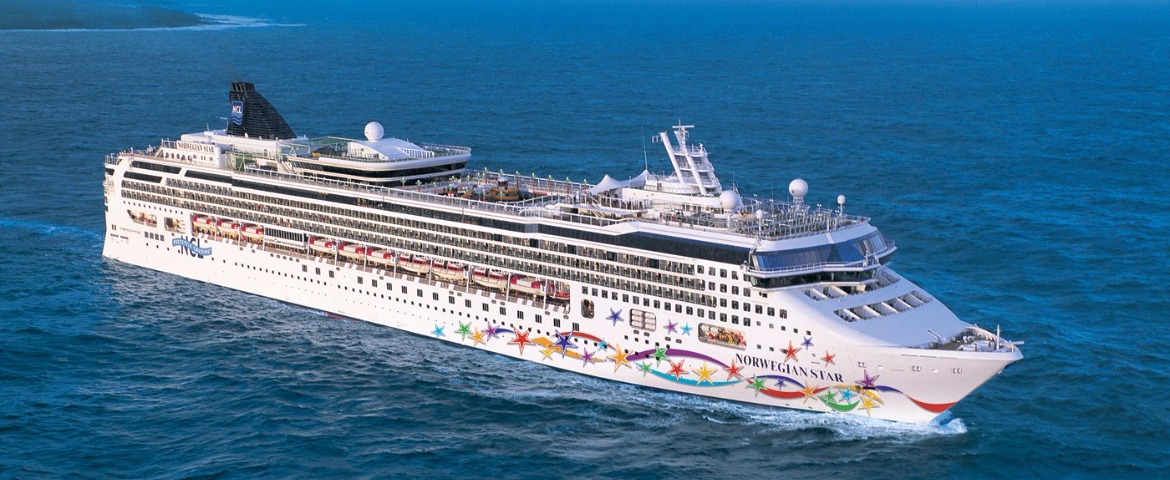
Norwegian Cruise Line (6 Cruises)
Norwegian Star
6 Cruises

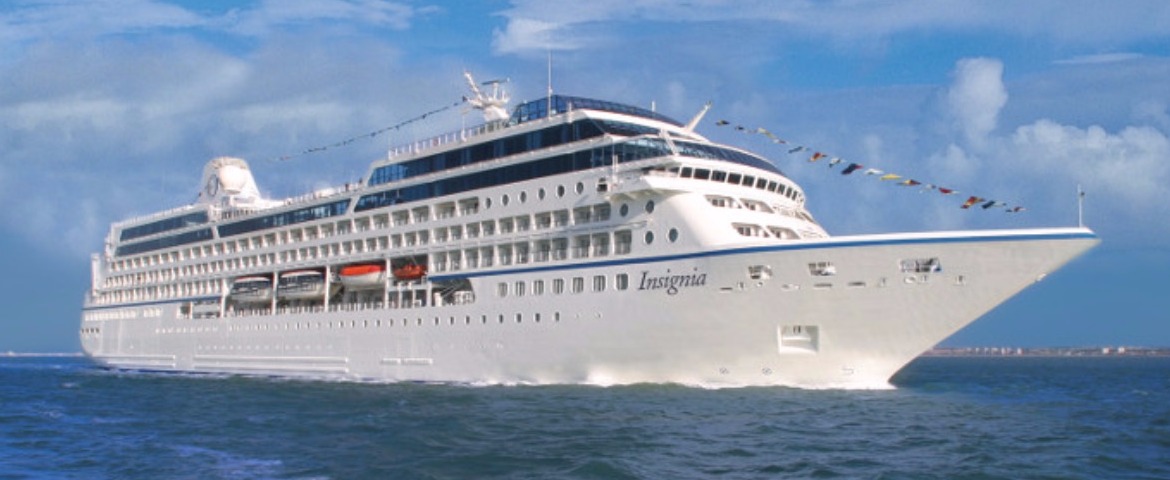
Oceania Cruises (12 Cruises)
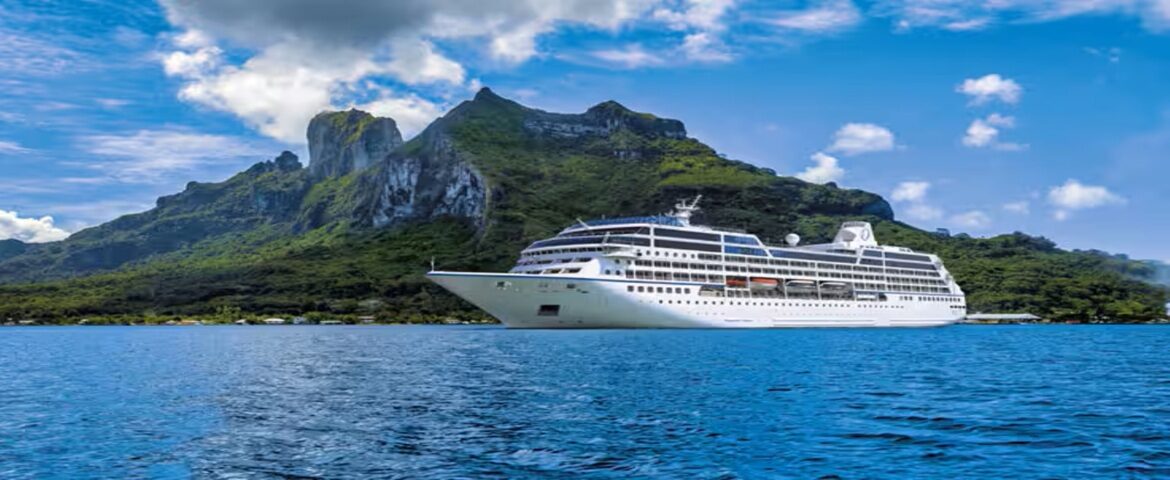

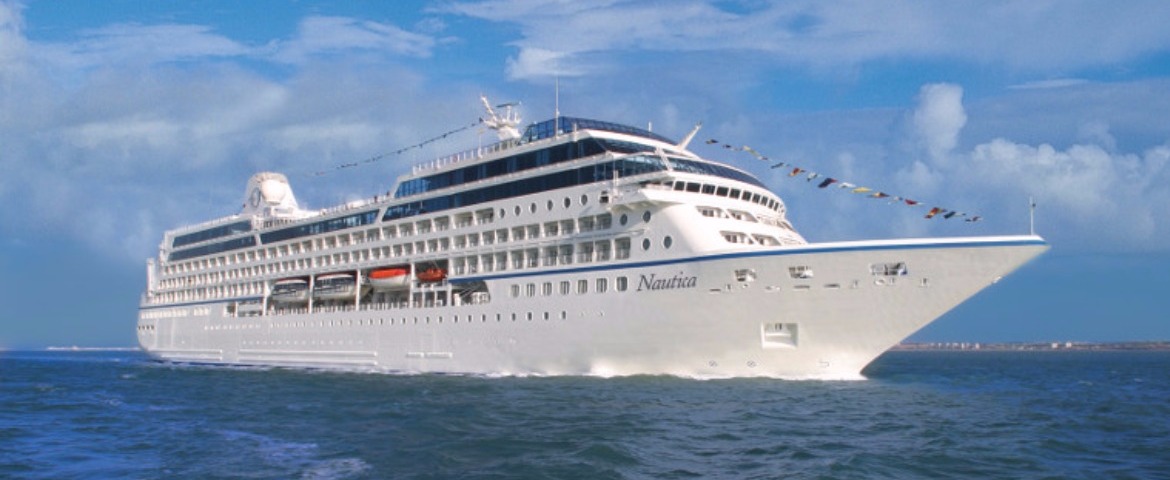
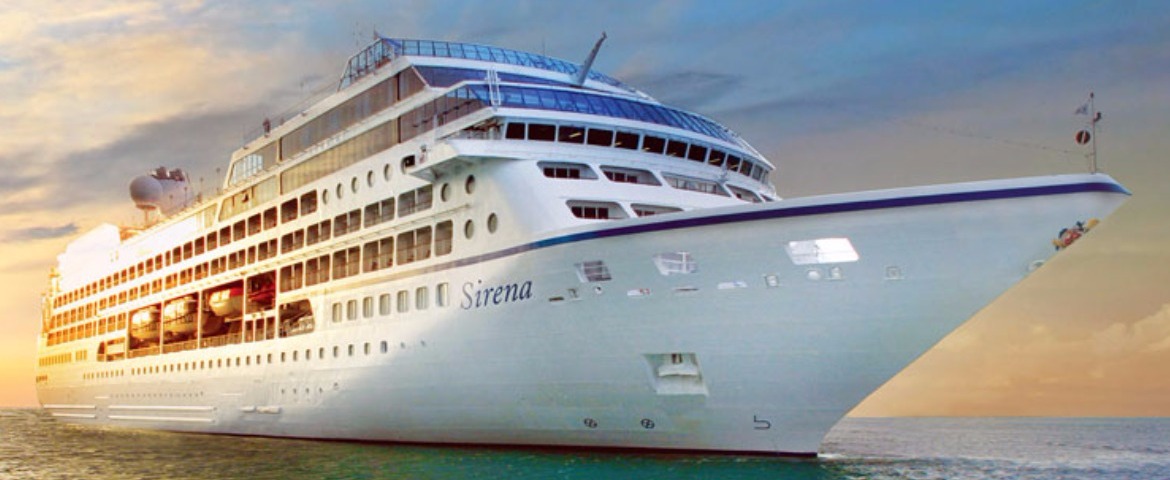
Oceania Insignia
6 Cruises
Ponant (56 Cruises)
L'Austral
12 Cruises
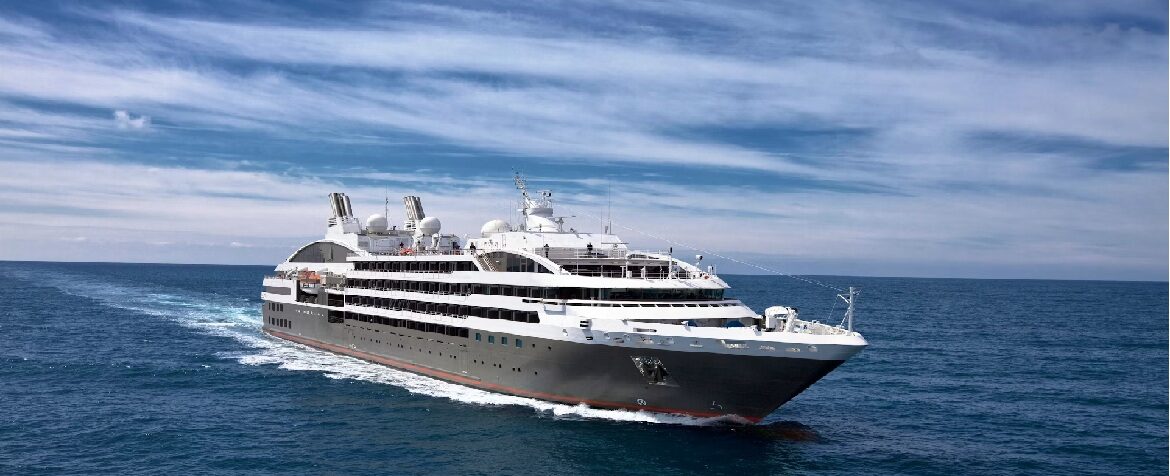

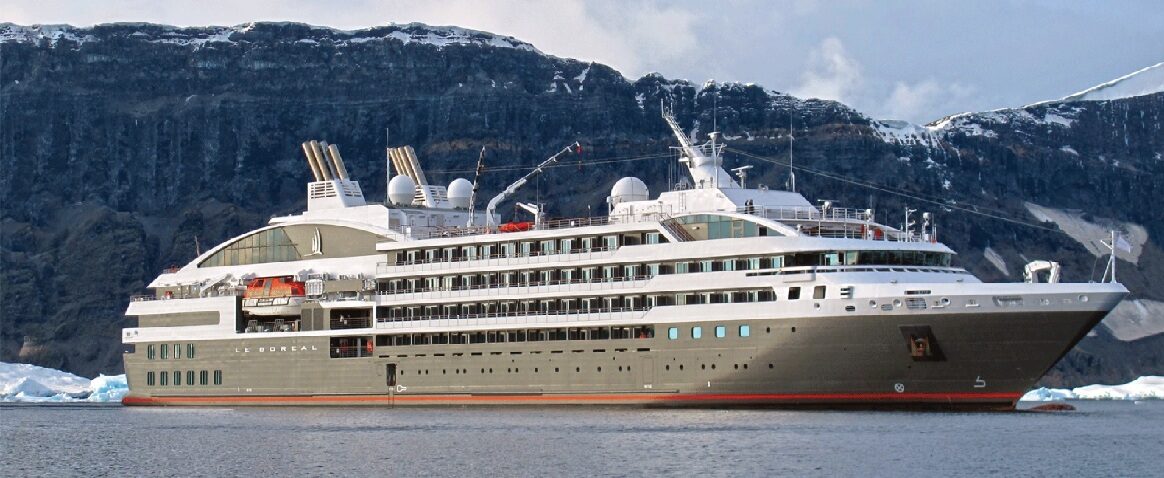
Le Boreal
19 Cruises
| 7 January | 10 nights | Round-trip from Ushuaia, Argentina |
450-628-6241
Call us
|
| 28 January | 17 nights | Round-trip from Ushuaia, Argentina |
450-628-6241
Call us
|
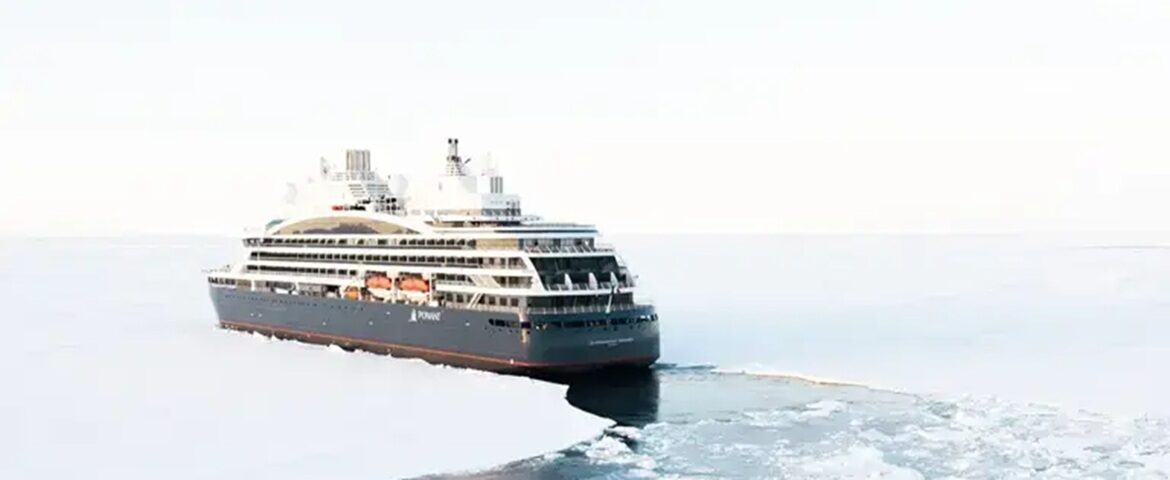
Le Commandant Charcot
8 Cruises
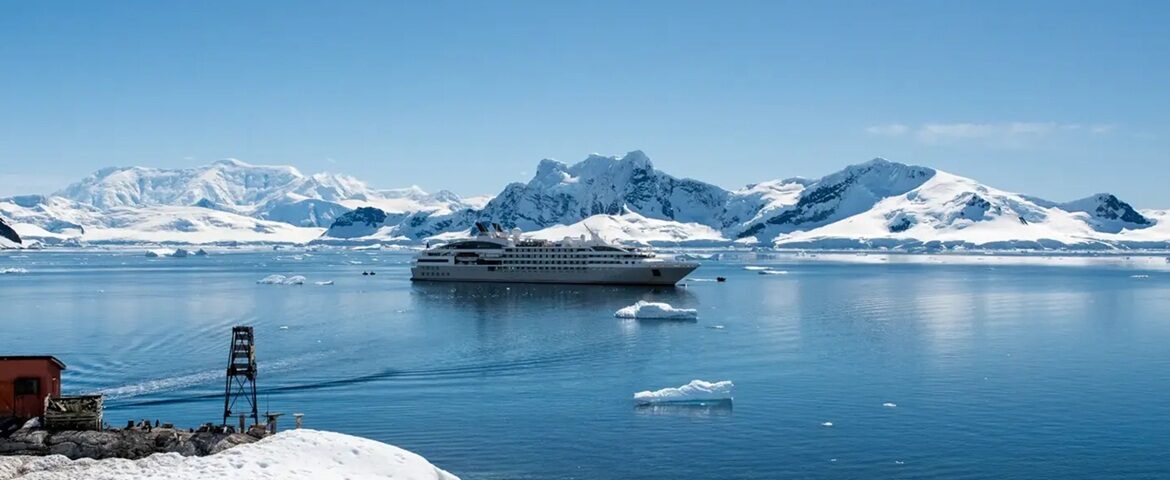
Le Lyrial
17 Cruises
| 19 January | 10 nights | Round-trip from Ushuaia, Argentina |
450-628-6241
Call us
|
| 29 January | 10 nights | Round-trip from Ushuaia, Argentina |
450-628-6241
Call us
|
Princess Cruises (20 Cruises)
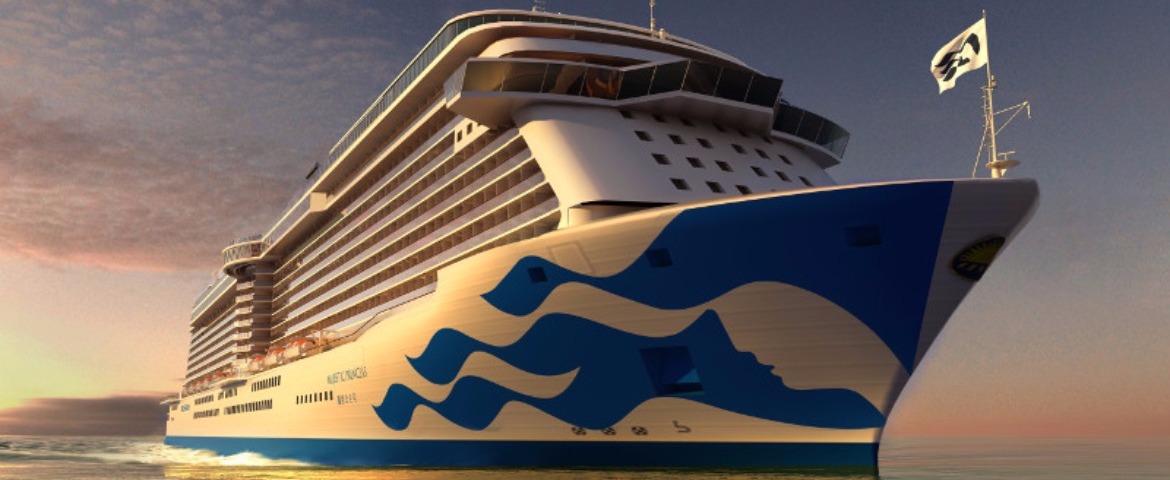
Majestic Princess
20 Cruises



Scenic Cruises (158 Cruises)
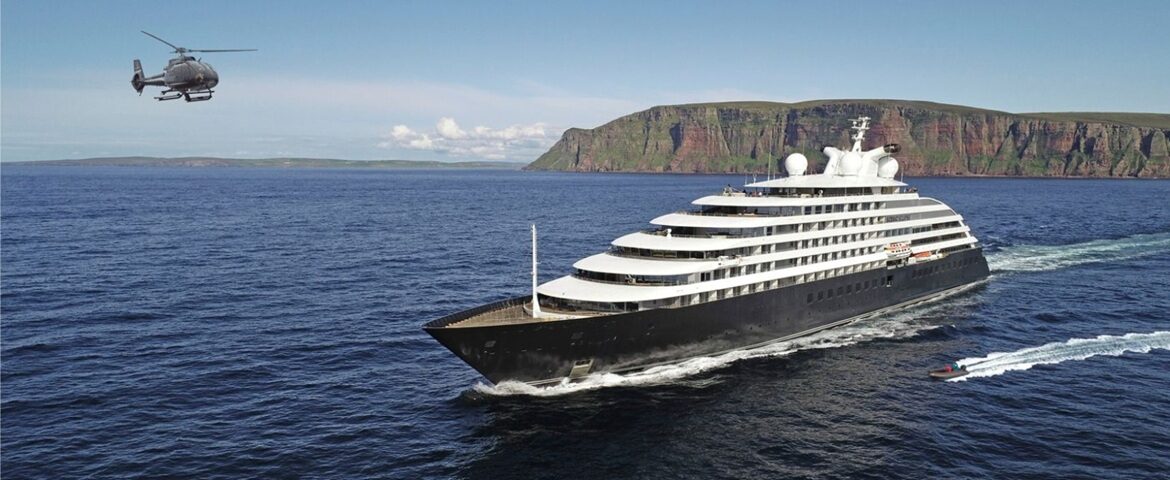
Scenic Eclipse
79 Cruises


Scenic Eclipse II
79 Cruises
Seabourn Cruise Line (113 Cruises)
Seabourn Pursuit
49 Cruises
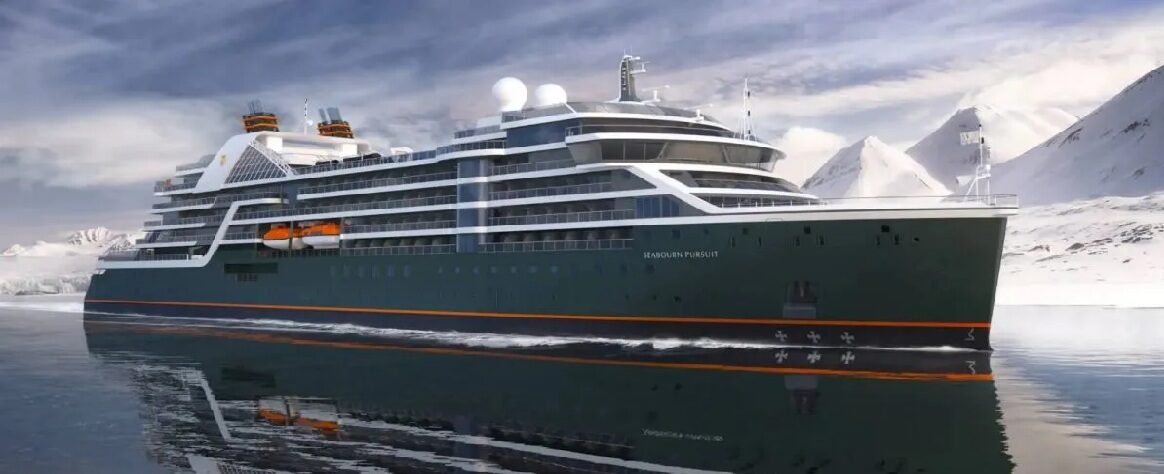

| 11 January | 12 nights | Round-trip from Ushuaia, Argentina |
450-628-6241
Call us
|
| 23 January | 10 nights | Round-trip from Ushuaia, Argentina |
450-628-6241
Call us
|
| 2 February | 10 nights | Round-trip from Ushuaia, Argentina |
450-628-6241
Call us
|
| 22 February | 10 nights | Round-trip from Ushuaia, Argentina |
450-628-6241
Call us
|
| 16 August | 81 nights | One-way from Broome WA to Ushuaia |
450-628-6241
Call us
|
| 26 August | 71 nights | One-way from Darwin to Ushuaia |
450-628-6241
Call us
|
| 17 September | 49 nights | One-way from Lautoka to Ushuaia |
450-628-6241
Call us
|
| 29 September | 37 nights | One-way from Papeete to Ushuaia |
450-628-6241
Call us
|
| 6 January | 10 nights | Round-trip from Ushuaia, Argentina |
450-628-6241
Call us
|
| 16 January | 20 nights | Round-trip from Ushuaia, Argentina |
450-628-6241
Call us
|
| 6 September | 64 nights | One-way from Reykjavik to Ushuaia |
450-628-6241
Call us
|
| 24 September | 46 nights | One-way from Halifax to Ushuaia |
450-628-6241
Call us
|
| 2 October | 38 nights | One-way from Oranjestad Aruba to Ushuaia |
450-628-6241
Call us
|
| 18 October | 22 nights | One-way from Valparaiso-Santiago to Ushuaia |
450-628-6241
Call us
|
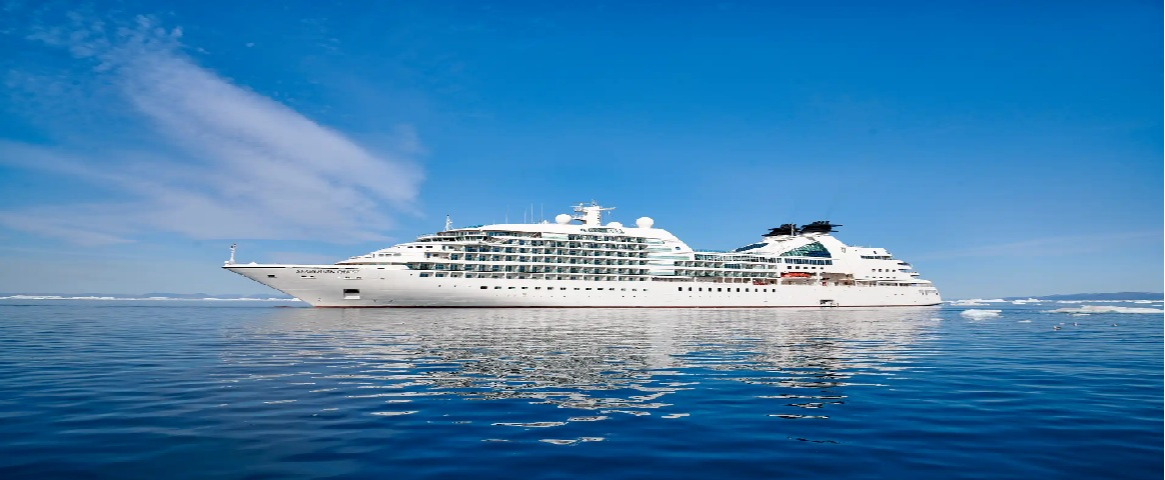
Seabourn Quest
6 Cruises
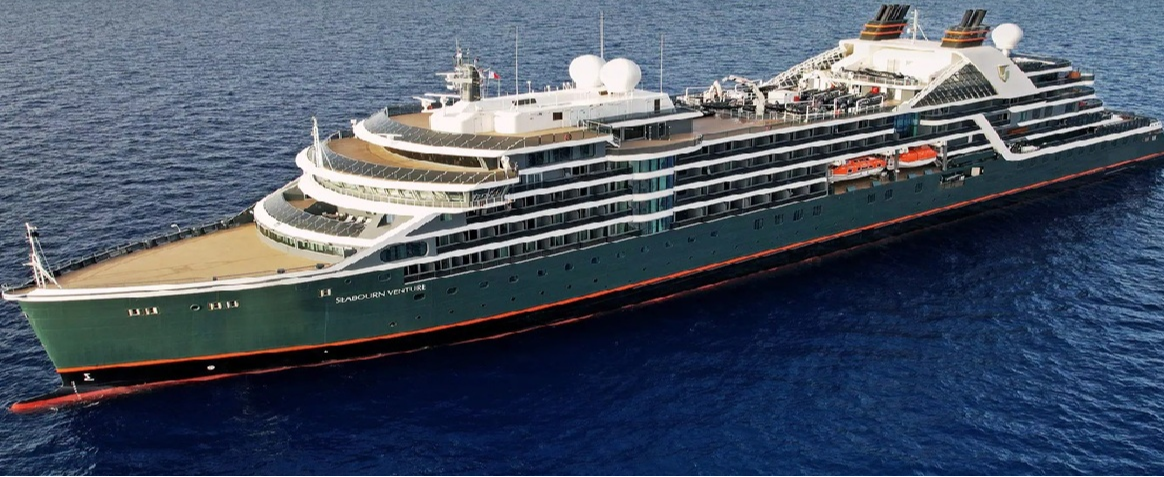
Seabourn Venture
58 Cruises
| 18 August | 93 nights | One-way from Kangerlussuaq to Ushuaia |
450-628-6241
Call us
|
| 30 August | 81 nights | One-way from Kangerlussuaq to Ushuaia |
450-628-6241
Call us
|
| 17 August | 95 nights | One-way from Kangerlussuaq to Ushuaia |
450-628-6241
Call us
|
| 31 August | 81 nights | One-way from Kangerlussuaq to Ushuaia |
450-628-6241
Call us
|
| 9 January | 10 nights | Round-trip from Ushuaia, Argentina |
450-628-6241
Call us
|
| 19 January | 20 nights | Round-trip from Ushuaia, Argentina |
450-628-6241
Call us
|
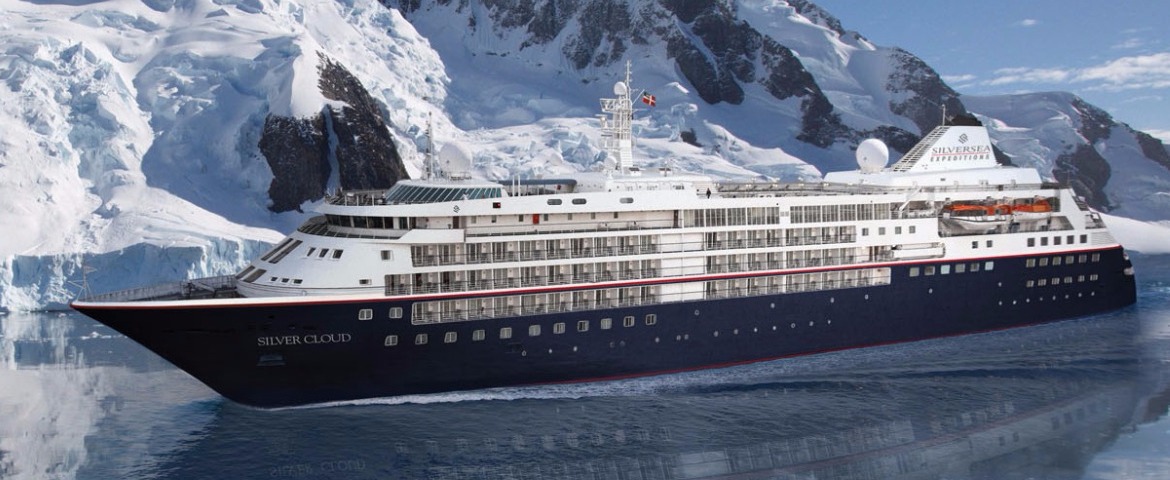
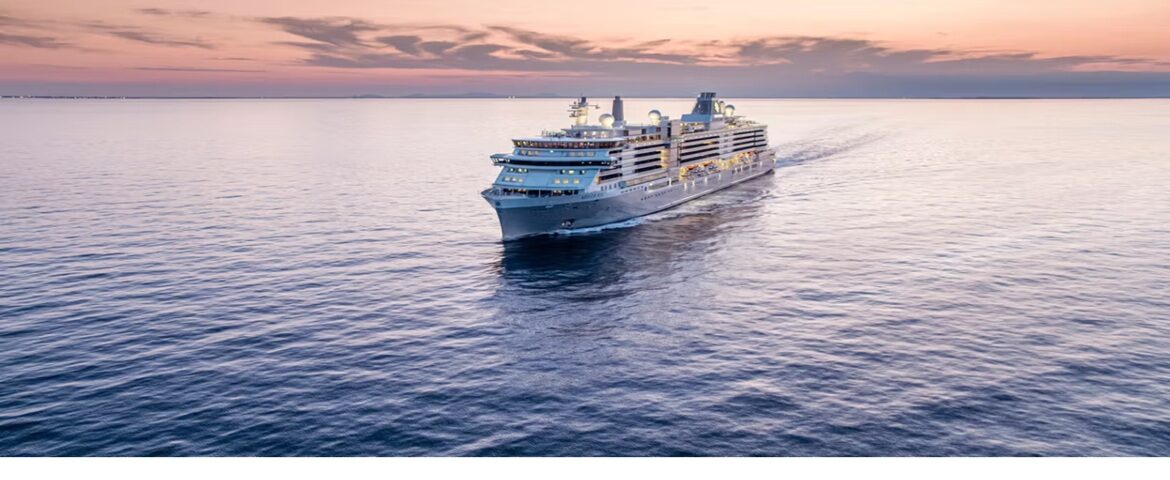
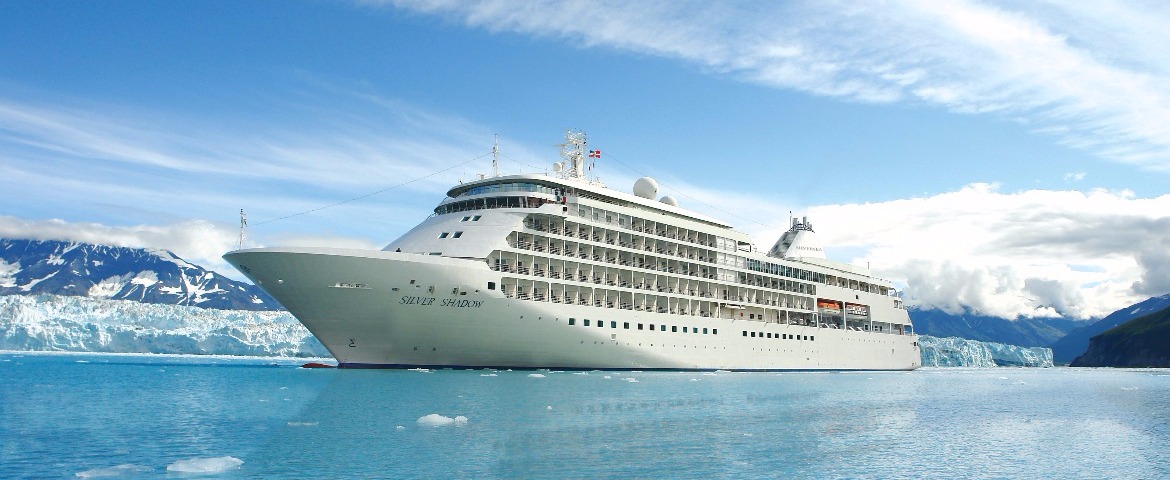
Silversea Cruises (14 Cruises)
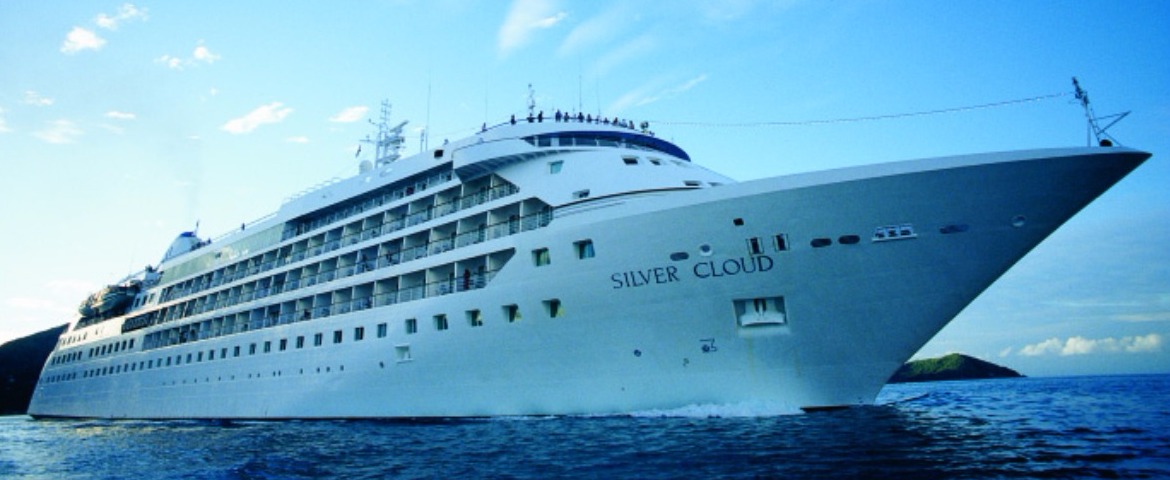

Silver Ray
4 Cruises
Viking Ocean Cruises (178 Cruises)
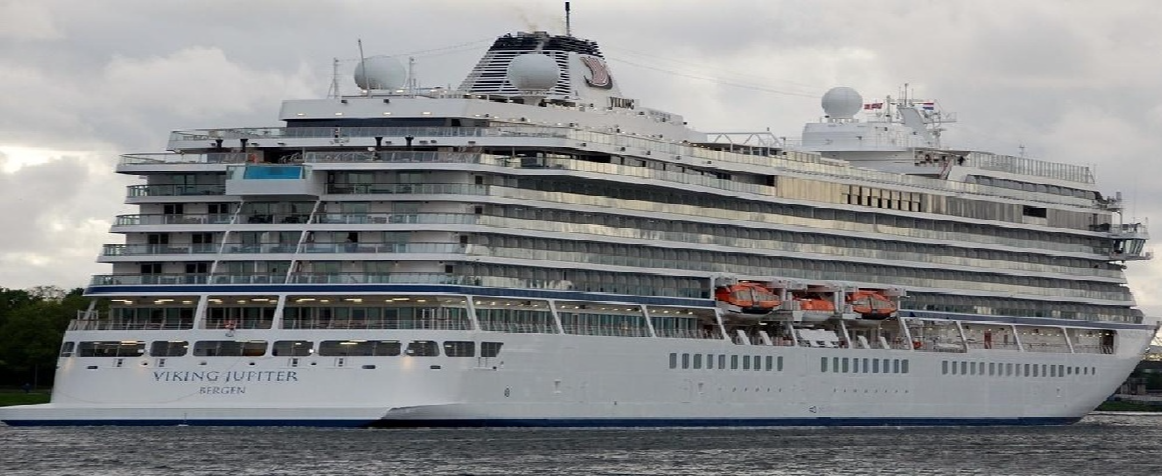
Viking Jupiter
12 Cruises

| 6 January | 15 nights | One-way from Buenos Aires to Valparaiso-Santiago |
450-628-6241
Call us
|
| 23 January | 15 nights | One-way from Valparaiso-Santiago to Buenos Aires |
450-628-6241
Call us
|
Viking Octantis
86 Cruises
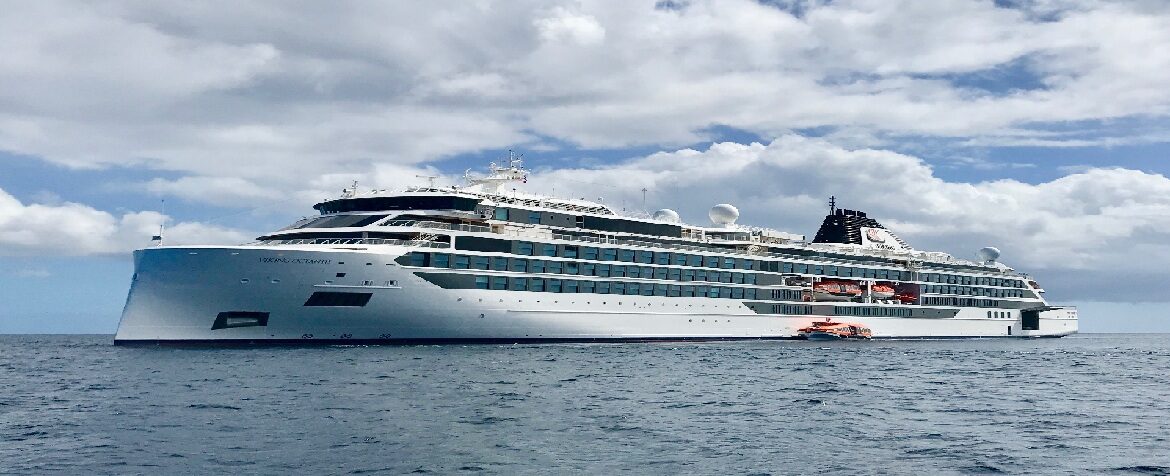
| 9 September | 80 nights | One-way from Nuuk to Ushuaia |
450-628-6241
Call us
|
| 10 September | 79 days | One-way from Nuuk to Ushuaia |
450-628-6241
Call us
|
| 22 September | 61 nights | One-way from Milwaukee WI to Ushuaia |
450-628-6241
Call us
|
| 23 September | 60 days | One-way from Milwaukee WI to Ushuaia |
450-628-6241
Call us
|
Viking Polaris
80 Cruises
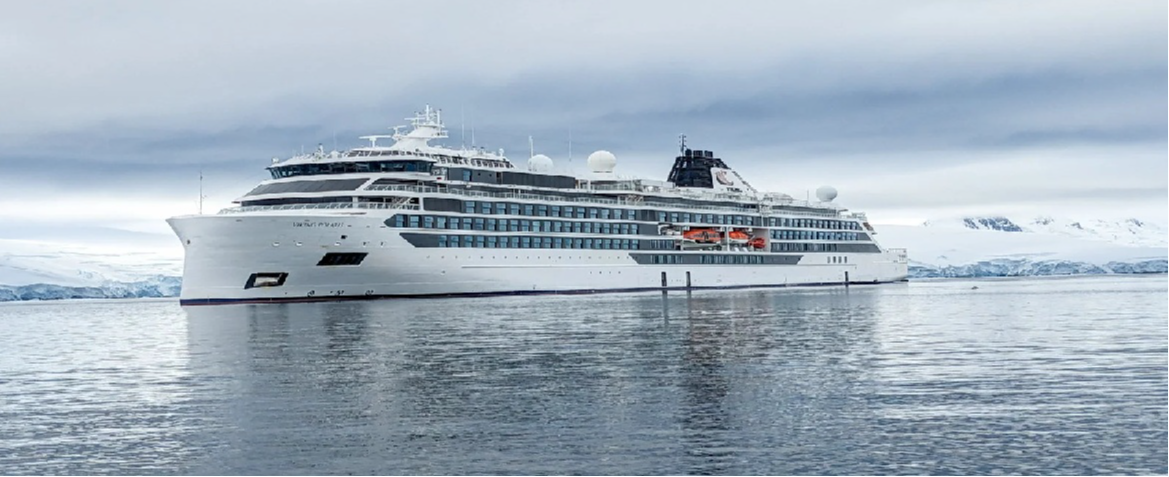
| 9 March | 13 nights | One-way from Buenos Aires to Valparaiso-Santiago |
450-628-6241
Call us
|
| 10 March | 12 days | One-way from Buenos Aires to Valparaiso-Santiago |
450-628-6241
Call us
|
| 15 September | 80 nights | One-way from Nuuk to Ushuaia |
450-628-6241
Call us
|
| 16 September | 79 days | One-way from Nuuk to Ushuaia |
450-628-6241
Call us
|

Ushuaia, Argentina | Cruise Port Guide
Frequently Asked Questions
At the pier reaching into the bay opposite downtown. Ten minutes on foot brings you to the first streets : the call begins with no transition.
Yes. Downtown and Avenida San Martín are less than a kilometre away, the Museo Marítimo y del Presidio about a kilometre. Only Tierra del Fuego National Park and the catamaran trips need transport.
Three options compete for the day : the catamaran trip on the Beagle Channel, the prison museum, or Tierra del Fuego National Park. The first two combine well; the third fills a half day on its own.
The former Ushuaia penitentiary, built by the convicts themselves in the early 20th century and in service until mid century. Cell wings radiate from a central rotunda, some left as they were, others given over to ship models and polar expeditions.
A red and white striped tower on its rock in the Beagle Channel, now the emblem of the region. Catamarans from the tourist pier reach it in a few hours, passing islets covered in sea lions and cormorants.
A world of peat bogs, twisted lenga trees and bays where the forest runs down to the water, about twelve kilometres west. A short walk to Lapataia Bay, where the Pan American highway ends, sums up Tierra del Fuego on its own.
A small railway following the route once used by convict woodcutters, and another way into the national park. Excursion buses and taxis also reach it in about twenty minutes.
Centolla, a king crab from these cold waters, served simply with a squeeze of lemon. It is the port call meal par excellence, found in the restaurants along Avenida San Martín.
Because Tierra del Fuego has free trade zone status. The real interest of Avenida San Martín lies elsewhere though : cafes serving thick hot chocolate, windows full of wool and leather, bookshops devoted to Patagonia.
In layers, with a windproof shell even in sunshine. Snow clings to the Martial peaks well into the austral summer and the wind bites on the Beagle Channel, where the light changes constantly.


