Halifax Nova Scotia Canada
369
Cruises availables
At departure or passage at this port
Azamara Club Cruises (11 Cruises)
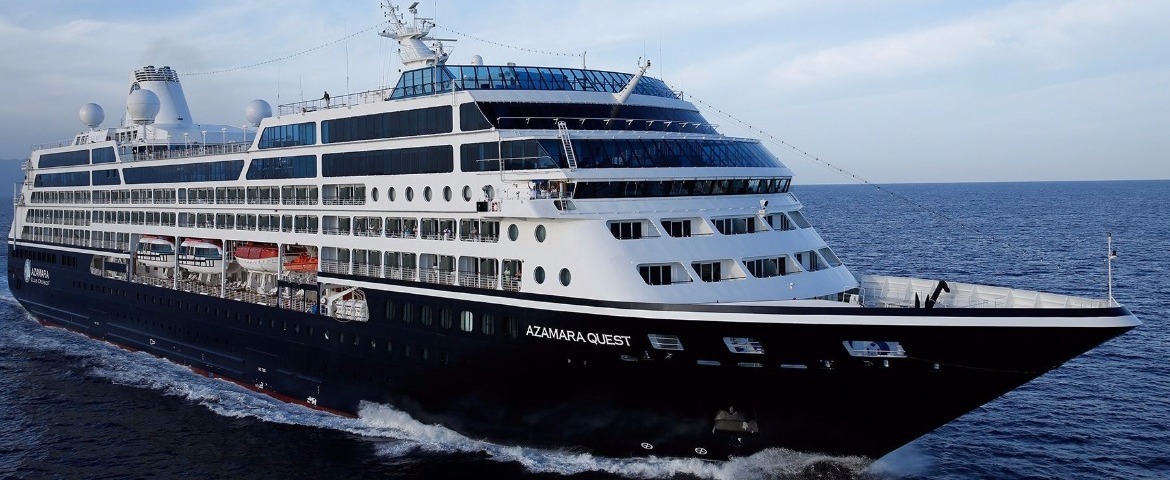
Azamara Quest
11 Cruises

| 13 August | 28 nights | One-way from Portsmouth UK to New York |
450-628-6241
Call us
|
| 25 August | 16 nights | One-way from Reykjavik to New York |
450-628-6241
Call us
|

Celebrity Cruises (6 Cruises)

Crystal Cruises (11 Cruises)
Crystal Grace
7 Cruises

Cunard (28 Cruises)
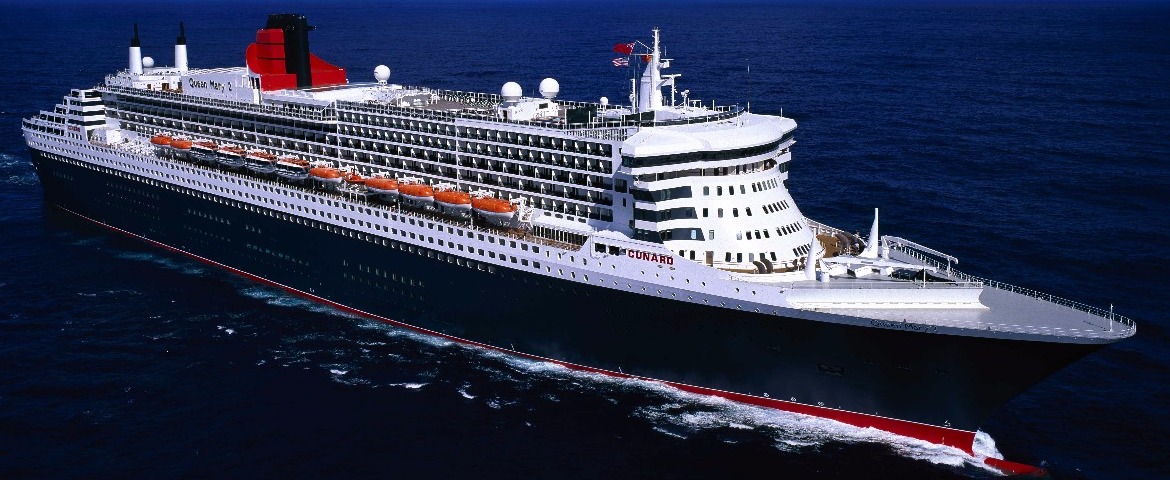
Queen Mary 2
28 Cruises

| 24 June | 22 nights | Round-trip from Southampton, United Kingdom |
450-628-6241
Call us
|
| 24 June | 15 nights | One-way from Southampton to New York |
450-628-6241
Call us
|
| 2 July | 7 nights | Round-trip from New York, USA |
450-628-6241
Call us
|
| 2 July | 14 nights | One-way from New York to Southampton |
450-628-6241
Call us
|
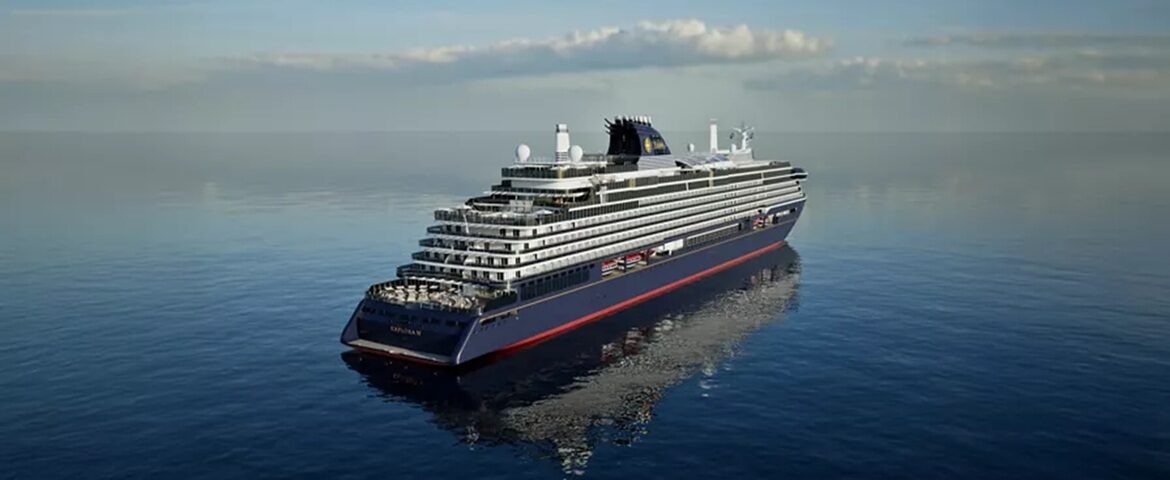
Explora Journeys (7 Cruises)
Explora IV
7 Cruises

Holland America Line (28 Cruises)
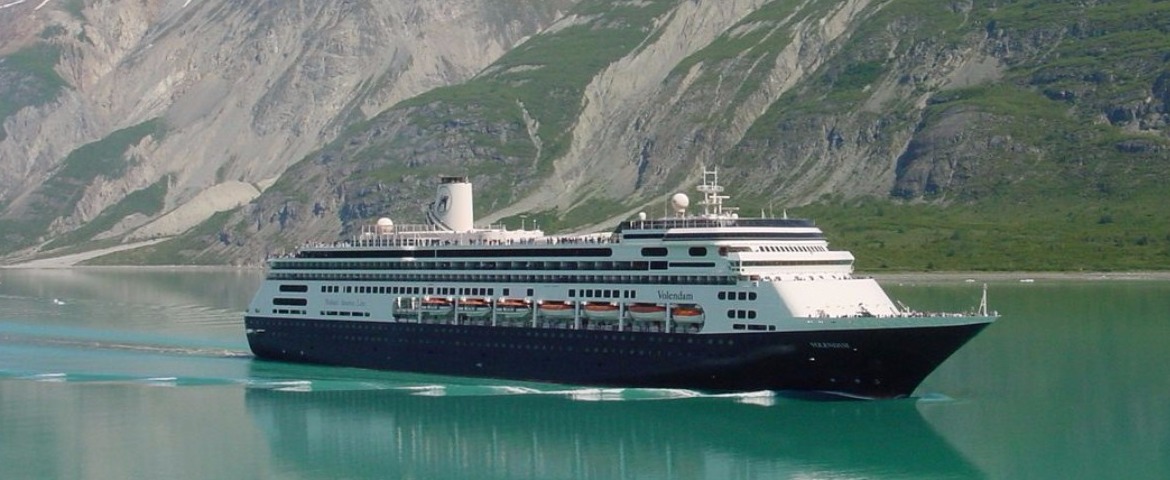
ms Volendam
16 Cruises

| 3 August | 18 nights | One-way from Rotterdam to Boston |
450-628-6241
Call us
|
| 21 August | 11 nights | One-way from Boston to Montreal |
450-628-6241
Call us
|
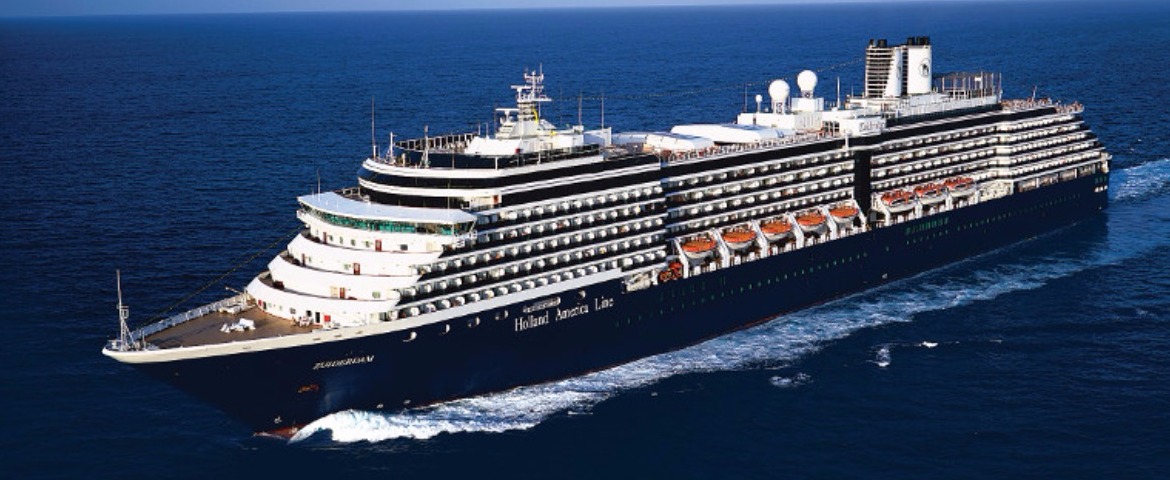
ms Zuiderdam
12 Cruises
| 7 August | 28 nights | One-way from Amsterdam to Boston |
450-628-6241
Call us
|
| 14 August | 21 nights | One-way from Amsterdam to Boston |
450-628-6241
Call us
|
Norwegian Cruise Line (37 Cruises)
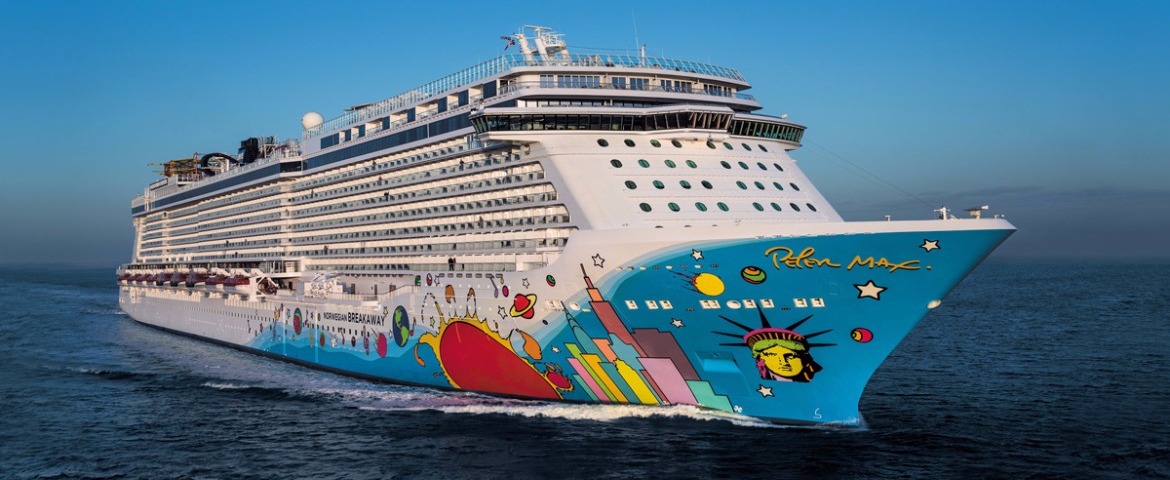
Norwegian Breakaway
29 Cruises

| 18 April | 8 days | Round-trip from Boston, USA |
From
708$
|
| 25 April | 8 days | Round-trip from Boston, USA |
From
659$
|

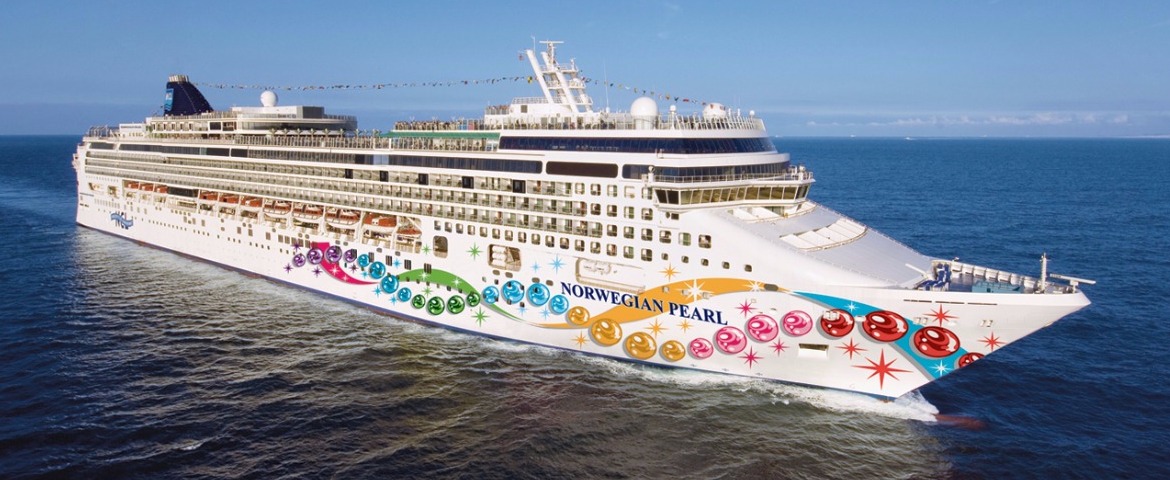
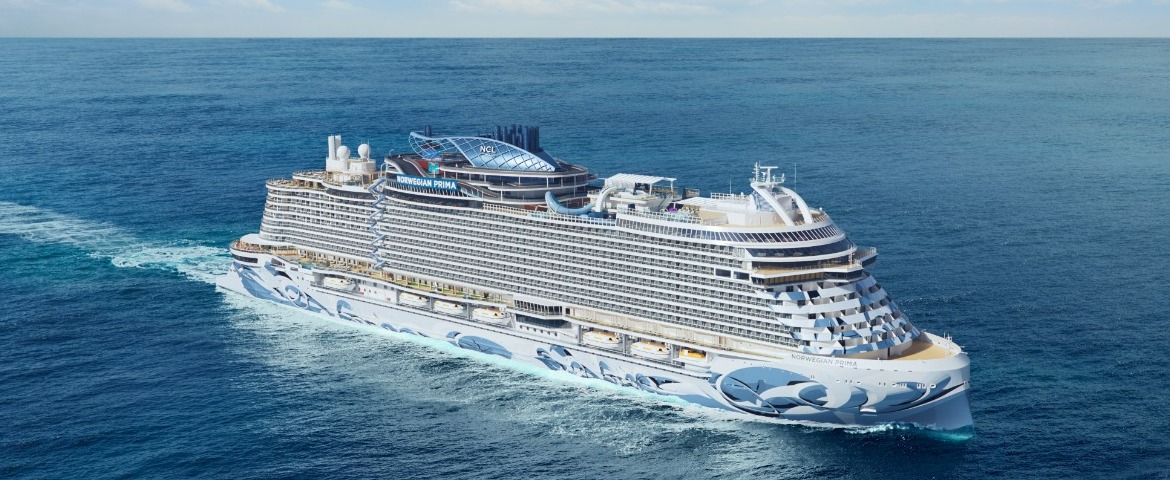
Norwegian Pearl
5 Cruises
Oceania Cruises (35 Cruises)
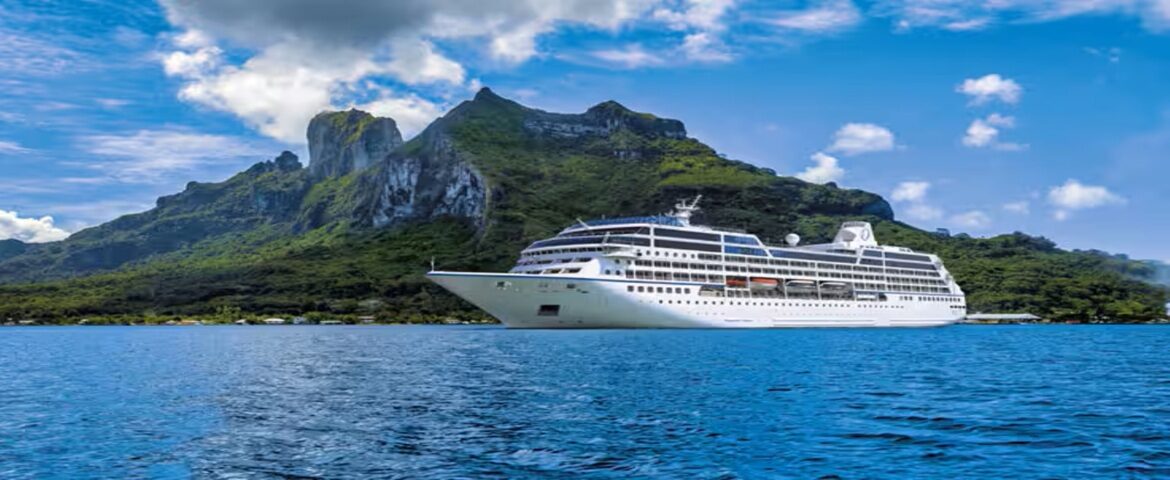
Oceania Aurelia
5 Cruises

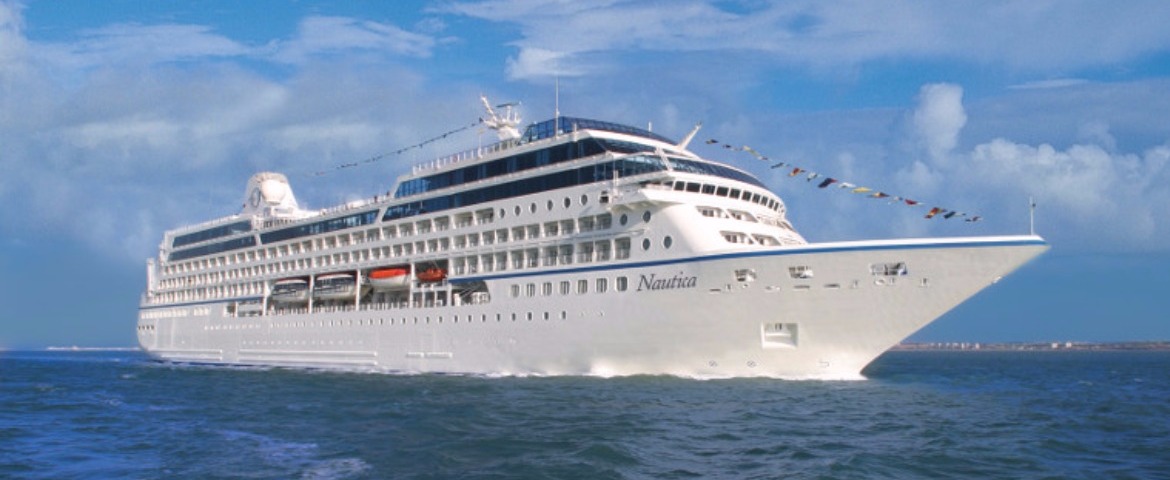
Oceania Nautica
5 Cruises
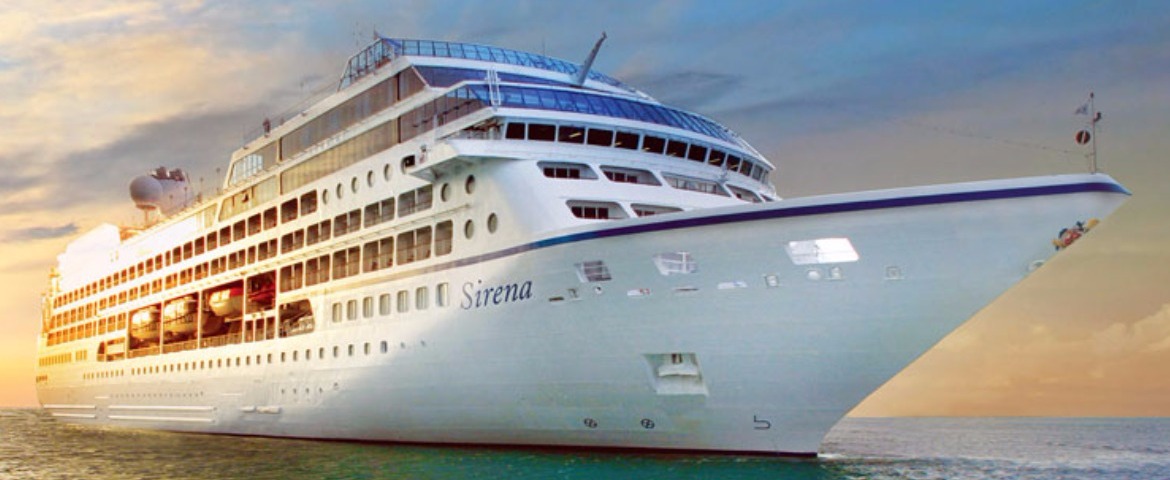
Oceania Sirena
9 Cruises
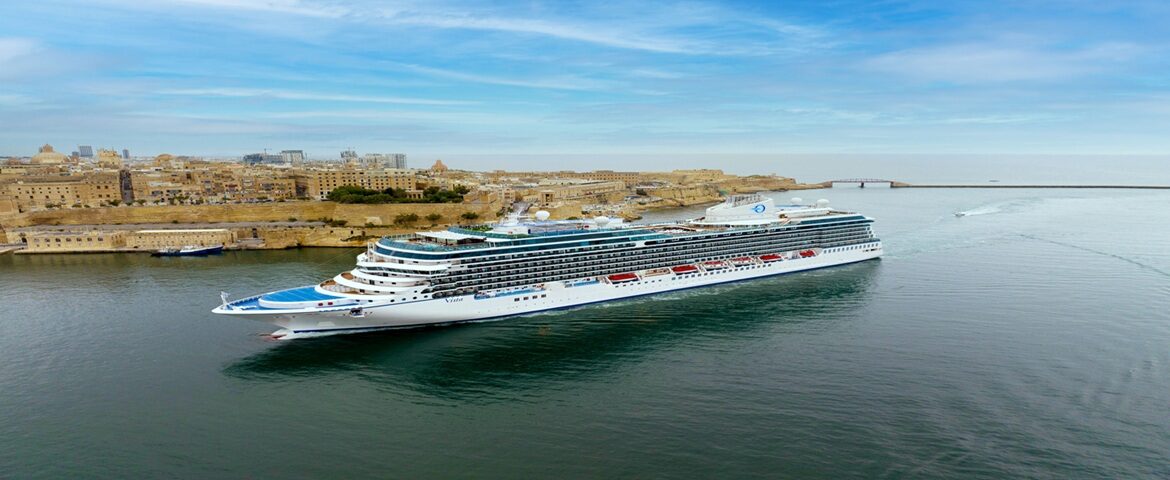
Oceania Vista
16 Cruises
| 21 August | 16 days | One-way from Reykjavik to New York |
450-628-6241
Call us
|
| 22 August | 16 nights | One-way from Reykjavik to New York |
450-628-6241
Call us
|

Princess Cruises (26 Cruises)
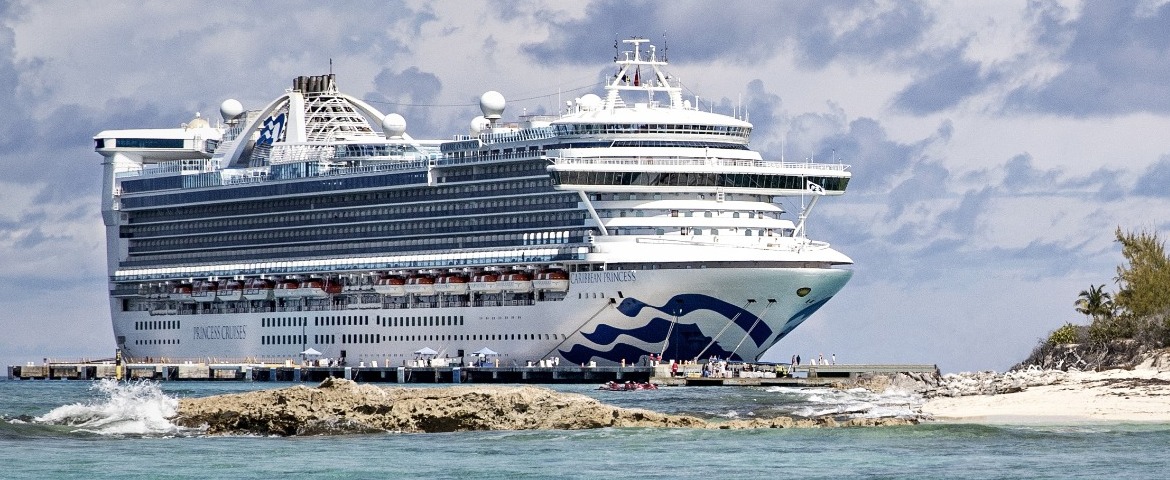
Caribbean Princess
10 Cruises

| 10 August | 28 nights | One-way from Copenhagen to Boston |
450-628-6241
Call us
|
| 22 August | 16 nights | One-way from Copenhagen to Boston |
450-628-6241
Call us
|
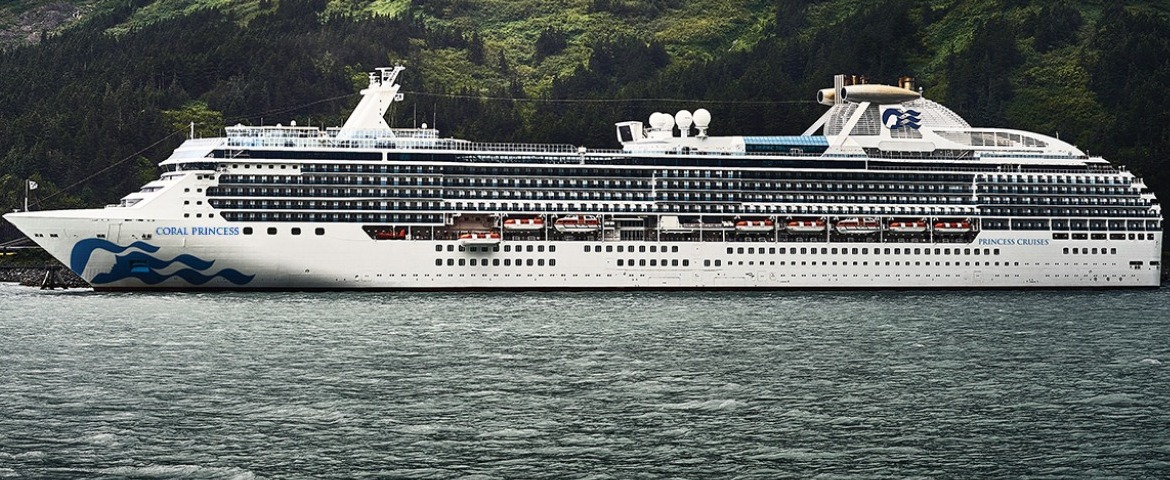
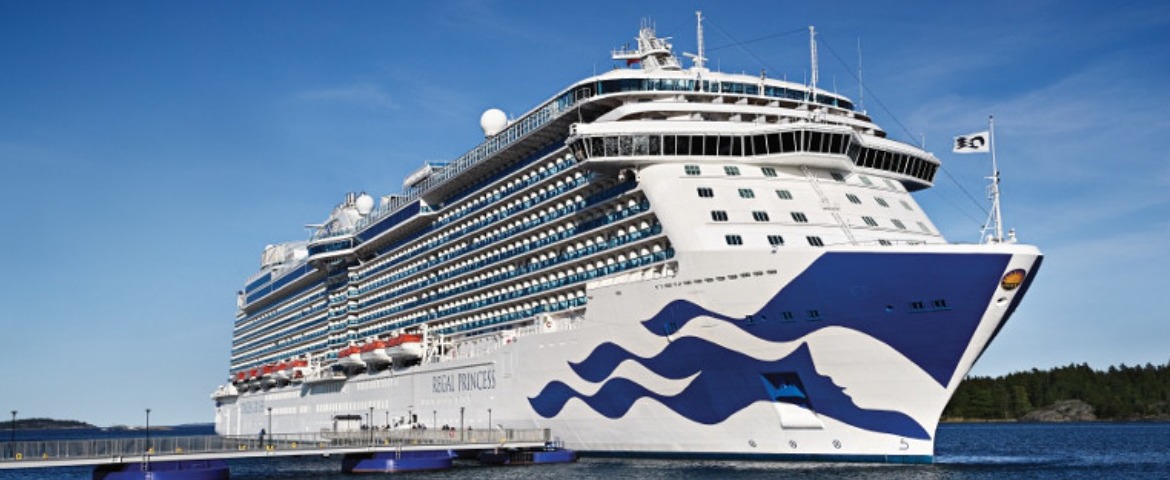
Regal Princess
15 Cruises
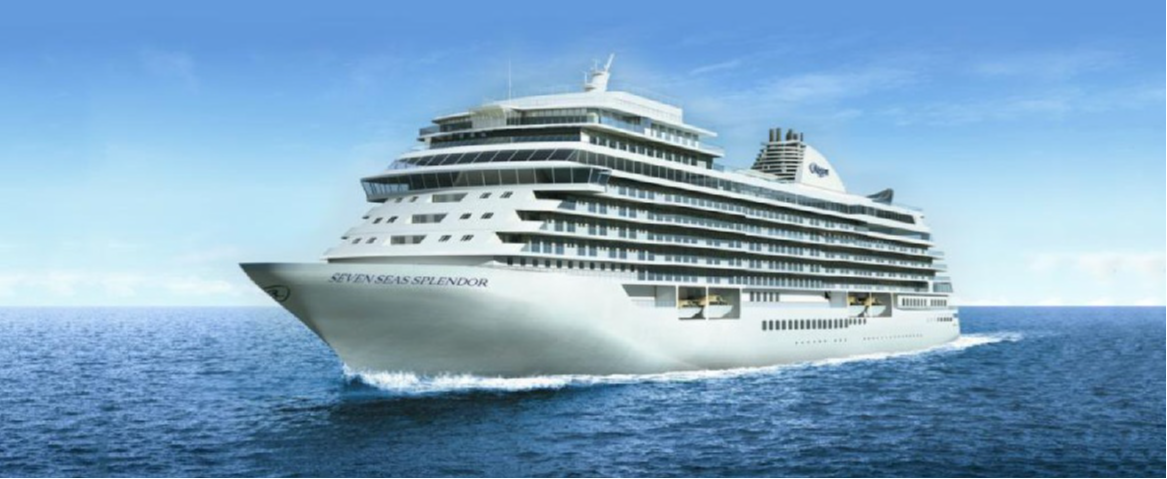
Regent Seven Seas Cruises (22 Cruises)
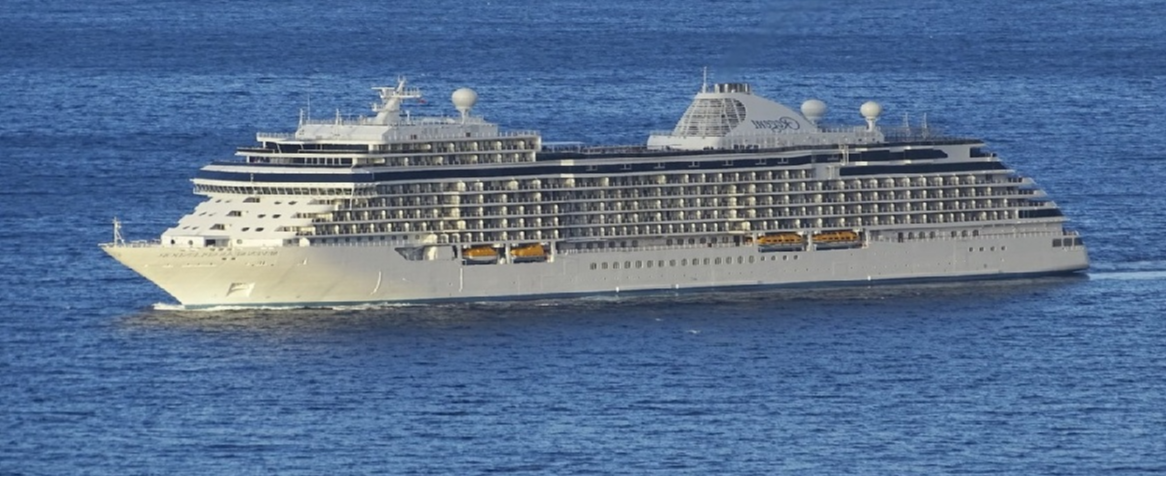
Seven Seas Grandeur
6 Cruises

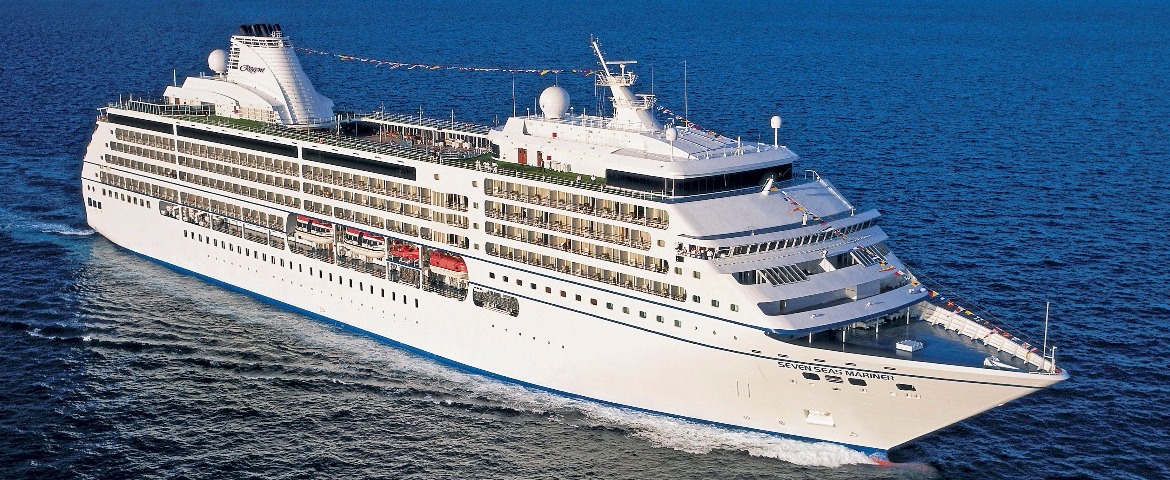
Seven Seas Mariner
4 Cruises
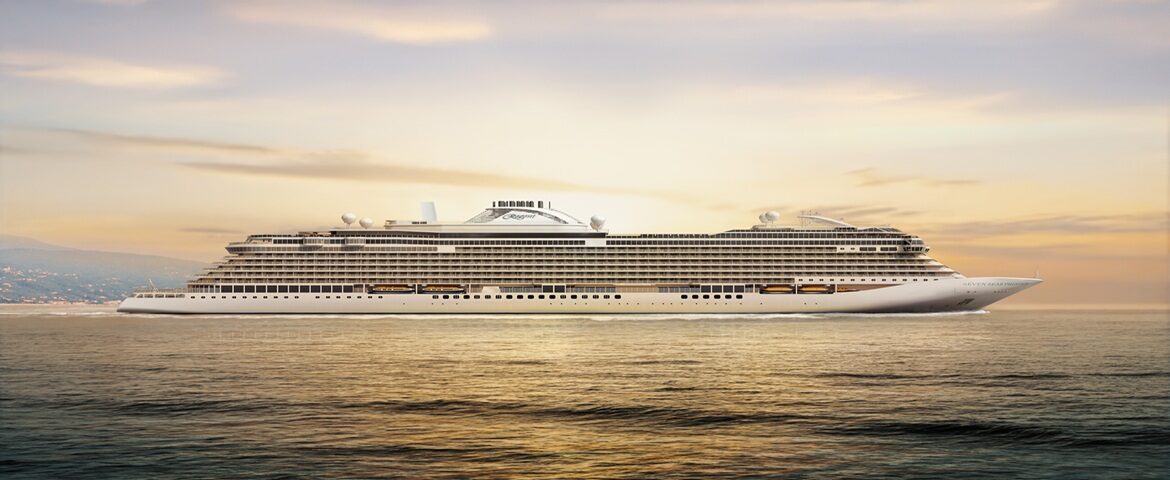
Seven Seas Prestige
8 Cruises
Royal Caribbean Cruises (12 Cruises)
Independence of the Seas
8 Cruises


| 1 June | 4 nights | Round-trip from Cape Liberty Bayonne, USA |
From
621$
|
| 29 June | 4 nights | Round-trip from Cape Liberty Bayonne, USA |
From
853$
|



Seabourn Cruise Line (52 Cruises)
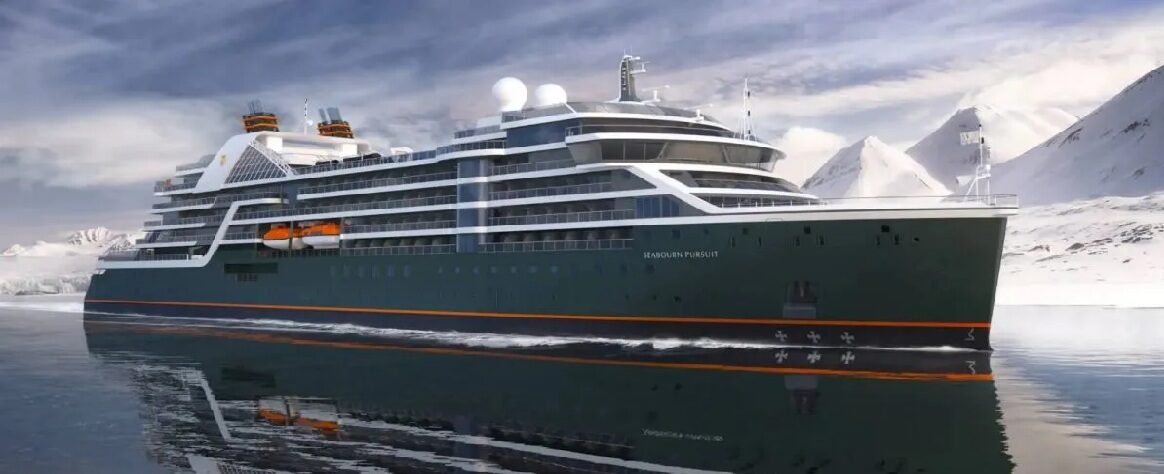
Seabourn Pursuit
11 Cruises

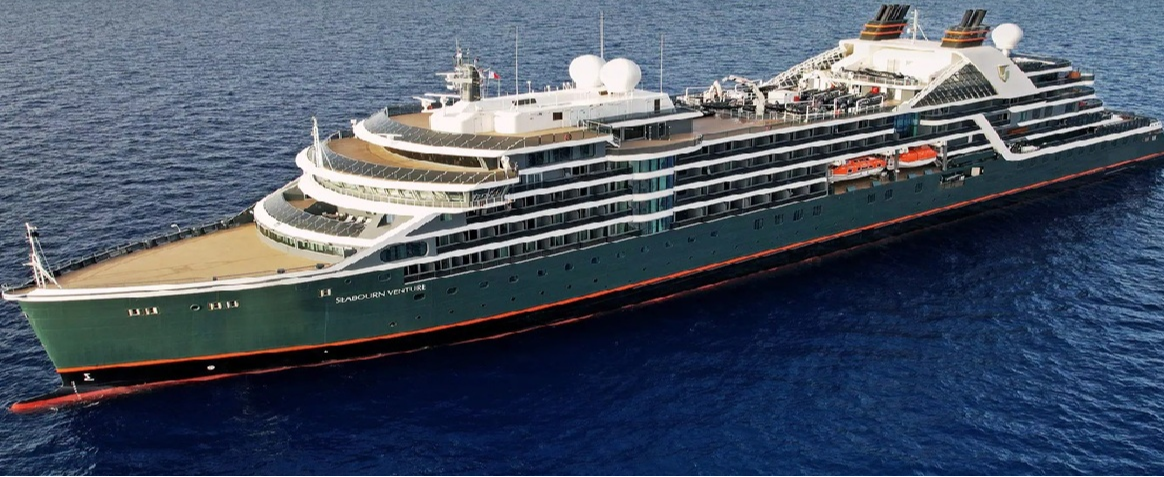
Seabourn Venture
35 Cruises
Silversea Cruises (12 Cruises)
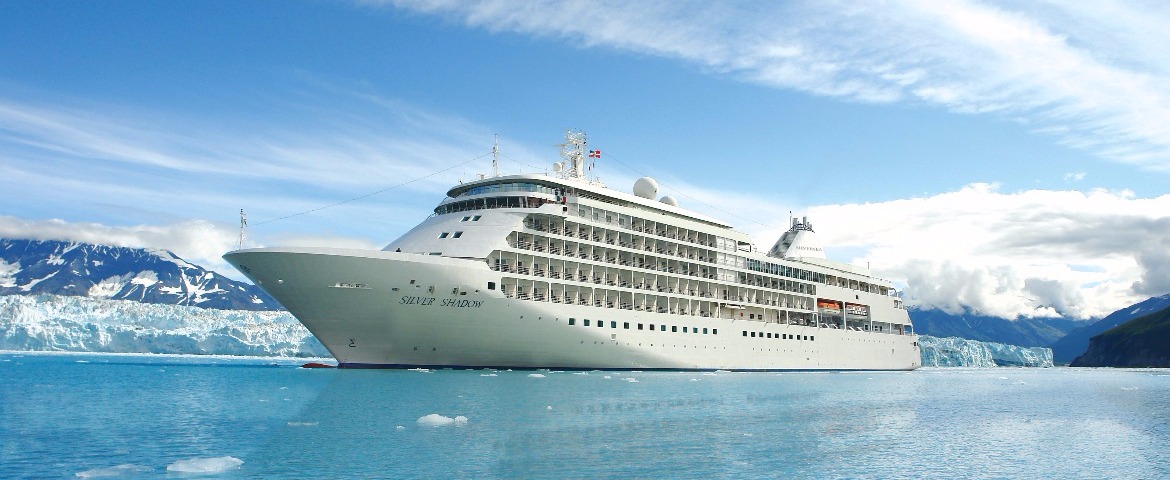
Silver Shadow
5 Cruises

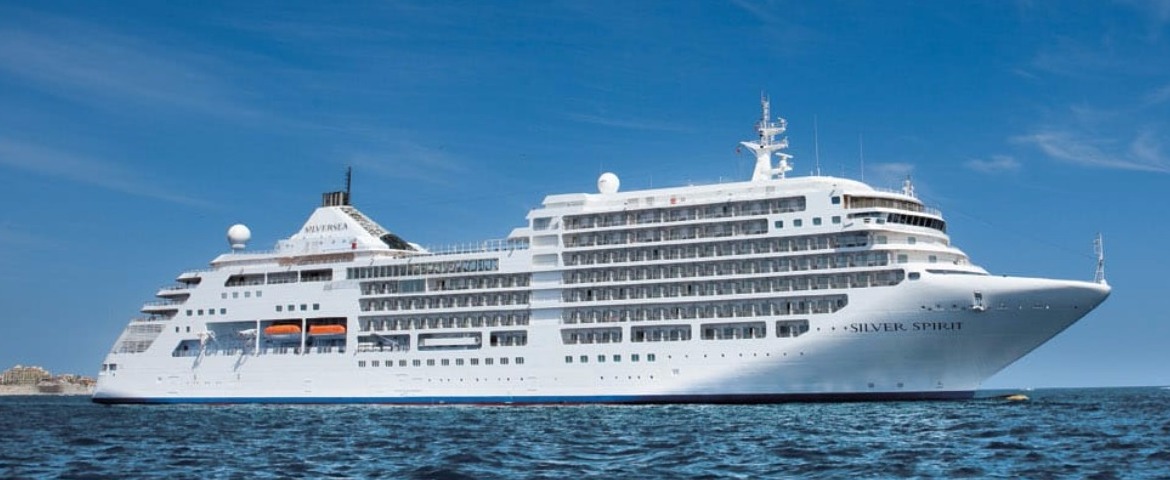
Silver Spirit
6 Cruises
| 10 August | 28 nights | One-way from Southampton to New York |
450-628-6241
Call us
|
| 22 August | 16 nights | One-way from Reykjavik to New York |
450-628-6241
Call us
|
Viking Ocean Cruises (54 Cruises)
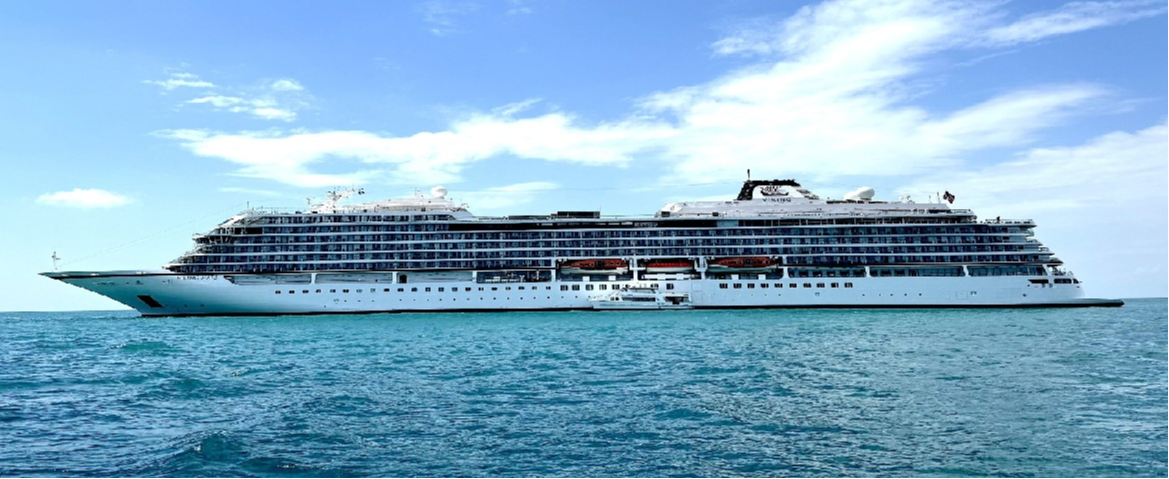
Viking Mars
10 Cruises

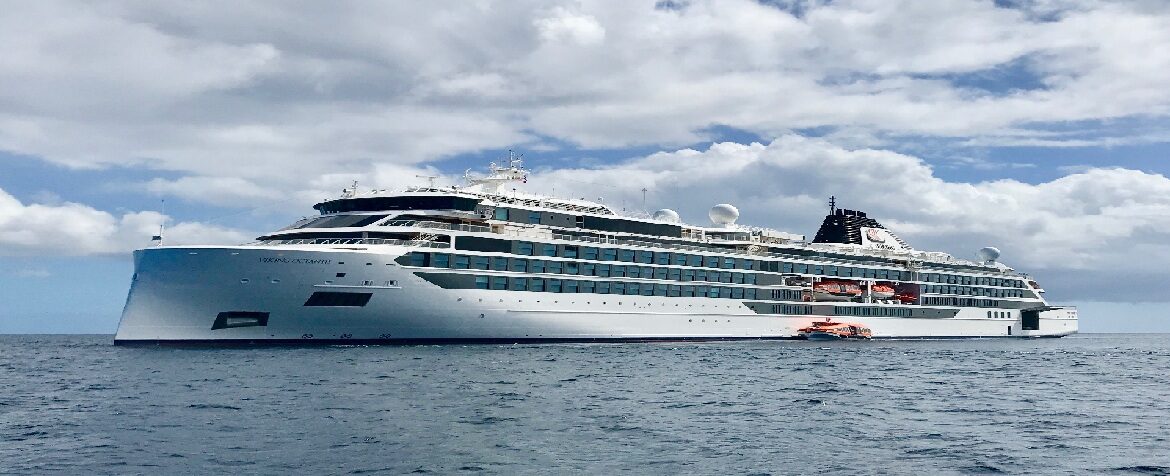
Viking Octantis
24 Cruises
| 2 March | 68 nights | One-way from Buenos Aires to Milwaukee WI |
450-628-6241
Call us
|
| 3 March | 66 days | One-way from Buenos Aires to Milwaukee WI |
450-628-6241
Call us
|
| 20 April | 12 nights | One-way from New York to Toronto |
450-628-6241
Call us
|
| 20 April | 11 days | One-way from New York to Toronto |
450-628-6241
Call us
|
| 15 March | 62 nights | One-way from Buenos Aires to Milwaukee WI |
450-628-6241
Call us
|
| 16 March | 60 days | One-way from Buenos Aires to Milwaukee WI |
450-628-6241
Call us
|
| 27 April | 12 nights | One-way from New York to Toronto |
450-628-6241
Call us
|
| 27 April | 11 days | One-way from New York to Toronto |
450-628-6241
Call us
|
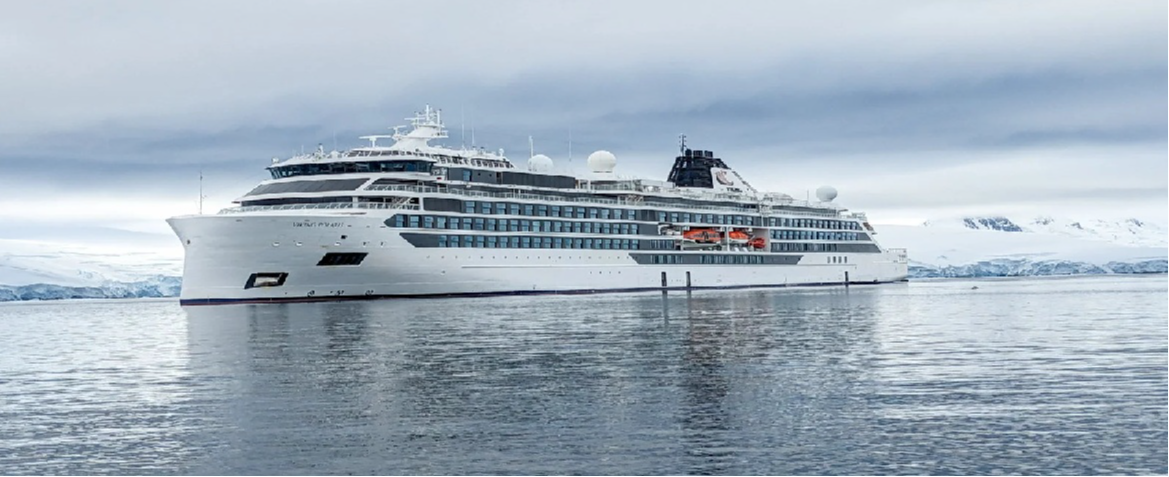
Viking Polaris
16 Cruises
| 14 March | 62 nights | One-way from Buenos Aires to Milwaukee WI |
450-628-6241
Call us
|
| 15 March | 60 days | One-way from Buenos Aires to Milwaukee WI |
450-628-6241
Call us
|
| 26 April | 12 nights | One-way from New York to Toronto |
450-628-6241
Call us
|
| 26 April | 11 days | One-way from New York to Toronto |
450-628-6241
Call us
|
| 29 April | 11 days | One-way from New York to Toronto |
450-628-6241
Call us
|
| 29 April | 12 nights | One-way from New York to Toronto |
450-628-6241
Call us
|
Windstar Cruises (8 Cruises)
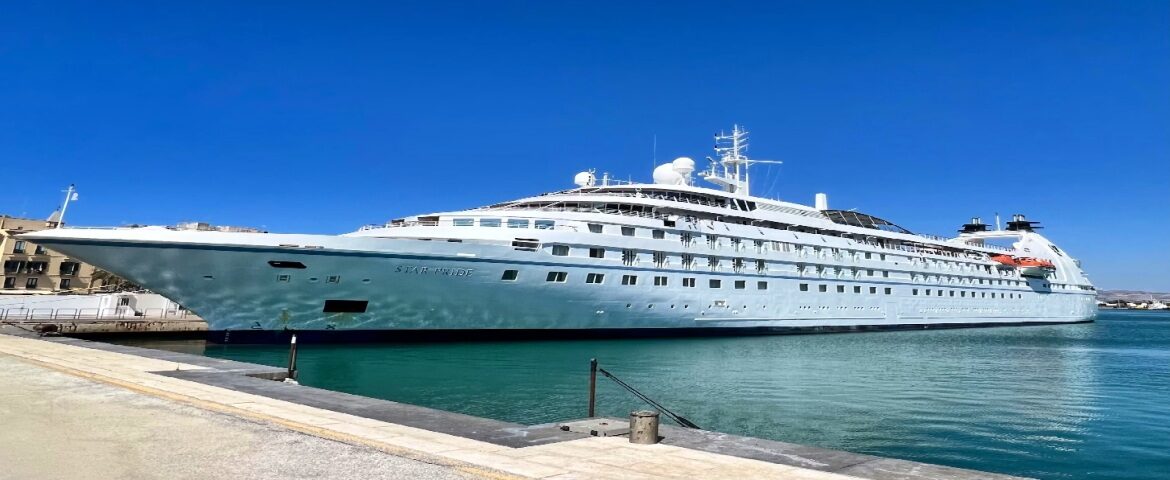
Star Pride
8 Cruises


Port of Halifax, Canada | Cruise Port Guide
Frequently Asked Questions
At piers 20 and 22, immediately next to Pier 21, the former immigration arrival hall. The call therefore begins in the middle of the city's maritime history.
Yes. A boardwalk of about 4 km runs along the harbour from the terminals to the heart of the city, with the Maritime Museum of the Atlantic halfway along. Only the Citadel involves a fairly steep 15 to 20 minute climb.
Pier 21, the waterfront boardwalk, the Maritime Museum of the Atlantic and the Citadel fill the half day without leaving the centre. Peggy's Cove, about 45 km away, takes a half day on its own.
The Canadian Museum of Immigration, housed in the building where a million newcomers first set foot in Canada between 1928 and 1971. Personal accounts, photographs, period suitcases and sound archives tell the story of the Atlantic crossings.
The city helped the survivors and recovered the victims of the Titanic, many of whom rest at Fairview Lawn Cemetery. The Maritime Museum of the Atlantic devotes a section to the episode.
A blast that flattened entire districts of the city, one of the largest non-nuclear detonations in history. The Maritime Museum of the Atlantic traces how it unfolded and what followed.
Star-shaped fortifications atop the hill above the harbour. Interpreters in 78th Highlanders uniform bring the Victorian garrison to life, and the noon gun still marks the Halifax day.
On a clear day, yes: the lighthouse on wave-polished granite and the fishing hamlet make one of the best-known images of Atlantic Canada. Allow half a day including the drive. In fog, the city is more than enough on its own.
Lobster, scallops and chowder appear on most boards along the waterfront and Argyle Street. The Seaport Farmers' Market, next to the terminal, gathers producers and artisans from across the province right off the ship.
May to October, peaking in September and October for the autumn colours. The Public Gardens, just past the Citadel, are especially fine in summer with their Victorian beds and bandstand.


