Puerto Montt Chile
Chile
240
Cruises availables
At departure or passage at this port
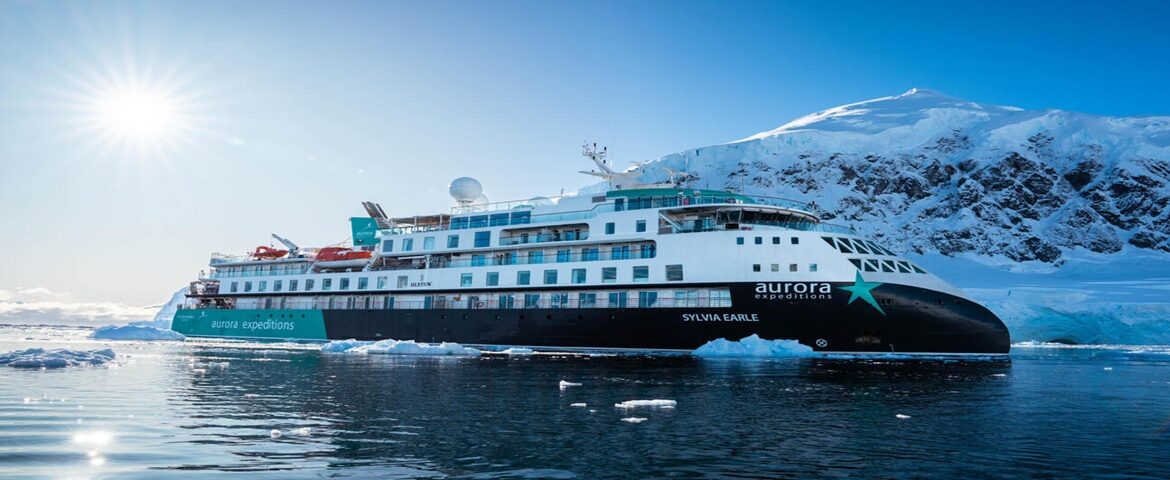
Aurora Expeditions (1 Cruises)

Azamara Club Cruises (20 Cruises)
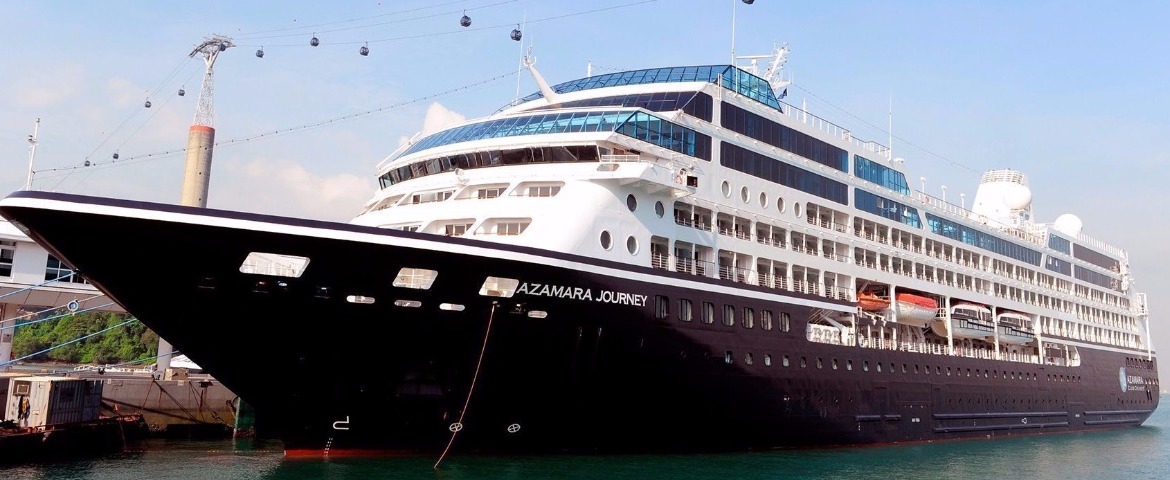
Azamara Journey
6 Cruises

| 14 January | 75 days | Round-trip from Miami, USA |
450-628-6241
Call us
|
| 14 January | 74 days | Round-trip South America Azamara Journey Miami Fl |
450-628-6241
Call us
|
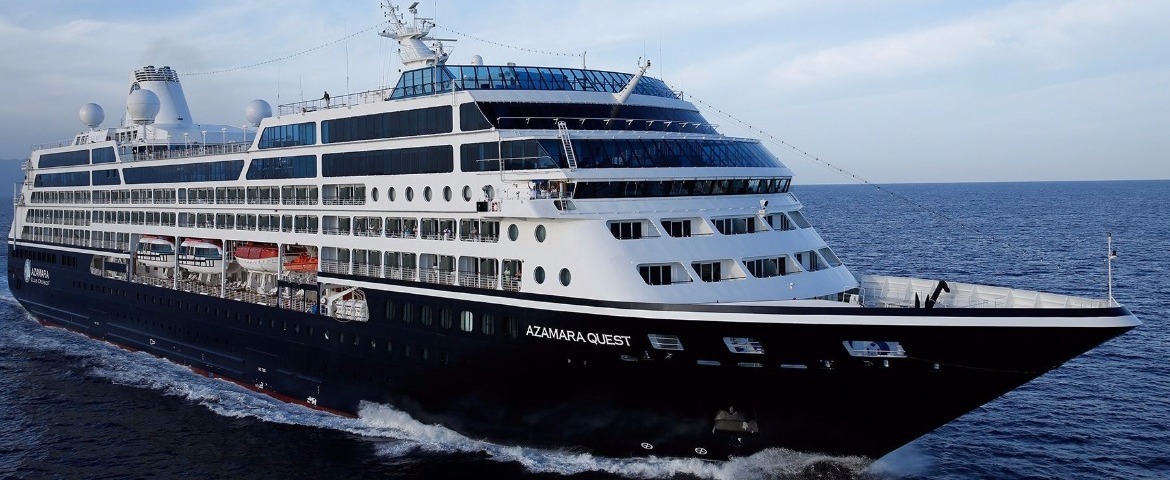
Azamara Quest
14 Cruises
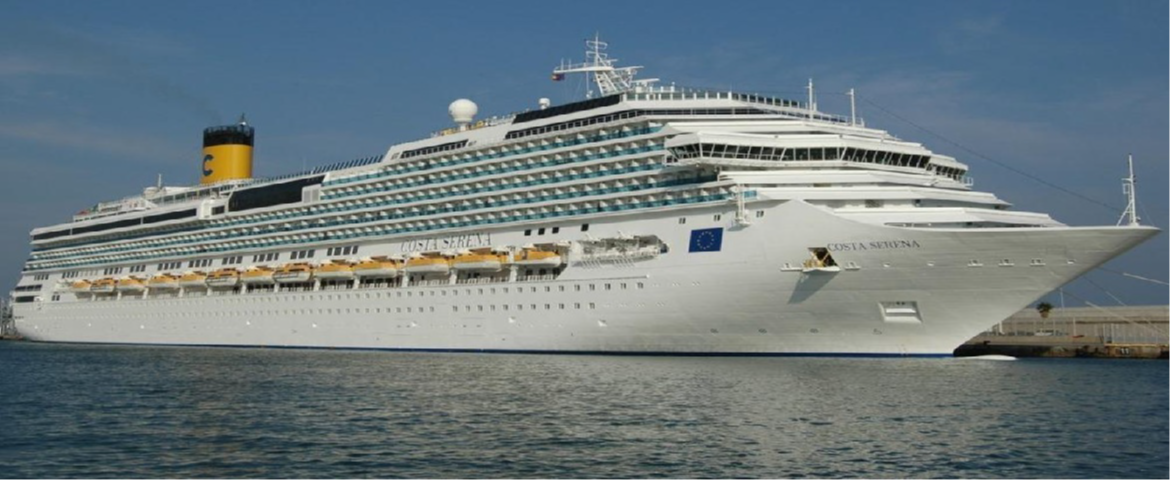
Costa Cruises (2 Cruises)

Crystal Cruises (11 Cruises)
Crystal Serenity
8 Cruises


| 12 October | 71 days | One-way from New York to Fort Lauderdale |
450-628-6241
Call us
|
| 12 October | 72 days | One-way from New York to Fort Lauderdale |
450-628-6241
Call us
|
Cunard (5 Cruises)
Queen Anne
5 Cruises

Holland America Line (62 Cruises)
ms Nieuw Amsterdam
22 Cruises

| 21 February | 15 days | One-way from San Antonio to Buenos Aires |
450-628-6241
Call us
|
| 21 February | 14 days | One-way from San Antonio to Buenos Aires |
450-628-6241
Call us
|
ms Nieuw Statendam
22 Cruises
| 21 February | 14 days | One-way from San Antonio to Buenos Aires |
450-628-6241
Call us
|
| 21 February | 15 days | One-way from San Antonio to Buenos Aires |
450-628-6241
Call us
|
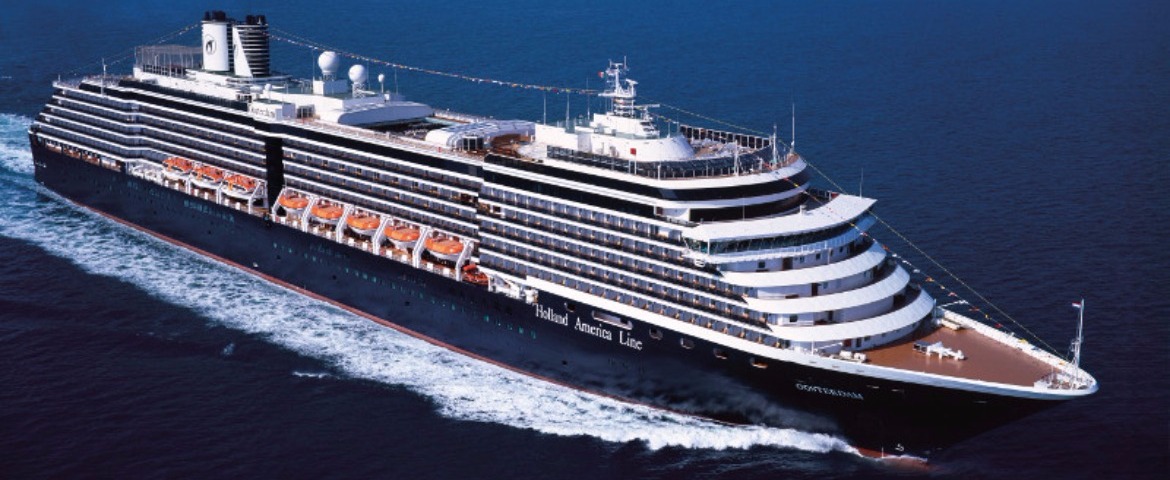
ms Oosterdam
15 Cruises
| 18 November | 31 days | One-way from Fort Lauderdale to Buenos Aires |
450-628-6241
Call us
|
| 18 November | 31 days | One-way from Fort Lauderdale to Buenos Aires |
450-628-6241
Call us
|
| 10 January | 22 days | One-way from San Antonio to Buenos Aires |
450-628-6241
Call us
|
| 10 January | 22 days | One-way from San Antonio to Buenos Aires |
450-628-6241
Call us
|
Lindblad Expeditions (3 Cruises)
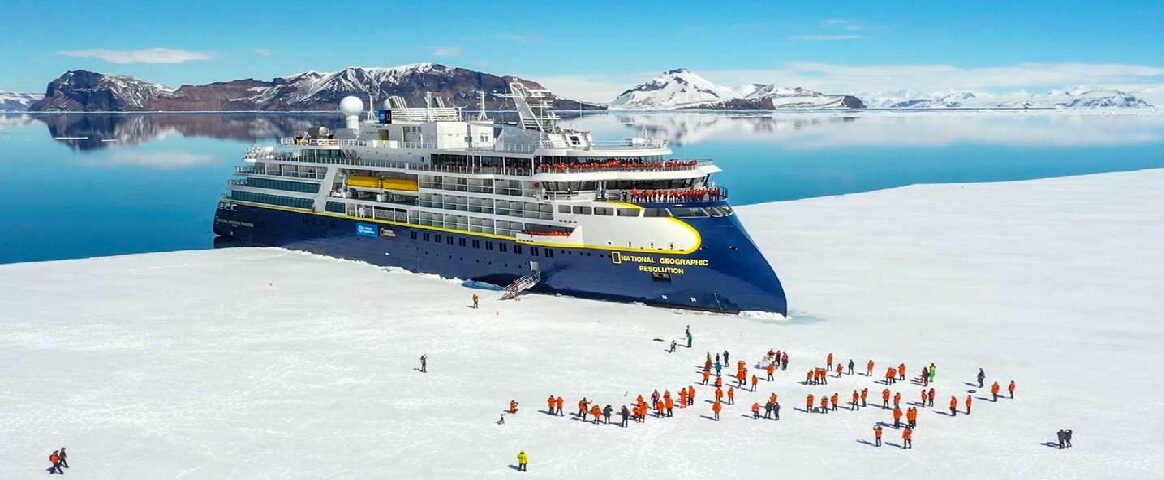
National Geographic Resolution
3 Cruises

MSC Cruises (8 Cruises)
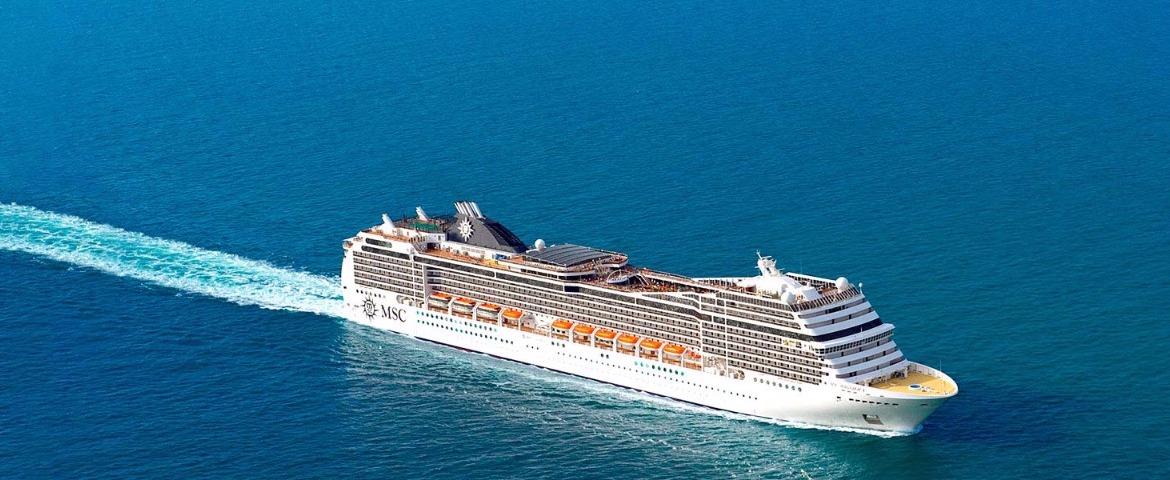
MSC Magnifica
8 Cruises

Norwegian Cruise Line (6 Cruises)
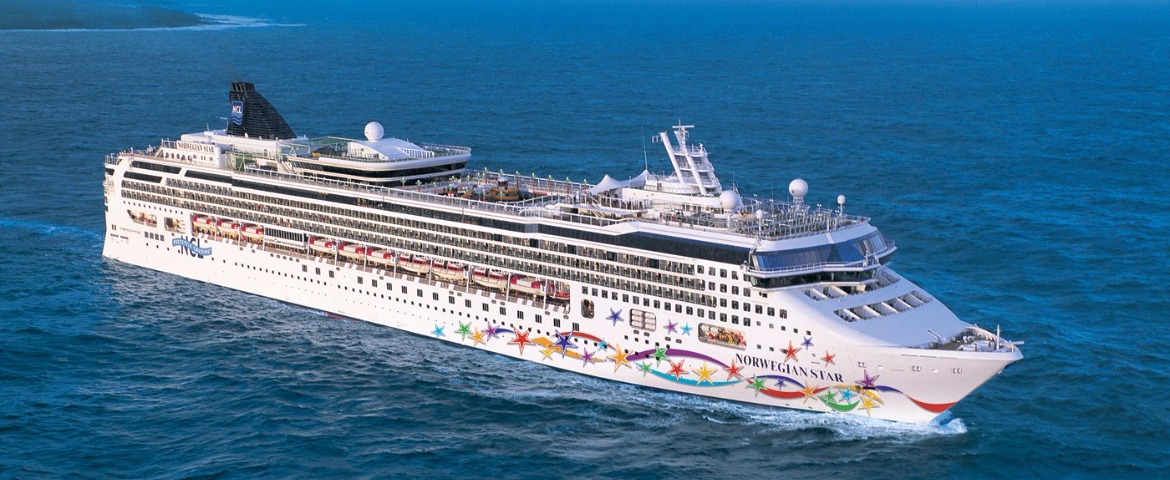
Norwegian Star
6 Cruises

Oceania Cruises (14 Cruises)
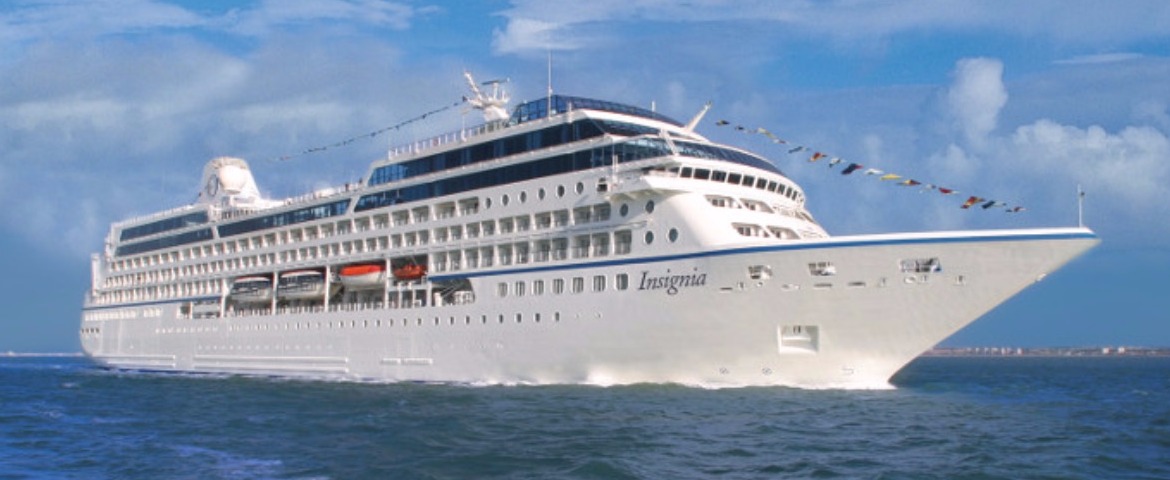
Oceania Insignia
10 Cruises

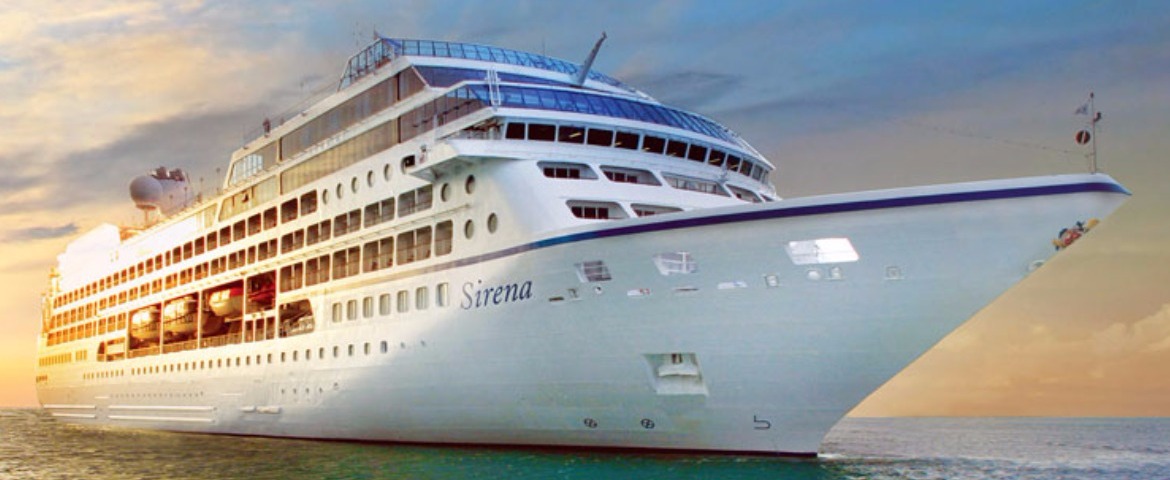
Oceania Sirena
4 Cruises
Princess Cruises (12 Cruises)
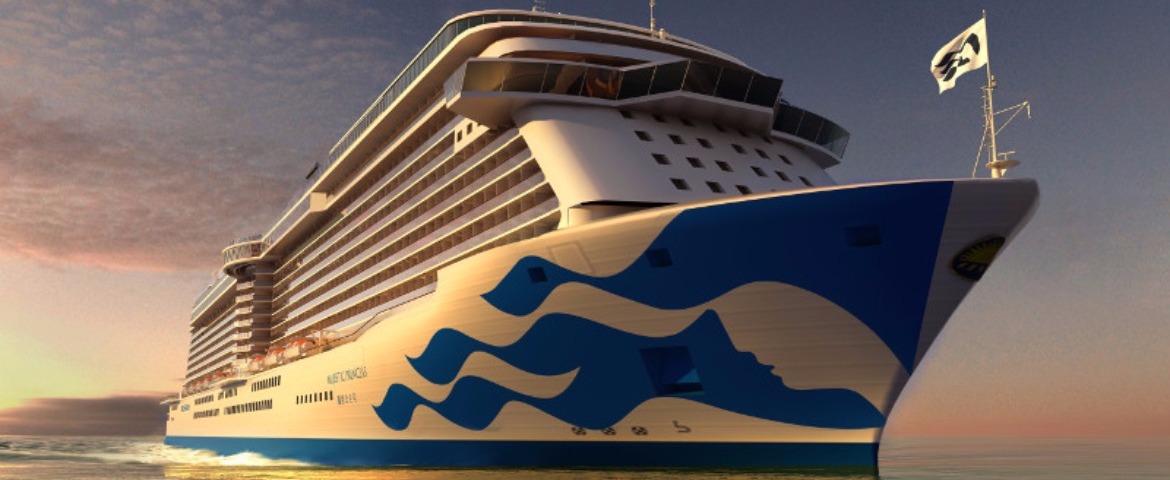
Majestic Princess
12 Cruises

| 19 November | 33 days | One-way from Fort Lauderdale to San Antonio |
450-628-6241
Call us
|
| 19 November | 34 days | One-way from Fort Lauderdale to San Antonio |
450-628-6241
Call us
|
| 30 October | 38 days | One-way from Southampton to San Antonio |
450-628-6241
Call us
|
| 30 October | 37 days | One-way from Southampton to San Antonio |
450-628-6241
Call us
|
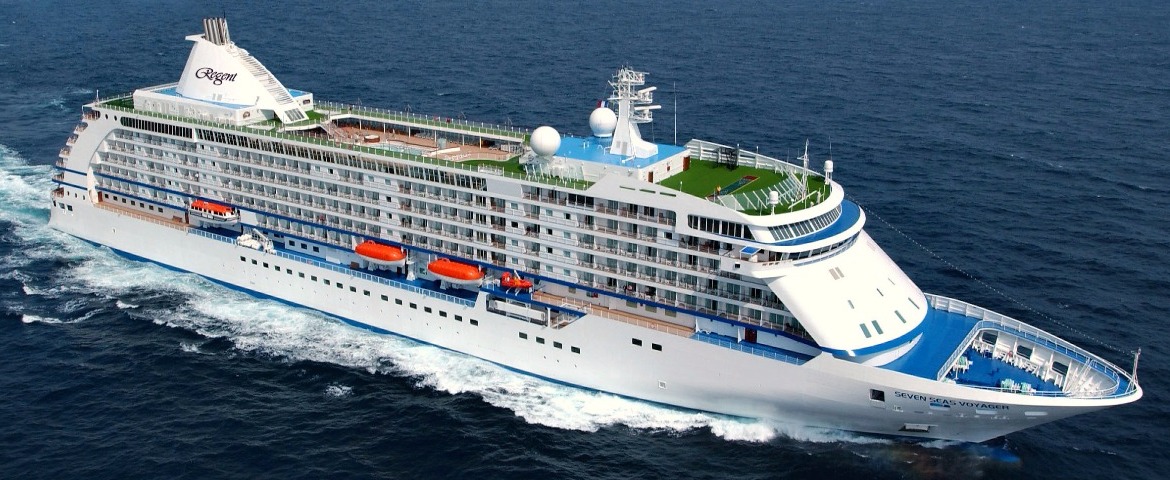
Regent Seven Seas Cruises (10 Cruises)
Seven Seas Mariner
7 Cruises


Scenic Cruises (18 Cruises)
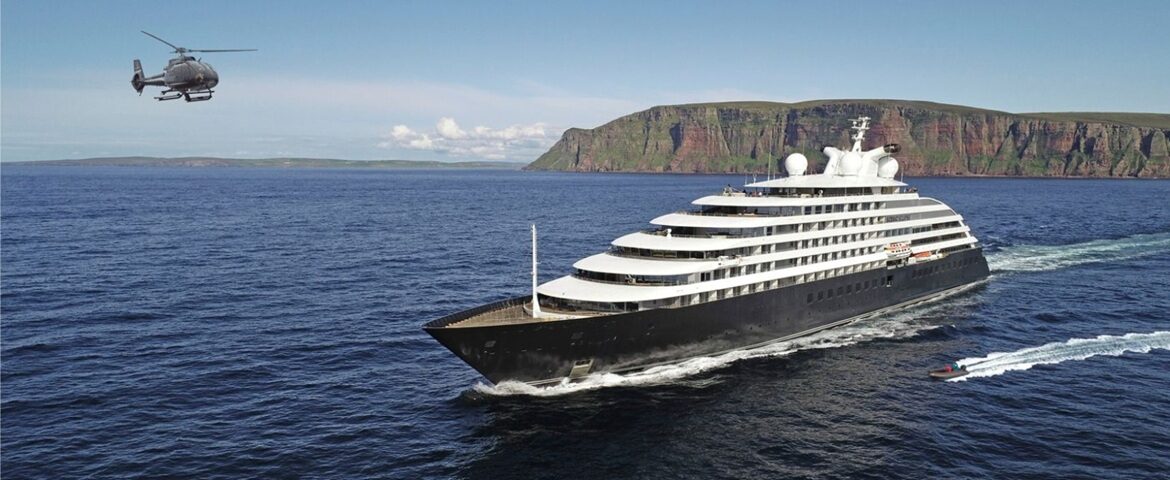
Scenic Eclipse
9 Cruises


Scenic Eclipse II
9 Cruises
Seabourn Cruise Line (28 Cruises)
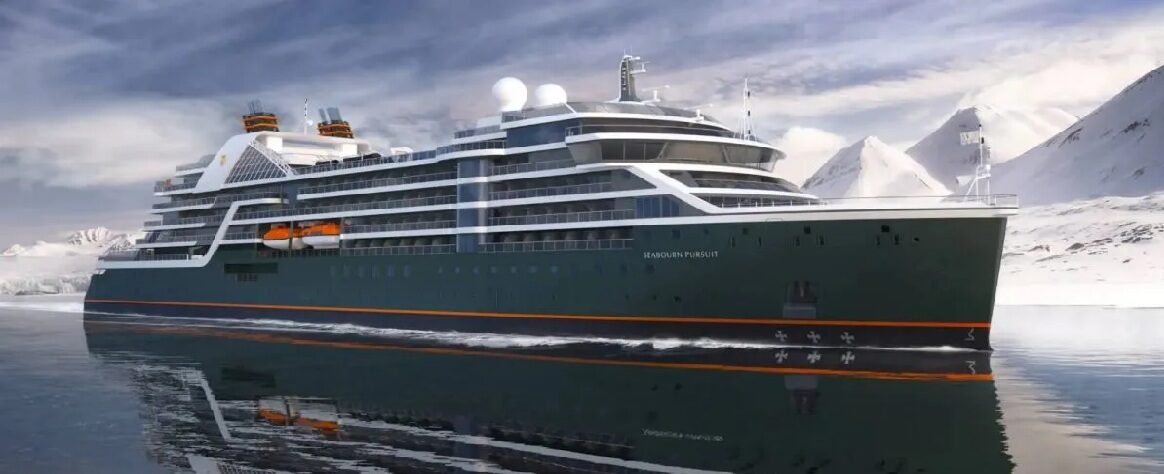
Seabourn Pursuit
16 Cruises

| 16 August | 82 days | One-way from Broome WA to Ushuaia |
450-628-6241
Call us
|
| 26 August | 72 days | One-way from Darwin to Ushuaia |
450-628-6241
Call us
|
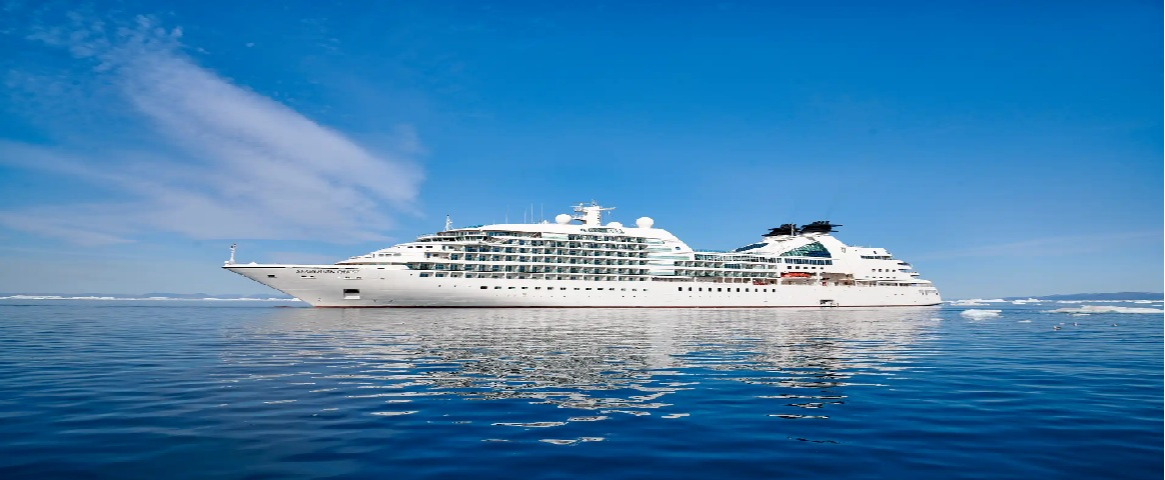
Seabourn Quest
12 Cruises
Silversea Cruises (16 Cruises)
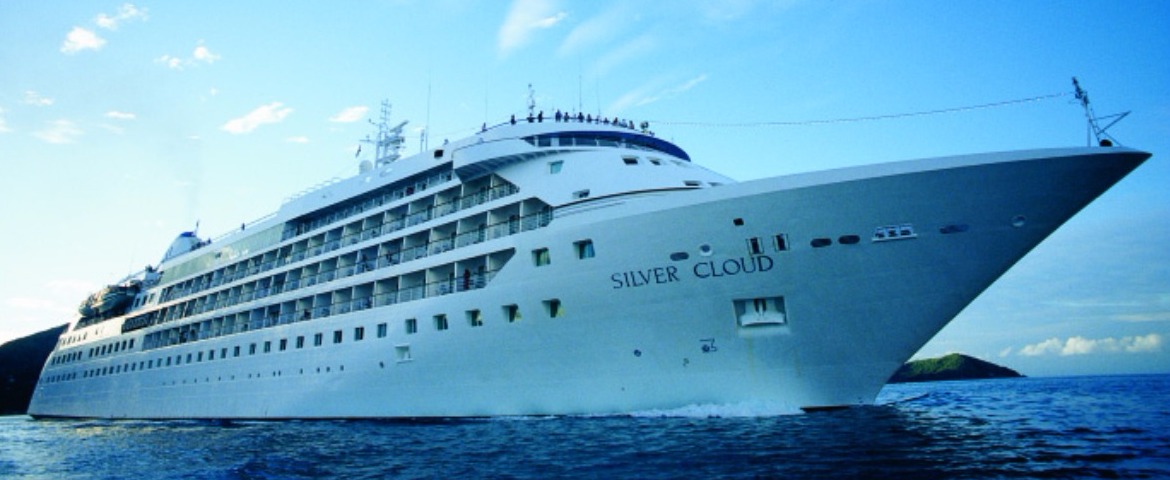

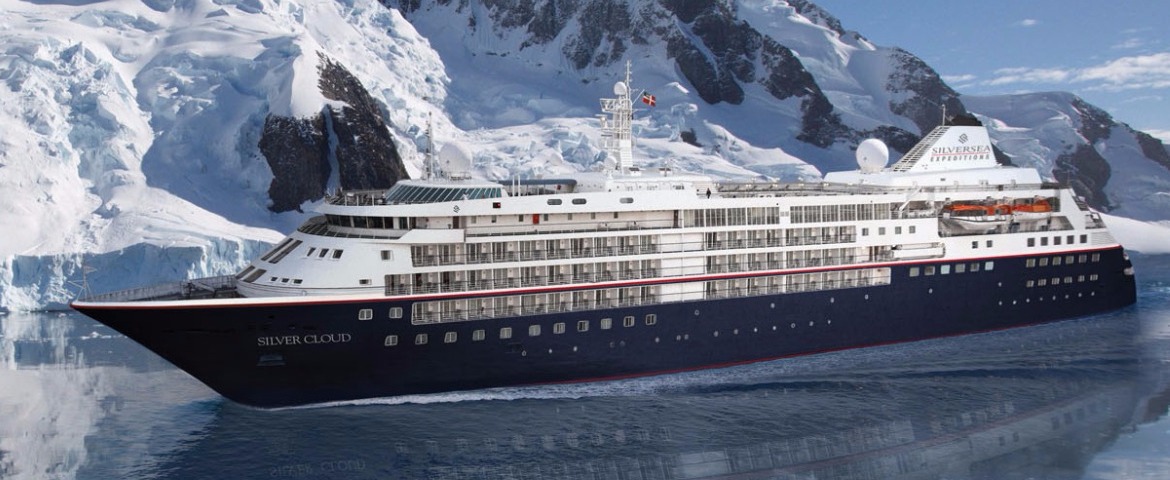
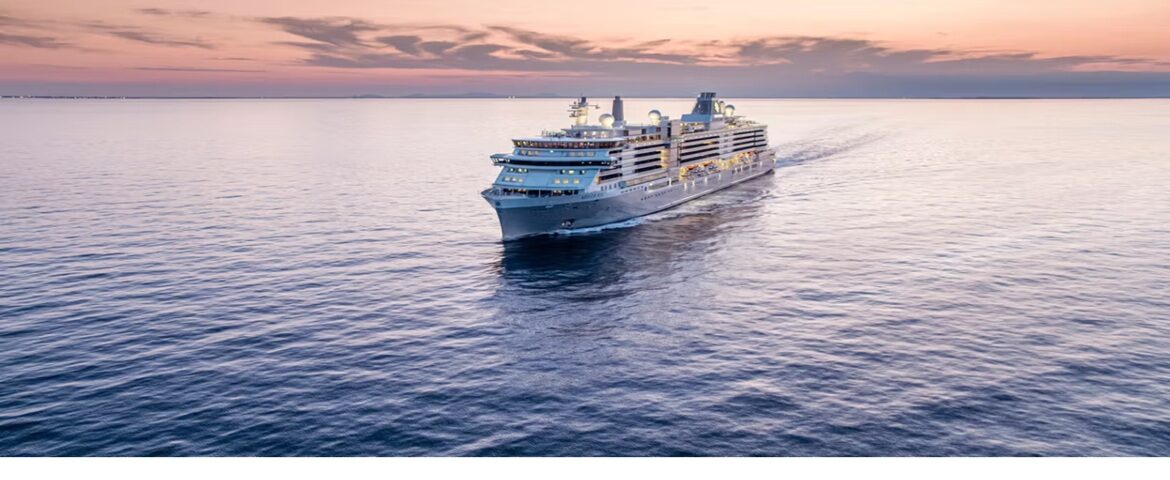
Silver Ray
4 Cruises
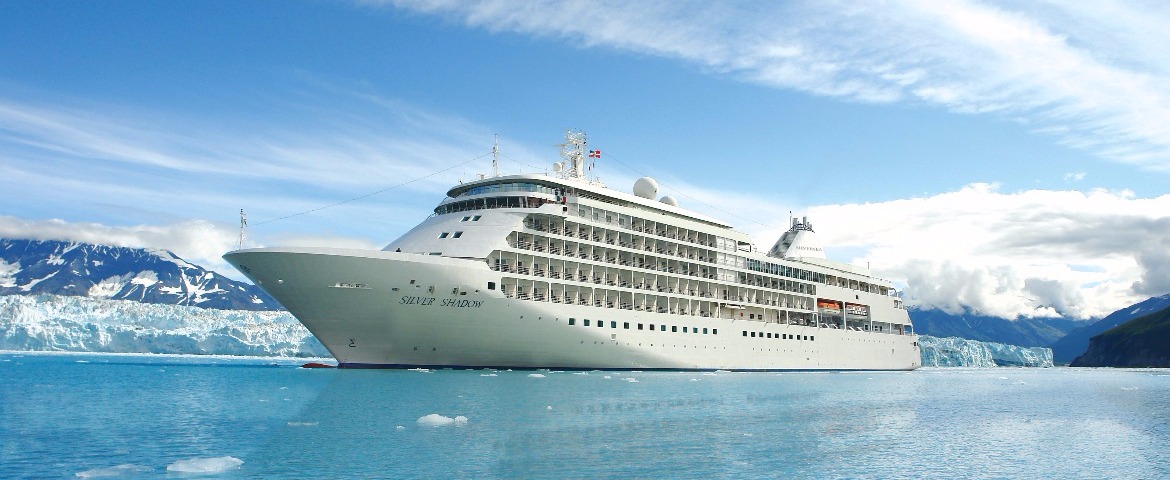
Silver Shadow
4 Cruises
Viking Ocean Cruises (24 Cruises)
Viking Jupiter
24 Cruises
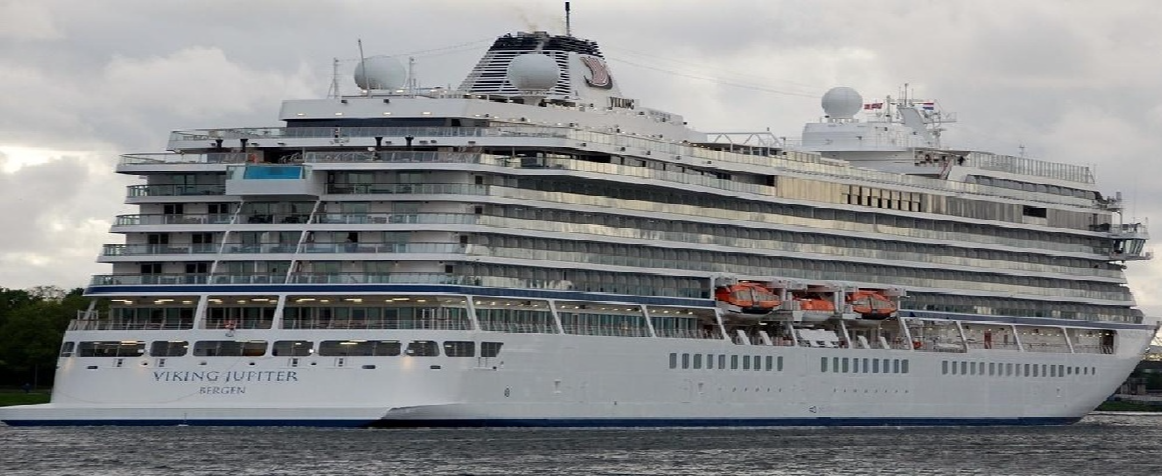


Puerto Montt, Chile | Cruise Port Guide
Frequently Asked Questions
Ships anchor in the roadstead and land passengers by tender, a short distance from the Angelmó market halls. So this is not an alongside berth: factor the tender operation into your timing.
The cove that mixes fish market and craft aisles, about half an hour's walk from the centre along the coast. Smoked salmon, garlic braids, raw wool ponchos stacked to the ceiling: this is southern Chile's stomach, and the place is loud with life.
In the working kitchens upstairs at Angelmó. Curanto comes from neighbouring Chiloé island: shellfish, meats and potatoes cooked together, originally in a pit lined with hot stones and covered with broad nalca leaves.
Three workable formulas. Nature: Puerto Varas and the Petrohué falls. Food: Angelmó in depth, a seafood lunch, downtown and the lookouts, ideal in the rain. Mixed: morning by Lake Llanquihue, afternoon at the halls, if the return is well timed.
A small town on Lake Llanquihue, Chile's second largest, about thirty minutes north by road. Shingled houses, a Sacred Heart church modelled on a Rhineland design, tea rooms and bakeries where raspberry kuchen holds the window.
In clear weather yes, and best from Puerto Varas: Osorno's perfect cone reflects in Lake Llanquihue, flanked by jagged Calbuco. Under cloud it vanishes entirely: that is the southern Chile lottery.
Turquoise cascades leaping over solidified lava flows, with Osorno as a backdrop, in Vicente Pérez Rosales national park, Chile's oldest. They lie about 80 kilometres from the landing, with boardwalks reaching the viewpoints in a few minutes of easy walking.
Because German settlers established themselves here in the nineteenth century and the landscape reminded them of home. Wooden steeples, shingles, kuchen and strudel: the emigrants believed they had found a southern Bavaria among snowy volcanoes and green pasture.
Frankly, it is not its strong suit: this is a working regional capital of about 250,000 people, driven by aquaculture. That said, the Plaza de Armas, the mid-nineteenth-century alerce wood cathedral and the Cruz lookout are worth an hour on foot.
Chilote craftwork: woollens, baskets and carved wooden figures. Many say the Angelmó stalls offer the country's best selection of craft from the neighbouring archipelago. Bring Chilean pesos in cash for bargaining at the stalls.


