Alexandria Egypt, Cairo
138
Cruises availables
At departure or passage at this port
Azamara Club Cruises (30 Cruises)
Azamara Journey
18 Cruises
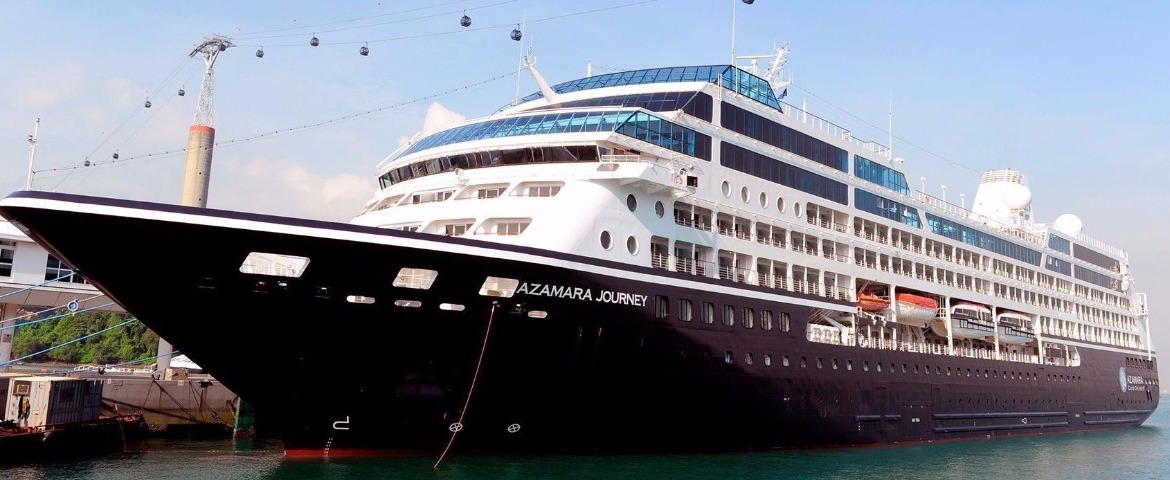

| 22 January | 49 days | One-way from Lisbon to Barcelona |
450-628-6241
Call us
|
| 22 January | 50 days | One-way from Lisbon to Barcelona |
450-628-6241
Call us
|
Azamara Onward
12 Cruises
Crystal Cruises (7 Cruises)
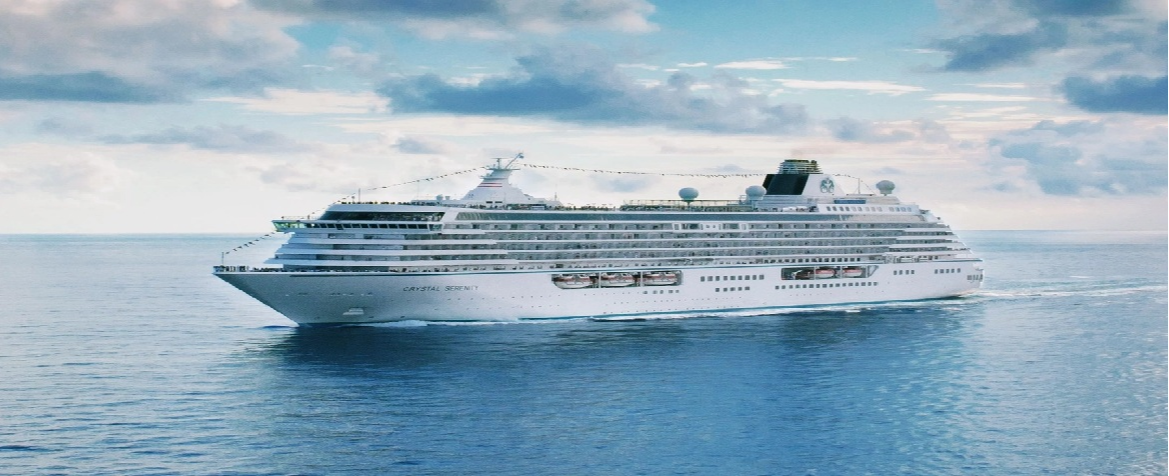

Crystal Symphony
6 Cruises
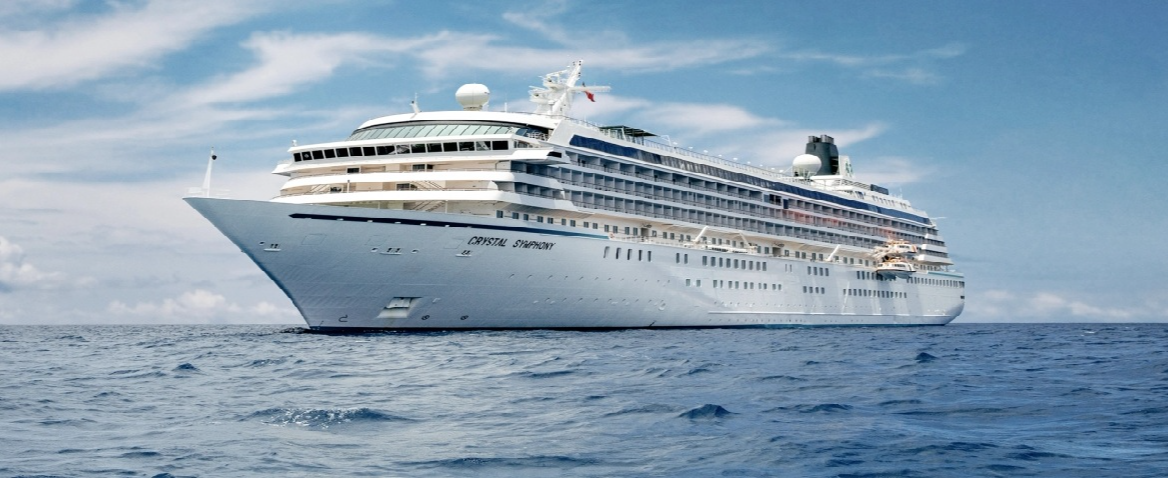
| 11 January | 151 days | Round-trip 150 Night Roundtrip Fort Lauderdale Cruise |
450-628-6241
Call us
|
| 11 January | 137 days | One-way from Fort Lauderdale to Barcelona |
450-628-6241
Call us
|
Holland America Line (14 Cruises)
ms Oosterdam
7 Cruises
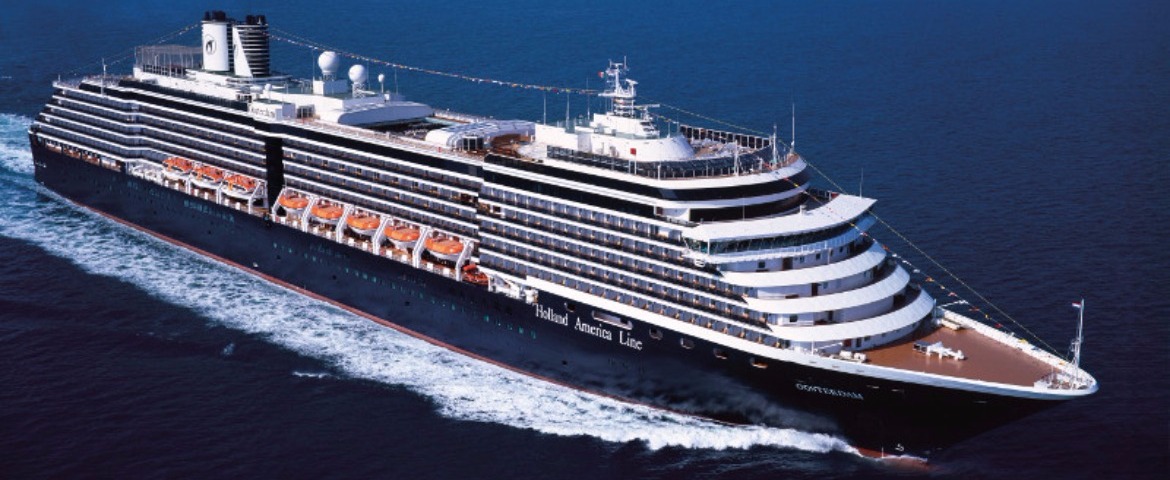

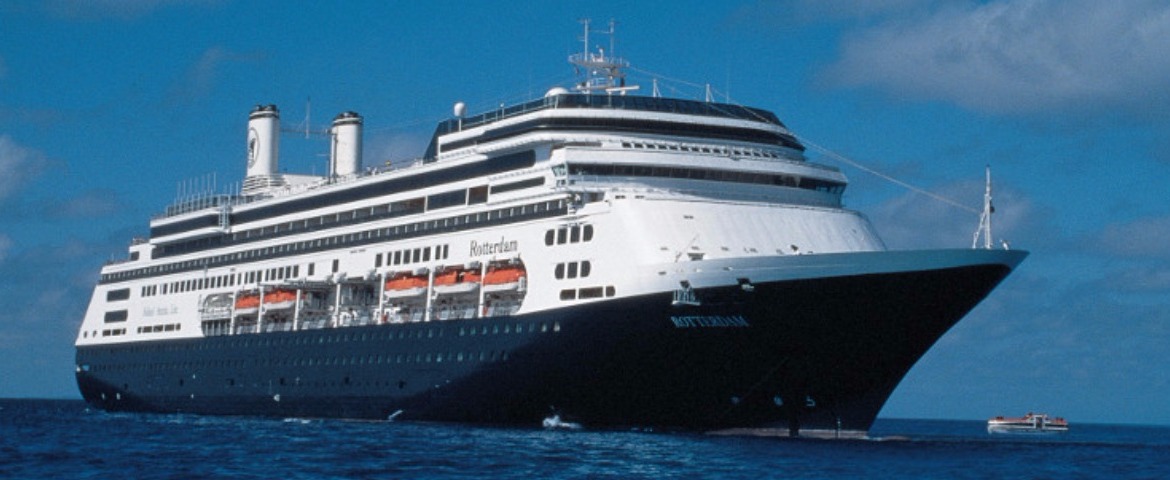
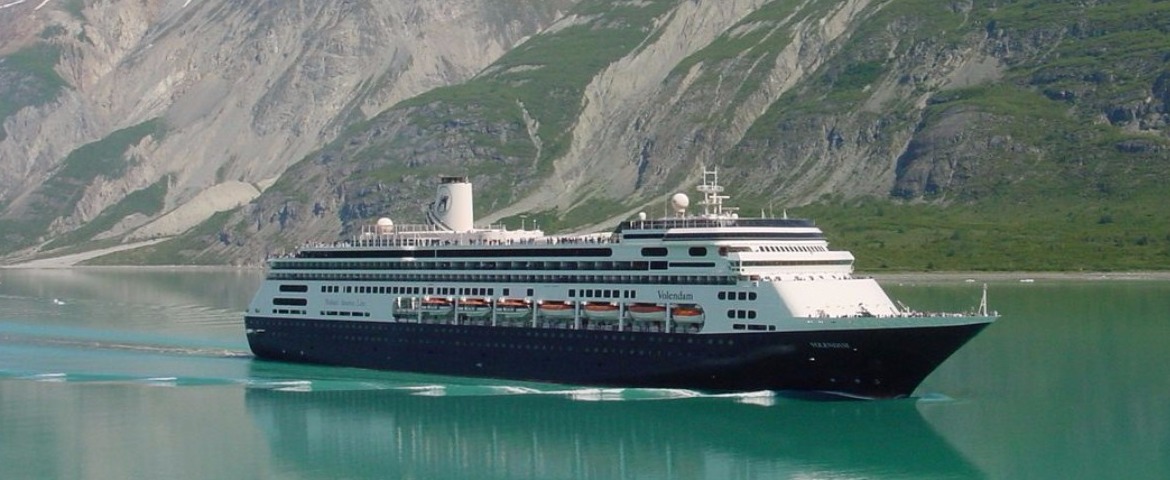
ms Volendam
4 Cruises
MSC Cruises (43 Cruises)
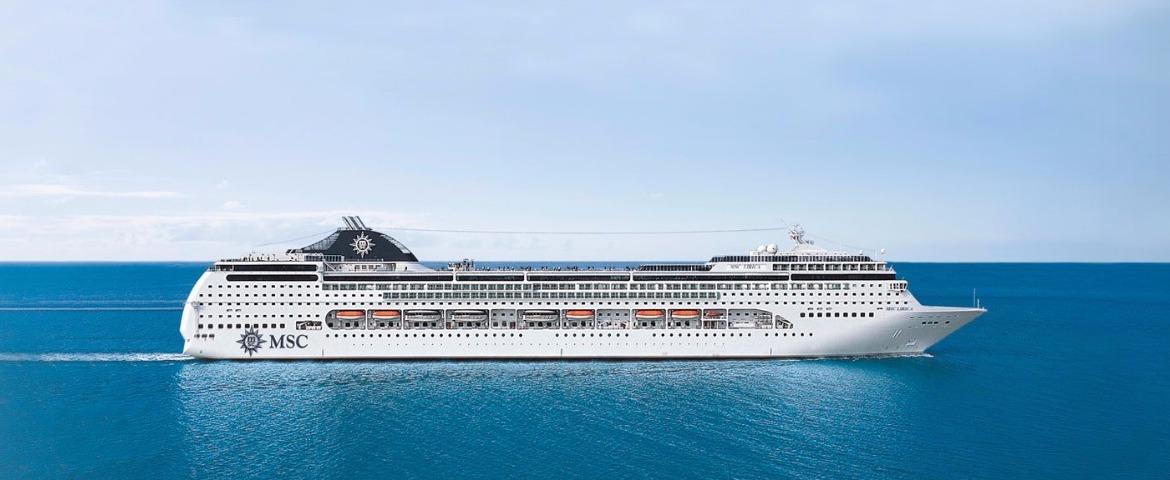
MSC Lirica
20 Cruises

MSC Sinfonia
7 Cruises
MSC World Europa
12 Cruises
 Image not available
Norwegian Cruise Line (2 Cruises)

Oceania Cruises (9 Cruises)
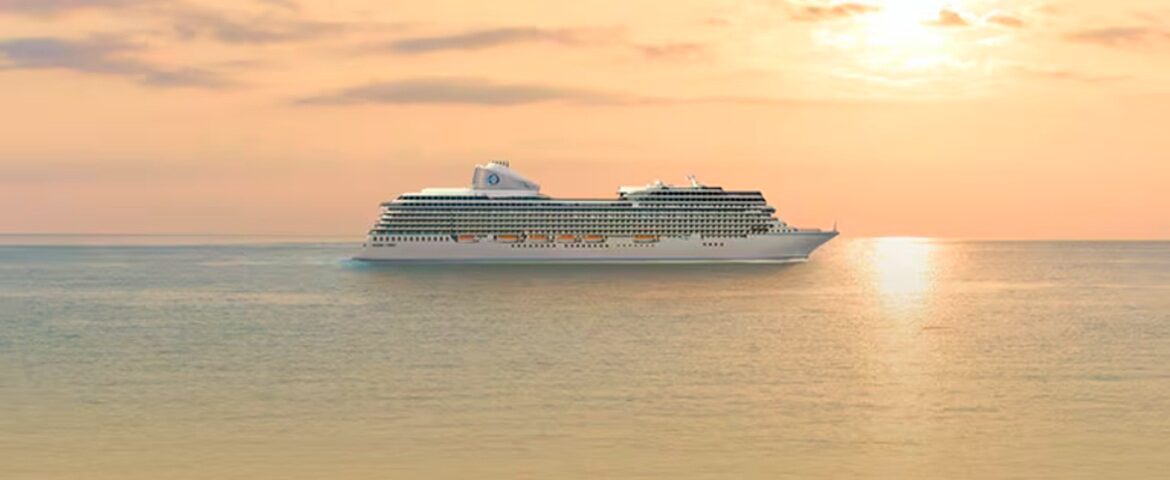

Oceania Vista
8 Cruises
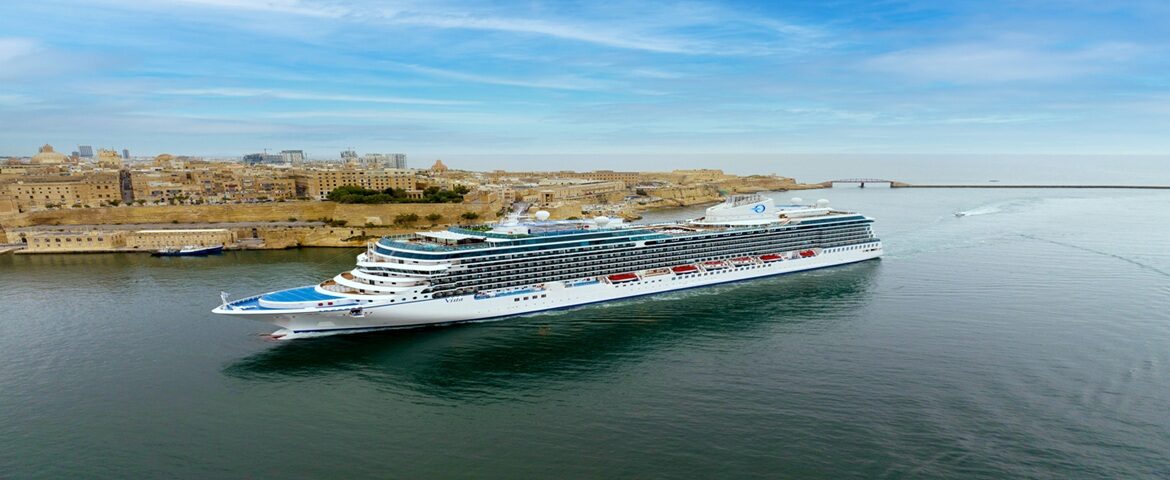
| 4 January | 96 days | One-way from Auckland to Civitavecchia-Rome |
450-628-6241
Call us
|
| 4 January | 97 days | One-way from Auckland to Civitavecchia-Rome |
450-628-6241
Call us
|
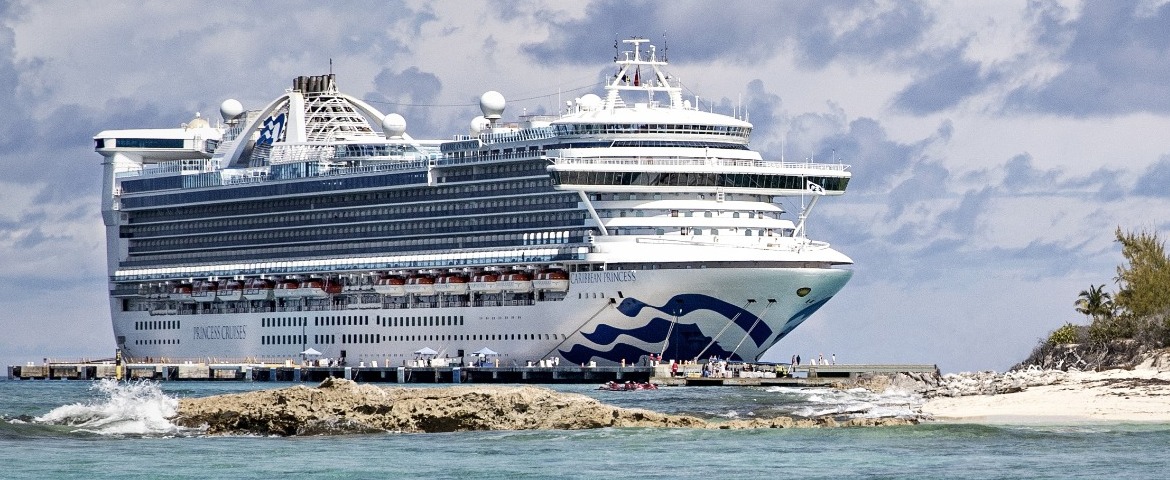
Princess Cruises (2 Cruises)

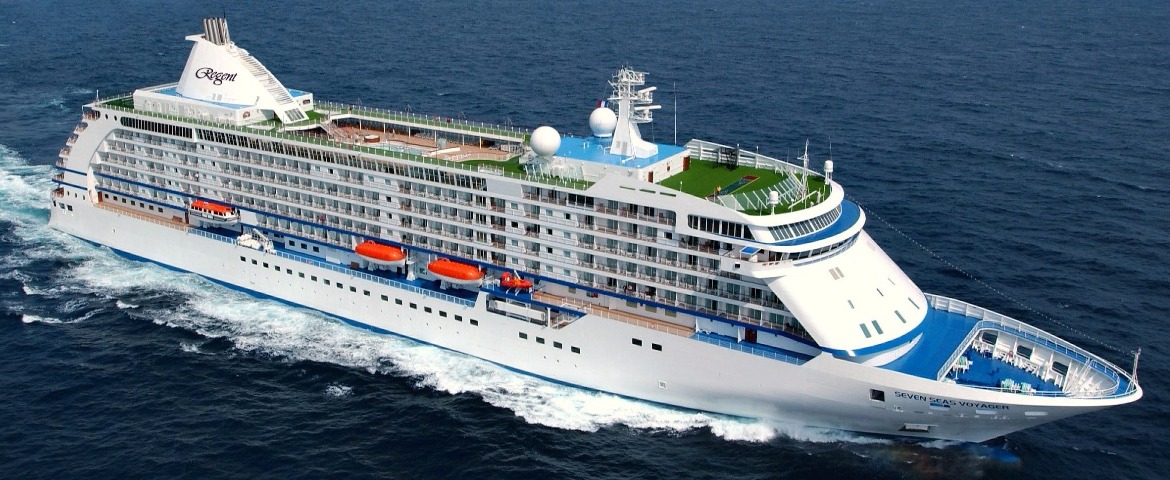
Regent Seven Seas Cruises (15 Cruises)
Seven Seas Mariner
6 Cruises
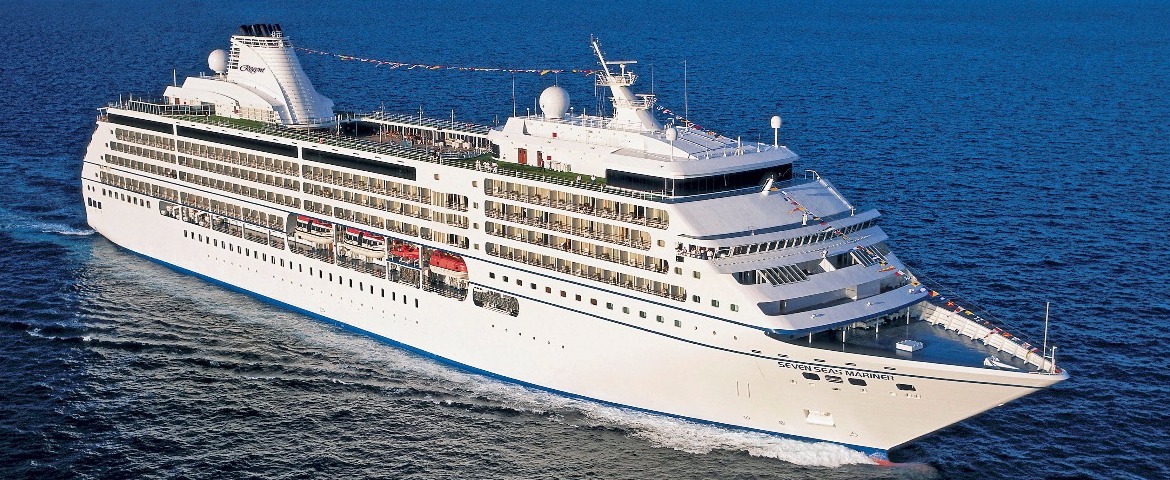

| 29 April | 174 days | One-way from New York to Piraeus-Athens |
450-628-6241
Call us
|
| 29 April | 175 days | One-way from New York to Piraeus-Athens |
450-628-6241
Call us
|
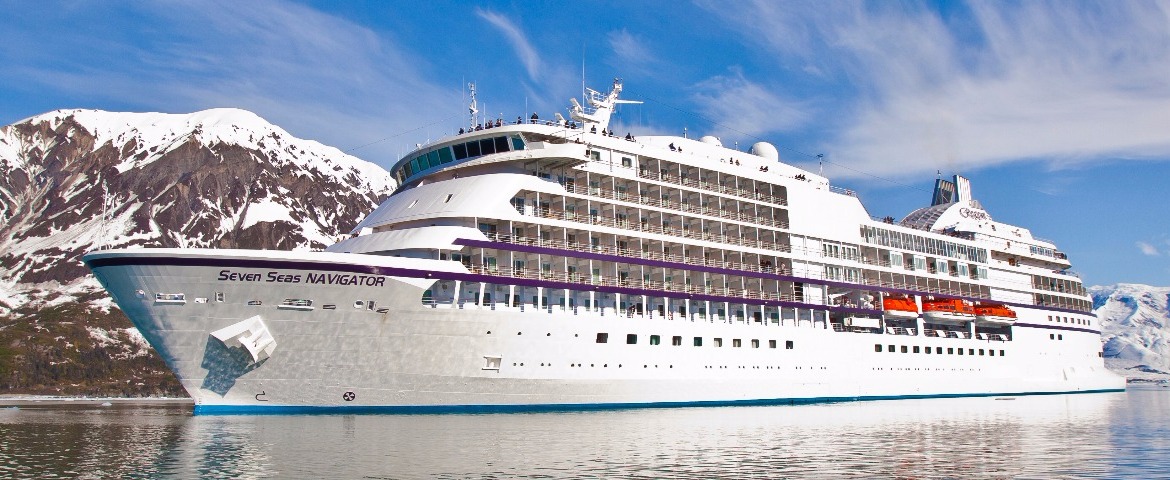
Seven Seas Navigator
6 Cruises
Royal Caribbean Cruises (8 Cruises)



Virgin Voyages (2 Cruises)

Port of Alexandria, Egypt | Cruise Port Guide
Frequently Asked Questions
In the historic harbour, minutes from downtown. Egypt's second city was founded by Alexander the Great in 331 BCE, and the port still occupies the same bay.
Both have their case, and it depends on your time in port. Cairo and the pyramids of Giza take about three hours by desert highway each way: a long day, but a well-oiled one. Alexandria itself fills a day easily, and with quite a setting.
A fortress built in 1477 by Sultan Qaitbay on the exact islet where the Lighthouse of Alexandria stood, one of the seven wonders of the ancient world, brought down by medieval earthquakes. Its builders reused the lighthouse blocks: walking the walls, you spot pink granite columns slipped among the pale stone.
Nothing standing. The lighthouse was destroyed by earthquakes in the Middle Ages, and its blocks went into building the Fort of Qaitbay, which occupies its site. That is the Alexandrian paradox: a city whose wonders are gone and whose aura is intact.
A vast disc of grey granite tilted toward the Mediterranean like a rising sun, opened in 2002 to reconnect with the city's scholarly tradition. Its tiered reading room, lit softly through hundreds of skylights, ranks among the great contemporary spaces of the Mediterranean.
A Roman necropolis in the Karmouz district, discovered in 1900, entered by a spiral staircase. There the gods of Egypt wear the toga: Anubis is dressed as a legionary, and the sarcophagi mix lotus with Greek garlands. That syncretism sums up the city better than any book.
A massive shaft of Aswan granite standing among the remains of the Serapeum and the recovered sphinxes. Despite the name, it was raised for the emperor Diocletian, not for Pompey.
Stroll some twenty kilometres of seafront among families and rod fishermen. The restaurants of the old port district serve grilled fish and shrimp picked from the display, and the moulded cafés inherited from the cosmopolitan era pour a mint tea that invites you to watch the city go by.
Yes, the gardens of Montaza Palace to the east, former royal grounds planted with palms and pines. It is a shaded pause facing the water, welcome at the hottest part of the day.
The cafés and streets of the centre, where the cosmopolitan metropolis of the last century still lingers, that of Greek, Italian and Levantine merchants. Almost nothing survives of the ancient glories, and yet everything here still speaks of them.


