Akureyri Iceland, Lake Myvatn
284
Cruises availables
At departure or passage at this port

Aurora Expeditions (1 Cruises)

Azamara Club Cruises (5 Cruises)

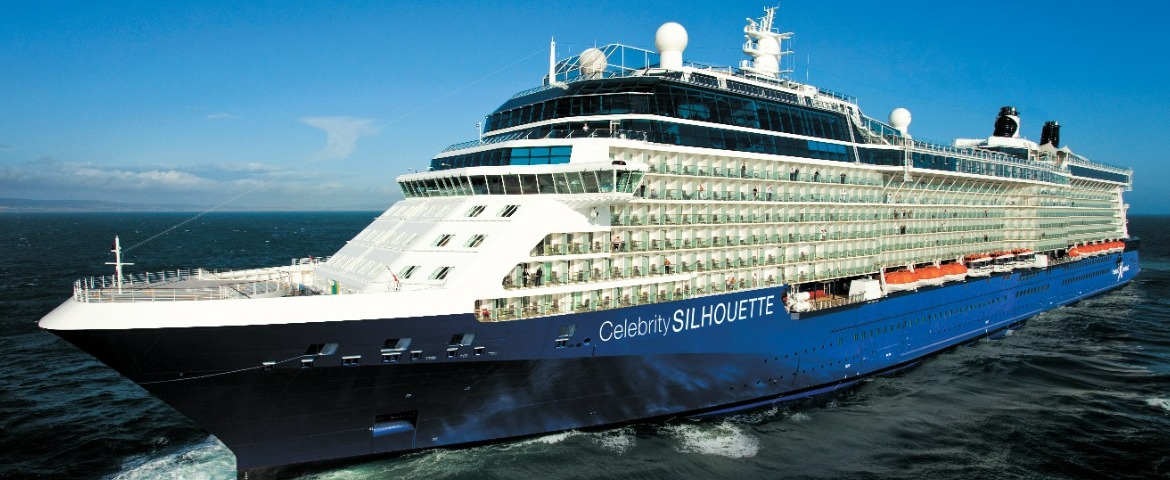
Celebrity Cruises (7 Cruises)
Celebrity Silhouette
7 Cruises

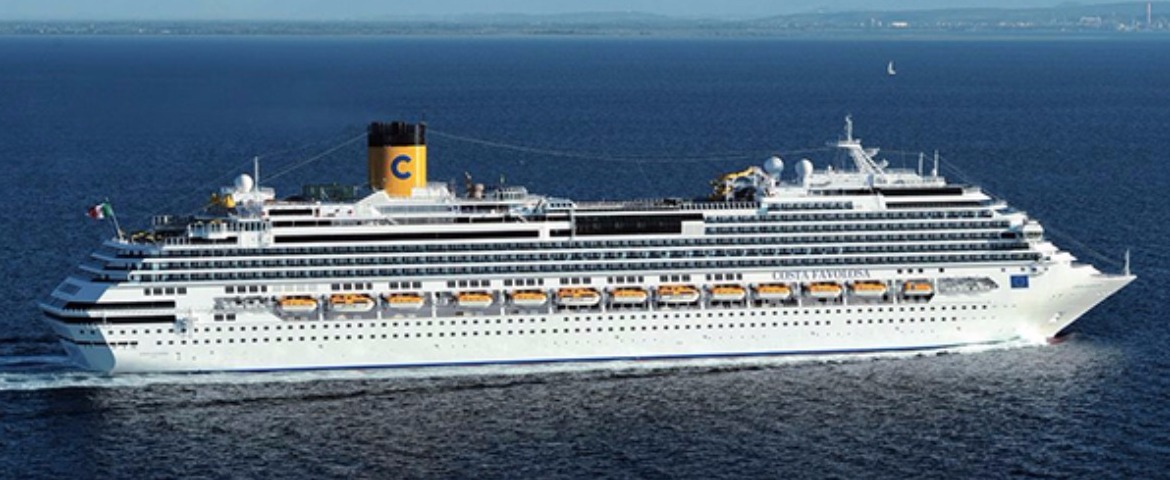
Costa Cruises (2 Cruises)




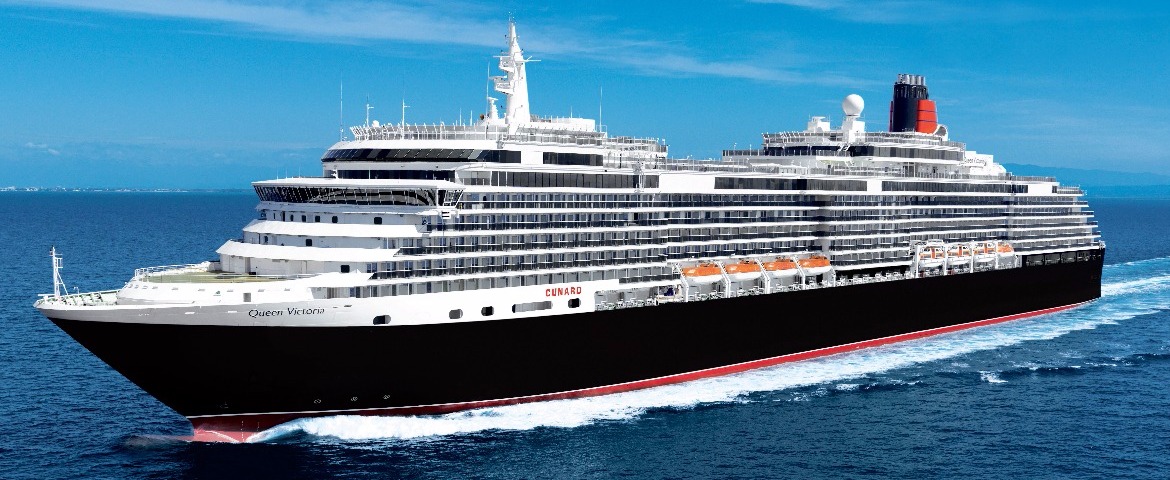
Explora Journeys (11 Cruises)
Explora IV
11 Cruises
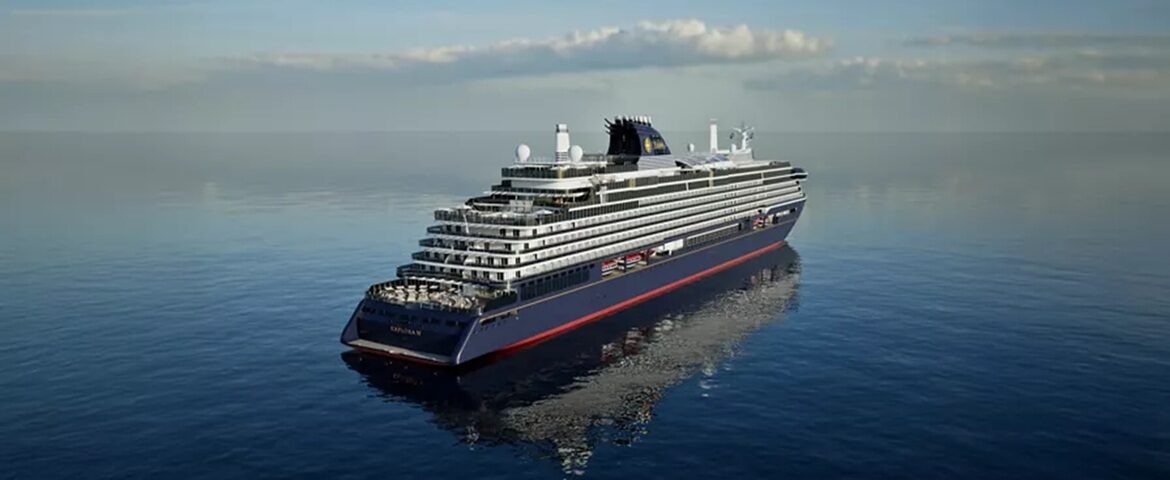

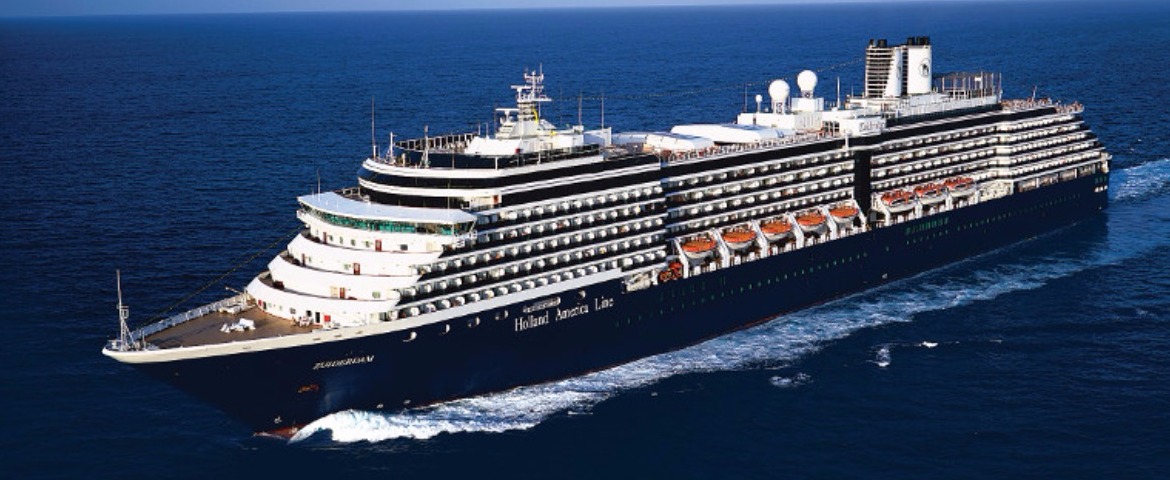
Holland America Line (28 Cruises)
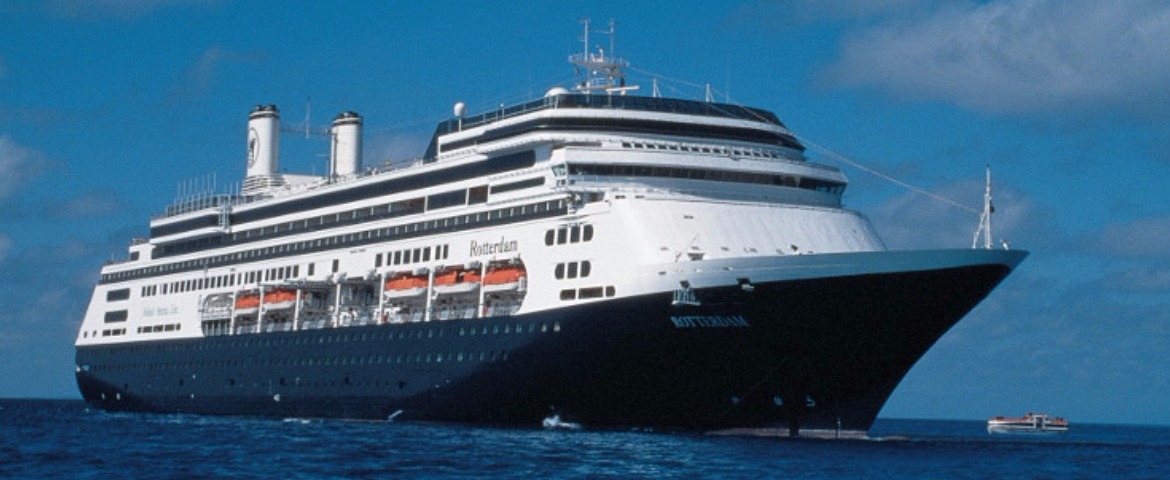
ms Rotterdam
18 Cruises

| 6 June | 7 nights | One-way from Rotterdam to Reykjavik |
450-628-6241
Call us
|
| 6 June | 14 nights | Round-trip from Rotterdam, Netherlands |
450-628-6241
Call us
|
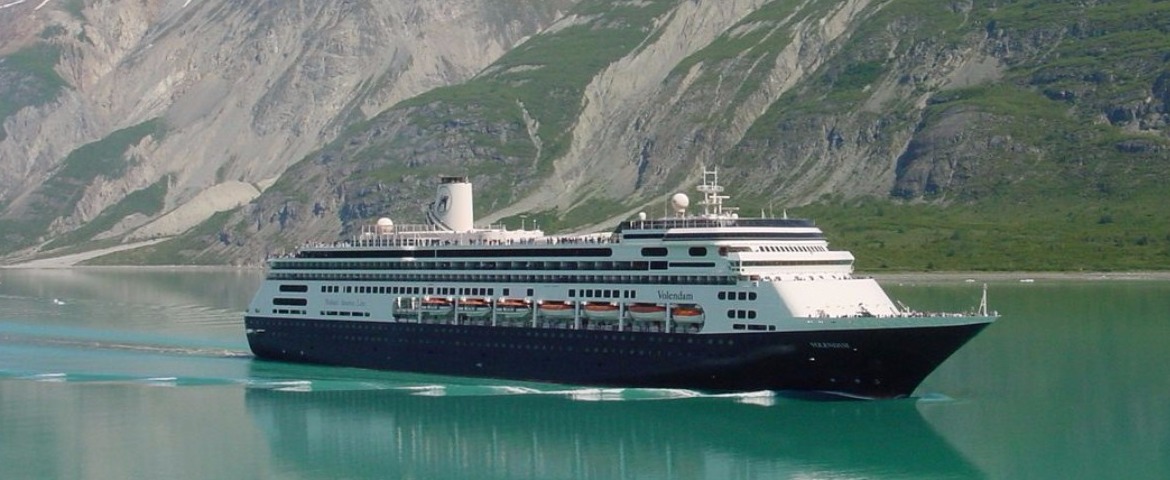
ms Zuiderdam
8 Cruises
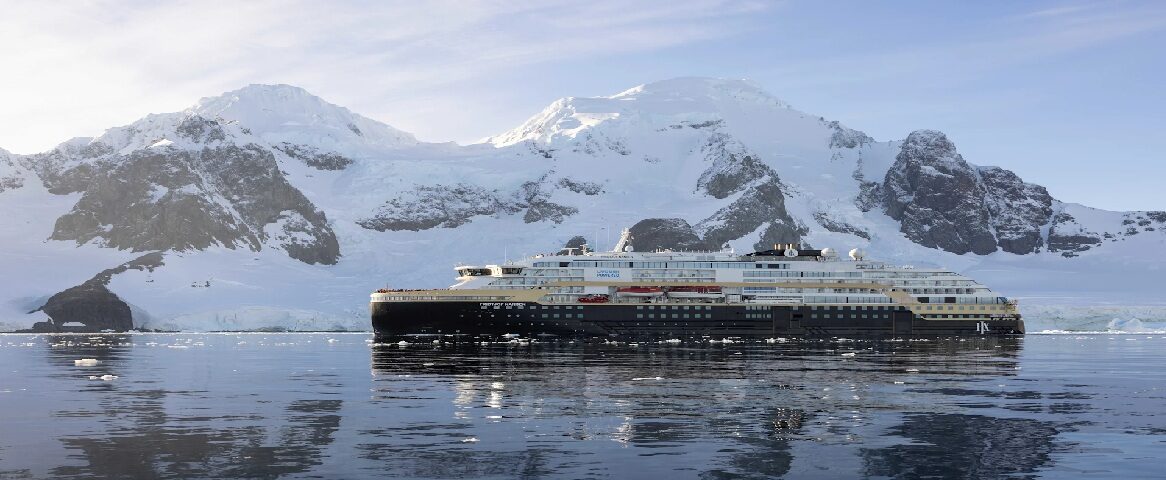
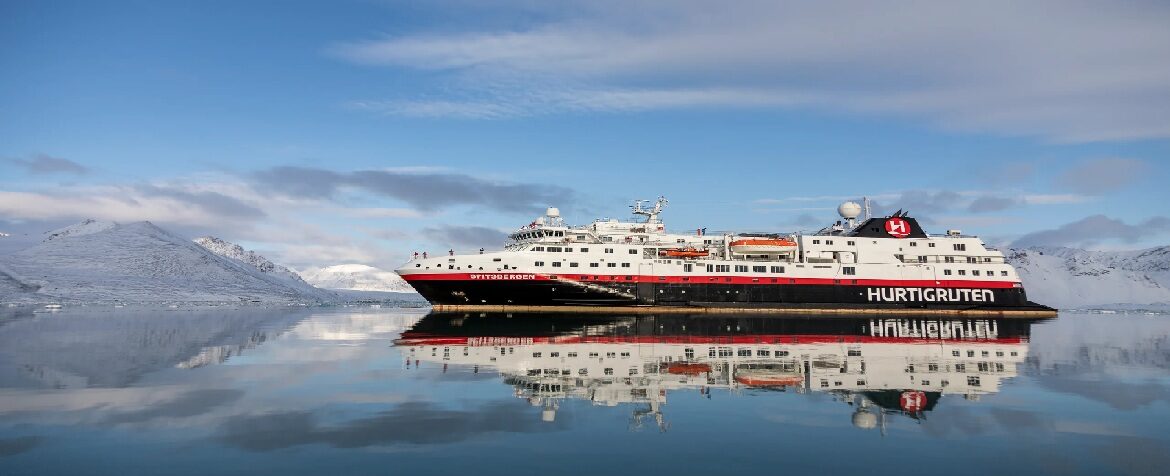
HX Expeditions (5 Cruises)

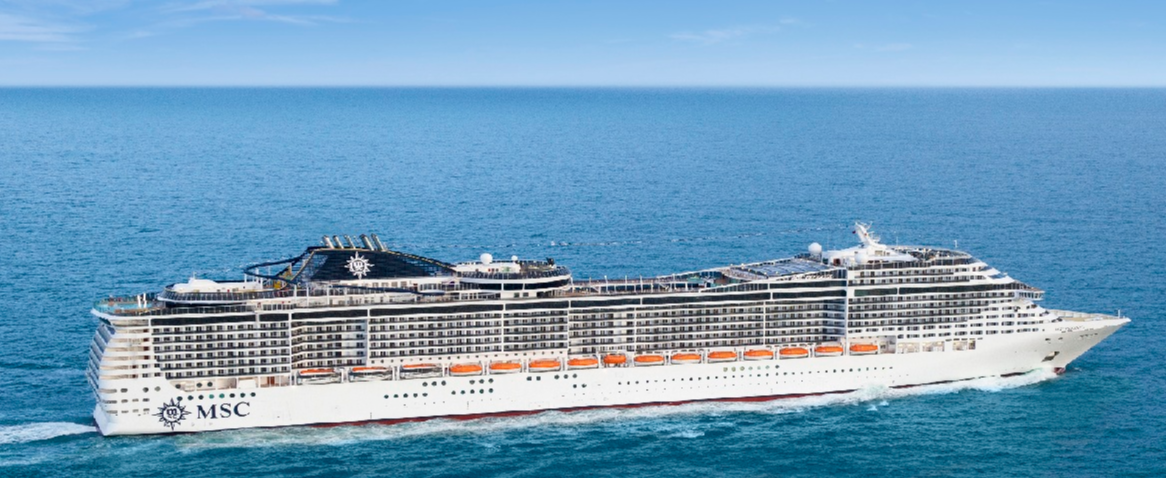
MSC Cruises (10 Cruises)

Norwegian Cruise Line (9 Cruises)
Norwegian Prima
9 Cruises
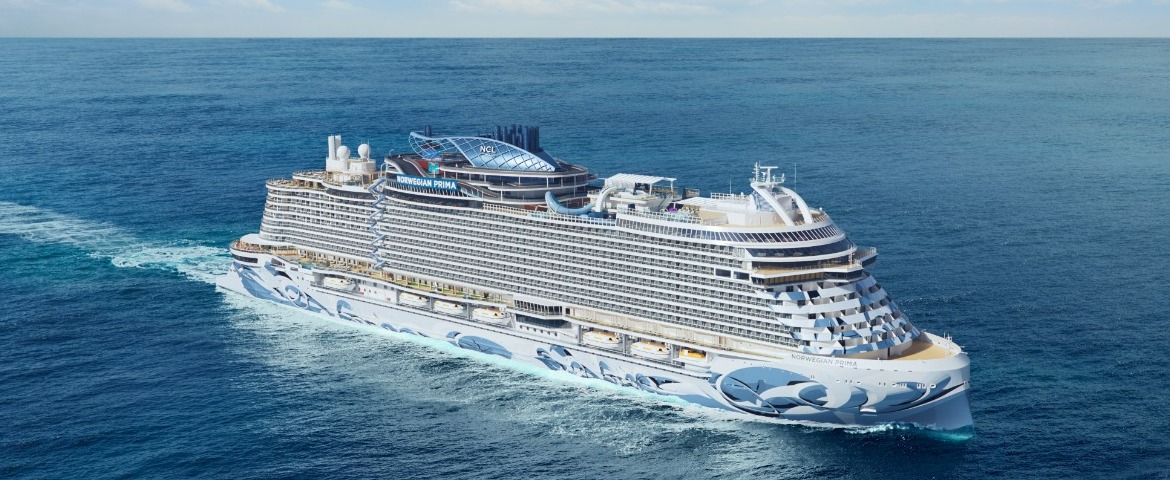

| 8 July | 10 nights | One-way from Reykjavik to Southampton |
From
2060$
|
| 29 July | 10 nights | One-way from Reykjavik to Southampton |
From
2116$
|
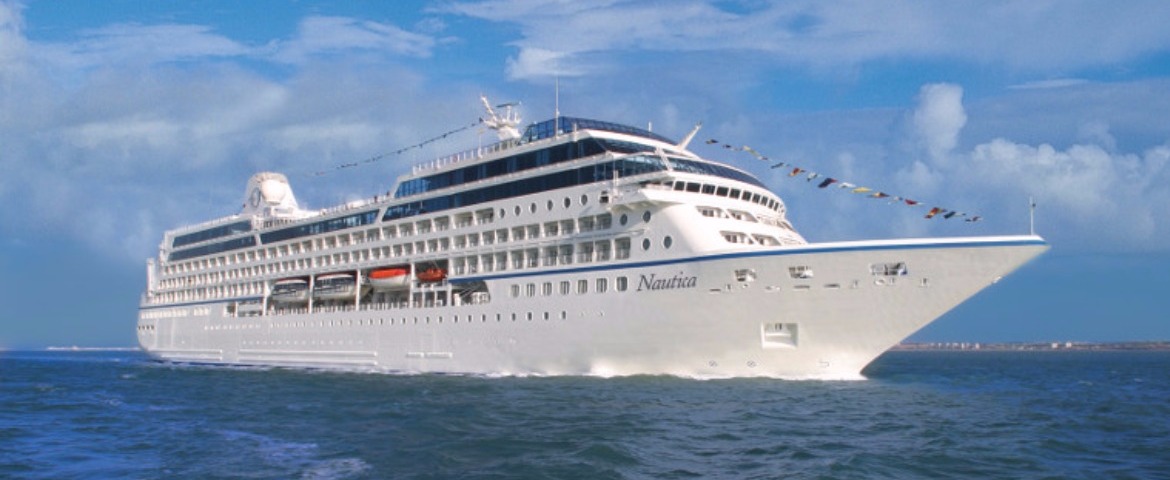
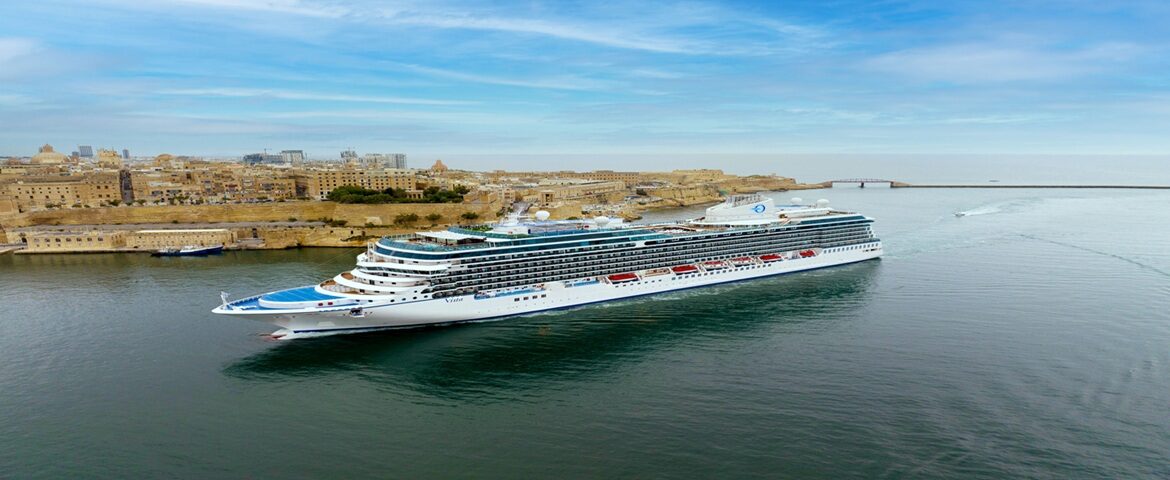
Oceania Cruises (21 Cruises)

Ponant (22 Cruises)
L'Austral
6 Cruises
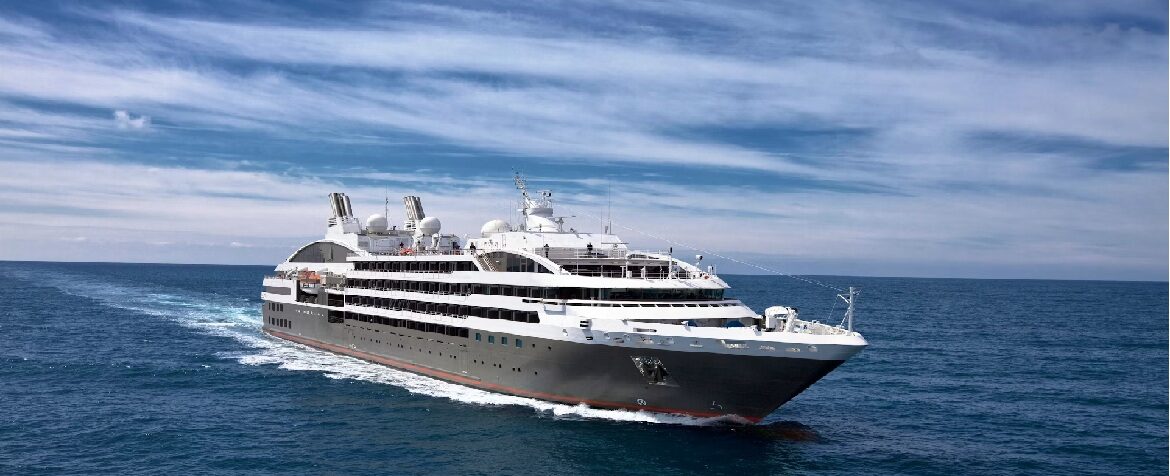

Le Bellot
10 Cruises
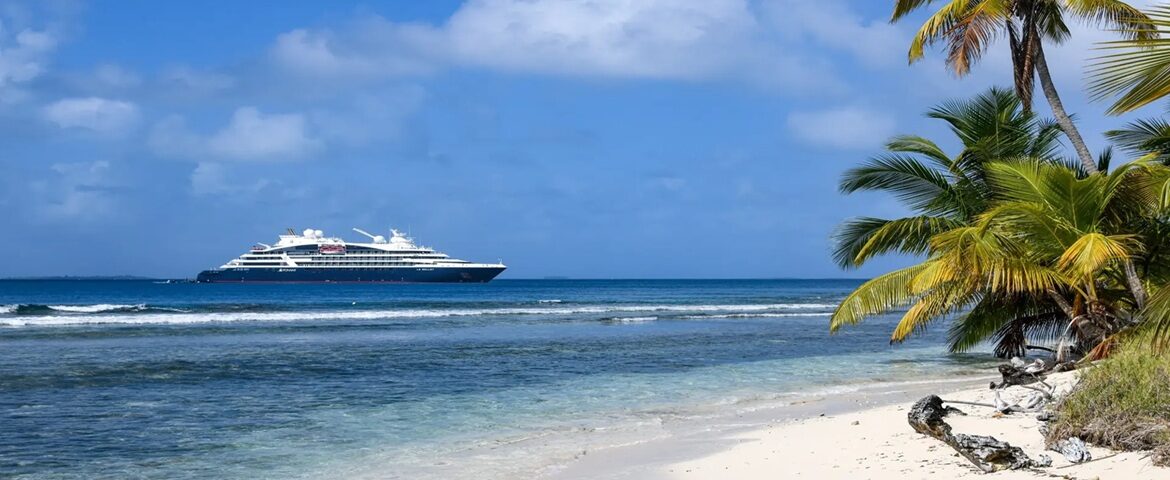
| 27 May | 6 days | Round-trip 7 Night Icelandic Mosaic Cruise |
450-628-6241
Call us
|
| 27 May | 7 nights | Round-trip from Reykjavik, Iceland |
450-628-6241
Call us
|
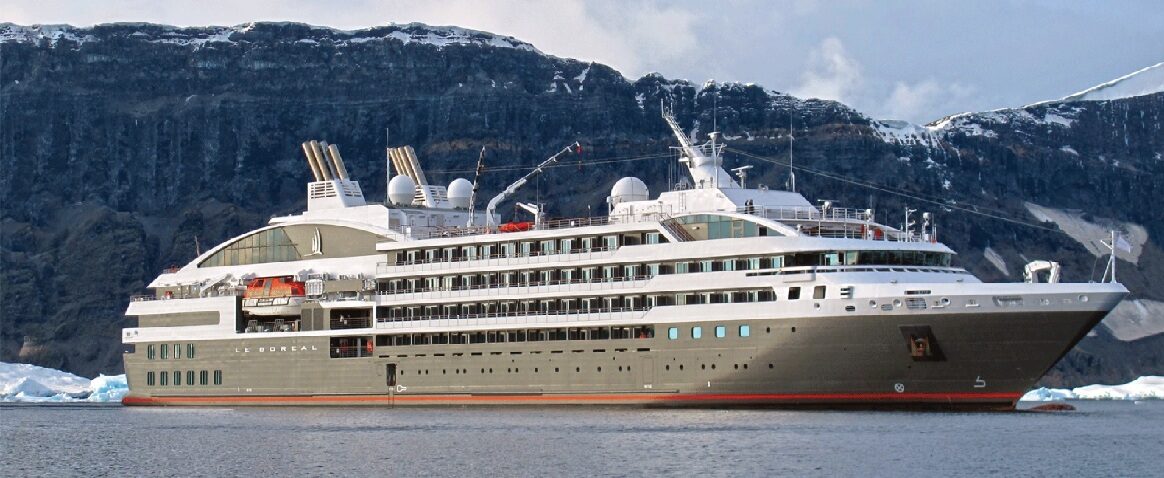
Le Boreal
6 Cruises
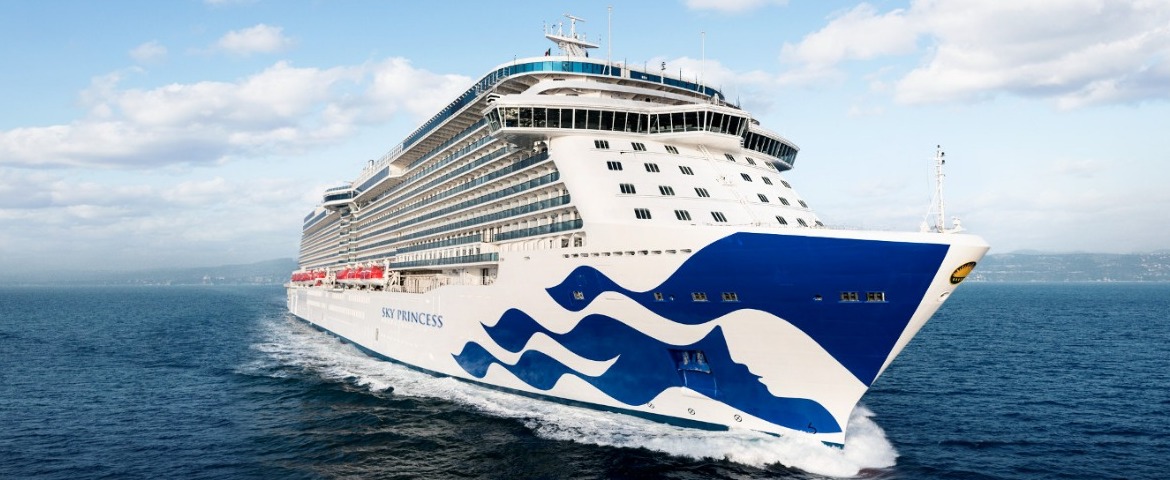
Princess Cruises (82 Cruises)
Caribbean Princess
42 Cruises
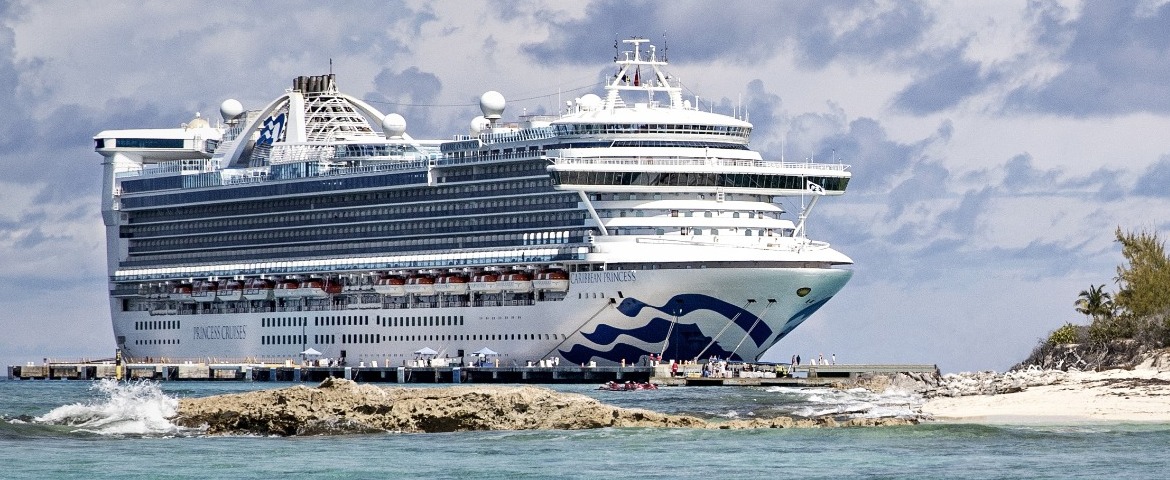

| 29 April | 40 nights | Round-trip from Southampton, United Kingdom |
450-628-6241
Call us
|
| 29 April | 31 nights | One-way from Southampton to Reykjavik |
450-628-6241
Call us
|
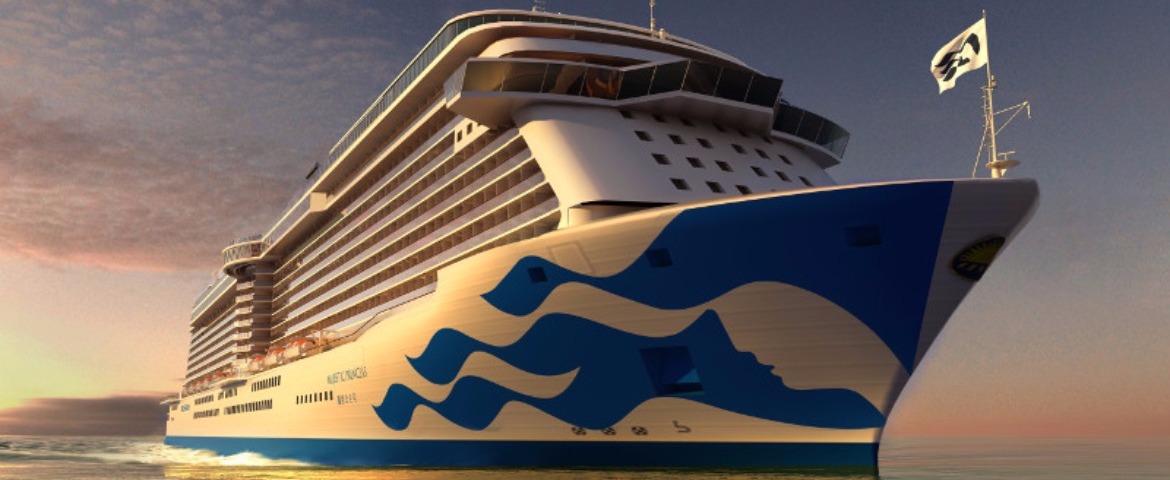
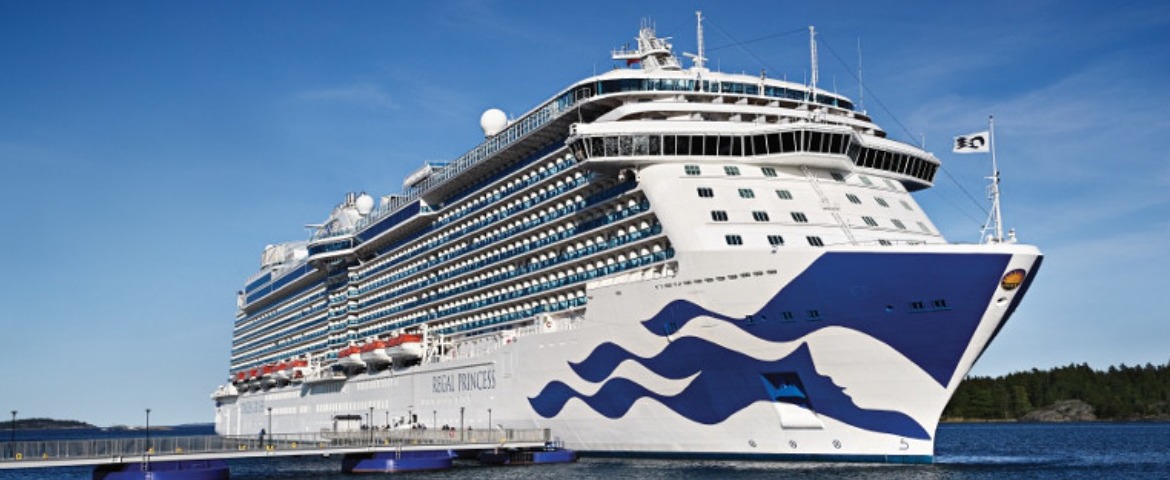
Regal Princess
34 Cruises
Regent Seven Seas Cruises (18 Cruises)
Seven Seas Mariner
8 Cruises


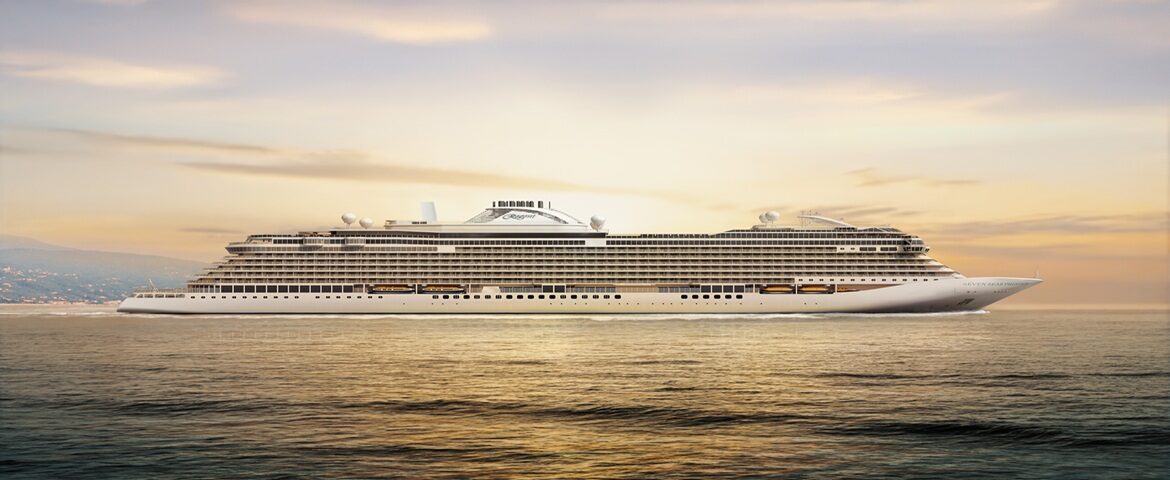
Seven Seas Prestige
5 Cruises
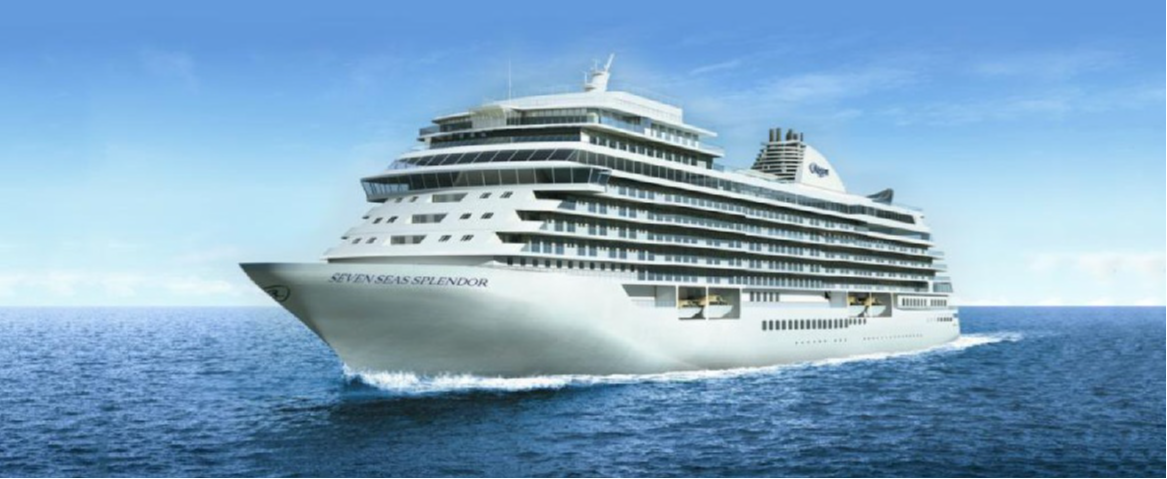
Seven Seas Splendor
5 Cruises


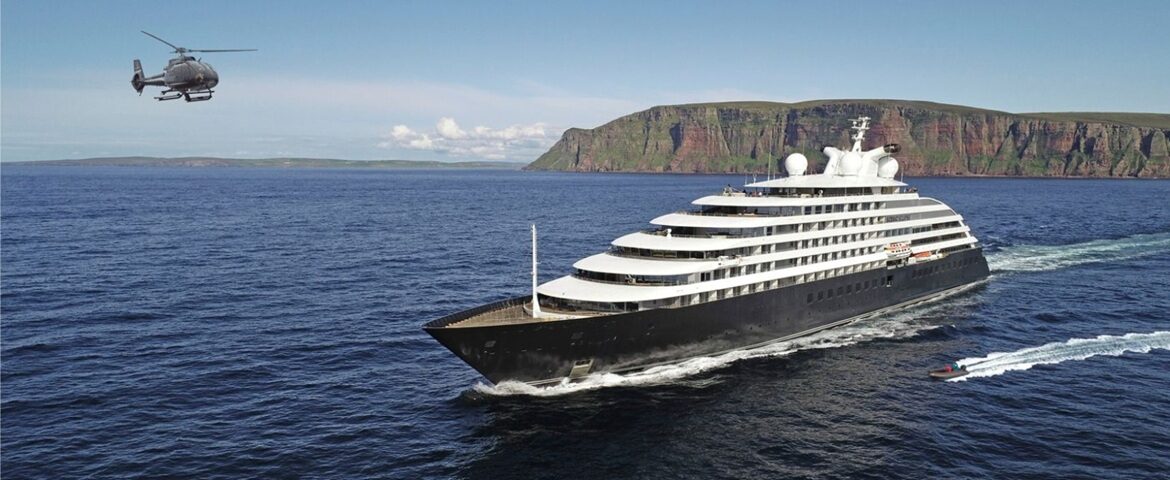
Silversea Cruises (2 Cruises)
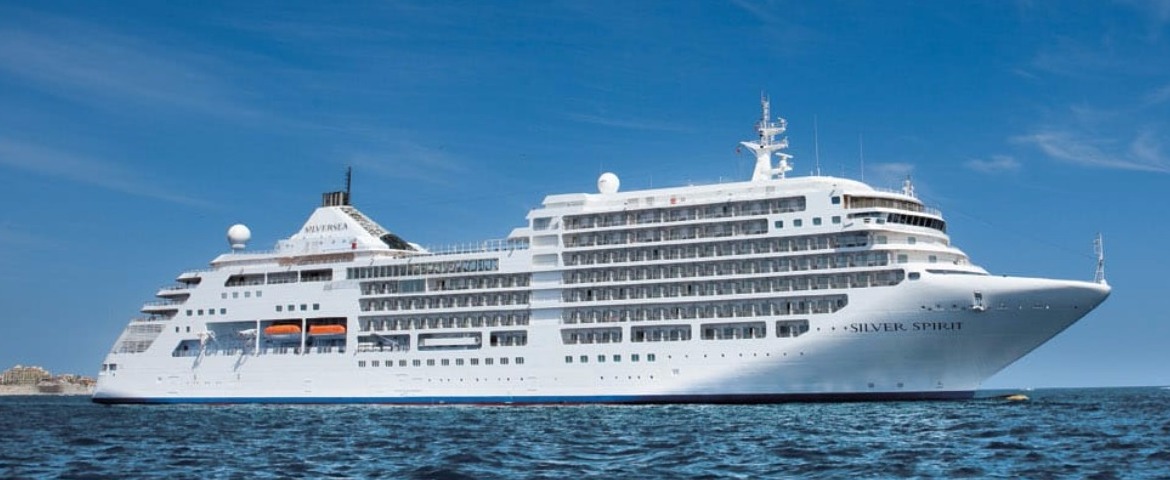

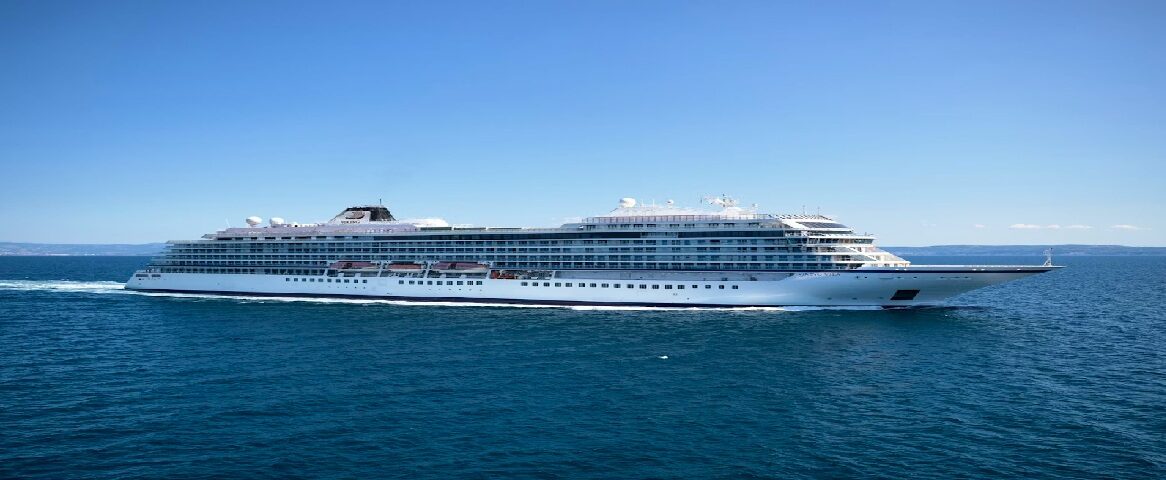
Viking Ocean Cruises (29 Cruises)
Viking Mars
10 Cruises
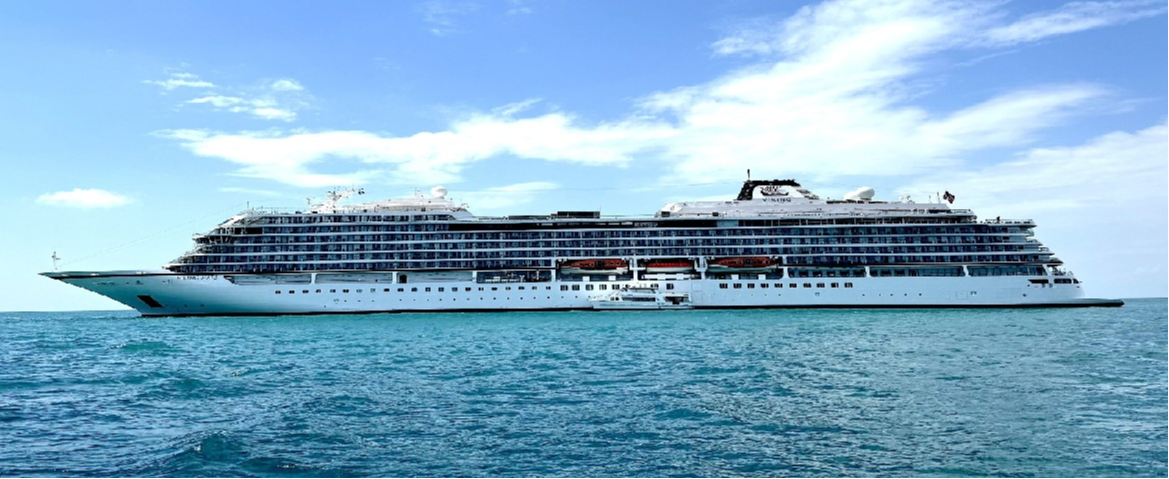

| 10 June | 10 nights | One-way from Reykjavik to Bergen |
450-628-6241
Call us
|
| 22 June | 10 nights | One-way from Bergen to Reykjavik |
450-628-6241
Call us
|
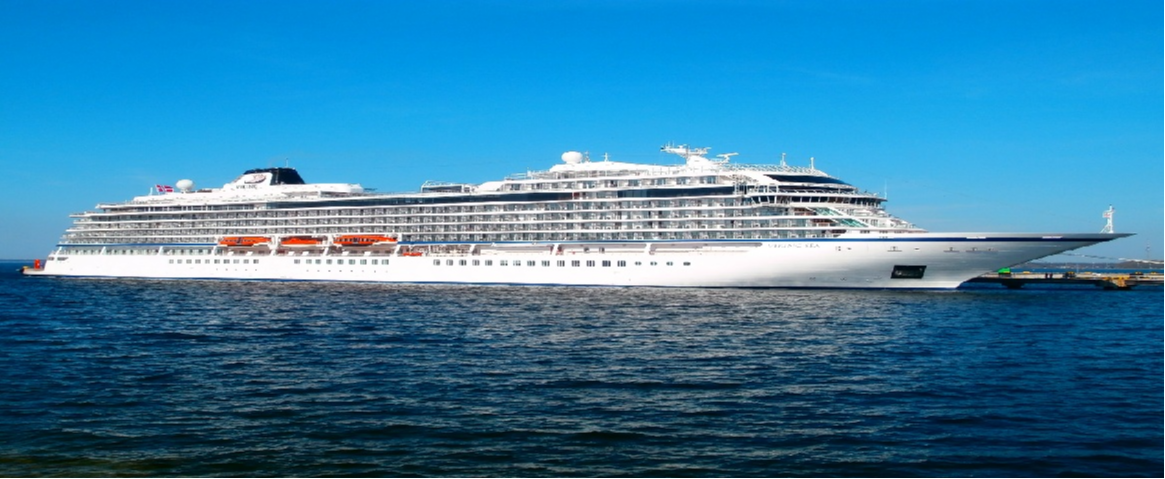
Viking Sea
13 Cruises
Windstar Cruises (7 Cruises)
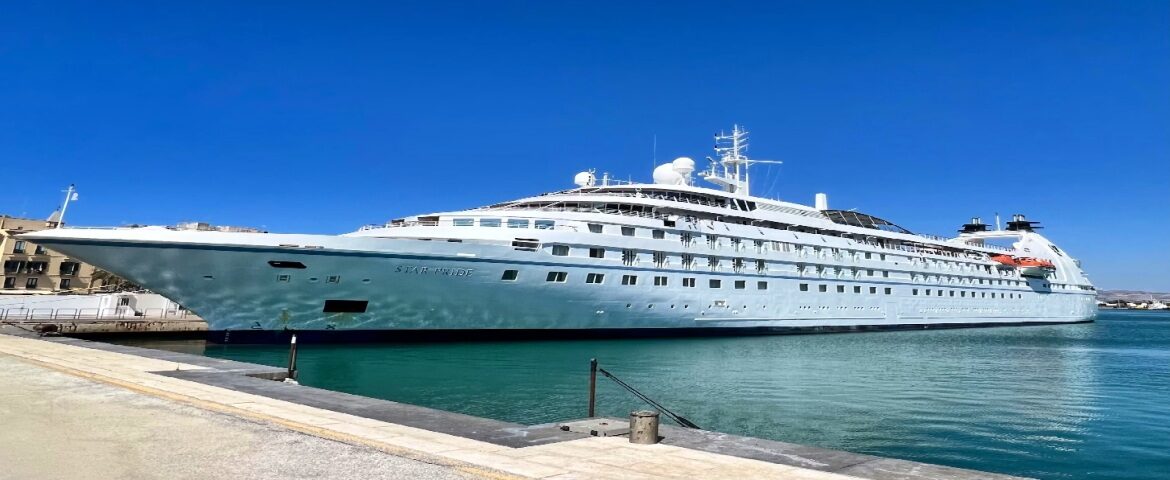
Star Pride
7 Cruises


Port of Akureyri, Iceland | Cruise Port Guide
Frequently Asked Questions
Alongside, a five- to ten-minute walk from the town centre. Few Icelandic ports give themselves up so easily: no shuttle is needed to reach the main street. The arrival itself is worth being up for, as the ship sails up Eyjafjörður, Iceland's longest fjord, for close to an hour.
Yes, the town is entirely walkable. Pedestrian Hafnarstræti, the Akureyrarkirkja church at the top of its long staircase, and the botanical garden about 1.5 km from the quay all connect without transport. Excursions outside town do require a vehicle.
Choose between the town and one outing; rarely both in full. The centre and church take one to two hours, the botanical garden another hour. Goðafoss fills half a day and Lake Mývatn half a day or more, so heading to Mývatn means giving up on seeing Akureyri itself.
It is the "waterfall of the gods", about 45 km and 45 minutes' drive to the east, where the Skjálfandafljót river drops in a wide horseshoe. The name is said to date from the year 1000, when the speaker of the Icelandic assembly, having ruled in favour of Christianity, threw his pagan idols into the falls. Paths run along both banks, close enough to catch the spray.
Yes, and its very existence is a feat: thousands of species grown less than 100 km from the Arctic Circle, thanks to the surprisingly mild microclimate at the head of the fjord. Himalayan blue poppies, Arctic plants and Icelandic flowers share a well-kept valley, free to enter. It is one of the few places on earth where you can botanise under the midnight sun.
Yes. Whale-watching trips leave from the port to find the humpbacks that frequent Eyjafjörður in summer, with sighting rates among the best in the country. Some passengers even spot them from the deck while the ship sails up the fjord.
They are a legacy of a local optimism campaign launched after the 2008 financial crisis. The detail makes everyone smile and has become, quite unintentionally, the town's most photographed emblem.
Yes, the area's geothermal lagoons are reachable on excursion, including one set in forest above the slopes. It is the Icelandic way to end a call: warm water, cool air on your hair. Pack a swimsuit and towel in your day bag rather than leaving them in the cabin.
The Icelandic króna, and Icelandic. In practice cards work everywhere, down to small cafés and stalls, and cash is almost unnecessary. English is spoken fluently; French turns up occasionally in tourist shops.
Summer, from June to August: whale season in Eyjafjörður, the botanical garden in bloom, and daylight that barely ends. The peaks framing the fjord often stay snow-capped even then, which gives the arrival its setting. Outside the season, excursions to Mývatn thin out and weather becomes a real factor.


