Sorrento Italy
293
Cruises availables
At departure or passage at this port
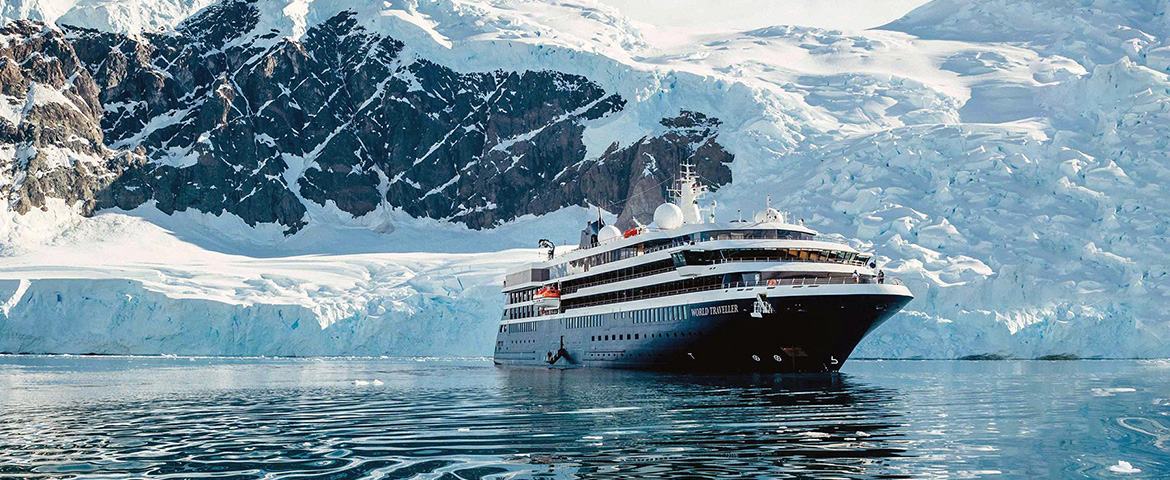
Atlas Ocean Voyages (2 Cruises)

Azamara Club Cruises (33 Cruises)
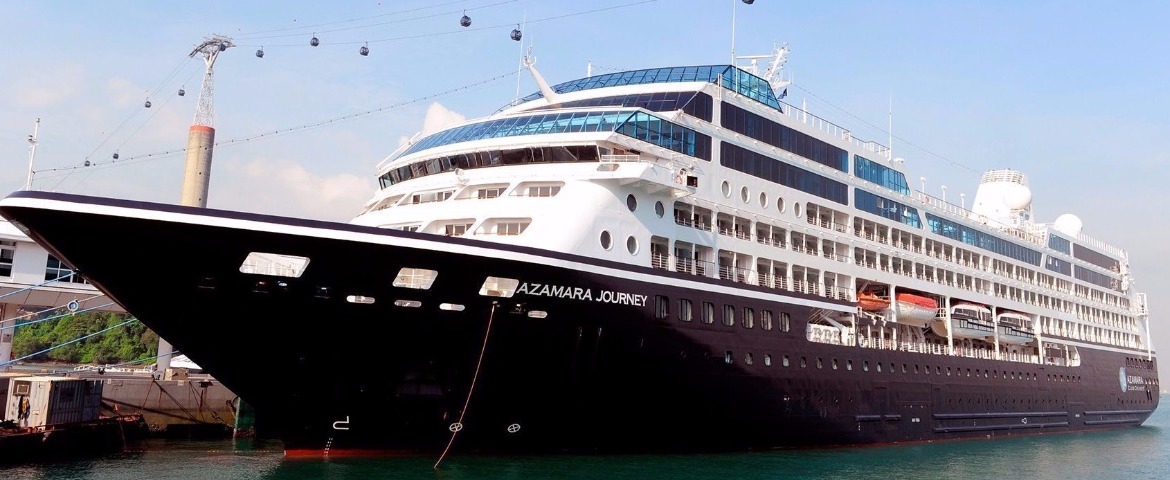
Azamara Journey
14 Cruises

| 5 May | 10 days | One-way from Venice to Civitavecchia-Rome |
450-628-6241
Call us
|
| 5 May | 10 nights | One-way from Chioggia to Civitavecchia-Rome |
450-628-6241
Call us
|
Azamara Onward
16 Cruises
| 16 May | 18 nights | One-way from Venice to Barcelona |
450-628-6241
Call us
|
| 16 May | 11 nights | One-way from Venice to Civitavecchia-Rome |
450-628-6241
Call us
|
| 8 June | 21 nights | One-way from Barcelona to Piraeus-Athens |
450-628-6241
Call us
|
| 8 June | 11 nights | One-way from Barcelona to Venice |
450-628-6241
Call us
|
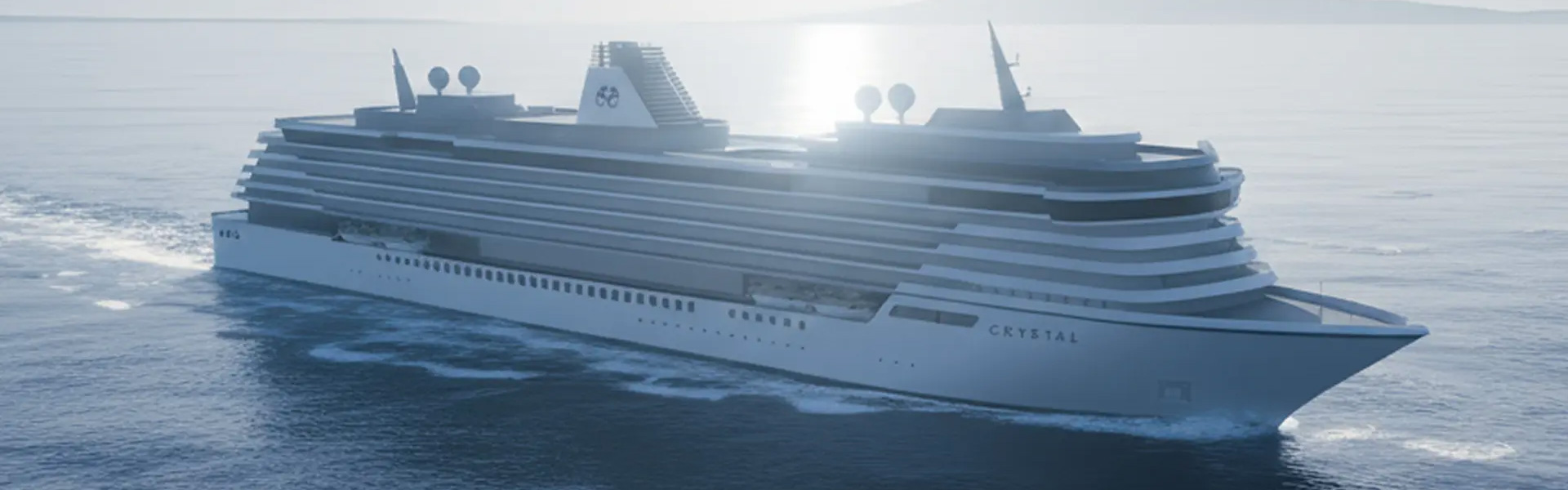
Crystal Cruises (16 Cruises)
Crystal Grace
8 Cruises

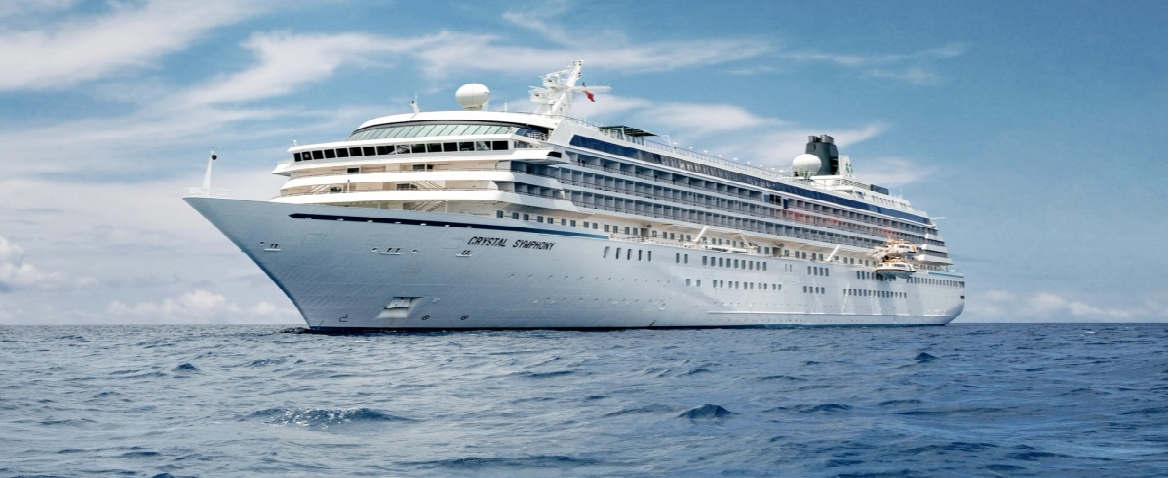
Crystal Symphony
8 Cruises
| 11 January | 151 days | Round-trip 150 Night Roundtrip Fort Lauderdale Cruise |
450-628-6241
Call us
|
| 11 January | 137 days | One-way from Fort Lauderdale to Barcelona |
450-628-6241
Call us
|
Cunard (9 Cruises)
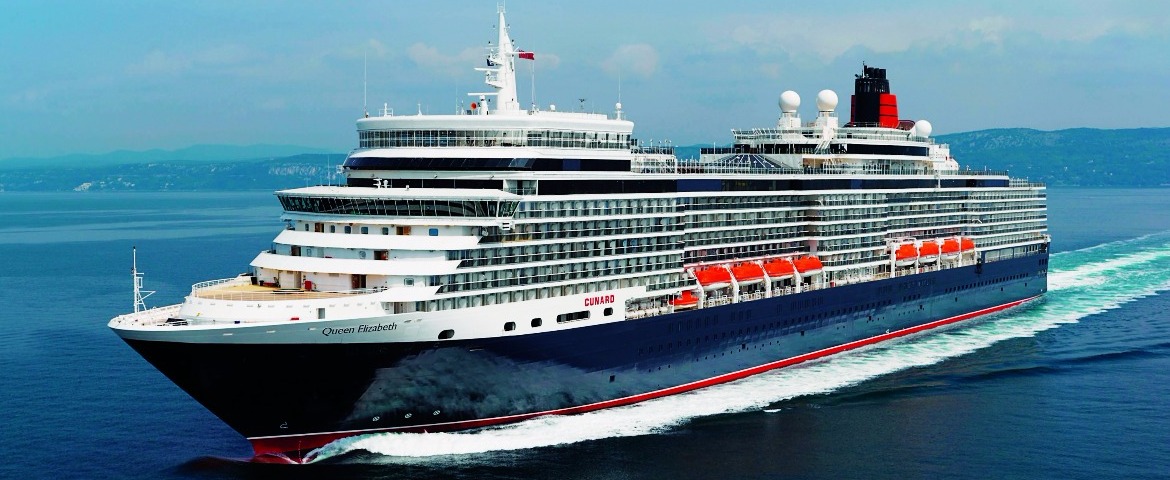
Queen Elizabeth
9 Cruises
Emerald Waterways (30 Cruises)
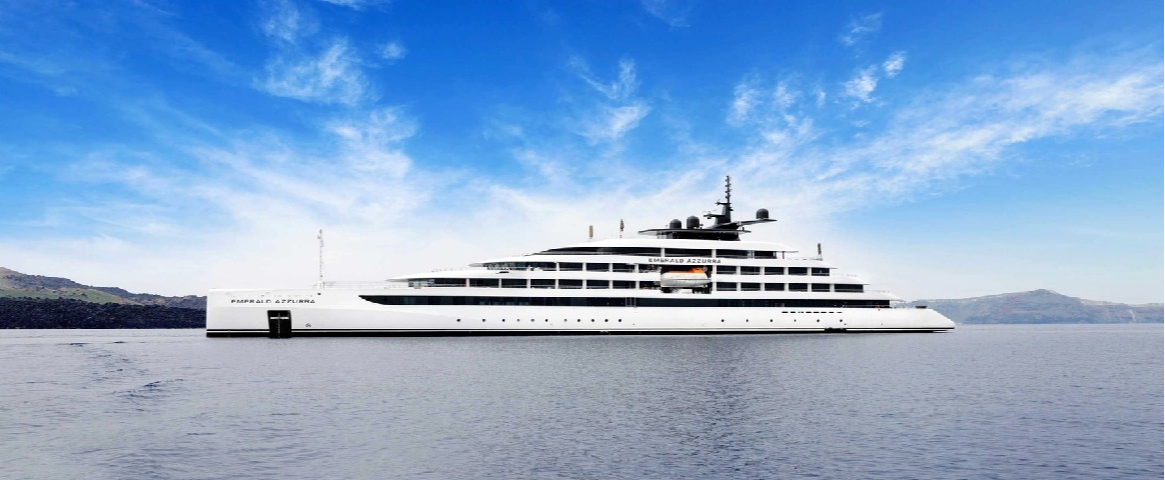

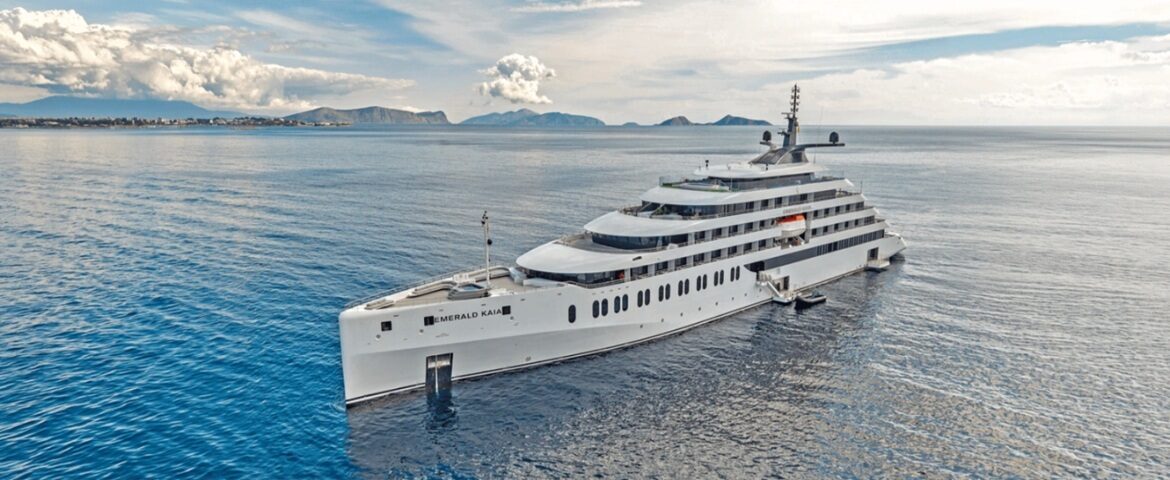
Emerald Kaia
10 Cruises
| 8 May | 9 nights | One-way from Dubrovnik to Rome City |
450-628-6241
Call us
|
| 17 May | 12 nights | One-way from Civitavecchia-Rome to Dubrovnik |
450-628-6241
Call us
|
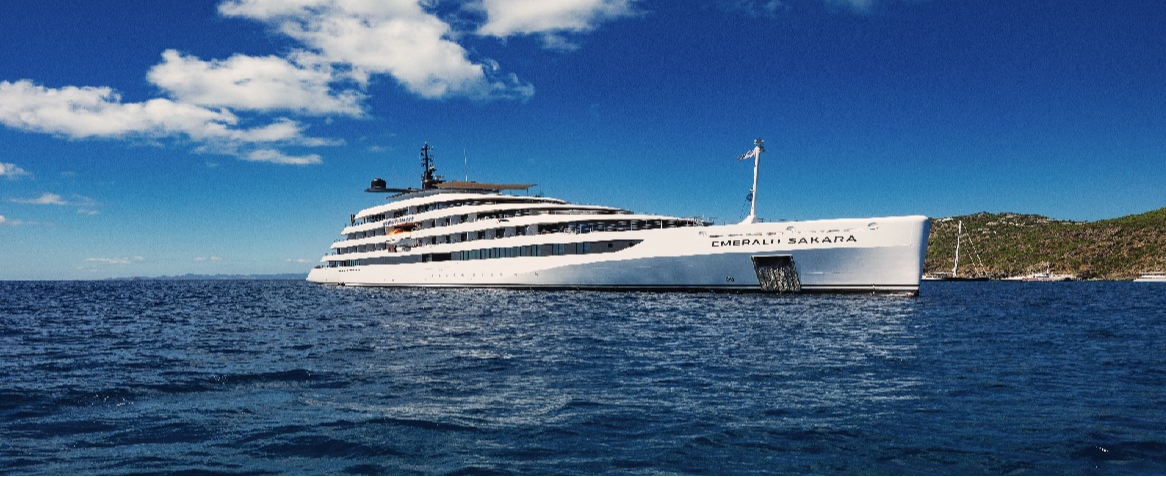
Emerald Sakara
14 Cruises
| 2 May | 11 nights | One-way from Barcelona to Rome City |
450-628-6241
Call us
|
| 13 May | 7 nights | Round-trip from Rome City, Italy |
450-628-6241
Call us
|
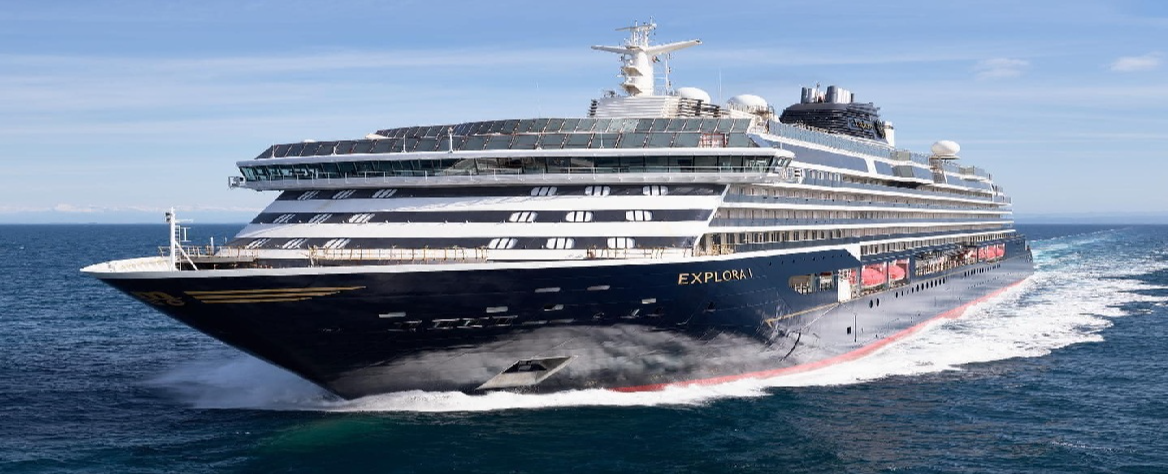

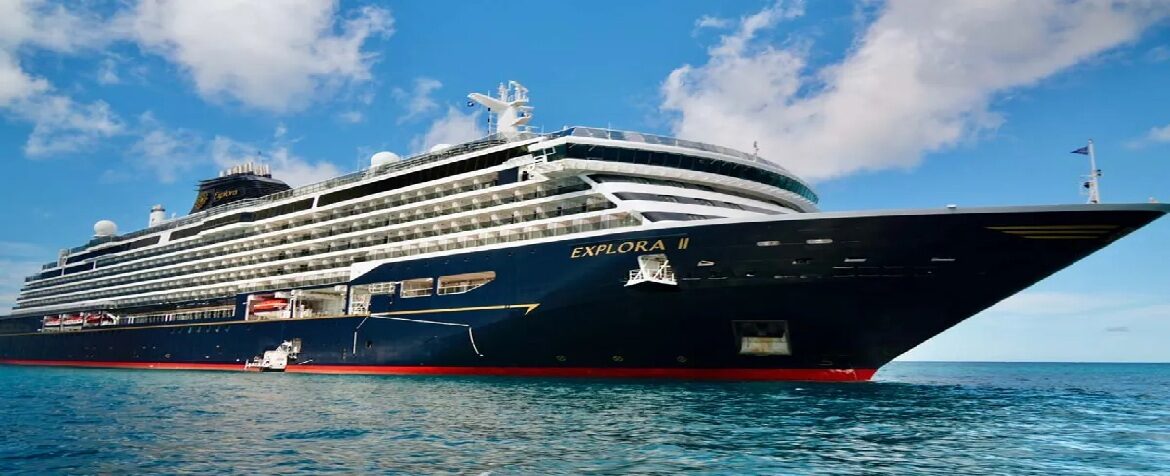
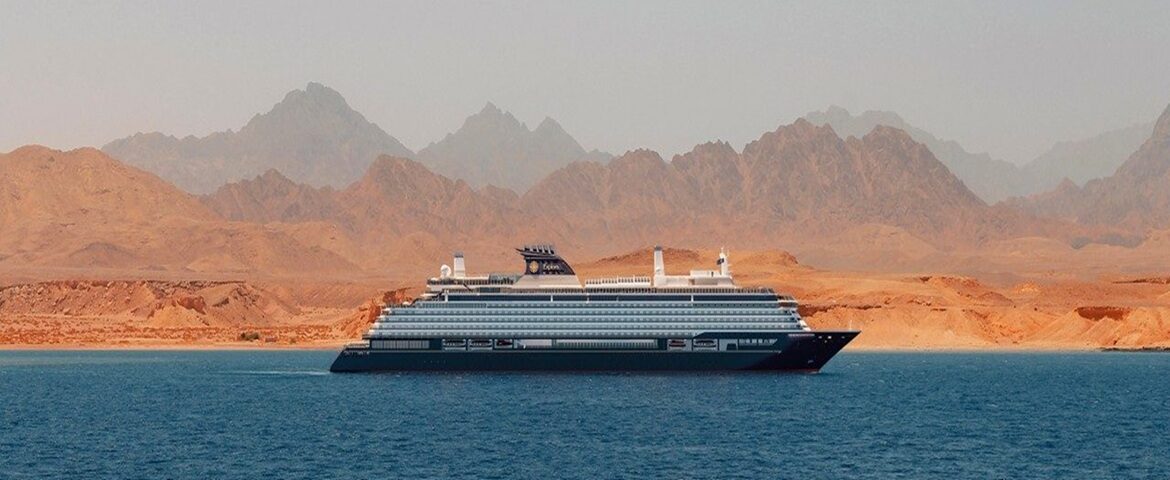
Oceania Cruises (25 Cruises)
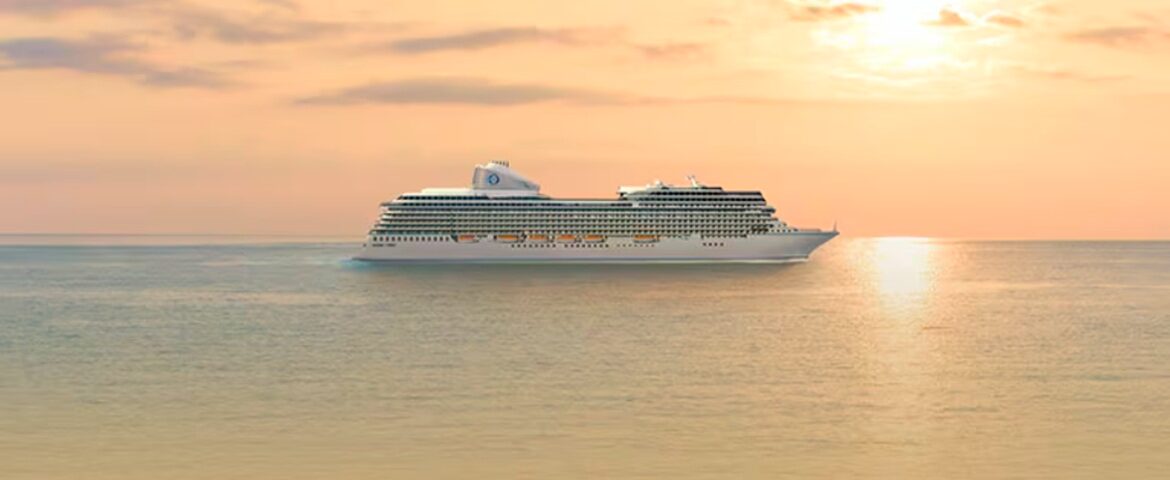

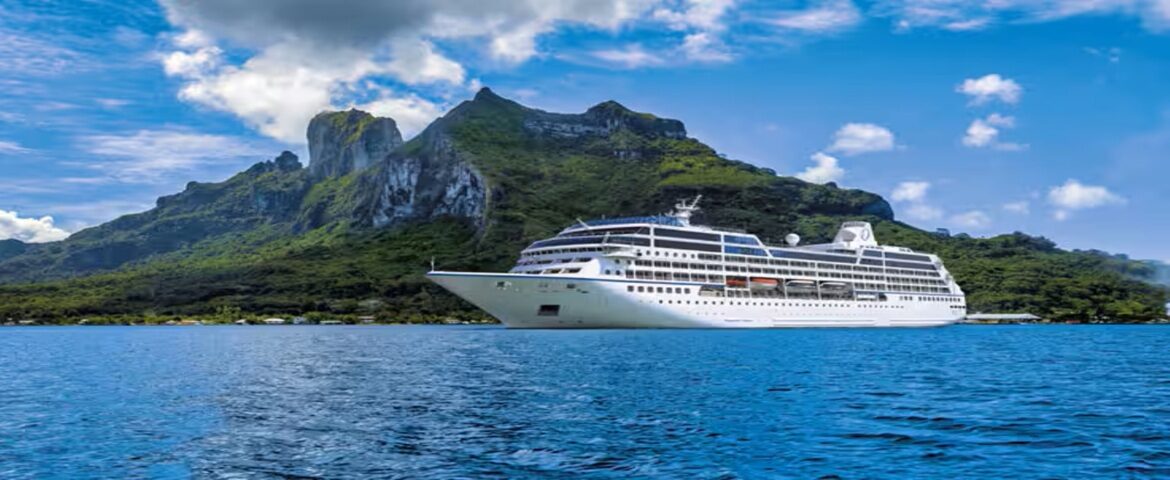
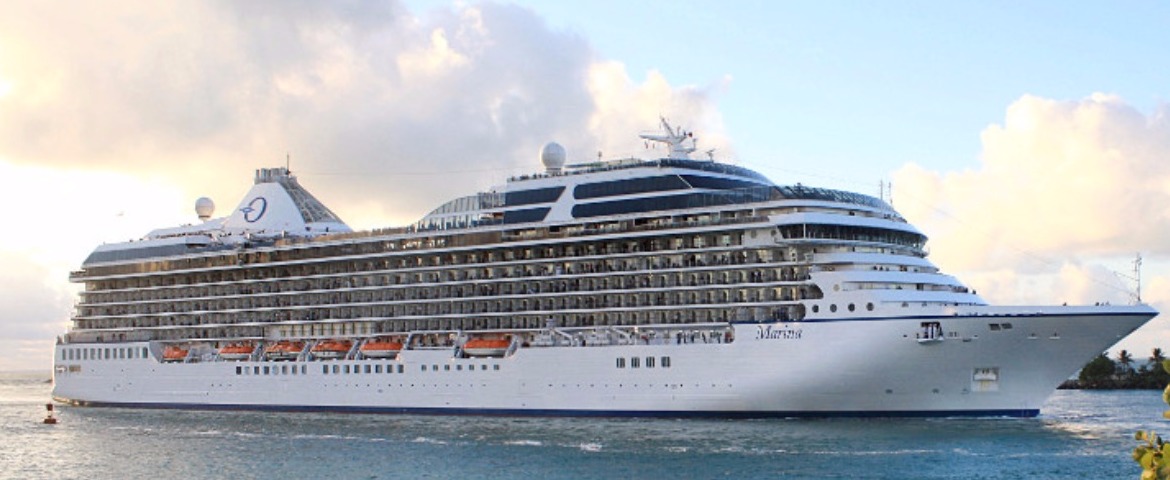
Oceania Marina
8 Cruises
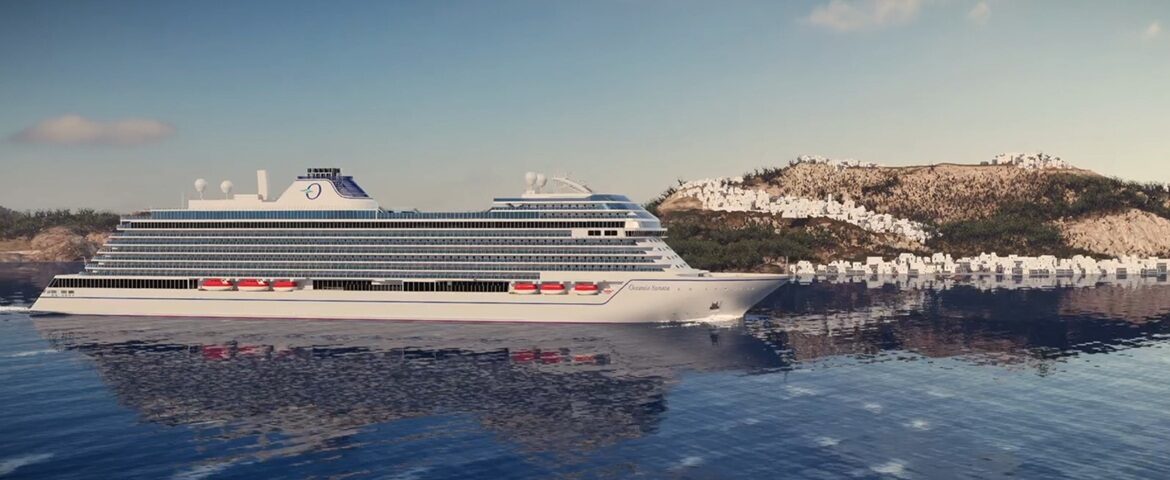
Oceania Vista
8 Cruises
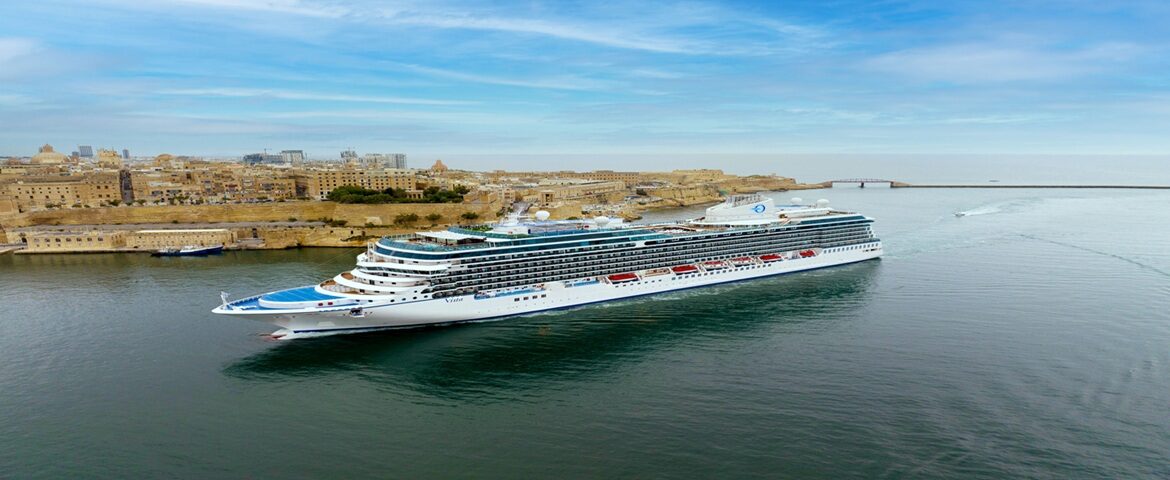
| 6 January | 180 days | One-way from Miami to Southampton |
450-628-6241
Call us
|
| 6 January | 244 days | One-way from Miami to New York |
450-628-6241
Call us
|
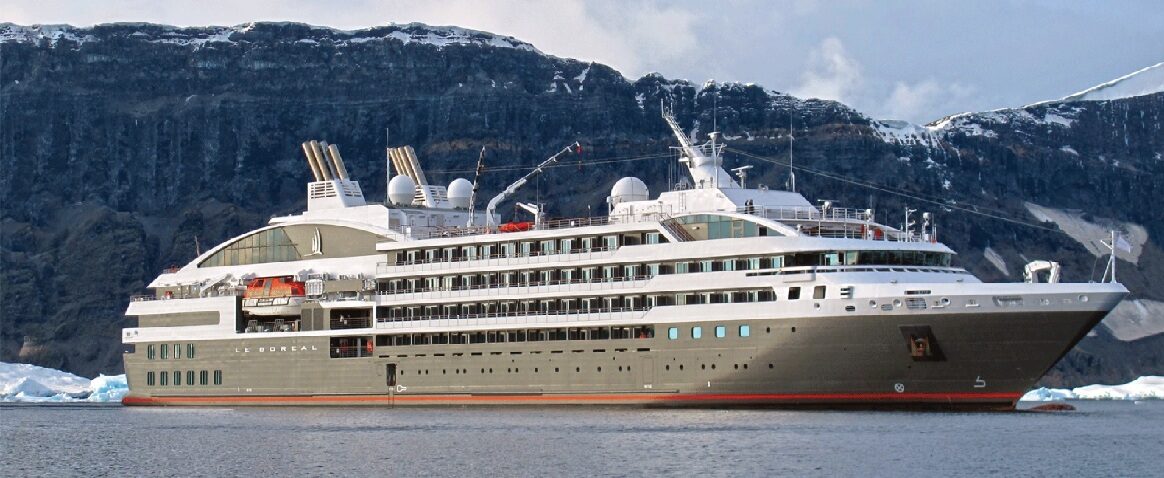
Ponant (2 Cruises)

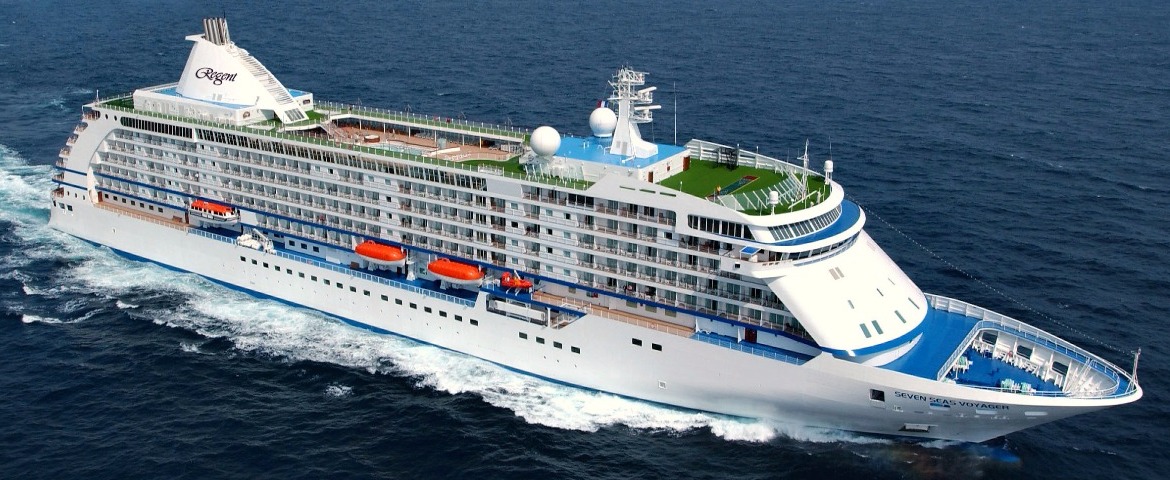
Regent Seven Seas Cruises (19 Cruises)
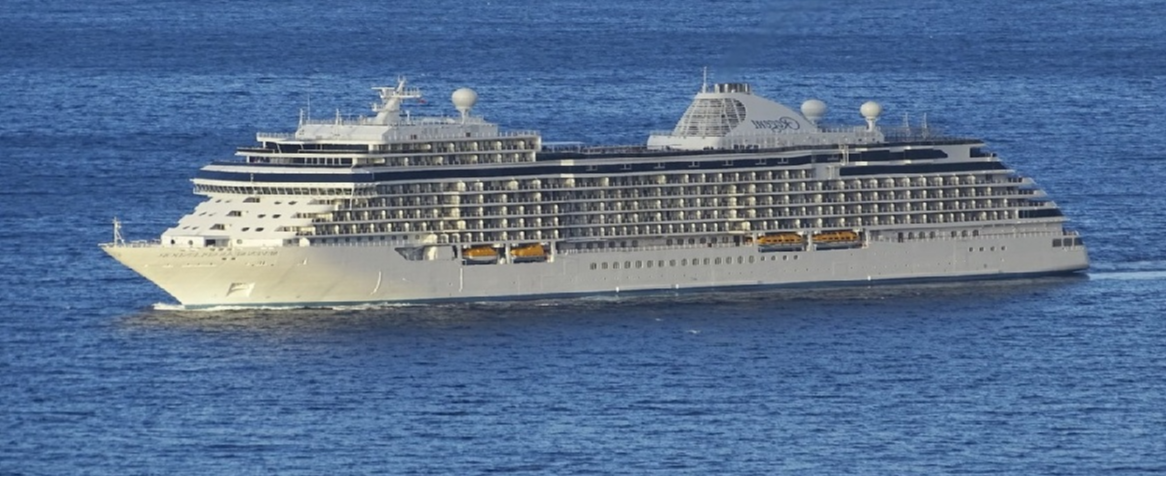

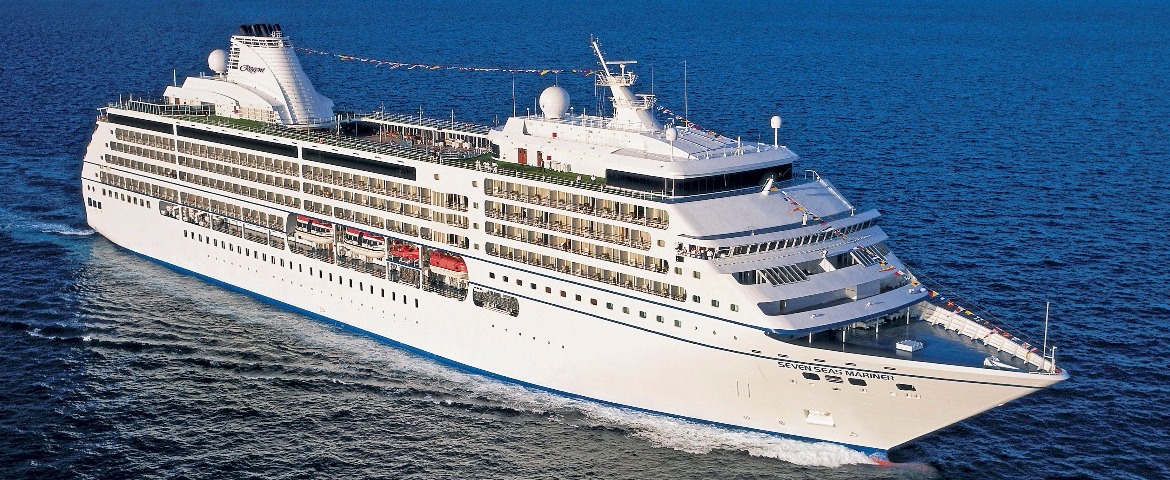
Seven Seas Prestige
7 Cruises
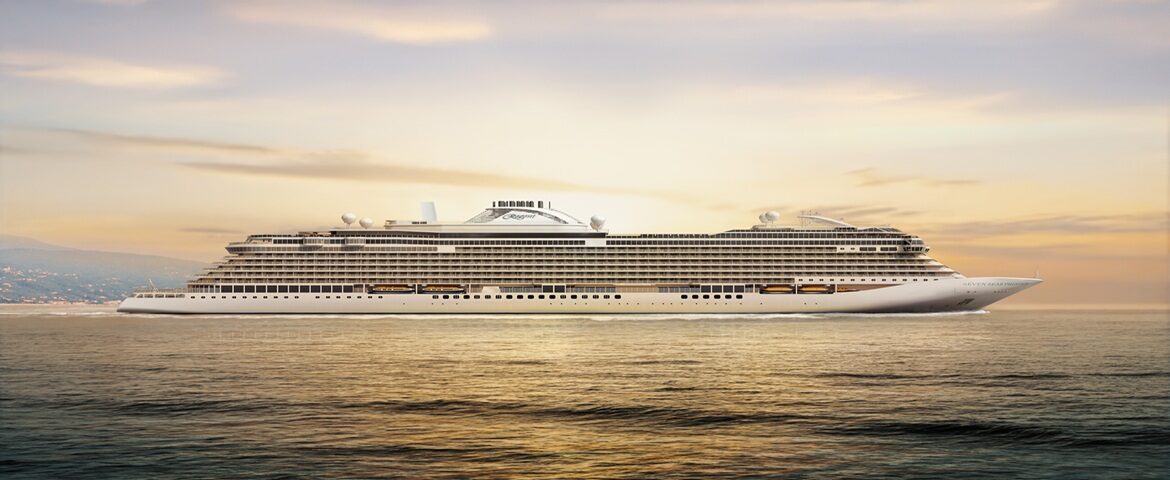
| 5 August | 7 nights | One-way from Piraeus-Athens to Civitavecchia-Rome |
450-628-6241
Call us
|
| 12 August | 9 nights | One-way from Civitavecchia-Rome to Trieste |
450-628-6241
Call us
|
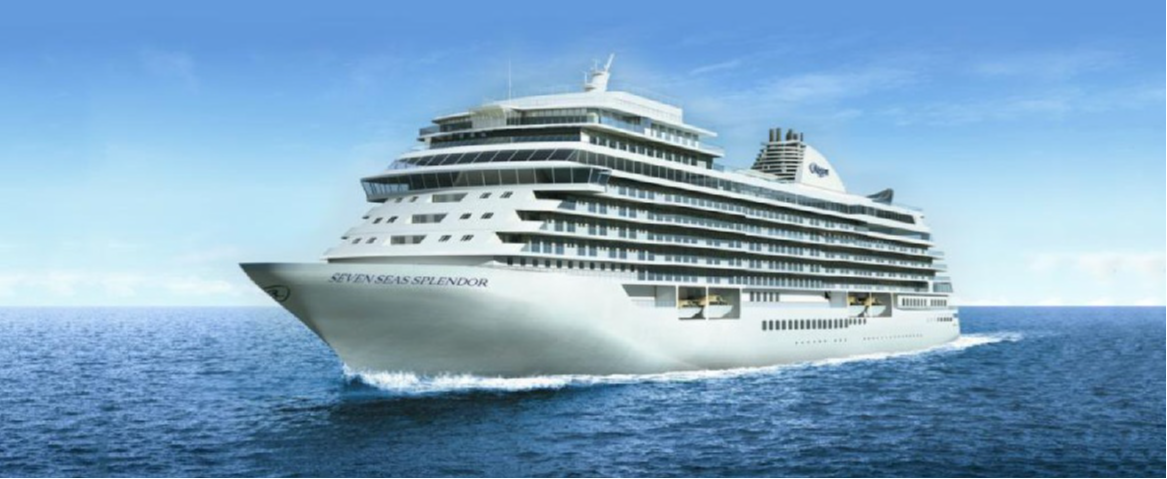
Seven Seas Splendor
4 Cruises
Scenic Cruises (12 Cruises)
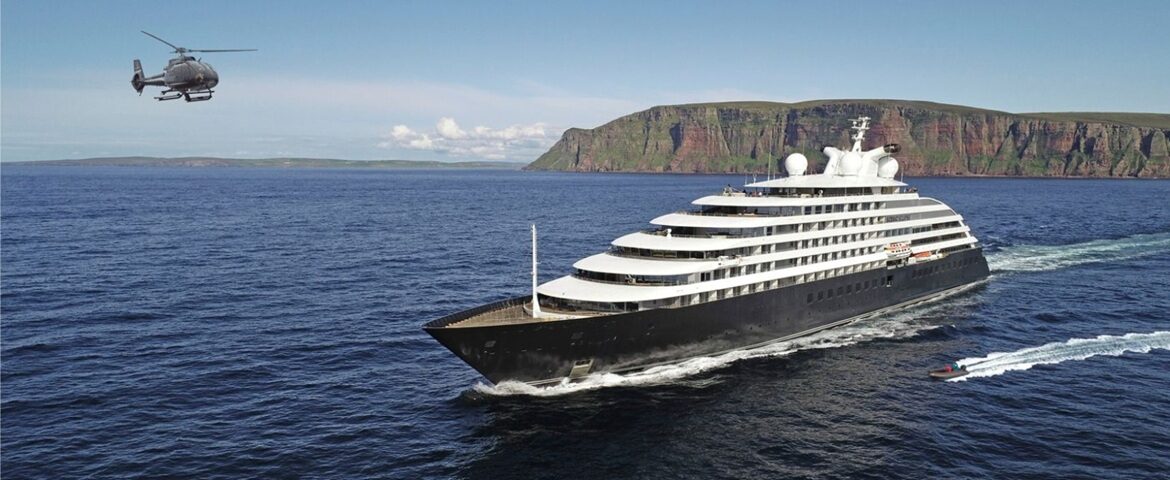
Scenic Eclipse
6 Cruises


Scenic Eclipse II
6 Cruises
Seabourn Cruise Line (35 Cruises)
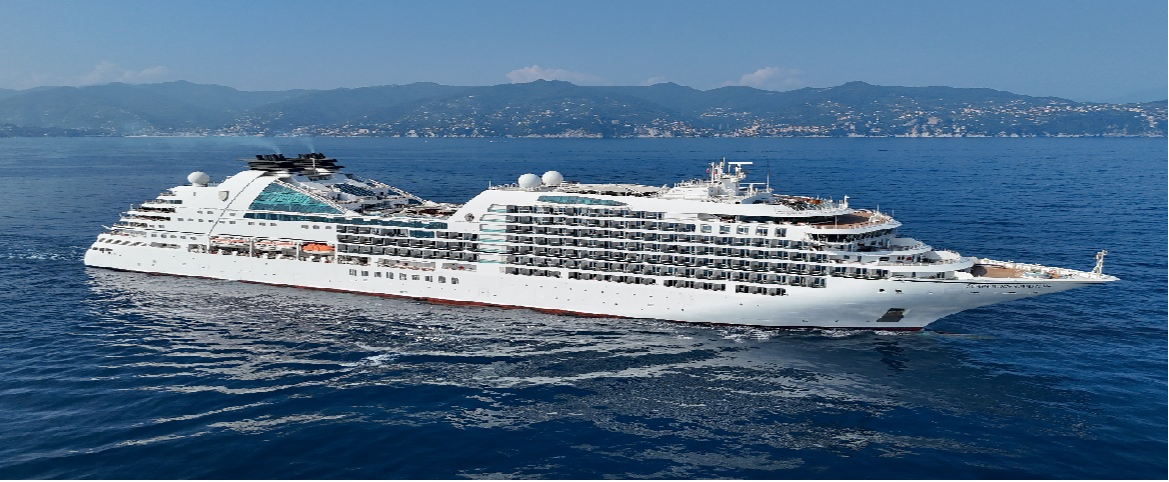
Seabourn Ovation
35 Cruises

| 15 May | 37 nights | One-way from Dubrovnik to Civitavecchia-Rome |
450-628-6241
Call us
|
| 29 May | 23 nights | One-way from Istanbul to Civitavecchia-Rome |
450-628-6241
Call us
|
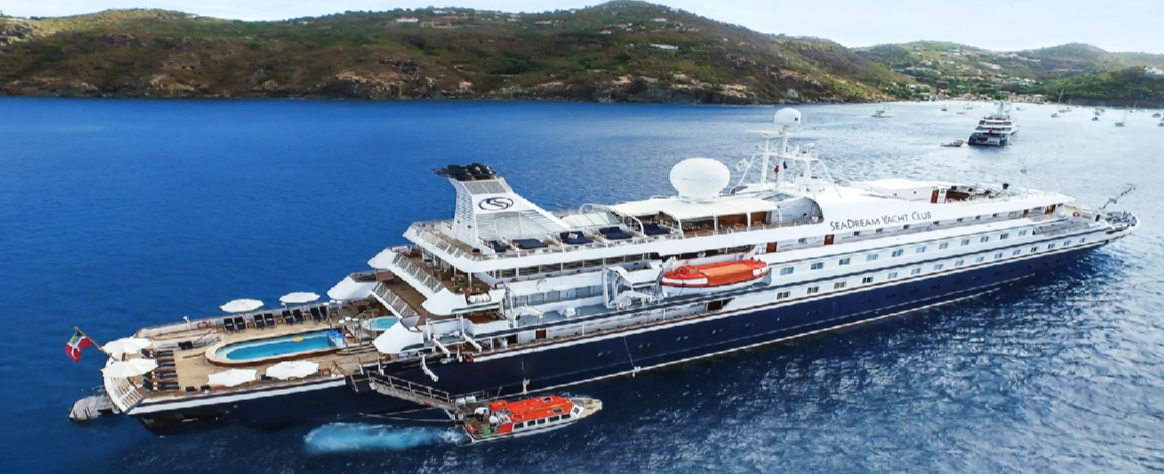
SeaDream Yacht Club (5 Cruises)

Silversea Cruises (35 Cruises)
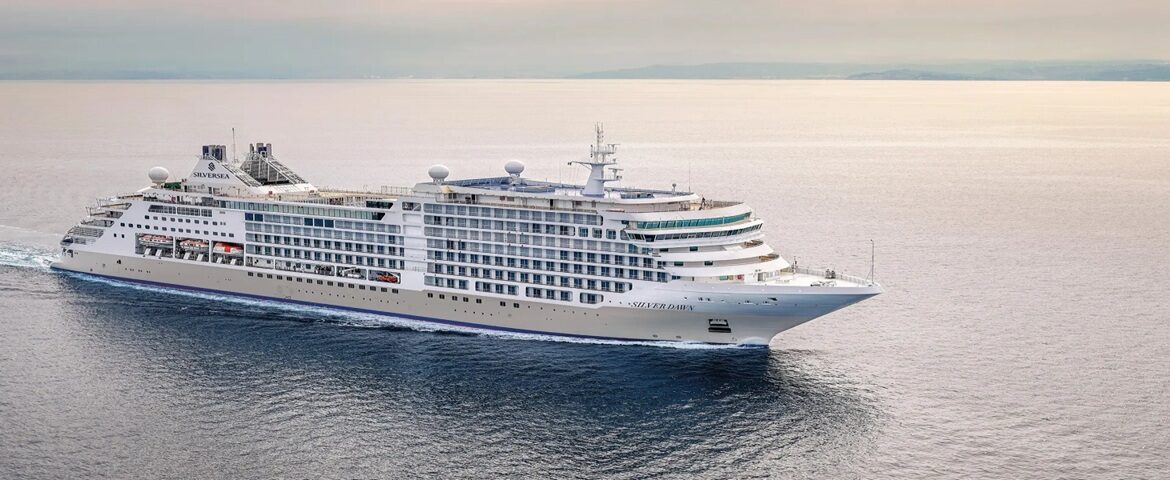
Silver Dawn
8 Cruises

| 13 May | 11 nights | Round-trip from Monte Carlo, Monaco |
450-628-6241
Call us
|
| 24 May | 17 nights | One-way from Monte Carlo to Piraeus-Athens |
450-628-6241
Call us
|
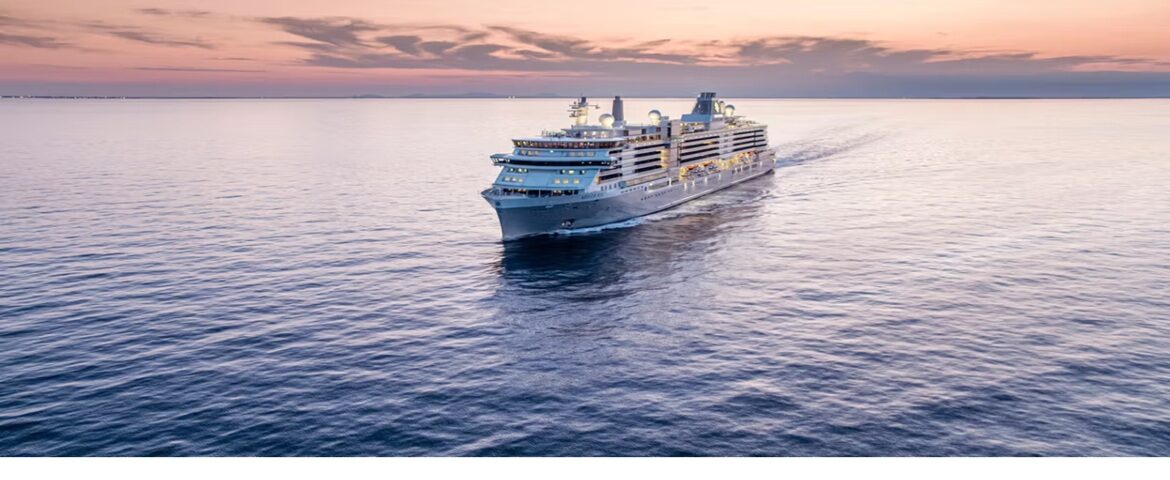
Silver Ray
18 Cruises
| 12 May | 17 nights | One-way from Barcelona to Civitavecchia-Rome |
450-628-6241
Call us
|
| 21 May | 8 nights | One-way from Barcelona to Civitavecchia-Rome |
450-628-6241
Call us
|
| 26 June | 7 nights | One-way from Venice to Civitavecchia-Rome |
450-628-6241
Call us
|
| 26 June | 14 nights | One-way from Venice to Monte Carlo |
450-628-6241
Call us
|
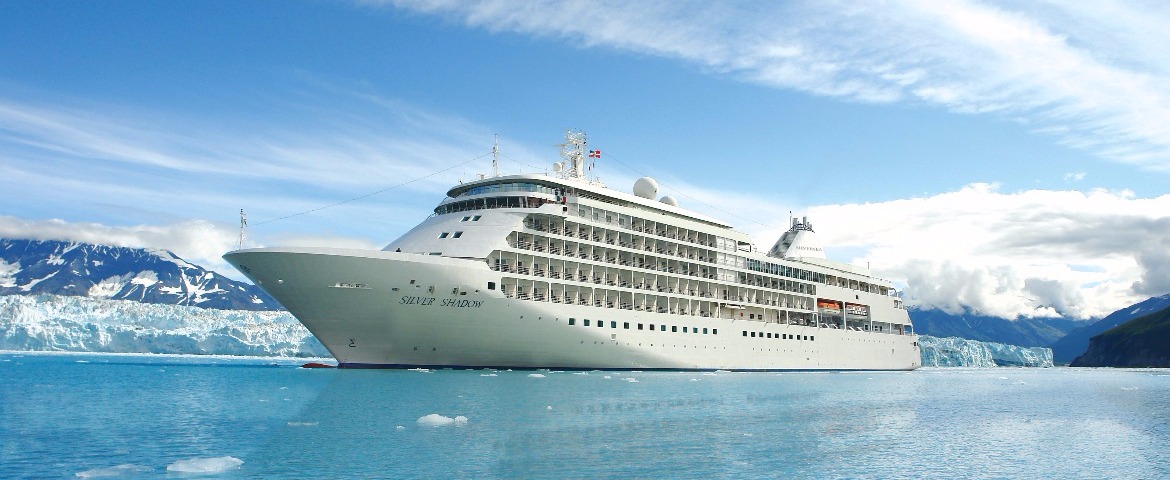
Silver Shadow
9 Cruises
Star Clippers (15 Cruises)
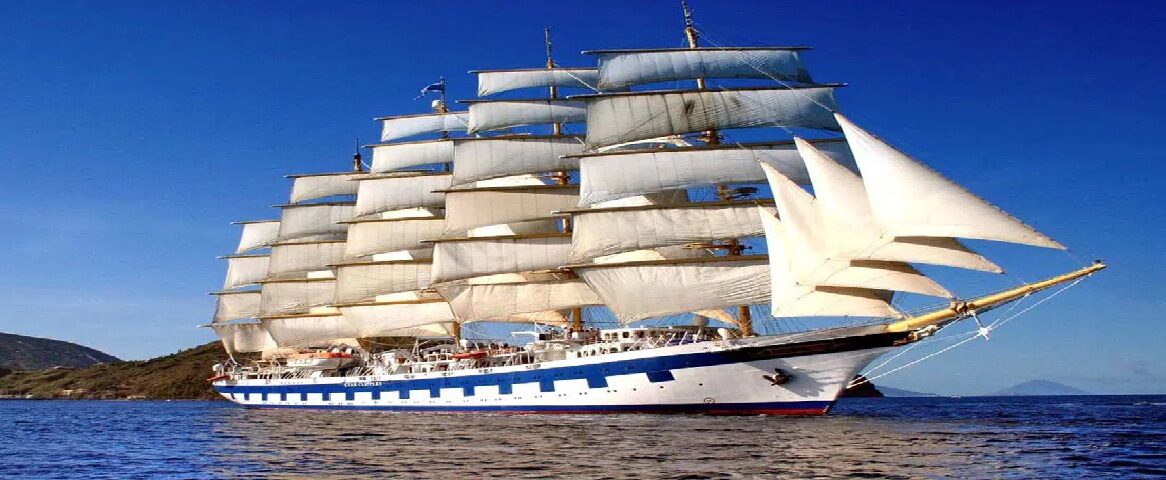

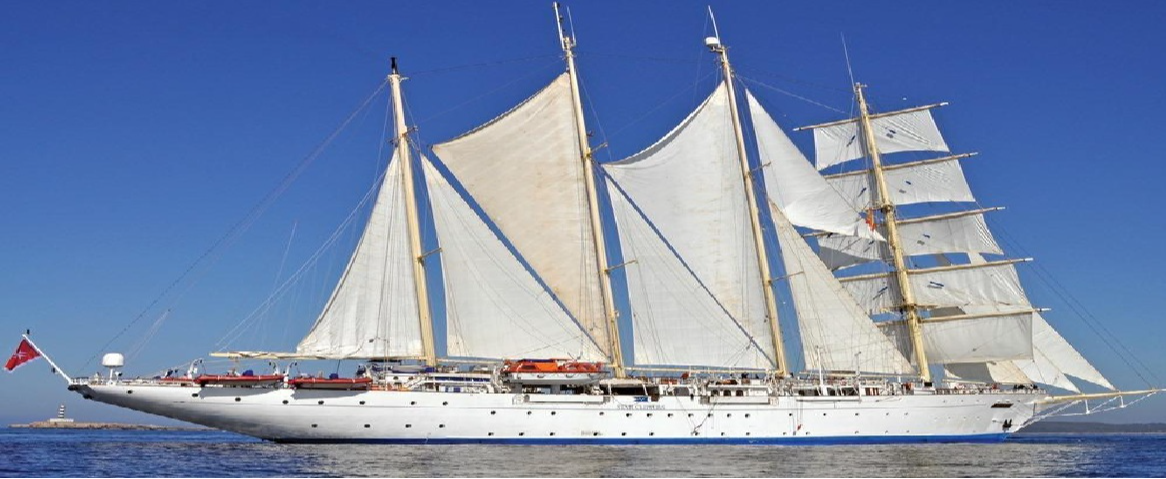
Star Clipper
11 Cruises
Uniworld Boutique River Cruise (15 Cruises)
S.S. La Venezia
15 Cruises


| 6 June | 18 nights | Round-trip from Venice, Italy |
450-628-6241
Call us
|
| 27 June | 18 nights | Round-trip from Venice, Italy |
450-628-6241
Call us
|
| 8 August | 18 nights | Round-trip from Venice, Italy |
450-628-6241
Call us
|
| 29 August | 18 nights | Round-trip from Venice, Italy |
450-628-6241
Call us
|
Windstar Cruises (35 Cruises)
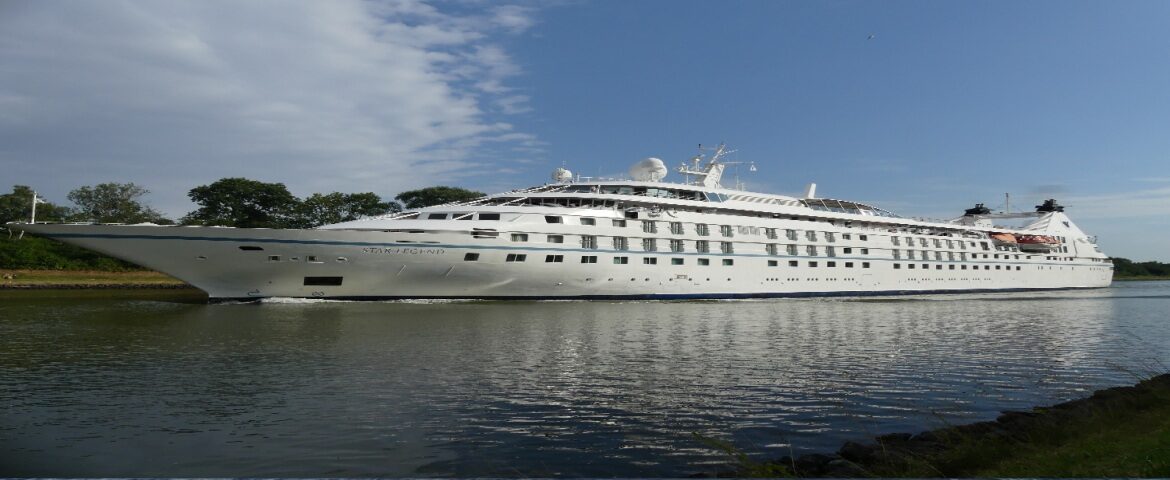
Star Legend
24 Cruises

| 1 April | 16 nights | One-way from Civitavecchia-Rome to Istanbul |
450-628-6241
Call us
|
| 1 April | 8 nights | One-way from Civitavecchia-Rome to Piraeus-Athens |
450-628-6241
Call us
|
| 24 June | 21 nights | One-way from Barcelona to Civitavecchia-Rome |
450-628-6241
Call us
|
| 28 June | 17 nights | One-way from Barcelona to Civitavecchia-Rome |
450-628-6241
Call us
|
| 5 July | 10 nights | Round-trip from Civitavecchia-Rome, Italy |
450-628-6241
Call us
|
| 5 July | 16 nights | Round-trip from Civitavecchia-Rome, Italy |
450-628-6241
Call us
|
Wind Spirit
7 Cruises
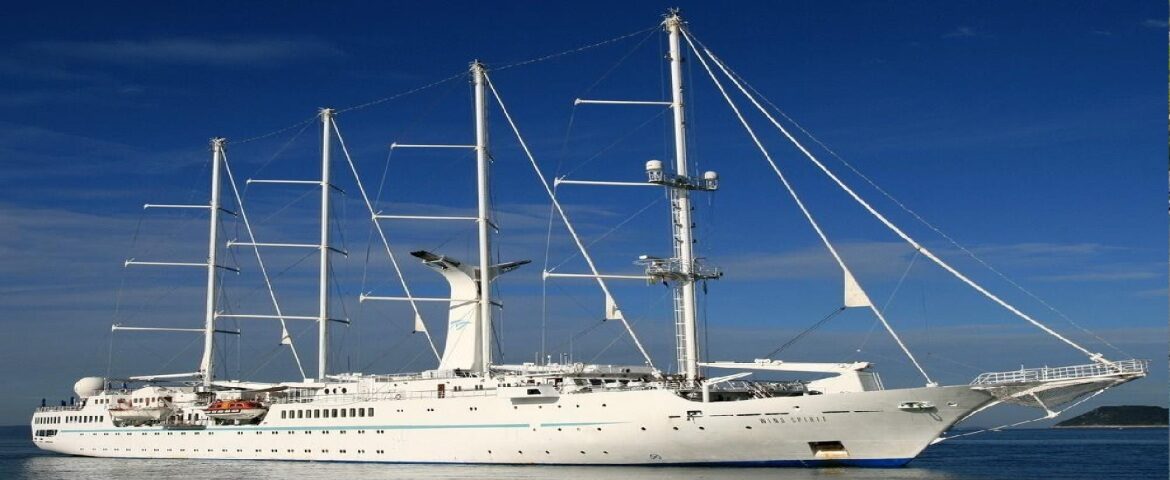
| 9 May | 16 nights | One-way from Dubrovnik to Civitavecchia-Rome |
450-628-6241
Call us
|
| 16 May | 9 nights | One-way from Venice to Civitavecchia-Rome |
450-628-6241
Call us
|
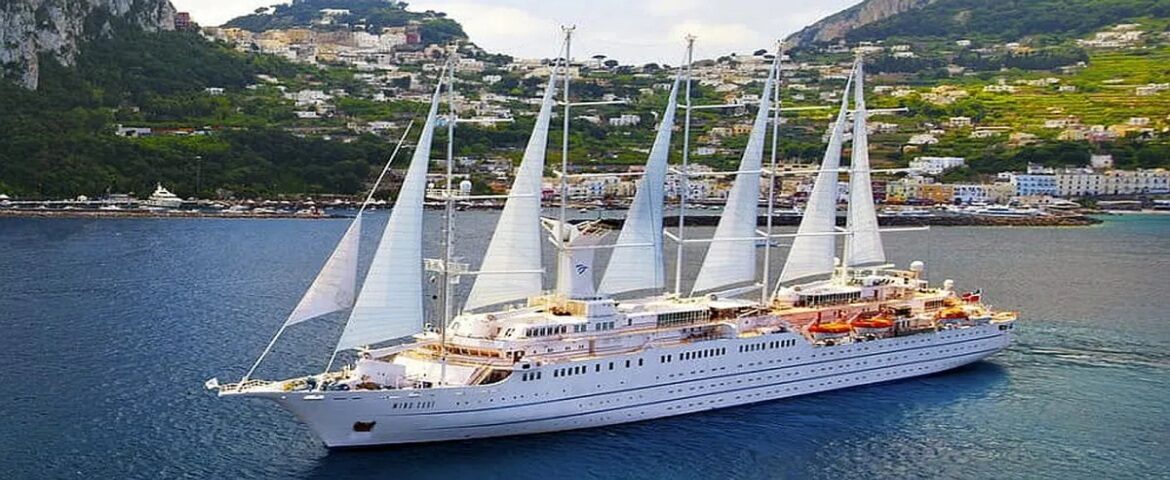

Port of Sorrento, Italy | Cruise Port Guide
Frequently Asked Questions
No. Ships anchor in the bay and tenders land passengers at Marina Piccola, the small harbour at the foot of the tuff cliffs. Like any tendered call, it depends on sea conditions.
Two options. Climb the ramp and its roughly 200 steps, about twenty minutes of effort. Or take the minibuses and shuttles up to Piazza Tasso. If walking is difficult for you, take the shuttle without hesitation.
Piazza Tasso and its balcony over the void, Via San Cesareo and its workshops, the cloister of San Francesco, then the walk down to Marina Grande. Many passengers give the whole day to the town rather than an excursion: between viewpoints, gardens, churches and terraces, it rewards those who slow down.
Yes, ferries to Capri leave directly from the landing. But allow a serious safety margin for the return: with heavy traffic and seasonal crowds, the timing is tight.
The old fishing hamlet, kept apart from the bustle, fifteen minutes' walk from the centre down a sloping lane. Boats hauled up on the shore, laundry at the windows and restaurants at the water's edge make a picture many visitors miss for want of walking a little further.
A quiet but remarkable craft: since the nineteenth century the town's cabinetmakers have assembled precious woods into patterns of astonishing precision. Several workshops in the centre still show the work in progress, steps away from shops selling ceramics and handmade sandals.
At the historic garden I Giardini di Cataldo, a few streets from the centre: you walk under the pergolas that shelter the groves from sea wind, then taste the house limoncello served ice cold. The peninsula's lemons are huge and fragrant, and also turn up as granita, pastries and soap.
Yes, by road or by regional train, as for the Amalfi Coast. These trips require tight scheduling, and the ship does not wait for independent passengers. On a short call, the town itself is the safer bet.
Gnocchi alla sorrentina, baked with tomato and mozzarella, and limoncello to finish. Free tastings are everywhere along the shopping lanes, which usually settles the question of dessert.
Yes, it is one of the most sought-after calls in the Mediterranean, and the lanes hum from early morning. The walk down to Marina Grande or the cloister of San Francesco restores the quiet within minutes, without leaving the centre.


