Trieste Italy
614
Cruises availables
At departure or passage at this port
Costa Cruises (13 Cruises)
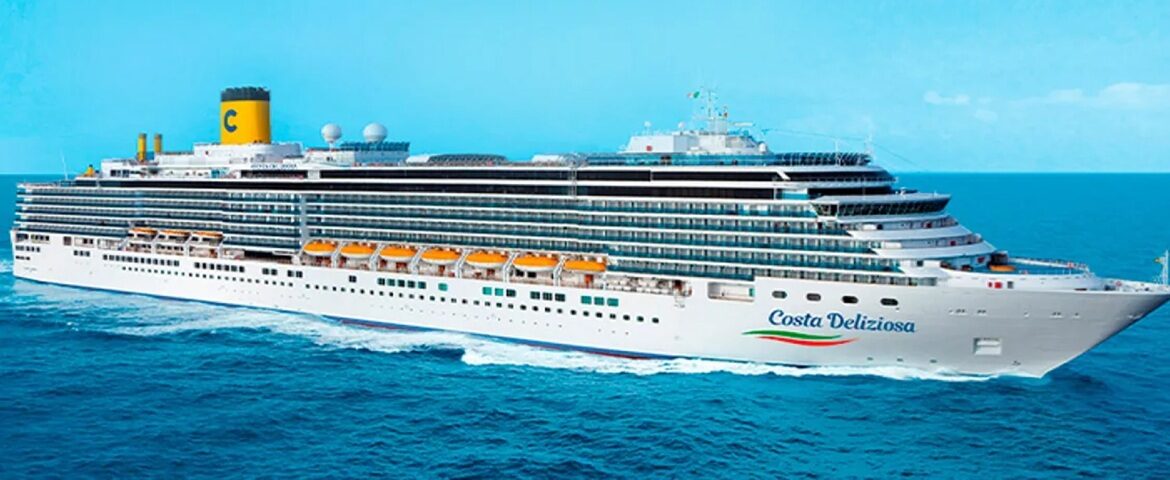
Costa Deliziosa
13 Cruises

Crystal Cruises (7 Cruises)
Crystal Grace
7 Cruises

Cunard (194 Cruises)
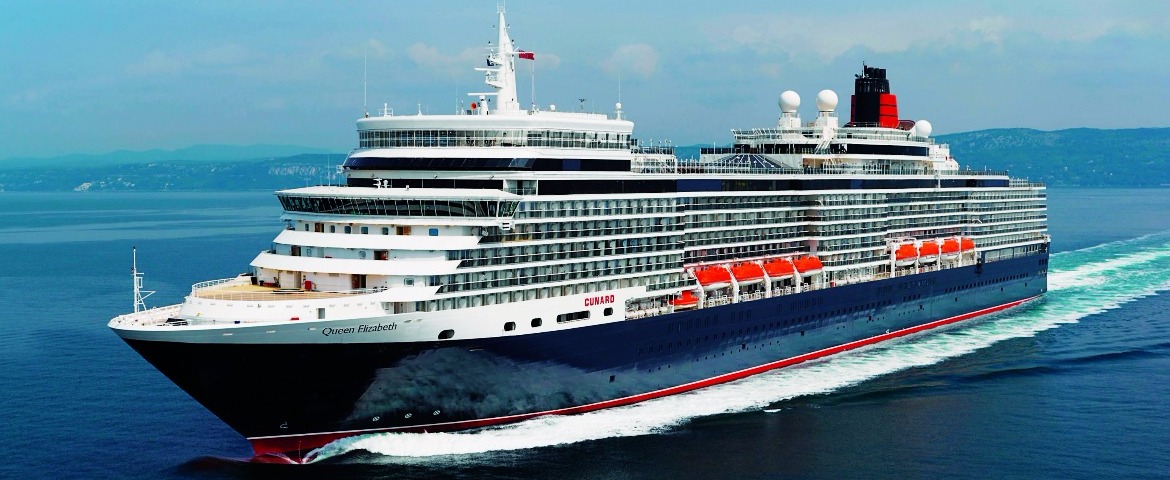
Queen Elizabeth
194 Cruises
Disney Cruise Line (1 Cruises)

Holland America Line (29 Cruises)
ms Oosterdam
22 Cruises

| 23 April | 22 days | One-way from Barcelona to Trieste |
450-628-6241
Call us
|
| 23 April | 23 days | One-way from Barcelona to Trieste |
450-628-6241
Call us
|
| 28 August | 24 days | One-way from Barcelona to Trieste |
450-628-6241
Call us
|
| 28 August | 25 days | One-way from Barcelona to Trieste |
450-628-6241
Call us
|
ms Rotterdam
7 Cruises
MSC Cruises (182 Cruises)
MSC Fantasia
8 Cruises

| 29 October | 10 days | Round-trip from Bari, Italy |
450-628-6241
Call us
|
| 30 October | 10 days | Round-trip from Trieste, Italy |
From
2015$
|
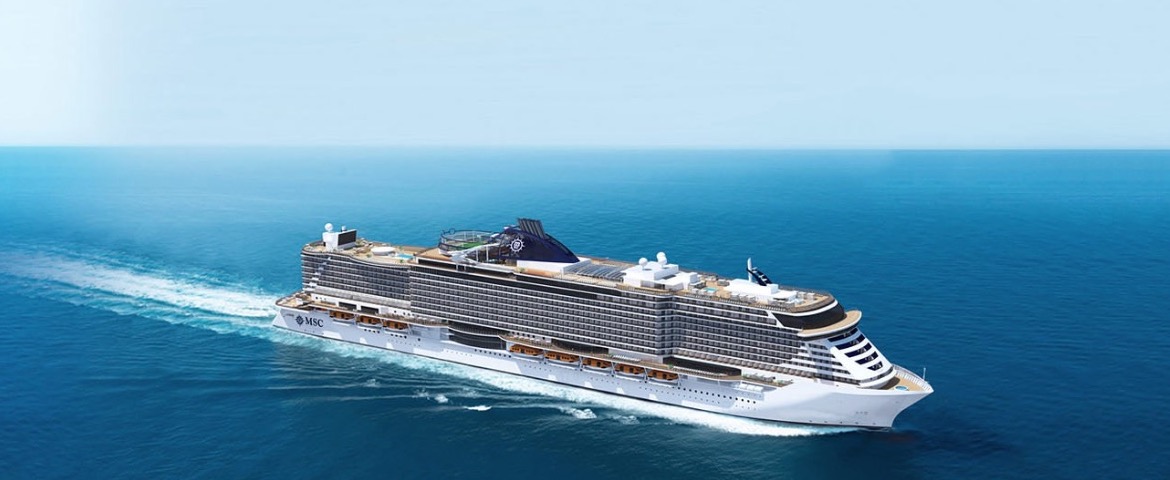
MSC Seaview
75 Cruises
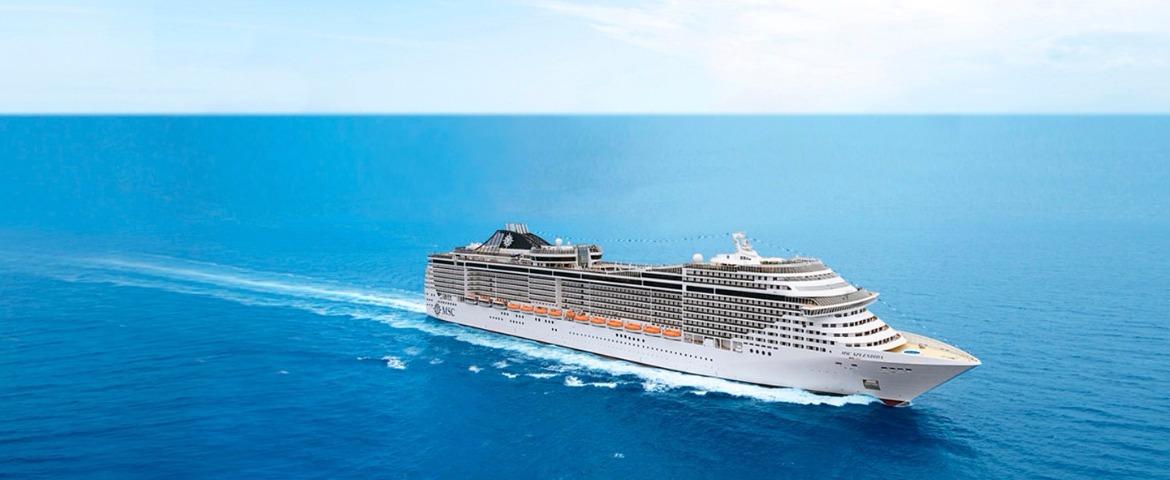
MSC Splendida
99 Cruises
Norwegian Cruise Line (1 Cruises)

Oceania Cruises (74 Cruises)
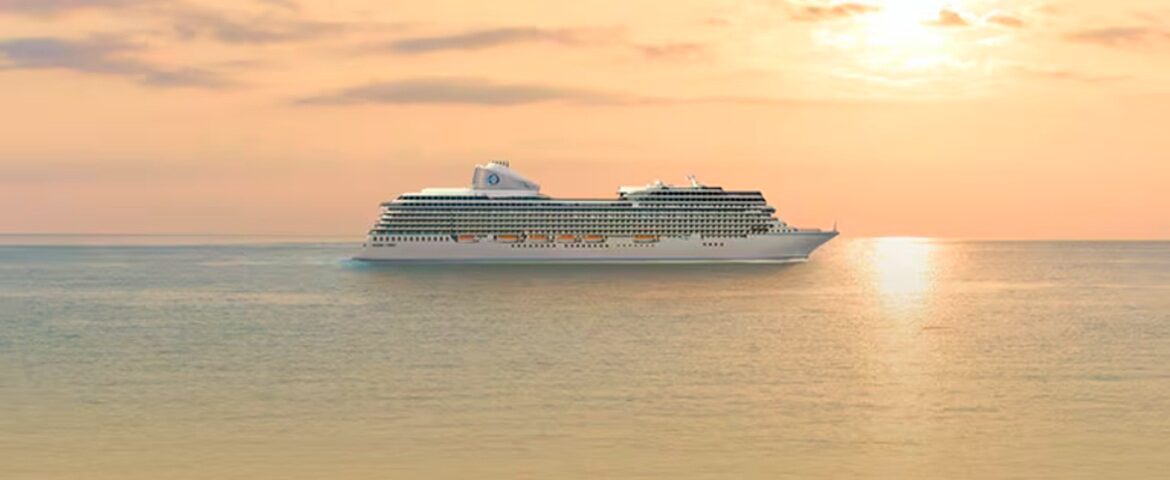
Oceania Allura
42 Cruises

| 1 May | 11 days | One-way from Civitavecchia-Rome to Trieste |
450-628-6241
Call us
|
| 11 May | 11 days | One-way from Trieste to Piraeus-Athens |
450-628-6241
Call us
|
| 10 January | 11 days | One-way from Civitavecchia-Rome to Trieste |
450-628-6241
Call us
|
| 20 January | 10 days | One-way from Trieste to Piraeus-Athens |
450-628-6241
Call us
|
Oceania Marina
18 Cruises
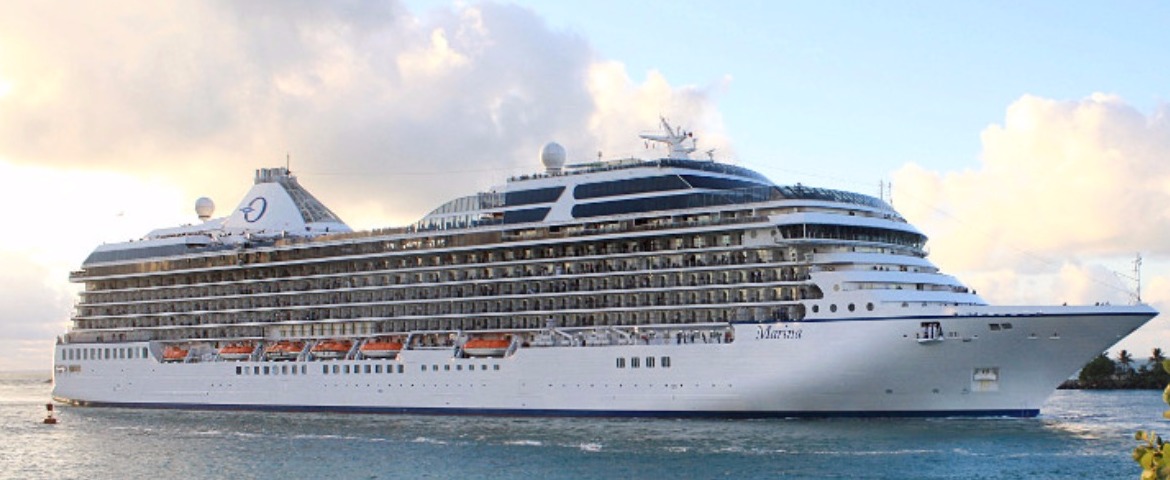
| 25 March | 24 days | One-way from Miami to Trieste |
450-628-6241
Call us
|
| 25 March | 23 days | One-way from Miami to Trieste |
450-628-6241
Call us
|
| 8 May | 11 days | One-way from Istanbul to Trieste |
450-628-6241
Call us
|
| 18 May | 8 days | One-way from Trieste to Civitavecchia-Rome |
450-628-6241
Call us
|
| 11 July | 13 days | One-way from Civitavecchia-Rome to Trieste |
450-628-6241
Call us
|
| 23 July | 13 days | One-way from Trieste to Barcelona |
450-628-6241
Call us
|
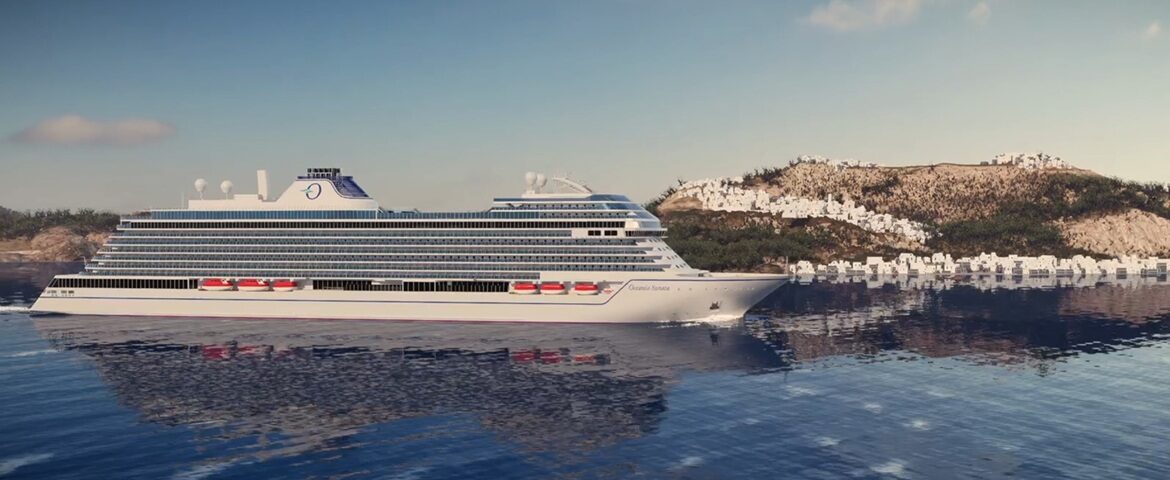
Oceania Sonata
14 Cruises
Princess Cruises (66 Cruises)
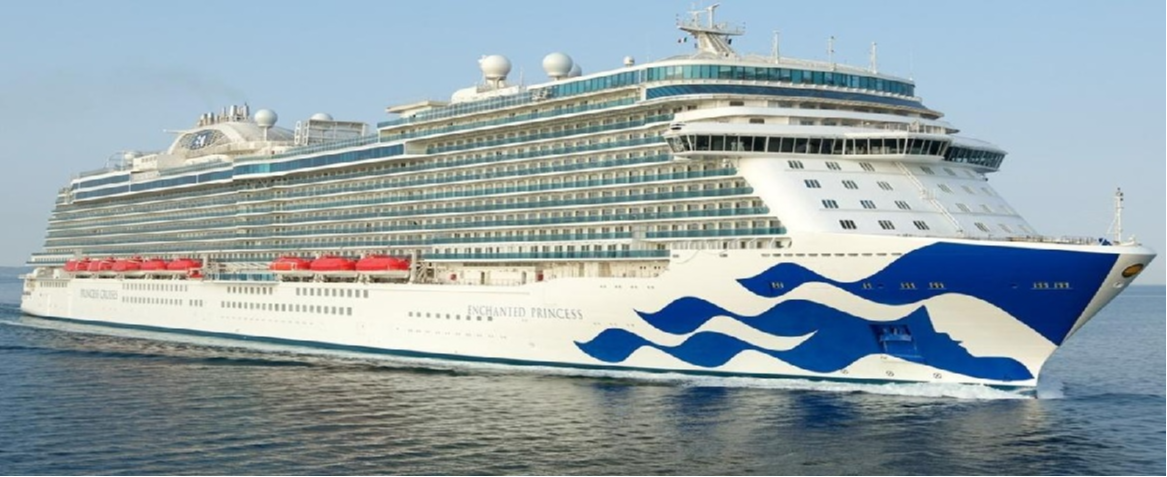
Enchanted Princess
66 Cruises

Regent Seven Seas Cruises (25 Cruises)
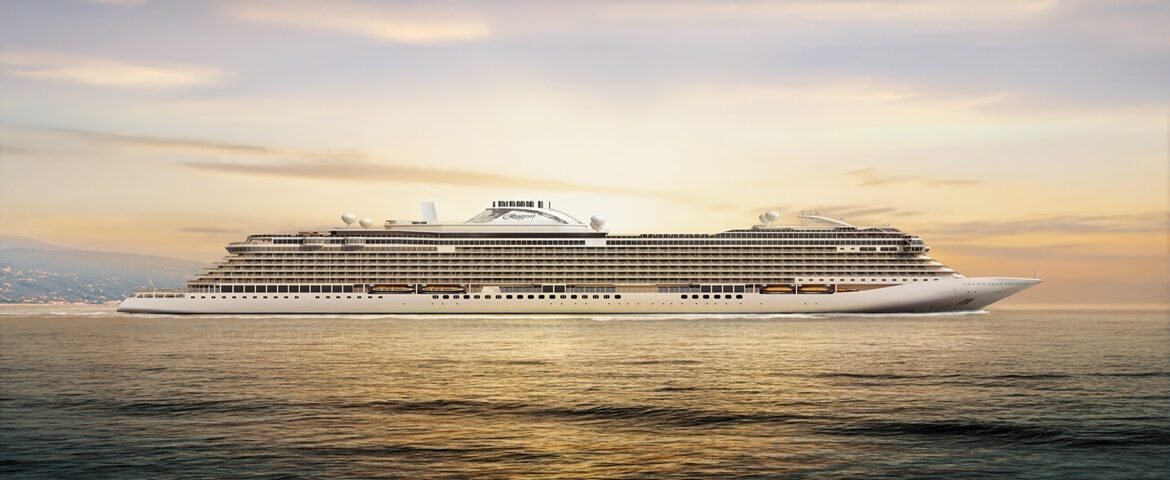
Seven Seas Prestige
21 Cruises

| 12 August | 10 days | One-way from Civitavecchia-Rome to Trieste |
450-628-6241
Call us
|
| 21 August | 11 days | One-way from Trieste to Barcelona |
450-628-6241
Call us
|
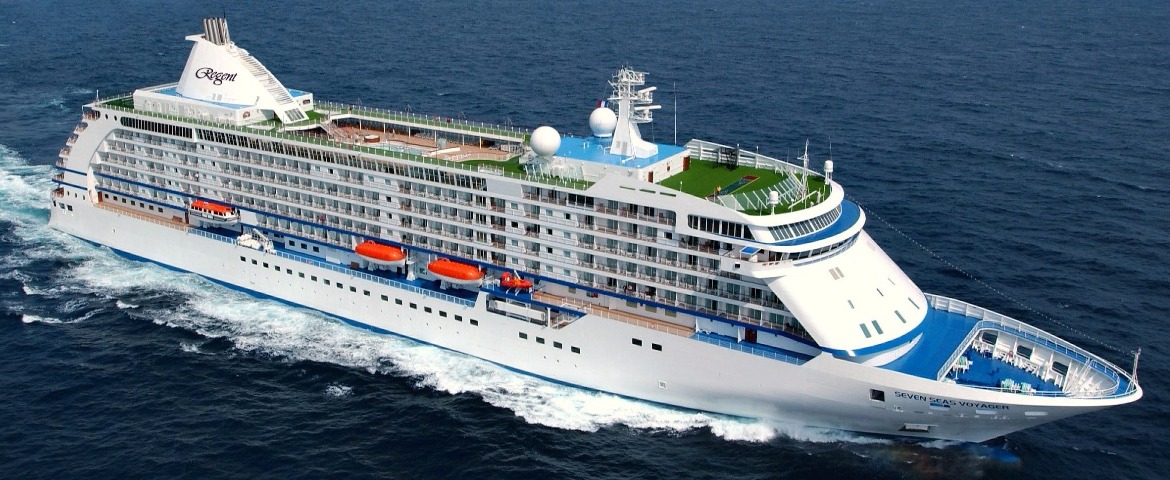
Silversea Cruises (17 Cruises)
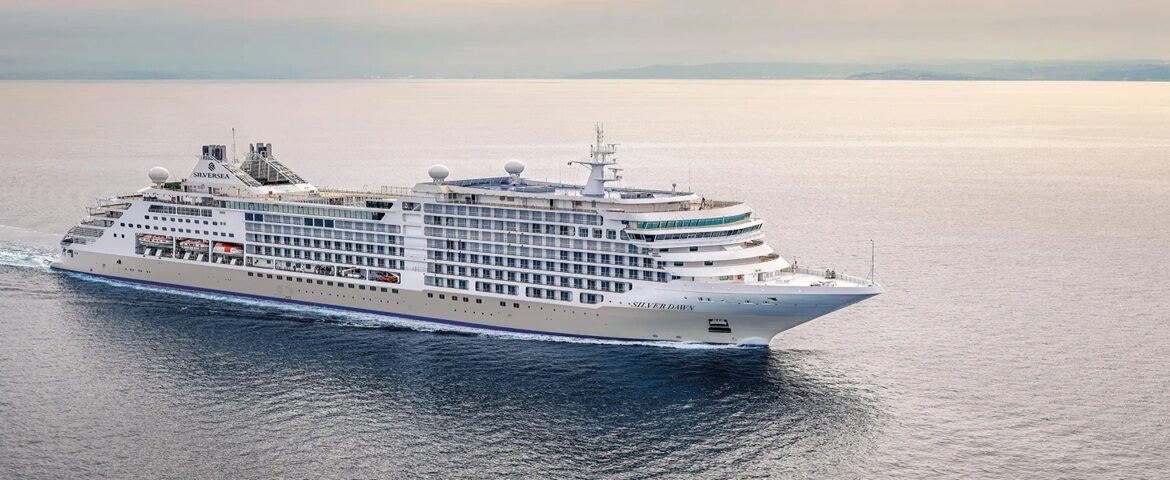
Silver Dawn
9 Cruises

| 10 June | 21 days | One-way from Piraeus-Athens to Civitavecchia-Rome |
450-628-6241
Call us
|
| 20 June | 11 days | One-way from Venice to Civitavecchia-Rome |
450-628-6241
Call us
|

Port of Trieste, Italy | Cruise Port Guide
Frequently Asked Questions
At the Stazione Marittima on the Molo dei Bersaglieri, right in the middle of the waterfront. The walk begins at the gangway: it is one of the best-placed calls in Italy.
Mostly, yes. Piazza Unità d'Italia is five minutes from the quay, the Canal Grande about ten, and the San Giusto hill some twenty minutes uphill. Only Miramare castle, about eight kilometres away, requires a taxi or city bus.
Piazza Unità d'Italia, the Canal Grande and the Borgo Teresiano, a coffee in a historic room, then the climb to San Giusto for the cathedral, the castle and the Roman theatre. Miramare needs a few hours more: add it only on a long call.
Often cited as the largest square in Europe opening directly onto water. Three of its sides are lined with 19th-century palaces, including the town hall with its clock tower and the former headquarters of the shipping and insurance companies that made the free port's fortune. The fourth side simply continues out to sea.
The northeasterly wind that sometimes sweeps the region, strong enough that locals walk leaning into it and handrails run along certain streets. If it blows on the day of your call, pack a windbreaker and expect tender operations to be cancelled on other ships.
Because it was both a major importing port for green beans and home to renowned roasters, a legacy of its past as the imperial port of Austria-Hungary. Sitting down at the Caffè degli Specchi or the Caffè San Marco, with their century-old woodwork, is as much part of the call as any monument.
He lived here for more than ten years and began his major work in the city. A bronze statue depicts him on the Ponte Rosso, beside the Canal Grande, the basin dug in the 18th century so sailing ships could unload in the middle of the Borgo Teresiano, the commercial quarter created by Empress Maria Theresa.
The cathedral of the same name, formed by merging two Romanesque churches and decorated with Byzantine mosaics, and a 15th- and 17th-century castle whose ramparts give a full view over the rooftops and the gulf. On the way down, the 1st-century Roman theatre appears at the foot of the hill, embedded in the modern streets.
If the call allows a few extra hours, yes. Built in the 1850s for Archduke Maximilian of Habsburg on a headland about eight kilometres northwest of the centre, it stands white between a 22-hectare park and the sea. Its furnished rooms tell the tragic story of the prince who briefly became emperor of Mexico. Allow around thirty minutes to get there.
A stone jetty 246 metres long reaching into the gulf opposite the Stazione Marittima. Locals walk it at all hours, between the sailboats and the freighters at anchor. From there the city's whole façade unfolds: it is the last thing to do before going back aboard.


