Beppu Japan Oita
234
Cruises availables
At departure or passage at this port
Azamara Club Cruises (36 Cruises)
Azamara Pursuit
30 Cruises
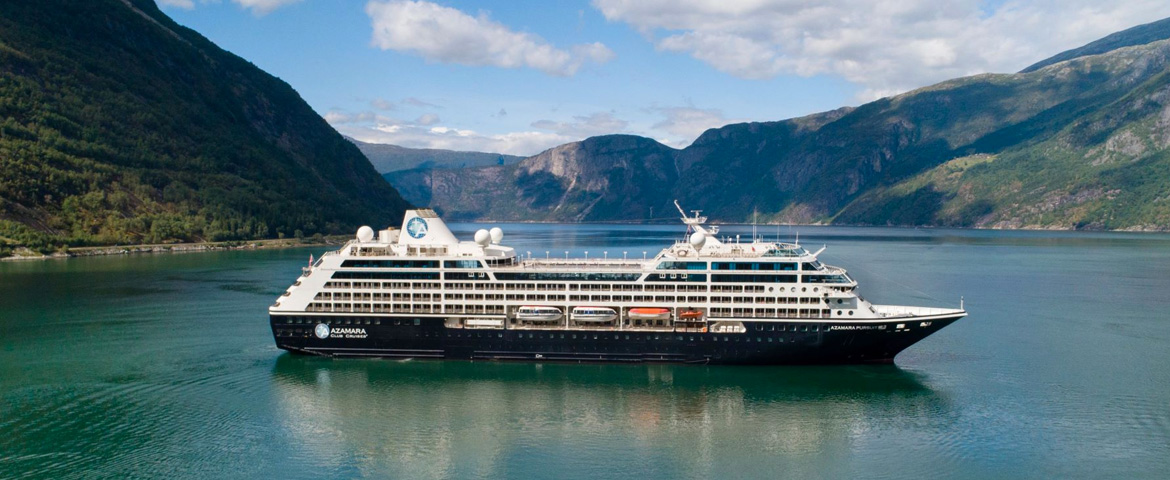

| 5 February | 48 days | One-way from Sydney to Tokyo |
450-628-6241
Call us
|
| 5 February | 48 days | One-way from Sydney to Tokyo |
450-628-6241
Call us
|
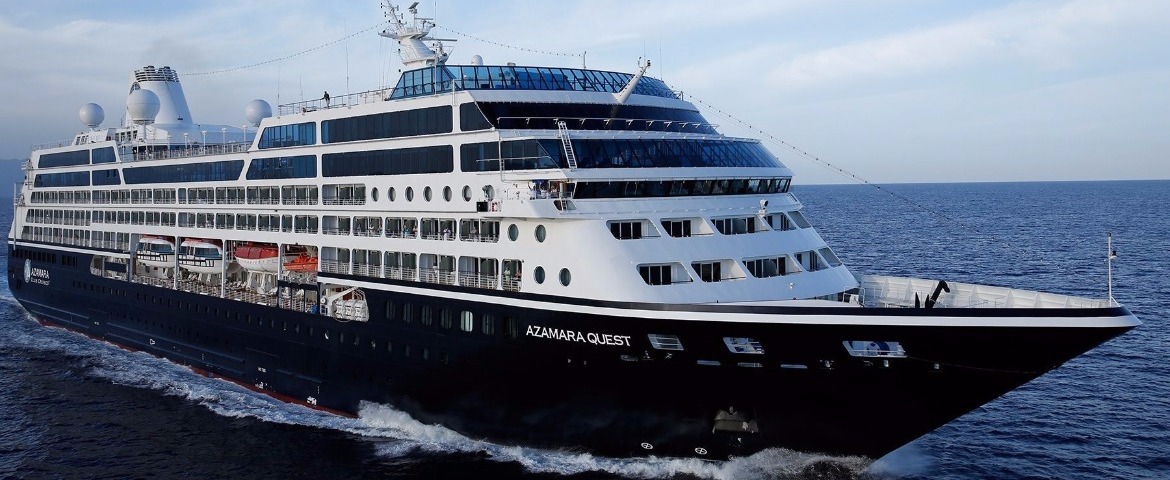
Crystal Cruises (3 Cruises)
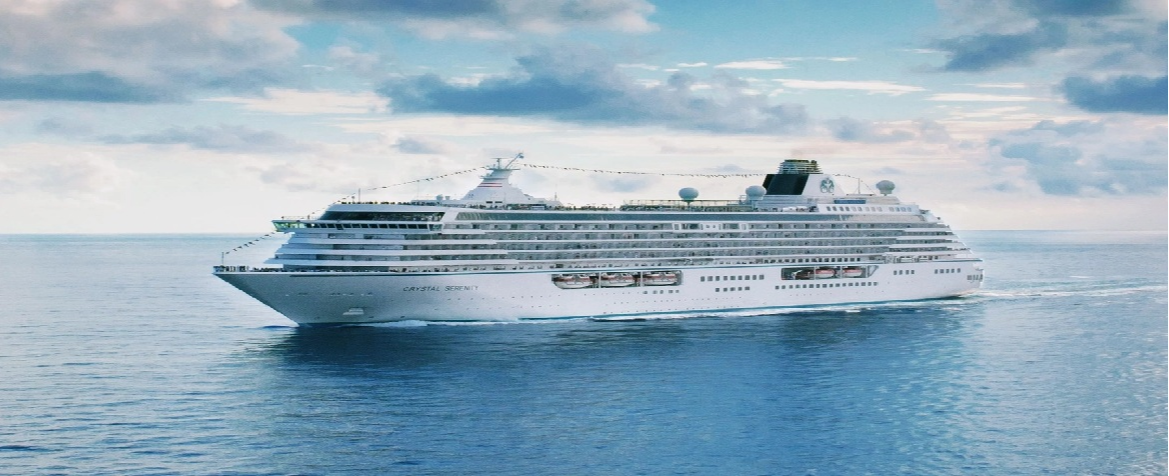

Emerald Waterways (10 Cruises)
Emerald Xara
10 Cruises

| 9 April | 11 days | One-way from Busan to Kobe-Osaka |
450-628-6241
Call us
|
| 19 April | 11 days | One-way from Kobe-Osaka to Busan |
450-628-6241
Call us
|
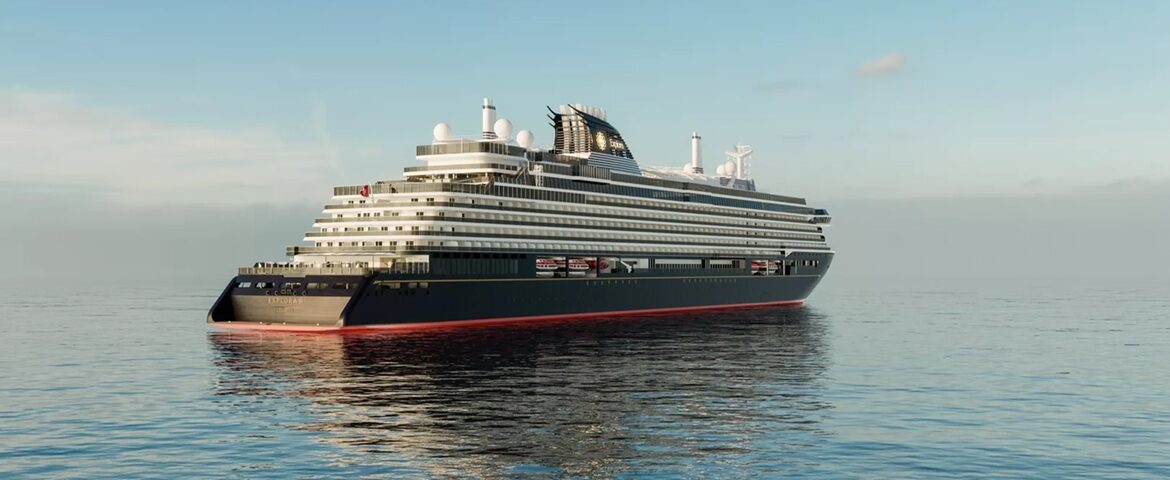
Explora Journeys (4 Cruises)

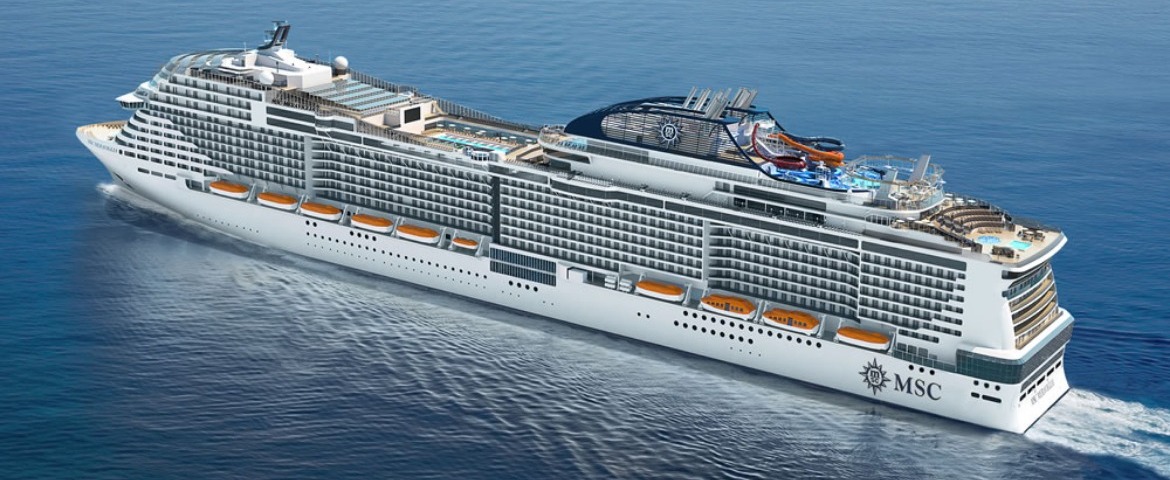
MSC Cruises (1 Cruises)

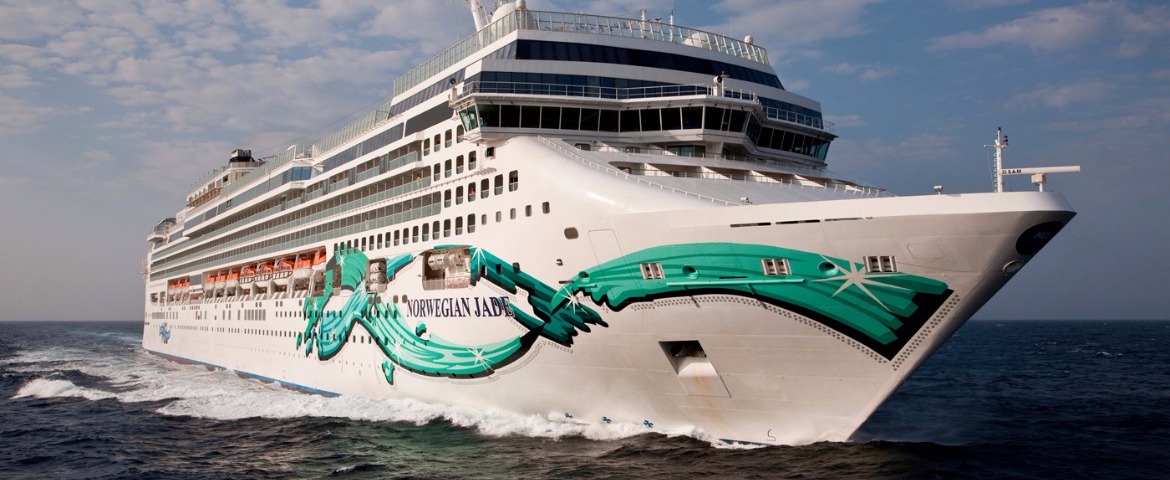
Norwegian Cruise Line (5 Cruises)

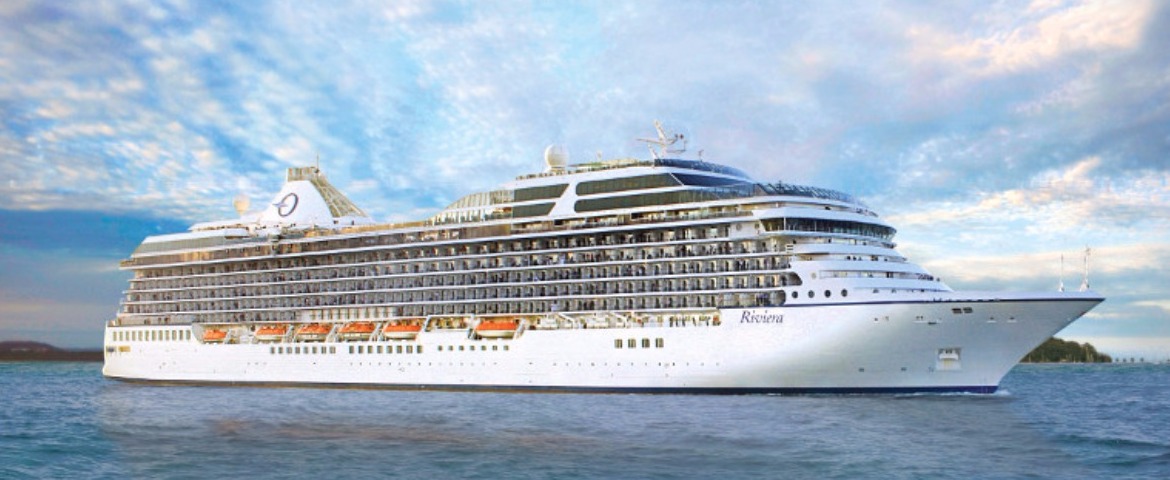
Oceania Cruises (27 Cruises)
Oceania Riviera
27 Cruises

| 12 March | 11 days | One-way from Incheon to Yokohama |
450-628-6241
Call us
|
| 22 March | 11 days | Round-trip from Yokohama, Japan |
450-628-6241
Call us
|
Ponant (10 Cruises)
Le Soleal
10 Cruises
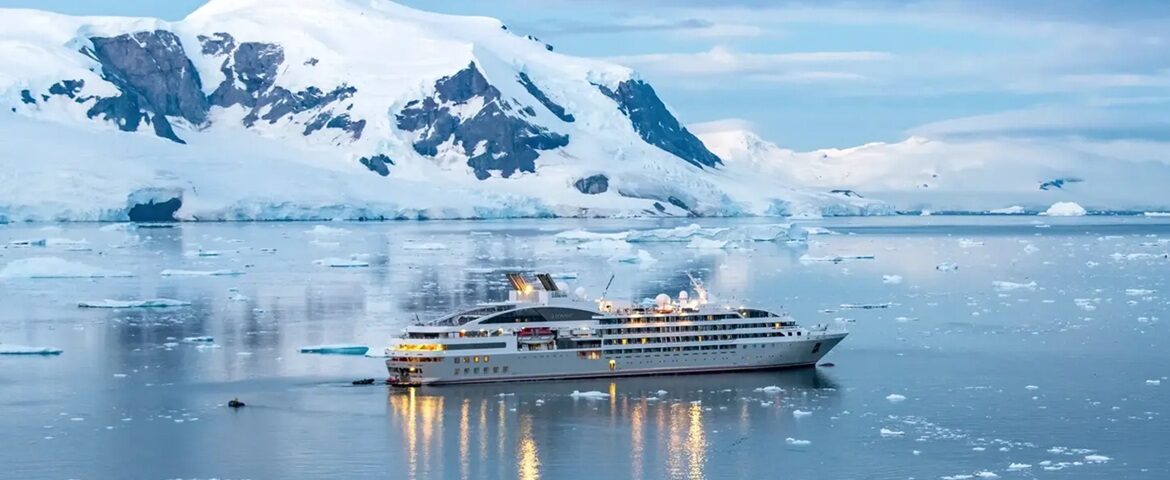

| 14 March | 13 days | One-way from Kobe-Osaka to Busan |
450-628-6241
Call us
|
| 26 March | 13 days | One-way from Busan to Kobe-Osaka |
450-628-6241
Call us
|
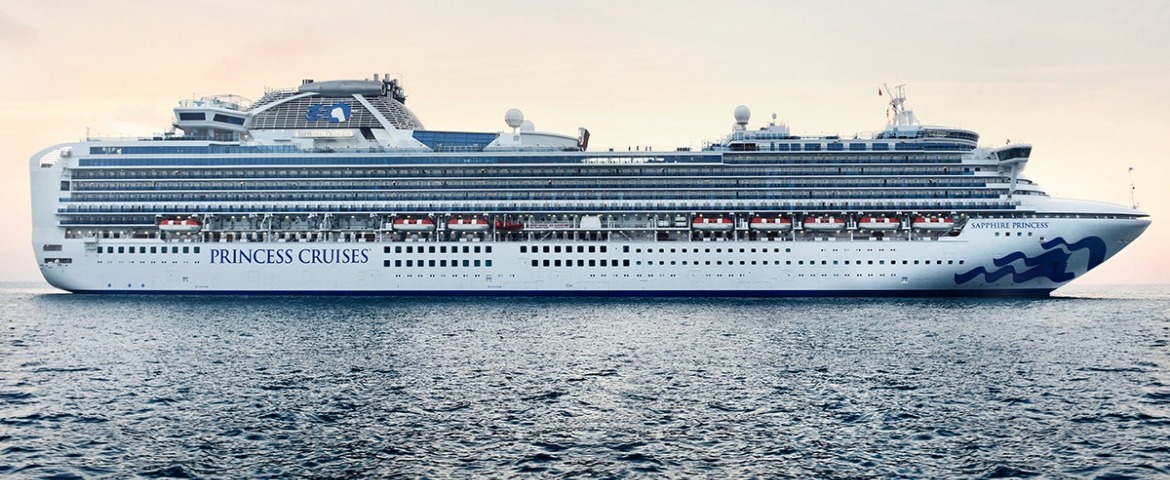
Princess Cruises (21 Cruises)
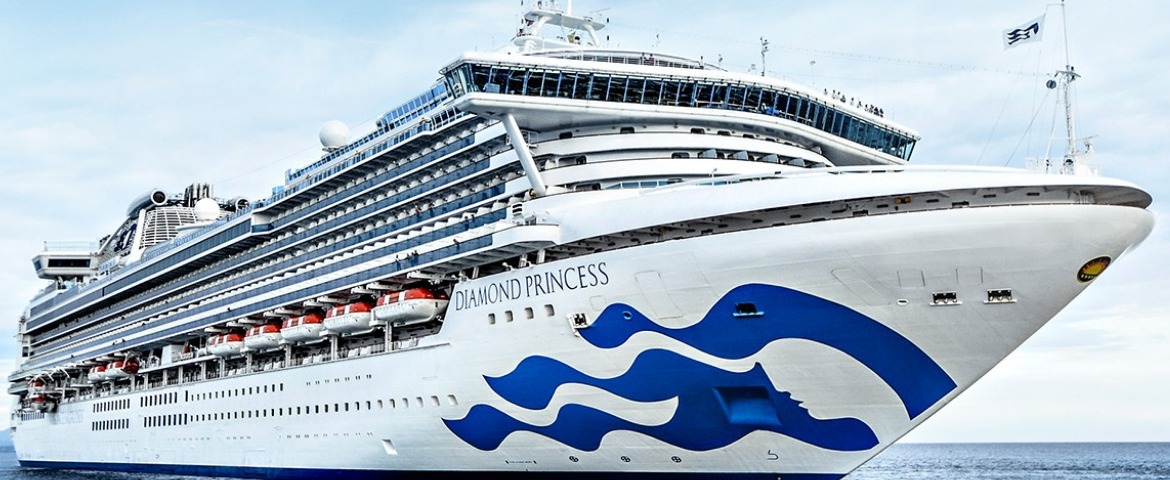
Diamond Princess
15 Cruises
Regent Seven Seas Cruises (34 Cruises)
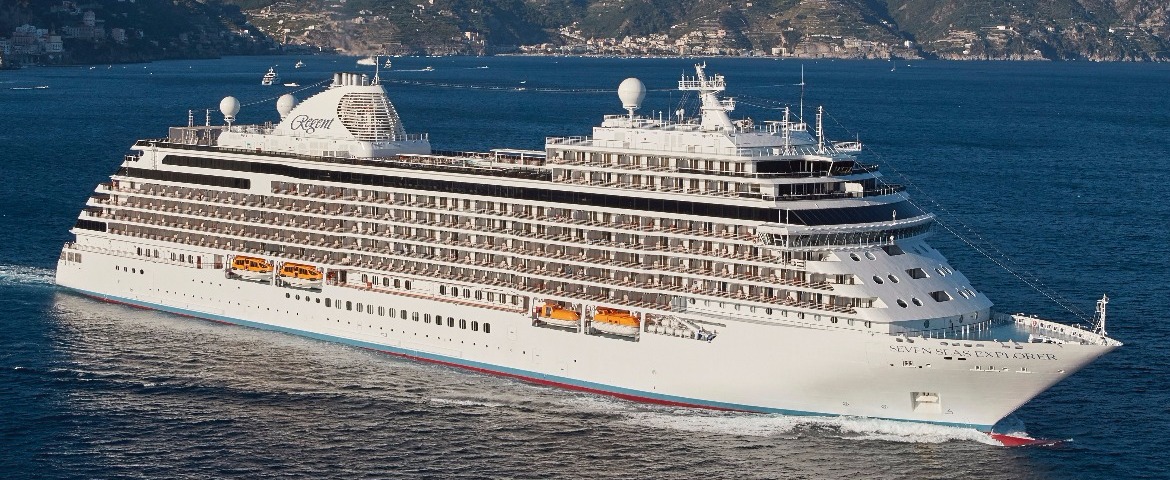
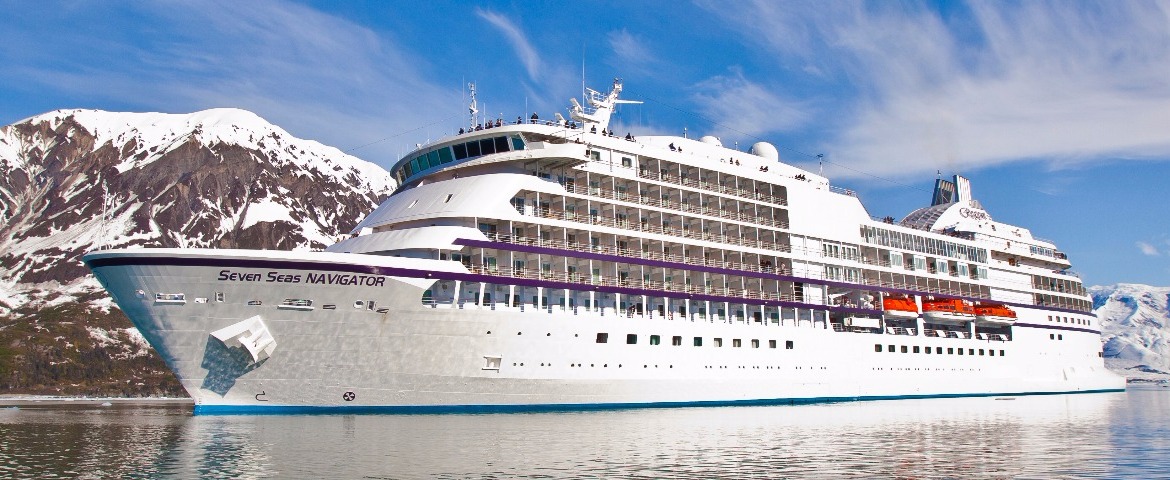
Seven Seas Explorer
12 Cruises
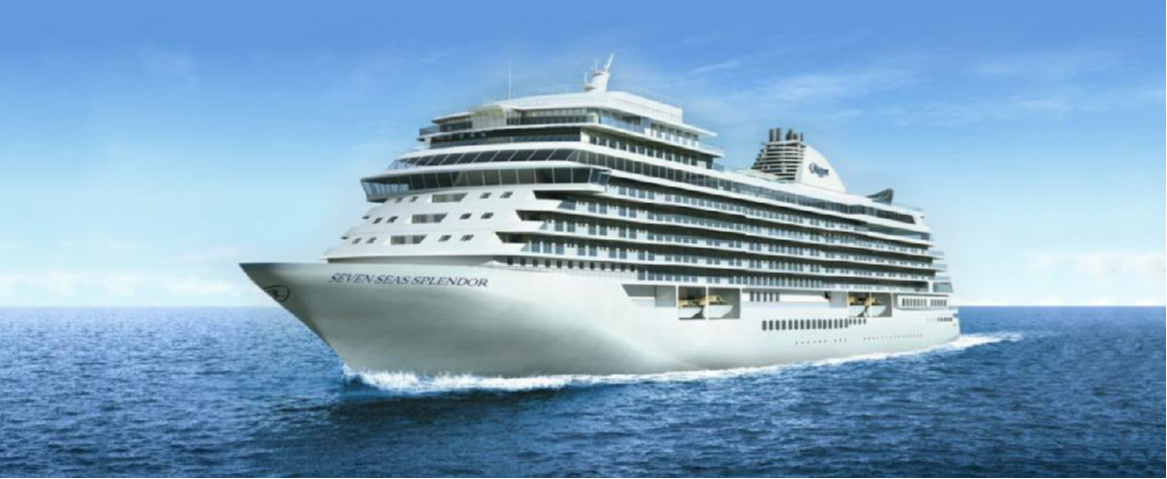
Seven Seas Splendor
20 Cruises
| 6 January | 140 days | One-way from San Francisco to Vancouver |
450-628-6241
Call us
|
| 6 January | 133 days | Round-trip from San Francisco, USA |
450-628-6241
Call us
|
| 13 September | 31 days | One-way from Vancouver to Tokyo |
450-628-6241
Call us
|
| 13 September | 30 days | One-way from Vancouver to Tokyo |
450-628-6241
Call us
|
Seabourn Cruise Line (20 Cruises)
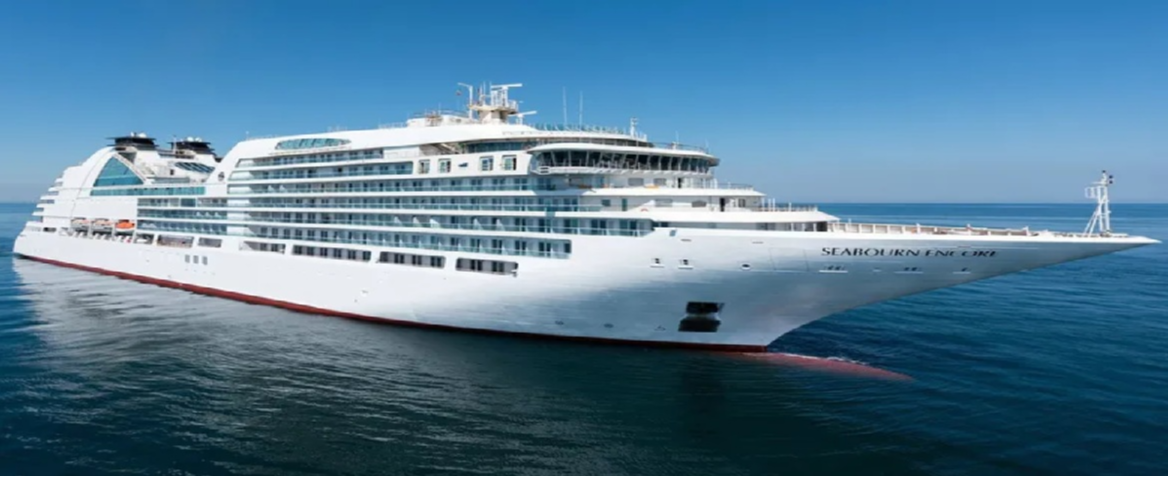
Seabourn Encore
20 Cruises


Viking Ocean Cruises (50 Cruises)

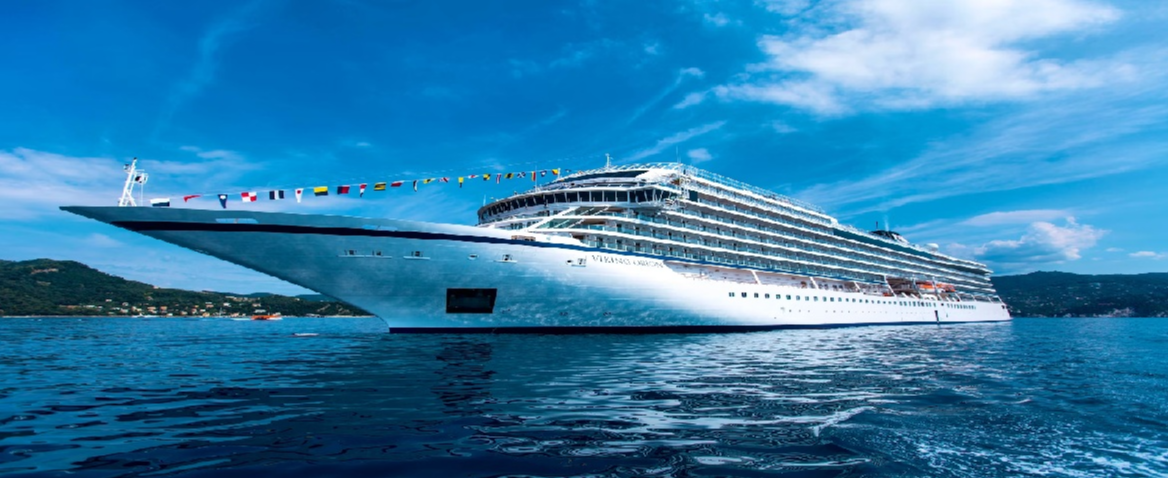
Viking Orion
23 Cruises
| 23 February | 90 days | One-way from Auckland to Vancouver |
450-628-6241
Call us
|
| 23 February | 91 days | One-way from Auckland to Vancouver |
450-628-6241
Call us
|
| 8 March | 78 days | One-way from Sydney to Vancouver |
450-628-6241
Call us
|
| 8 March | 77 days | One-way from Sydney to Vancouver |
450-628-6241
Call us
|
Viking Venus
25 Cruises
Frequently Asked Questions
About three kilometres from the centre, on the east coast of Kyushu. Shuttles cover the distance in around ten minutes. From the first streets, the smell of sulphur and the white plumes set the tone for the day.
The jigoku: volcanic pools far too hot for bathing, viewed as natural curiosities. Tradition counts seven, five of them grouped in the Kannawa district within walking distance of each other. The last two lie in the more outlying Shibaseki area.
No, never. Umi Jigoku, the sea hell, sits close to 98 degrees Celsius. These are sights to look at, not baths. To soak, head for the town's bathhouses, where the water is tempered.
Three or four are enough to grasp the phenomenon. Umi Jigoku for its cobalt blue veiled in steam, and Chinoike Jigoku, the blood pond hell, whose iron oxide gives a dark red; it is held to be the country's oldest natural thermal pool.
By bus from the terminal area, fifteen to twenty minutes. Once there, the five main hells connect on foot between stone walls and tidy gardens, along sloping lanes punctuated by steaming grates.
Steam cooking over the hot springs, inherited from centuries of spa life. Public kitchens in Kannawa let you cook vegetables, seafood and buns directly in the vents: you order your basket, watch the timer, and eat on benches between two clouds of white steam.
The most distinctive experience of the call. At this establishment founded in 1879 near the waterfront, you are buried up to the neck in sand heated by the springs for about ten minutes, under the eye of attendants wielding the shovel. You then move on to the indoor baths.
Yes, with care. The hells are fenced but the water is scalding: young children must be held. Kannawa's lanes climb, and the steam makes the paving slippery. Jigoku-mushi and eggs cooked in the vents appeal to all ages.
The Japanese yen and Japanese. Beppu is a popular spa town serving a Japanese clientele: English is little spoken outside the main sites. Bring cash for the hell entrance fees and the public kitchens.
Yes: you wash completely before getting into the pool, and no towel goes in the water. Tattoos are still refused at several traditional establishments. Takegawara welcomes locals and travellers alike without ceremony, but the rules are the same for everyone.


