Yokohama Tokyo, Japan Kanagawa
183
Cruises availables
At departure or passage at this port
Azamara Club Cruises (18 Cruises)
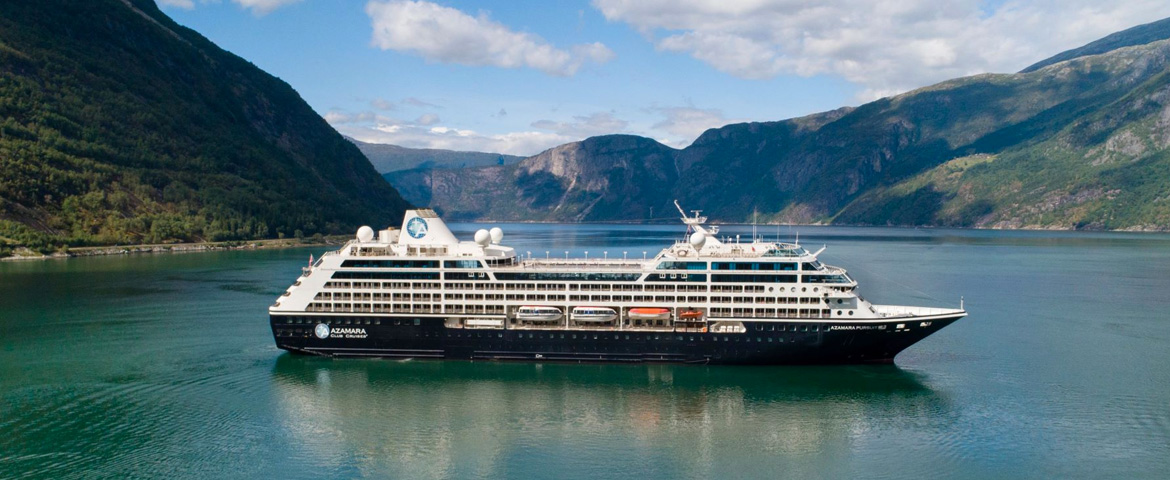
Azamara Pursuit
18 Cruises

| 15 March | 16 nights | One-way from Singapore to Yokohama |
450-628-6241
Call us
|
| 31 March | 13 nights | One-way from Yokohama to Kobe-Osaka |
450-628-6241
Call us
|
| 12 May | 12 nights | One-way from Yokohama to Incheon |
450-628-6241
Call us
|
| 12 May | 23 nights | One-way from Yokohama to Hong Kong |
450-628-6241
Call us
|
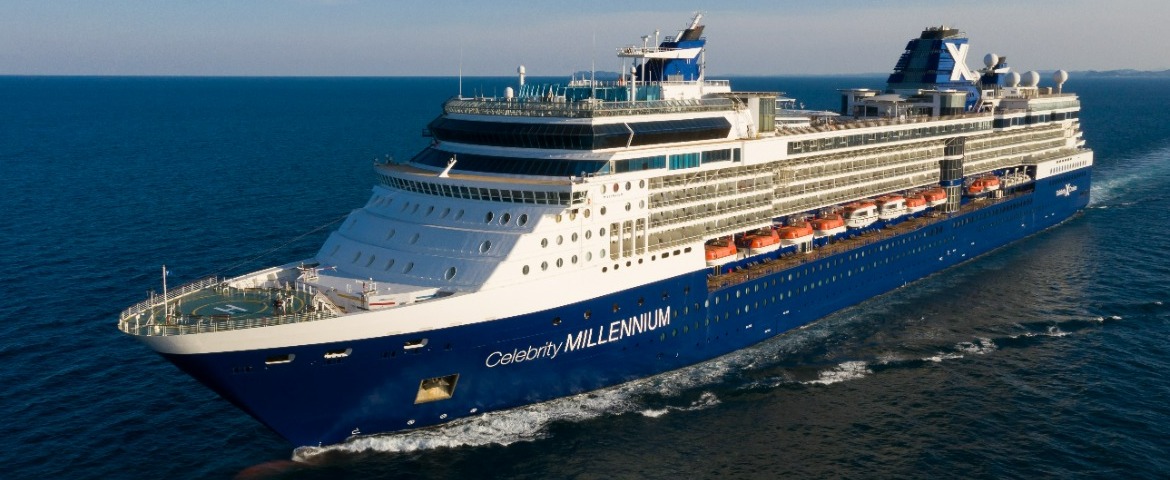
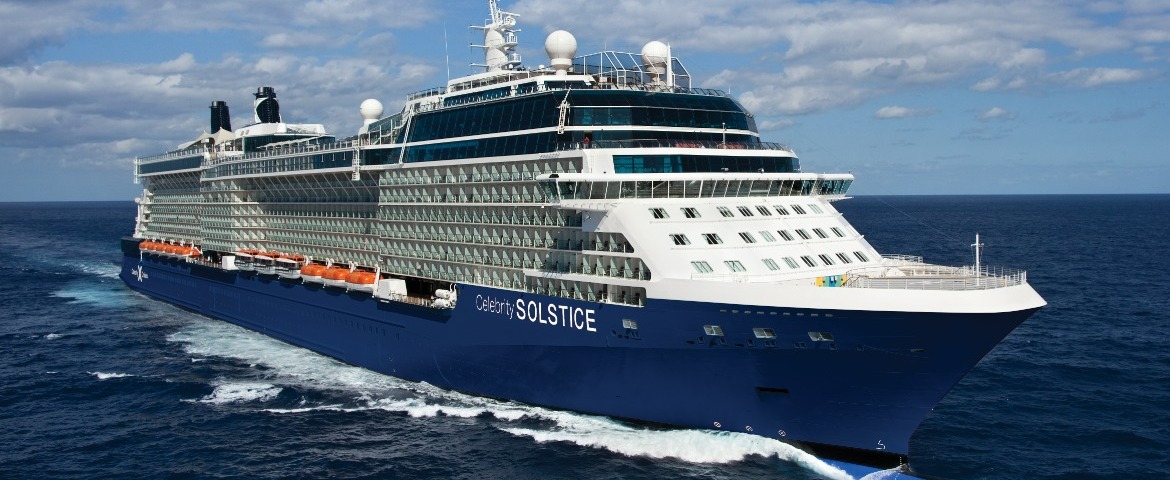
Celebrity Cruises (12 Cruises)

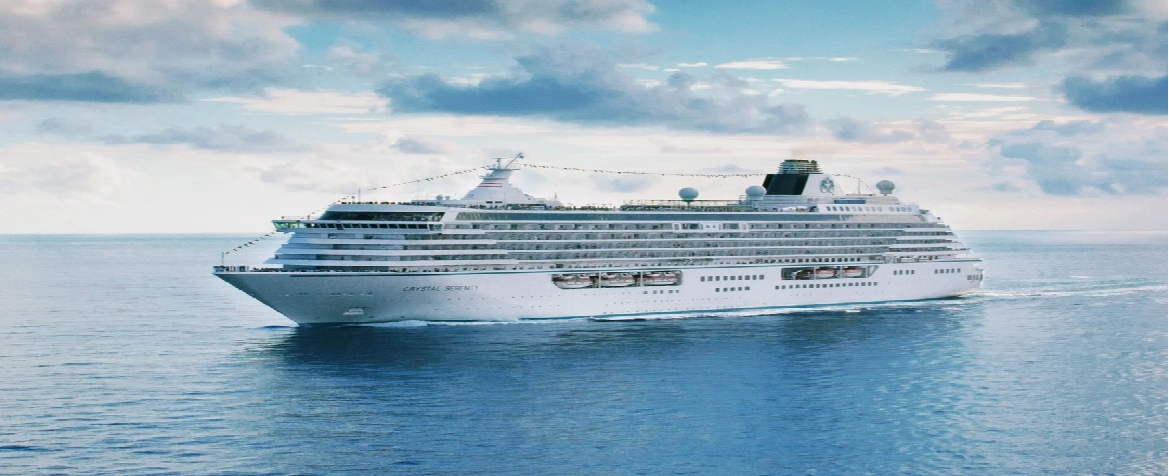
Crystal Cruises (5 Cruises)

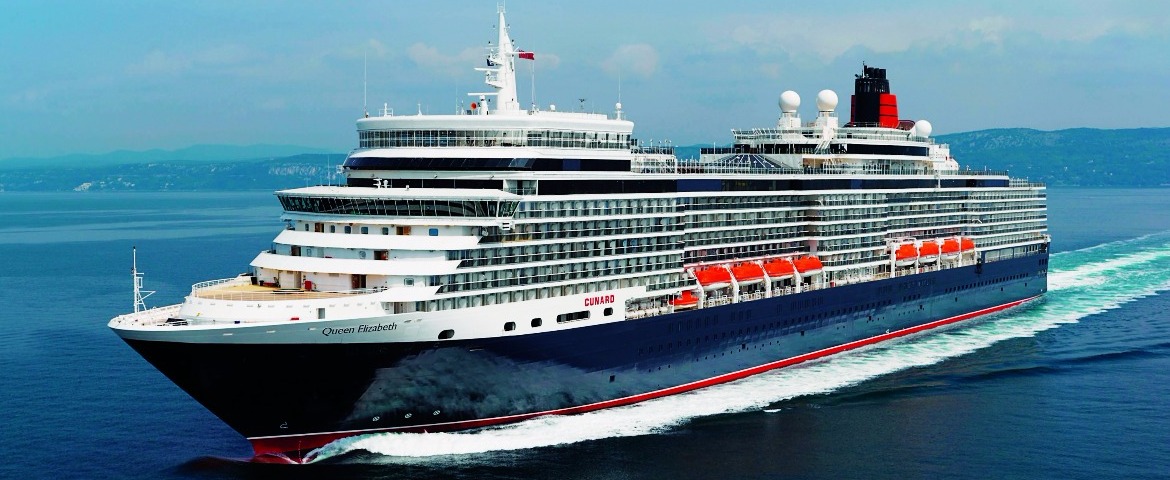
Cunard (14 Cruises)
Queen Elizabeth
14 Cruises

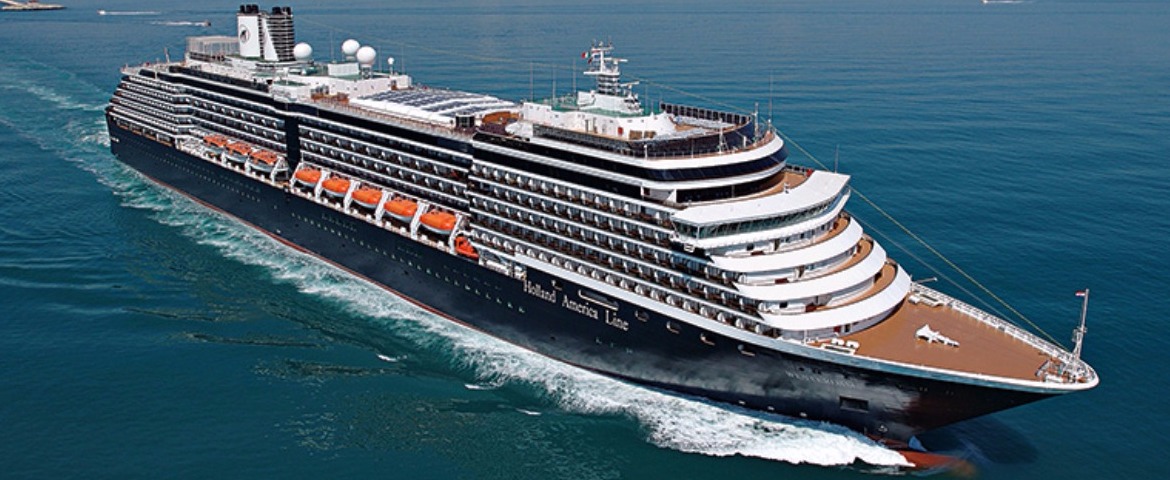
Holland America Line (2 Cruises)

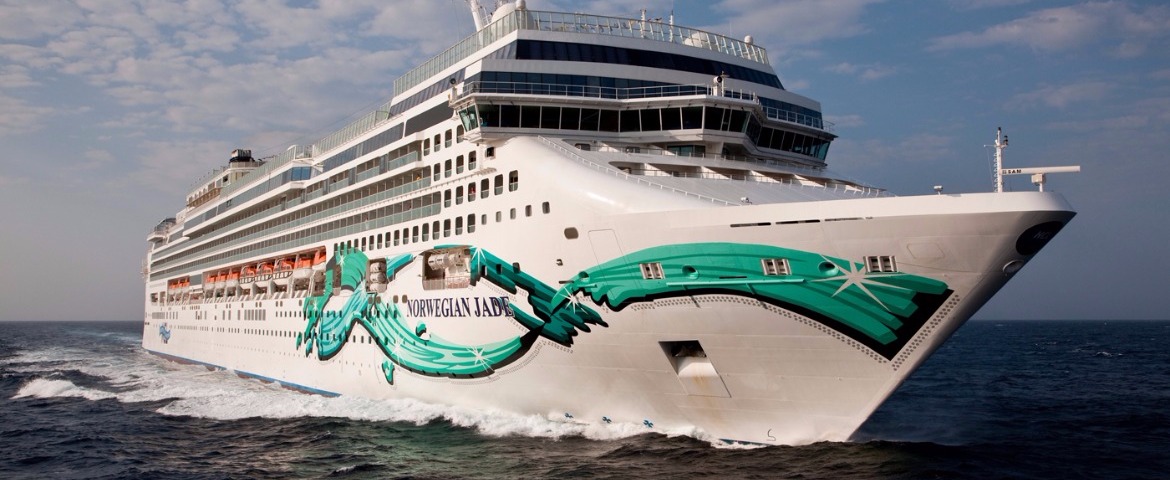
Norwegian Cruise Line (15 Cruises)
Norwegian Jade
15 Cruises

| 14 March | 9 nights | One-way from Incheon to Yokohama |
450-628-6241
Call us
|
| 23 March | 9 nights | One-way from Yokohama to Incheon |
From
1822$
|
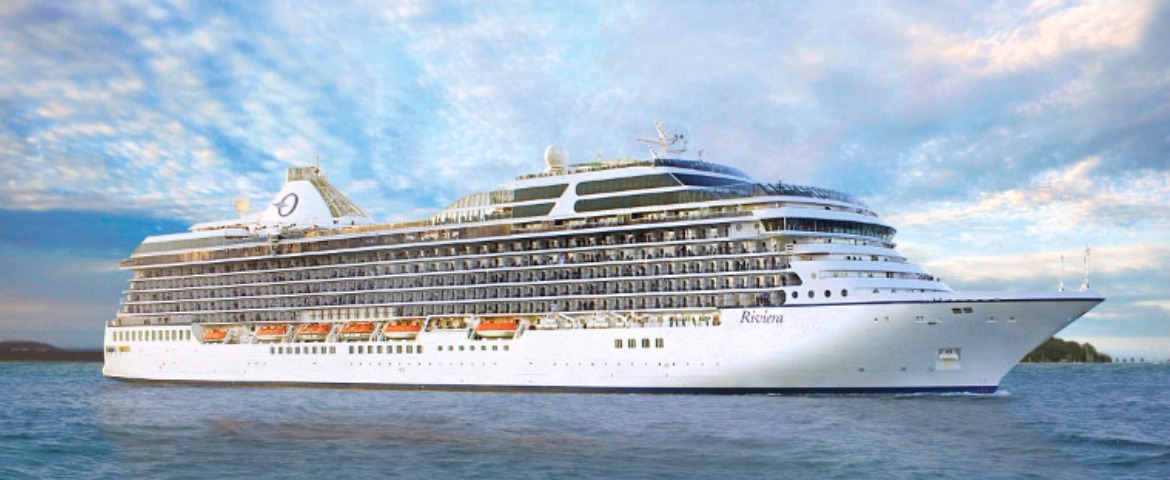
Oceania Cruises (32 Cruises)
Oceania Riviera
22 Cruises

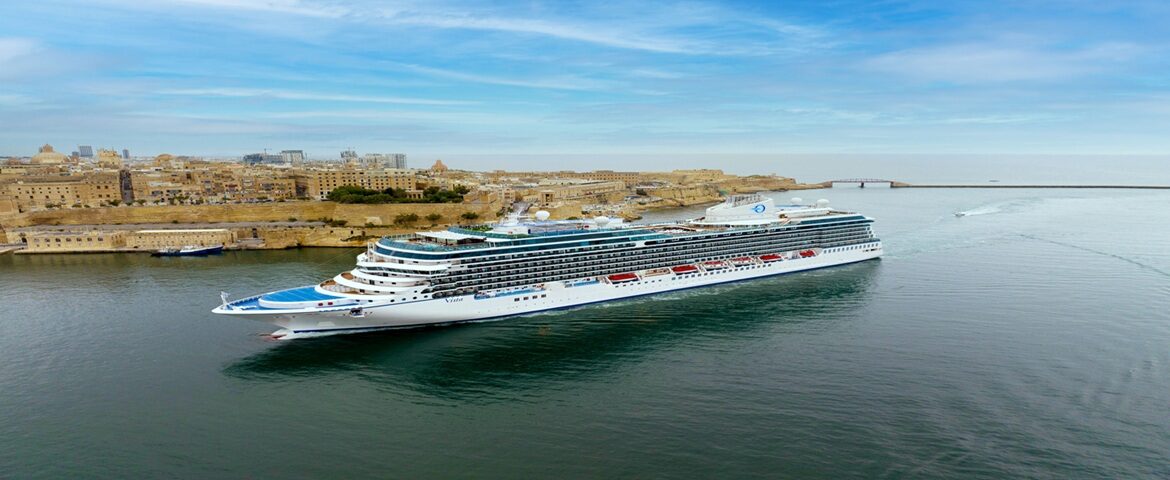
Oceania Vista
10 Cruises
| 6 January | 180 days | One-way from Miami to Southampton |
450-628-6241
Call us
|
| 6 January | 244 days | One-way from Miami to New York |
450-628-6241
Call us
|
Princess Cruises (54 Cruises)
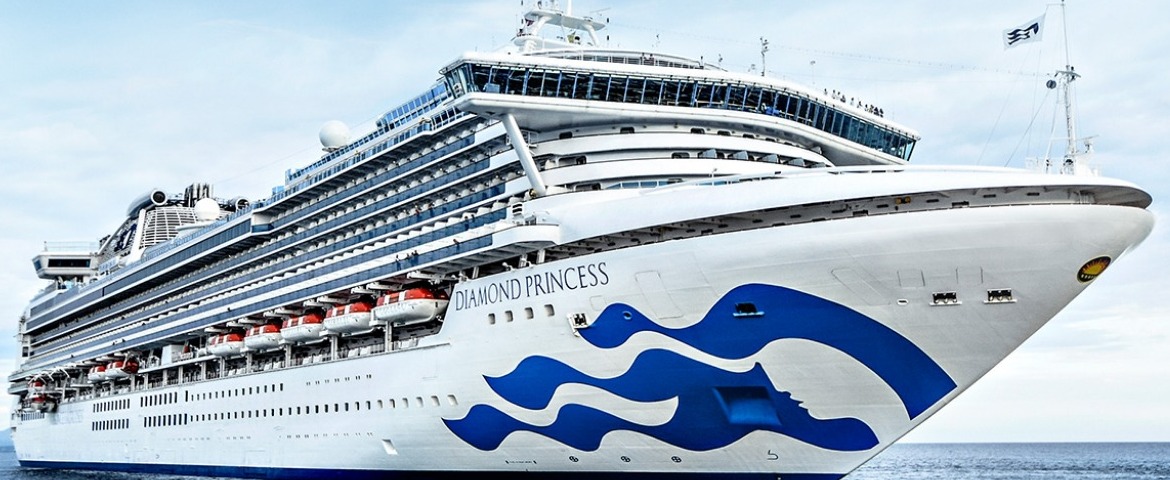
Diamond Princess
54 Cruises

Royal Caribbean Cruises (17 Cruises)
Navigator of the Seas
5 Cruises




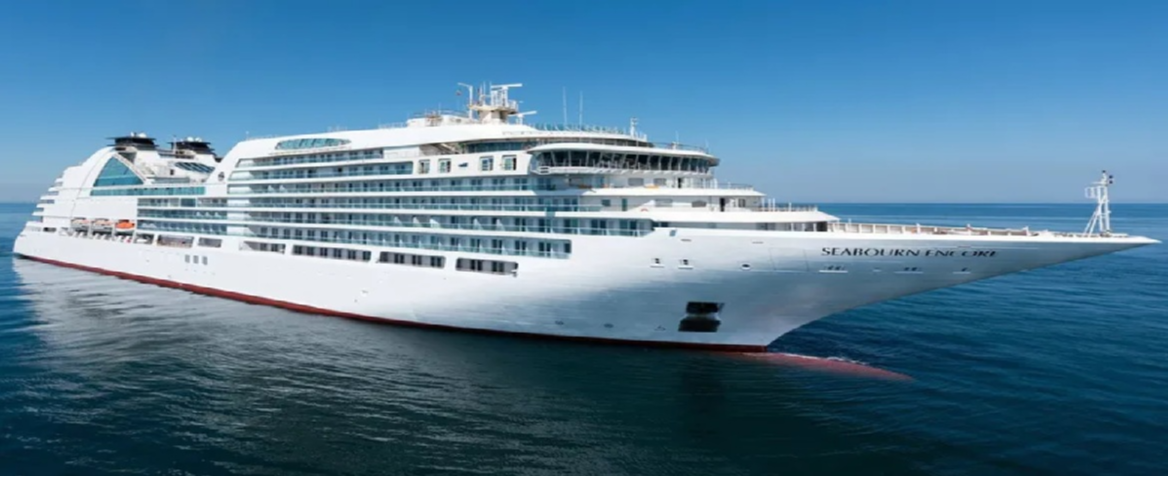
Seabourn Cruise Line (4 Cruises)



Port of Yokohama | Cruise Port Guide
Frequently Asked Questions
At Osanbashi, whose roof undulates like the back of a whale: you step off onto a vast terrace of decking and lawns where locals come to stroll and picnic facing the ships. Some ships berth instead at the more industrial Daikoku terminal, from which a shuttle runs downtown.
Yes, everything works on foot. Five minutes takes you to Yamashita Park, a long ribbon of greenery facing the water. Chinatown is about ten minutes' walk, and the waterfront promenade then leads to the red-brick warehouses and Minato Mirai.
One walk links everything: Yamashita Park and the Hikawa Maru, Chinatown for lunch, the Aka-Renga warehouses, then Minato Mirai and its observatory. No transport is needed, which is rare for a major Japanese port of call.
A 1930s liner that once linked Japan to Vancouver and Seattle, moored at Yamashita Park. Cruise passengers feel at home there: the city was built on transpacific crossings, and its waterfront keeps that memory at every berth.
It is the largest in Japan. Monumental gates open onto a maze of lanes where bamboo steamers give off clouds of steam: hundreds of restaurants, temples with glazed roofs and tea shops. The red and gold Kanteibyo temple offers a quieter pause in the middle of the bustle.
The futuristic district built on former shipyards. The Landmark Tower holds one of the country's highest observatories, with views to Mount Fuji on a clear day, while the Cosmo Clock 21 Ferris wheel counts out the hour in neon above the basins.
Very much so. The Cup Noodles Museum pays playful tribute to a Japanese invention that went global, the Ferris wheel entertains younger children, and Yamashita Park gives them room to run safely. Everything is walkable, which spares you long metro rides.
The capital is about thirty minutes by train from Yokohama station, with departures every few minutes, and the round trip is easy if you target one district such as Shibuya or Ginza. Many passengers choose to stay, though: the bay and the museums fill the day without the stress of Tokyo distances.
At Sankeien Garden, reachable by bus, where old pagodas and tea houses reflect in ponds fringed with maples. It is superb during the plum blossom and again in the autumn colours, and it is the perfect counterpoint to the towers of Minato Mirai.
If the schedule allows, yes. The Osanbashi terrace fills with tripods: the lit skyline of Minato Mirai, the Ferris wheel and the reflections in the bay make one of the most loved night views in the country.


