St Johns NL Newfoundland-Labrador Canada
100
Cruises availables
At departure or passage at this port
Atlas Ocean Voyages (2 Cruises)
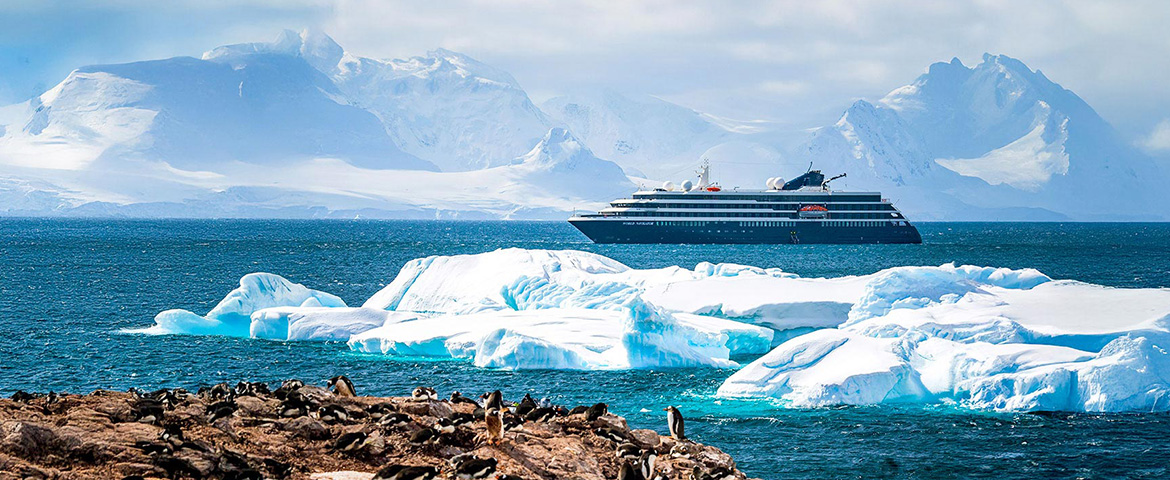

Azamara Club Cruises (7 Cruises)
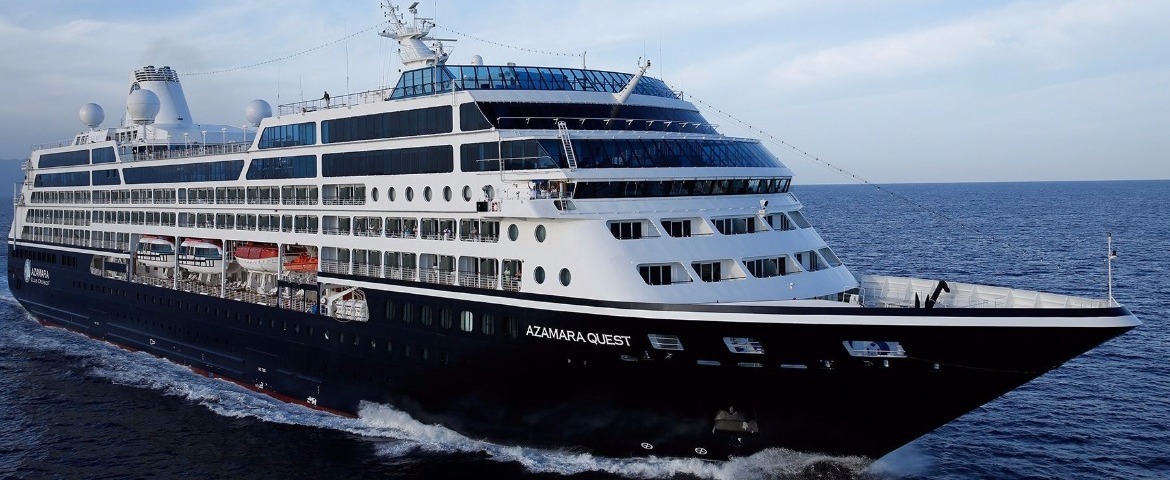

Celebrity Cruises (2 Cruises)
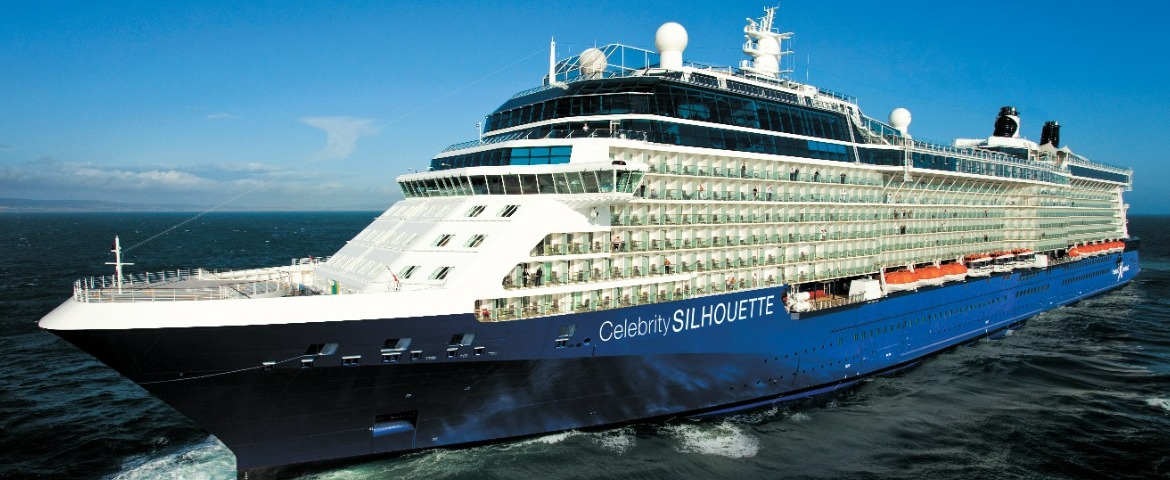

Crystal Cruises (1 Cruises)
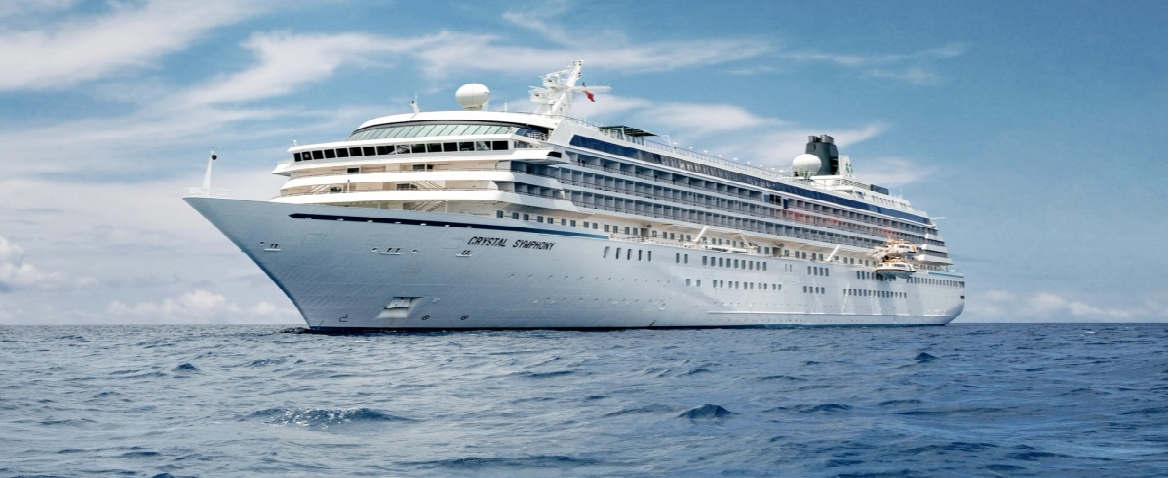

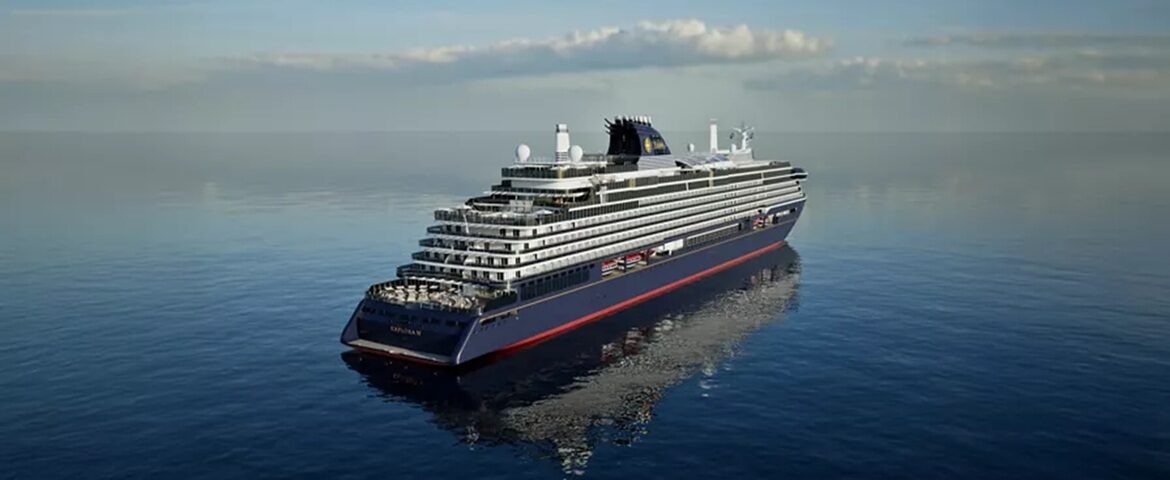
Explora Journeys (7 Cruises)
Explora IV
7 Cruises

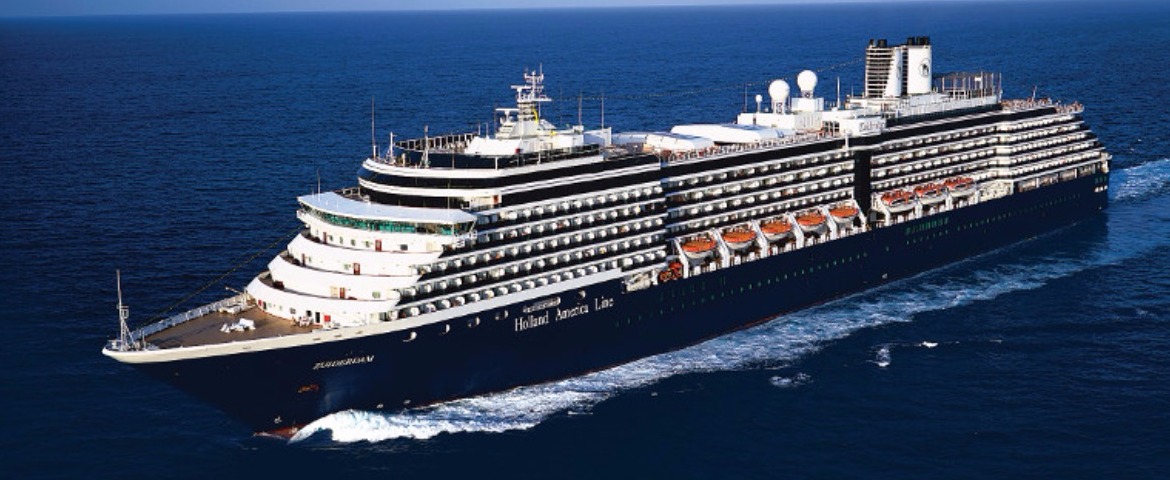
Holland America Line (8 Cruises)
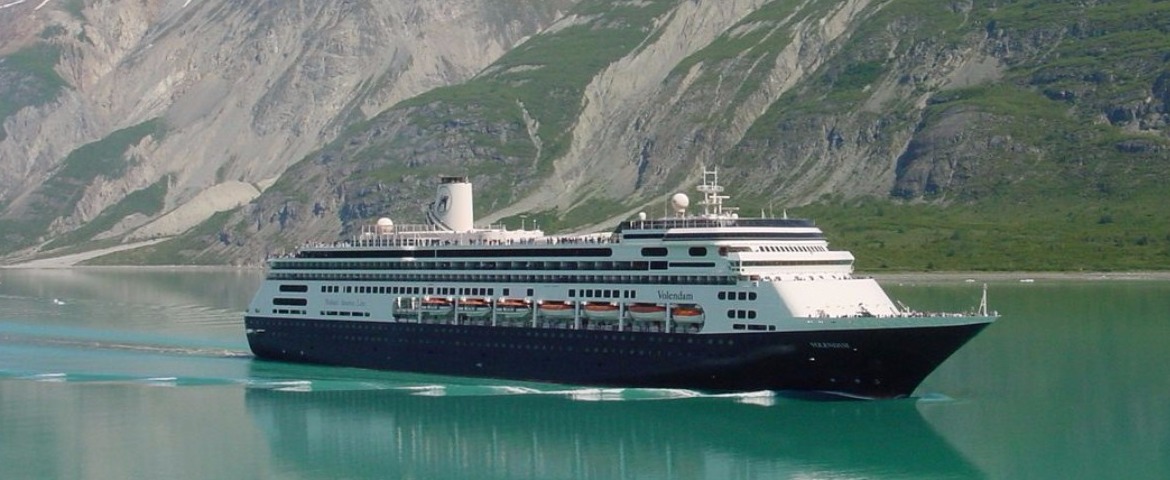
ms Volendam
6 Cruises

HX Expeditions (1 Cruises)

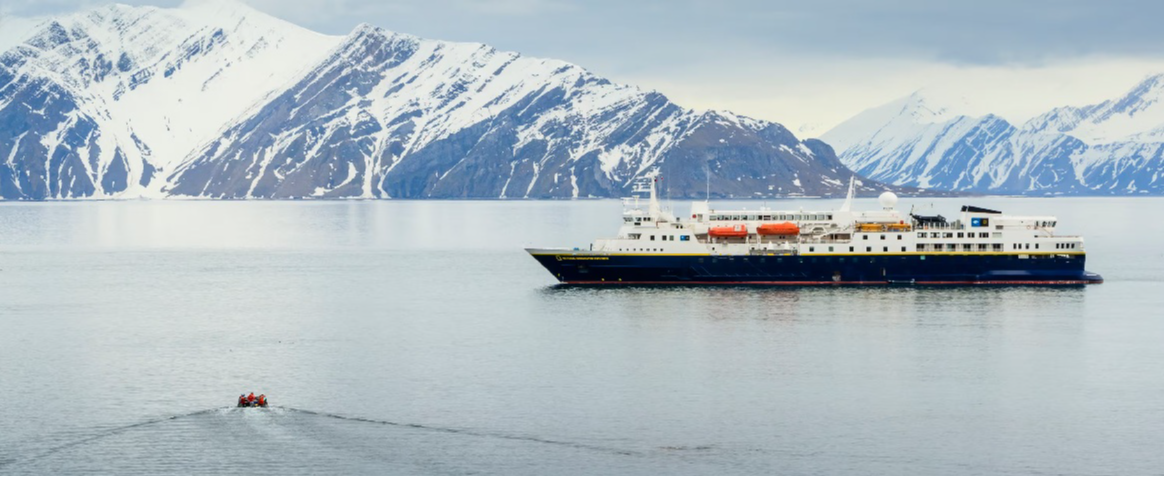
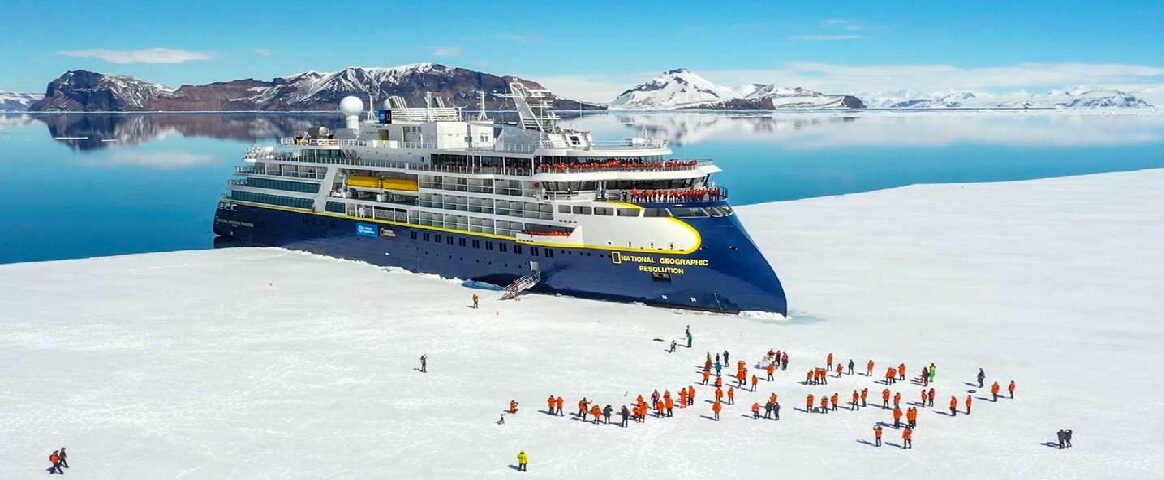
Lindblad Expeditions (10 Cruises)
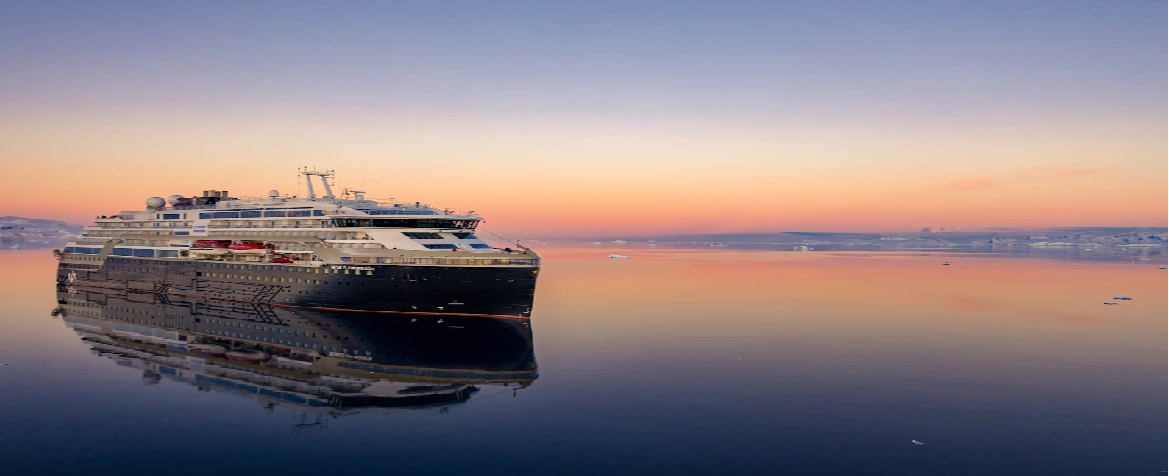
National Geographic Explorer
7 Cruises

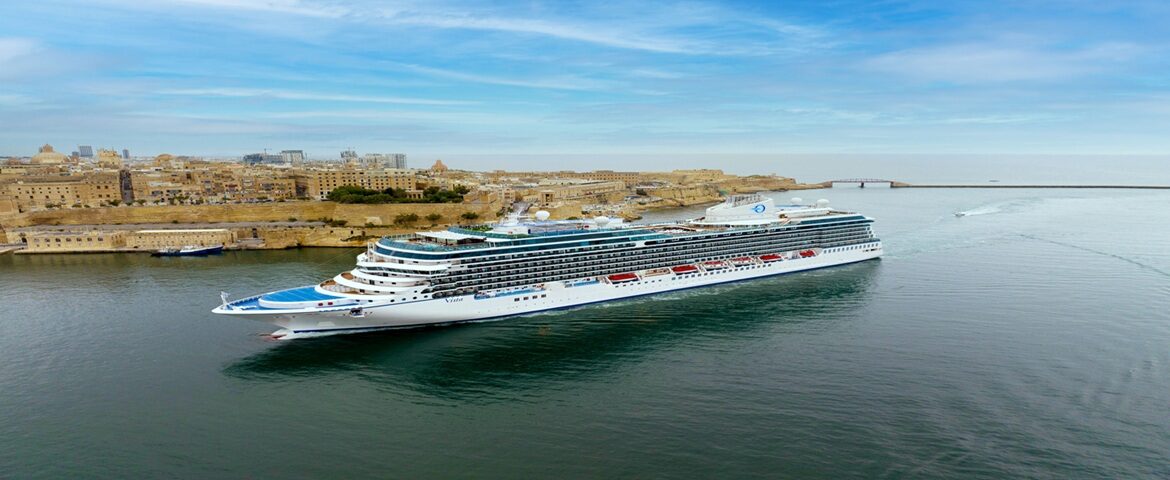
Oceania Cruises (10 Cruises)
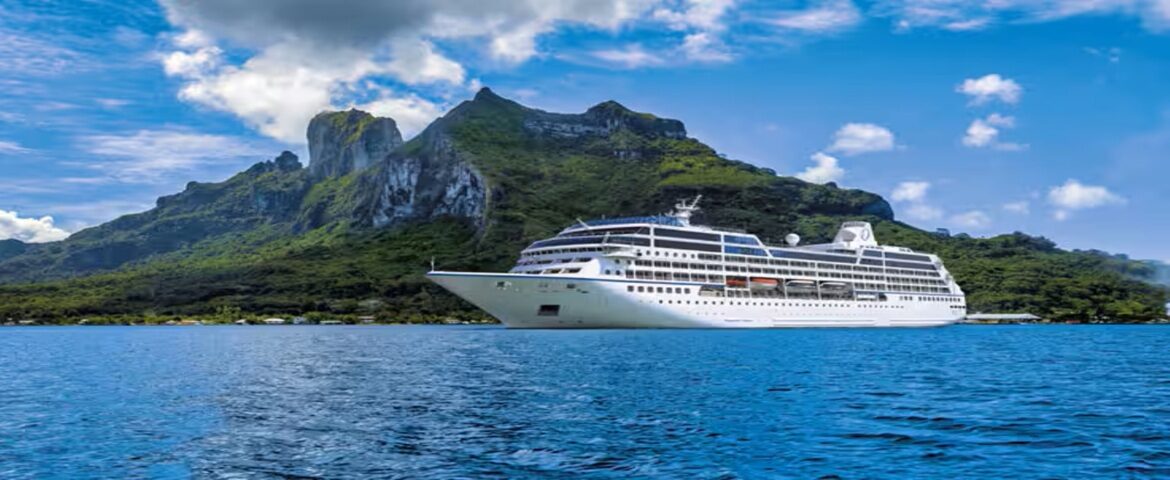

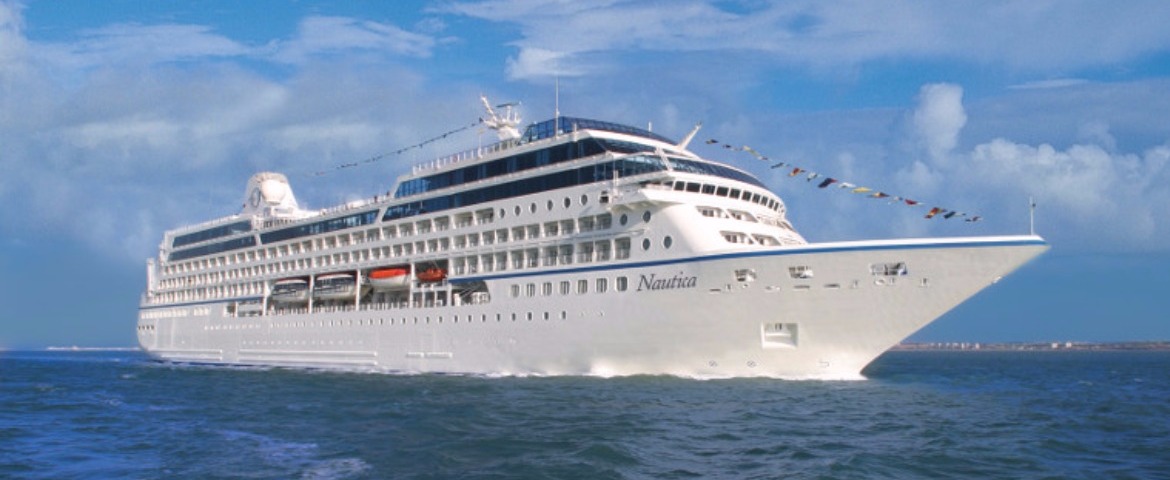
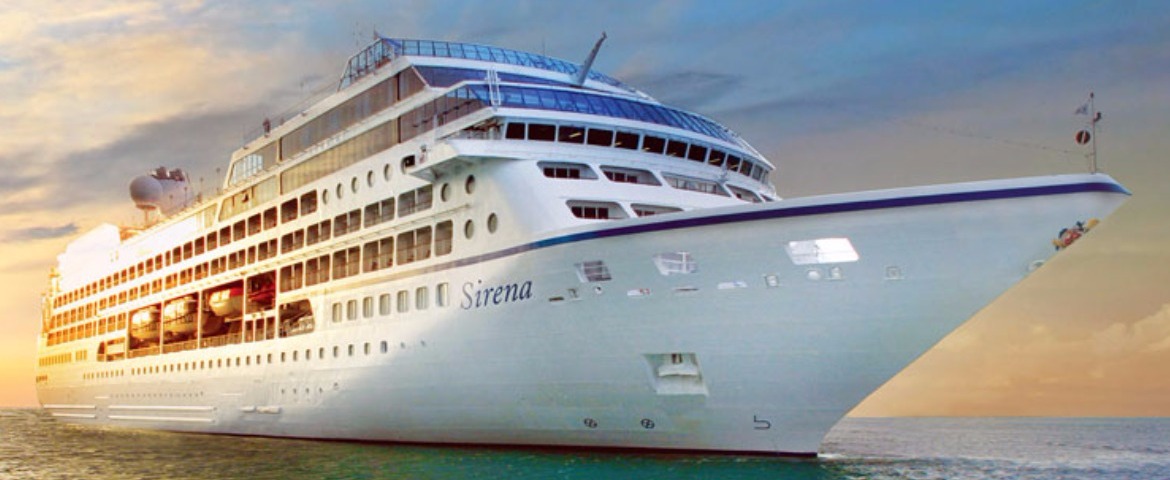
Oceania Sirena
4 Cruises

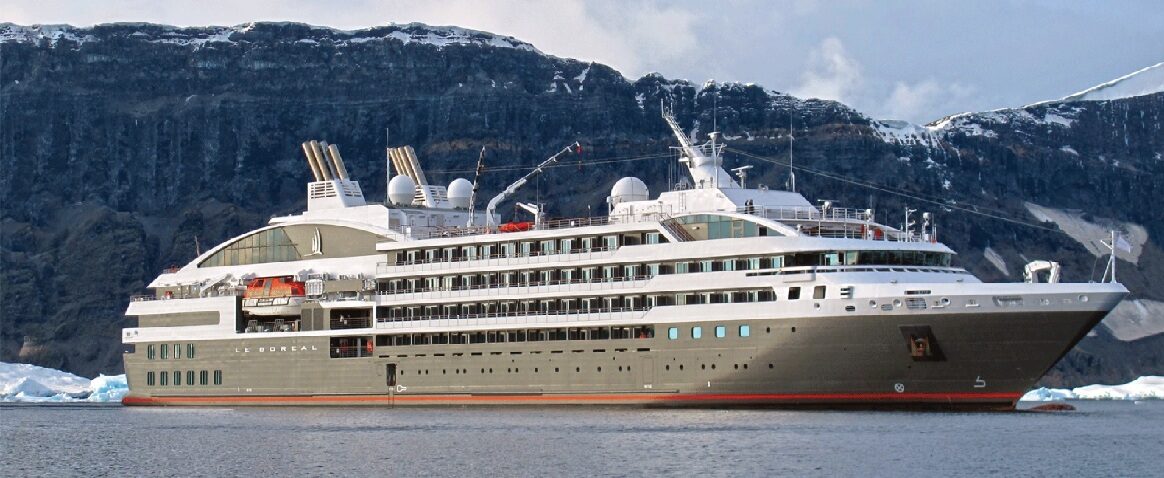
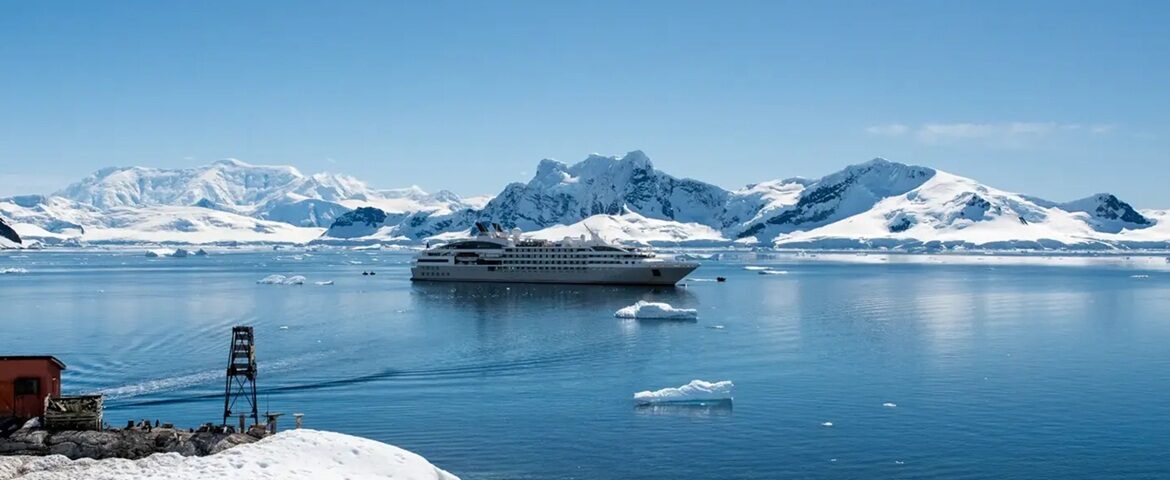

Regent Seven Seas Cruises (8 Cruises)
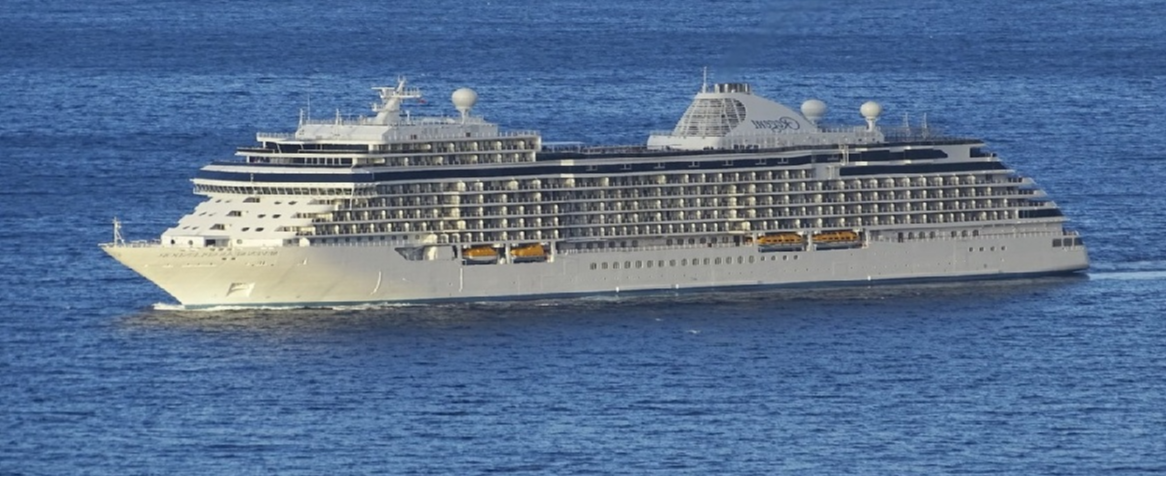

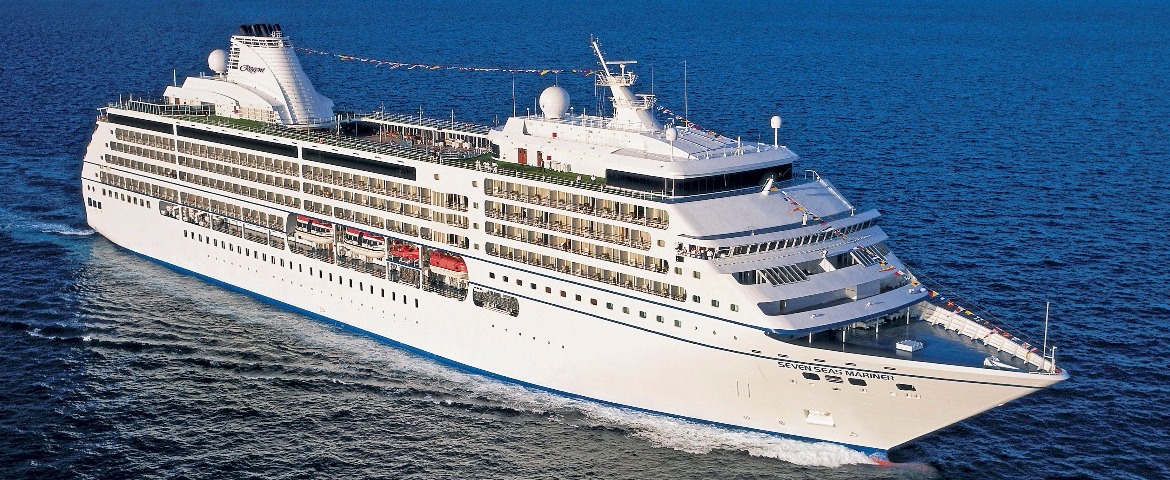
Seven Seas Mariner
4 Cruises


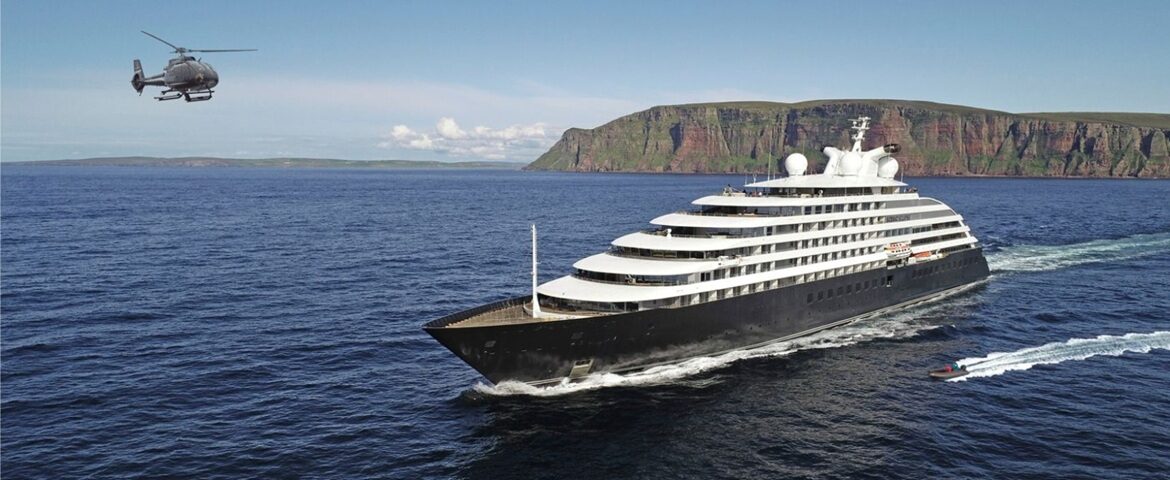
Seabourn Cruise Line (20 Cruises)
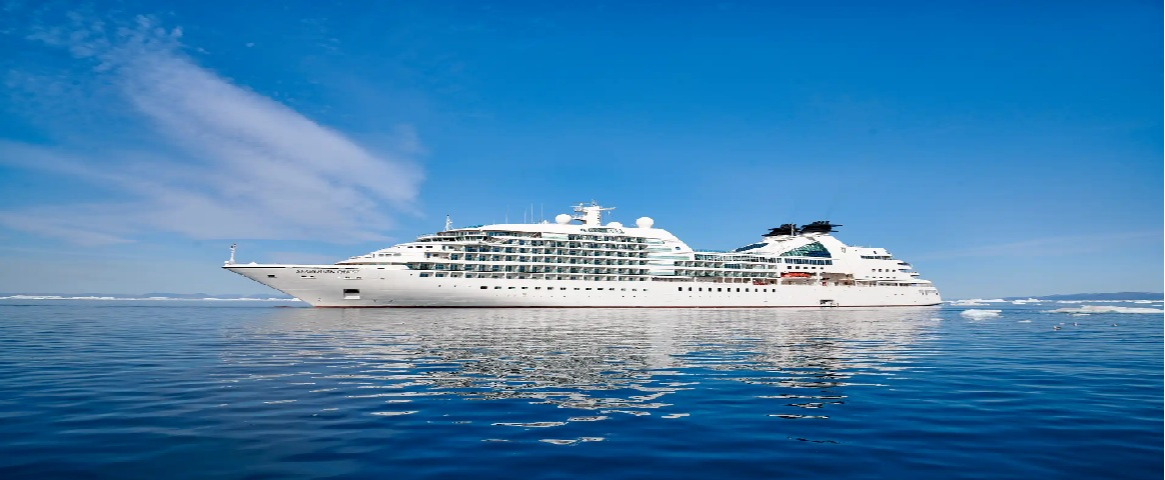

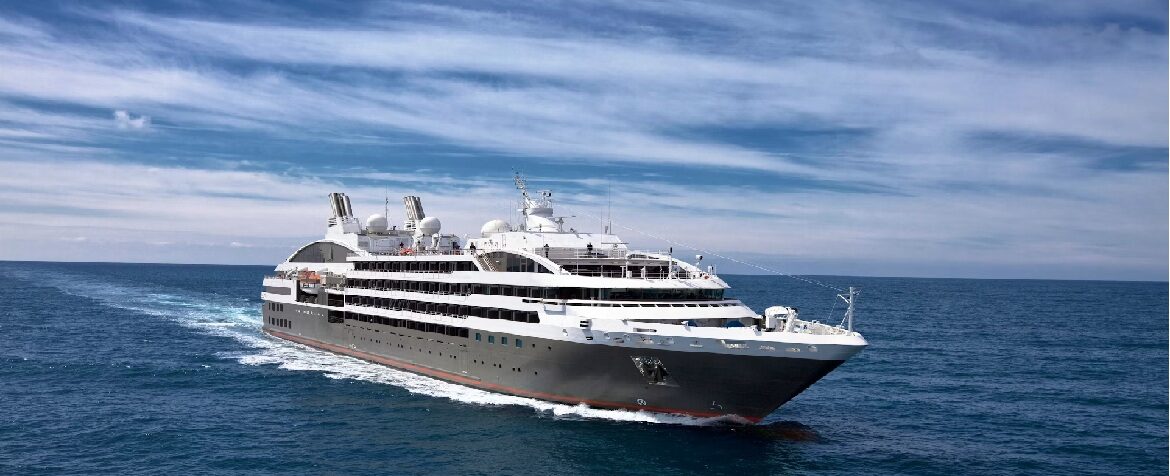
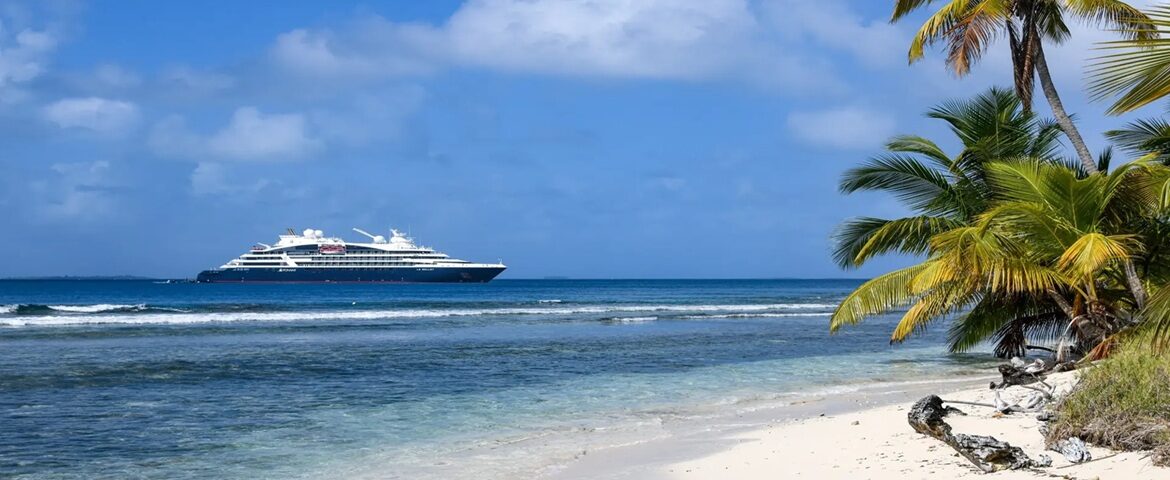
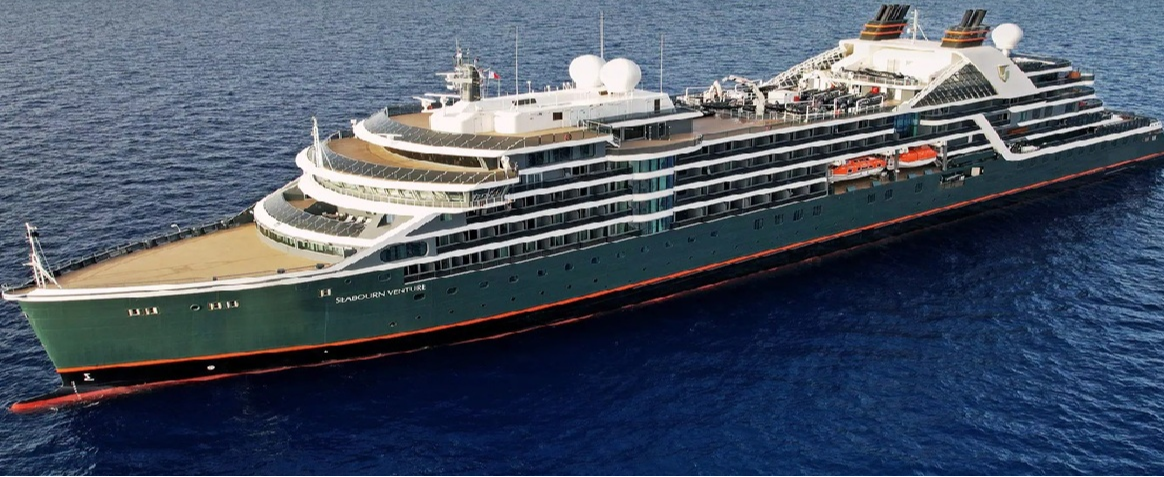
Seabourn Venture
16 Cruises
| 12 March | 95 nights | One-way from Ushuaia to St Johns NL |
450-628-6241
Call us
|
| 22 March | 85 nights | One-way from Ushuaia to St Johns NL |
450-628-6241
Call us
|
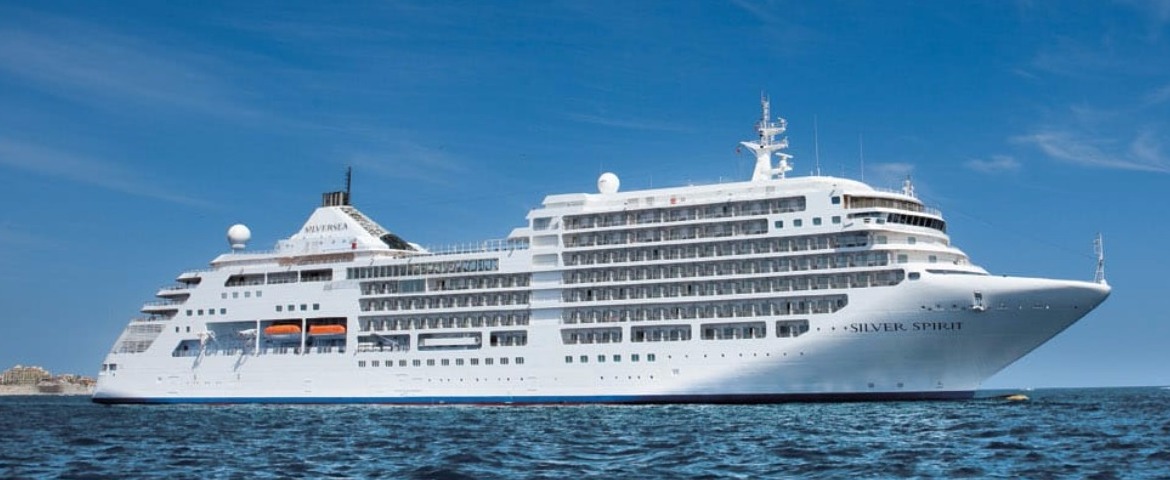
Silversea Cruises (2 Cruises)

Windstar Cruises (3 Cruises)
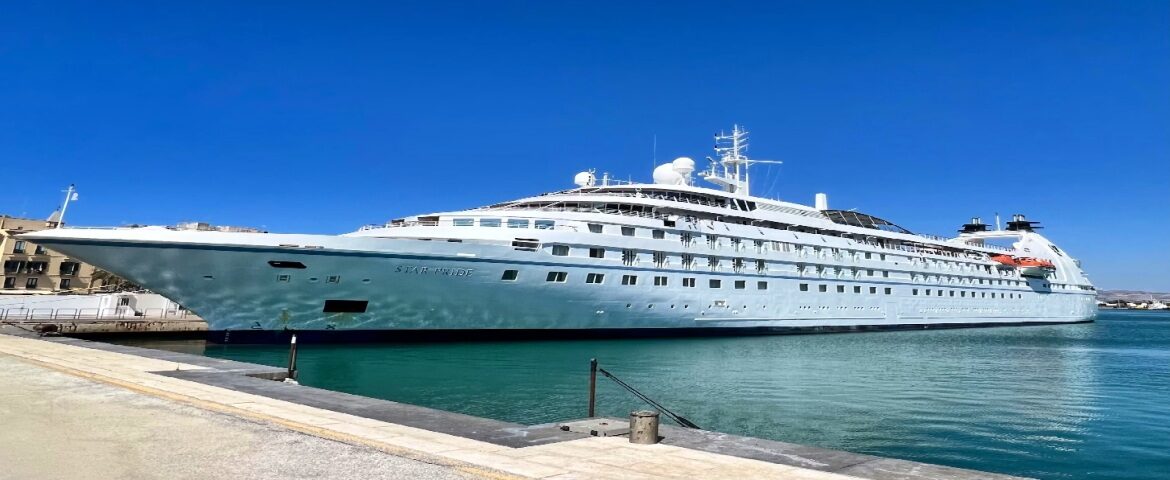


Port of St. John’s, Canada | Cruise Port Guide
Frequently Asked Questions
Along the harbour, right downtown. No shuttle is needed: the shopping streets begin at the end of the gangway. Ships enter through the Narrows, a tight passage between two cliffs.
Yes, provided you accept the hills. Water Street, one of the oldest commercial streets in North America, runs along the harbour; one street up, Duckworth Street lines up galleries and cafés, and the painted houses of Jellybean Row brighten every climb.
Water Street, Jellybean Row and the Battery district, where houses on stilts hang over the water. In half a day, add Signal Hill and The Rooms; a full day allows Cape Spear and Petty Harbour.
A national historic site atop the hill guarding the Narrows. It was here in 1901 that Guglielmo Marconi received the first transatlantic wireless message, sent from Cornwall. Cabot Tower, built in 1898, crowns a panorama over the ocean, the jagged coast and the coloured roofs.
On foot via the North Head Trail, a dramatic path clinging to the cliffs above the Narrows, or by taxi and excursion for those who prefer. Many ride up and walk down into the Battery district.
The building housing the province's museum, archives and art gallery, designed after the old fishing rooms. Its galleries cover millennia of human presence, from the Beothuk to the Grand Banks fishermen, and its glass wall offers one of the finest indoor views of the harbour.
A welcoming ceremony in the pubs of George Street where visitors kiss a cod and become honorary Newfoundlanders amid general laughter. George Street is a tiny lane famous for its concentration of taverns.
Yes on a long call: about twenty minutes' drive south, to the easternmost point of North America. The 1836 lighthouse, the oldest surviving in the province, stands over spray-swept cliffs; in season, whales and seabirds work the water offshore.
Fish and chips made with fresh cod, pan-fried cod tongues for the curious, and the iceberg-water beer brewed at Quidi Vidi, a fishing hamlet tucked inside the capital, in a former fish store.
The Canadian dollar and English, with the distinctive Newfoundland accent. Cards are accepted everywhere. Note that Newfoundland keeps its own time zone, offset by half an hour.


