Sibenik Croatia
425
Cruises availables
At departure or passage at this port
Azamara Club Cruises (19 Cruises)
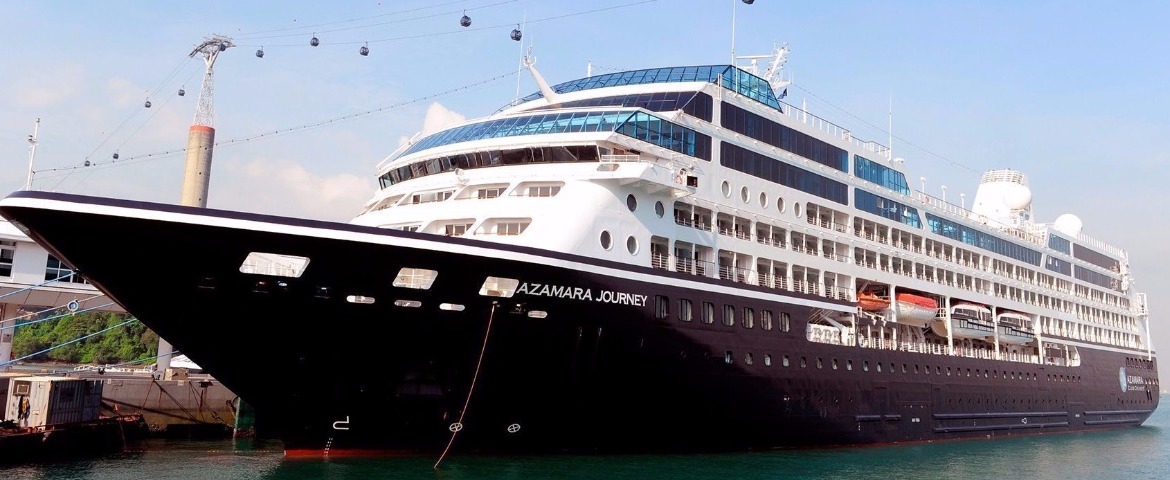
Azamara Journey
8 Cruises

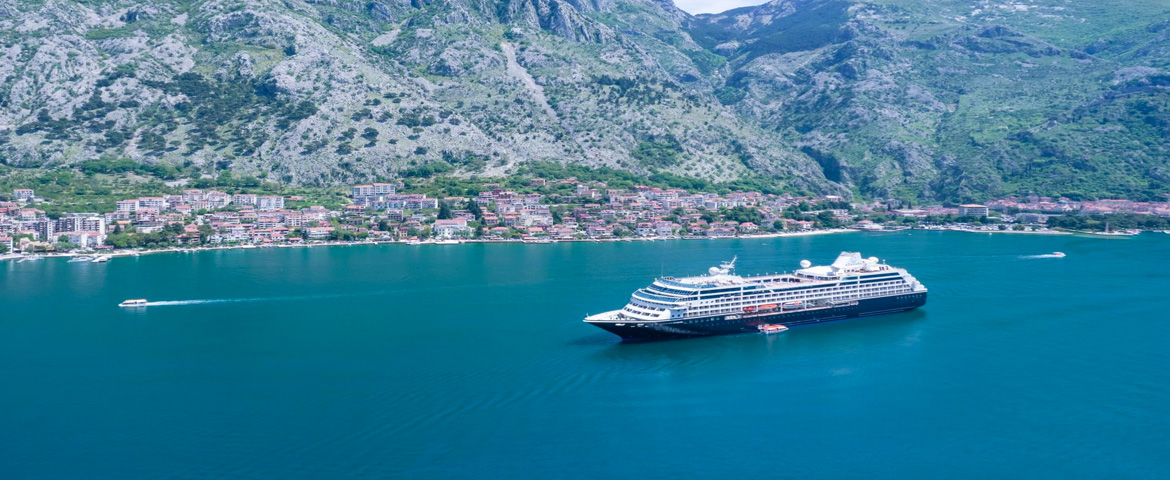
Azamara Onward
11 Cruises
CroisiEurope (23 Cruises)
MV La Belle de L'Adriatique
23 Cruises


| 24 June | 7 days | Round-trip Croatia and Montenegro |
450-628-6241
Call us
|
| 24 June | 7 nights | Round-trip from Dubrovnik, Croatia |
450-628-6241
Call us
|
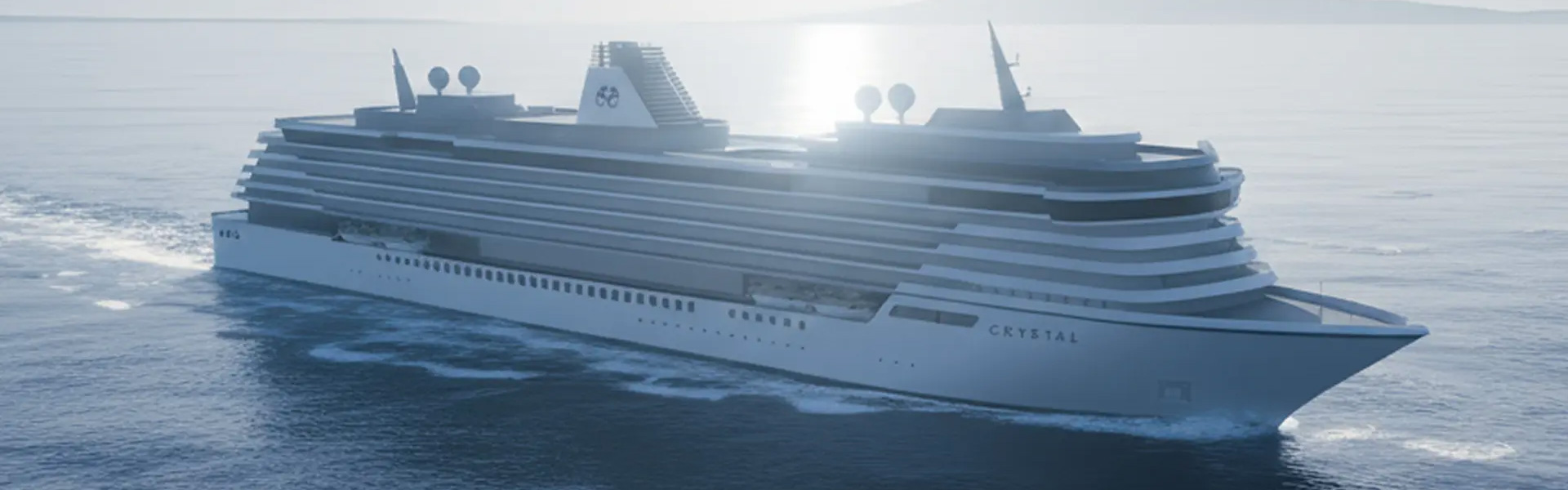
Crystal Cruises (1 Cruises)

Emerald Waterways (56 Cruises)
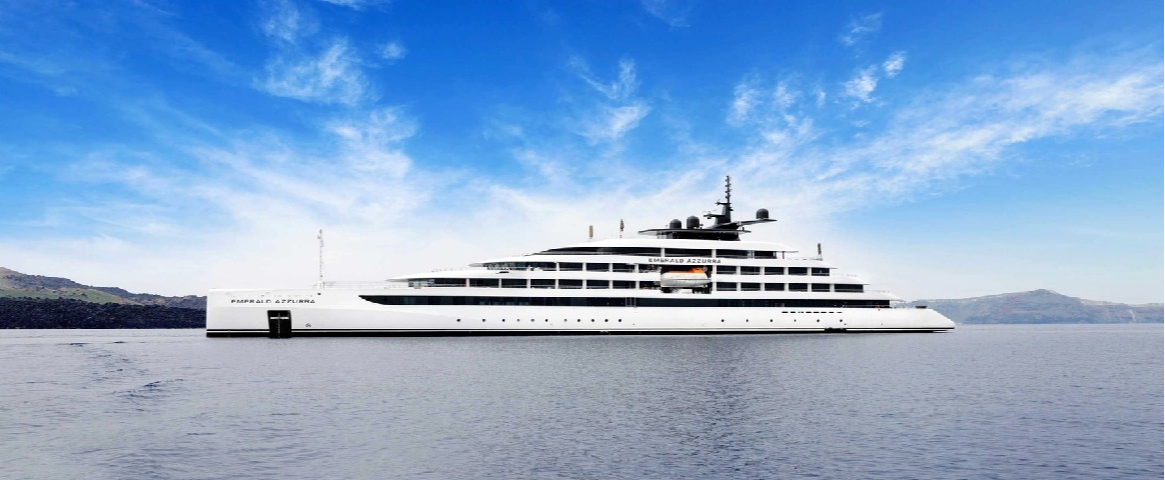
Emerald Azzurra
16 Cruises

| 24 May | 7 nights | One-way from Venice to Dubrovnik |
450-628-6241
Call us
|
| 24 May | 14 nights | One-way from Venice to Piraeus-Athens |
450-628-6241
Call us
|
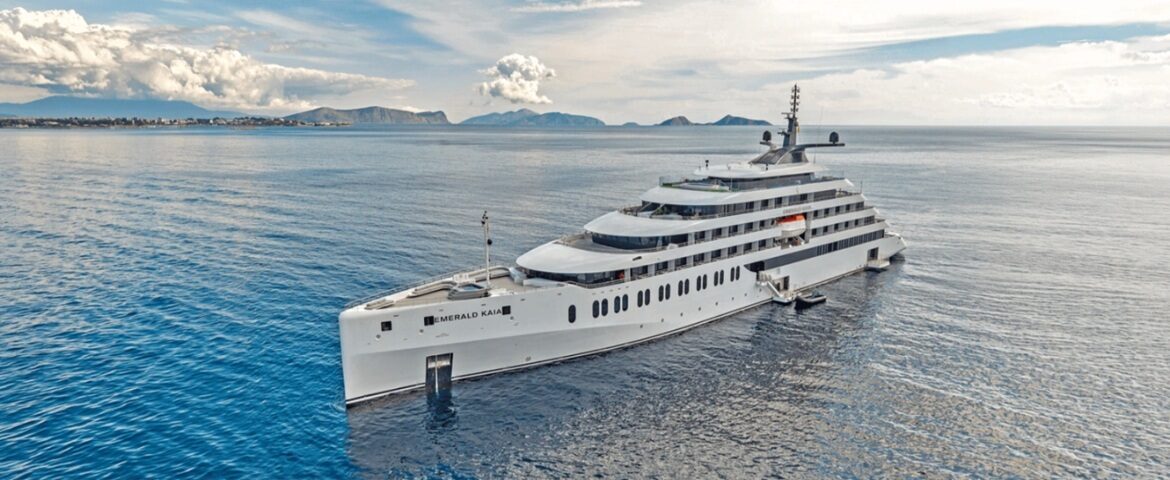
Emerald Kaia
35 Cruises
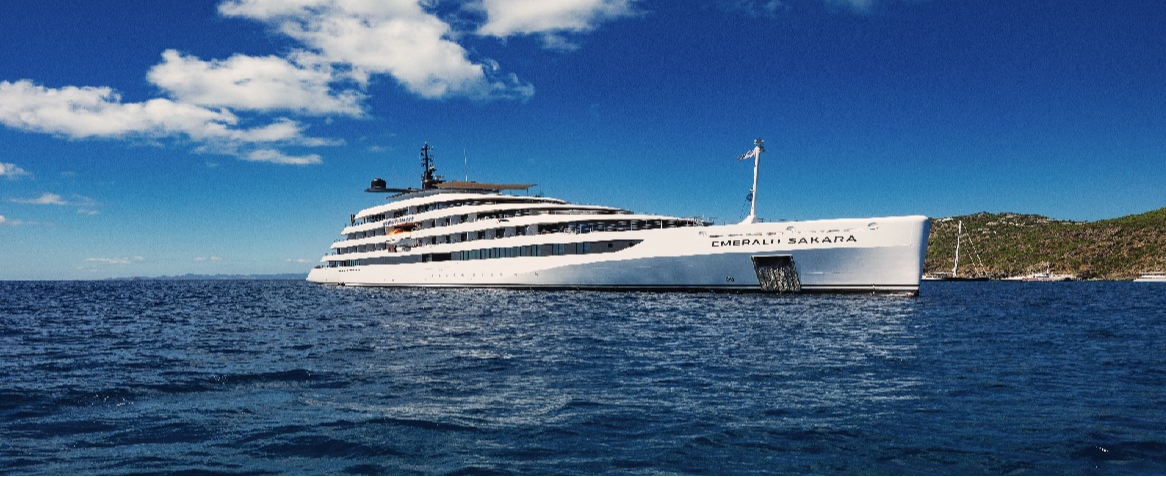
Emerald Sakara
5 Cruises
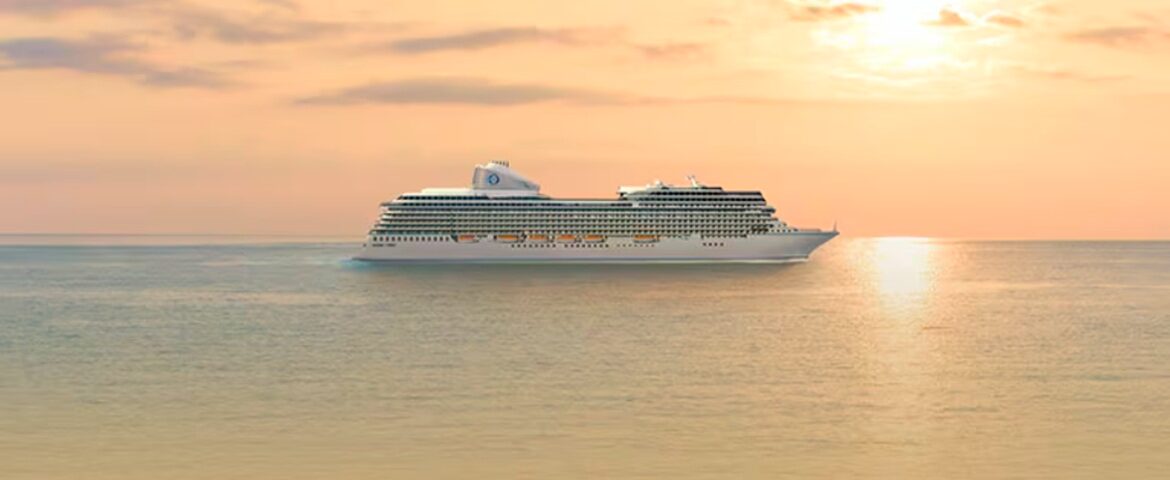
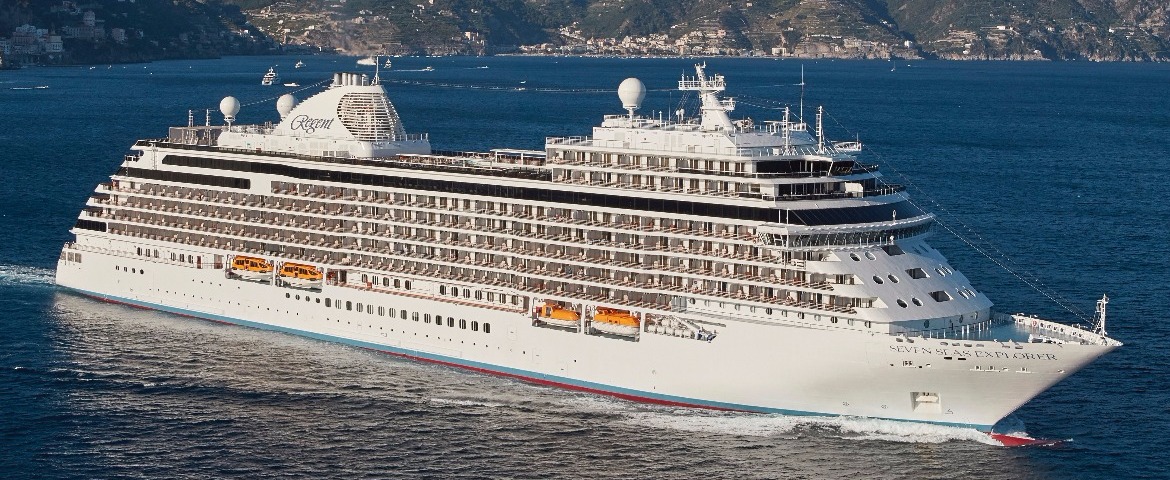
Oceania Cruises (2 Cruises)


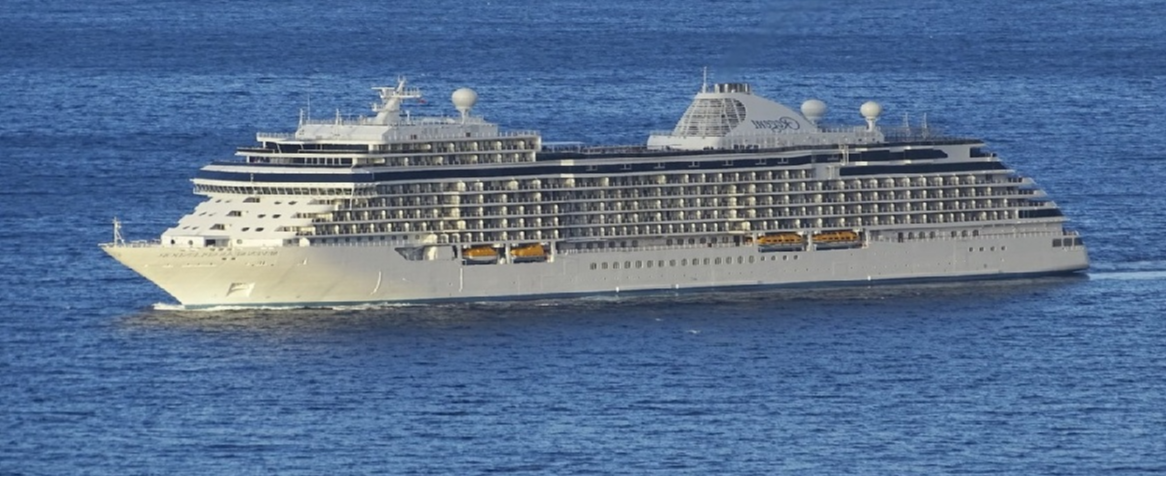
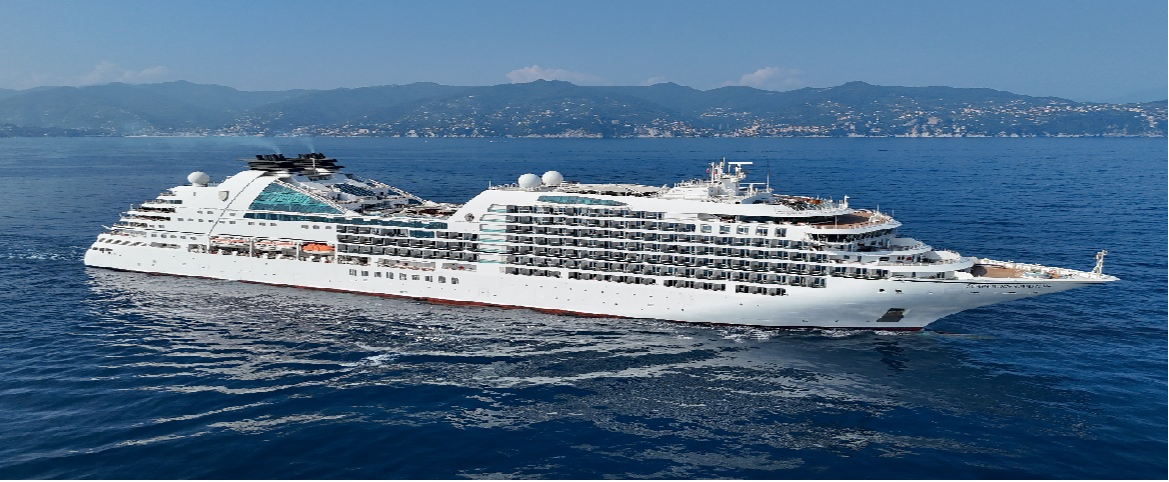
Seabourn Cruise Line (48 Cruises)
Seabourn Ovation
48 Cruises

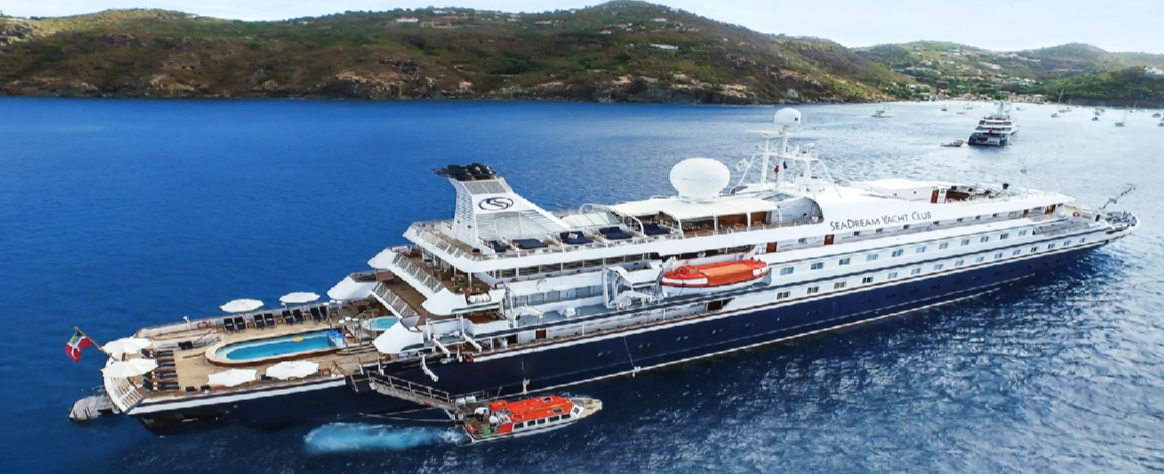
SeaDream Yacht Club (2 Cruises)

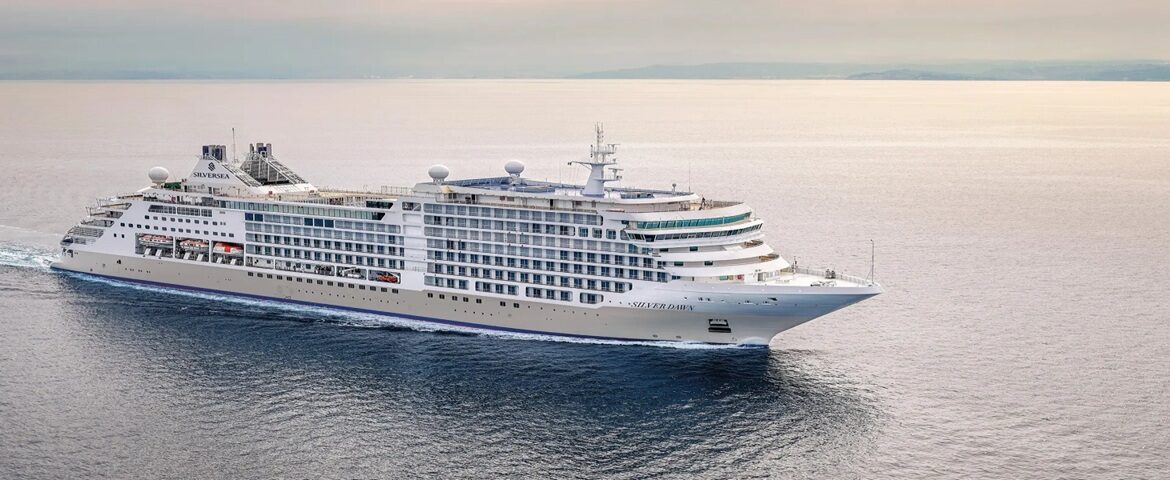
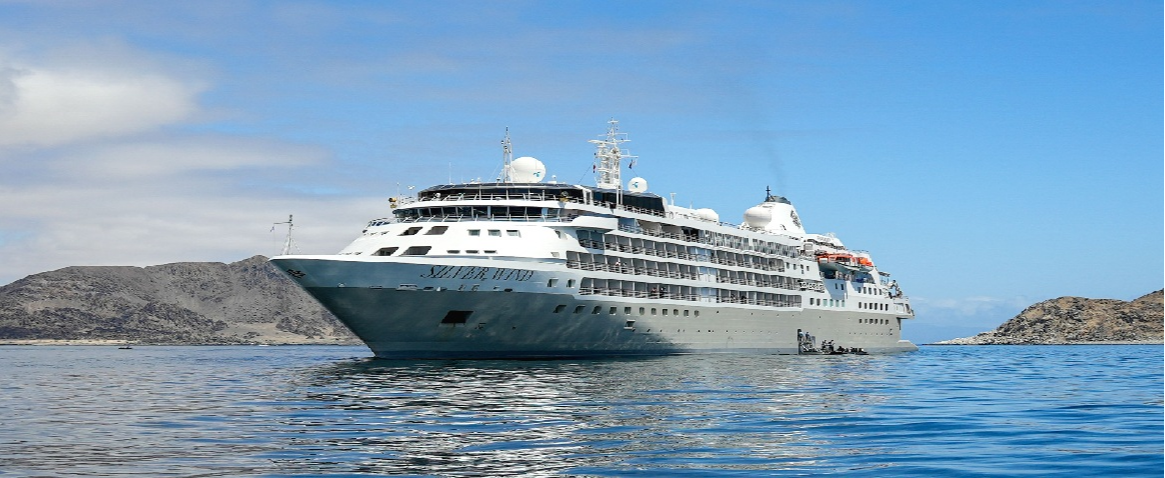
Silversea Cruises (19 Cruises)
Silver Dawn
10 Cruises

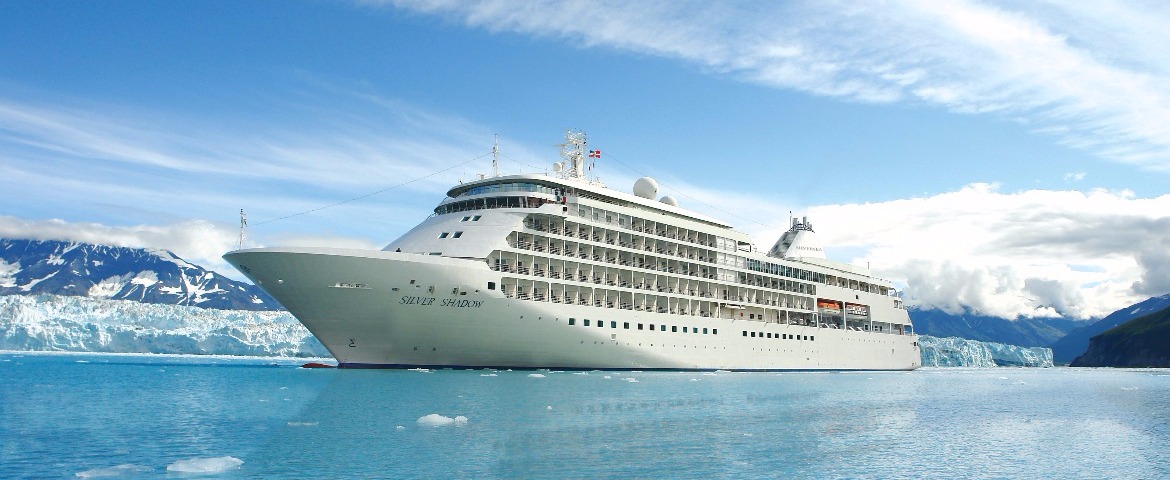
Silver Shadow
8 Cruises
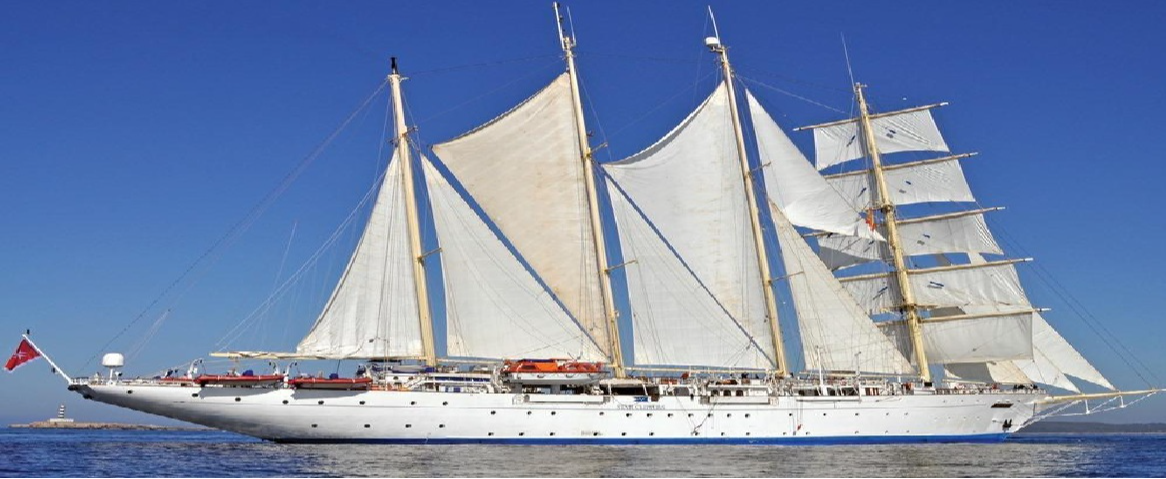
Star Clippers (14 Cruises)
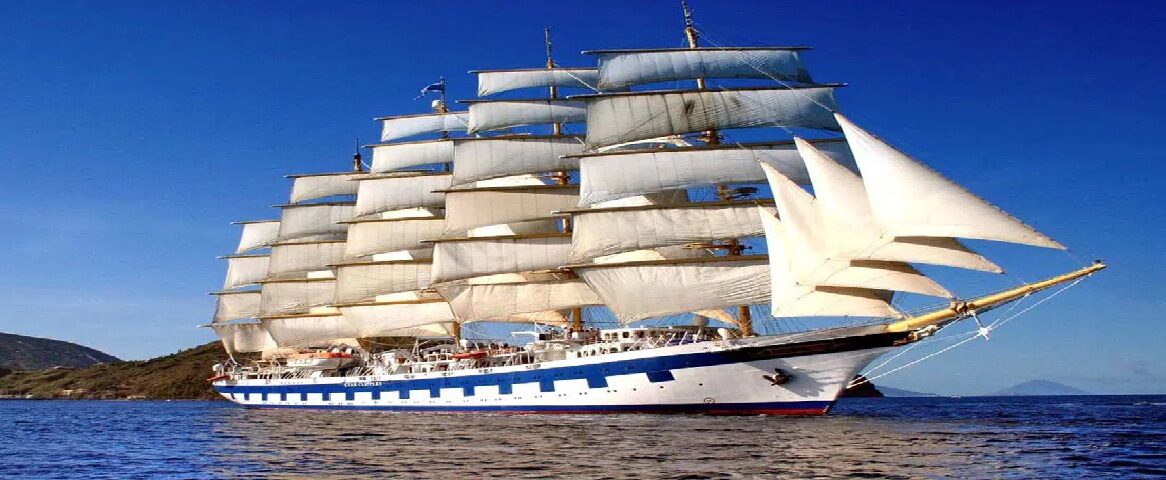
Royal Clipper
11 Cruises

Viking Ocean Cruises (211 Cruises)
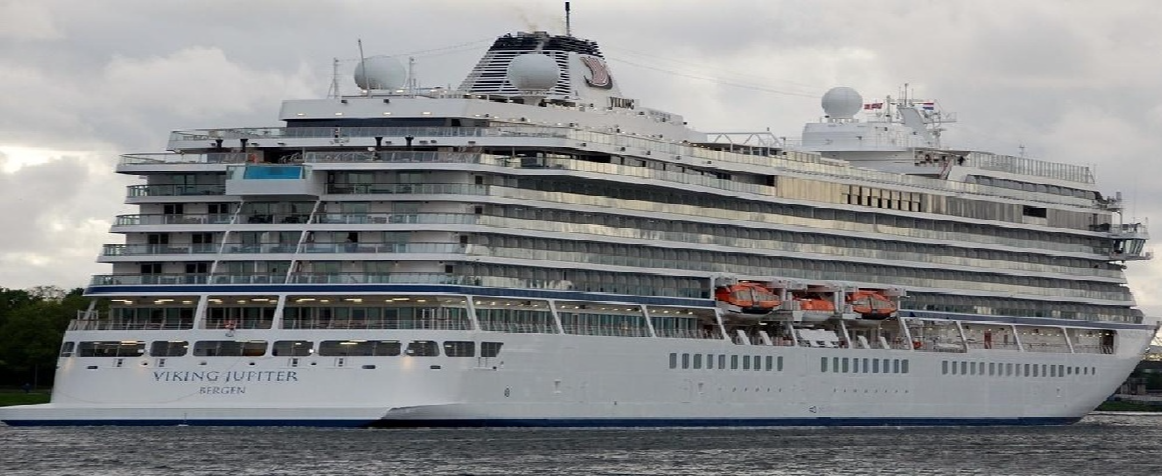
Viking Jupiter
72 Cruises

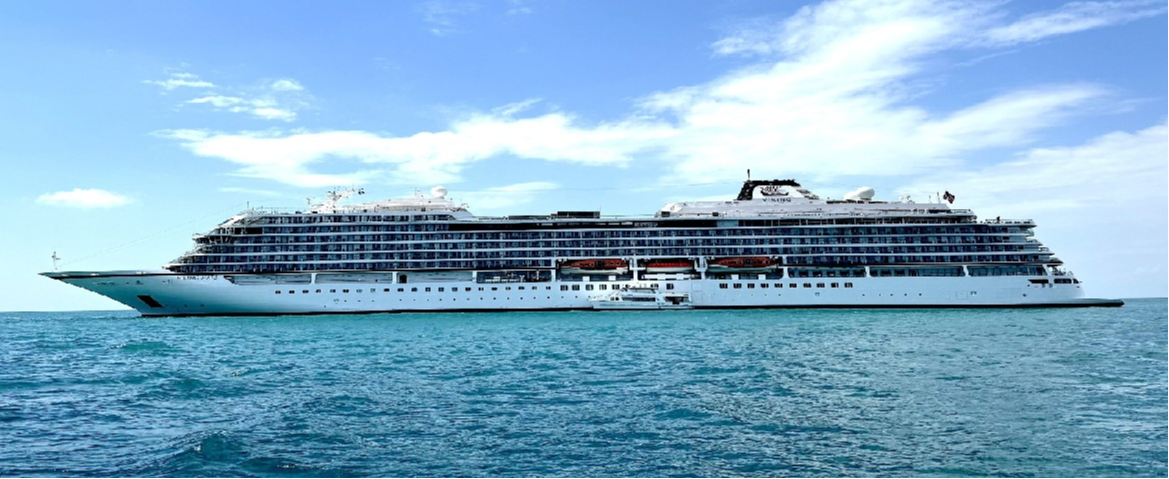
Viking Mars
26 Cruises
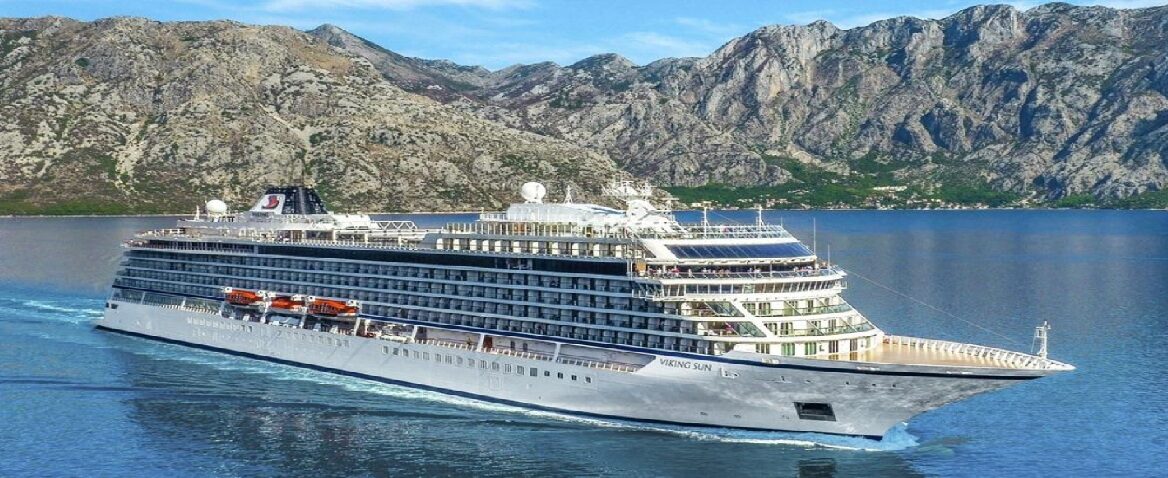
Viking Neptune
55 Cruises
| 5 June | 12 nights | One-way from Venice to Barcelona |
450-628-6241
Call us
|
| 5 June | 6 nights | One-way from Venice to Civitavecchia-Rome |
450-628-6241
Call us
|
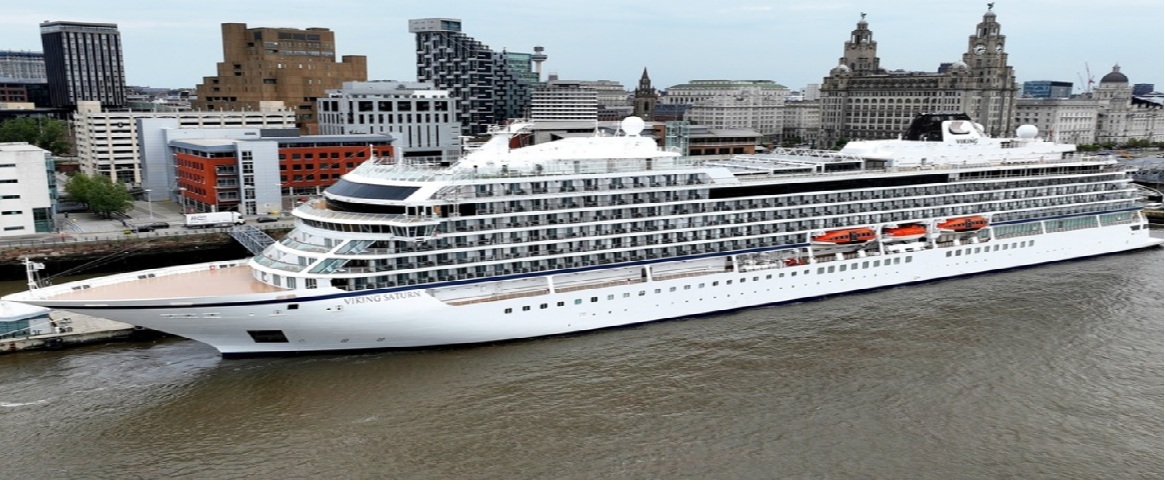
Viking Saturn
10 Cruises
Viking Sea
12 Cruises
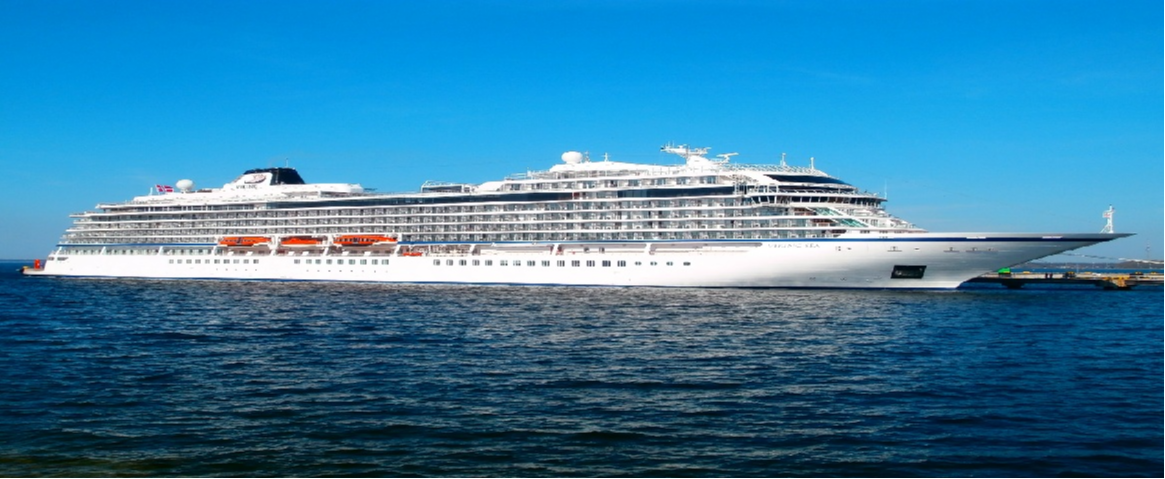
Viking Sky
7 Cruises
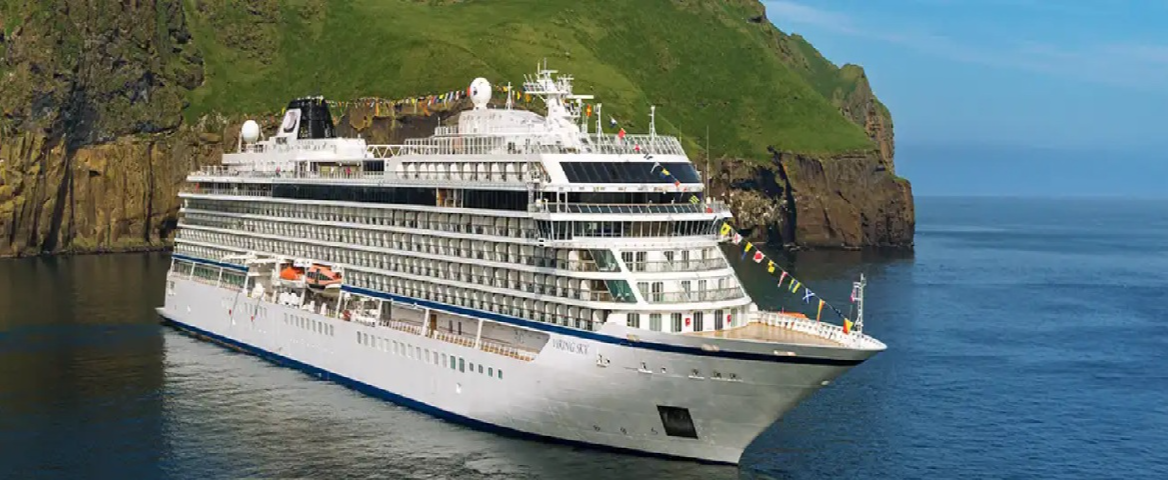
Viking Star
8 Cruises
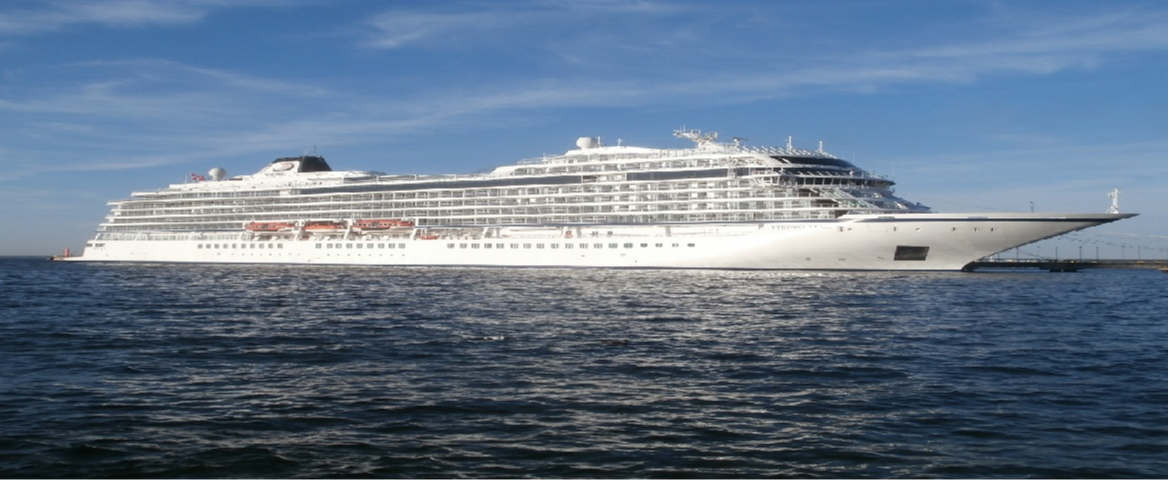
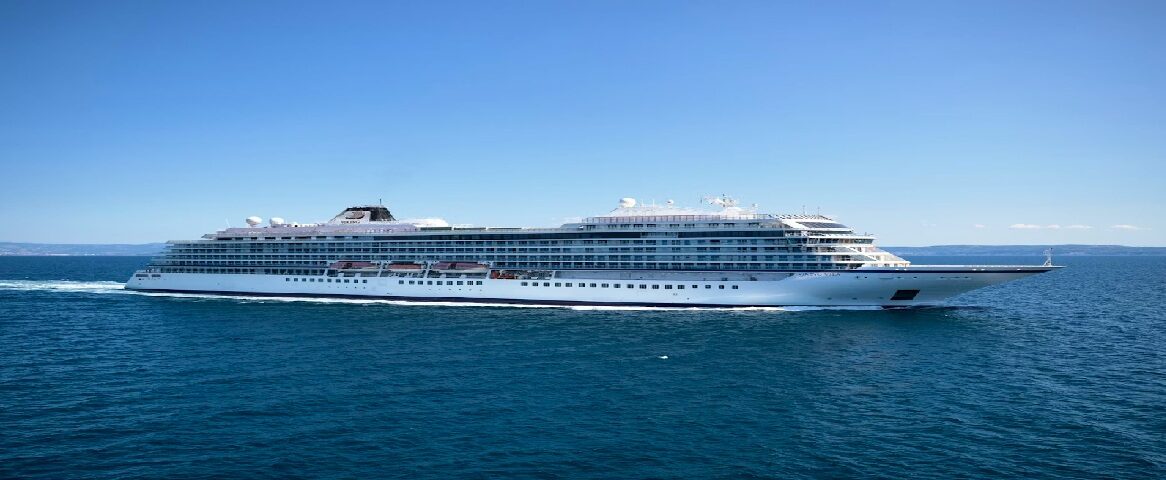
Viking Vela
21 Cruises
| 23 February | 19 nights | One-way from Lisbon to Venice |
450-628-6241
Call us
|
| 23 February | 27 nights | One-way from Lisbon to Piraeus-Athens |
450-628-6241
Call us
|
Windstar Cruises (27 Cruises)
Wind Spirit
27 Cruises
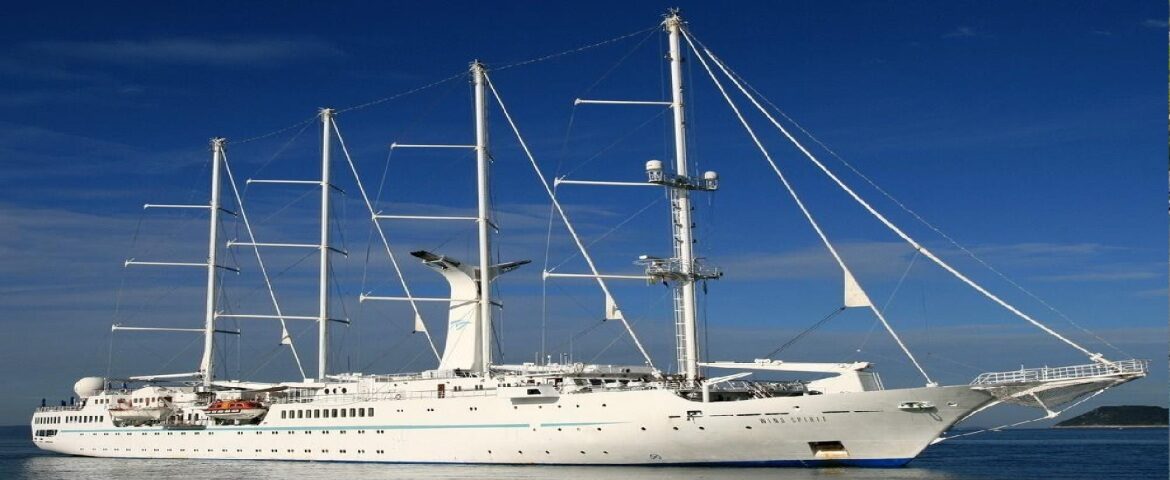

| 22 March | 25 nights | One-way from Barcelona to Venice |
450-628-6241
Call us
|
| 29 March | 18 nights | One-way from Civitavecchia-Rome to Venice |
450-628-6241
Call us
|

Port of Šibenik, Croatia | Cruise Port Guide
Frequently Asked Questions
Mid-size ships come alongside the quay, steps from the old centre. Larger vessels anchor in the bay and use tenders. The arrival alone is worth it: the ship threads the St Anthony channel, a narrow gorge between two shores of rock and scrub.
Yes, entirely, but with a climb. The old centre rises gently then steeply from the waterfront. The cathedral is five minutes from the quay; St Michael's fortress takes a quarter hour of steps.
St James's Cathedral, the climb to St Michael's fortress for the view, the monastery's medieval garden and a pause on the waterfront. Krka's waterfalls need a full half day: save them for longer calls.
A masterpiece inscribed on the UNESCO World Heritage list in 2000, built in the 15th and 16th centuries entirely of stone — self-supporting slabs and vaults, with no timber frame or brick. It took more than a century to complete.
A frieze running around the cathedral apse, the work of master builder Juraj Dalmatinac: 71 mischievous portraits of the townspeople of his day, mocking, scowling, in turbans or caps. Visitors circle it for a long time looking for the face that resembles their own.
Yes, the national park is about fifteen kilometres away and the Skradinski Buk falls cascade over travertine steps. Allow a half day: wooden walkways above emerald pools, restored mills. Check the timing fits your call.
A 16th-century Venetian sentinel set on an islet at the channel entrance, also World Heritage listed. It is reached by boat from the quay, a half-hour sail that lets you retrace the dramatic entry to the bay in reverse.
The euro and Croatian. English is widespread in tourism. Cards work in the old centre; keep cash for boats and small cafes.
It was founded Croatian. On a coast shaped by Rome and Venice that is rare: its first written mention, in 1066, places it under King Petar Krešimir IV.
Fairly. The old centre is terraced above the waterfront and the climb to the fortress goes through a tangle of stairs and vaulted passages. The quay, the cathedral square and the waterfront remain easy going.


