Torshavn Streymoy, Faroe Islands
Faroe Islands

99 Cruises availables At departure or passage at this port

Seabourn Cruise Line (44 Cruises)

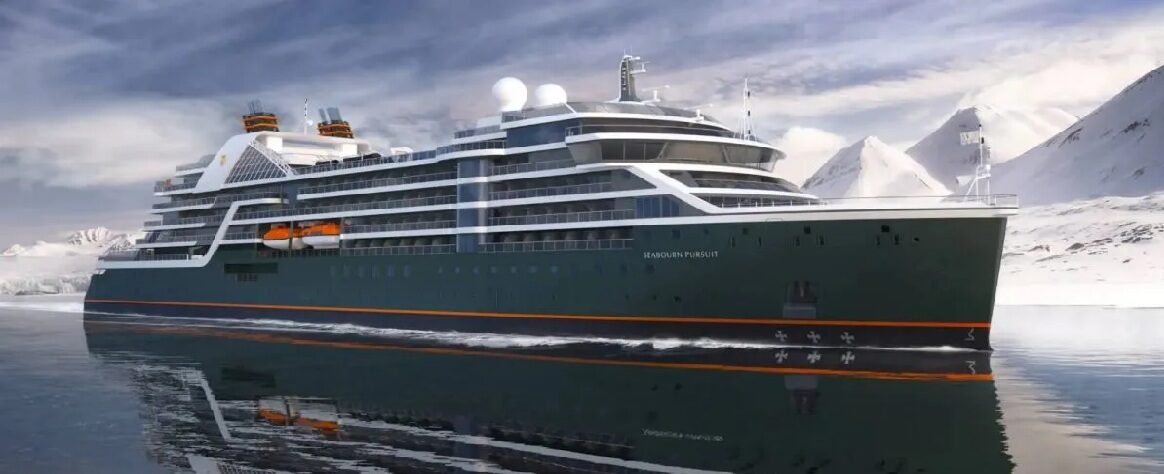
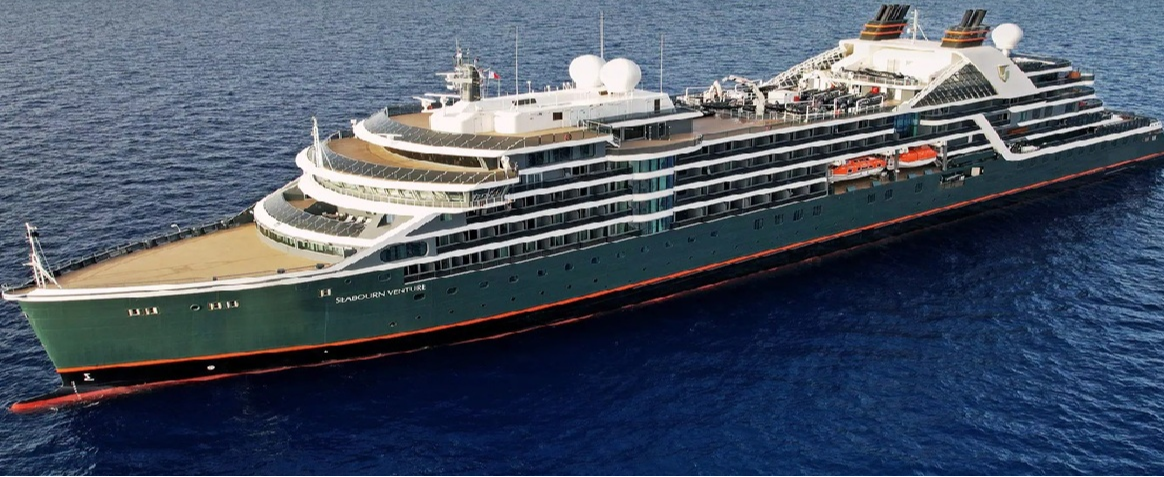
Seabourn Venture

Seabourn Venture

Visit the ship's page

Tórshavn, Faroe Islands | Nordic Cruise Travel Guide

Sometimes the mist raises the curtain at the very last moment: grass roofs, black and red façades and lanes tumbling down toward two harbours full of fishing boats. Tórshavn, "Thor's harbour", capital of the Faroe Islands, is among the smallest capitals in the world, and ships dock practically in its centre. No shuttle, no waiting: you walk down the gangway and you're already in history, on this archipelago set between Iceland and Scotland in the middle of the North Atlantic.

Tinganes, power under grass roofs

On the rocky peninsula separating the port's two harbours, dark red wooden buildings topped with turf still house the offices of the Faroese government today. Assemblies have met here since Viking times, which places Tinganes among the oldest seats of government still in use in the world. No fence, no checkpoint: you wander freely between the tarred façades, lay your hand on the worn rock where chieftains debated a thousand years ago, perhaps pass a civil servant cycling home for a meal, and find it hard to believe a country is governed from these dollhouses.

Old lanes and a garrison fort

Around Tinganes, the old quarter lines up its low houses with white windows, so closely packed that the grass roofs seem to touch. Following the waterfront east, you climb to Skansin Fort, built in 1580 to deter pirates, remodelled through the wars and a British command post during the Second World War. Its small lighthouse and cannons watch the ships go by; it's the best spot to photograph yours, set against the islands closing off the horizon.

A capital on a human scale

The modern centre fits into a few pedestrian streets lined with cafés, bookshops and knitwear shops: Faroese wool, knitted in patterns passed down from generation to generation, is the souvenir most faithful to the spirit of the islands. The national museum completes the visit with its Viking collections, traditional boats and carved medieval church pews, rare witnesses to the archipelago's early art. Around the harbours, cafés and micro-roasters serve brunches that would hold their own in Copenhagen, proof that young Faroese are happy to come home. Everywhere, the pace stays easygoing; here, even rush hour feels like a Sunday morning.

Kirkjubøur, the spiritual cradle

A quarter of an hour's drive over the mountain, the hamlet of Kirkjubøur was the seat of the bishops of the Faroes in the Middle Ages. Facing the waves stand the high walls of Magnus Cathedral, left unfinished around 1300, St. Olav's Church, still in use, and the Roykstovan farmhouse, a wooden house some nine centuries old that the same family has lived in for generations. Between the black walls and the grey-green ocean, the place radiates a quiet strength that leaves a lasting mark on visitors.

The weather as a travelling companion

A friendly tip: bring a raincoat even in sunshine, as the Faroese like to say you live all four seasons in a single day here. The rain passes quickly, the light comes back more beautiful, and the green slopes never look as good as after a shower. Photographers understood long ago: it is precisely this moody weather that gives images of the archipelago their dramatic skies and repeated rainbows.

At departure, the houses of Tinganes slowly shrink in the wake. You take away from Tórshavn something unusual for a capital: the feeling of having been welcomed into a village, by a people who have made simplicity an art of governing.

Frequently Asked Questions

Yes, straight away. Ships berth practically in the centre of the Faroese capital: no shuttle, no waiting, you walk down the gangway and you are already in the old town.
The rocky peninsula separating the two harbour basins, occupied by dark red wooden buildings under turf roofs that still house the offices of the Faroese government. Assemblies have met here since Viking times, making it one of the oldest working seats of power in the world.
Yes. No fences, no checkpoints: you wander between the tarred façades, put a hand on the worn rock where chieftains debated a thousand years ago, and may pass a civil servant cycling home for dinner.
A fort raised in 1580 to deter pirates, altered through successive wars and used as a British command post during the Second World War. You reach it by following the waterfront eastwards; its small lighthouse and cannon watch the ships go by.
From Skansin. It is the best viewpoint over the harbour, with your ship set against the islands closing the horizon.
Faroese wool, knitted to patterns handed down through generations: the souvenir truest to the spirit of the islands. The knitwear shops cluster in the few pedestrian streets of the modern centre, alongside cafés and bookshops.
The national museum, with its Viking collections, traditional boats and carved medieval church pews, rare survivors of the archipelago's early art.
The spiritual cradle of the Faroes, a quarter of an hour away over the mountain. Facing the waves stand the high walls of the Magnus cathedral, never finished around 1300, St Olav's church still in use, and the Roykstovan farmhouse, a wooden dwelling roughly nine centuries old lived in by the same family for generations.
Yes. Faroese people like to say you get all four seasons in a day here. The rain passes quickly, the light comes back better for it, and the green slopes never look finer than after a shower.
No, one of the smallest in the world, and that is its charm. The centre fits into a few pedestrian streets, the pace stays easy-going, and even rush hour feels like a Sunday morning. Around the basins, cafés and micro-roasters serve brunches worthy of Copenhagen.