Suva Viti Levu Island Fiji
Fiji
163
Cruises availables
At departure or passage at this port
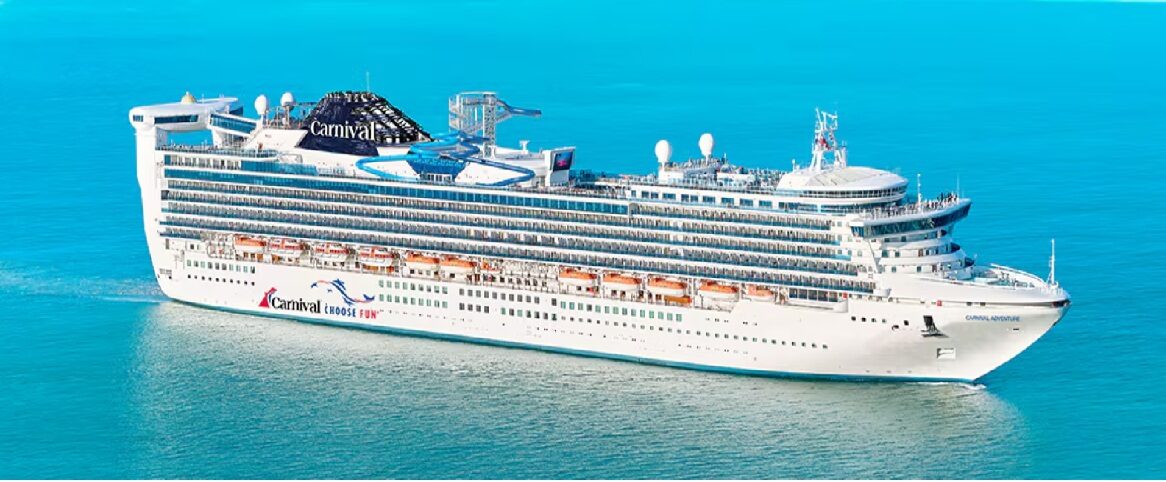
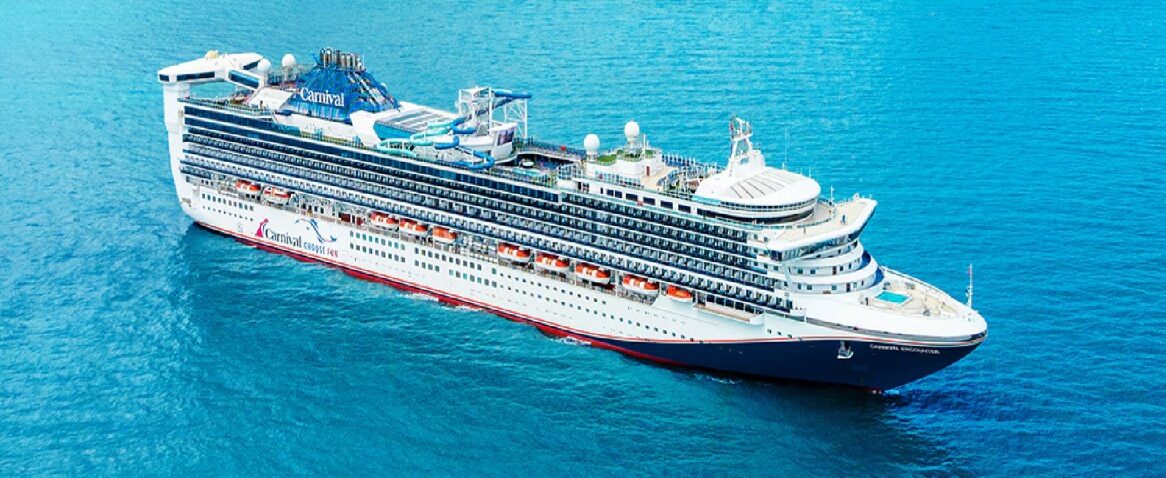
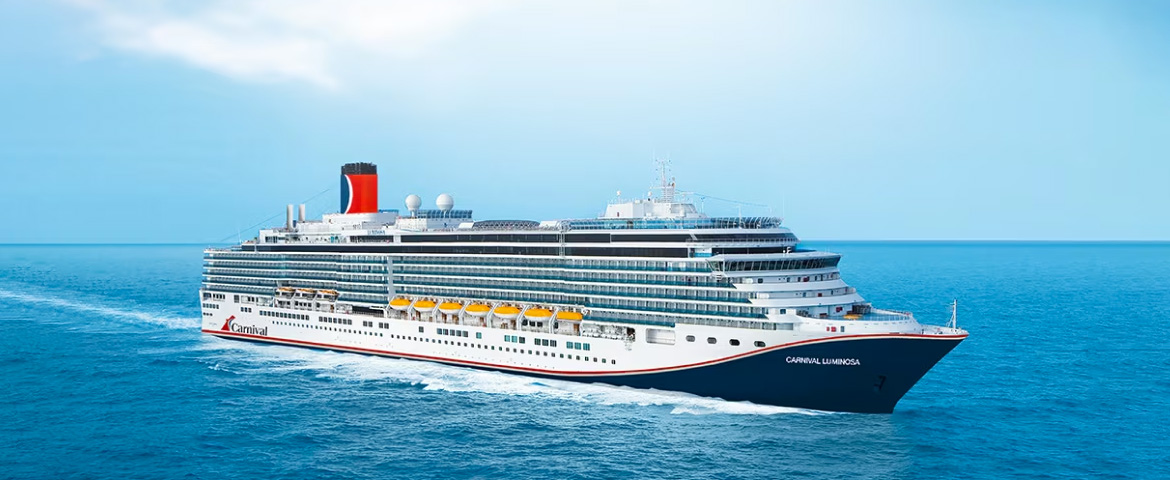
Carnival Cruise Line (8 Cruises)
Costa Cruises (34 Cruises)
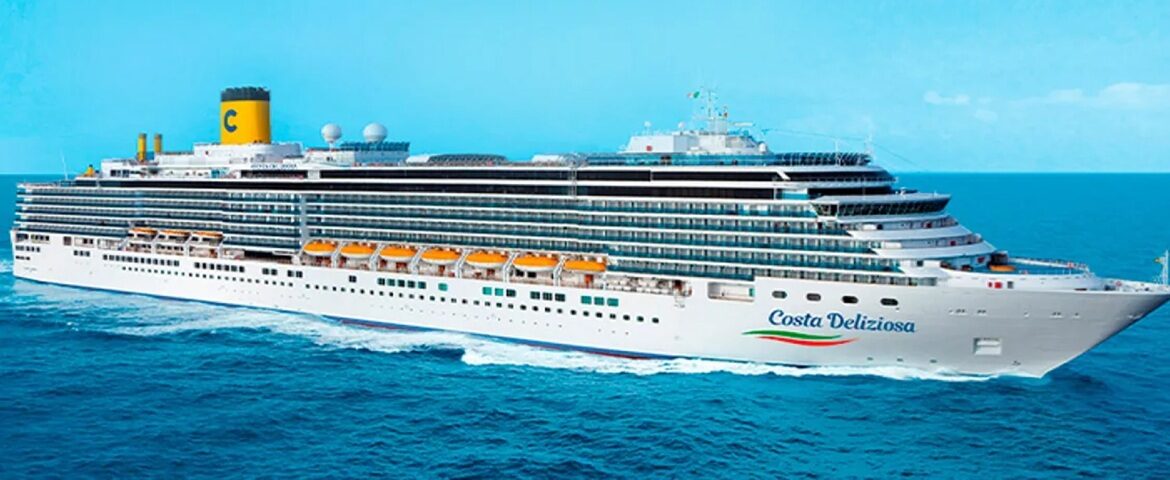
Costa Deliziosa
28 Cruises

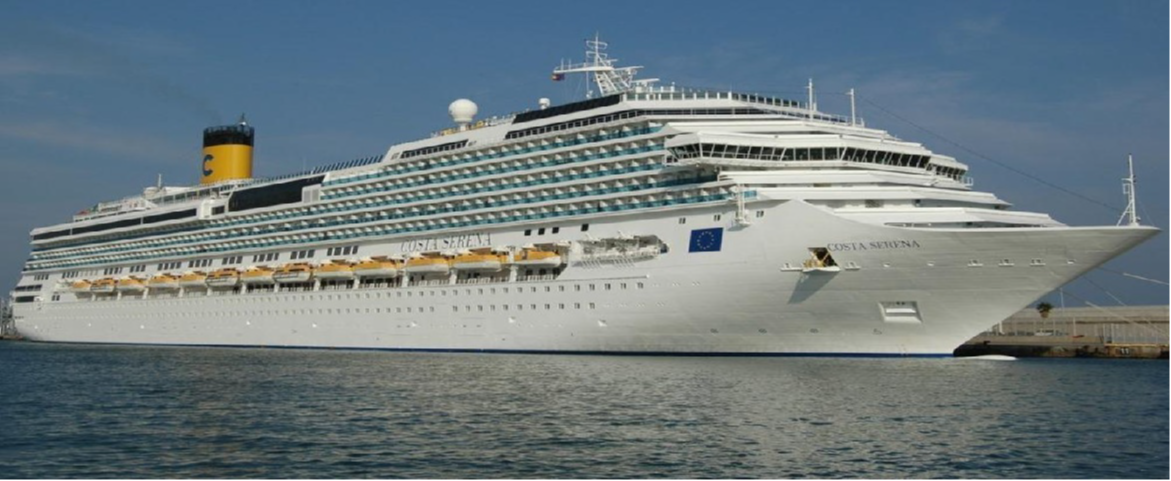
Costa Serena
6 Cruises
Crystal Cruises (18 Cruises)
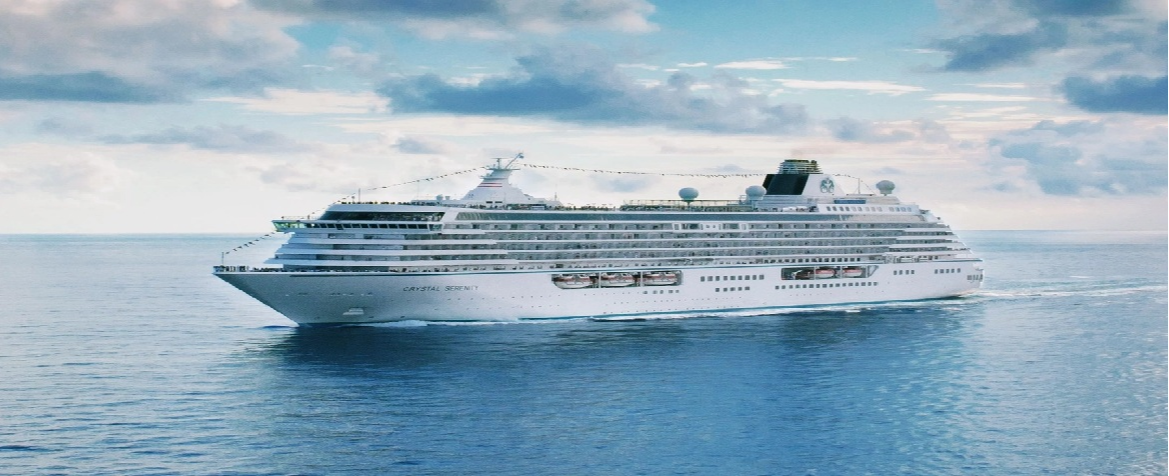
Crystal Serenity
7 Cruises
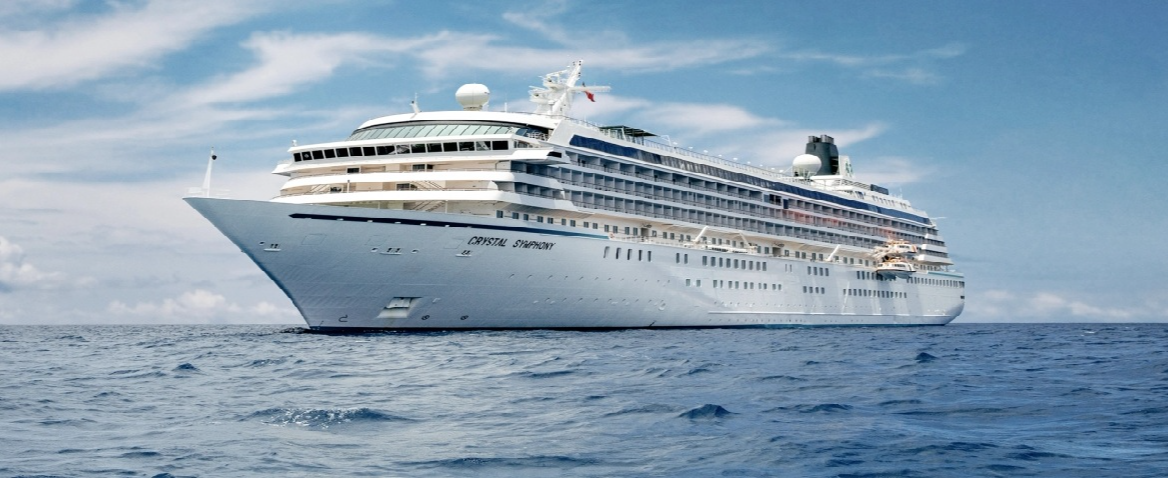
Crystal Symphony
11 Cruises
Explora Journeys (3 Cruises)

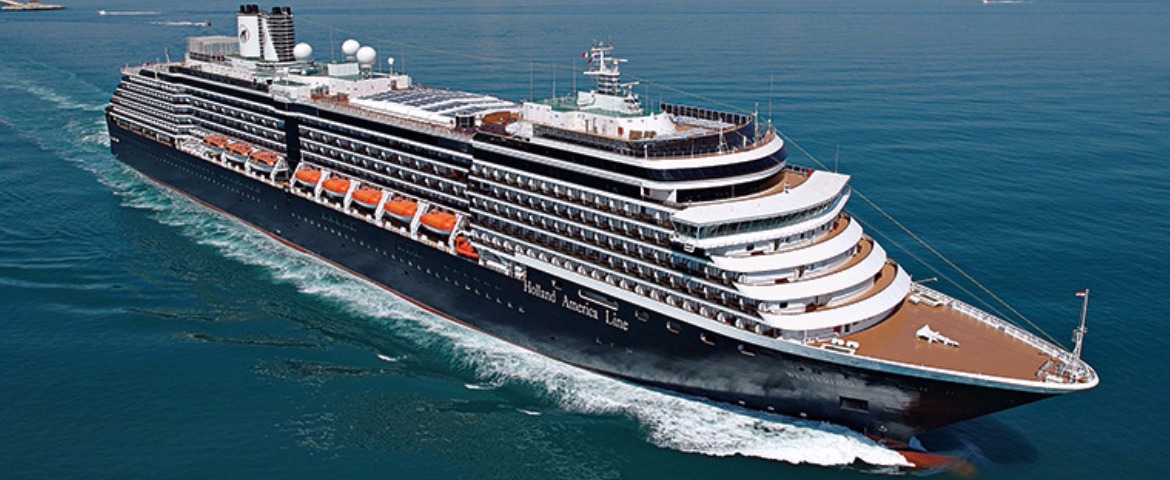
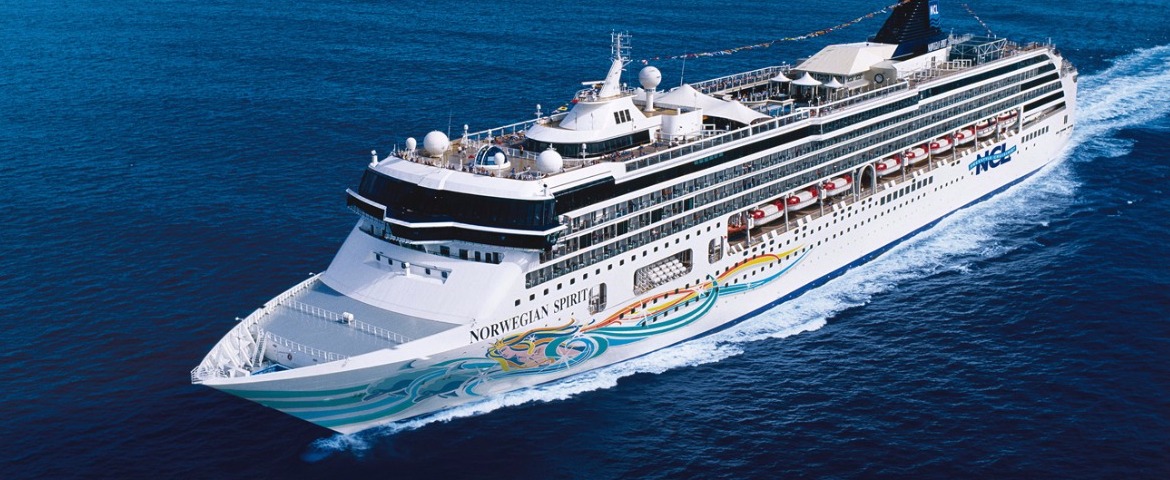
Norwegian Cruise Line (7 Cruises)
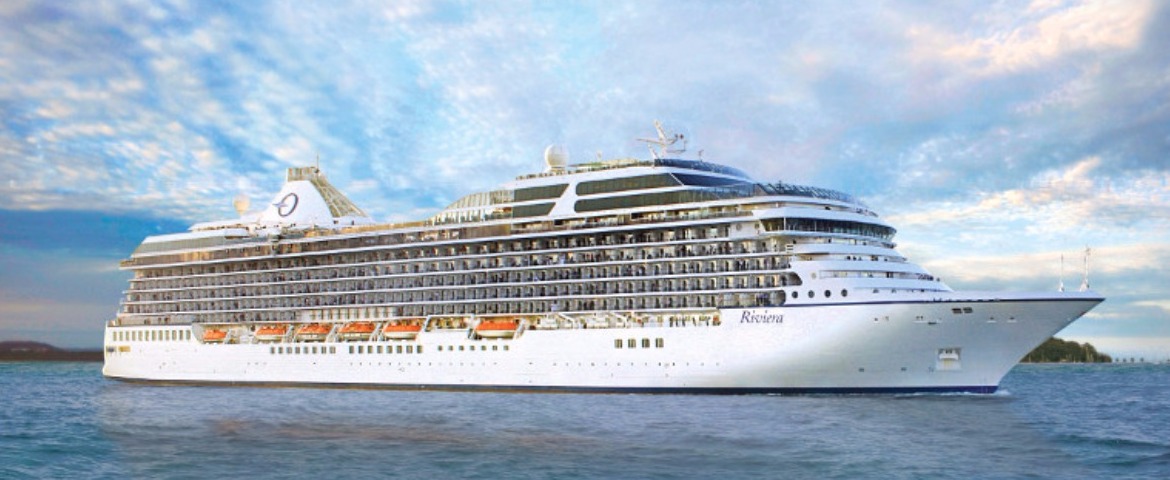
Oceania Cruises (2 Cruises)

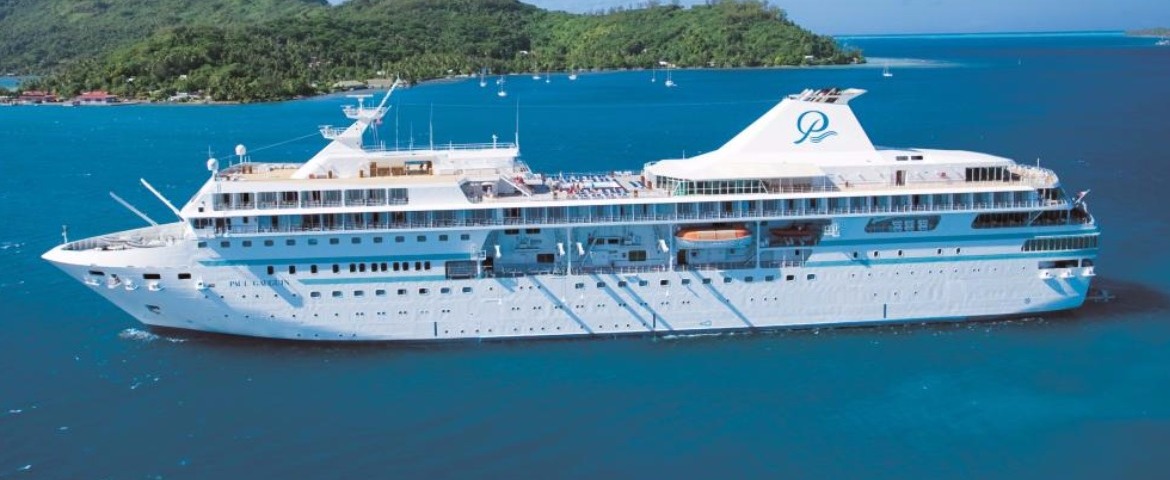
Paul Gauguin Cruises (4 Cruises)
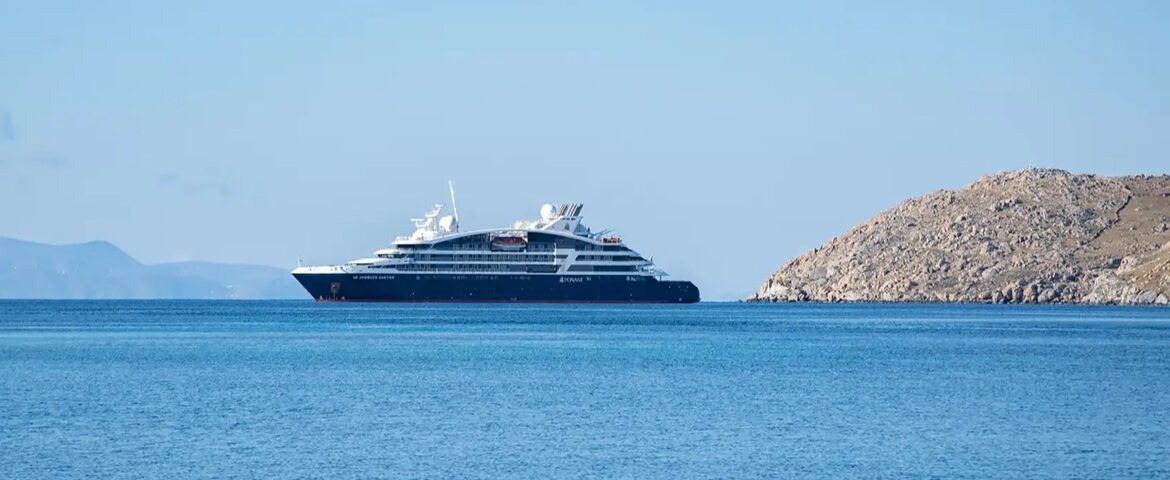
Ponant (4 Cruises)

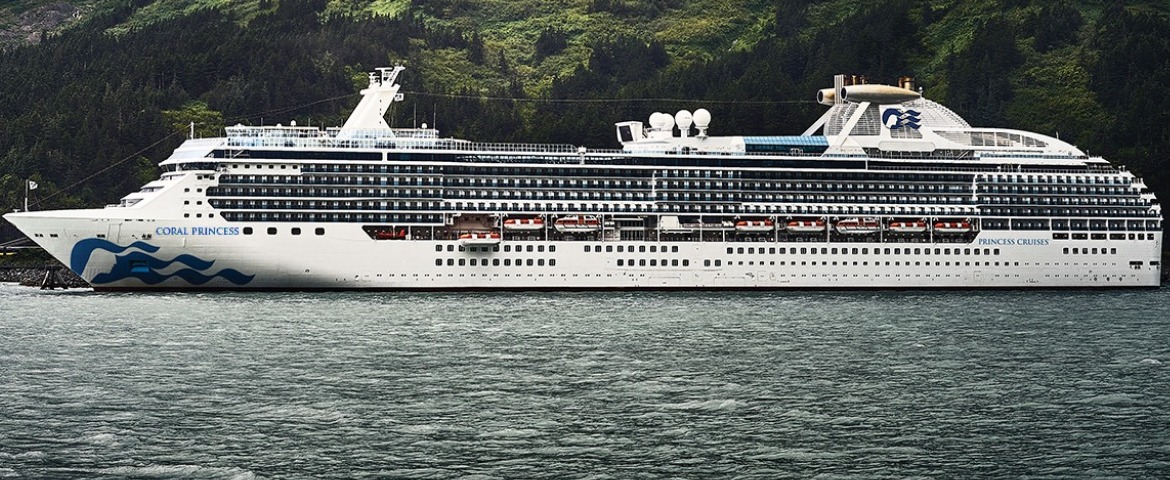
Princess Cruises (54 Cruises)
Coral Princess
17 Cruises
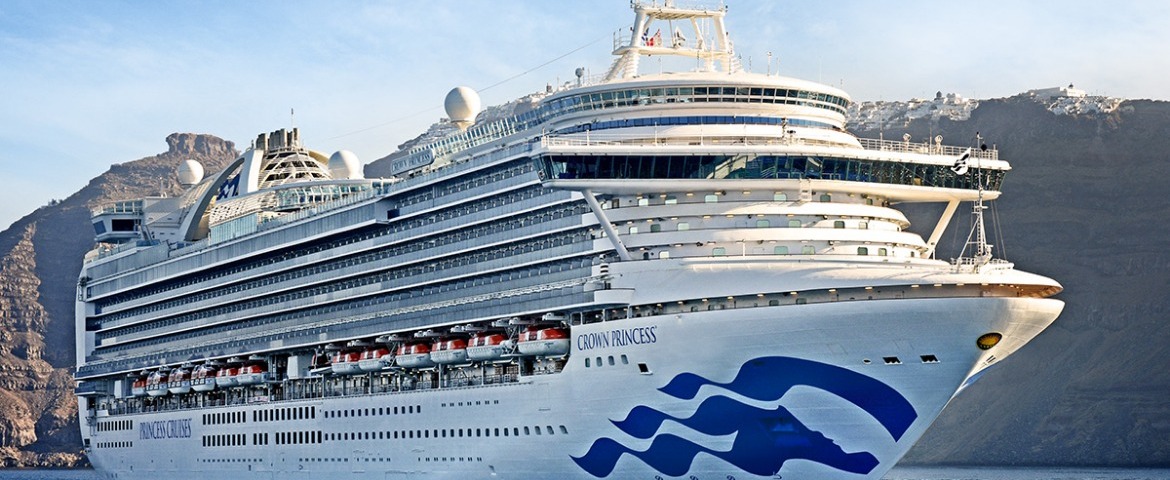
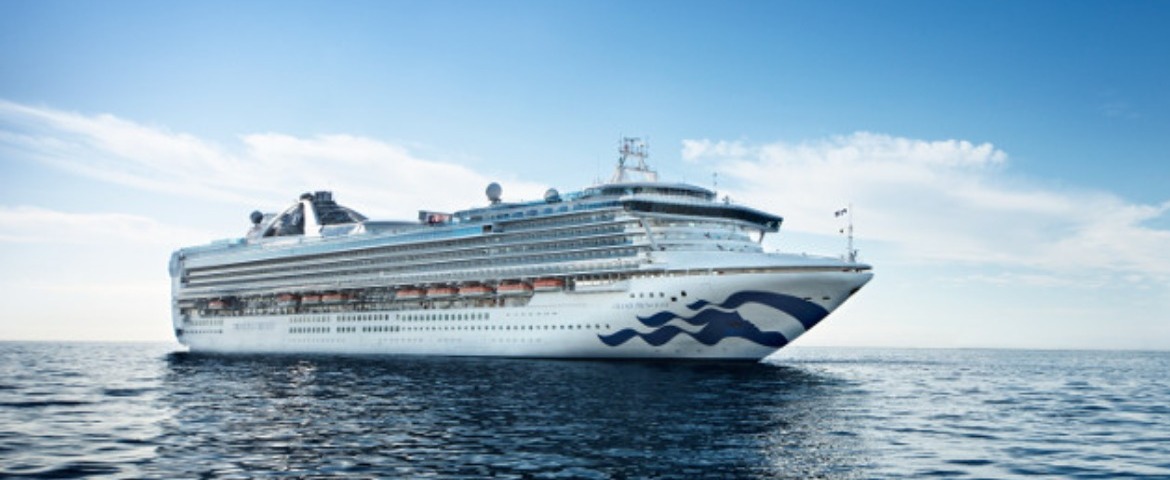
Grand Princess
24 Cruises
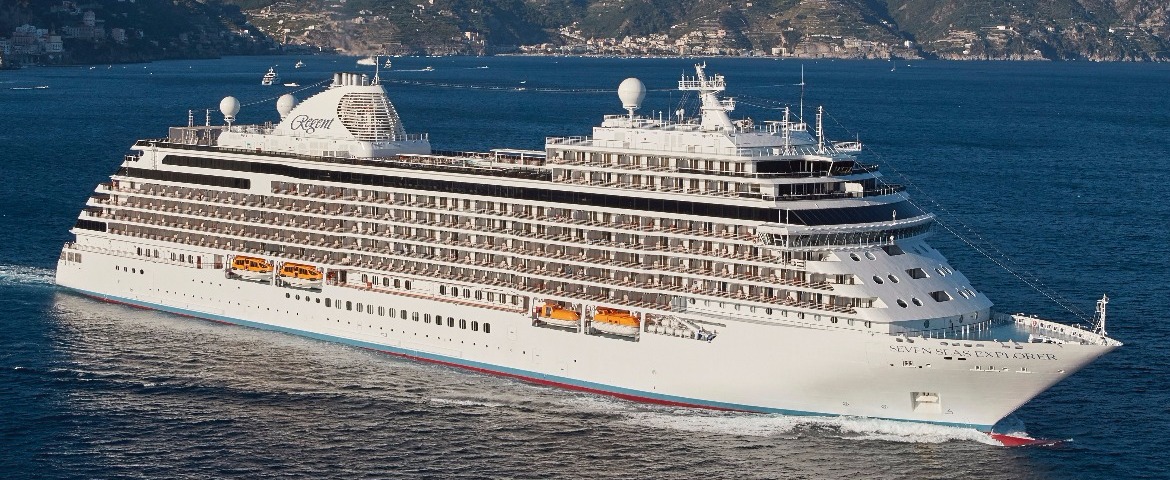
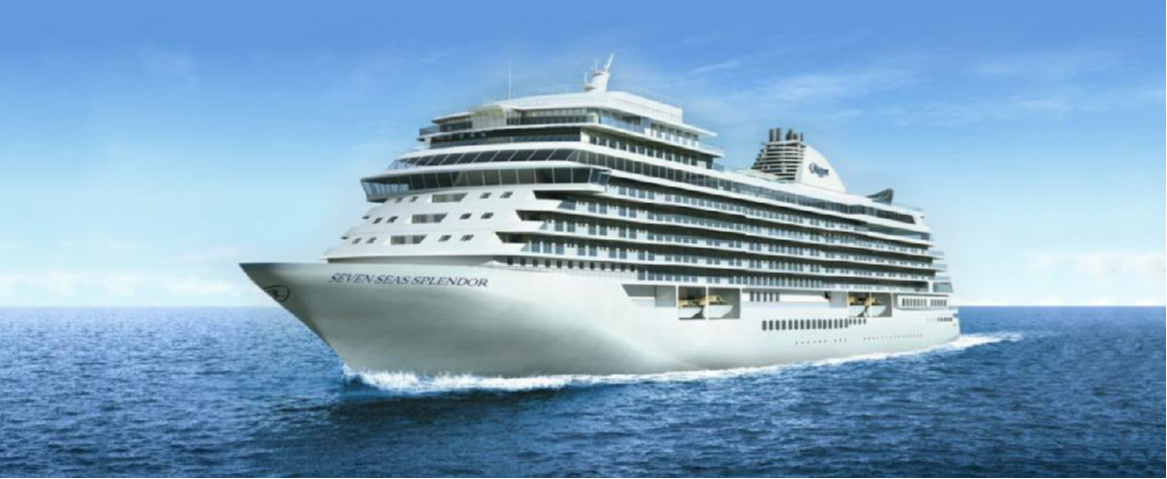
Seabourn Cruise Line (11 Cruises)
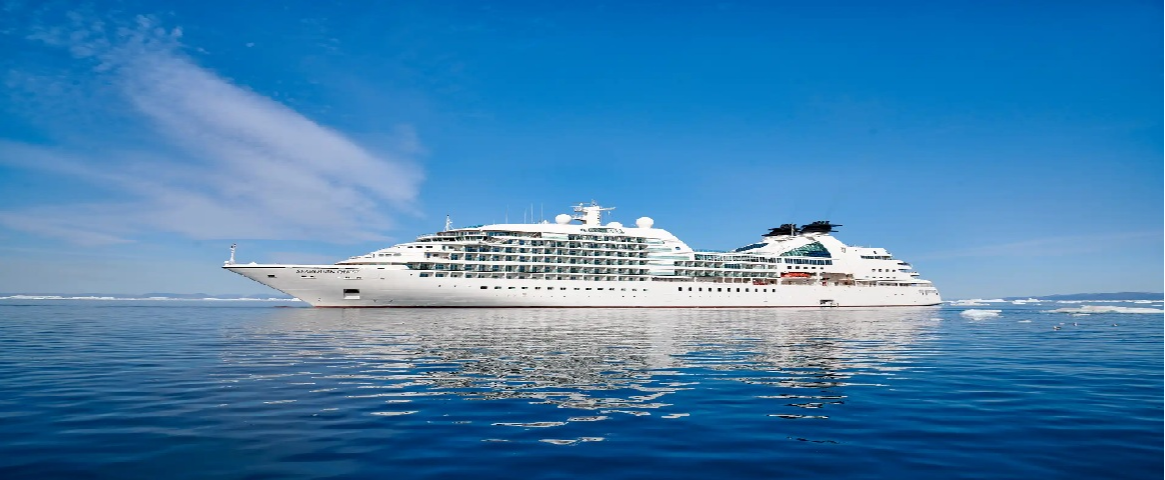
Seabourn Quest
11 Cruises
Frequently Asked Questions
At Kings Wharf, right in the heart of the Fijian capital. Ten minutes on foot brings you to the shopping streets: there is no shuttle to wait for.
Taro roots, pineapples, chillies, lagoon fish and mountains of kava, the peppery root from which Fijians make their ceremonial drink. Stalls run over two floors, five minutes from the quay, in a cheerful din of bargaining and laughter.
Yes, and allow a good hour. Its collections span 3,700 years of island history: great double-hulled canoes able to cross whole seas, war clubs, Lapita pottery, relics of the first missionaries. The building is modest; the contents are not.
In the Thurston Gardens, about fifteen minutes' walk from the quay. The surrounding gardens, planted with palms and flame trees, make an inviting shaded pause afterwards.
A set of administrative buildings and veranda houses. Facing Albert Park, where Fijians play rugby from late afternoon, the government buildings line up their solemn façades. The Grand Pacific Hotel, a restored century-old institution, recalls the age of steamships.
Everything on foot: the market, the shops, the Fiji Museum and the Thurston Gardens. The waterfront walk then follows the bay towards the residential districts, with open views of the Viti Levu mountains.
Yes, and it is part of the character. Showers are frequent all year: umbrella or raincoat recommended. That rain is what feeds the deep green hills and makes the downtown pavements shine.
No, and it is worth knowing before going ashore. Suva is a genuine South Pacific capital, with ministries, a university, markets and a full daily life. The postcard lagoons are elsewhere in the archipelago.
Carved wooden tanoa bowls, decorated tapa cloth and shell necklaces, from the craft shops downtown. The Fijian dollar is the local currency and cash machines are plentiful in the centre.
Welcoming, and the bula called out to everyone is no tourist folklore: it accompanies every exchange, from the mango seller to the bus driver. The market is also the best place to meet the country's diversity — Melanesians, Indo-Fijians, Chinese and islanders from across the Pacific.


