Gustavia St Barths Saint-Barthelemy Island France
605
Cruises availables
At departure or passage at this port
Azamara Club Cruises (8 Cruises)
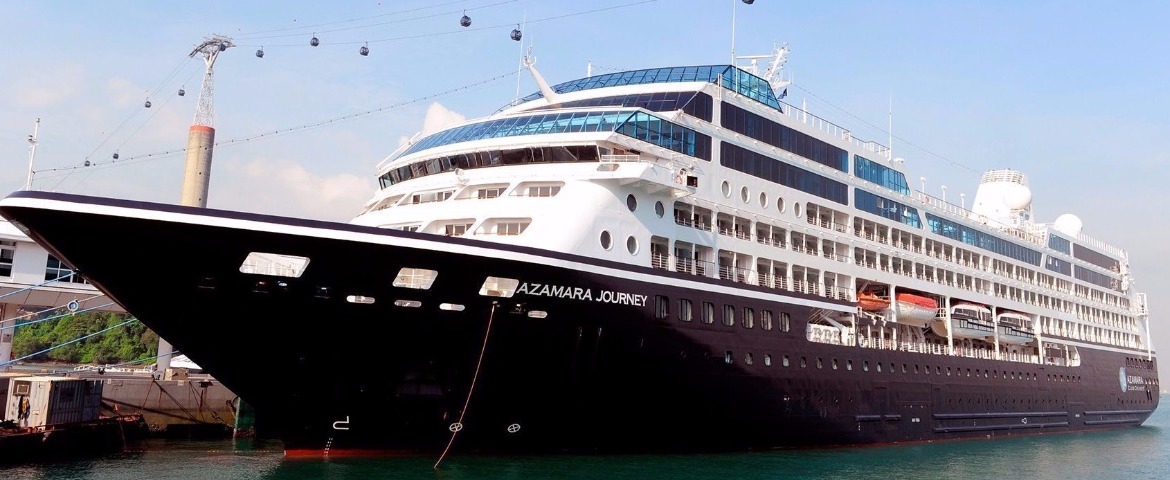
Azamara Journey
8 Cruises

Crystal Cruises (22 Cruises)
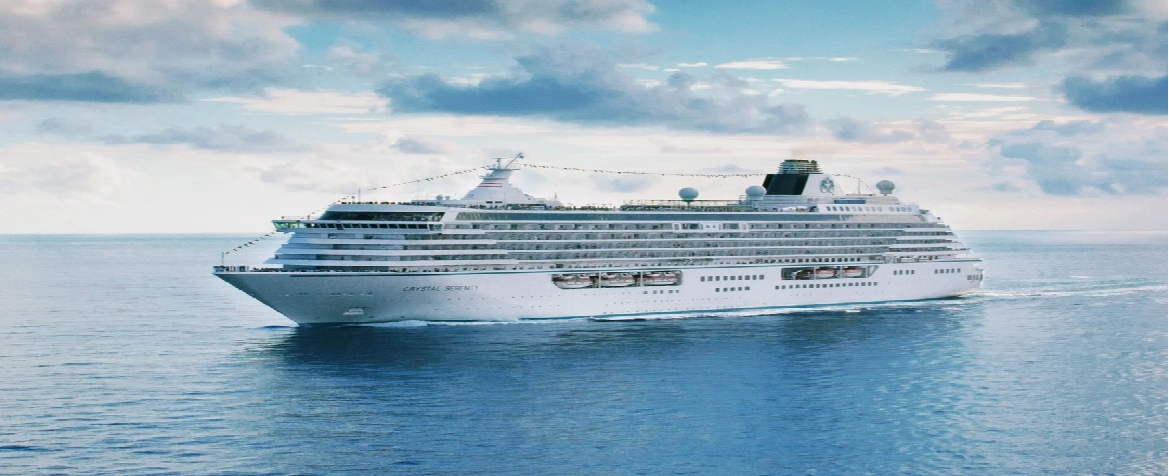
Crystal Serenity
11 Cruises

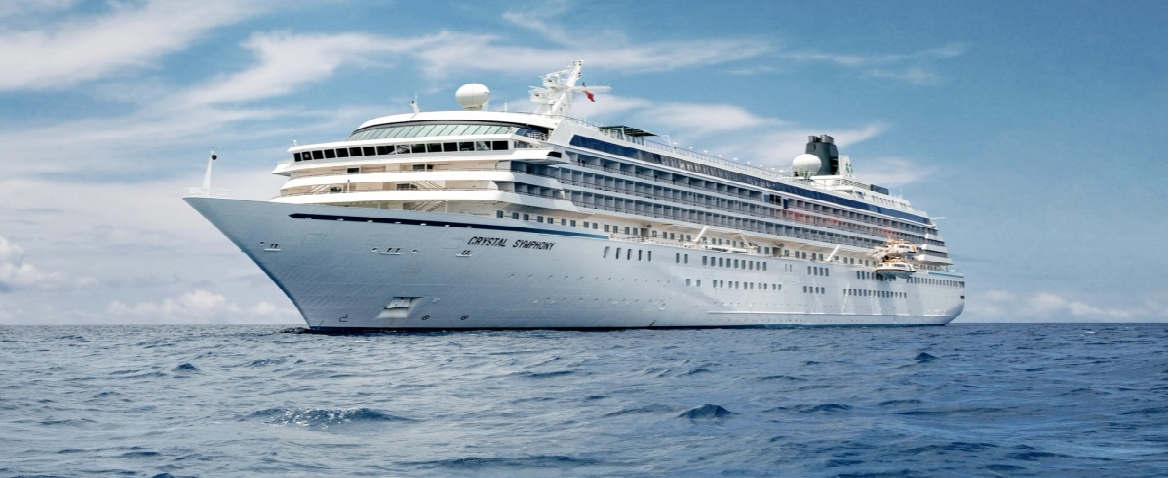
Crystal Symphony
11 Cruises
| 15 January | 25 nights | Round-trip from Fort Lauderdale, USA |
450-628-6241
Call us
|
| 15 January | 12 nights | One-way from Fort Lauderdale to Manaus |
450-628-6241
Call us
|
| 9 February | 17 nights | Round-trip from Fort Lauderdale, USA |
450-628-6241
Call us
|
| 9 February | 8 nights | One-way from Fort Lauderdale to San Juan |
450-628-6241
Call us
|
Emerald Waterways (140 Cruises)
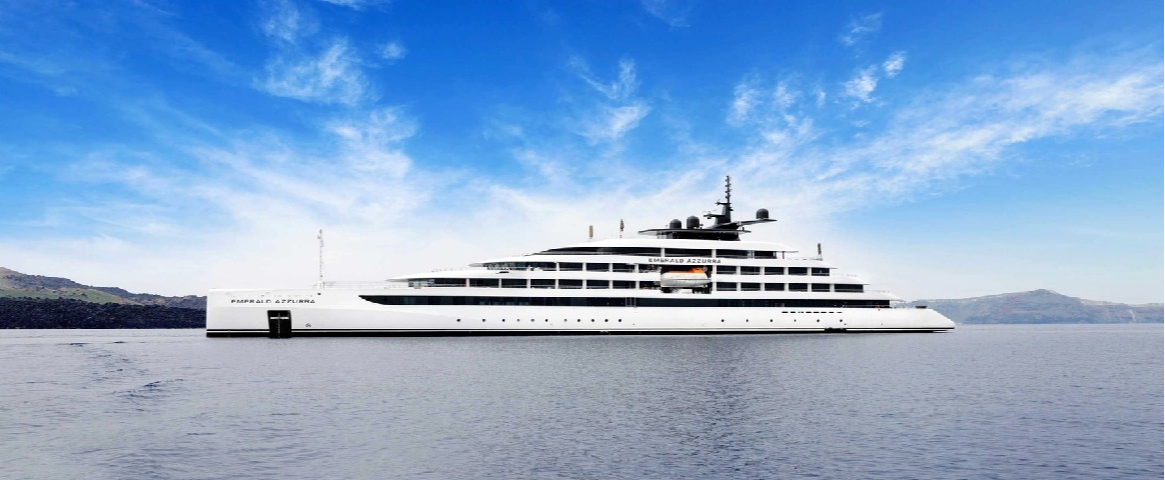
Emerald Azzurra
30 Cruises

| 20 November | 9 nights | One-way from Marigot to Bridgetown |
450-628-6241
Call us
|
| 20 November | 16 nights | One-way from Marigot to Bridgetown |
450-628-6241
Call us
|
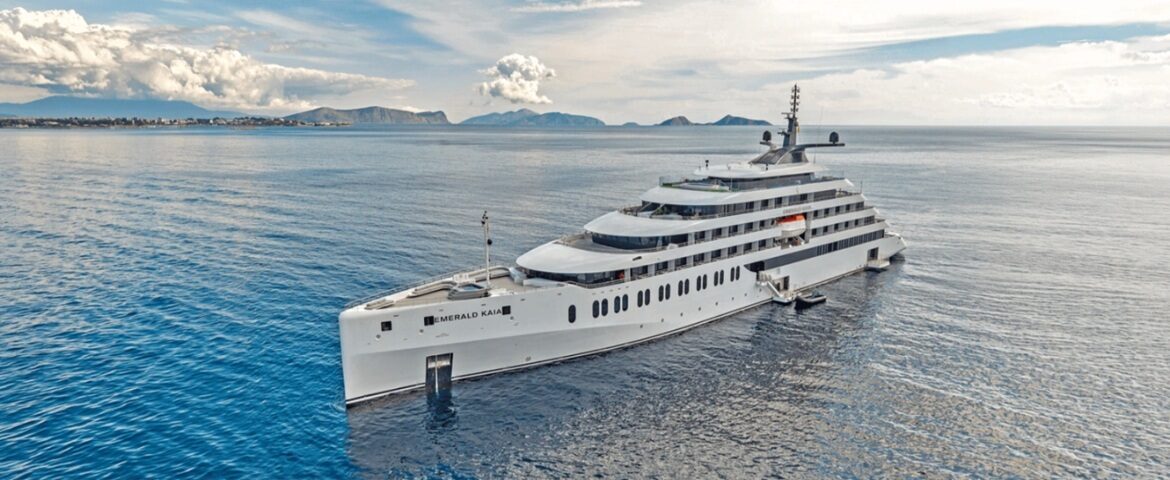
Emerald Kaia
41 Cruises
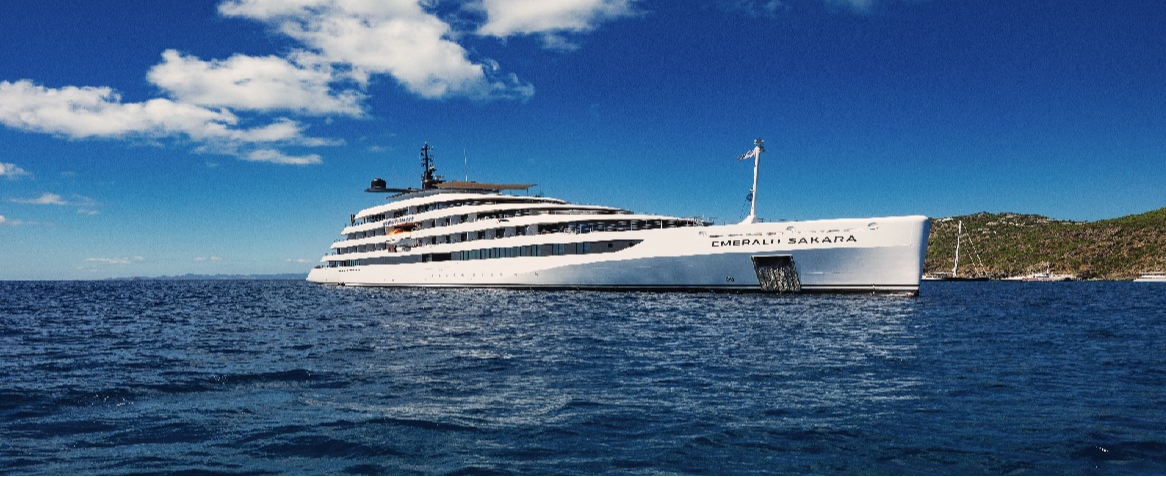
Emerald Sakara
69 Cruises
| 8 April | 7 nights | One-way from Bridgetown to Philipsburg St Maarten |
450-628-6241
Call us
|
| 15 April | 7 nights | Round-trip from Philipsburg St Maarten, Netherlands |
450-628-6241
Call us
|
Explora Journeys (43 Cruises)
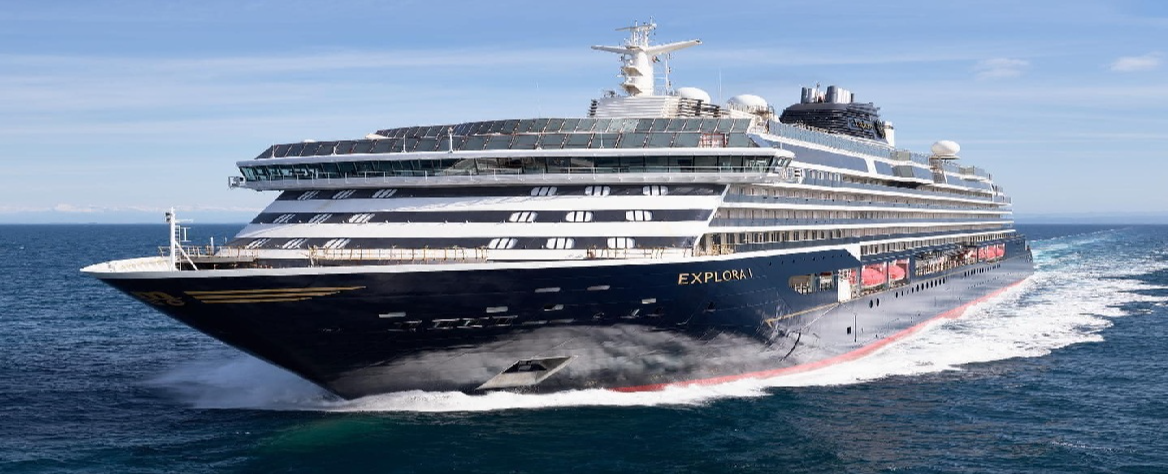
Explora I
8 Cruises

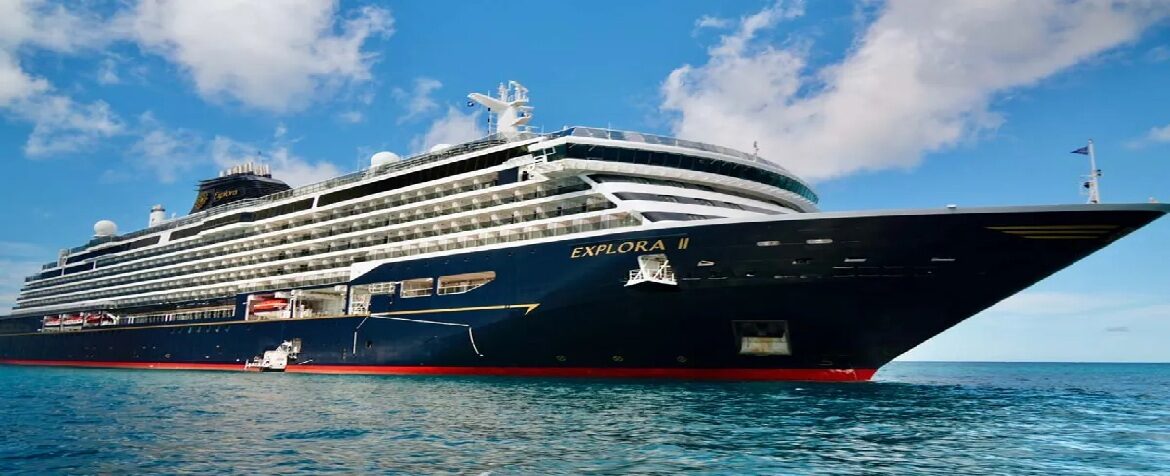
Explora III
20 Cruises
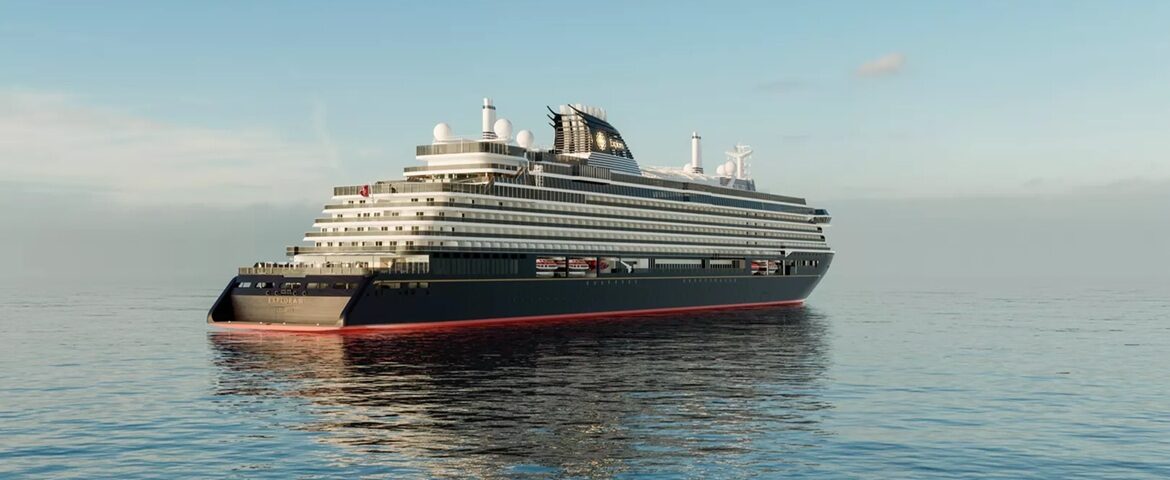
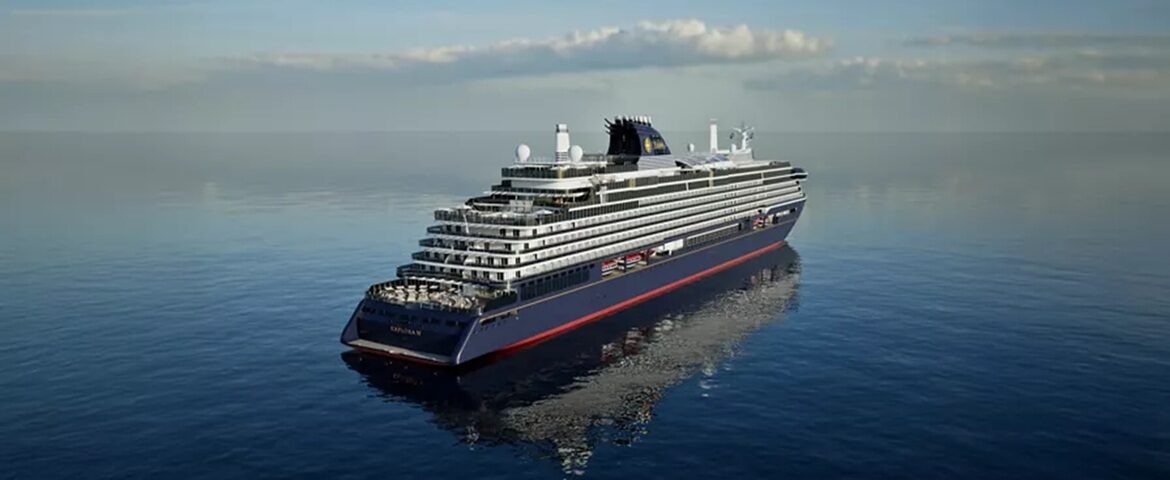
Explora IV
10 Cruises
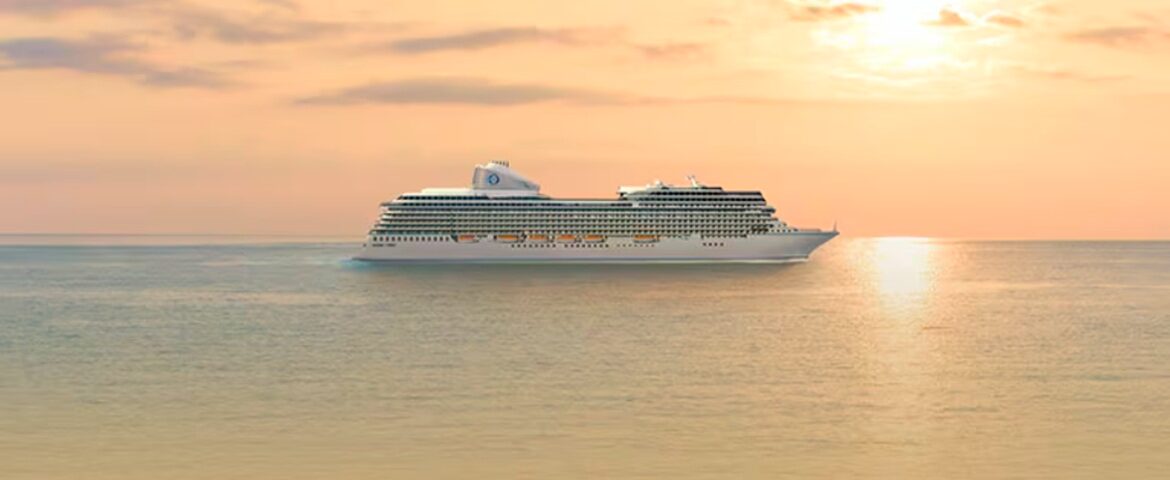
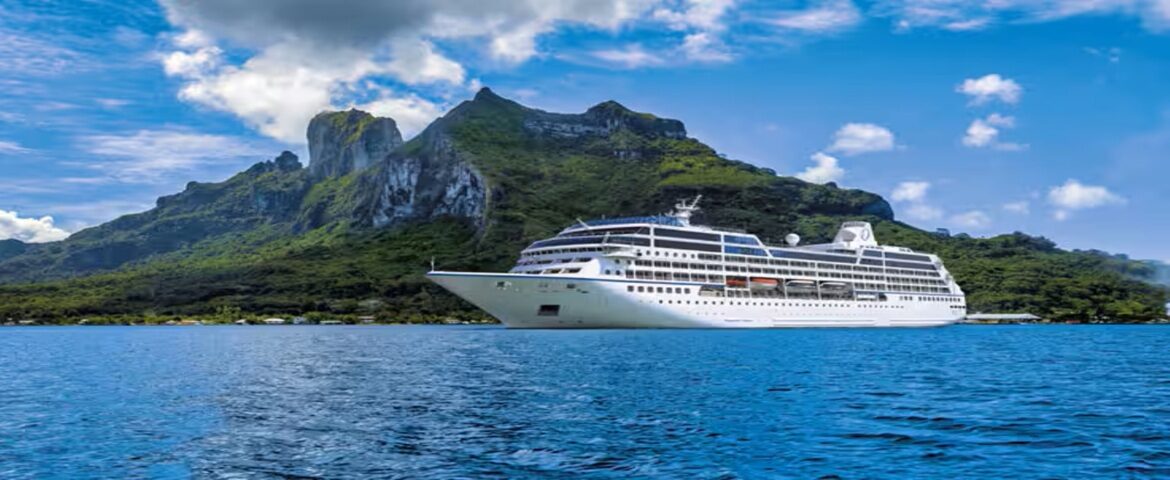
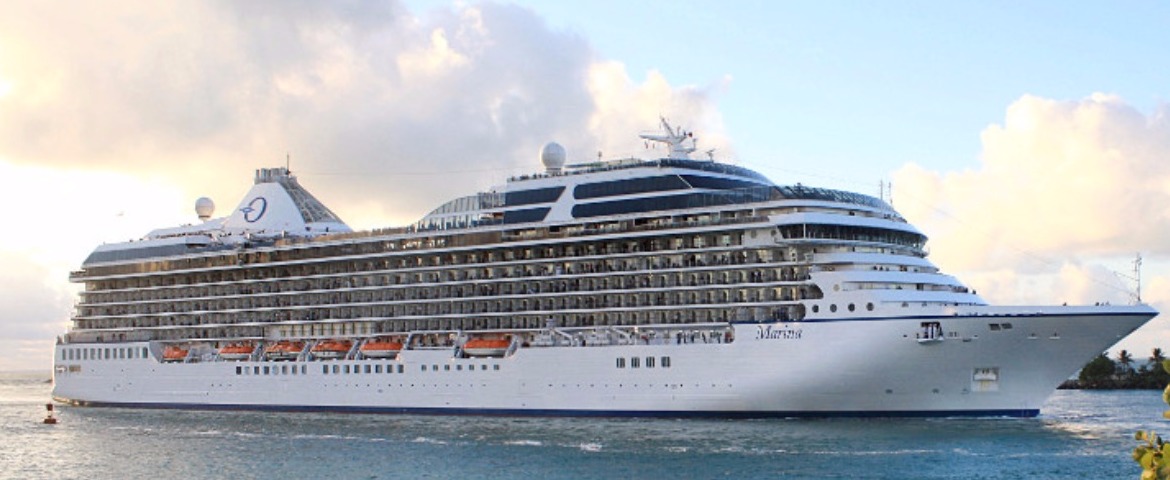
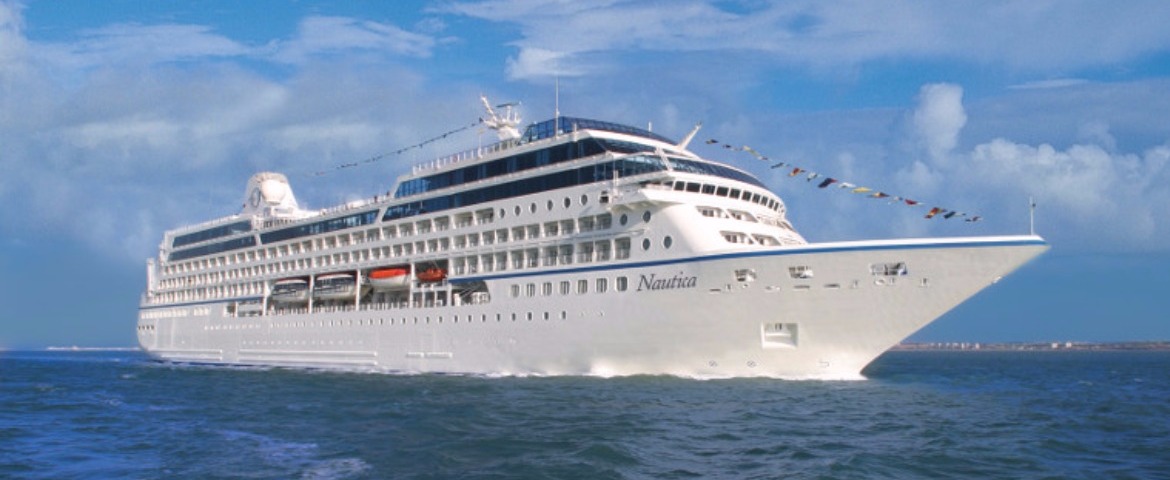
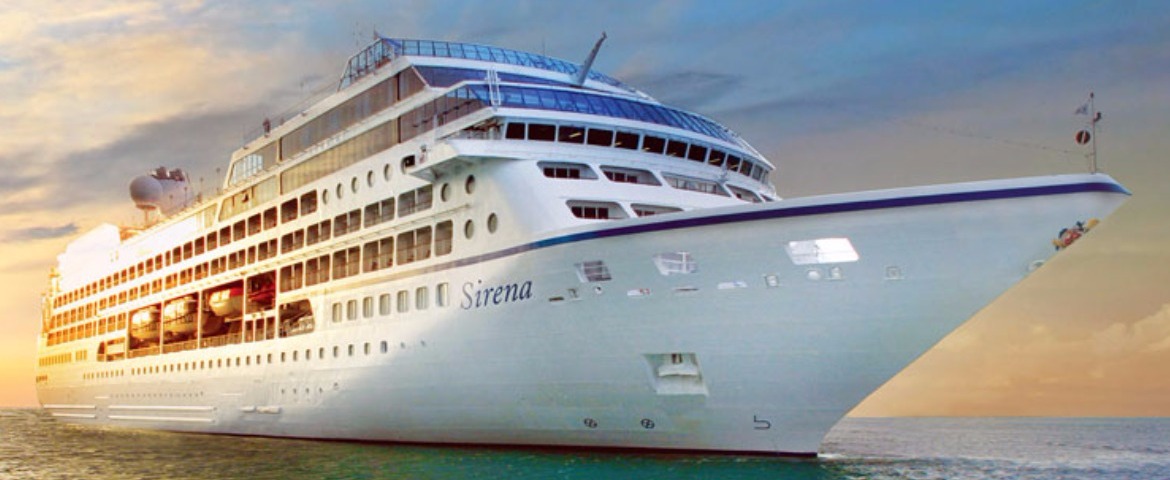
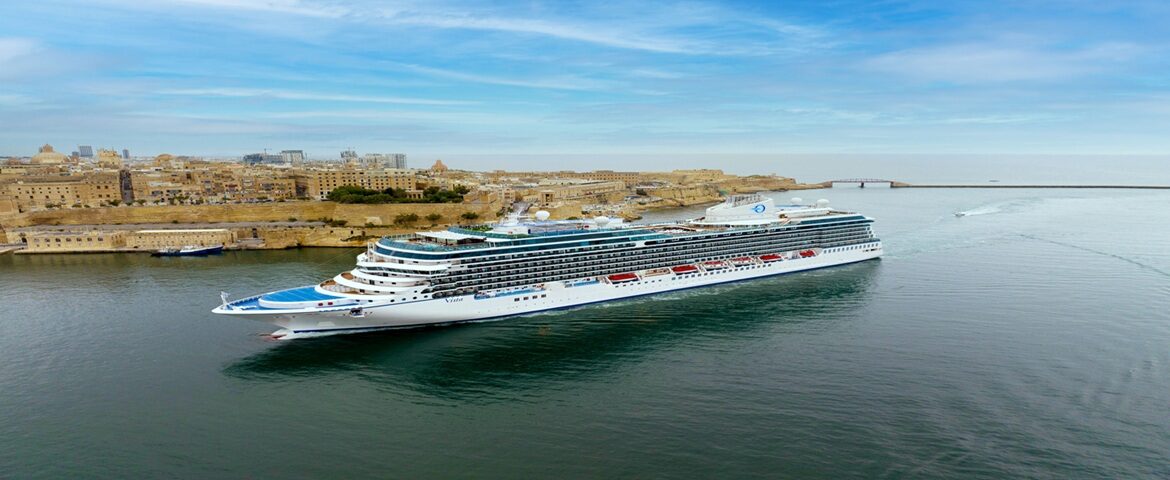
Oceania Cruises (23 Cruises)

Ponant (25 Cruises)
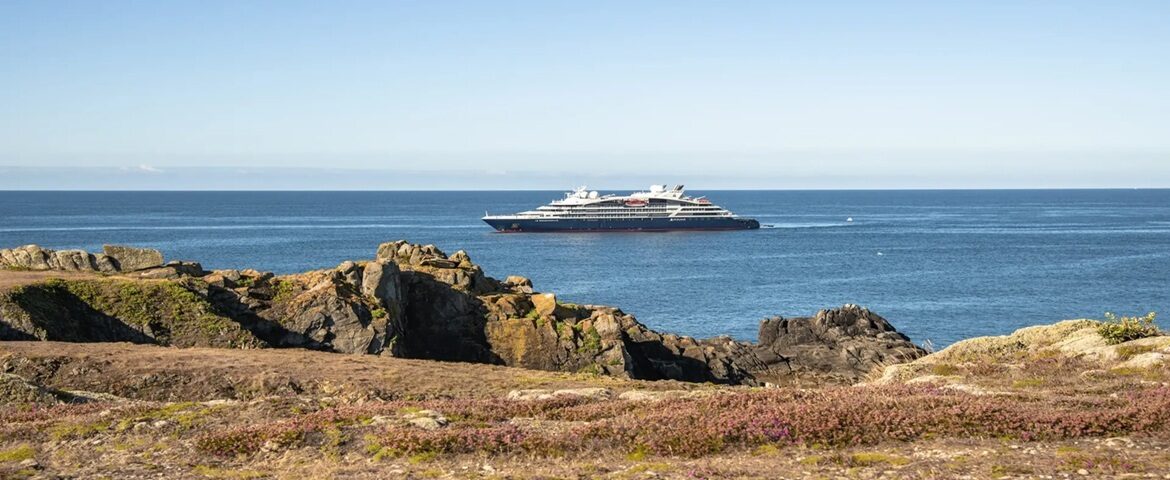

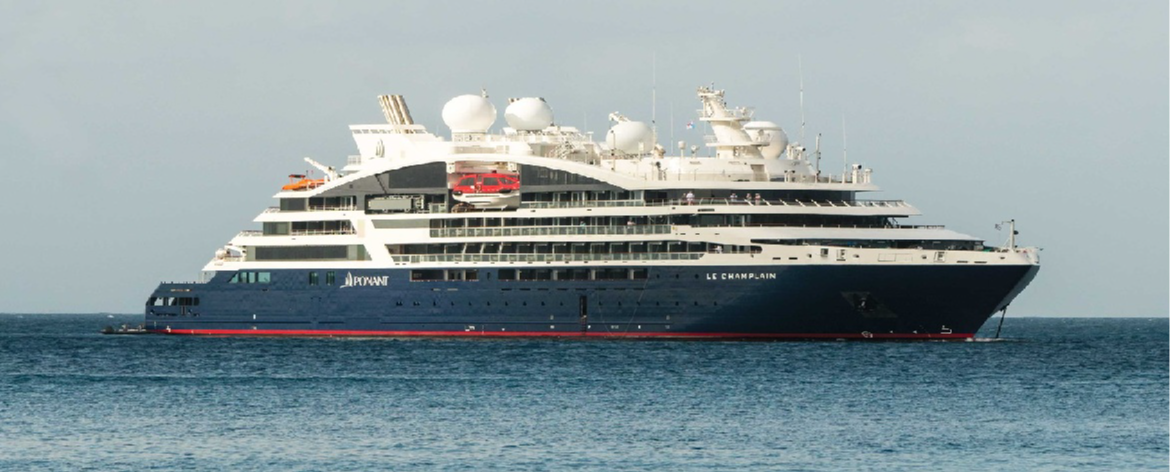
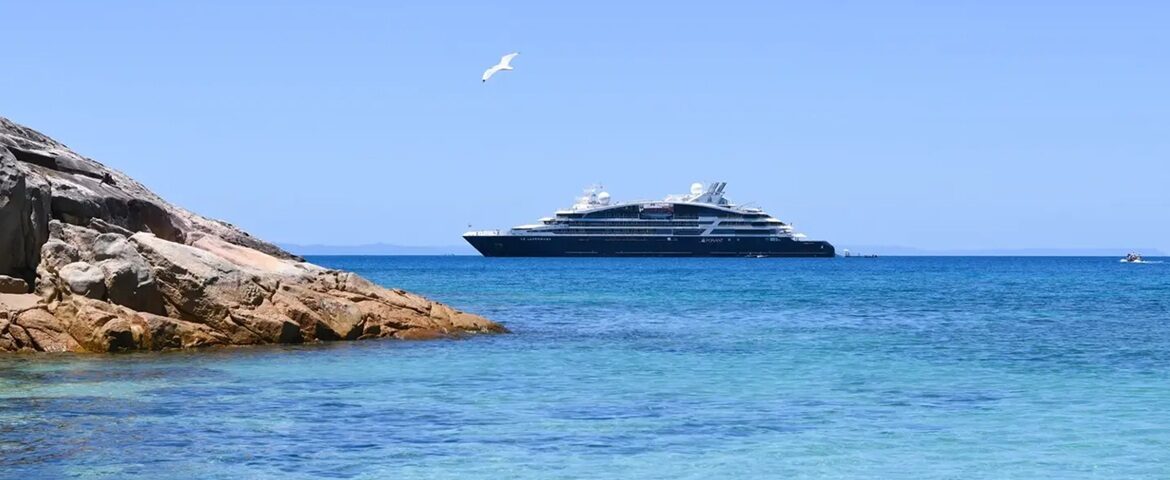
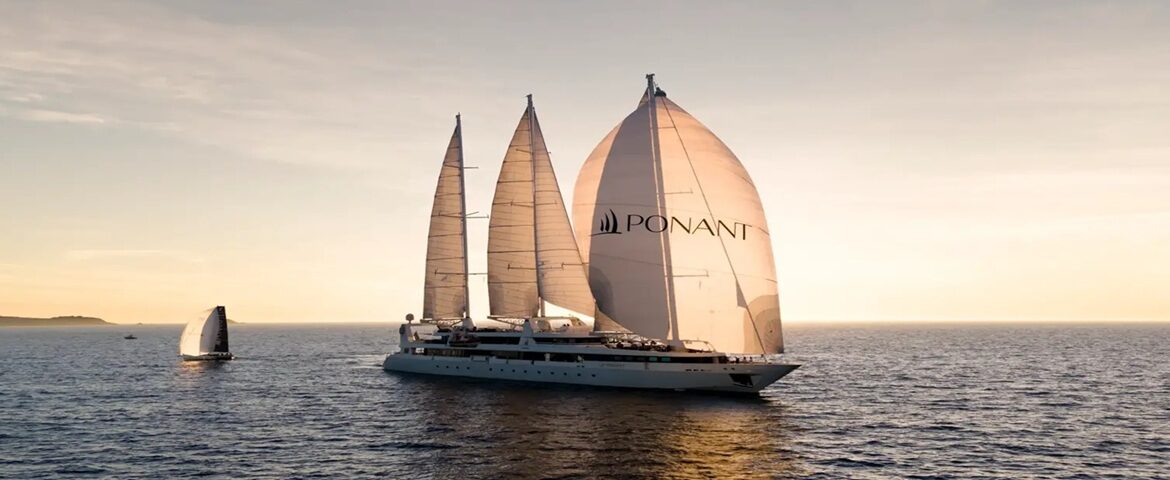
Le Ponant
19 Cruises
| 9 January | 7 nights | One-way from Pointe-a-Pitre to Marigot |
450-628-6241
Call us
|
| 23 January | 7 nights | One-way from Marigot to Pointe-a-Pitre |
450-628-6241
Call us
|
| 6 February | 7 nights | One-way from Pointe-a-Pitre to Marigot |
450-628-6241
Call us
|
| 20 February | 7 nights | One-way from Marigot to Pointe-a-Pitre |
450-628-6241
Call us
|
| 7 February | 7 nights | One-way from Marigot to Pointe-a-Pitre |
450-628-6241
Call us
|
| 21 February | 7 nights | One-way from Pointe-a-Pitre to Marigot |
450-628-6241
Call us
|
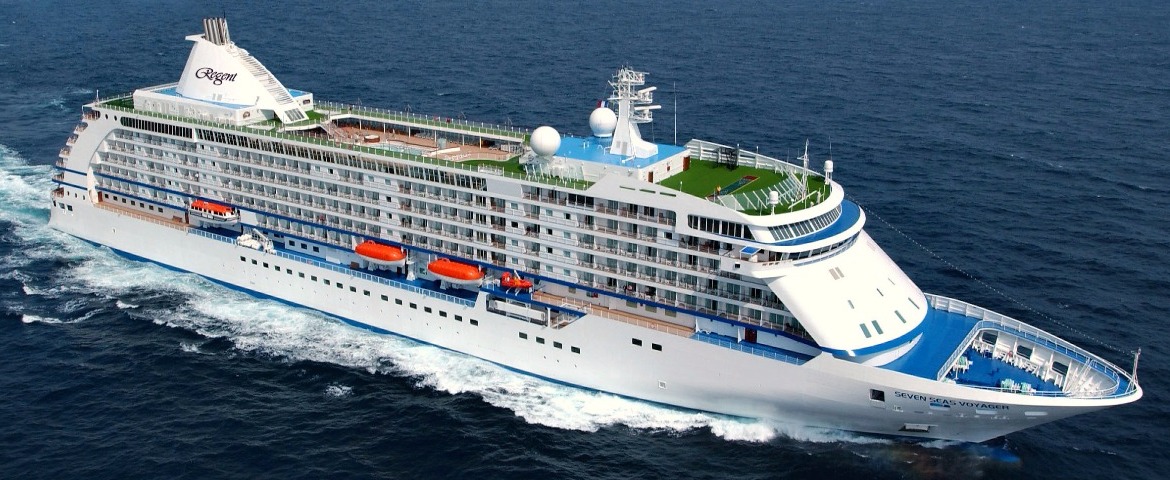
Regent Seven Seas Cruises (32 Cruises)
Seven Seas Grandeur
17 Cruises
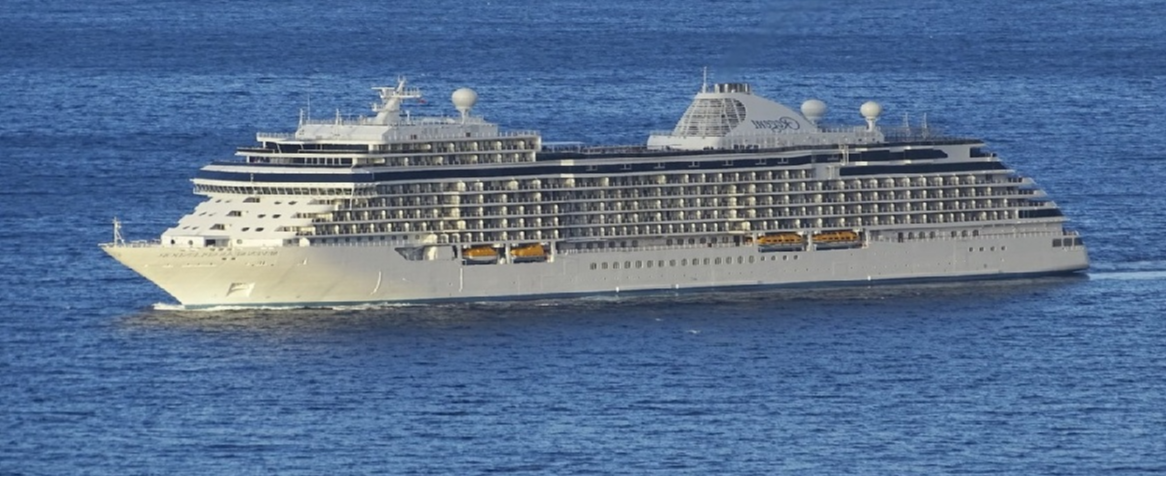

| 14 February | 10 nights | Round-trip from Bridgetown, Barbados |
450-628-6241
Call us
|
| 24 February | 9 nights | One-way from Bridgetown to Miami |
450-628-6241
Call us
|
| 8 January | 10 nights | Round-trip from Bridgetown, Barbados |
450-628-6241
Call us
|
| 28 January | 10 nights | Round-trip from Bridgetown, Barbados |
450-628-6241
Call us
|
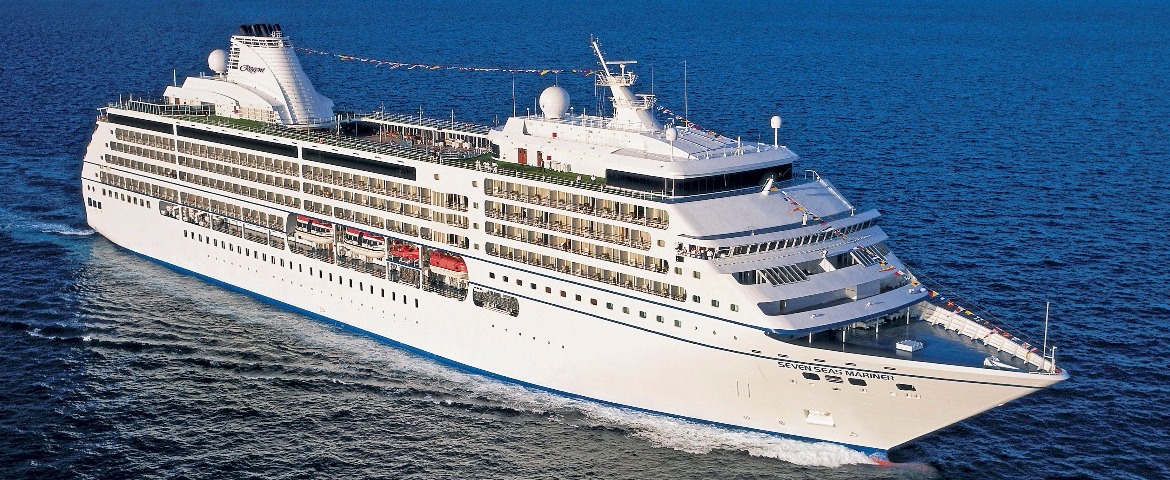
Seven Seas Prestige
8 Cruises


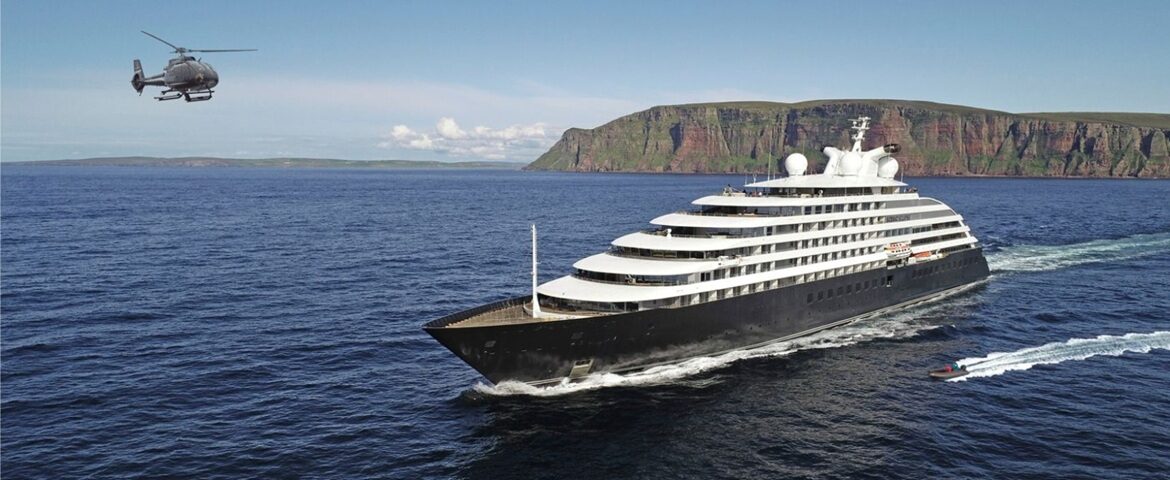
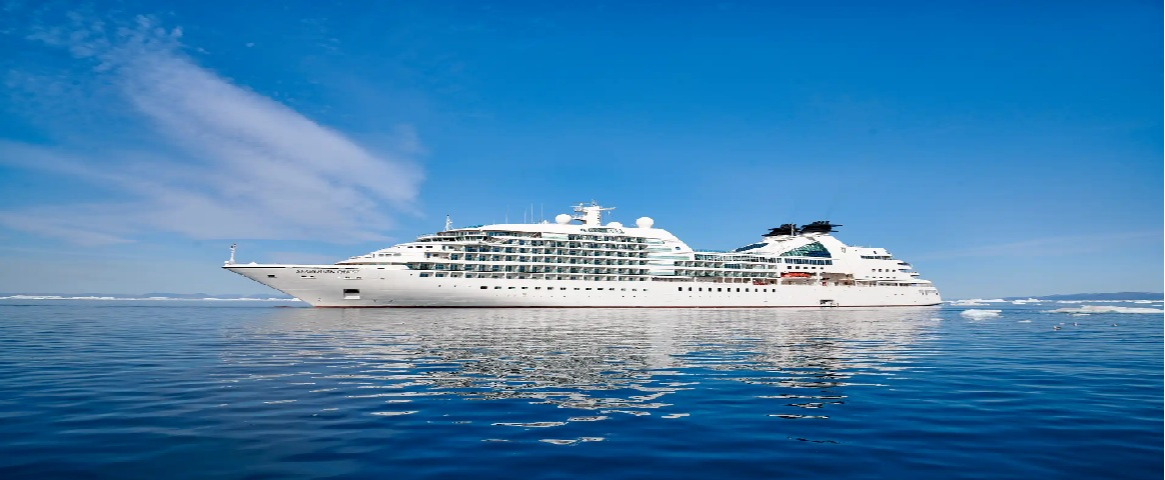
Seabourn Cruise Line (4 Cruises)

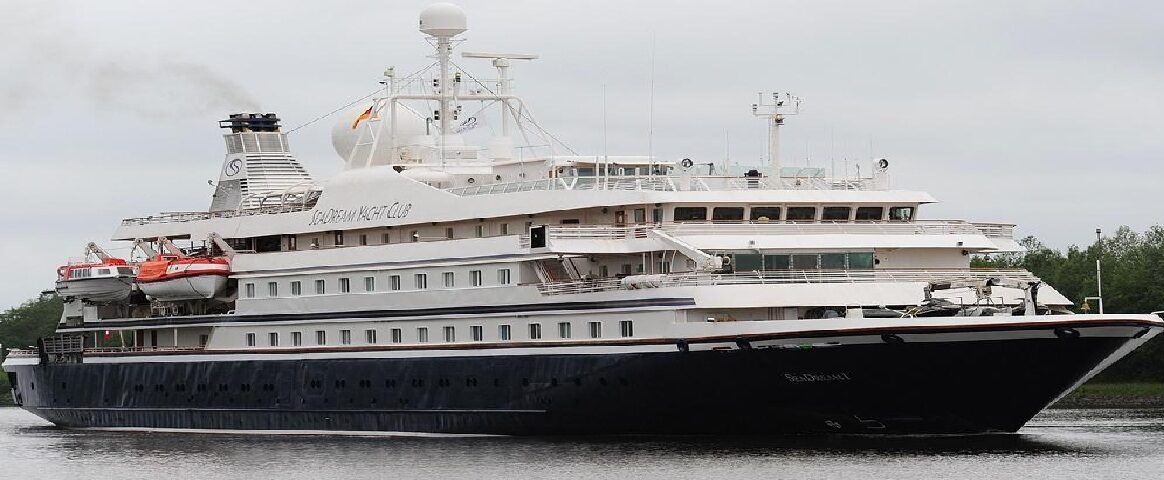
SeaDream Yacht Club (114 Cruises)
Seadream I
60 Cruises

| 3 April | 7 nights | Round-trip from San Juan, Puerto Rico |
450-628-6241
Call us
|
| 10 April | 7 nights | Round-trip from San Juan, Puerto Rico |
450-628-6241
Call us
|
Seadream II
54 Cruises
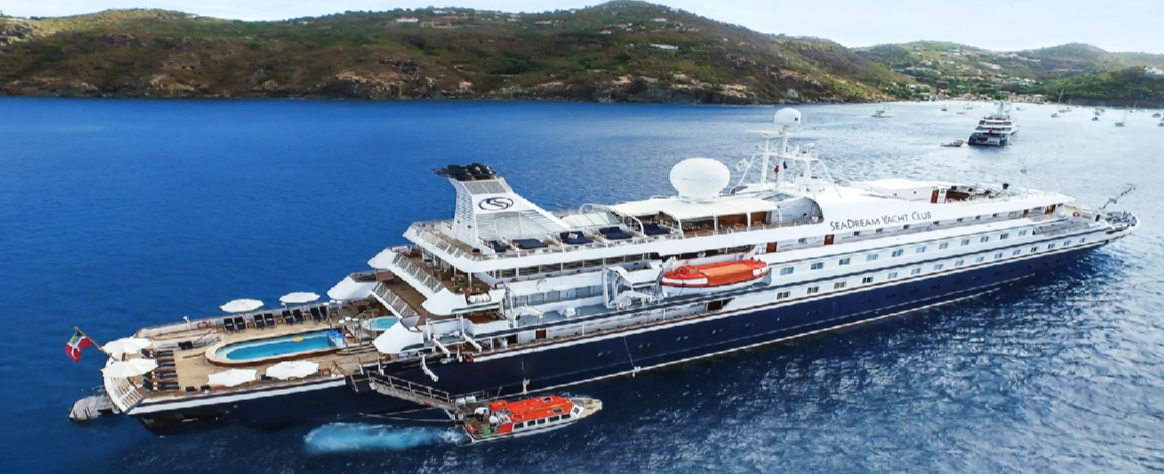
Silversea Cruises (44 Cruises)
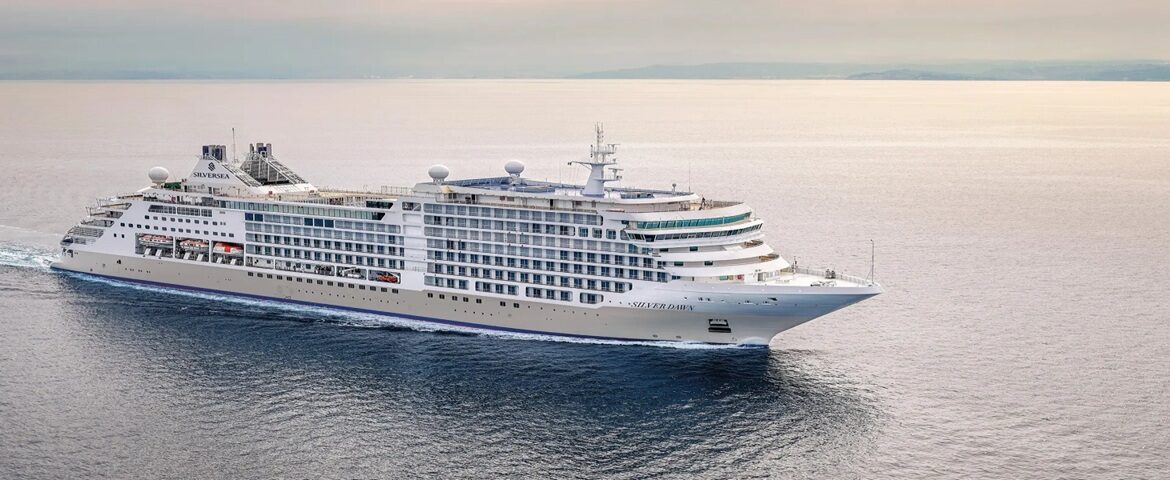
Silver Dawn
12 Cruises

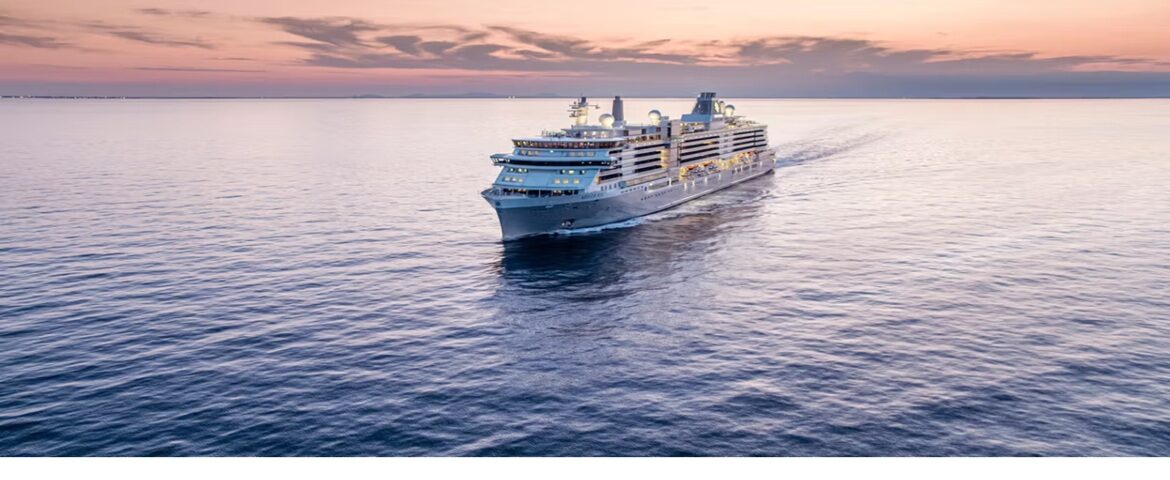
Silver Ray
9 Cruises
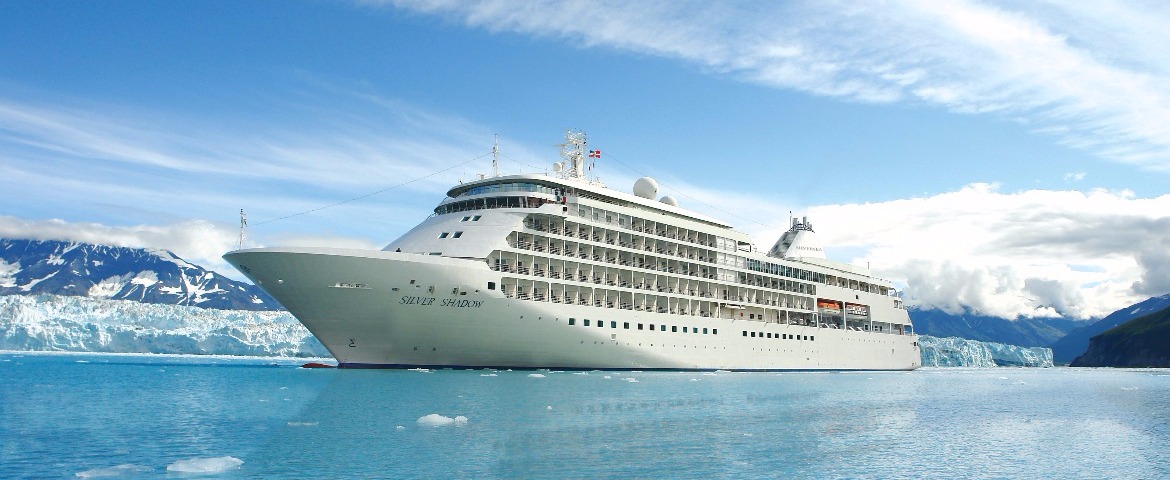
Silver Shadow
11 Cruises
Silver Spirit
12 Cruises
Star Clippers (42 Cruises)
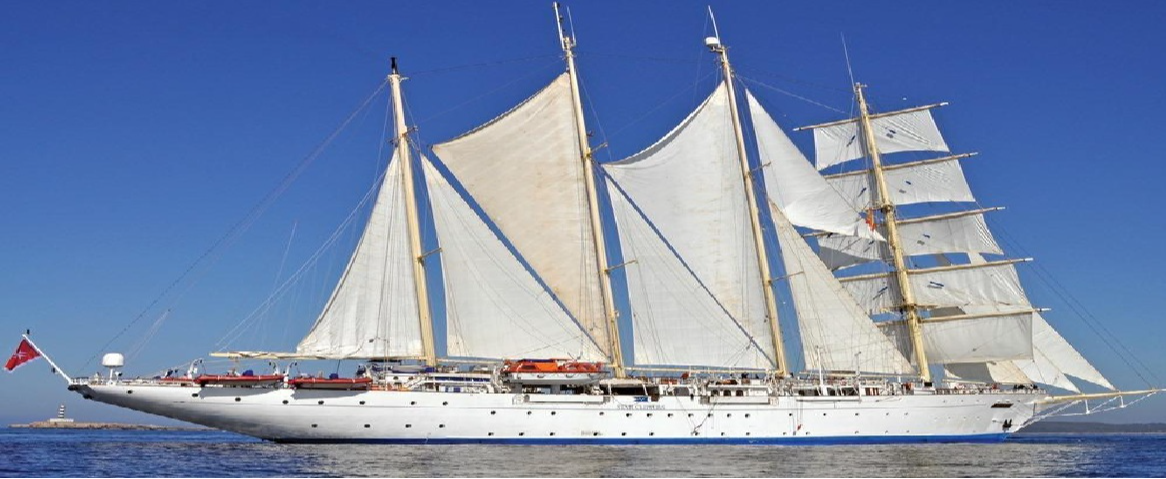
Star Clipper
10 Cruises

| 20 November | 7 nights | Round-trip from St Johns Antigua, Antigua & Barbuda |
450-628-6241
Call us
|
| 27 November | 7 nights | Round-trip from St Johns Antigua, Antigua & Barbuda |
450-628-6241
Call us
|
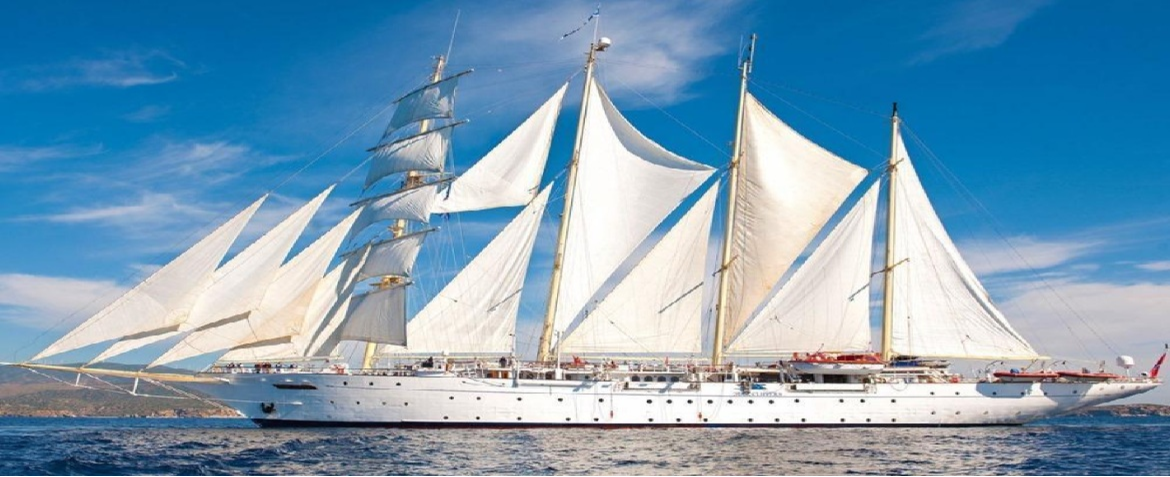
Star Flyer
32 Cruises
Windstar Cruises (106 Cruises)
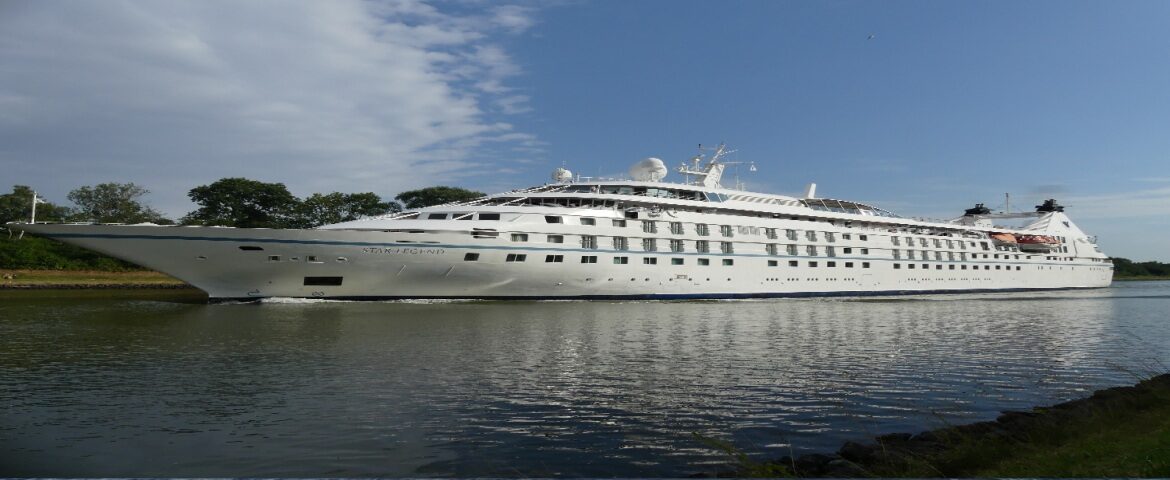
Star Legend
15 Cruises

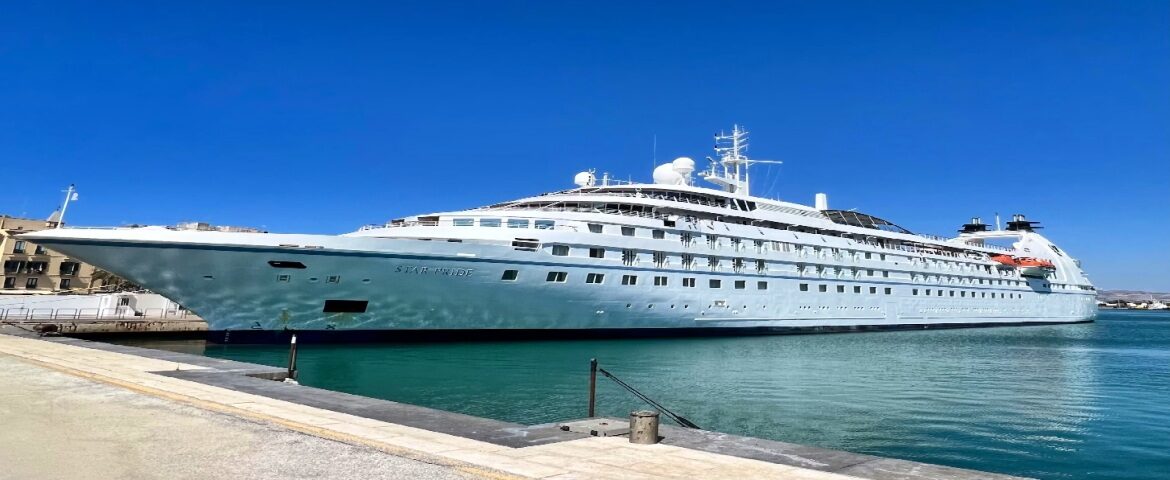
Star Pride
29 Cruises
| 3 January | 14 nights | Round-trip from San Juan, Puerto Rico |
450-628-6241
Call us
|
| 10 January | 7 nights | Round-trip from San Juan, Puerto Rico |
450-628-6241
Call us
|
| 21 February | 21 nights | One-way from Puntarenas to San Juan |
450-628-6241
Call us
|
| 28 February | 14 nights | One-way from Panama City to San Juan |
450-628-6241
Call us
|
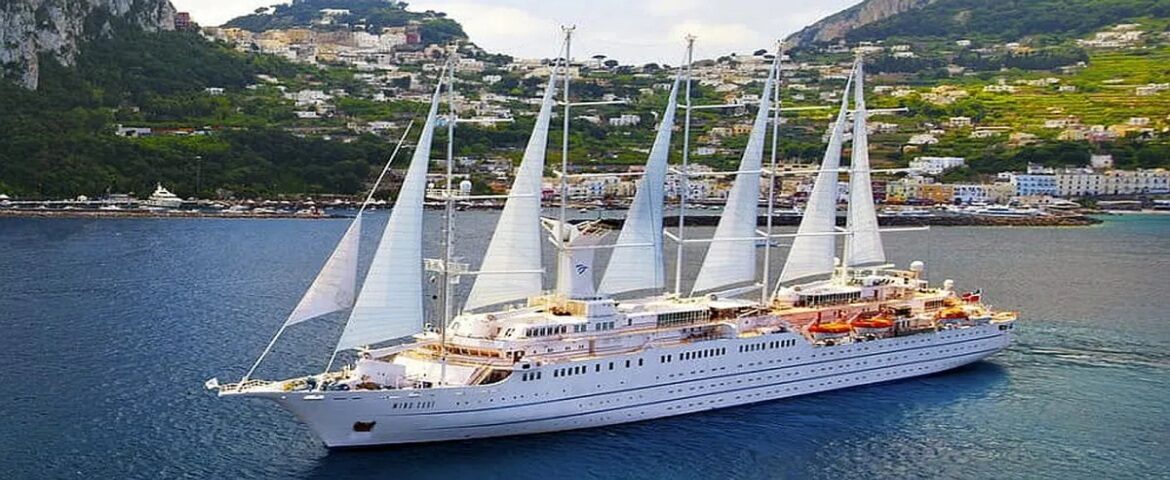
Wind Surf
62 Cruises

Port of Gustavia, Saint Barthélemy | Cruise Port Guide
Frequently Asked Questions
By tender. The harbour is too narrow for large ships: vessels anchor offshore and tenders land passengers in the middle of town, between varnished yacht hulls and red roofs running down to the water.
Yes, everything is within a very small compass. From the quay, the walk around the harbour takes about twenty minutes, past café terraces, art galleries and the windows of the great fashion houses.
The harbour loop, the Wall House and the climb to Fort Karl in the morning, then Shell Beach for a swim. If time remains, taxis offer one- to two-hour loops toward Saint-Jean or Corossol.
Because France sold Saint-Barthélemy to Sweden in 1784 and bought it back in 1878. The capital kept the name of King Gustav III, an almost Scandinavian tidiness in its layout, and street signs such as rue du Roi-Oscar-II.
A restored former Swedish warehouse housing the territorial museum. Half an hour is enough to understand how a rock without fresh water became one of the most sought-after addresses in the Caribbean: ship models, traditional costume and Swedish documents.
Yes. Fort Gustav retains low walls, a lighthouse and an orientation table; Fort Karl keeps a few stone sections atop a hill reached in about fifteen minutes from town. The effort is modest, the reward is not.
At Shell Beach, ten minutes on foot from the tender pier, at the foot of Fort Karl. It is the only beach reachable without a vehicle. The water, sheltered from the swell, stays calm most days.
Because a carpet of crushed shells replaces the sand. Bring sandals: bare feet find that carpet surprising. The bolder swimmers jump from the rocks on the southern side.
The bay of Saint-Jean, cut in two by the airstrip where small planes skim over the swimmers, or Corossol, a fishing hamlet where a few older women still weave latania palm as they did a century ago. Taxis run one- to two-hour loops.
The euro, as Saint-Barthélemy is French, though US dollars are accepted in many shops. French is spoken and English is widespread. Free-port status explains the duty-free boutiques around the harbour.


