Hamburg Germany
440
Cruises availables
At departure or passage at this port
Costa Cruises (29 Cruises)
Costa Favolosa
29 Cruises
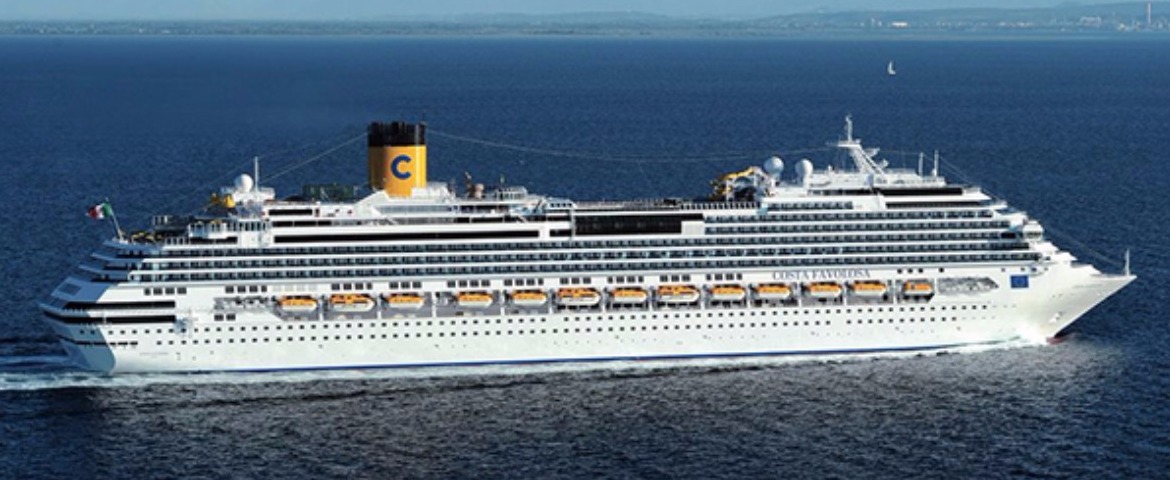

| 12 July | 10 days | Round-trip from Hamburg, Germany |
450-628-6241
Call us
|
| 21 July | 13 days | Round-trip from Hamburg, Germany |
450-628-6241
Call us
|
Cunard (78 Cruises)
Queen Anne
32 Cruises
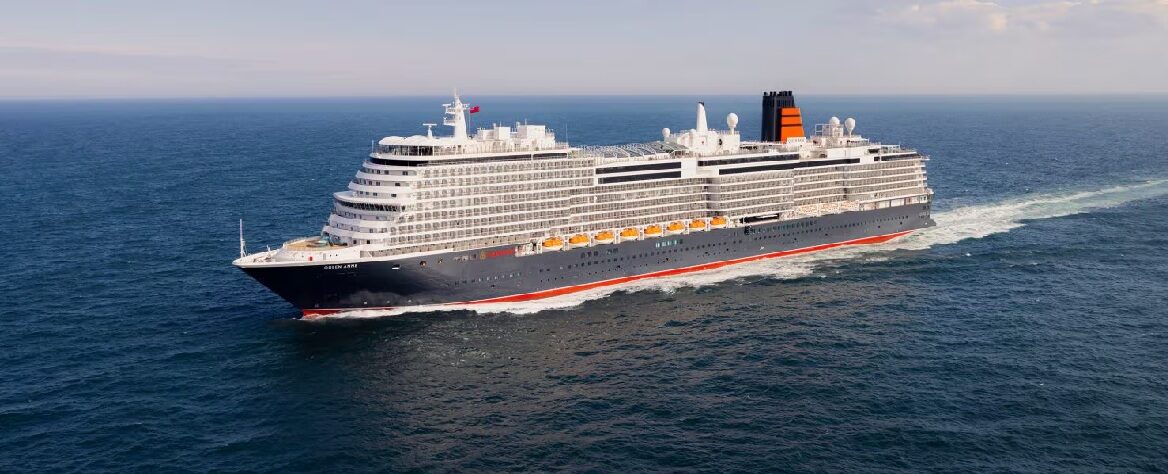

| 27 February | 66 days | One-way from Sydney to Hamburg |
450-628-6241
Call us
|
| 28 February | 67 days | One-way from Sydney to Hamburg |
450-628-6241
Call us
|
Queen Mary 2
34 Cruises
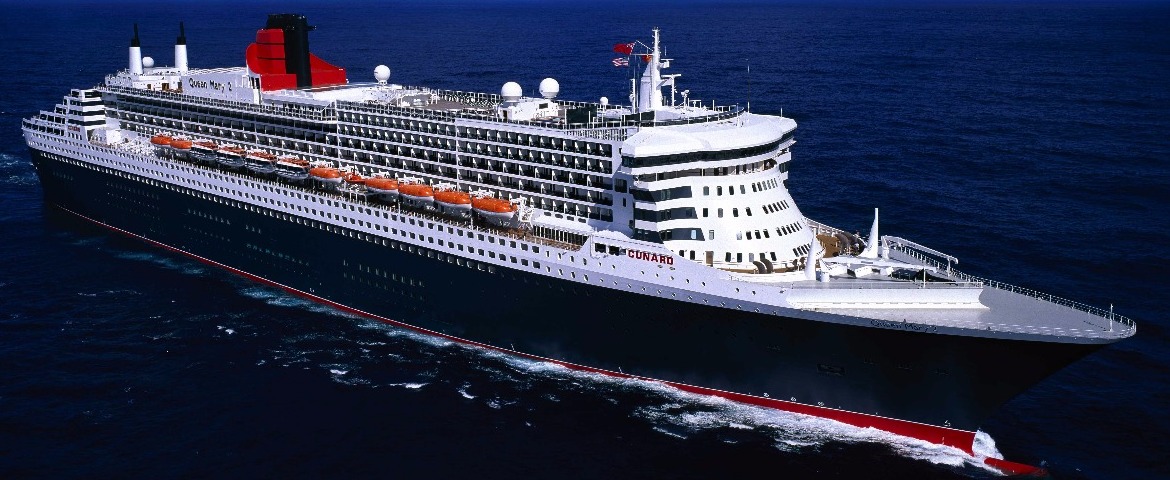
| 4 June | 4 days | One-way from Hamburg to Southampton |
450-628-6241
Call us
|
| 4 June | 11 days | One-way from Hamburg to New York |
450-628-6241
Call us
|
Queen Victoria
12 Cruises
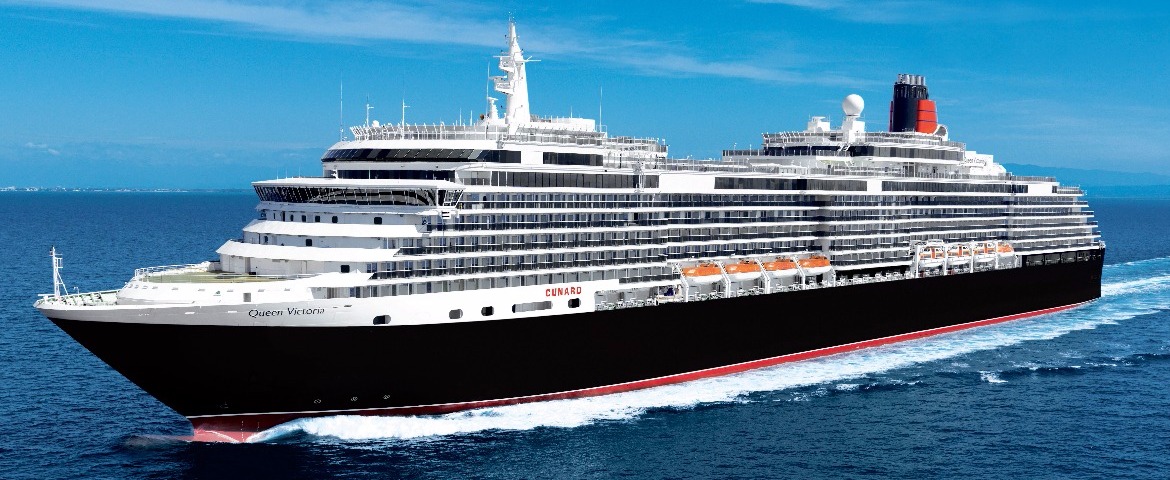
| 24 February | 66 days | One-way from Sydney to Hamburg |
450-628-6241
Call us
|
| 25 February | 67 days | One-way from Sydney to Hamburg |
450-628-6241
Call us
|
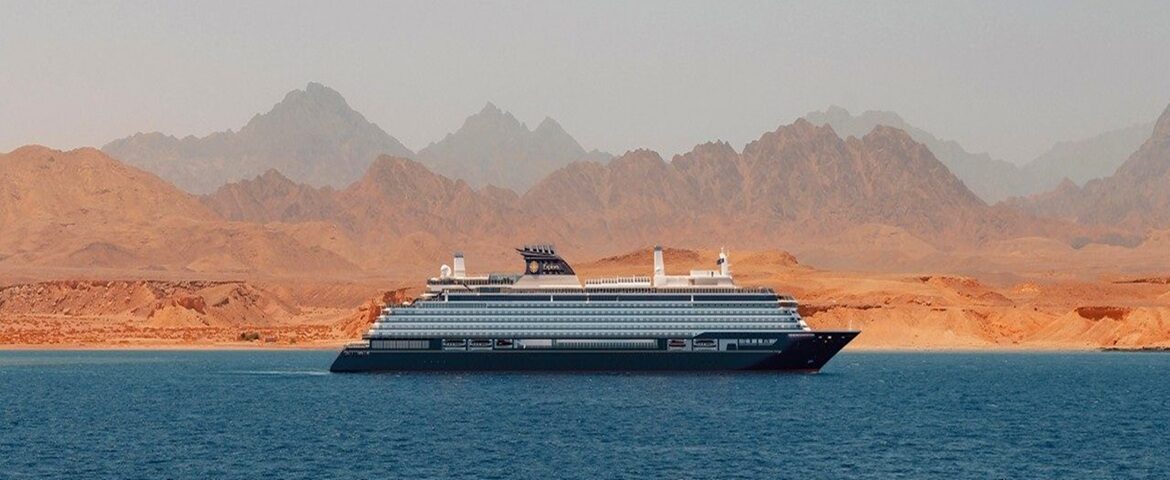
Explora Journeys (25 Cruises)
Explora IV
24 Cruises
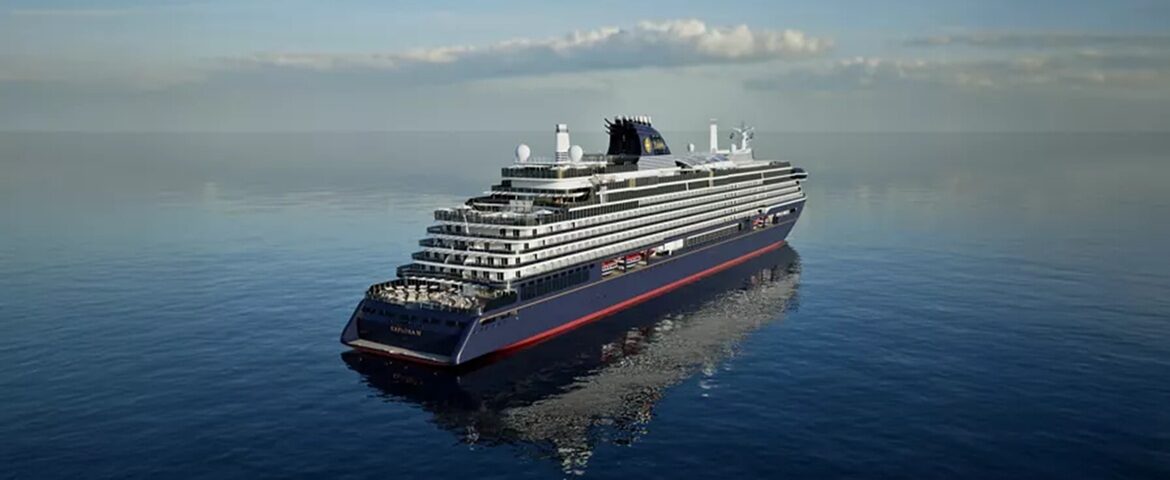

| 28 July | 17 days | One-way from Copenhagen to Southampton |
450-628-6241
Call us
|
| 29 July | 14 days | One-way from Warnemunde-Rostock to Hamburg |
450-628-6241
Call us
|
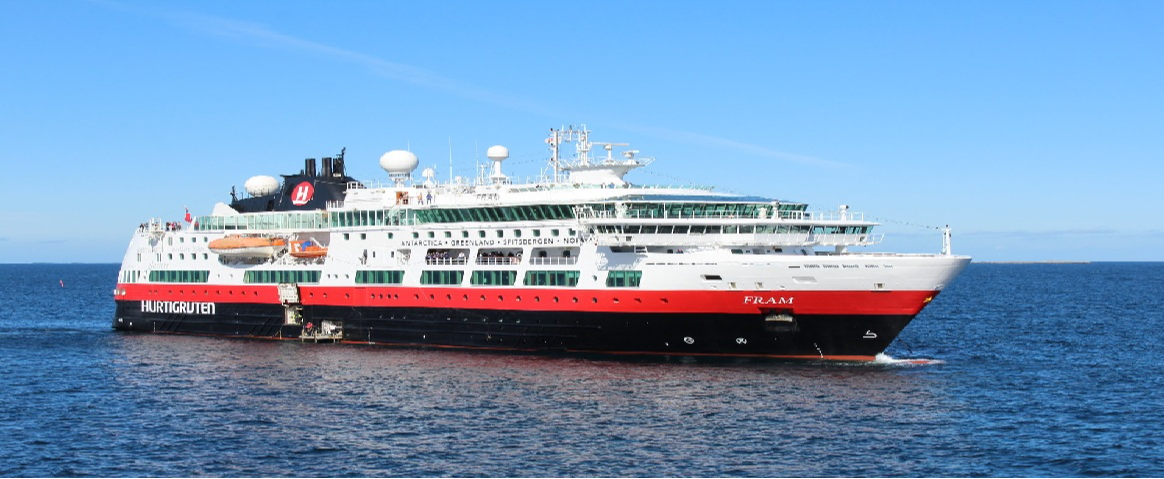
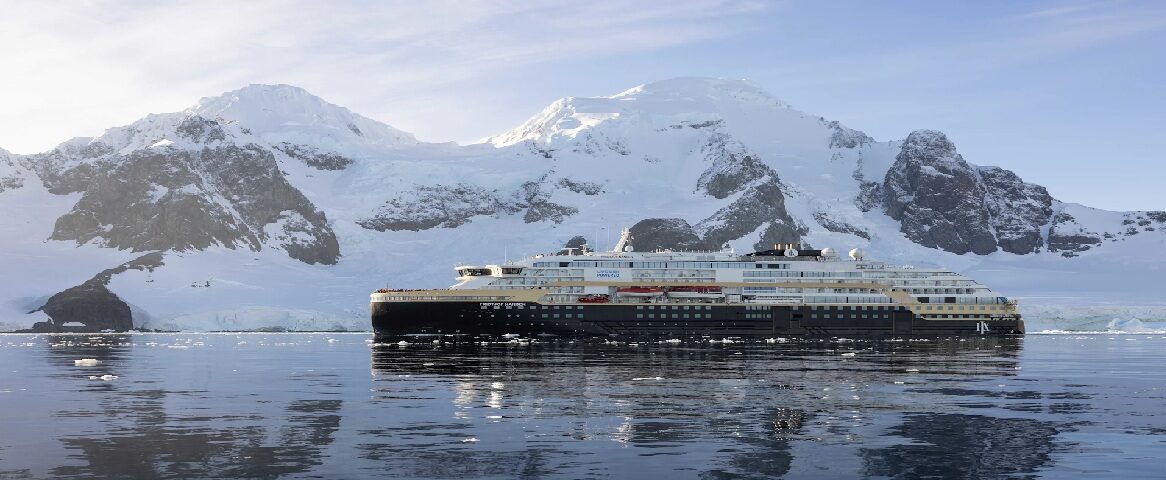
HX Expeditions (4 Cruises)

MSC Cruises (236 Cruises)
MSC Preziosa
236 Cruises
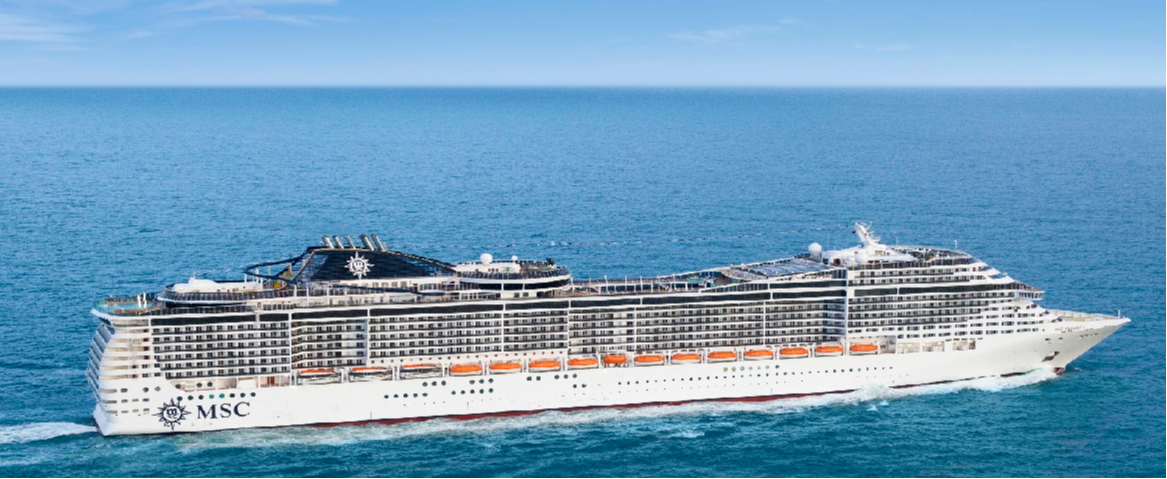

| 5 May | 12 days | Round-trip from Hamburg, Germany |
From
2902$
|
| 16 May | 12 days | Round-trip from Hamburg, Germany |
From
3534$
|
| 27 May | 12 days | Round-trip from Hamburg, Germany |
From
2902$
|
| 7 June | 12 days | Round-trip from Hamburg, Germany |
From
2830$
|
| 18 June | 15 days | Round-trip from Hamburg, Germany |
From
3890$
|
| 2 July | 12 days | Round-trip from Hamburg, Germany |
From
3690$
|
| 13 July | 13 days | Round-trip from Hamburg, Germany |
From
3396$
|
| 25 July | 13 days | Round-trip from Hamburg, Germany |
From
3396$
|
| 6 August | 15 days | Round-trip from Hamburg, Germany |
From
3848$
|
| 20 August | 12 days | Round-trip from Hamburg, Germany |
From
3741$
|
| 31 August | 13 days | Round-trip from Hamburg, Germany |
From
3419$
|
| 12 September | 11 days | Round-trip from Hamburg, Germany |
From
3255$
|
| 22 September | 12 days | Round-trip from Hamburg, Germany |
From
3086$
|
| 3 May | 12 days | Round-trip from Hamburg, Germany |
From
3627$
|
| 14 May | 12 days | Round-trip from Hamburg, Germany |
From
2824$
|
| 25 May | 12 days | Round-trip from Hamburg, Germany |
From
3633$
|
| 5 June | 12 days | Round-trip from Hamburg, Germany |
From
3648$
|
| 16 June | 15 days | Round-trip from Hamburg, Germany |
From
3874$
|
| 30 June | 12 days | Round-trip from Hamburg, Germany |
From
2916$
|
| 11 July | 13 days | Round-trip from Hamburg, Germany |
From
3305$
|
| 23 July | 13 days | Round-trip from Hamburg, Germany |
From
3348$
|
| 4 August | 15 days | Round-trip from Hamburg, Germany |
From
3837$
|
| 18 August | 12 days | Round-trip from Hamburg, Germany |
From
2982$
|
| 29 August | 13 days | Round-trip from Hamburg, Germany |
From
3305$
|
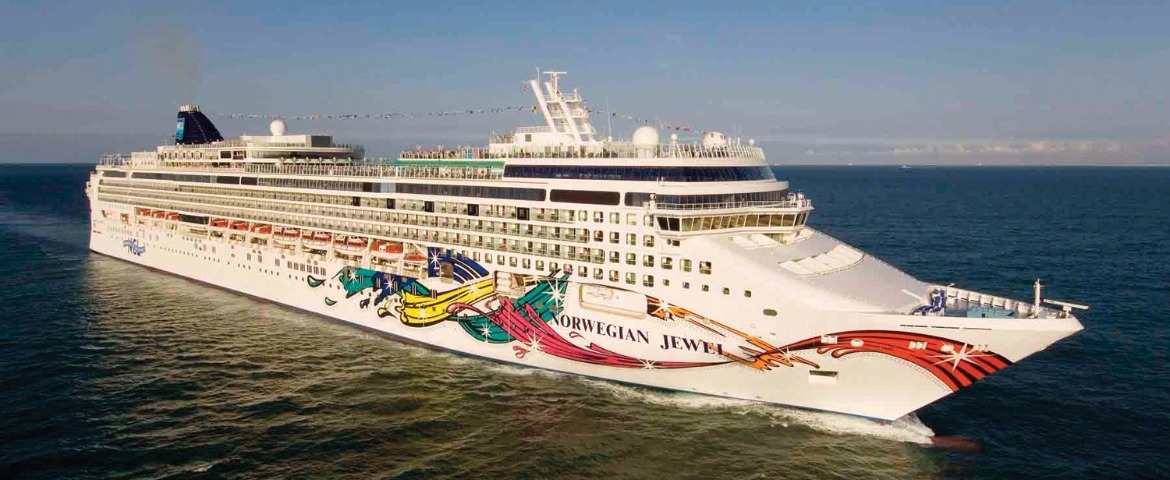
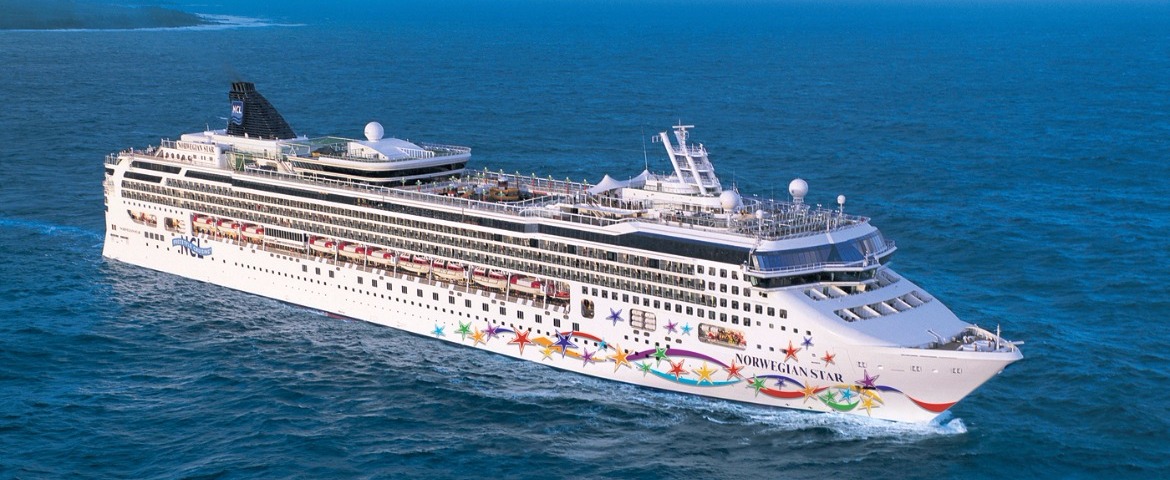
Norwegian Cruise Line (4 Cruises)

Oceania Cruises (8 Cruises)
Oceania Marina
8 Cruises
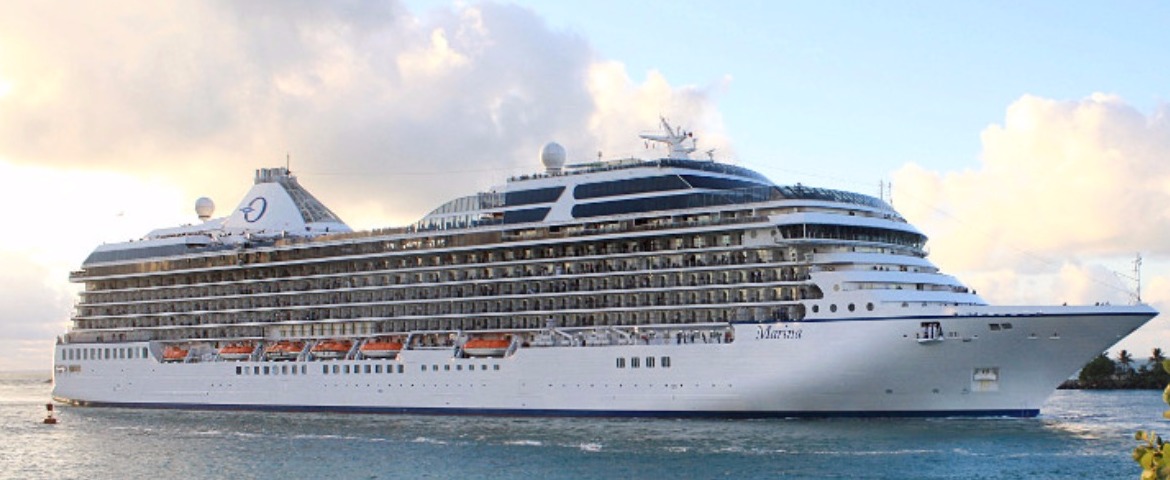

| 17 April | 67 days | One-way from Trieste to Southampton |
450-628-6241
Call us
|
| 17 April | 66 days | One-way from Trieste to Southampton |
450-628-6241
Call us
|
Princess Cruises (31 Cruises)
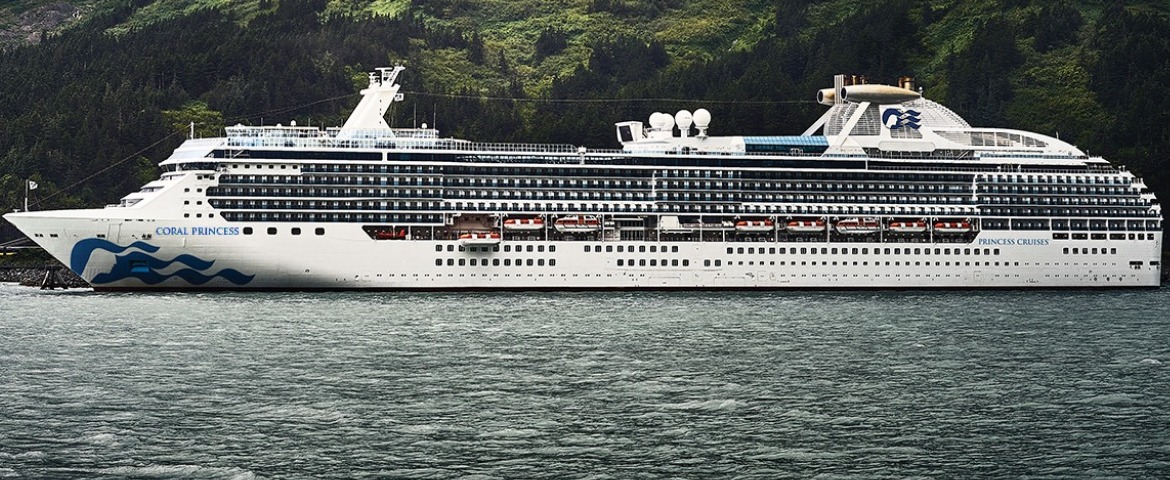

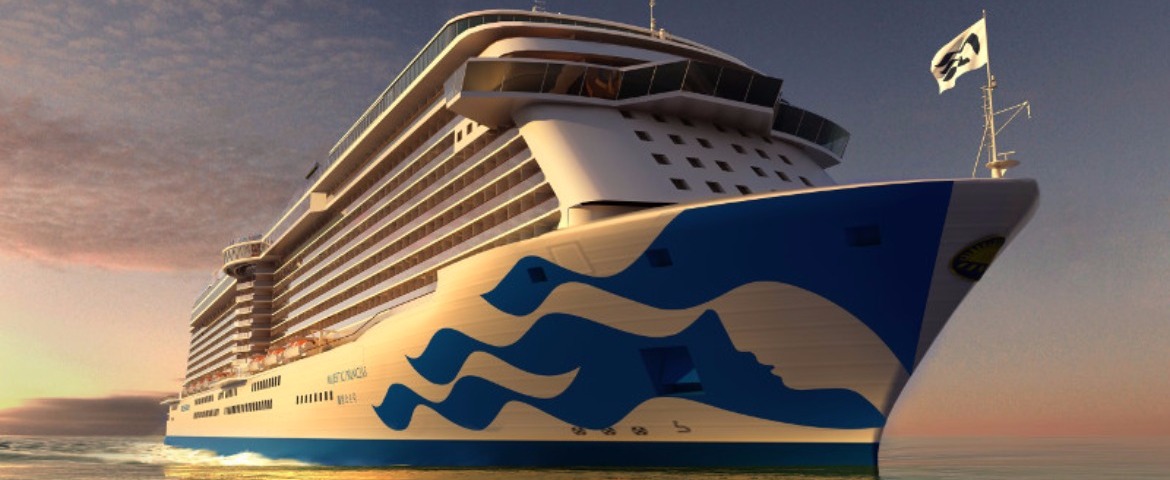
Majestic Princess
8 Cruises
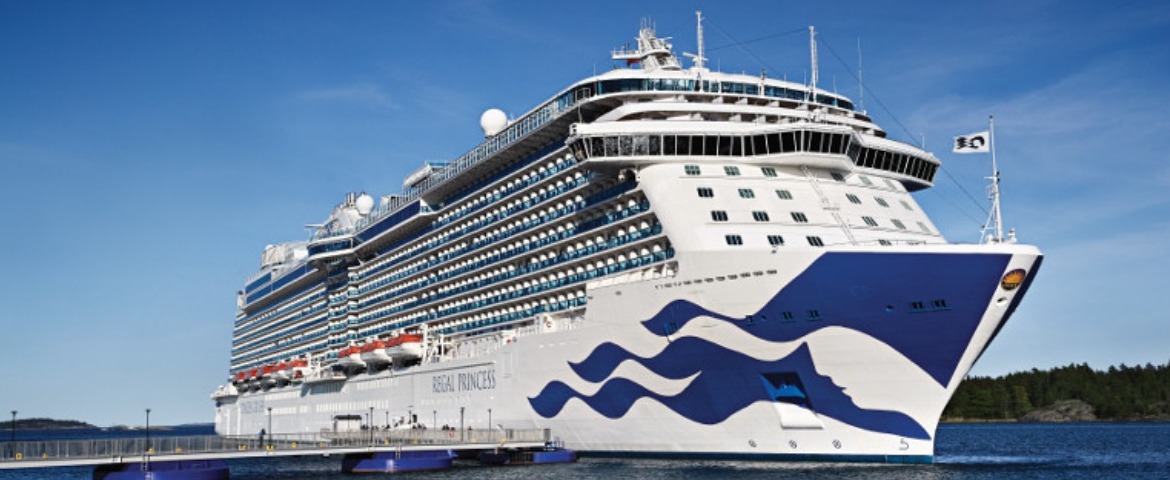
Regal Princess
19 Cruises
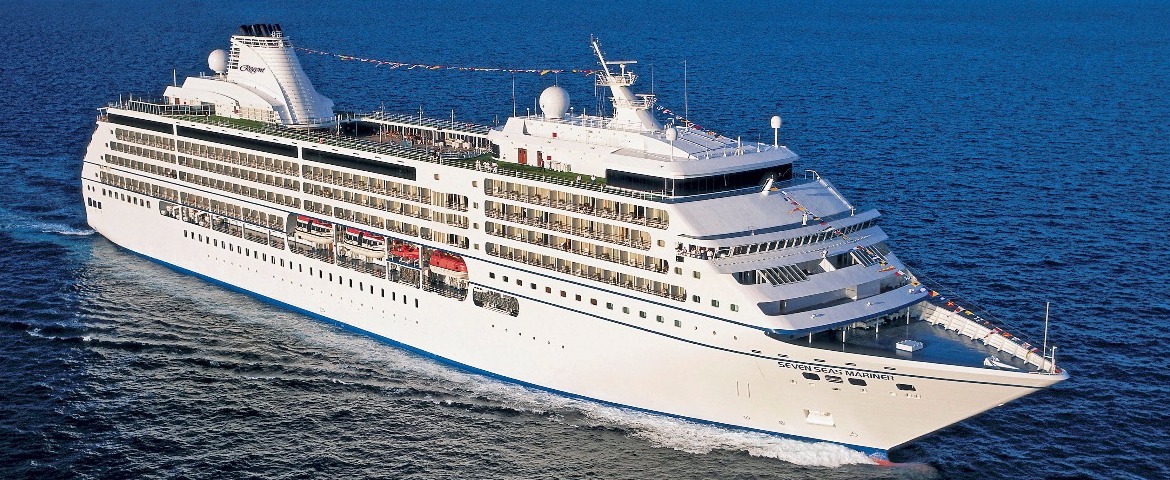
Regent Seven Seas Cruises (7 Cruises)
Seven Seas Mariner
7 Cruises

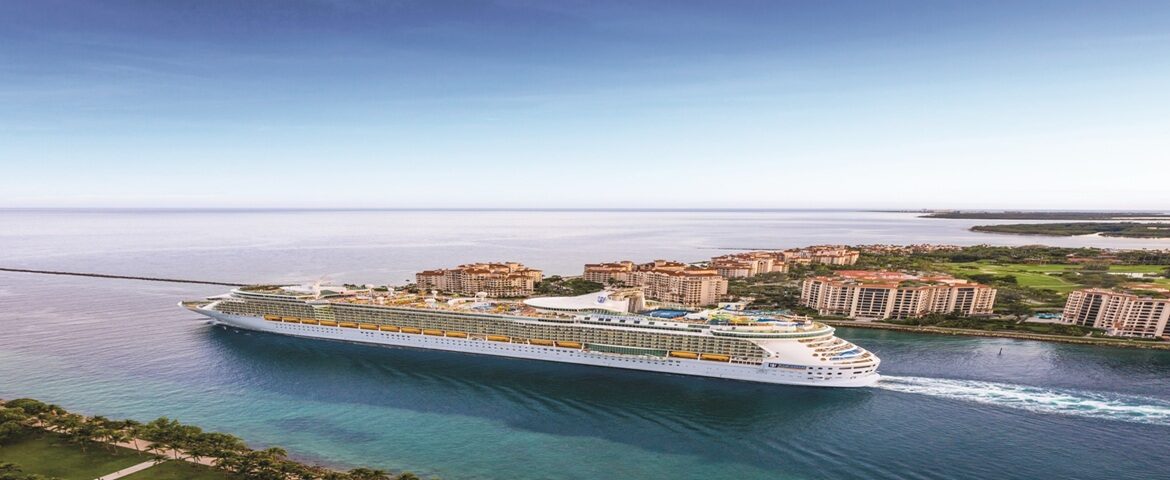
Royal Caribbean Cruises (5 Cruises)

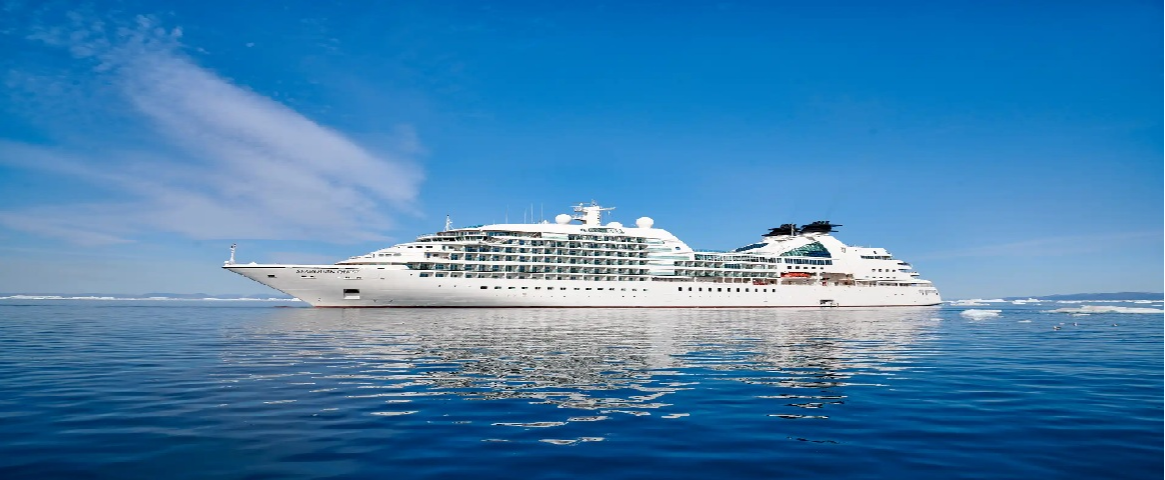
Seabourn Cruise Line (13 Cruises)
Seabourn Quest
13 Cruises

Frequently Asked Questions
At one of the city's three terminals. HafenCity puts passengers about fifteen minutes' walk from the centre. Altona, in the former fishing port, sits four or five kilometres from the historic quarter. Steinwerder, on the south bank of the Elbe, is in an industrial zone.
From HafenCity, yes, in about fifteen minutes. From Altona you need the suburban train. From Steinwerder, rely on shuttles or a taxi: walking is not a sensible option through that industrial area.
The Speicherstadt, the largest complex of historic warehouses in the world, UNESCO-listed since 2015. Then the Elbphilharmonie Plaza for the panorama, and the 1897 city hall. That is already a full programme if you would rather not rush.
A district of red-brick warehouses set on oak piles, laid out on a grid of canals crossed by iron footbridges. Coffee, tea and spices that made the fortunes of Hanseatic merchants passed through here. Miniatur Wunderland is tucked inside it too.
Yes. The Plaza, the terrace that wraps around the building 37 metres above the water, is open without attending a concert. From there the eye takes in the basins, the shipyards, the green spires and the copper roofs.
Very much so. Miniatur Wunderland, the largest model railway on the planet, holds children and adults alike for a good two hours. The narrated harbour tour from the Landungsbrücken and the 1911 tunnel under the Elbe are also popular.
The euro. In a city this size cards work almost everywhere, but Germany retains a strong attachment to cash: some cafés, kiosks and markets still refuse electronic payment. Keep notes on you.
Yes, easily. This is an international port city of nearly two million people: English is common in museums, restaurants and on public transport. German remains useful in residential districts.
The U-Bahn and S-Bahn cover the city efficiently and link all three terminals to the centre. A day ticket settles the question. The historic core itself walks very well, from the Speicherstadt to the Alster lakes.
A Hamburg institution since 1703, held very early on Sunday mornings. It therefore only works if your call falls on a Sunday and you are willing to be up before dawn. Otherwise, the Reeperbahn in St. Pauli tells the port's other story.


