Pulau Komodo Island East Nusa Tenggara Indonesia
154
Cruises availables
At departure or passage at this port
Aqua Expeditions (9 Cruises)


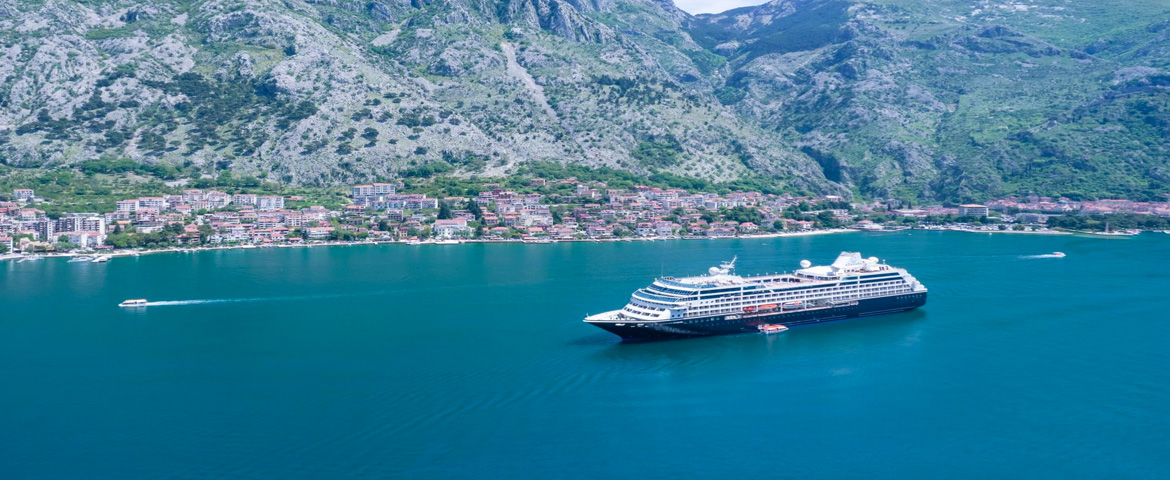
Azamara Club Cruises (7 Cruises)
Azamara Onward
7 Cruises

| 5 January | 176 days | One-way from Miami to Piraeus-Athens |
450-628-6241
Call us
|
| 5 January | 82 nights | One-way from Miami to Hong Kong |
450-628-6241
Call us
|
Crystal Cruises (3 Cruises)


Emerald Waterways (8 Cruises)
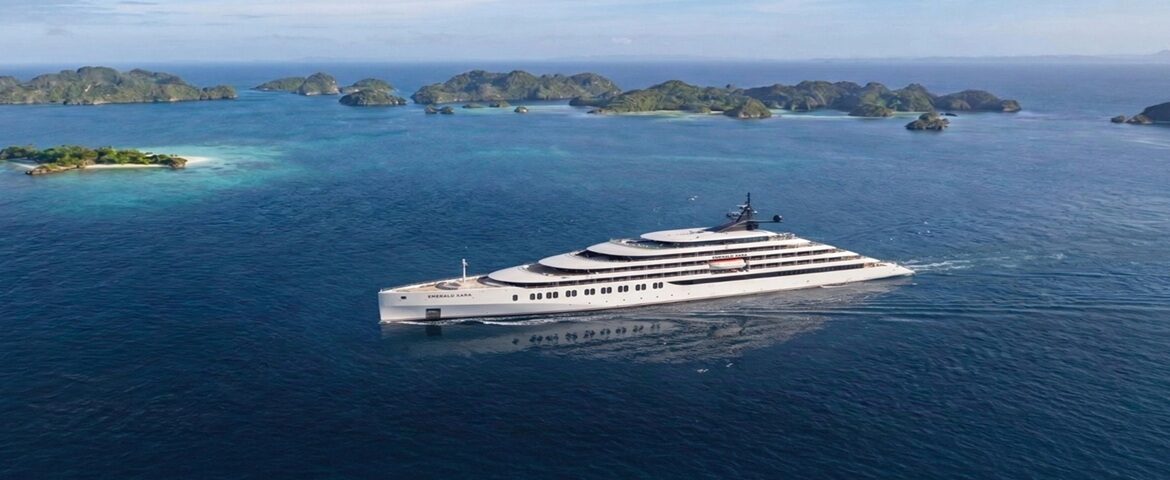

Explora Journeys (3 Cruises)
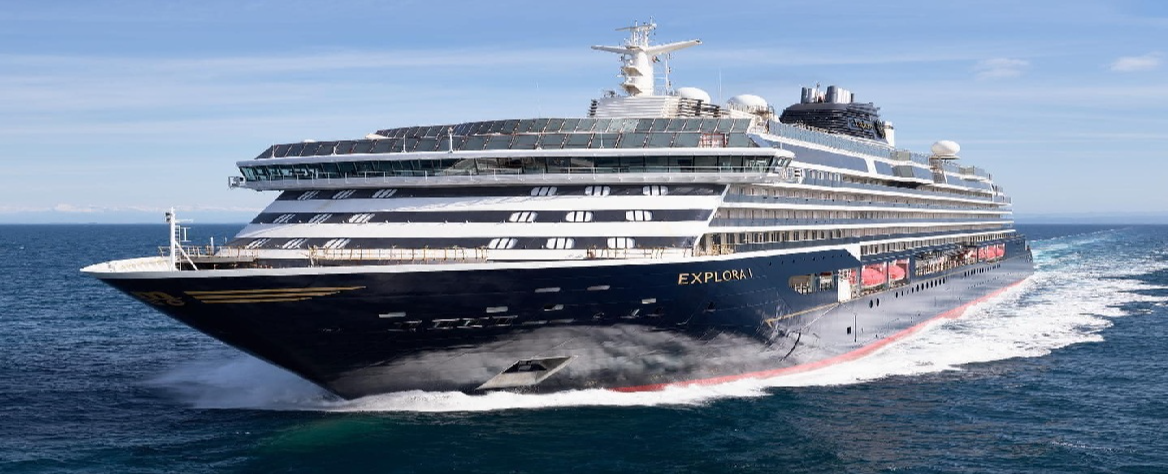

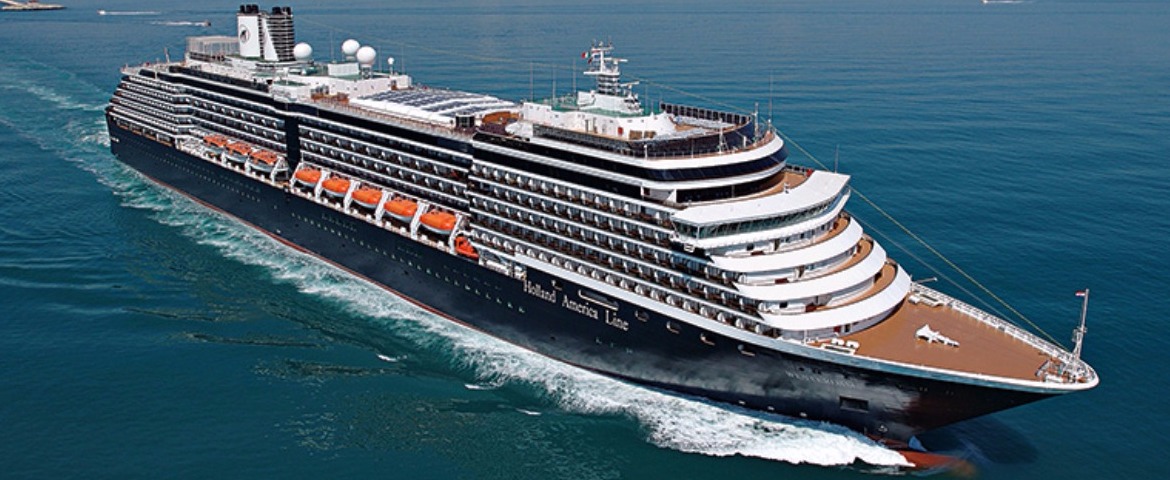
Holland America Line (3 Cruises)

Oceania Cruises (26 Cruises)

Oceania Riviera
11 Cruises
Oceania Vista
9 Cruises
| 6 January | 180 days | One-way from Miami to Southampton |
450-628-6241
Call us
|
| 6 January | 244 days | One-way from Miami to New York |
450-628-6241
Call us
|
Paul Gauguin Cruises (2 Cruises)


Regent Seven Seas Cruises (38 Cruises)
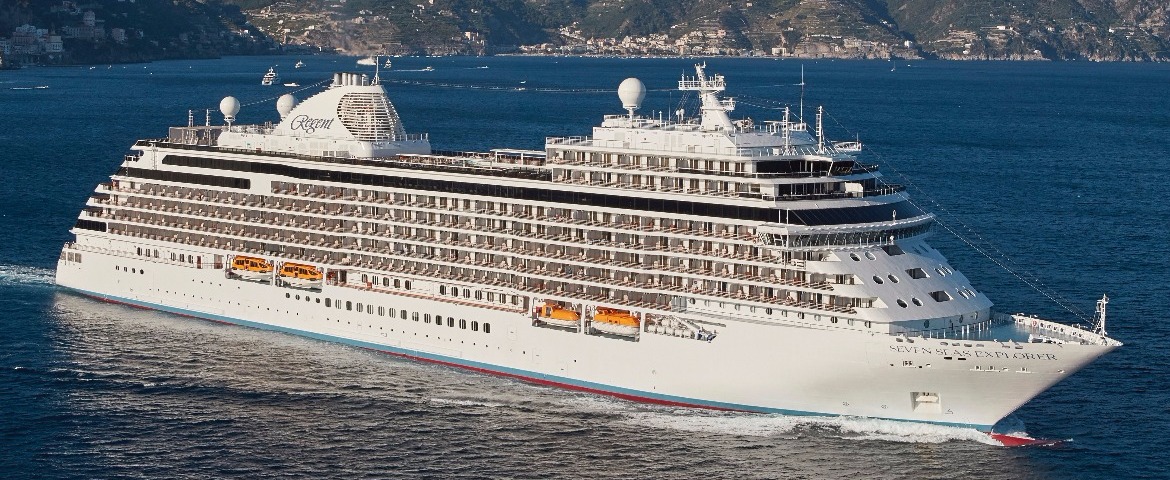
Seven Seas Explorer
16 Cruises


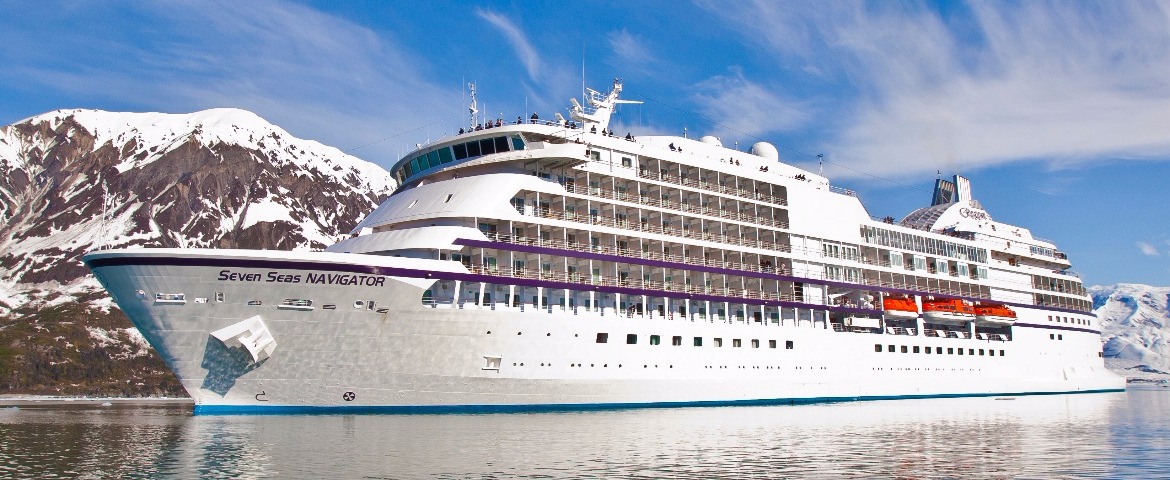
Seven Seas Navigator
7 Cruises
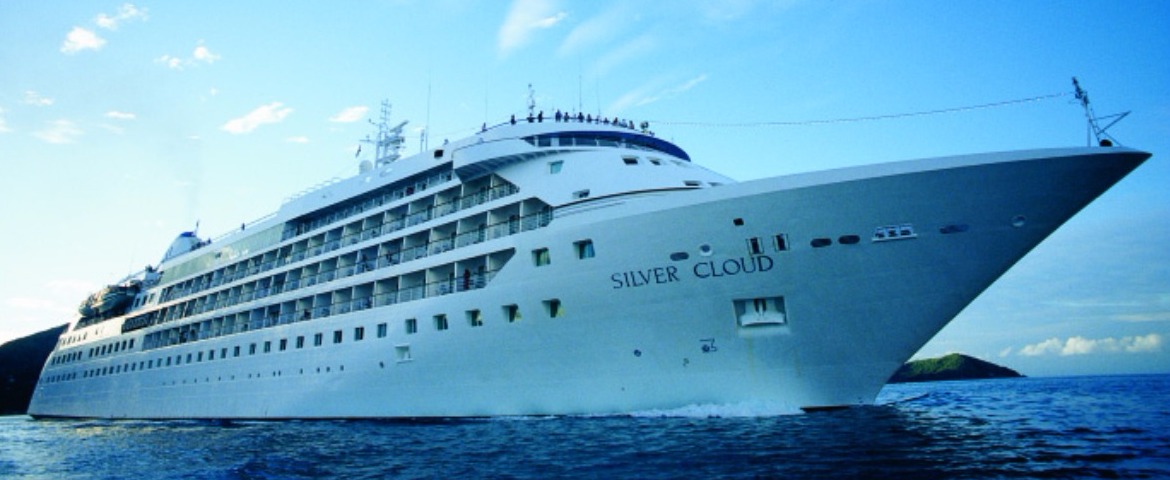
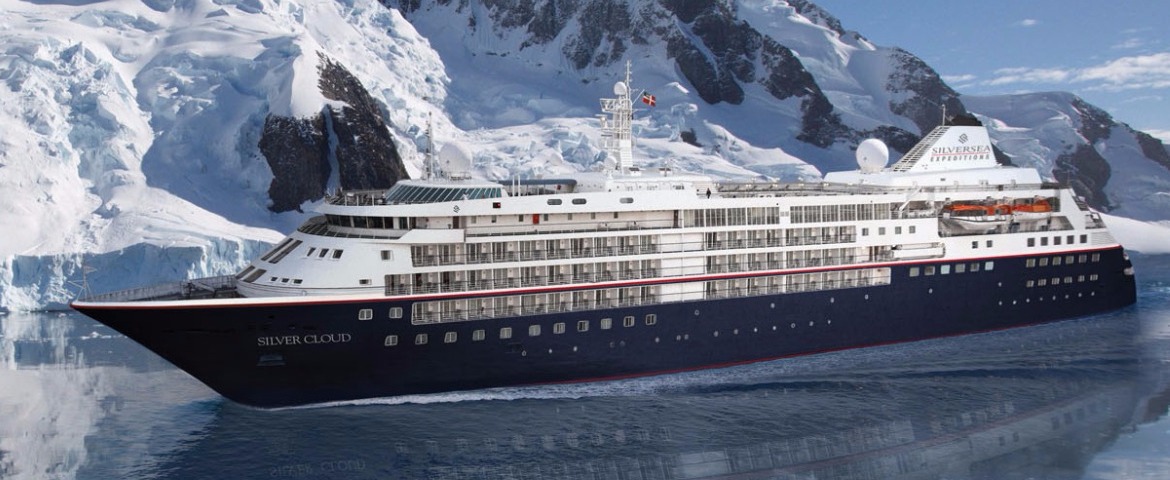
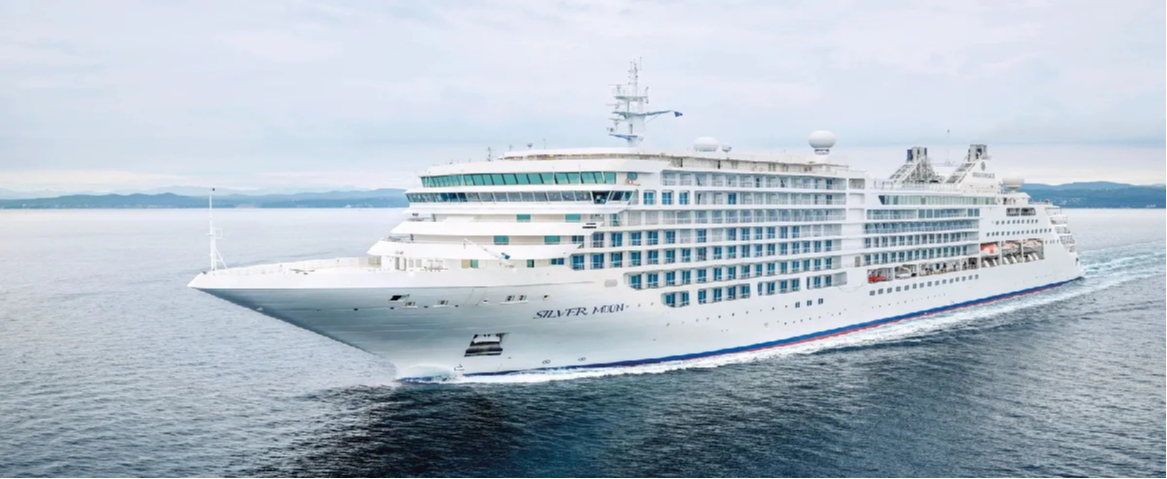
Silversea Cruises (7 Cruises)

Viking Ocean Cruises (30 Cruises)
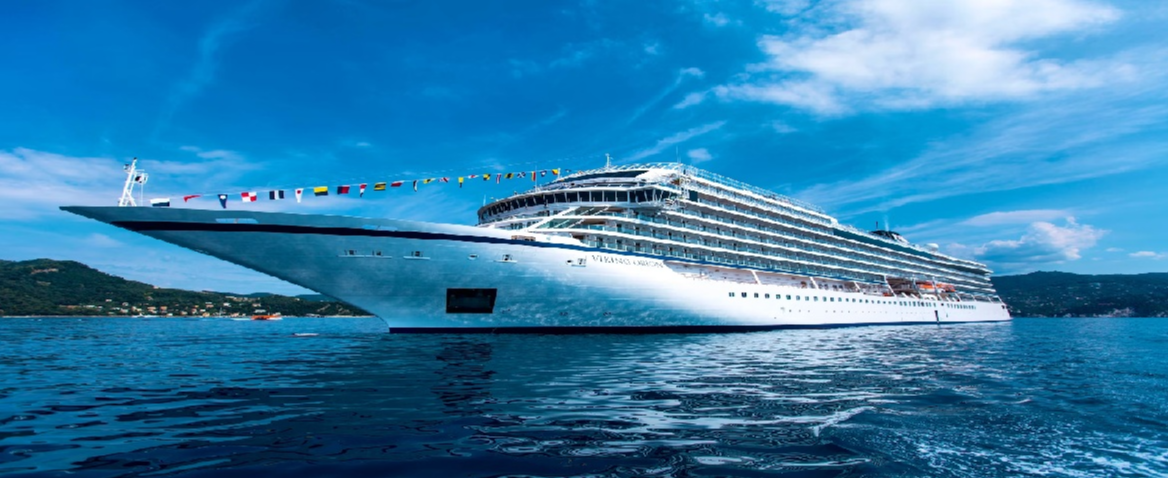
Viking Orion
15 Cruises

| 23 February | 90 nights | One-way from Auckland to Vancouver |
450-628-6241
Call us
|
| 23 February | 29 nights | One-way from Auckland to Benoa |
450-628-6241
Call us
|
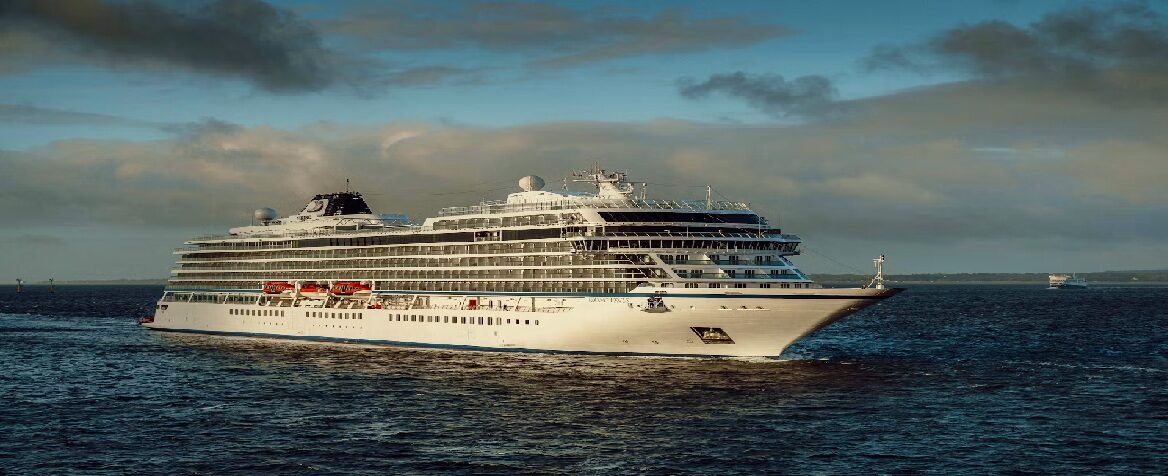
Viking Venus
15 Cruises
Windstar Cruises (12 Cruises)
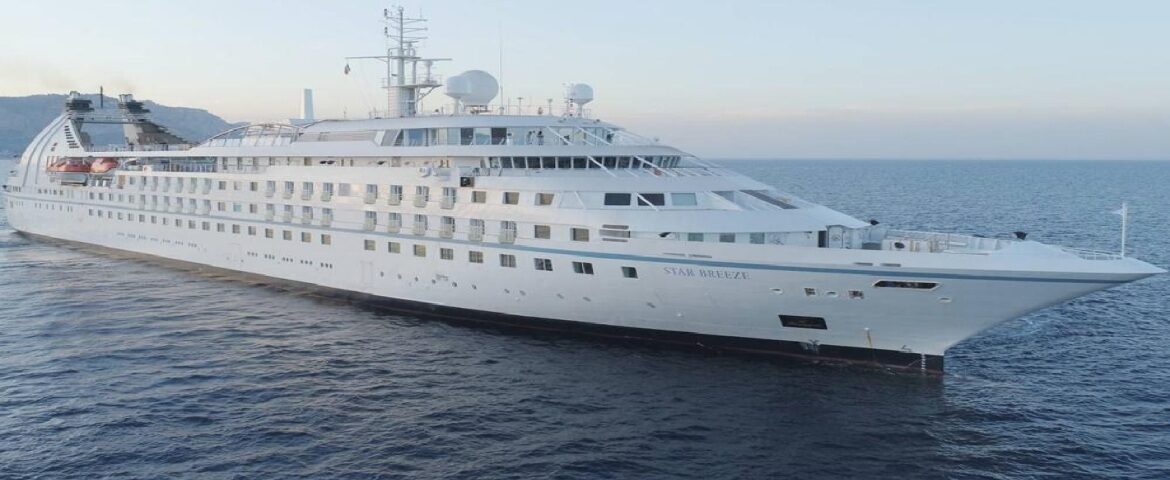
Star Breeze
12 Cruises


Komodo, Indonesia | Cruise Port Guide
Frequently Asked Questions
The ship anchors in the bay and tenders take about fifteen minutes to reach the wooden jetty at Loh Liang, the entrance to the national park. There is no berth for large ships: the tender ride is part of the call.
No, never. Rangers wait on the jetty and nobody walks without an escort. The reason for that rule weighs up to 90 kilograms and can outrun a human over a few dozen metres.
A protected area created in 1980 to safeguard the giant monitor lizard, listed as a UNESCO World Heritage Site. It takes in Komodo, Rinca, Padar and a scattering of coral islets. Tawny hills bristling with lontar palms drop into a deep blue sea.
Sightings are frequent but never guaranteed: these are wild animals. Rangers lead groups near the waterholes where the reptiles doze in the dust. Adults commonly exceed two and a half metres.
Yes, and the distance rule is not up for debate. Their stillness is deceptive: a dragon can outsprint a human over a few dozen metres, and its saliva carries enough bacteria to make any bite serious. The thrill is part of the visit, carefully managed.
It starts with a clear safety briefing, then the group moves off through tall golden grass, the ranger's forked stick at the head of the line. Several marked trails exist, from a short route to a more demanding loop. The pace suits all ages, with regular photo stops.
Timor deer, wild boar and yellow-crested cockatoos along the trails. The guide also explains the great predator's remarkable habits, from ambush hunting to births without a male — parthenogenesis is documented in the species.
A beach with a rosy tint, about fifteen minutes by boat from the jetty. The colour comes from microscopic organisms with red skeletons, ground down by the swell and mixed into pale sand. The reef starts a few strokes offshore: coral in excellent condition, clouds of butterflyfish, rare clarity.
Stay with your ranger and on the marked trails, keep your distance from the animals even when they are still, feed nothing, take nothing, leave nothing. Also report any open wound before the walk: monitor lizards can smell blood from a long way off.
A hat, good closed shoes and a supply of water. The island has a dry climate where the sun flattens the savannah by mid-morning. Mask and snorkel are enough for Pink Beach; excursions often pair the morning walk with an afternoon swim.


