Portoferraio Elba Island Italy
91
Cruises availables
At departure or passage at this port
Atlas Ocean Voyages (1 Cruises)
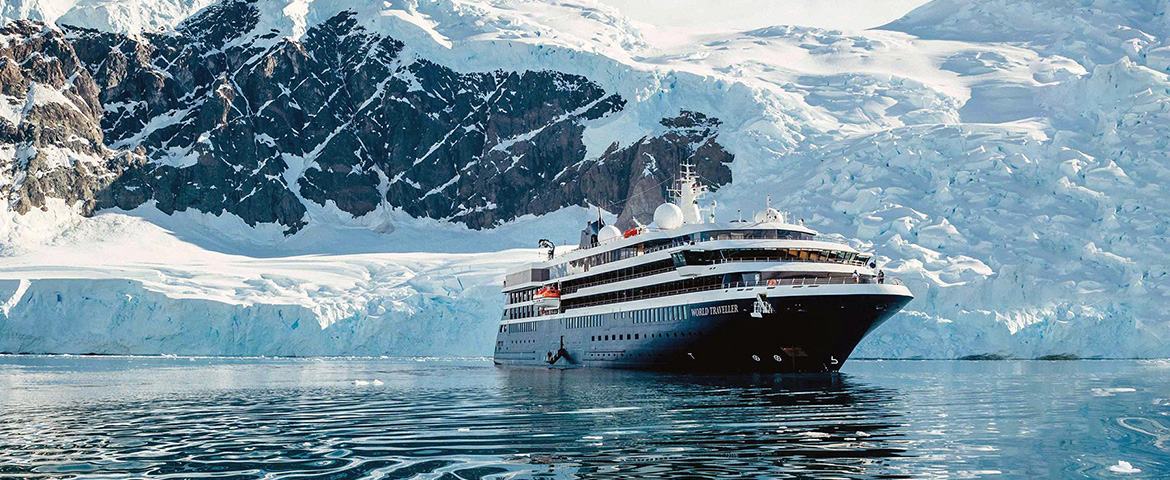

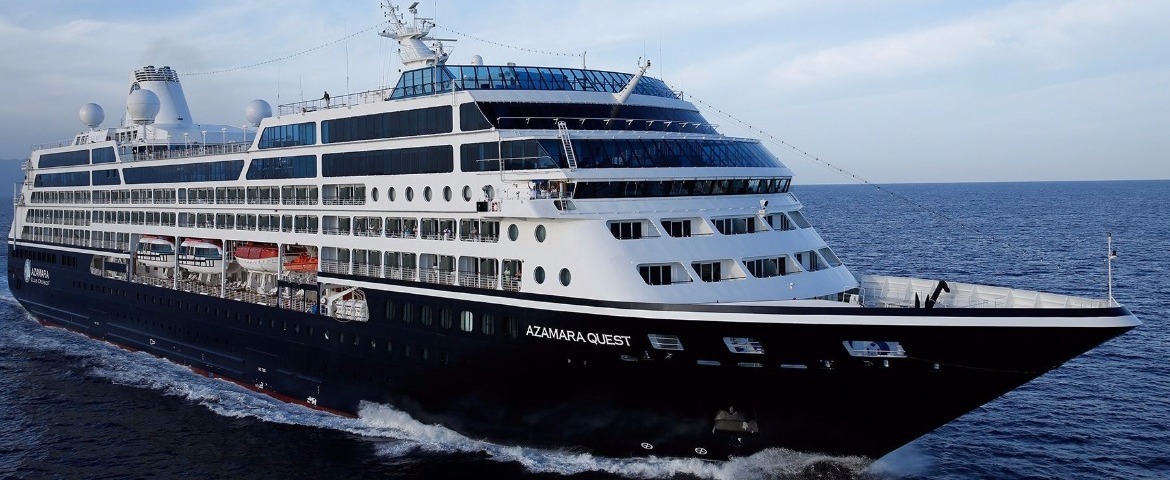
Azamara Club Cruises (10 Cruises)
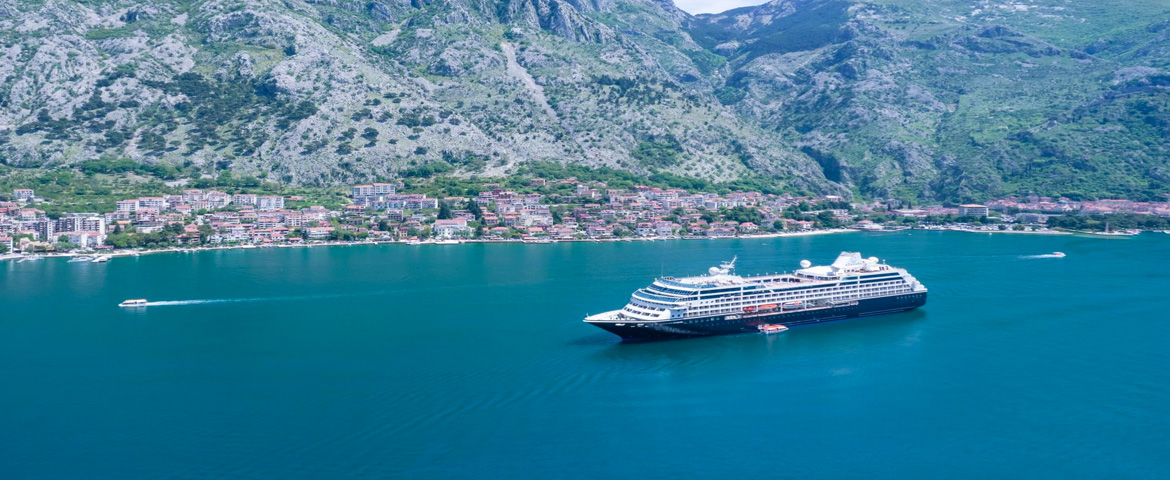

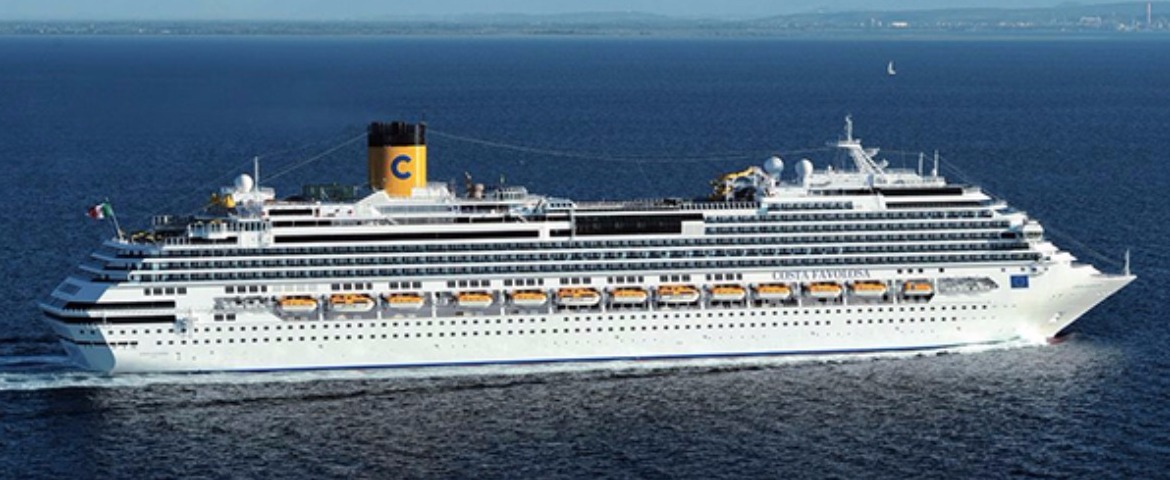
Costa Cruises (4 Cruises)

CroisiEurope (6 Cruises)
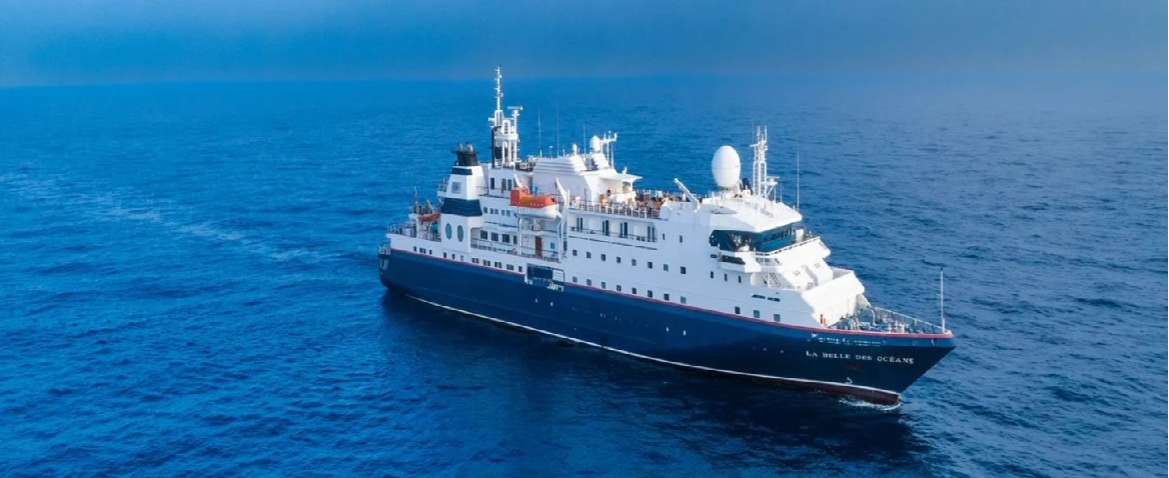

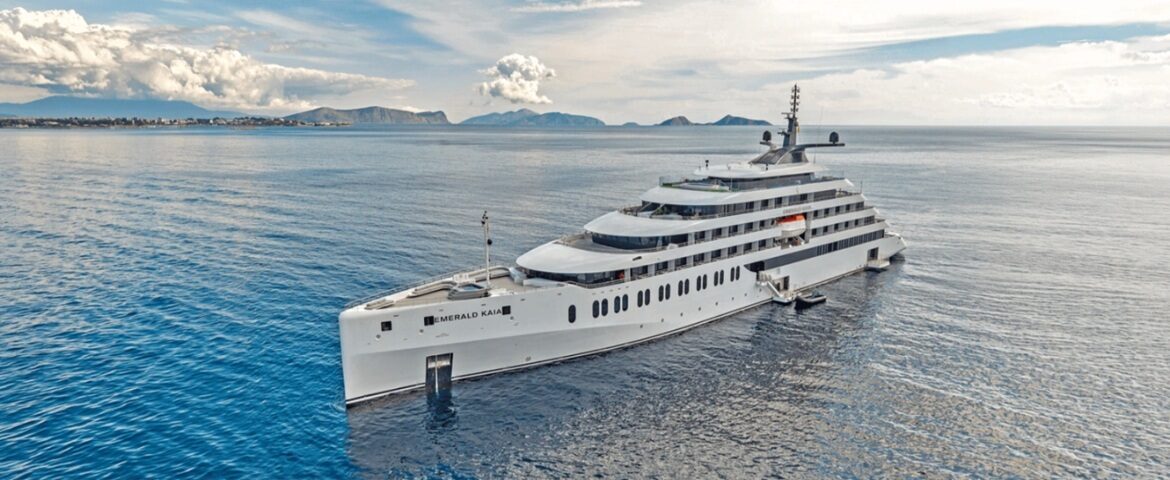
Emerald Waterways (4 Cruises)

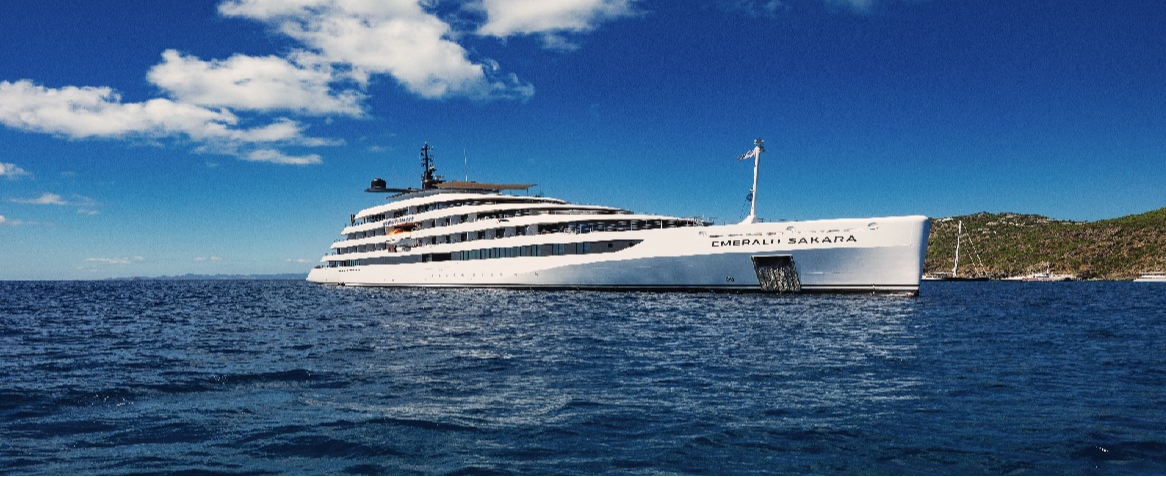
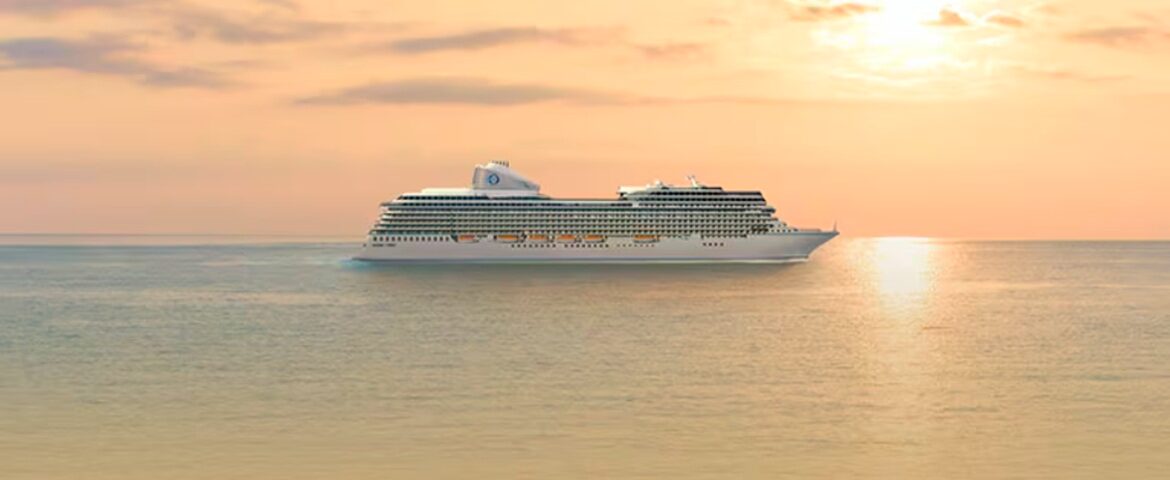
Oceania Cruises (6 Cruises)

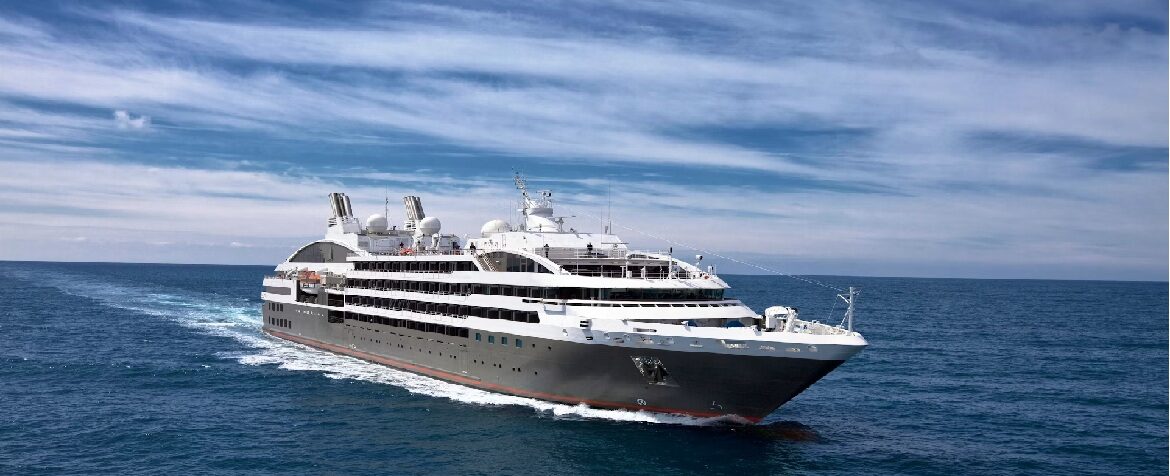

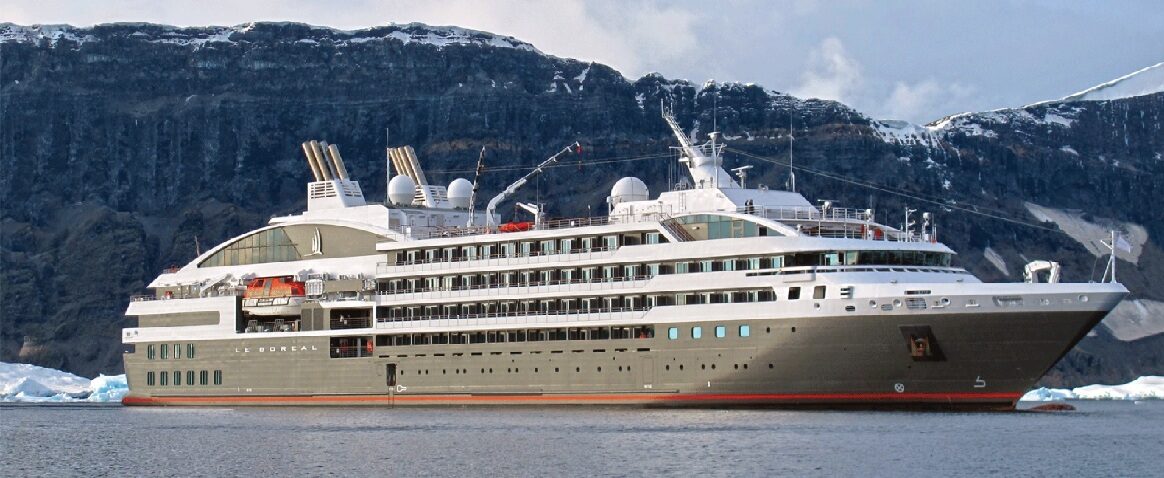
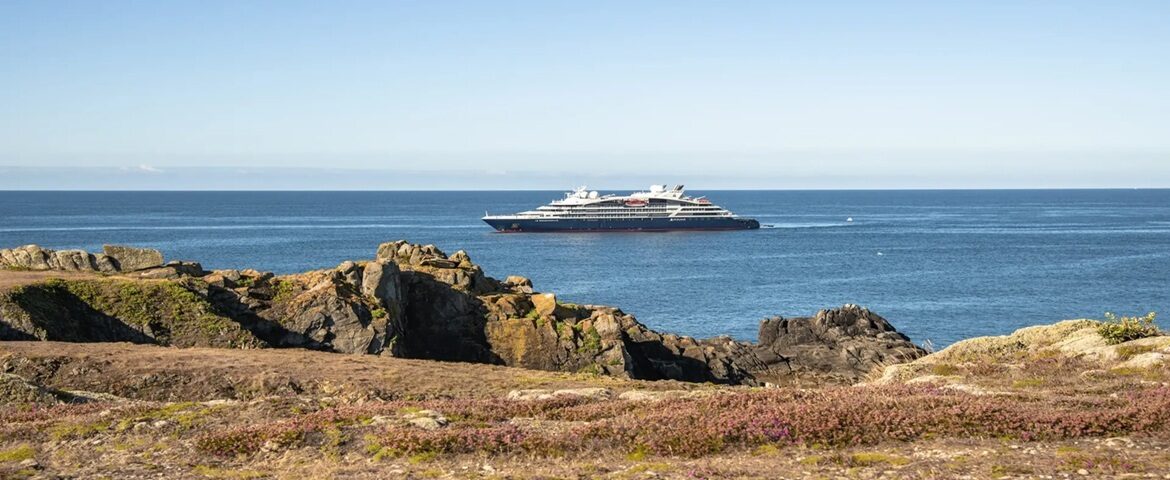
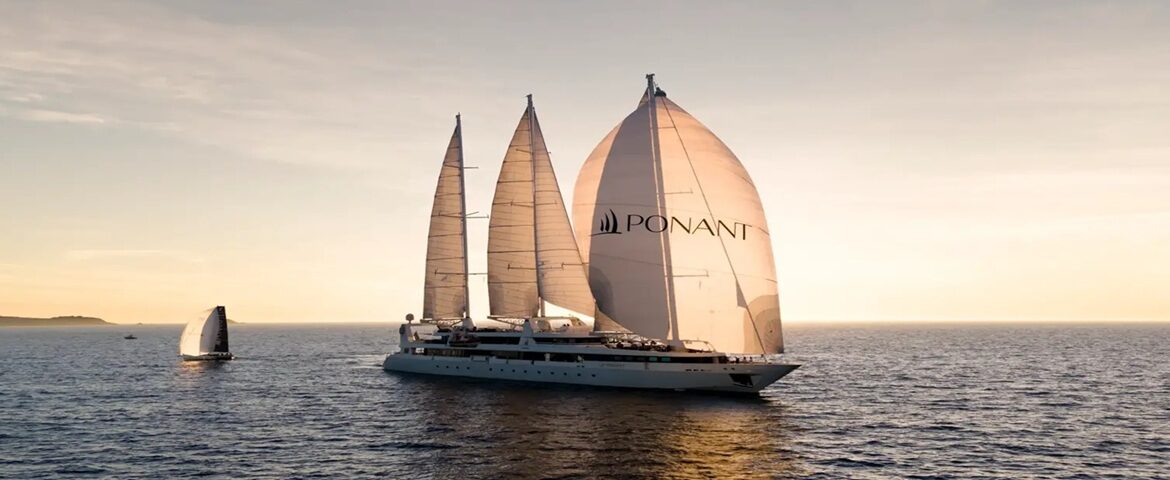
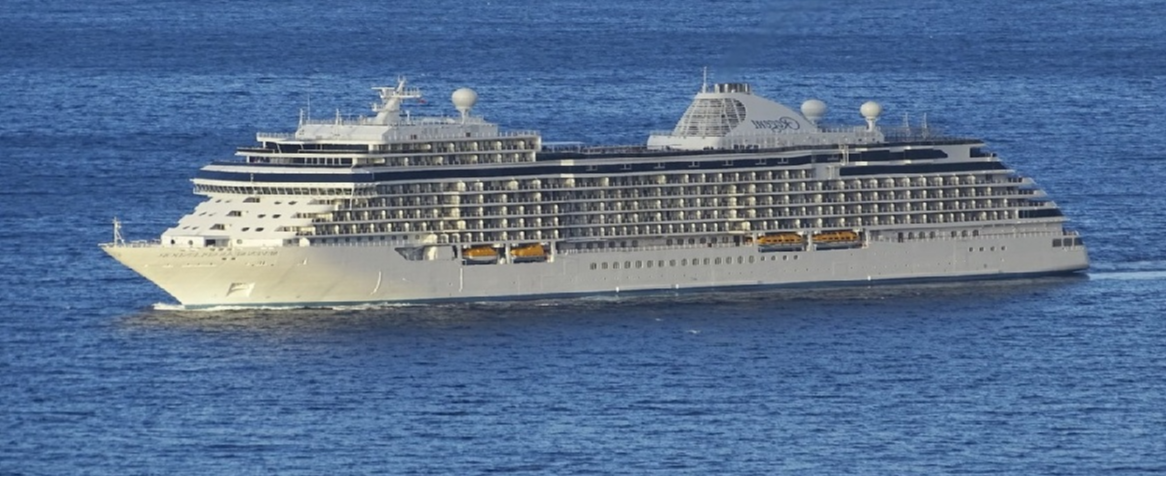

SeaDream Yacht Club (14 Cruises)
Seadream I
5 Cruises
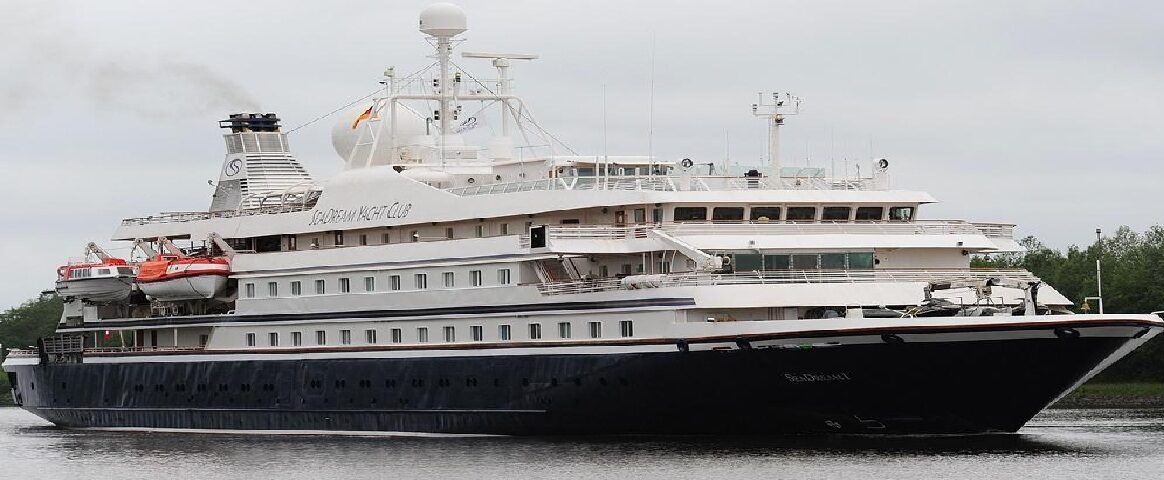

Seadream II
9 Cruises
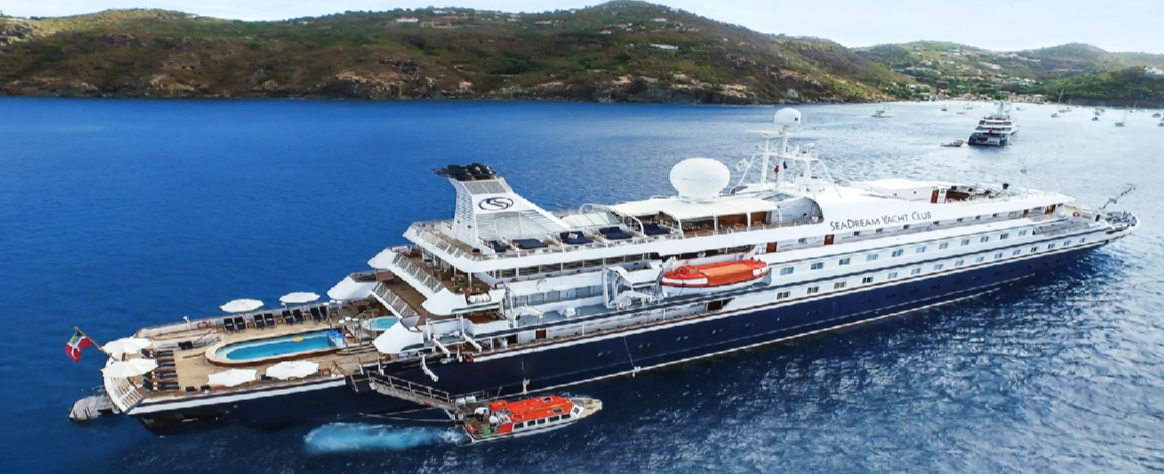
Silversea Cruises (8 Cruises)
Silver Shadow
8 Cruises
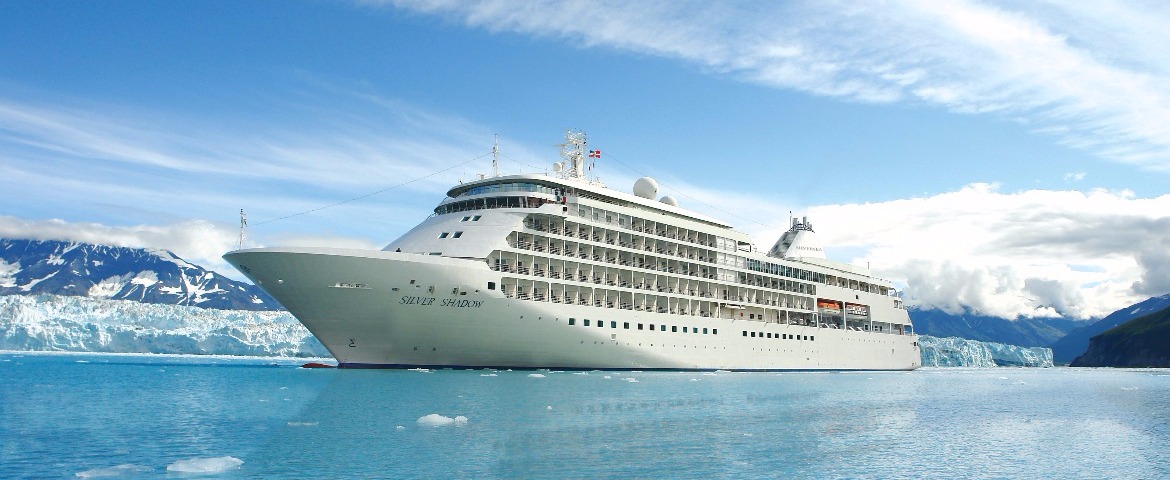

Star Clippers (15 Cruises)
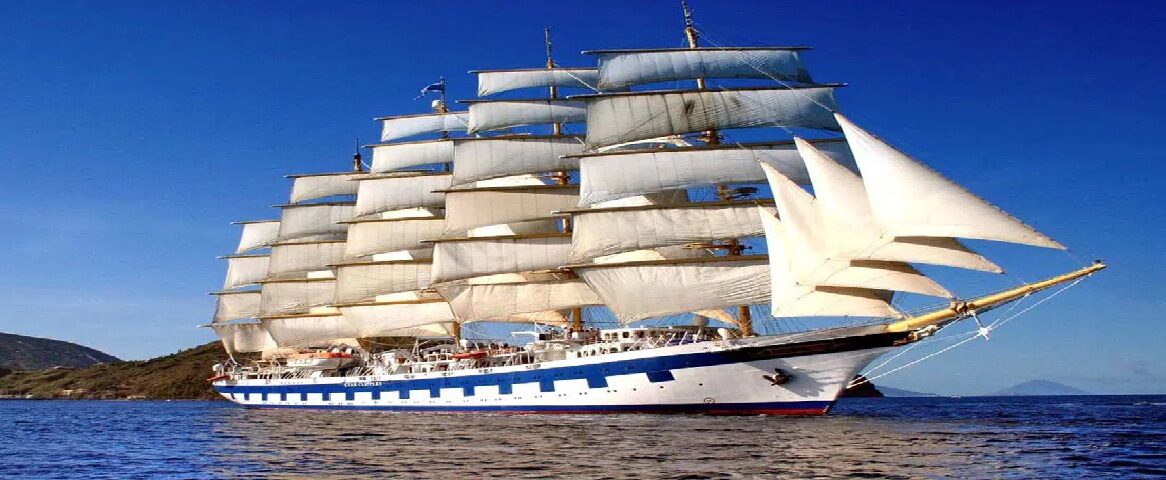
Royal Clipper
6 Cruises

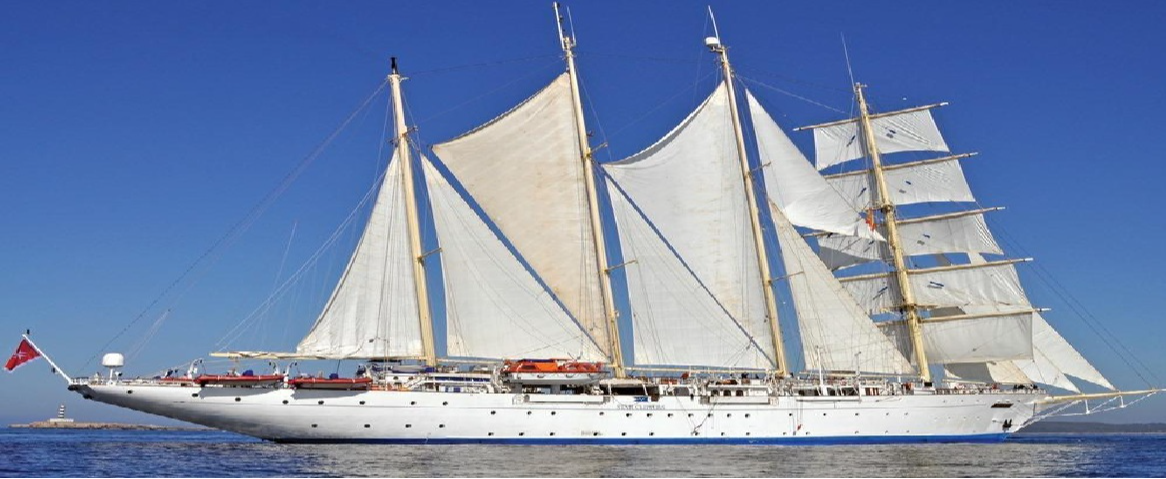
Star Clipper
9 Cruises
| 31 May | 5 nights | Round-trip from Civitavecchia-Rome, Italy |
450-628-6241
Call us
|
| 31 May | 16 nights | One-way from Civitavecchia-Rome to Venice |
450-628-6241
Call us
|
| 8 July | 16 nights | One-way from Venice to Civitavecchia-Rome |
450-628-6241
Call us
|
| 19 July | 5 nights | Round-trip from Civitavecchia-Rome, Italy |
450-628-6241
Call us
|
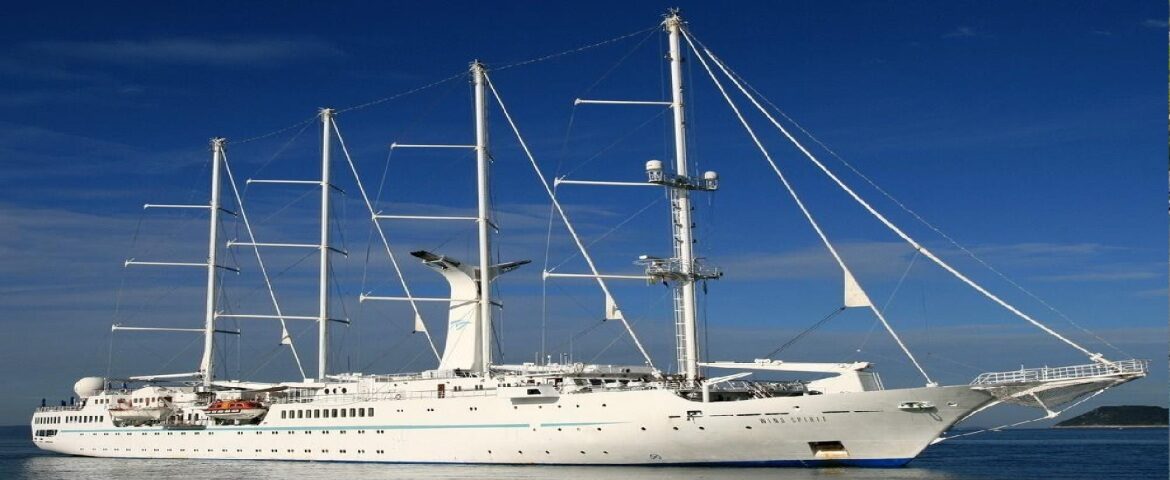
Windstar Cruises (12 Cruises)
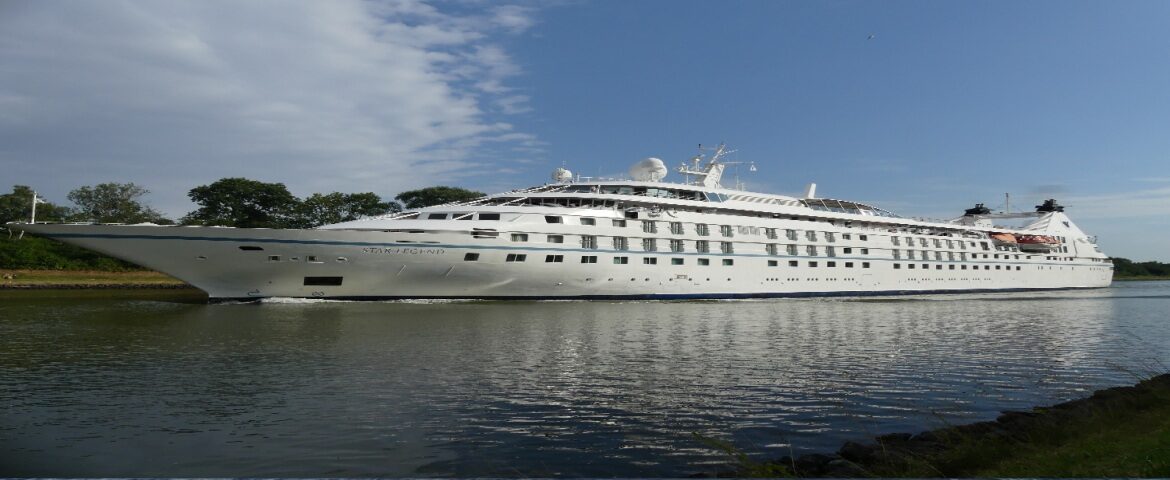
Star Legend
5 Cruises

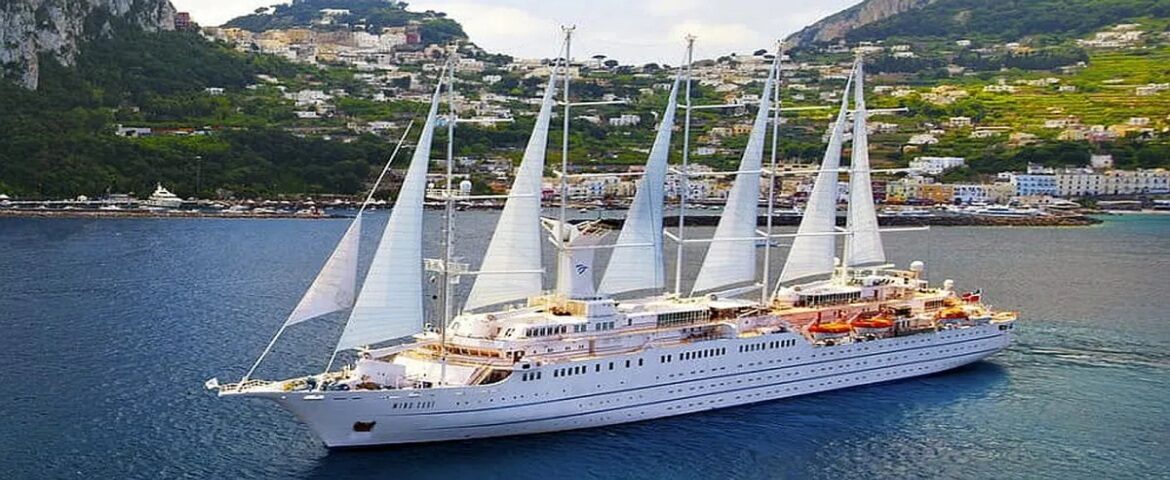

Portoferraio Elba Island | Tuscany Cruise & Napoleon Guide
Frequently Asked Questions
It depends on size. Mid-size ships berth at the deep-water mole a few minutes from the centre; larger ones anchor in the roadstead and tender passengers into the Darsena Medicea, the historic basin. Either way, you land at the gates of the old town.
Yes, entirely. The gate into the old quarter is five to ten minutes' walk from the landing, and no transport is needed for most of the day. The centre does climb in a maze of cobbled lanes and stairs worn by five centuries of use.
The Villa dei Mulini and the Medici forts in the morning, the lanes of the old town after, and a swim at Le Ghiaie before returning aboard. It is a full programme but a feasible one, because everything sits within a very small area.
Napoleon's winter residence during his exile on Elba, at the top of the town. It takes its name from the windmills the emperor had demolished to build it. Now a museum, it keeps period furniture, a library and a hanging garden facing the Tyrrhenian Sea.
Three hundred days, from May 1814. In ten months of miniature rule he reorganized roads, mines and administration. His country residence, the Villa San Martino, hides in the hills a few kilometres away and is reachable by taxi.
The fortifications commissioned by Cosimo I de' Medici, who founded the town in 1548. Forte Stella, recognizable by its star plan and lighthouse, and Forte Falcone, the high point of the ramparts, are linked by shaded rampart walks. The climb takes some breath and rewards it with one of the widest views in the Tuscan archipelago.
Yes — unusual for a cruise call. Le Ghiaie spreads its white pebbles about ten minutes' walk from the centre, in clear water designated a protected zone where fish can be watched a few metres from shore. A mask and a towel are all you need.
The euro and Italian. Cards work in shops and museums, but keep cash for gelaterias and small stores in the lanes. English is well spoken in season, since the island lives largely on tourism.
Island wine, cork objects or aniseed pastries, sold in the shops of the upper lanes. Old-town stores happily mix local craft with Napoleonic souvenirs.
Yes, quite good. Le Ghiaie beach is within walking distance, children enjoy the forts, and the centre is pedestrian. Stairs and cobbled alleys make strollers hard work: a carrier is easier for the youngest.


