Jeju Island Seogwipo-Jeju City, Korea
Korea
171
Cruises availables
At departure or passage at this port

Explora Journeys (2 Cruises)


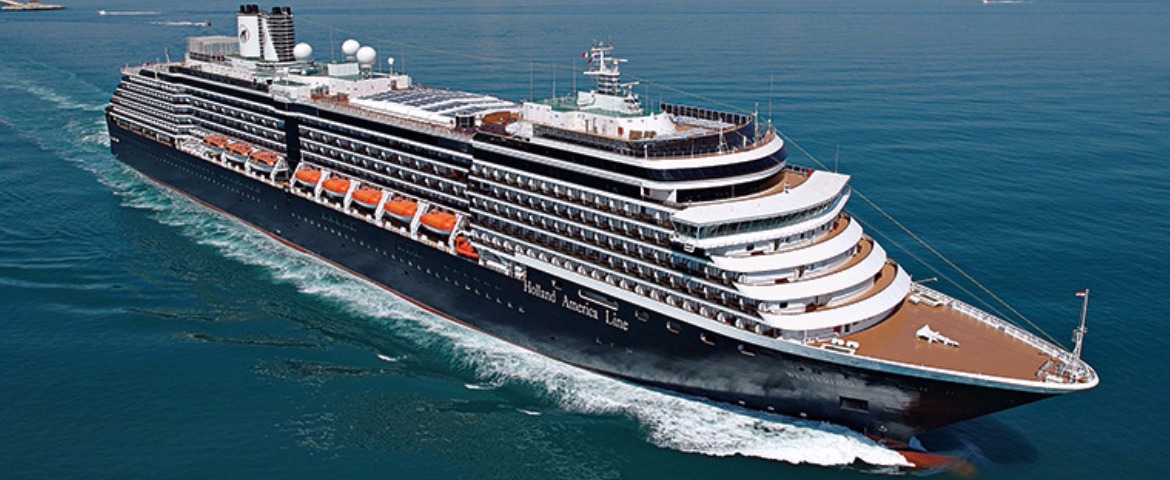
MSC Cruises (26 Cruises)
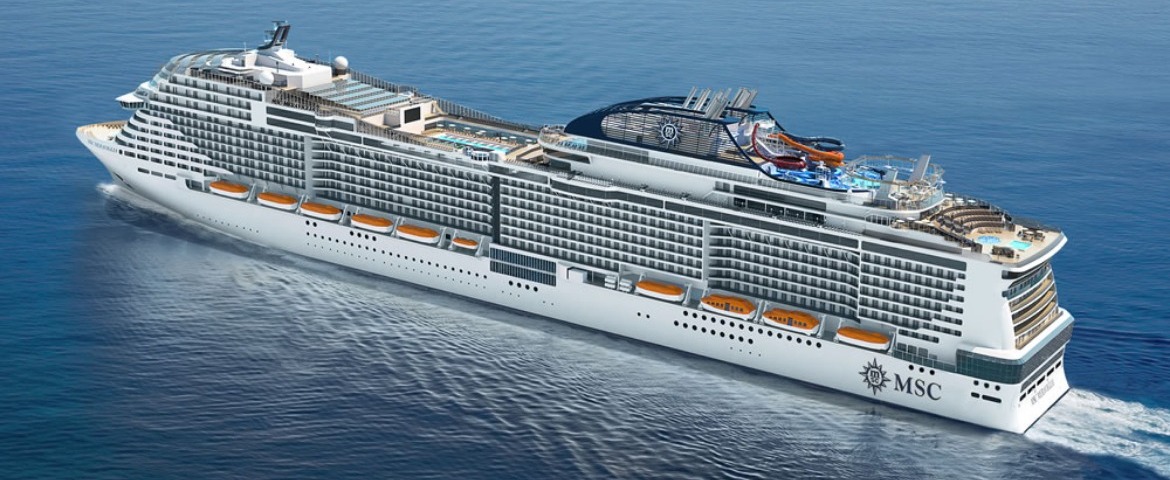
MSC Bellissima
26 Cruises

| 1 March | 5 days | Round-trip from Shanghai, China |
From
637$
|
| 5 March | 5 days | Round-trip from Shanghai, China |
From
960$
|
| 27 March | 6 days | Round-trip from Tokyo, Japan |
From
1576$
|
| 10 April | 11 days | Round-trip from Tokyo, Japan |
450-628-6241
Call us
|
| 29 April | 6 days | Round-trip from Tokyo, Japan |
From
1499$
|
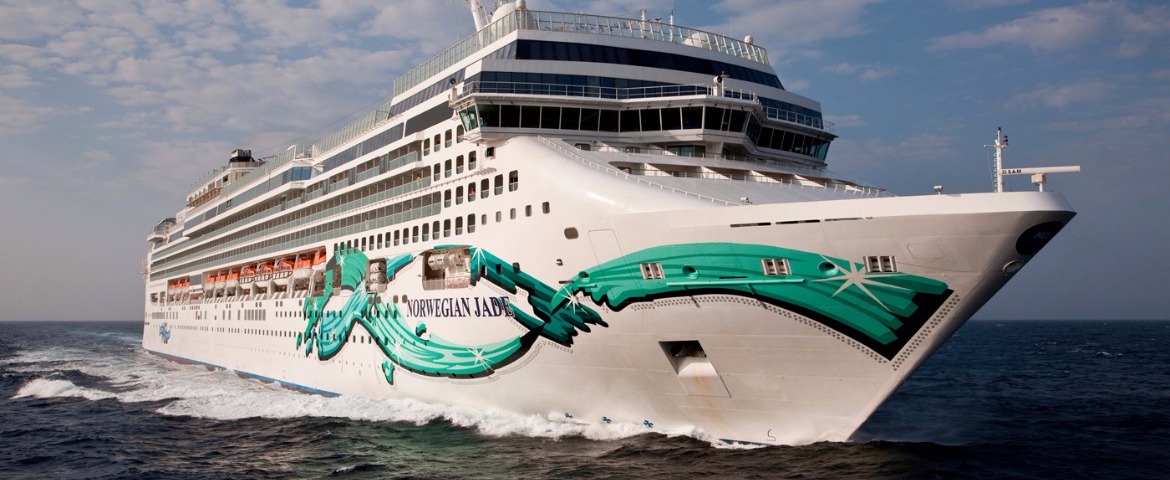
Norwegian Cruise Line (13 Cruises)

Oceania Cruises (15 Cruises)
Oceania Aurelia
6 Cruises
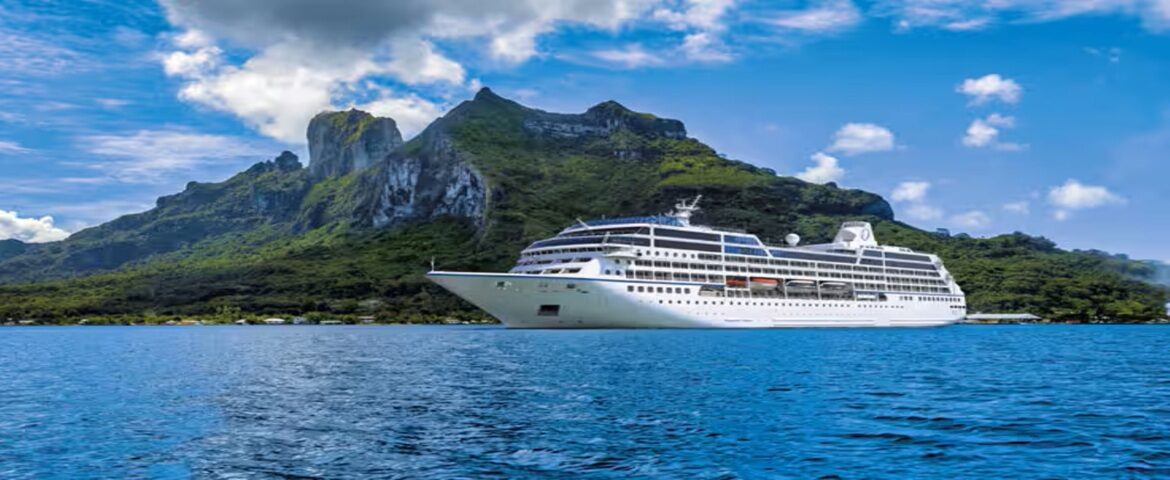

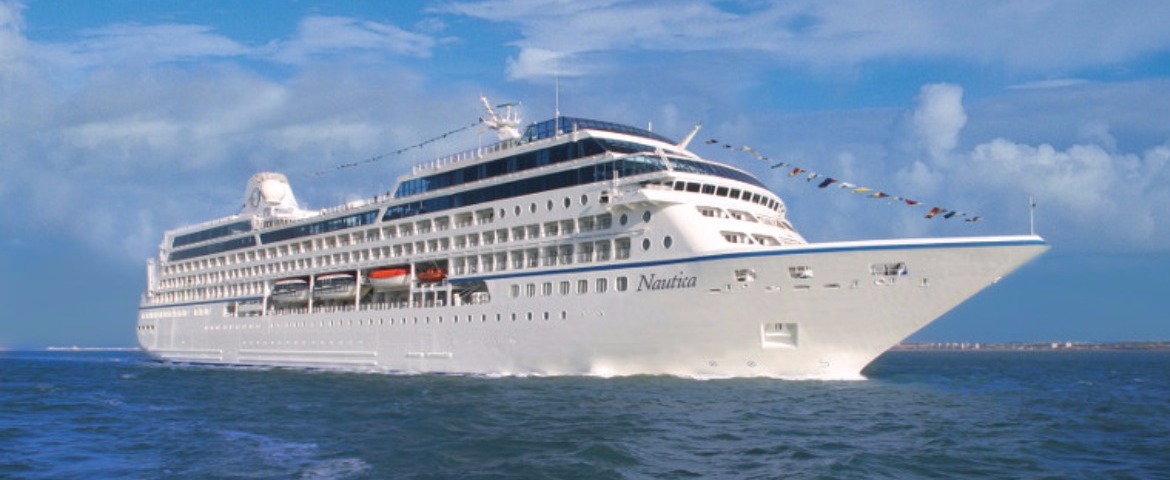
Oceania Nautica
6 Cruises
Princess Cruises (38 Cruises)
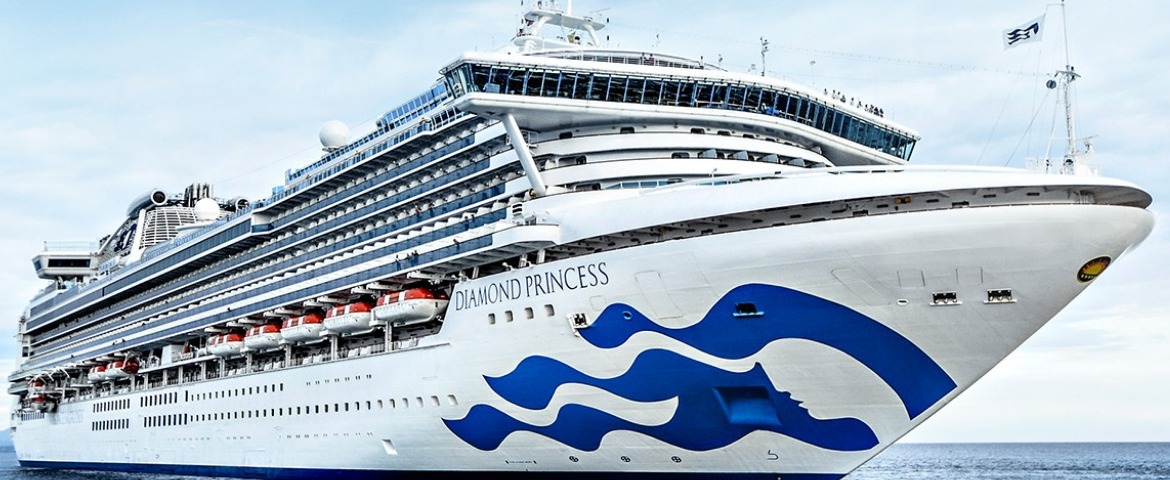
Diamond Princess
18 Cruises

| 8 May | 11 days | Round-trip from Yokohama, Japan |
450-628-6241
Call us
|
| 8 May | 21 days | Round-trip from Yokohama, Japan |
450-628-6241
Call us
|
| 9 July | 19 days | Round-trip from Tokyo, Japan |
450-628-6241
Call us
|
| 20 July | 8 days | Round-trip from Tokyo, Japan |
450-628-6241
Call us
|
| 20 July | 16 days | Round-trip from Tokyo, Japan |
450-628-6241
Call us
|
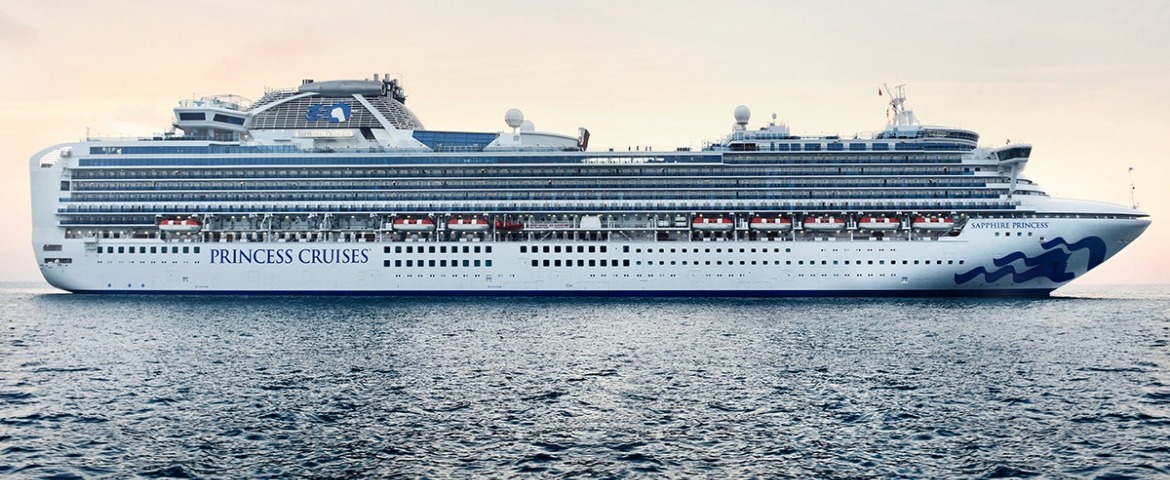
Sapphire Princess
20 Cruises
| 18 May | 19 days | Round-trip from Tokyo, Japan |
450-628-6241
Call us
|
| 29 May | 19 days | Round-trip from Tokyo, Japan |
450-628-6241
Call us
|
| 29 May | 8 days | Round-trip from Tokyo, Japan |
450-628-6241
Call us
|
| 19 April | 17 days | Round-trip from Tokyo, Japan |
450-628-6241
Call us
|
| 28 April | 8 days | Round-trip from Tokyo, Japan |
450-628-6241
Call us
|
| 28 April | 20 days | Round-trip from Tokyo, Japan |
450-628-6241
Call us
|
| 17 May | 18 days | Round-trip from Tokyo, Japan |
450-628-6241
Call us
|
| 27 May | 8 days | Round-trip from Tokyo, Japan |
450-628-6241
Call us
|
| 27 May | 19 days | Round-trip from Tokyo, Japan |
450-628-6241
Call us
|
Regent Seven Seas Cruises (21 Cruises)
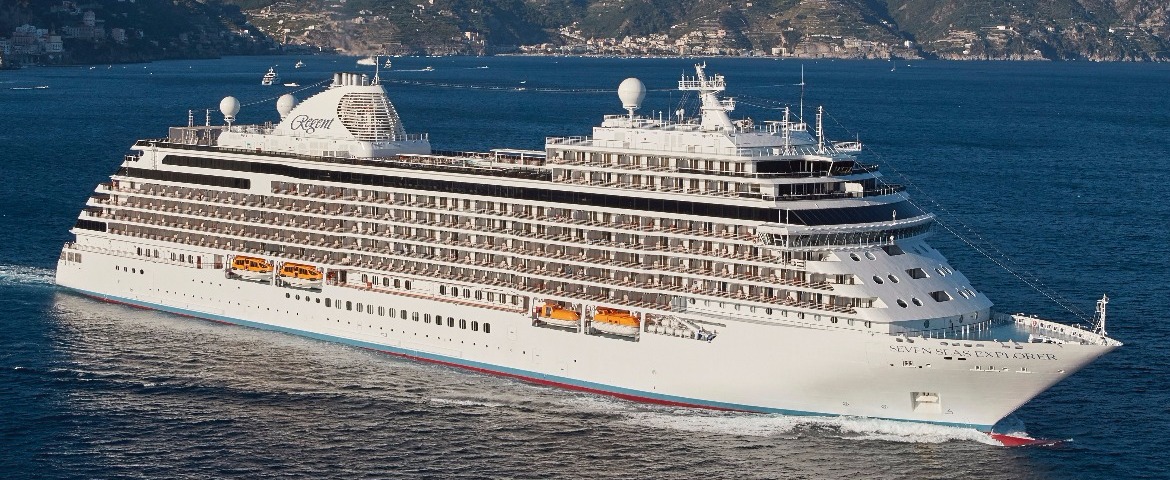
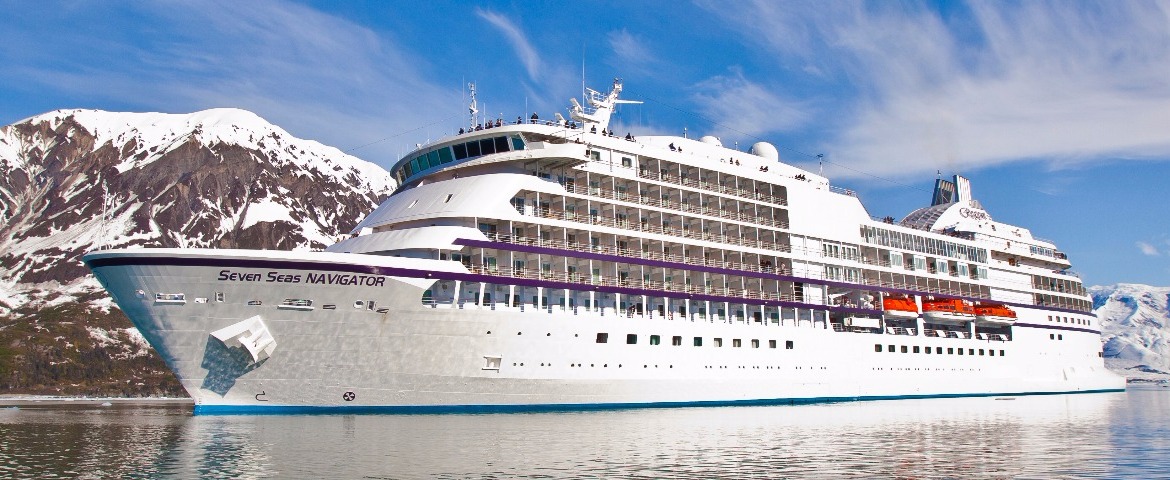
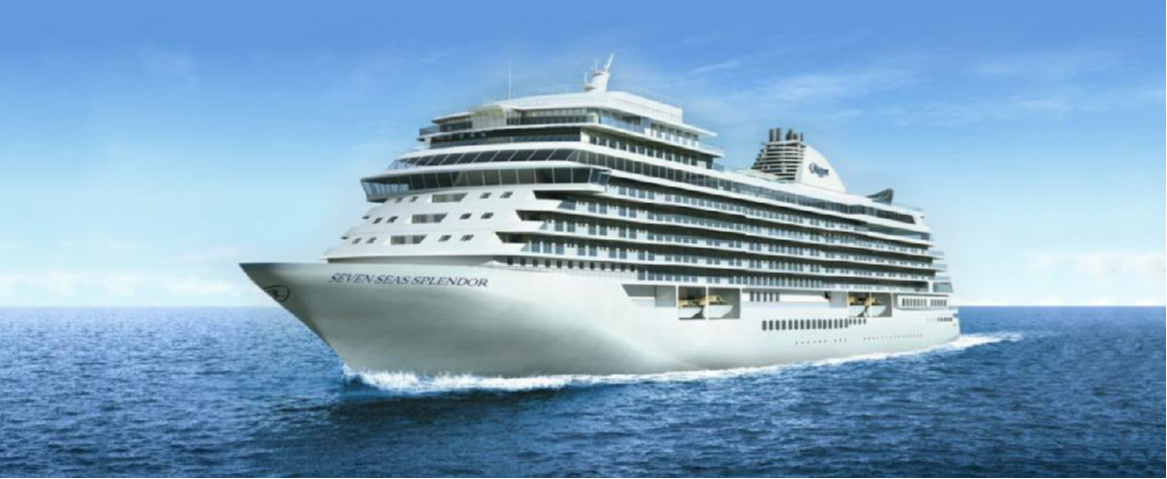
Seven Seas Splendor
14 Cruises
| 6 January | 133 days | Round-trip from San Francisco, USA |
450-628-6241
Call us
|
| 6 January | 140 days | One-way from San Francisco to Vancouver |
450-628-6241
Call us
|
Royal Caribbean Cruises (18 Cruises)



Seabourn Cruise Line (11 Cruises)
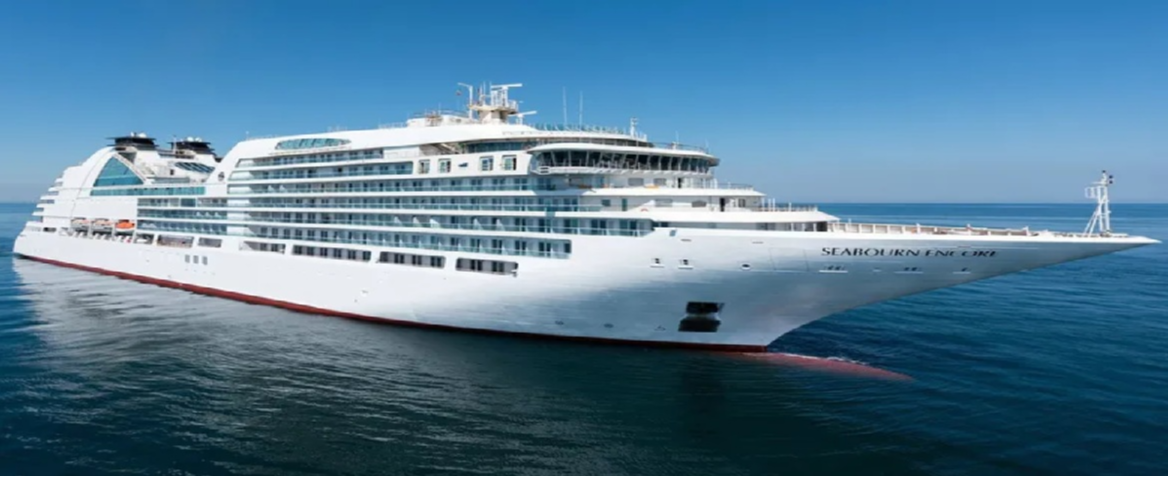
Seabourn Encore
11 Cruises

Silversea Cruises (17 Cruises)
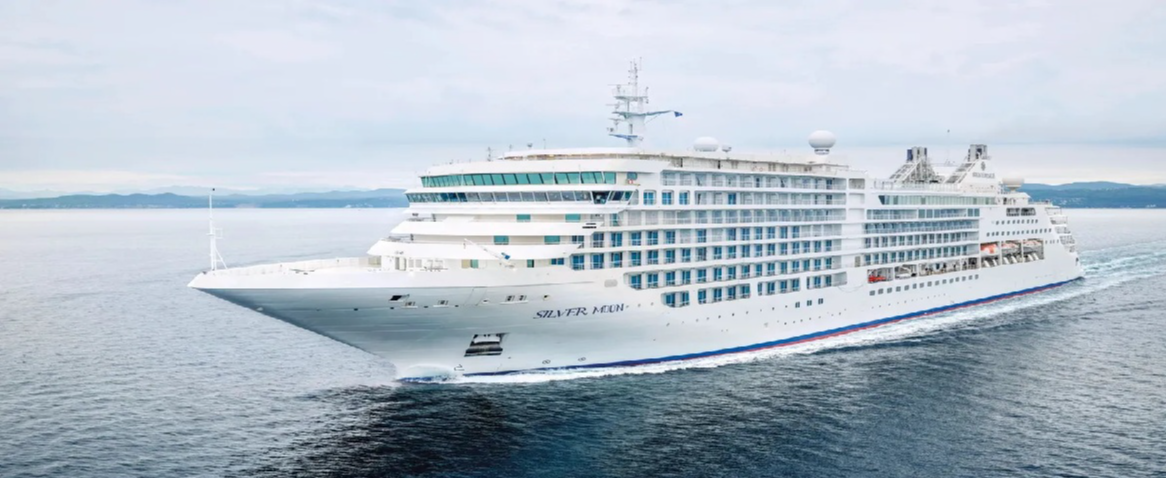

Silver Muse
16 Cruises
| 10 May | 15 days | One-way from Incheon to Tokyo |
450-628-6241
Call us
|
| 24 May | 15 days | One-way from Tokyo to Incheon |
450-628-6241
Call us
|
| 7 June | 15 days | One-way from Incheon to Tokyo |
450-628-6241
Call us
|
| 21 June | 25 days | Round-trip from Tokyo, Japan |
450-628-6241
Call us
|
| 21 June | 13 days | Round-trip from Tokyo, Japan |
450-628-6241
Call us
|
| 15 July | 25 days | Round-trip from Tokyo, Japan |
450-628-6241
Call us
|
| 15 July | 13 days | Round-trip from Tokyo, Japan |
450-628-6241
Call us
|
| 8 August | 25 days | Round-trip from Tokyo, Japan |
450-628-6241
Call us
|
| 8 August | 13 days | One-way from Tokyo to Incheon |
450-628-6241
Call us
|

Jeju Island | Cruise Port Guide
Frequently Asked Questions
It depends on the ship. Some berth at Jeju City port on the north coast, about two kilometres from downtown. Others use the Gangjeong terminal near Seogwipo, on the south side. The two points are roughly forty kilometres apart and open onto completely different attractions, so check which one appears on your itinerary before planning the day.
Only partly, and only from Jeju City. From there, Yongduam Rock is a few minutes away and Dongmun Market is walkable from the centre. From Gangjeong you need transport: nothing worthwhile is within walking distance. In either case, the island's major volcanic sites require a drive.
Pick one direction, not three. From the north, Yongduam Rock and Dongmun Market fill a relaxed half day, or you head east to Seongsan Ilchulbong. From the south, the two Seogwipo waterfalls and a stretch of coastal path are enough. Trying to cross the island end to end wastes half the call on a coach.
It is a tuff cone that rose straight out of the sea, about an hour's drive east, UNESCO World Heritage listed since 2007. The stepped path climbs to the rim in about thirty minutes, where you look down into a crater carpeted with tall grasses. It is the signature image of Jeju, but you have to accept the climb and arrive early to beat the tour groups.
With some luck, yes, especially at the foot of Seongsan Ilchulbong. These women, often sixty and older, harvest abalone, sea urchins and conch by free diving, without tanks. You spot them by the sumbisori, the distinctive whistle they make on surfacing. Nothing is guaranteed: they dive according to the sea and the season, not the cruise schedule.
The waterfalls. Cheonjiyeon drops into a lush wooded ravine, and Jeongbang has the rare distinction of falling straight into the sea from its cliff. The two are close together. The nearby coastal trails, lined with wind-bent pines, then offer striking views over the offshore islets.
The South Korean won. Credit cards work almost everywhere, even for small amounts: South Korea is one of the least cash-dependent countries in the world. Still, keep a few won for the Dongmun Market stalls, where some of the older vendors prefer cash.
Korean is the everyday language, and English remains limited outside tourist sites and hotels. Signage at the major attractions is translated, and younger people often manage. For everything else, a translation app on your phone handles most situations. French is not spoken.
Spring and autumn. From April to June the island is in bloom and temperatures stay mild; from September to November the sky clears and the light on the volcanic cones is superb. Summer is hot, humid and exposed to typhoons, winter distinctly windy. Koreans call Jeju the island of three abundances: wind, stones and women.
Yes, as long as you match the effort to the group. Dongmun Market, Yongduam Rock and the Seogwipo waterfalls suit all ages and involve little walking. The Manjanggul lava tube, where you walk a kilometre underground through a lit passage, usually fascinates children. The Seongsan Ilchulbong climb, though, is thirty minutes of stairs: judge that one by your own legs.


